
As an Amazon Associate CoffeeXplore.com earns from qualifying purchases.
Herbal Tea Workshop: 7 Easy Medicinal Blends for 2026
Are you tired of brewing store-bought bags that deliver a weak infusion and a bitter taste? Finding the perfect healing cup often feels incredibly frustrating. You can transform your daily wellness routine with a hands-on herbal tea workshop.
A herbal tea workshop is an immersive, hands-on educational session led by a certified herbalist where participants learn to formulate, blend, and brew custom medicinal tea blends using organic dried herbs, flowers, and roots to support holistic wellness. This interactive experience empowers you to craft specific remedies safely.
Drawing from clinical herbalism and verified safety guidelines, this guide serves as your virtual masterclass. You will discover exactly how to balance botanical ingredients to solve your biggest health challenges. Master the apothecary craft and reclaim your natural vitality today.
Contents
show
Welcome to Your Herbal Tea Workshop: Mastering Botanical Blending for Daily Wellness
Welcome to your virtual DIY herbal tea session. If you want to confidently identify, formulate, blend, and steep custom botanical beverages, you have arrived at the perfect place. As a certified herbalist trained in pharmacognosy, I designed this holistic tea workshop to mirror an immersive in-person class. You will learn to utilize organic dried herbs and powerful medicinal roots to address your unique health goals.
Before we dive into the ingredients, we must establish essential safety guidelines. In professional herbalism, safety always comes first. Never assume that a natural ingredient is automatically safe for everyone to consume. You must always consult FDA guidelines and verify herbal contraindications before you brew, especially if you are pregnant, nursing, or currently taking prescription medications.
A critical foundational skill in any tea making course is understanding extraction methods. Many beginners fail because they treat delicate flowers the same way they treat tough roots. Understanding this difference will instantly elevate your botanical mixology.
| Method | Best Used For | Water Temperature | Steeping Time | Purpose |
|---|---|---|---|---|
| Infusion | Leaves, flowers, delicate aerial parts | Just off the boil (200°F – 210°F) | 5 – 15 minutes | Extracts volatile oils and light vitamins without destroying flavor. |
| Decoction | Roots, barks, dried berries, seeds | Gentle, rolling simmer on stovetop | 20 – 45 minutes | Breaks down tough cellular walls to extract deep water-soluble constituents. |
Take a moment for a brief self-assessment. What is your primary wellness goal today? Whether you need better sleep or stronger immunity, keep that intention in mind as we explore our formulations.
7 Easy Medicinal Blends to Formulate at Your DIY Herbal Tea Session 2026
To formulate easy medicinal blends at home: 1. Source organic dried herbs and flowers. 2. Identify your base, supportive, and catalyst herbs. 3. Measure ingredients using a precise ratio. 4. Mix thoroughly in a glass jar. 5. Steep leaves or decoct roots. 6. Strain and enjoy your signature tea. 7. Store away from direct sunlight.
Whether you are hosting a local Austin workshop or blending solo in your kitchen, crafting medicinal tea blends is a deeply rewarding sensory experience. You will learn to extract vital water-soluble constituents using simple tools like a mortar and pestle. By calculating precise ratios, you will achieve perfect flavor balancing and support your health naturally. Let us explore seven professional formulations you can create right now.
1. Formulate a Calming Sleep Aid Blend with Herbs + Flowers

Pin this relaxing sleep blend to your natural wellness board!
Many people struggle to find a natural sleep aid that works without causing morning grogginess. This aromatic herb and flower tea workshop recipe solves that exact problem. By thoughtfully combining gentle herbs + flowers, we create a perfectly balanced flavor profile. The sweet, floral notes completely mask the heavy, earthy taste of the roots, resulting in a delightful sensory experience before bed.
Ingredients
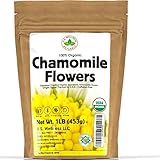
- 2 tablespoons organic dried chamomile flowers (base herb for gentle relaxation)
- 1 tablespoon dried lavender buds (aromatic support)
- 1 teaspoon dried valerian root (potent medicinal catalyst)
- 1 teaspoon lemon balm leaf (for flavor balancing and stress relief)
Instructions
- Measure all dried botanicals accurately and place them into a clean, dry glass mixing bowl.
- Blend the herbs gently with a wooden spoon to avoid crushing the delicate chamomile flowers and releasing their oils prematurely.
- Scoop 1 tablespoon of your custom tea blend into a stainless steel tea infuser.
- Steep in 8 ounces of freshly boiled water, covering the cup with a lid or saucer for 10-15 minutes to trap the essential oils.
- Strain the botanicals, breathe in the aromatic steam, and sip 30 minutes before bedtime.
Pro-Tip: In professional clinical herbalism, we classify chamomile and lavender as nervines. To protect their delicate volatile oils, never use boiling water directly on the flowers; let the water sit for 1 minute off the boil before you steep.
2. Blend an Immune Booster Tea with Single Origin Ingredients

Save this powerful immune defense recipe to your winter wellness board!
When cold season approaches, a potent immune booster tea becomes essential. For this recipe, we focus entirely on single origin ingredients to ensure maximum medicinal potency. Because this formulation relies heavily on tough roots + leaves and dried berries, a simple hot water pour will not work. We must utilize a stovetop decoction to extract the medicine effectively.
Ingredients
- 2 tablespoons dried organic elderberries (Sambucus nigra)
- 1 tablespoon dried echinacea root
- 1 teaspoon dried ginger root pieces
- 1 cinnamon stick, lightly crushed
- Optional: 1 teaspoon raw honey for natural sweetness
Instructions
- Combine the elderberries, echinacea root, ginger, and cinnamon in a small stainless steel saucepan.
- Pour 16 ounces of cold water over the single origin ingredients.
- Decoct by bringing the mixture to a gentle, rolling boil over medium heat.
- Reduce the heat to low, cover tightly, and simmer for 20 minutes to fully extract the medicinal properties from the tough roots and berries.
- Strain the dark, rich liquid through a fine-mesh sieve into your mug, stir in raw honey if desired, and enjoy.
Pro-Tip: Roots, barks, and dried berries require a decoction rather than a standard steep. Simmering helps break down hard cellular walls, ensuring you extract the maximum amount of immune-supporting phytoconstituents and active compounds.

3. Brew a Digestive Support Infusion to Balance Bitter Herbs

Pin this soothing digestive tea for after-dinner comfort!
Digestive support teas often suffer from a harsh, unpalatable flavor profile due to heavy medicinal roots. The secret to a perfect peppermint tea for digestion is learning how to balance bitter herbs properly. By incorporating sweet, aromatic seeds and bright leaves, you can mask medicinal bitters entirely, creating a post-meal brew that actually tastes incredible while relieving bloating.
Ingredients
- 2 tablespoons loose leaf peppermint tea (organic)
- 1 tablespoon whole organic fennel seeds
- 1 teaspoon roasted dandelion root (medicinal bitter)
- 1/2 teaspoon dried ginger root
Instructions
- Crush the fennel seeds lightly in a mortar and pestle just until they crack open to release their essential oils.
- Mix the crushed seeds with the peppermint, dandelion root, and ginger in a blending bowl.
- Measure 1 heaping tablespoon of the custom tea blend into your infuser.
- Infuse with boiling water for 10 minutes, keeping the cup covered.
- Taste the infusion; note how the bright peppermint and sweet fennel effectively mask the roasted, earthy notes of the dandelion.
Pro-Tip: In pharmacognosy, herbs like fennel and peppermint are known as carminatives, which soothe the digestive tract. Pairing them with bitters like dandelion root creates a synergistic effect that stimulates digestion without overwhelming your palate with a bitter taste.


4. Mix a Stress Management Adaptogen Tea for Health + Vitality

Save this daily stress-busting adaptogen blend to your self-care board!
Modern life requires effective stress management, and nothing works better than a daily tonic tea. This functional tea formulation masterclass recipe utilizes adaptogens to help your body cope with chronic fatigue. By incorporating these powerful botanicals into your daily ritual + blending practice, you can actively support your long-term health + vitality without relying on synthetic supplements.
Ingredients
- 2 tablespoons organic dried Holy Basil (Tulsi) leaves
- 1 teaspoon dried Ashwagandha root (finely cut or powdered)
- 1 tablespoon dried pink rose petals (for emotional support and flavor)
- 1 teaspoon oat straw (nervine support)
Instructions
- Source high-quality, ethically wildcrafted or organic certified adaptogens, as quality heavily impacts efficacy.
- Formulate the blend by tossing the tulsi, ashwagandha, rose petals, and oat straw together in a glass container.
- Steep 1 tablespoon of the blend in 8-10 ounces of boiling water.
- Cover and let it infuse for a full 15 minutes—adaptogens require slightly longer steeping times to release their full benefits.
- Strain and drink daily, as adaptogenic herbs work best when consumed consistently over time.
Pro-Tip: Adaptogens like Ashwagandha and Tulsi operate on a cumulative basis. Unlike a quick shot of caffeine, their synergistic effects build up in your system, requiring consistent traditional use to effectively neutralize the physical impacts of stress.

5. Steep a Caffeine-Free Alternatives Blend for Energy

Pin this vibrant, caffeine-free morning energy booster!
Replacing your morning coffee with caffeine-free alternatives does not mean sacrificing energy. Through intelligent botanical mixology, you can craft plant-based beverages that uplift the senses and provide sustained stamina without the afternoon crash. Proper hot water extraction of these specific herbs yields a clean, bright flavor profile that acts as the perfect healthy alternative to caffeine.
Ingredients
- 1 tablespoon dried Rhodiola Rosea root (cut and sifted)
- 2 tablespoons dried spearmint leaves
- 1 tablespoon dried orange peel
- 1/2 teaspoon dried Gotu Kola (for mental clarity)
Instructions
- Combine all plant-based beverages ingredients in an airtight glass jar and shake well to distribute the heavier root pieces among the lighter mint leaves.
- Scoop 1.5 tablespoons of the mixture for a robust morning cup.
- Pour freshly boiled water over the blend to begin the hot water extraction process.
- Steep for 10-12 minutes. The spearmint will infuse quickly, while the Rhodiola needs the full time to extract properly.
- Strain and serve warm to jumpstart your morning routine without the jitters.
Pro-Tip: When exploring alternatives to caffeine, look for herbs that optimize cellular energy rather than artificially stimulating the nervous system. The active compounds in Rhodiola promote sustained stamina, making it a staple in professional formulation.

6. Craft a Respiratory Wellness Decoction with Roots + Leaves

Save this lung-supporting herbal recipe for cold and allergy season!
During cold and allergy season, understanding how to work with highly textured roots + leaves is vital. In any professional herbal medicine workshop, learning to handle fuzzy textures like mullein is a primary focus. To extract the soothing water-soluble constituents that support lung health, we must carefully manage the brewing and filtering process to ensure ultimate respiratory comfort.
Ingredients
- 2 tablespoons dried organic Mullein leaf
- 1 tablespoon dried Licorice root slices (provides natural sweetness and throat coating)
- 1 teaspoon dried culinary thyme (acts as a gentle expectorant)
- Optional: A slice of fresh lemon
Instructions
- Mix the fuzzy mullein leaves, woody licorice, and fragrant thyme in your blending vessel.
- Measure out 1 tablespoon per cup and place it in a saucepan with cold water if you prefer a light decoction, or directly in a mug for a standard infusion.
- Steep with boiling water for a full 15 minutes to draw out the soothing mucilage from the mullein and licorice.
- Strain meticulously. Crucial step: Pour the tea through a paper coffee filter or a very fine muslin cloth, as mullein has tiny hairs that can irritate the throat if not properly filtered.
- Taste the naturally sweet, earthy brew and feel it coat and soothe the respiratory tract.
Pro-Tip: Mullein is highly valued in clinical herbalism for its mucilage content. However, adhering to safety standards means you must always double-strain mullein infusions through a fine cloth, as the plant’s natural fuzz can cause irritation if swallowed.

7. Infuse an Antioxidant Skin Radiance Tisane

Pin this gorgeous, jewel-toned beauty tea for glowing skin!
Mastering the visual elements of tisane crafting is incredibly rewarding. Crafting vibrant flower waters provides immense hydration and skin-supporting antioxidants. However, working with brightly colored, heat-sensitive herbs requires strict temperature management. If you over-steep these delicate flowers, you risk extracting bitter tannins that completely ruin the refreshing tartness of this beautiful summer blend.
Ingredients
- 2 tablespoons organic dried Hibiscus flowers (calyxes)
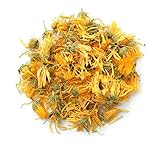
- 1 tablespoon dried Calendula petals
- 1 tablespoon crushed Rose hips
- 1/2 teaspoon dried sweet orange peel
Instructions
- Blend the vibrant red hibiscus, orange calendula, and rose hips, appreciating the stunning visual contrast of the botanical ingredients.
- Scoop 1 heaping tablespoon of the signature tea blend into a glass teapot to watch the color extraction.
- Pour water that is just slightly off the boil (around 200°F) over the flowers.
- Steep for exactly 5-7 minutes. Because hibiscus is rich in tannins, steeping it too long will result in a highly astringent, overly tart cup.
- Strain immediately and serve hot, or let it cool and serve over ice for a refreshing summer beauty tonic.
Pro-Tip: Hibiscus and rose hips are incredibly rich in Vitamin C, but they are also heat-sensitive herbs. Prolonged exposure to boiling water can destroy these delicate antioxidants and over-extract tannins, leading to a dry, puckering mouthfeel. Steep briefly for the best balance of health and flavor!
Key Takeaways: Your Quick Guide to the Herbal Tea Workshop
To summarize the most critical lessons from our tea blending masterclass: 1. Always source organic, ethically harvested herbs. 2. Understand the difference between steeping leaves (infusion) and boiling roots (decoction). 3. Use carminatives to balance bitter flavors. 4. Store dried herbs in airtight glass away from sunlight. 5. Follow safety contraindications for medicinal blends. 6. Master exact ratio calculations for consistency. 7. Test your blends organoleptically for quality.
Reviewing these essential rules will help you avoid common beginner mistakes, prevent dangerous storage issues, and guarantee a delicious cup every single time.
- Respect the Infusion vs Decoction Rule: Delicate leaves and flowers require a gentle hot water steep (infusion), while tough roots, barks, and dried berries must be simmered (decocted) to release their full medicinal properties.
- Master Flavor Balancing with Carminatives: If your medicinal blend suffers from a bitter taste, incorporate sweet, aromatic herbs like fennel, peppermint, or licorice root to mask the bitterness while soothing digestion.
- Prioritize Herb Safety and Contraindications: Never assume natural means safe for everyone. Always check the FDA guidelines and cross-reference your ingredients for interactions, especially if you are pregnant, nursing, or taking prescription medications.
- Prevent Mold with Proper Storage: To avoid storage issues and mold prevention, ensure all your botanical ingredients are 100% dry before blending, and store them in airtight glass jars in a cool, dark apothecary cabinet.
- Protect Volatile Oils and Heat-Sensitive Herbs: Do not pour rolling boiling water directly over delicate herbs + flowers like chamomile or lavender; let the water rest for a minute to preserve the therapeutic volatile oils.
- Practice Organoleptic Testing: Use your senses! A true tea sommelier relies on sight, smell, touch, and taste to evaluate the freshness of single origin ingredients and the balance of the final signature tea.
- Embrace the Apothecary Craft: Formulating herbal teas is a progressive skill. Start with the 7 simple recipes above, document your ratio calculation adjustments in a journal, and slowly build your confidence in botanical mixology.
FAQs About herbal tea workshop
Addressing specific knowledge gaps is essential to your success in home tea blending. Below are answers to the most common questions participants ask during a live herbalism workshop. These answers are grounded in established botany basics, traditional use, and modern safety standards to give you complete confidence in your herbal formulation journey.
How do I start blending herbal tea?
To start blending herbal tea at home, begin by selecting one base herb, one supportive herb, and one flavor catalyst, mixing them in small batches to test the flavor profile. Start with safe, familiar culinary herbs like mint, chamomile, and ginger. Invest in a basic mortar and pestle, some airtight glass jars, and a notebook to track your ratio calculation. Taking a beginner herbal tea making seminar is the best way to accelerate your learning safely.
What is the difference between tea and tisane?
True tea only comes from the Camellia sinensis plant (which produces black, green, oolong, and white teas), whereas a tisane is an infusion made from any other botanicals, herbs, flowers, or roots. When you attend a botanical tea workshop, you are technically learning the tisane crafting process, as most medicinal herbal blends are entirely caffeine-free and contain no actual tea leaves.
What is an infusion vs a decoction?
An infusion is made by pouring hot water over delicate plant parts (leaves and flowers) and steeping them, while a decoction involves boiling and simmering tough plant parts (roots, barks, and berries) in water. You must decoct ingredients like elderberry and ginger root for 20 minutes to break down their cellular walls and extract their water-soluble constituents, whereas chamomile only requires a 10-minute hot water infusion.
What equipment do I need for tea blending?
The essential tools for tea blending include airtight glass jars for storage, a mortar and pestle for crushing seeds, stainless steel mixing bowls, a precise digital scale, and a fine-mesh tea infuser. As you advance from a hobbyist to professional formulation, you may also want to invest in a dedicated grinder for roots and a high-quality thermometer to monitor hot water extraction temperatures for heat-sensitive herbs.
How to create a balanced tea flavor?
To create a balanced tea flavor, use the classic herbal formulation triangle: 70% base herb, 20% supportive/medicinal herb, and 10% catalyst or flavor accent. If your medicinal tea blends have a harsh bitter taste from heavy roots, balance them by integrating carminatives like peppermint, sweet additions like licorice root, or bright citrus accents like dried orange peel.
Which herbs are best for sleep tea?
The best herbs for sleep tea include strong nervines and sedatives like Valerian root, Passionflower, Chamomile, Hops, and Lemon Balm. When formulating a custom tea blend for sleep, clinical herbalism suggests combining a fast-acting aromatic like Lavender with a deeper, muscle-relaxing root like Valerian to facilitate both falling asleep and staying asleep through the night.
Can I make medicinal tea at home?
Yes, you can make medicinal tea at home by carefully sourcing high-quality, organic herbs and adhering strictly to established safety guidelines and contraindications. However, making medicinal tea requires understanding proper dosages and proper steeping time. It is highly recommended to consult a certified herbalist or take a comprehensive herbalism workshop before treating specific medical conditions with DIY herbal infusions.
How to store dried herbs?
Store dried herbs in airtight glass jars, kept in a cool, dry, and completely dark location to prevent the degradation of essential volatile oils. Storage science shows that exposure to direct sunlight, heat from the stove, or ambient moisture can rapidly diminish the medicinal potency of your botanical ingredients and lead to dangerous mold prevention issues.
What herbs shouldn’t be mixed?
You should avoid mixing herbs that have opposing energetic or physiological effects, such as combining strong sedatives (like Valerian) with powerful stimulants (like Guarana or high-caffeine teas). Furthermore, according to safety standards, you must research herbal contraindications; for example, never mix St. John’s Wort with pharmaceutical antidepressants, and avoid certain herbs like Pennyroyal entirely due to toxicity risks.
How to formulate a tea for immunity?
Formulate a tea for immunity by combining antiviral bases like Elderberry, immune-stimulating roots like Echinacea, and warming, circulation-boosting catalysts like Ginger. For maximum efficacy during cold season, ensure you decoct these tough roots and berries rather than just steeping them, which ensures your immune booster tea contains the highest possible concentration of protective active compounds.
Final Thoughts on Your Herbal Tea Workshop Experience
Stepping into the world of botanical mixology through this virtual herbal tea workshop is just the beginning of a lifelong journey into natural wellness. By learning to formulate, blend, and steep your own custom-blended teas, you reclaim control over your daily health rituals. You now possess the foundational knowledge to bypass generic, stale store-bought tea bags in favor of vibrant, small-batch, medicinal tea blends crafted specifically for your body’s unique needs—whether that means finding deep restorative sleep, boosting your immune defenses, or simply enjoying a moment of sensory-filled calm.
As you begin to build your home apothecary, I urge you to prioritize ethical sourcing and organic certification. The efficacy of your herbal infusions is directly tied to the vitality of the botanical ingredients you choose. Support sustainable agriculture, respect the history of herbalism, and if you choose to gather your own ingredients in the wild, always practice safe and ethical foraging.
Your next step is to put this knowledge into action. Gather your glass jars, seek out high-quality loose leaf tea suppliers, and start experimenting with the seven recipes we’ve covered today. And if you truly want to elevate your tisane crafting skills, I highly recommend seeking out a local, in-person tea blending masterclass where you can engage in hands-on organoleptic testing alongside a certified herbalist.
Which of these seven medicinal blends are you going to craft first? Let me know in the comments below, and happy blending!
Last update on 2026-10-26 / Affiliate links / Images from Amazon Product Advertising API
