
As an Amazon Associate CoffeeXplore.com earns from qualifying purchases.
Herbal Tea Rooibos Blends: 7 Easy DIY Recipes for 2026
Are you tired of late-night jitters from traditional teas? Struggling with caffeine sensitivity and frustrating insomnia is completely exhausting. Discover herbal tea rooibos blends for a naturally soothing, stimulant-free solution.
Herbal tea rooibos blends are naturally caffeine-free botanical infusions made by combining the leaves of the South African red bush (Aspalathus linearis) with dried fruits, spices, and flowers. Because rooibos is naturally sweet, low in tannins, and rich in rare antioxidants like aspalathin, it serves as the perfect base for healthy DIY recipes.
Drawing from established botanical research and authentic Cederberg terroir origins, this remarkable tea offers incredible daily wellness benefits. You will discover exactly how to craft seven delicious, pure red tea recipes at home. Master these blending techniques to elevate your routine without artificial flavors.
Contents
show
What Are Herbal Tea Rooibos Blends and Why Are They The Ultimate Caffeine-Free Remedy?
As naturally stimulant-free botanical infusions, herbal tea rooibos blends combine the mineral-rich leaves of the African red bush with complementary organic herbs to create restorative wellness drinks. This traditional South African export delivers a deeply satisfying, full-bodied alternative to conventional caffeinated beverages.
Originating exclusively from the rugged Cederberg Mountains of South Africa, pure organic rooibos is a miracle of the botanical world. Unlike traditional Camellia sinensis tea leaves which naturally contain stimulants, this unique legume shrub is entirely caffeine-free at a genetic level. How often do you experience late-night jitters or a racing heart after your evening cup? By switching to a caffeine free tea, you eliminate these uncomfortable side effects while still enjoying a warm, comforting ritual.
Beyond its calming nature, red bush tea boasts an exceptional nutritional profile that directly supports your body. It is remarkably rich in unique antioxidants, specifically aspalathin and nothofagin, which actively combat oxidative stress and promote cellular health. The deep, vibrant red color and earthy aroma released during brewing signal a high polyphenol content. When exploring rooibos health benefits, the biochemical differences in processing are crucial. Traditional fermented (red) rooibos offers a woodsy, honey-like sweetness, while unoxidized (green) rooibos retains even higher antioxidant levels with a lighter, grassier profile. Both variations act as the ultimate foundation for flavor infusions, allowing you to craft custom remedies that nourish the body without the bitterness associated with high-tannin teas.
7 Easy DIY Herbal Tea Rooibos Blends to Craft at Home in 2026
Crafting your own DIY herbal tea blends involves mixing loose leaf rooibos with carefully selected botanicals, spices, and dried fruits for targeted health benefits. By measuring, infusing, and steeping these organic ingredients yourself, you guarantee absolute purity without hidden artificial flavors.
Building a personal tea apothecary at home empowers you to take complete control over your daily wellness routine. Commercial tea bags often rely on generic “natural flavors” and low-grade dust to simulate taste. By utilizing premium, ethically harvested ingredients and understanding precise botanical ratios, you unlock the true therapeutic potential of every cup. From optimal water temperatures to biochemical pairing rules, these seven distinct flavor profiles will help you address everything from digestive issues to sleep disturbances naturally. Let’s explore how to create these professional-grade organic herbal tea recipes in your own kitchen.
1. Classic Madagascar Vanilla Rooibos

Pin this cozy vanilla tea recipe to your favorite wellness board!
A classic vanilla rooibos blend perfectly pairs the earthy, woodsy notes of pure red bush tea with the sweet, aromatic oils of real vanilla beans to create a dessert-like, zero-calorie infusion.
If you are trying to transition away from sugary coffee shop drinks, this naturally sweet blend is the ultimate gateway beverage. The natural sweetness of pure red rooibos synergizes beautifully with authentic vanilla, providing a rich, honey-like flavor profile. It is essential to understand the vast difference between using whole vanilla beans and artificial “vanillin” extracts found in commercial bags. Real Madagascar vanilla beans contain over 200 distinct flavor compounds that provide genuine aromatic depth and verify the purity of your ingredients.
Ingredients
- 2 tablespoons of pure rooibos tea (USDA Organic, loose leaf)
- 1/2 of a whole Madagascar vanilla bean (split down the middle)
- 1 teaspoon of raw local honey (optional)
- 16 oz of filtered hot water
Directions
- Slice the vanilla bean carefully down the center to expose the rich, aromatic seeds inside.
- Combine the loose leaf pure rooibos and the prepared vanilla bean in a glass teapot or large tea infuser.
- Heat filtered water to a rolling boil (212°F or 100°C).
- Pour the hot water over the blend, ensuring the leaves and bean are fully submerged.
- Steep for a full 7-10 minutes. Because rooibos is low tannin, it will never turn bitter, even with longer extraction times.
- Strain the infusion into your favorite mug, stir in a touch of raw honey if desired, and enjoy the naturally sweet, full-bodied flavor.
Pro-Tip: In my experience testing botanical extractions, leaving the split vanilla bean in your storage tin with dry loose leaf rooibos for two weeks before brewing allows the essential oils to permeate the leaves, creating an intensely aromatic, organically infused vanilla rooibos blend without any artificial sprays.

2. Warming Red Bush Chai Spice

Save this caffeine-free chai alternative to your autumn recipes board!
A warming red bush chai uses oxidized South African rooibos as a robust base for traditional Ayurvedic spices, delivering a full-flavored latte experience without any sleep-disrupting stimulants.
Traditional black tea chai is undeniably delicious, but consuming it in the evening frequently causes insomnia and jitteriness. This caffeine free alternative to black tea perfectly solves that problem. By drawing on Ayurvedic spice combining principles, we utilize the robust, full-bodied nature of oxidized red tea. It holds up to heavy ingredients like ginger and cinnamon bark just as effectively as Assam black tea, creating the ultimate evening comfort drink.
Ingredients
- 2 tablespoons of traditional red bush tea
- 1 organic cinnamon bark stick (Ceylon preferred)
- 4 whole green cardamom pods (crushed)
- 3 whole cloves
- 1 small slice of fresh ginger root
- 2 cups of filtered water
- Splash of oat milk or whole milk (optional)
Directions
- Crush the cardamom pods gently with the flat side of a knife or a mortar and pestle to release their aromatic oils.
- Combine the water, cinnamon stick, cardamom, cloves, and fresh ginger in a small saucepan.
- Simmer the spices on the stove over medium-low heat for 10 minutes to create a strong decoction.
- Remove the pan from the heat and stir in the spiced rooibos tea loose leaf.
- Steep the mixture, covered, for 5-7 minutes.
- Strain the spiced infusion into mugs through a fine-mesh sieve.
- Froth a splash of your favorite milk and pour it over the top for a decadent, cafe-quality red bush chai latte.
Pro-Tip: True topical authority in tea blending requires understanding extraction rates. Hard spices like cinnamon and clove need active simmering to release their polyphenolic compounds, whereas rooibos leaves should only be steeped off the heat to preserve their delicate flavonoids and prevent the breakdown of superoxide dismutase.

3. Soothing Chamomile & Rooibos Sleep Blend

Pin this ultimate sleep-inducing tea recipe for your nighttime routine!
By combining the nervine properties of floral chamomile with the mineral-rich profile of green rooibos, this soothing sleep blend actively relaxes the nervous system and promotes deep, restorative rest.
Bedtime anxiety and insomnia are incredibly common struggles. While plain chamomile is a standard remedy, creating a targeted natural remedy for insomnia rooibos blend elevates your evening wellness lifestyle significantly. Rooibos naturally contains bioavailable minerals like magnesium and calcium, which are scientifically proven to support nervous system relaxation. When paired with the calming, apple-like floral notes of chamomile, you create the best rooibos tea for evening relaxation that effectively aids in cortisol reduction.
Ingredients
- 1 tablespoon of green rooibos tea (unoxidized is lighter and pairs well with florals)
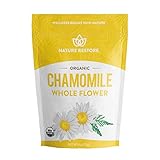
- 1 tablespoon of organic chamomile flowers (whole, dried)
- 1/2 teaspoon of dried lavender buds (food grade)
- 16 oz of filtered hot water
Directions
- Measure the green rooibos, chamomile flowers, and lavender buds into a large glass teapot.
- Boil water and let it sit for two minutes to cool slightly to around 200°F (boiling water can bruise delicate floral petals).
- Pour the hot water over the herbal mixture gently.
- Cover the teapot immediately. This is a critical step to trap the volatile essential oils (like apigenin in chamomile) from evaporating with the steam.
- Infuse for 5-7 minutes.
- Strain into a mug and sip 30-45 minutes before bedtime to prepare your body for sleep.
Pro-Tip: When blending florals, always opt for unoxidized green rooibos over the fermented red variety. Green rooibos has a lighter, grassier profile that won’t overpower the delicate notes of premium Egyptian chamomile flowers, resulting in a vastly superior flavor balance.
4. Zesty Orange & Ginger Rooibos

Save this zesty digestive tea recipe for your morning wellness routine!
A bright, citrusy blend of warming ginger root, sweet orange peel, and pure rooibos creates an uplifting morning beverage that naturally settles the stomach and provides robust immune support.
Post-meal bloating and morning sluggishness often drive people toward highly acidic coffee, which can exacerbate gastrointestinal discomfort. Formulating a rooibos + ginger infusion offers a brilliant alternative that actively supports digestion. The antispasmodic properties of ginger root soothe the digestive tract, while the low-tannin nature of the red bush makes it exceptionally safe for those who suffer from heartburn or acid reflux. This bright tea delivers powerful immune support without irritating the stomach lining.
Ingredients
- 2 tablespoons of organic rooibos (red bush)
- 1 teaspoon of dried orange peel (sweet, organic)
- 1 teaspoon of freshly grated ginger root (or 1/2 tsp dried ginger chunks)
- 1/2 teaspoon of lemongrass
- 16 oz of filtered hot water
Directions
- Combine the rooibos, dried orange peel, grated ginger root, and lemongrass in a tea infuser basket.
- Boil your water to a full 212°F (100°C) to ensure proper extraction from the dense ginger and citrus peel.
- Pour the hot water over the blend in a large mug or teapot.
- Steep the mixture for a robust 8-10 minutes. The longer steep time maximizes the extraction of gingerols (the active compounds in ginger).
- Remove the infuser basket.
- Serve hot. This blend is heartburn safe and naturally sweet, requiring no added sugar.
Pro-Tip: When crafting a blend for immune defense, always use organic dried orange peel rather than fresh. The drying process concentrates the citrus essential oils (d-limonene) and eliminates the bitter white pith, resulting in a much smoother, professionally balanced botanical infusion.

5. Refreshing Iced Hibiscus Red Tea

Pin this gorgeous, antioxidant-packed iced tea recipe for hot summer afternoons!
Blending tart hibiscus petals with naturally sweet rooibos yields a vibrant, ruby-red iced herbal tea that provides exceptional cellular hydration and a massive dose of Vitamin C for hot summer days.
Finding a family-friendly summer beverage that is both refreshing and completely sugar-free can be challenging. This fruit herbal tea is the ultimate summer hydration solution that easily replaces sugary sodas or artificial drink mixes. The naturally sweet profile of the red bush perfectly balances the tart, cranberry-like bite of hibiscus petals. Furthermore, the exceptionally high Vitamin C content of hibiscus works synergistically with the rare flavonoids in rooibos to support cardiovascular wellness while cooling the body.
Ingredients
- 3 tablespoons of pure rooibos tea
- 2 tablespoons of organic dried hibiscus petals
- 1 tablespoon of dried rosehips
- 4 cups of filtered water
- Ice cubes for serving
- Fresh mint for garnish
Directions
- Combine the rooibos, hibiscus petals, and rosehips in a large heat-safe glass pitcher.
- Boil 4 cups of water and pour directly over the loose leaf and floral blend.
- Infuse the tea for 10-12 minutes to achieve a deep, vibrant crimson color and extract maximum flavor.
- Strain the mixture to remove all leaves and petals.
- Chill the concentrated tea in the refrigerator for at least 2 hours until completely cold.
- Serve over a full glass of ice, garnished with fresh mint, for ultimate summer hydration.
Pro-Tip: When brewing iced rooibos tea, always make the hot infusion twice as strong as you normally would. Rooibos vs hibiscus extraction rates differ slightly, but brewing them concentrated ensures the ice won’t dilute the bold, fruity flavors once poured over ice. This method preserves the high polyphenol content while preventing a watered-down taste.

6. Peppermint Rooibos Digestif

Save this powerful peppermint digestif to your natural remedies board!
A soothing peppermint digestif uses cooling menthol and low-acid rooibos to rapidly relieve post-meal digestive issues while naturally satisfying evening sugar cravings without any added calories.
Heavy dinners frequently lead to uncomfortable bloating and the undeniable urge to consume sweet desserts. This naturally sweet, refreshing mint tea addresses both issues simultaneously. Unlike regular black tea, pure rooibos is naturally free from oxalic acid, making it completely kidney stone safe and a non-irritating base for strong mentholated herbs like peppermint leaf. This creates an incredibly functional after-dinner habit that promotes gut comfort.
Ingredients
- 1.5 tablespoons of traditional rooibos
- 1 tablespoon of organic dried peppermint leaf
- 1/4 teaspoon of sweet licorice root (optional, adds incredible natural sweetness)
- 16 oz of filtered hot water
Directions
- Measure the rooibos, peppermint leaf, and licorice root into your teapot.
- Boil water and allow it to sit for one minute before pouring (menthol oils in peppermint can turn bitter if scorched by boiling water).
- Steep for exactly 5 minutes.
- Strain the leaves promptly.
- Sip slowly 20 minutes after a heavy meal to alleviate digestive issues and naturally satisfy sugar cravings without any calories.
Pro-Tip: If you suffer from a highly sensitive stomach, this is the ultimate low tannin tea for sensitive stomachs. Unlike regular mint tea which can sometimes trigger acid reflux on its own, blending it 2-to-1 with earthy rooibos buffers the intense menthol, creating a smooth, deeply soothing herbal liquor that supports digestion safely.

7. Immune-Supporting Elderberry Rooibos

Pin this powerful immune-boosting elderberry tea for flu season!
An immune-supporting elderberry rooibos tonic combines dark, dark antioxidant-rich fruits with pure African red bush to aggressively combat oxidative stress and defend the body during cold and flu season.
As the cornerstone of a holistic wellness lifestyle, creating a potent apothecary blend is essential when seasonal illnesses peak. This recipe compounds the protective effects of two of the world’s most antioxidant-dense botanicals into a single cup. Elderberry is exceptionally high in flavonoids like quercetin and rutin. When these compounds synergize with the aspalathin found in rooibos, they create an incredibly powerful defense mechanism to fight free radicals and reduce systemic oxidative stress.
Ingredients
- 2 tablespoons of pure rooibos tea
- 1 tablespoon of whole dried elderberry (Sambucus nigra)
- 1/2 teaspoon of dried calendula flowers
- 2 cups of filtered water
- 1 teaspoon of raw manuka honey (optional, add after steeping)
Directions
- Combine the water and dried elderberries in a small saucepan on the stove.
- Simmer the elderberries gently for 15 minutes. (Elderberries require active simmering to release their deep purple antioxidant-rich juices and ensure they are easily digestible).
- Remove from heat and immediately stir in the rooibos and calendula flowers.
- Cover and steep for an additional 7 minutes.
- Strain the deep, berry-rich infusion into a mug.
- Stir in a spoonful of raw honey once the tea has cooled slightly, preserving the honey’s beneficial enzymes.
Pro-Tip: True topical authority in herbalism dictates that dried elderberries must always be decocted (simmered), not just steeped like regular tea leaves. By simmering the berries first and then using that hot liquid to extract your ethically sourced south african rooibos, you maximize the rutin content and bioavailability of both powerhouse ingredients.

Key Takeaways: Your Quick Guide to Herbal Tea Rooibos Blends
Mastering rooibos herbal blends requires a foundational understanding of extraction temperatures, precise steeping times, and rigorous organic sourcing standards to maximize both flavor and daily health benefits.
When you are short on time but want to ensure you are brewing the highest quality caffeine free tea, keeping a few core principles in mind guarantees success. Synthesizing these botanical facts—from oxalic acid absence to antioxidant retention—protects your health and elevates your home tea practice. Review these essential quality control rules before brewing your next cup.
- Always Use Boiling Water: Unlike delicate green teas, pure rooibos tea requires a full rolling boil (212°F/100°C) to properly extract its rich flavor and active polyphenolic compounds.
- You Can’t Over-Steep It: Because rooibos is naturally low tannin, it will never turn bitter or astringent, even if you leave the rooibos tea leaves in your mug for an hour.
- Prioritize Organic Sourcing: For maximum health benefits, always choose USDA Organic and sustainably sourced rooibos to avoid pesticide residue in your daily botanical infusion.
- It’s Safe for Sensitive Systems: Being naturally caffeine-free and completely oxalic acid free, rooibos is incredibly gentle on the stomach and a kidney stone safe alternative to black tea.
- Green vs. Red Matters in Blending: Use unfermented green rooibos tea for delicate floral blends (like chamomile) and oxidized red bush tea for heavy, spicy blends (like chai or ginger).
- Extract Rare Antioxidants: Drinking rooibos daily provides you with aspalathin, a rare antioxidant unique to the South African Cederberg terroir that actively combats oxidative stress and balances blood sugar.
People Also Ask About Herbal Tea Rooibos Blends
To help you make the best botanical choices for your health, we have compiled science-backed answers to the most common questions regarding rooibos safety, flavor profiles, and brewing standards. Navigating the world of herbal wellness can be confusing, especially with contrasting information about caffeine levels, pregnancy safety, and product variations. The answers below rely on established industry standards to clarify exactly what you are putting into your cup.
Is rooibos tea caffeine free?
Yes, pure rooibos tea is 100% naturally caffeine-free.
Unlike decaffeinated teas which undergo chemical processing to remove caffeine, the African red bush plant naturally produces no stimulants whatsoever. This makes caffeine free tea blends using rooibos entirely safe for children, pregnant women, and anyone suffering from insomnia or severe caffeine sensitivity. You can drink it late at night without any sleep disruption.
What does rooibos tea taste like?
Traditional red rooibos has a naturally sweet, earthy flavor with distinct woodsy, nutty, and honey-like notes.
Because it is a low tannin tea, it completely lacks the astringent, bitter bite associated with black or green teas. Green rooibos tea (the unoxidized version) tastes lighter, slightly grassy, and more herbal. Both varieties serve as a versatile botanical infusion base that absorbs other flavors beautifully.
Is rooibos a real tea?
Technically, no; rooibos is a tisane or herbal infusion, not a “true” tea.
Real tea comes exclusively from the Camellia sinensis plant (which produces black, green, white, and oolong teas). Rooibos originates from Aspalathus linearis, a broom-like legume bush native only to the Cederberg Mountains of South Africa. Despite this botanical distinction, it is processed, brewed, and consumed much like traditional loose leaf tea.
What is the difference between rooibos and honeybush?
While both are caffeine-free South African shrubs, honeybush tea is sweeter and more floral, whereas rooibos is earthier and more robust.
In the rooibos vs honeybush comparison, honeybush (Cyclopia) literally smells and tastes like natural honey and roasted nuts. Rooibos has a stronger, woodsy backbone that holds up better to milk and heavy spices. Both make excellent, naturally sweet decaf tea alternatives.
Can you drink rooibos tea during pregnancy?
Yes, rooibos tea is widely considered one of the safest herbal teas to consume during pregnancy.
Since it contains zero caffeine and is exceptionally low in tannins (which can inhibit iron absorption), it provides excellent hydration and trace minerals without the risks associated with stimulant teas. However, if you are drinking rooibos herbal blends, always check the secondary ingredients (like certain herbs or spices) with your healthcare provider to ensure the entire blend is pregnancy-safe.
Is green rooibos better than red rooibos?
Nutritionally, green rooibos retains higher levels of antioxidants than red rooibos, though both are incredibly healthy.
The difference lies in the oxidizing process. Traditional red rooibos is fermented, which turns it red and gives it a sweet, woody flavor. Unoxidized green rooibos is flash-dried immediately after harvesting, which preserves a much higher polyphenol content (specifically aspalathin) but yields a milder, grassier taste.
Does rooibos tea contain iron?
Rooibos tea contains trace amounts of bioavailable minerals, including iron, calcium, potassium, copper, and zinc.
More importantly than the iron it contains is the fact that rooibos is incredibly low in tannins compared to black tea. Tannins actively block the body’s ability to absorb iron from your diet. Therefore, switching to pure rooibos tea can naturally support healthier iron levels by removing those absorption blockers.
How long should you steep rooibos tea?
You should steep rooibos tea for a minimum of 5 to 7 minutes in boiling water.
For therapeutic benefits or iced tea, steeping for 10 to 15 minutes is recommended to fully extract the flavonoids and deep flavor. Unlike traditional teas, rooibos will never become bitter from over-steeping, so you can safely leave the loose leaf strainer in your mug for as long as you like.
Can rooibos tea be served with milk?
Yes, traditional red rooibos is robust and full-bodied enough to be served with milk or dairy alternatives.
In South Africa, it is commonly consumed exactly like British black tea—with a splash of milk and a little sugar or honey. When creating a how to make a rooibos tea latte recipe, a strong decoction of rooibos tisane paired with frothed oat or almond milk creates a rich, creamy, and satisfying coffee alternative.
How to store loose leaf rooibos?
Store loose leaf rooibos in an airtight container in a cool, dark, and dry place.
To protect the delicate antioxidant profile and essential oils from degrading, avoid glass jars exposed to direct sunlight or storing tea near the stove where heat and moisture fluctuate. When kept properly sealed in opaque tea storage tins, high-quality premium rooibos will easily maintain its flavor and potency for up to two years.
Final Thoughts on Herbal Tea Rooibos Blends
Crafting your own rooibos herbal blends at home is more than just a culinary project; it is a profound step toward taking control of your daily wellness lifestyle. By moving away from pre-packaged tea bags containing artificial flavorings and hidden caffeine, and instead embracing pure red rooibos, you unlock a world of flavor that actively nourishes your body.
The South African red bush truly stands alone in the botanical world—offering the robust, full-bodied satisfaction of traditional tea, but with an unparalleled, stimulant-free antioxidant profile. Whether you are seeking a natural remedy for insomnia with our chamomile blend, looking to soothe digestion with zesty ginger, or simply wanting a cozy vanilla cup to replace your afternoon coffee, organic rooibos is the perfect canvas. The beauty of these seven recipes is their supreme flexibility. Because premium rooibos is naturally sweet and low in tannins, it is incredibly forgiving. You simply cannot ruin a batch by over-steeping it.
I strongly encourage you to stock your pantry with ethically sourced rooibos and a few high-quality organic spices and florals. Start with the recipes above, but don’t be afraid to adjust the ratios to suit your personal palate. True herbalism is about finding exactly what your body needs on any given day. Which of these 7 DIY rooibos recipes are you going to brew first? Let me know your favorite flavor combinations and blending experiences in the comments below!
Last update on 2026-10-26 / Affiliate links / Images from Amazon Product Advertising API
