
As an Amazon Associate CoffeeXplore.com earns from qualifying purchases.
DIY Homemade Herbal Tea Blends: 7 Healing Recipes for 2026
Are you tired of brewing weak, bitter store-bought tea bags that offer zero real flavor? Crafting your own herbal tea blends diy homemade style solves this frustrating daily problem perfectly. You deserve a cup that actually tastes incredible and heals.
DIY homemade herbal tea blends: To create perfect custom teas, use the 70/20/10 formula consisting of 70% base ingredients for bulk, 20% star ingredients for medicinal focus, and 10% accent ingredients for an aromatic finish. Steep 1 tablespoon of this dried mixture in 8 ounces of hot water.
Drawing from comprehensive botanical analysis and tested apothecary methodologies, this guide reveals exactly how to master flavor balance. You will discover seven healing recipes that transform basic herbs into potent daily remedies. Get ready to elevate your wellness routine today.
Contents
show
How To Master DIY Homemade Herbal Tea Blends (The 70/20/10 Formula)
To create perfect DIY homemade herbal tea blends, use the 70/20/10 formula: 70% base ingredient (like chamomile or peppermint) for bulk, 20% star ingredient (like ginger or hibiscus) for medicinal focus, and 10% accent ingredient (like lavender or rose petals) for an aromatic finish. Steep 1 tablespoon of dried herbs in 8 ounces of hot water.
Mastering the art of blending herbal teas starts with understanding how botanical components interact. Many beginners make the mistake of throwing random herbs into a jar, resulting in muddy flavors or overpowering, perfume-like bitterness. The 70/20/10 formulation ratio is the ultimate mathematical framework for guaranteed success. Your base ingredient provides the foundational flavor and physical volume, anchoring the blend. The star ingredient drives the specific therapeutic purpose or prominent flavor kick. Finally, the accent ingredient offers a subtle aromatic pop that elevates the entire sensory experience without dominating the cup.
Before you begin measuring, you must master the transition from fresh to dried botanicals. While fresh herbs are wonderful, homemade loose leaf tea requires completely dehydrated plants to ensure a long shelf life. Moisture is the enemy of any apothecary; even a slight amount of dampness in your dried herb mixtures will rapidly cause mold. Always dry your herbs until they snap brittlely, and store them in airtight glass mason jars away from direct sunlight.
Understanding these foundational rules empowers you to invent your own recipes safely. Ask yourself: what is your current favorite flavor profile? Do you prefer earthy roots, spicy kicks, or delicate florals? Pin our master formula infographic to keep these ratios handy, and let’s apply this golden rule to some practical, healing creations.
7 Healing DIY Homemade Herbal Tea Blends For 2026
Creating functional, herb tea recipes requires more than just picking a good flavor; it demands precision in how you measure, mix, and steep. When you transition from making basic teas to crafting therapeutic botanical tea blends, the details matter immensely. The active phytochemicals in delicate flowers react very differently to heat than the dense compounds found in tough roots.
Every recipe below strictly follows the 70/20/10 framework to ensure a perfectly balanced cup. To get the maximum medicinal benefit from your loose leaf herbal tea, you must pay close attention to the specific water temperature and steeping time listed in each set of directions. Over-steeping can destroy volatile oils, while under-steeping leaves beneficial compounds trapped in the plant fibers. Gather your jars, prepare your labels, and let’s start crafting these seven essential wellness blends.
1. Blend A Chamomile & Lavender Sleep Infusion

Pin this soothing sleep remedy to your Natural Wellness board!
When crafting a natural, caffeine-free nighttime tea, the combination of Chamomile + Lavender is unmatched for promoting deep sleep without morning grogginess. Both of these botanicals act as powerful nervines, meaning they directly relax the central nervous system. This is the ultimate beginner-friendly recipe that perfectly demonstrates how a subtle aromatic accent can elevate a simple base.
Ingredients
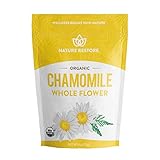
- 3 tablespoons organic whole dried chamomile flowers (Base – 70%)
- 1 tablespoon dried lemon balm leaves (Star – 20%)
- 1/2 tablespoon dried culinary-grade lavender buds (Accent – 10%)
- Optional: 1 teaspoon raw local honey for serving
- 16 oz filtered hot water
- Airtight glass mason jar for storage
Directions
- Measure the dried chamomile, lemon balm, and lavender buds into a clean, completely dry mixing bowl.
- Toss the botanicals gently with a wooden spoon to evenly distribute the aromatic accent ingredients without crushing the delicate flowers.
- Transfer the dry mix into your airtight mason jar and store in a cool, dark cabinet to prevent moisture and preserve the essential oils.
- To brew, scoop 1 tablespoon of the tea blend into a stainless steel tea infuser and place it in your mug.
- Heat filtered water to 200°F (just off a rolling boil) and pour over the infuser.
- Cover the mug with a small plate to trap the volatile oils and steep for exactly 5 to 7 minutes before straining.
What most guides miss: In my experience as a botanical blender, lavender contains powerful volatile oils that can quickly turn a tea bitter and soapy if over-steeped. Always keep lavender at or below 10% of your total blend, and never steep this specific mixture longer than 7 minutes to maintain perfect flavor balance.
2. Mix A Peppermint & Ginger Digestive Blend

Save this powerful tummy-soothing recipe for after heavy meals!
For effective post-meal relief, Peppermint + Ginger act as exceptional carminatives—herbs that specifically ease digestive spasms and neutralize bloating. The challenge with this blend is the structural difference between the ingredients. Hard roots require a deeper extraction than delicate leaves, making flavor balance a priority when you brew this tummy-soothing infusion.
Ingredients
- 3 tablespoons organic dried peppermint leaf (Base – 70%)
- 1 heaping tablespoon dried cut-and-sifted ginger root (Star – 20%)
- 1/2 tablespoon whole dried fennel seeds (Accent – 10%)
- 16 oz freshly boiled filtered water
- Stainless steel fine mesh tea infuser
Directions
- Crush the fennel seeds slightly using a mortar and pestle just until they crack; this helps release their beneficial oils before brewing.
- Mix the cracked fennel, dried peppermint, and dried ginger root pieces together in a clean glass jar.
- Secure the lid tightly and shake vigorously to ensure a proper flavor balance across the whole batch.
- Measure 1.5 tablespoons of the mixture into your fine mesh tea infuser. Because ginger root is dense, you need slightly more volume than a floral tea.
- Pour boiling water (212°F) directly over the herbs to effectively extract the tough ginger compounds.
- Cover and steep for a full 10 to 12 minutes to draw out the deep, spicy digestive properties before enjoying.
An often-overlooked strategy: Roots like ginger and seeds like fennel require hotter water and longer steeping times than delicate flowers. When blending tough roots with soft leaves, I always recommend crushing the hard ingredients first to equalize the extraction rate so the peppermint doesn’t turn bitter while waiting for the ginger to infuse.

3. Brew An Elderberry & Echinacea Immune Blend

Pin this immune-boosting winter wellness recipe to your DIY Apothecary board!
When cold and flu season hits, relying on potent decoctions rather than simple steeps becomes necessary. Elderberry + Echinacea create an antioxidant-rich powerhouse, but they require proper handling. Understanding the difference between wildcrafted vs cultivated sourcing and knowing how to safely extract dense berries is a cornerstone of authentic herbalist recipes.
Ingredients
- 2 tablespoons dried echinacea purpurea herb (Base – roughly 60%)
- 1 tablespoon whole dried organic elderberries (Star – roughly 30%)
- 1 teaspoon sweet cinnamon chips (Accent – 10%)
- 16 oz cold filtered water (Note: We start cold for a decoction)
- Small stainless steel saucepan
- Fine mesh strainer
Directions
- Combine the dried echinacea, whole elderberries, and cinnamon chips directly into your small saucepan.
- Pour the cold filtered water over the herbs. Starting cold allows for a slower, deeper extraction of the tough botanical cell walls.
- Place the saucepan on the stove and slowly bring the mixture to a gentle, rolling simmer.
- Reduce the heat to low, cover with a tight-fitting lid, and allow the blend to simmer (decoct) for 15 to 20 minutes.
- Remove the pan from the heat and let it sit covered for an additional 5 minutes to cool slightly.
- Strain the deep ruby-red liquid through a fine mesh strainer into your mug, discarding the spent herbs to your compost pile.
Expert insight: According to botanical safety guidelines, elderberries should never be consumed raw or under-processed, as they can cause severe stomach upset. When making this blend, I always use a stovetop decoction method (simmering for 15+ minutes) rather than a quick mug infusion to ensure the berries are fully extracted and completely safe to consume.

4. Create A Lemon Balm & Rose Calming Tea

Save this beautiful, anxiety-relieving floral tea recipe for your self-care routine!
Designing visually stunning, natural tea blends for anxiety relief is incredibly rewarding. The Rose + Calendula pairing offers heart-opening calm without drowsiness, but using flowers requires precision to avoid creating a brew that tastes like perfume. Sourcing organic vs conventional florals is also critical here, as you want to ensure your handcrafted herbal tea is free from cosmetic pesticides.
Ingredients
- 3 tablespoons dried organic lemon balm (Base – 70%)
- 1 tablespoon dried culinary-grade pink rose petals (Star – 20%)
- 1/2 tablespoon dried calendula flowers (Accent – 10%)
- 16 oz hot filtered water
- Opaque tea tin for storage
Directions
- Carefully measure the lemon balm, rose petals, and calendula into a large mixing bowl.
- Toss the delicate leafy blends very gently with your hands to avoid bruising the petals or breaking down the leaves into dust.
- Store the finished mixture in a dark, opaque tea tin. Lemon balm is highly sensitive to light degradation and loses its potent citrus aroma quickly in clear glass.
- When ready to drink, add 1 heaping tablespoon of the blend to your tea strainer.
- Heat water to exactly 190°F. Do not use fully boiling water, as it will scorch the delicate rose petals and turn them bitter.
- Pour the water over the herbs, cover immediately to capture the floral aromatics, and steep for a maximum of 5 minutes before removing the strainer.
What most guides miss: A common mistake beginners make with floral teas is accidentally creating a brew that tastes like potpourri or perfume. Always source “culinary-grade” or “certified organic” rose petals. Florist roses are heavily treated with pesticides and lack the delicate flavor profile required for a balanced herbalist recipe.

5. Formulate A Turmeric & Black Pepper Inflammation Blend

Pin this powerful anti-inflammatory golden tea recipe to your Holistic Health board!
Bridging the gap between culinary spice and functional medicine, the combination of Turmeric + Black Pepper is scientifically backed for inflammation support. However, turmeric is incredibly earthy and heavy. To prevent clashing flavors, we use bright lemongrass to lift the profile, while the black pepper works behind the scenes to radically increase the bioavailability of the healing phytochemicals.
Ingredients
- 2.5 tablespoons dried cut-and-sifted turmeric root (Base – 60%)
- 1.5 tablespoons dried lemongrass (Star – 30%)
- 1/2 tablespoon whole black peppercorns (Accent – 10%)
- Optional: A splash of coconut milk or almond milk when serving
- 16 oz hot filtered water
- Heavy mortar and pestle
Directions
- Place the whole black peppercorns in your mortar and pestle and crack them gently. You don’t want powder, just cracked shells to expose the interior.
- In a glass jar, combine the cracked peppercorns with the dried turmeric root pieces and the dehydrated lemongrass.
- Mix thoroughly until the bright green lemongrass is evenly distributed among the spicy, golden roots.
- Add 1 heaping tablespoon of the mix to a sturdy tea strainer.
- Pour boiling water (212°F) over the herbs and cover your cup tightly.
- Steep for 10 full minutes to extract the potent phytochemicals, then stir in a splash of fat (like coconut milk) before drinking to maximize absorption.
Expert insight: The pairing of Turmeric and Black Pepper isn’t just for flavor; it’s a scientific necessity. The active phytochemical in turmeric (curcumin) has very low bioavailability on its own. Adding just a pinch of cracked black pepper (which contains piperine) increases the absorption of curcumin by up to 2,000%, transforming a simple herbal infusion into a potent medicinal tool.

6. Craft A Tulsi & Spearmint Adaptogenic Focus Blend

Save this caffeine-free energy and focus tea blend for your midday slump!
If you suffer from afternoon fatigue and brain fog, this diy custom tea blends recipe offers a brilliant alternative to jittery coffee. Tulsi + Mint work together phenomenally to clear the mind. Tulsi acts as one of nature’s most effective adaptogens, reducing oxidative stress and lowering cortisol, while spearmint provides immediate, aromatic mental clarity.
Ingredients
- 3 tablespoons dried organic Tulsi (Holy Basil) leaf (Base – 70%)
- 1 tablespoon dried organic spearmint leaf (Star – 20%)
- 1/2 tablespoon dried Gotu Kola (Accent – 10%)
- 16 oz hot filtered water
- Large glass jar with a tight-sealing lid
Directions
- Sift through your dried Tulsi to ensure there are no large, woody stems, which can add bitterness to your custom tea blends.
- Combine the prepared Tulsi, spearmint, and Gotu Kola in your glass jar.
- Gently roll the jar in your hands to mix the herbs. Spearmint leaves crumble easily, so avoid aggressive shaking.
- Measure 1 rounded tablespoon of the botanical mixture into a tea filter.
- Heat water to 200°F (just below boiling to protect the mint’s volatile oils).
- Pour the water over the blend, cover to prevent the essential oils from escaping with the steam, and steep for 7 to 8 minutes for maximum adaptogenic extraction.
An often-overlooked strategy: Tulsi (Holy Basil) is classified as an “adaptogen” in herbal medicine. Unlike caffeine, which forces an energy spike, adaptogens help the body modulate its response to oxidative stress and cortisol. Blending it with spearmint creates a synergistic effect that wakes up the brain through aromatic stimulation while deeply calming the nervous system.

7. Formulate A Hibiscus & Rose Hip Antioxidant Blend

Pin this gorgeous ruby-red iced tea blend for natural skin glow!
For a visually stunning, refreshing summer drink, Hibiscus + Rose Hips deliver massive doses of vitamin C and antioxidants. However, the high tannin content in hibiscus can cause a dry, astringent mouthfeel if not handled correctly. Learning to sweeten naturally and using alternative steeping methods ensures this ruby-red blend stays crisp rather than bitter.
Ingredients
- 3 tablespoons organic cut-and-sifted dried hibiscus flowers (Base – 70%)
- 1 tablespoon crushed dried rose hips (Star – 20%)
- 1/2 tablespoon dried sweet orange peel (Accent – 10%)
- 16 oz filtered water (hot or cold)
- Fine mesh strainer or cold-brew pitcher
- Optional: Agave or honey to balance tartness
Directions
- Combine the dried hibiscus, crushed rose hips, and orange peel in a small mixing bowl, ensuring the heavy rose hips don’t sink entirely to the bottom.
- Transfer the tart blend into a labeled, airtight jar.
- For Hot Tea: Measure 1 tablespoon of the mixture into your infuser. Pour 200°F water over the herbs and steep for exactly 5 minutes. Do not over-steep, or the tea will become unpleasantly astringent.
- For Iced Cold Brew (Recommended): Add 2 tablespoons of the blend to a glass pitcher filled with 32 oz of cold filtered water.
- Place the pitcher in the refrigerator and let it steep slowly for 8 to 12 hours.
- Strain the vibrant ruby-red liquid, sweeten naturally with a touch of agave if desired, and serve over ice with a fresh orange wheel.
What most guides miss: Hibiscus has an incredibly high tannin content, which is what gives it that dry, mouth-puckering astringency. If you find your hot hibiscus tea tastes too bitter or acidic, switch to the cold-brew method described above. Cold water extracts the vibrant color and vitamin C from the rose hips without pulling out the bitter tannins, resulting in a naturally sweeter, smoother infusion.

Key Takeaways: Your Quick Guide to DIY Homemade Herbal Tea Blends
To maximize the shelf life and flavor of your custom blends, always use the 70/20/10 ratio, ensure herbs are completely dry to prevent mold, and store mixtures in airtight glass jars away from direct light.
If you’re short on time but want to ensure your botanical tea blends rival any expensive store-bought option, keeping these foundational rules in mind will save you from common beginner pitfalls. Proper extraction and storage dictate whether your tea heals or simply tastes like hot, dusty water.
Key Takeaways:
- Use the 70/20/10 ratio for perfect flavor balance: The secret to professional-tasting diy tea blends is using 70% base ingredients (bulk/flavor), 20% star ingredients (medicinal focus), and 10% accent ingredients (aromatics) to prevent overpowering scents.
- Ensure herbs are 100% dry to prevent mold: The biggest threat to your homemade apothecary is residual moisture. If you dehydrate your own garden herbs, ensure they are brittle and snap easily; any lingering dampness will ruin your entire batch and reduce its shelf life to days.
- Cover your mug while steeping to trap volatile oils: When brewing aromatic leafy blends like peppermint or lemon balm, always place a lid or saucer over your mug. The healing compounds evaporate with the steam, so trapping them ensures they return to your cup.
- Store herbs in airtight glass jars away from light: To maintain maximum potency, keep your dried herb mixtures in glass containers stored in a cool, dark cabinet. Light and oxygen degrade phytochemicals rapidly.
- Adjust Water Temperature by Ingredient: Boiling water (212°F) is necessary for tough roots and decoctions, but it will scorch delicate florals like chamomile and rose, causing severe bitterness. Use water around 190°F–200°F for delicate leaves.
- Crush hard roots before steeping for better extraction: Tough ingredients like ginger root and fennel seeds release their beneficial oils much faster if slightly cracked with a mortar and pestle before brewing.
- Label jars with botanical names and dates: Always respect botanical safety guidelines. Research contraindications before creating custom tea blends, as herbs like licorice root and valerian can interact with medications.
People Also Ask About DIY Homemade Herbal Tea Blends
When stepping into the world of apothecary crafting, questions naturally arise regarding ratios, safety, and shelf stability. Below are the most common troubleshooting queries to help you refine your custom tea blends.
How to make herbal tea at home?
To make herbal tea at home, blend 1 tablespoon of dried herbs per 8 ounces of hot water, steep for 5 to 10 minutes, and strain.
Start by choosing a base herb like peppermint or chamomile, add a complementary flavor like ginger, and steep in hot (but not boiling) water. Always cover your mug while steeping to keep the beneficial essential oils from escaping with the steam.
What is the ratio for tea blending?
The ideal ratio for herbal tea blending is 70% base ingredients, 20% star ingredients, and 10% accent ingredients.
This formula ensures that strong, overpowering scents (like lavender or clove) do not overpower the cup, while grounding bulk herbs (like nettle or lemon balm) provide a smooth, balanced foundation for your custom mixes.
How long do homemade tea blends last?
Properly stored homemade tea blends will last for 6 to 12 months before losing their flavor and potency.
To maximize shelf life, store your dried herb mixtures in airtight glass mason jars in a cool, dark cupboard. While they rarely “go bad” or spoil if kept perfectly dry, old herbs will eventually lose their vibrant color and volatile oils, resulting in a weak, flavorless brew.
Can I use fresh herbs for tea?
Yes, you can use fresh herbs for tea, but you must triple the amount you use compared to dried herbs.
Because fresh botanicals are mostly water, a recipe calling for 1 teaspoon of dried peppermint will require 3 teaspoons (1 tablespoon) of fresh peppermint leaves to achieve the same flavor intensity. Fresh herbs also steep faster, usually requiring only 3 to 5 minutes.
Is homemade herbal tea safe?
Homemade herbal tea is generally safe when using common culinary herbs, but you must research specific botanical contraindications.
While ingredients like chamomile and ginger are widely recognized as safe, medicinal botanicals can interact with prescription medications. Always double-check safety guidelines, properly identify any wildcrafted plants, and consult a healthcare professional if you are pregnant, nursing, or treating a medical condition.
Which herbs shouldn’t be mixed?
Avoid mixing high-tannin herbs (like black tea or oak bark) with mucilaginous herbs (like marshmallow root or slippery elm).
The tannins can bind to the soothing mucilage, neutralizing the therapeutic effects of both. Additionally, it is best to avoid mixing intensely opposing energetic herbs—such as heavy sedatives (valerian) with potent stimulants—unless formulated by a clinical herbalist for a specific purpose.
How to store loose leaf tea blends?
Store loose leaf tea blends in airtight, opaque containers kept away from direct sunlight, heat, and moisture.
Glass mason jars work perfectly if kept inside a dark pantry. Never store your herbalist recipes near the stove or dishwasher, as the fluctuating heat and humidity will cause the botanicals to degrade rapidly or develop mold.
Why is my herbal tea bitter?
Your herbal tea is likely bitter because you used water that was too hot, steeped the herbs for too long, or used too much of an astringent ingredient.
Delicate flowers like chamomile and lavender will release bitter tannins if steeped in fully boiling water or left in the mug for longer than 7 minutes. To avoid bitterness, use 190°F water and strain promptly.
How much tea per cup of water?
The standard measurement is 1 tablespoon of fluffy dried herbs (or 1 teaspoon of dense roots/seeds) per 8 ounces of water.
If you prefer a stronger flavor, it is better to increase the amount of loose leaf herbal tea used rather than extending the steeping time, as over-steeping often extracts bitter compounds and ruins the flavor balance.
How do I make my tea taste sweeter naturally?
To make your tea taste sweeter naturally without adding sugar, incorporate herbs like stevia leaf, licorice root, or sweet cinnamon chips into your blend.
Licorice root is roughly 50 times sweeter than sugar, so adding just a tiny pinch to your 10% accent ratio will dramatically sweeten the entire batch. Adding dried fruit like apple pieces can also naturally enhance the flavor profile.
Final Thoughts on DIY Homemade Herbal Tea Blends
Crafting your own herbal tea blends diy homemade style is one of the most rewarding and therapeutic practices you can introduce into your daily wellness routine. By moving away from stale, mass-produced tea bags and embracing the 70/20/10 formulation rule, you instantly unlock the ability to create infinite, highly customized flavor profiles that perfectly support your unique health needs. Whether you are blending a spicy ginger digestif or a delicate rose petal nervine, the power of a natural apothecary at home is now quite literally in your hands.
As you begin mixing these recipes, remember that botanical blending is both a science and an art. I highly recommend keeping a small notebook next to your mason jars to track your batch testing. Note your steeping times, water temperatures, and how different ratios taste to you. If you find yourself falling in love with the process, the natural next step in sustainable living is exploring herb gardening so you can eventually grow, harvest, and dry your very own base ingredients right in your backyard.
Don’t be afraid to experiment, swap out accent ingredients, and find the perfect flavor balance that speaks to you. Have you decided which of these seven healing recipes you are going to blend first? Let me know in the comments below if you lean toward the spicy, earthy roots or the calming, floral petals!
Last update on 2026-10-25 / Affiliate links / Images from Amazon Product Advertising API
