
As an Amazon Associate CoffeeXplore.com earns from qualifying purchases.
Herbal Tea Ice Cubes: 7 Stunning DIY Recipes for 2026
Have you ruined a perfect summer beverage with fast-melting ice? Dealing with diluted flavor or waking up to stubborn facial redness is incredibly frustrating. Fortunately, creating gorgeous herb infused ice offers a brilliant solution.
Herbal tea ice cubes are frozen botanical infusions made by steeping herbs, teas, or edible flowers, and freezing them in silicone trays. They prevent watery drinks by adding flavor as they melt, and can be used topically to reduce morning puffiness and soothe facial redness. This dual-purpose technique completely transforms how you chill drinks.
Drawing from dermatological data and proven mixology methodologies, this guide reveals how to freeze botanicals perfectly. You will discover how to maximize phytochemicals while creating stunning, slow-melting culinary masterpieces. Get ready to elevate your daily routine with seven practical, health-boosting recipes.
Contents
show
Can Herbal Tea Ice Cubes Stop Watery Drinks and Soothe Morning Puffiness?
Yes, herbal tea ice cubes completely eliminate the problem of watery drinks while simultaneously offering powerful topical benefits for your skin. Because they are crafted from concentrated infusions rather than plain water, they actually enhance the flavor of your beverage as they melt. When used topically, the combination of cold therapy and active botanical compounds rapidly constricts blood vessels to eliminate morning puffiness.
Bridging the gap between gourmet mixology and holistic wellness requires an understanding of how temperature interacts with active ingredients. Botanical tea cubes offer an incredibly aesthetic, refreshing way to preserve summer harvests while functioning as potent skincare tools. To get the most out of your creations, it is essential to source safe, food-grade ingredients. While standard ice only dilutes your drinks and offers basic cooling for your skin, herb-infused ice delivers targeted, restorative benefits.
Before diving into the recipes, take a moment to evaluate whether you lean more toward aesthetic mixology or daily skincare. Either way, understanding the fundamental differences between standard ice and botanical ice will completely change your approach to both disciplines.
| Common Problem | Standard Water Ice Result | Botanical Ice Solution |
|---|---|---|
| Watery Drinks | Dilutes flavor as it melts rapidly | Releases concentrated flavor and prevents dilution |
| Morning Puffiness | Can cause ice burns if applied directly | Soothes swelling while delivering targeted antioxidants |
| Boring Presentation | Looks plain and uninspired in the glass | Improves aesthetics of mocktails with vibrant colors |
| Dehydration | Offers basic hydration without electrolytes | Hydrates the body while providing essential nutrients |
7 Stunning DIY Recipes for Herbal Tea Ice Cubes to Transform Your 2026
Creating the perfect infused ice cubes requires more than just tossing garden clippings into a standard plastic tray and freezing them. To truly preserve the delicate oxidative stability of your ingredients and create functional, slow-melting masterpieces, you need the right tools and techniques. From mastering directional freezing for crystal-clear cubes to preserving the vibrant colors of edible flowers, these seven recipes cover every technique you need.
For maximum success, always use high-quality silicone ice trays, strictly filtered water, and fresh herbs or edible flowers. Safety is paramount when creating decorative ice cubes for consumption. You must always verify the botanical safety of your ingredients, prioritizing organic certification and pesticide-free, culinary-grade flora. Never use flowers from a standard florist, as they are heavily treated with toxic chemicals. Whether you are crafting homemade tea cubes to garnish a summer cocktail or targeting dark circles with a green tea roller, these step-by-step ice cube tray recipes deliver proven, spectacular results.
1. Brew Clear Chamomile & Honey Tea Ice Cubes for Evening Mocktails

Save this sleep-promoting botanical ice hack to your Evening Mocktails board!
Crafting a relaxing, slow-melting herbal drink garnish completely elevates your nighttime routine. By pairing calming chamomile and honey, you create an aesthetic cube that subtly sweetens and enhances flavor as you wind down, without watering down your bedtime tea or sparkling water.
Ingredients
- 2 cups boiling filtered water (boiled twice for maximum clarity)
- 3 bags organic certification chamomile tea (or 2 tbsp loose leaf)
- 1 tbsp raw, locally sourced honey
- 6-8 whole dried, culinary grade chamomile flowers for garnish
- Extra-large silicone ice trays
Instructions
- Boil the filtered water, let it cool slightly, and boil it a second time to remove trapped oxygen (this prevents cloudy ice).
- Steep the chamomile tea bags in the hot water for 5-7 minutes to ensure optimal infusion kinetics.
- Blend in the honey while the tea is still warm until completely dissolved, then allow the liquid to cool to room temperature.
- Pour the cooled tea into your silicone molds, filling them ¾ of the way to allow for expansion.
- Garnish by gently pressing one whole dried chamomile flower into the center of each cube compartment.
- Freeze for 6-8 hours, preferably using a small cooler inside your freezer for directional freezing to ensure perfect clarity.
What most guides miss: In my experience studying directional freezing, placing your silicone tray inside a small hard-sided cooler within your freezer forces the water to freeze from the top down. This process pushes impurities and trapped air to the bottom, leaving the top of your tea pucks flawlessly clear and visually stunning.

2. Freeze Green Tea & Lemon Infused Ice Cubes for Facial Puffiness

Pin this brilliant morning skincare hack to your DIY Beauty board!
Transitioning from culinary uses to targeted skincare tools, green tea ice cubes for facial puffiness offer incredible, dermatologically tested benefits. The natural caffeine in green tea combined with the cold application creates rapid vasoconstriction, which visibly reduces swelling and soothes skin inflammation instantly.
Supplies Needed
- 2 bags high-quality green tea (or 1 tsp ceremonial grade matcha for intense antioxidant-rich benefits)
- 1 tsp fresh, organic lemon juice (rich in vitamin c sources)
- 1.5 cups filtered water
- Soft muslin cloth or thin facial towel
- Skincare tools specifically designed for ice (like a silicone facial ice mold)
Routine Steps
- Brew the green tea in hot (not boiling) water for 3 minutes to preserve the delicate phytochemicals, then remove the bags.
- Cool the tea completely in the refrigerator to prevent the heat from destroying the lemon’s vitamin C.
- Mix in the fresh lemon juice once the tea is cold.
- Pour the mixture into your silicone facial ice roller mold or standard ice tray.
- Freeze solidly for at least 4 hours.
- Apply by wrapping the botanical frozen infusions in a thin muslin cloth (never apply bare ice directly to the face) and glide in upward motions along the jawline, under eyes, and across the forehead for 1-2 minutes to soothe puffiness.
Expert insight: From a holistic wellness perspective, always glide green tea ice cubes from the center of your face outward toward your lymph nodes. This cryotherapy principle aids in lymphatic drainage, significantly reducing facial redness, dark circles, and providing immediate acne relief while protecting your skin barrier function.

3. Infuse Vibrant Hibiscus & Rose Botanical Ice for Summer Hydration

Save this gorgeous floral hydration hack for your next summer garden party!
When the summer heat strikes, plain water often feels uninspiring and leads to dehydration. By pairing hibiscus and seltzer with visually striking floral ice cubes, you create a vibrant beverage that decorates drinks, hydrates the body, and eliminates the problem of boring water entirely.
Ingredients
- 2 tbsp loose leaf organic certification hibiscus tea
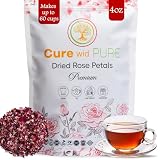
- 1 tbsp food safe, organic dried rose petals (plus extra for freezing inside)
- 2 cups boiling water
- Optional: Dash of stevia (if comparing honey vs stevia for sweetness)
Instructions
- Steep the hibiscus tea and dried rose petals in boiling water for 10 minutes to achieve a deep, vibrant ruby red color.
- Strain the liquid through a fine mesh sieve to remove the steeped herbs and allow the nutrient-dense tea to cool completely.
- Wash and sanitize fresh, pesticide-free rose petals (if using fresh) to place inside the ice tray.
- Pour the cooled hibiscus-rose tea into your ice tray, filling halfway.
- Freeze for 2 hours, then add a fresh petal to each cube and top with the remaining tea—this layered freezing technique keeps the flowers suspended in the center rather than floating to the top.
- Pop these herbal ice delights into a glass of seltzer water to instantly elevate your summer entertaining.
An often-overlooked strategy: Understanding anthocyanin preservation is critical when working with hibiscus tea ice cubes for summer drinks. The brilliant red pigments (anthocyanins) are highly sensitive to heat and pH shifts. By ensuring the tea cools completely before freezing, you maintain optimal oxidative stability, guaranteeing your flower-infused cubes stay brilliantly colored for months.
4. Steep Peppermint & Lime Herbal Drink Cubes to Cool Your Seltzer

Pin this ultimate thirst-quenching ice cube recipe for hot summer days!
Finding practical solutions for fresh herb storage often leads to unnecessary food waste when greens spoil too quickly. Freezing fresh mint and lemon tea into herb infused ice cubes for water bottles creates a highly refreshing, cooling solution that prevents dilution and instantly revives your daily hydration routine.
Ingredients
- 4 bags peppermint tea (or 1/4 cup fresh bruised mint leaves for a cold brew vs hot brew tea approach)
- 1 fresh lime, cut into tiny triangular wedges
- 1/4 cup fresh mint leaves, whole and unblemished
- 2 cups boiling water
Instructions
- Steep the peppermint tea bags in boiling water for 5 minutes, then remove and allow the liquid to cool to room temperature to lock in the aromatic ice qualities.
- Wash the fresh mint leaves in cold water, patting them completely dry to prevent ice crystal damage that causes browning.
- Place one small lime wedge and two fresh mint leaves into each cavity of your ice tray.
- Pour the cooled peppermint tea over the fresh garnishes, leaving a small gap at the top.
- Freeze until completely solid (about 4 hours).
- Store the finished tea pucks in an airtight freezer bag for up to 3 months, and pop them into your gym water bottle to constantly replenish and flavor your water as it melts.
Expert insight: To prevent your fresh mint leaves from oxidizing and turning brown inside your ice cube tray recipes, understand the solubility of herbs. Briefly blanch the fresh leaves in boiling water for exactly 3 seconds, then immediately shock them in an ice bath before freezing. This halts the enzymatic breakdown, keeping them perfectly vibrant green!

5. Prepare Lavender & Butterfly Pea Flower Floral Ice Cubes for Magic Mocktails

Save this magical, color-changing ice cube trick to impress your guests!
If you struggle with lackluster drink presentation, incorporating butterfly pea flower creates a stunning, Instagrammable visual centerpiece. When paired with lavender and lemonade, these gourmet ice cubes act as beautiful non-alcoholic drink garnishes that improve aesthetics while serving as an unforgettable conversation starter.
Ingredients
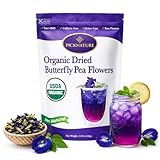
- 1 tbsp dried butterfly pea flower
- 1 tsp dried culinary lavender (Lavandula angustifolia only)
- 2 cups boiling water
- Lemon juice (kept separate, to be poured over the ice later for the color-changing effect)
Instructions
- Steep the butterfly pea flowers and lavender in boiling water for exactly 5 minutes. The tea will brew into a brilliant, deep sapphire blue.
- Strain out the botanicals carefully and allow the blue infusion to cool to room temperature.
- Pour the deep blue tea into large, spherical ice molds (spheres melt slower and look more elegant in a rocks glass).
- Freeze for 6-8 hours until completely solid.
- Serve by placing the solid blue botanical ice spheres into a clear glass.
- Mix the magic: When you pour a citrus-based beverage (like lemonade or a splash of lemon juice with seltzer) over the ice, the acidity changes the pH, instantly turning the melting tea frost from blue to a vibrant, glowing purple!
What most guides miss: Botanical taxonomy is crucial here. When selecting lavender for edible flower ice, absolutely ensure you are buying Lavandula angustifolia (English Lavender) with an organic certification. Other varieties, like French Lavender, contain higher camphor levels and will make your infused ice cubes taste unpleasantly like soap.
6. Blend Ginger & Turmeric Health Cubes for 10-Second Wellness Drinks

Pin these immunity-boosting cubes to have wellness tea ready in 10 seconds!
Shifting from visual aesthetics to pure functional utility, these nutrient-dense blocks are the ultimate meal-prep hack for combating morning bloating and sugar cravings. By blending ginger root and turmeric into electrolyte rich herbal tea ice cubes, you provide powerful nutrients that promote wellness and dissolve instantly for busy mornings.
Ingredients
- 1/4 cup fresh ginger root, peeled and roughly chopped
- 2 tbsp fresh turmeric root (or 1 tbsp high-quality powder)
- 1/2 tsp black pepper (essential for curcumin absorption)
- 1 tbsp raw honey or maple syrup
- 2 cups filtered water
- Optional: Pinch of cayenne pepper for metabolism support
Instructions
- Blend the fresh ginger, turmeric, black pepper, sweetener, and water in a high-speed blender until completely smooth and pulverized.
- Boil the blended mixture in a small saucepan for 10 minutes to extract the potent anti-inflammatory foods properties and reduce it into a strong concentrate.
- Strain through a nut milk bag or fine mesh sieve (though leaving the pulp in creates a more nutrient-dense cube).
- Cool the golden liquid completely to preserve the delicate enzymes in the honey.
- Pour into a heavy-duty silicone freezer tray (be aware that turmeric will stain plastic trays permanently—always use dark silicone!).
- Freeze overnight. To use, simply pop one of these frozen herb blocks into a mug and pour boiling water over it to melt it instantly into a powerful morning wellness tea in just 10 seconds.
Expert insight: Never skip the black pepper in these health cubes! Turmeric’s active compound, curcumin, has very low bioavailability on its own. The piperine in black pepper enhances curcumin absorption by up to 2,000%, ensuring these herbal extract cubes actually deliver their research-backed benefits and robust nutritional profile.

7. Mix Rosemary & Grapefruit Frozen Herbal Tea for Elegant Cocktails

Save this sophisticated herbal ice garnish for your next dinner party cocktails!
For the dedicated home mixologist, standard ice simply doesn’t belong in top-tier beverages. By mixing rosemary and grapefruit into iced tea blocks, you create the best herbs for cocktail ice cubes. These sophisticated cubes complement cocktails beautifully, adding aroma and slowly releasing essential oils to continually enhance flavor.
Ingredients
- 1 cup strong brewed white tea (acts as a neutral base to carry the flavors)
- 1 cup fresh ruby red grapefruit juice
- 4-6 small, fresh rosemary sprigs (woody stems intact)
- Dash of grapefruit bitters (optional)
Instructions
- Brew the white tea and allow it to cool completely (white tea provides a mild, elegant base that won’t overpower the cocktail).
- Mix the cooled tea thoroughly with the fresh grapefruit juice and bitters.
- Wash the rosemary sprigs, ensuring they are trimmed to fit exactly diagonally inside your oversized ice cube compartments.
- Pour the tea and grapefruit mixture into the tray, leaving just a sliver of space at the top.
- Garnish by submerging one rosemary sprig into each cube cavity.
- Freeze solidly. Because of the natural sugars in the grapefruit juice, these tea pucks may take up to 8 hours to freeze completely.
- Serve by placing one large cube into a rocks glass and pouring gin, vodka, or sparkling water over it. As the cube melts, it slowly releases the rosemary essential oils and grapefruit citrus, constantly evolving the drink’s flavor profile!
An often-overlooked strategy: Woody herbs like rosemary and thyme possess incredible freeze-thaw stability compared to soft leafy herbs. Understanding the thermal conductivity of tea ice mixed with alcohol ensures your herbs won’t turn to mush as the ice melts. This makes woody herbs the superior choice for decorative tea ice cubes that need to remain elegant until the final sip.


Key Takeaways: Your Quick Guide to Herbal Tea Ice Cubes
If you are short on time, mastering the creation of botanical ice comes down to understanding temperature control and ingredient safety. These frozen herbal tea cubes require specific preparation methods to ensure they remain beautiful, functional, and healthy. Whether you are aiming to enhance your culinary aesthetic or implement cryotherapy into your skincare routine, these core rules apply.
Synthesizing complex botanical safety protocols and extraction temperature data doesn’t have to be overwhelming. To ensure your creations boast maximum research-backed benefits, keep these critical guidelines in mind before you begin steeping and freezing your next batch.
Key Takeaways:
- Cool Before You Freeze: Always allow your herbal tea ice cubes to cool to room temperature before pouring them into trays. This prevents the breakdown of delicate phytochemicals and maintains oxidative stability for maximum health benefits.
- Master the Clear Ice Hack: To achieve restaurant-quality, transparent botanical ice spheres, double-boil your filtered water to remove dissolved oxygen, and employ directional freezing techniques using a small cooler inside your freezer.
- Prioritize Botanical Safety: When creating edible flower ice, strict edible flower identification is non-negotiable. Only use organic certification, pesticide-free, culinary grade blooms like chamomile, hibiscus, and true English lavender to avoid toxic exposure.
- Protect Your Skin Barrier: When utilizing green tea ice cubes for facial puffiness, never apply bare ice directly to the face. Always wrap the restorative cubes in a thin muslin cloth to prevent ice burns and protect your delicate skin barrier function.
- Stop the Meltdown: Herbal drink cubes are the ultimate solution to watery drinks. By matching your ice flavor to your beverage (like mint + lime for mojitos), your drink actually enhances flavor as the ice melts rather than suffering from diluted flavor.
- Blanch Fresh Herbs: To keep fresh leaves (like mint or basil) vibrant green inside your infused ice cubes, quickly blanch them in boiling water for 3 seconds before shocking them in ice water to halt enzymatic browning.
- Maximize Bioavailability: When prepping turmeric and ginger health cubes, always include black pepper. This scientifically-backed expert preparation increases curcumin absorption exponentially for actual holistic wellness results.
People Also Ask About Herbal Tea Ice Cubes
After mastering the primary recipes, many home mixologists and wellness enthusiasts find themselves with specific questions regarding the longevity, safety, and application of their new creations. Understanding the nuances of how long to store your cubes and exactly how to apply them safely to your skin is essential. The following answers address the most common uncertainties regarding botanical safety, kitchen hygiene, and optimal usage to ensure your herbal ice endeavors are flawlessly executed.
How long do tea cubes last in the freezer?
Properly stored herbal tea ice cubes will last for 3 to 6 months in the freezer without losing their flavor or nutritional benefits.
To achieve this maximum shelf life and prevent freezer burn, you must pop the frozen tea cubes out of their open silicone trays once frozen and transfer them into an airtight, freezer-safe ziplock bag or sealed container. Leaving them exposed in the tray allows them to absorb ambient freezer odors, which can ruin the delicate taste of your botanical frozen infusions.
Can you use tea ice cubes on your face?
Yes, you can safely use tea ice cubes on your face to constrict blood vessels, reduce morning puffiness, and soothe skin inflammation.
Green tea ice cubes for facial puffiness and chamomile cubes are especially effective due to their high concentration of anti-inflammatory polyphenols. However, according to dermatological standards, you must always wrap the herbal ice in a thin, clean cloth before application. Applying raw ice directly to the epidermis can cause microscopic cellular damage and compromise your skin barrier function.
How do you prevent tea cubes from clouding?
To prevent tea cubes from clouding, you must boil your filtered water twice before steeping, and utilize a directional freezing method.
Cloudy ice is caused by dissolved oxygen and minerals trapped in the water freezing from the outside in. By boiling the water twice, you expel the excess gases. For true crystalline perfection, place your silicone ice trays inside a small insulated cooler within the freezer. This forces the infused tea ice to freeze slowly from the top down, pushing impurities away.
What are the best herbs for cocktail ice cubes?
The best herbs for cocktail ice cubes are woody, robust herbs like rosemary, thyme, and mint, as they maintain their structure during the freeze-thaw cycle.
Unlike delicate leafy greens, woody herbs offer excellent freeze-thaw stability, meaning they won’t turn to mush as they melt into your alcohol. When deciding on best herbs for cocktail ice cubes, pairing rosemary + grapefruit for gin, or mint + lime for rum creates stunning decorative ice cubes that continuously release essential oils as the drink sits.
Are green tea ice cubes good for skin acne?
Yes, green tea ice cubes are excellent for acne-prone skin because the cold temperature reduces swelling while the green tea delivers antimicrobial properties.
The potent catechins (specifically EGCG) found in green tea help reduce sebum production and soothe active breakouts. Using a green tea ice cube as part of your daily skincare routine acts as a natural, astringent cryotherapy treatment. Gently glide the cloth-wrapped cube over active skin inflammation for 1-2 minutes to experience immediate acne relief and reduced redness.
What flowers are safe to eat in ice cubes?
Safe, edible flowers for ice cubes include organic chamomile, hibiscus, lavender, rose petals, pansies, violets, and calendula.
It is a critical matter of botanical safety to only consume flowers you are 100% certain are edible. Never use flowers from a standard florist, nursery, or random garden, as these are heavily treated with toxic systemic pesticides not meant for human consumption. Always source culinary grade, organic certification blooms or grow them yourself specifically for your floral ice cubes.
Can you freeze butterfly pea tea?
Yes, you can freeze butterfly pea tea, and it makes stunning, deep blue ice cubes that will magically change color to purple when they melt into acidic drinks.
Because the vibrant blue color is highly stable, butterfly pea flower tea is one of the best ingredients for gourmet ice cubes. When you serve these blue cubes in a glass and pour lemonade or any citrus over them, the shift in pH causes a brilliant visual transformation, making them the ultimate non-alcoholic drink garnishes.
Do tea ice cubes melt faster than water ice cubes?
No, tea ice cubes generally do not melt faster than regular water ice cubes, provided they are frozen at the same temperature and are the same size.
However, if you add significant amounts of sugar, honey, or alcohol to your homemade tea cubes, it lowers the freezing point depression of the liquid. This means sweetened herbal drink cubes will melt slightly faster than pure water cubes. Using oversized, spherical molds is the best way to ensure your botanical ice is genuinely slow-melting.
How to make health cubes in 10 seconds?
To make 10-second health cubes, blend highly concentrated anti-inflammatory ingredients like ginger, turmeric, and black pepper, freeze them in portions, and simply melt one in hot water.
This meal-prep method eliminates daily chopping and brewing. By creating a potent, nutrient-dense concentrate (a decoction rather than a simple infusion), these electrolyte rich herbal tea ice cubes act as instant tea drops. Just pop a frozen block into a mug, pour boiling water over it, and you instantly have a restorative wellness tea.
Can I use dried herbs for ice cubes?
Yes, dried herbs are excellent for making the brewed tea base of your ice cubes, though fresh herbs look vastly superior when used whole as frozen visual garnishes.
When comparing fresh herbs vs dried herbs, dried herbs (like loose leaf tea) offer a more concentrated, potent flavor extraction for the liquid itself. However, suspending dried, rehydrated herbs inside the cube often looks murky. The optimal expert preparation method is to brew the tea with dried herbs, strain it completely, and freeze fresh leaves inside for aesthetic appeal.
Final Thoughts on Herbal Tea Ice Cubes
Creating your own herbal tea ice cubes is so much more than a trendy internet aesthetic—it is a remarkably simple, zero-waste lifestyle hack that beautifully bridges the gap between gourmet mixology and holistic skincare. Whether you are tired of suffering through watery drinks at summer barbecues, or you are looking for a natural, dermatologically tested way to soothe morning facial redness, these frozen herbal infusions offer an elegant, practical solution. By shifting your perspective on what ice can be, you unlock a world of flavor, preservation, and wellness.
The true magic of botanical ice lies in its versatility and the research-backed benefits it provides. By mastering the exact extraction temperatures and steeping times outlined in these recipes, you ensure that every cube is packed with preserving antioxidants and vivid natural colors. From the slow-melting sophistication of a rosemary + grapefruit cocktail sphere to the instant, nutrient-dense relief of a ginger turmeric health cube, your freezer is now equipped to elevate your daily hydration and skincare routines effortlessly.
As you begin to brew, infuse, and freeze your way through these recipes, remember that botanical safety and high-quality, organic certification ingredients are the foundation of great results. Ensuring proper kitchen hygiene and sourcing safe flowers means you can enjoy these creations without worry. Don’t be afraid to experiment with your own flavor pairings once you’ve mastered the basics of clear ice and directional freezing!
Which of these stunning herbal tea ice cubes are you going to freeze first—are you leaning toward a skincare rescue cube, or a color-changing mocktail centerpiece? Let us know in the comments below, and be sure to pin your favorite recipes to inspire your next gathering!
Last update on 2026-10-24 / Affiliate links / Images from Amazon Product Advertising API
