

As an Amazon Associate CoffeeXplore.com earns from qualifying purchases.
DIY Herbal Tea Lollipops: 7 Stunning Botanical Recipes
Tired of that sticky honey jar or boring sugar cube in your daily tea? You’re looking for a beautiful, mess-free way to sweeten your cup and maybe even add a touch of herbal tea lollipops wellness, but creating elegant, professional-looking candy at home seems impossibly difficult.
To make herbal tea lollipops, combine a sweetener like sugar or isomalt with water and corn syrup, then heat the mixture to the hard-crack stage (300°F) using a candy thermometer. Pour the hot syrup into silicone molds, press in edible flowers or herbs, add lollipop sticks, and cool completely. This process transforms simple ingredients into stunning, functional tea stirrers.
Drawing from professional candy-making techniques and established botanical pairings, this guide will walk you through everything. You will discover 7 stunning recipes, from soothing honey and chamomile to crystal-clear sugar-free creations, turning you into an artisan crafter of beautiful, gift-worthy treats.
Contents
show
How To Make Herbal Tea Lollipops For Mess-Free Sweetening and Botanical Wellness
Making your own botanical lollipops is more than just a recipe; it’s a delightful blend of culinary science and natural artistry. These elegant treats serve a dual purpose: they are a delicious hard candy on their own and a functional honey tea stirrer that provides mess-free sweetening when dissolved in a hot beverage. The core of this process involves creating a stable honey caramel base or sugar syrup, heating it to the precise hard-crack stage of 300°F, and capturing the beauty of culinary grade herbs or edible flowers within the candy. Understanding the chemistry behind preventing sucrose crystallization and mastering temperature control are the keys to moving from a home cook to creating stunning, crystal-clear handmade confectionery that looks truly professional. This guide provides the foundational knowledge for safe, successful small batch production at home.
7 Stunning Botanical Recipes for DIY Herbal Tea Lollipops
Venturing beyond a single recipe unlocks a world of flavor, wellness, and aesthetic possibilities. The following seven botanical lollipop recipes are designed to cater to different tastes, dietary needs, and occasions, from providing sore throat relief to creating stunning favors for DIY gift giving. We’ll explore various recipe variations, comparing a traditional sugar based recipe against a modern, sugar-free isomalt based option perfect for showcasing botanicals. Each recipe focuses on a specific botanical ingredient—like calming lavender or immune-boosting elderberry—and details the proper method for infusing its unique properties into the candy. Mastering the techniques of brewing, boiling, and molding will empower you to create these beautiful sweets that magically transform with a simple hot water melt.
1. Boil Classic Honey and Chamomile Herbal Tea Lollipops

Pin this soothing chamomile recipe to your Natural Remedies board!
This classic recipe for honey tea lollipops combines the natural sweetness of honey with the calming properties of chamomile. The resulting honey caramel not only tastes delicious but also serves as a wonderful homemade remedy when dissolved in hot tea, making it perfect for soothing a sore throat or winding down before bed. The main challenge is managing the heat, as honey has a lower carmelization temperature than sugar and can burn easily if not watched carefully.
Ingredients
- 1 cup granulated white sugar
- 1/2 cup organic light corn syrup (prevents crystallization)
- 1/4 cup pure honey
- 1/4 cup strongly brewed chamomile tea
- 1 tablespoon culinary-grade dried chamomile flowers
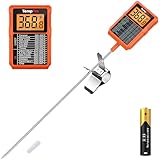
- Digital candy thermometer with pot clip
Instructions
- Combine the sugar, corn syrup, honey, and brewed chamomile tea in a heavy-bottomed saucepan.
- Clip the candy thermometer to the side of the pan, ensuring the tip is submerged but not touching the bottom.
- Heat the mixture over medium-high heat, stirring gently until the sugar dissolves completely.
- Allow the syrup to boil undisturbed until the thermometer reaches exactly 300°F (the hard-crack stage).
- Remove from heat immediately and wait for the bubbles to subside.
- Pour carefully into silicone molds, press a few dried chamomile flowers into the back of each, and insert lollipop sticks.
- Allow cooling at room temperature for 1 hour before popping them out.
Pro-Tip: Honey burns much faster than standard sugar. Monitoring the viscosity at high heat and pulling the pan off the burner the second it hits 300°F is critical. Using inverted sugar like corn syrup stops the honey from seizing into a grainy texture.
2. Craft Sugar-Free Isomalt and Edible Flower Tea Lollies

Save these stunning crystal-clear sugar-free pops to your Artisan Sweets board!
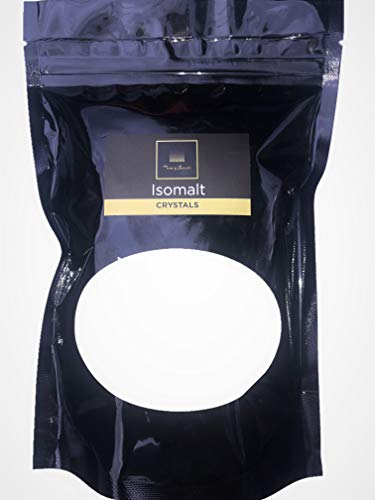
For those seeking a low-calorie or diabetic-friendly option, these sugar free lollipops made with an isomalt base are the perfect solution. Isomalt, a sugar alternative, is prized by professional candy makers for its superior clarity and resistance to yellowing at high temperatures, making it ideal for crafting stunning edible flower pops. Its excellent isomalt solubility results in a flawless, glass-like finish that showcases botanicals beautifully.
Ingredients
- 2 cups premium isomalt crystals (sugar-free alternative)
- 1/2 cup distilled water
- Assorted edible flowers (pansies, violas, or borage)
- 1 teaspoon clear, high-quality flavor extract (like vanilla or clear lemon)
- High-heat silicone lollipop molds
Instructions
- Prepare your molds by placing them on a level, heat-safe surface and pre-arranging one edible flower face-down in each cavity.
- Mix the isomalt crystals and water in a clean saucepan until it resembles wet sand.
- Begin heating over medium-high without stirring, brushing down the sides of the pan with a wet pastry brush if crystals form.
- Allow the mixture to boil until it reaches 320°F (isomalt requires a slightly higher temperature than sugar).
- Remove from heat and wait for all the bubbling to completely stop to ensure a glass-like finish.
- Flavoring the candy by gently stirring in the extract now, being careful not to create air bubbles.
- Pour the liquid slowly over the flowers into the molds, add sticks, and let set until completely hard.
Pro-Tip: To achieve true “glass candy” perfection, pass a chef’s culinary torch lightly over the back of the poured lollipops while they are still liquid in the molds. This pops any micro-bubbles, maximizing the crystal clear visibility of the botanicals inside.
3. Simmer Elderberry & Rose Hip Herbal Suckers for Wellness

Pin this immunity-boosting recipe for cold and flu season!
This recipe for wellness-focused herbal candy recipes turns a sweet treat into a homemade remedy. By infusing the candy base with a potent decoction of elderberry and rose hips—two botanicals known for their immune-supporting properties—you create a lollipop that can be dissolved into hot water for functional sore throat relief. The key is simmering the hard botanicals long enough to extract their benefits before adding the liquid to your sugar mixture.
Ingredients
- 1 cup granulated sugar
- 1/2 cup corn syrup
- 1/3 cup highly concentrated elderberry and rose hip decoction (recipe below)
- 2 tablespoons dried organic elderberries (for brewing)
- 1 tablespoon dried rose hips (for brewing)
- 1 tablespoon fresh lemon juice
Instructions
- Begin by simmering the dried elderberries and rose hips in 1 cup of water for 20 minutes to create a strong decoction. Strain well, reserving 1/3 cup of the dark liquid.
- In a saucepan, combine the sugar, corn syrup, and your 1/3 cup of brewed berry liquid.
- Bring the mixture to a boil over medium heat, securing your candy thermometer.
- Continue heating the mixture until it reaches 300°F.
- Take off the heat, carefully stir in the lemon juice (it will bubble vigorously).
- Molding the candy: Pour immediately into prepared silicone molds with sticks already in place.
- Allow to cool completely before removing. Submerge in hot water to create an instant immune-supporting tea.
Pro-Tip: Unlike delicate flowers that use a simple infusion, hard berries and roots require a decoction (a sustained simmer) to properly break down the cellular walls and extract their medicinal properties and rich color before adding them to your candy base.

4. Mold Lavender & Lemon Botanical Honey Spoons

Save this elegant tea spoon idea for your next afternoon tea party!
Elevate your afternoon tea with these elegant honey tea spoons, a sophisticated take on traditional tea party lollipops. By molding the honey-based hard candy directly onto small wooden spoons, you create a beautiful and functional tea stirrer lollipop that makes a perfect handmade favor for weddings or special events. The floral notes of lavender combined with bright lemon create a truly refined flavor profile.
Ingredients
- 1 cup sugar
- 1/3 cup raw honey
- 1/4 cup water
- 1 teaspoon fresh lemon zest (finely grated and dried slightly)
- 1 tablespoon culinary grade dried lavender buds
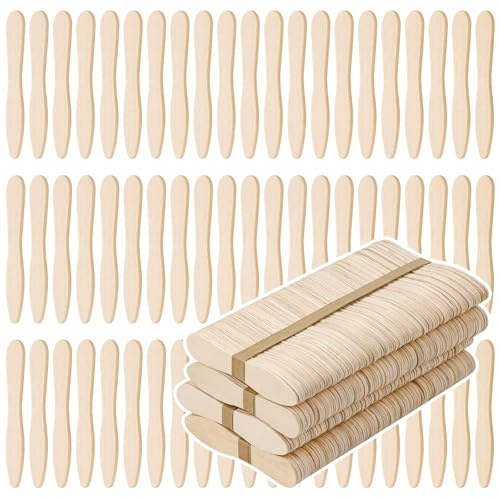
- 12 small wooden tasting spoons (instead of paper sticks)
Instructions
- Prepare a silicone spoon-mold or standard round mold by placing the wooden spoons into the stick slots.
- Lightly scatter a pinch of lavender buds and lemon zest into the empty cavities.
- Combine the sugar, honey, and water in a pot and bring to a boil.
- Boiling the syrup until the thermometer reads exactly 300°F.
- Remove from heat, let the bubbling subside completely to avoid a cloudy finish.
- Carefully pour the hot sugar mixture over the botanicals, ensuring the wooden spoon handle is deeply embedded in the candy.
- Allow hardening at room temperature in a dry, cool place away from high humidity.
Pro-Tip: Always source strictly culinary grade lavender. Craft-store lavender is often treated with synthetic perfumes or pesticides and contains high levels of bitter terpenes that will ruin the delicate flavor of your honey spoons.
5. Infuse Crystal Clear Green Tea & Jasmine Pops

Pin this sophisticated green tea treat for a moment of zen!
This recipe for tea-flavored candy is perfect for true tea lovers, as it involves infusing the candy with both brewed tea and embedding real tea leaves directly into the lollipop. When this botanical tea sweet dissolves in hot water, the leaves rehydrate and float gracefully in the cup, creating a beautiful visual effect. The key is a process known as botanical maceration, carefully extracting flavor without destroying delicate aromas.
Ingredients
- 1 1/2 cups granulated sugar
- 1/2 cup light corn syrup
- 1/2 cup strongly brewed high-quality green tea
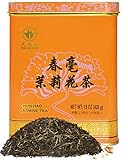
- 1 teaspoon high-quality loose leaf jasmine green tea (dry)
- Small, food-safe dried jasmine blossoms
Instructions
- Brew the 1/2 cup of green tea very strongly, then strain completely so no leaves remain in the liquid.
- In your molds, sprinkle just a tiny pinch of the dry, real tea leaves and place one jasmine blossom.
- In a pot, combine the sugar, corn syrup, and brewed green tea liquid.
- Heating the mixture over medium heat until the sugar dissolves, then boil to 300°F.
- Immediately remove from heat. If you want a stronger flavor without burning the oils, stir in a few drops of jasmine extract now.
- Pour the liquid into the prepared molds over the dry tea leaves and blossoms.
- Let the lollipops set undisturbed. When a user stirs this into hot water, the embedded tea leaves will rehydrate beautifully in the cup.
Pro-Tip: Delicate floral volatile oils found in jasmine are quickly destroyed by the 300-degree heat required for hard candy. To preserve the aroma, always add your floral extracts after removing the pot from the heat source, just as the bubbling stops.
6. Package Spiced Dandelion Root Hard Candy Stirrers

Pin this unique spicy dandelion recipe for your fall gifting list!
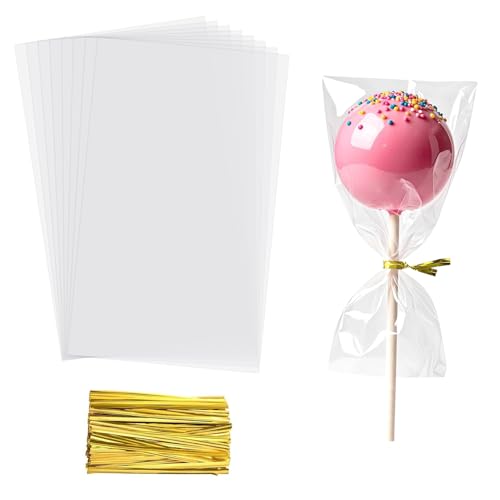
This recipe focuses on both flavor and the critical final step: packaging for gifting. Using roasted dandelion root tea and warm spices, this candy offers a cozy, coffee-alternative flavor perfect for autumn. The true expert tip here is understanding how to properly wrap your finished lollipops in cellophane bags to protect them from humidity, a common issue that separates handmade vs store bought quality.
Ingredients
- 1 cup sugar
- 1/2 cup corn syrup
- 1/4 cup strongly brewed roasted dandelion root tea
- 1/4 teaspoon ground cinnamon
- 1/8 teaspoon ground ginger
- Clear cellophane bags and rustic twine (for packaging)
Instructions
- Prepare your molds with sticks.
- In a heavy saucepan, mix the sugar, corn syrup, and brewed dandelion tea.
- Bring to a boil, measuring the temperature meticulously until it hits 300°F.
- Remove from heat. Wait for the bubbles to stop, then quickly whisk in the cinnamon and ginger (spices will scorch if added during the boil).
- Pour into molds and allow to cool completely.
- Wrapping: Once fully cool and hard, immediately place each lollipop into a clear cellophane bag.
- Tie tightly with twine at the base of the candy to lock out ambient moisture.
Pro-Tip: Hard candy has extreme hygroscopic properties, meaning it acts like a sponge for humidity in the air. To prevent your beautiful gifts from becoming a sticky, weeping mess, they must be packaged in airtight cellophane within 30 minutes of popping them out of their molds.
7. Dissolve Hibiscus & Raspberry Tea Party Sweets

Pin this gorgeous pink hibiscus tea drop to your Tea Party board!
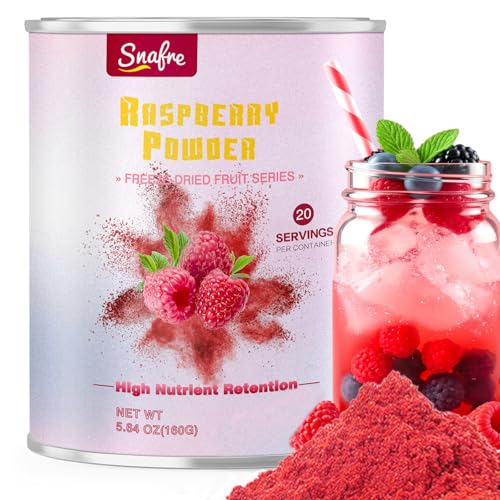
Perfect for tea party planning, this recipe for floral candy creates a stunning visual experience. The deep magenta of brewed hibiscus tea, combined with tart raspberry tea flavor from freeze-dried fruit powder, results in a vividly colored lollipop. The magic happens when dissolving the sweet: as the user begins to submerge and stir, the candy melts into the hot water, creating beautiful pink swirls and a delicious caffeine alternative beverage.
Ingredients
- 1 cup granulated sugar
- 1/2 cup corn syrup
- 1/4 cup strongly brewed hibiscus tea (very dark red)
- 1 tablespoon pulverized freeze-dried fruits (raspberries)
- Silicone molds and sticks
Instructions
- Lightly dust your silicone molds with the pulverized freeze-dried raspberry powder.
- In a saucepan, combine the sugar, corn syrup, and brewed hibiscus tea.
- Bring to a boil and cook until the candy thermometer registers exactly 300°F.
- Remove from heat and allow the bubbles to subside.
- Pour the hot magenta syrup carefully into the molds over the raspberry powder.
- Allow to harden completely at room temperature.
- Dissolving instructions for guests: Submerge one lollipop into a mug of hot water and stir gently until the candy melts into a sweet, fruity herbal beverage.
Pro-Tip: Never use fresh fruit purees in hard candy. The high moisture content in candy making is your worst enemy. Using high-quality freeze-dried fruit powders ensures you get explosive natural color and tart flavor without ruining the structural integrity of the sugar.
Key Takeaways: Your Quick Guide to Herbal Tea Lollipops
Successfully crafting beautiful herbal tea lollipops comes down to a few critical, non-negotiable rules. Mastering these core principles of safety, chemistry, and handling will ensure your final product is hard, clear, and delicious every time. Think of this as your final checklist before you begin.
- Temperature is Non-Negotiable: To successfully make herbal lollipops, your sugar or honey mixture must reach exactly 300°F (the hard-crack stage); anything lower will result in a chewy, sticky mess that won’t set on the stick.
- Isomalt for Crystal Clarity: If your goal is to showcase beautiful edible flowers like a glass window, swap standard sugar for an isomalt base, which won’t caramelize or yellow under high heat.
- Preserve Floral Extracts Properly: Essential oils and flavor extracts contain delicate floral volatile oils that burn off rapidly; always stir them in after you remove the pot from the heat and the bubbling stops.
- Humidity is the Enemy: Hard candy has extreme hygroscopic properties, meaning it absorbs moisture from the air. Wrapping your pops tightly in cellophane bags immediately after cooling is critical for crystallization prevention.
- Use Decoctions for Hard Botanicals: While delicate flowers only need a light steep, tough ingredients like elderberries and roots require a sustained simmer (decoction infusion) to extract their full flavor and medicinal benefits.
- Safety First with Boiling Sugar: Always use a heavy-bottomed pot and a high-quality candy thermometer to prevent dangerous burns and ensure food safe, small batch production at home.
People Also Ask About Herbal Tea Lollipops
How do you make sugar free tea lollipops?
To make sugar free tea lollipops, substitute traditional granulated sugar and corn syrup with isomalt crystals, a sugar alcohol that hardens like glass. Melt the isomalt with a small amount of water until it reaches 320°F, then pour it over your chosen edible flowers or tea leaves in silicone molds. Isomalt is the preferred choice for diabetics and professional artisans because it resists crystallization and provides a beautifully clear, low-calorie treat.
Can you put lollipops in hot tea?
Yes, you can submerge herbal tea lollipops directly into hot water or brewed tea, where they will melt and act as a naturally sweetened beverage enhancer. As the hard candy dissolves in the hot liquid, it releases its infused flavors, aromatic extracts, and any encased botanical elements like real tea leaves or dried flowers. They serve as a wonderful, mess-free alternative to loose sugar or sticky honey spoons.
How to prevent lollipops from getting sticky?
To prevent lollipops from getting sticky, you must cook the sugar to exactly 300°F (the hard-crack stage) and immediately wrap them in airtight cellophane once cooled. Hard candy acts like a sponge for ambient room humidity. Using an inverted sugar like corn syrup in your recipe also helps stabilize the candy structure, providing excellent crystallization prevention and ensuring a longer, less sticky shelf life.
What are the best flowers for tea lollipops?
The best flowers for tea lollipops are organic, culinary-grade botanicals that lay flat, such as pansies, violas, borage, calendula, and chamomile. It is vital to only use flowers specifically labeled as food safe or edible, as florist or garden-center flowers are frequently treated with toxic pesticides. Delicate petals look stunning when suspended in a crystal clear isomalt or light sugar base.
Why did my tea lollipops crystallize?
Tea lollipops crystallize when sugar molecules re-bond during the cooking process, usually caused by stirring the syrup after it has started boiling. To prevent this, always include an interfering agent like corn syrup, honey, or a splash of lemon juice in your recipe. Additionally, use a wet pastry brush to wash down any stray sugar crystals clinging to the sides of your saucepan while heating.
Can I use honey instead of sugar for lollipops?
You can use honey to make lollipops, but because it burns easily, it is best used in combination with standard sugar and corn syrup. A common artisan ratio is 1 cup sugar, 1/2 cup corn syrup, and 1/4 cup pure honey. If you attempt a 100% honey lollipop, you must monitor the temperature meticulously, as its carmelization temperature is much lower and will scorch rapidly before reaching the required 300°F hard-crack stage.
Can tea lollipops help a sore throat?
Yes, herbal tea lollipops made with specific botanical ingredients like honey, chamomile, slippery elm, or elderberry can provide excellent sore throat relief. The hard candy stimulates saliva production to soothe dryness, while the honey caramel coats the throat. When dissolved in hot water to create a tea, the warmth and herbal properties act as a comforting, natural remedy.
How long do tea lollipops take to set?
Depending on room temperature and humidity, herbal tea lollipops typically take 30 to 60 minutes to set and harden completely in their silicone molds. You should never place them in the refrigerator or freezer to speed up the cooling process, as the rapid temperature change and condensation will cause the surface of the candy to become incredibly sticky and cloudy.
Are herbal lollipops safe for children?
Herbal lollipops are safe for older children, provided they do not contain medicinal herbs contraindicated for kids, but they pose a choking hazard for toddlers. Always use standard culinary botanicals like raspberry, chamomile, or mild honey. Avoid herbs with strong medicinal properties unless advised by a pediatrician, and always ensure the lollipop sticks are securely embedded in the candy to prevent the hard sweet from detaching.
What temperature is hard crack for honey?
The hard-crack stage for any candy mixture, including those containing honey, is between 300°F and 310°F. At this temperature, the moisture content is almost entirely boiled away, ensuring the candy will harden completely and brittlely when cooled. Because honey browns and burns faster than refined white sugar, you must remove the pot from the heat the exact second your candy thermometer hits 300°F.
Final Thoughts on Herbal Tea Lollipops
Crafting your own herbal tea lollipops is a beautiful intersection of culinary science, botanical wellness, and artistic expression. Whether your goal is to create soothing elderberry drops for cold season, perfectly clear isomalt pops showcasing vibrant edible flowers for a wedding, or simple honey chamomile stirrers for your evening tea, mastering these artisan techniques opens up a world of creative possibilities.
The secret to success lies entirely in respecting the chemistry of the ingredients. By meticulously monitoring your temperatures with a reliable candy thermometer, sourcing high-quality, food safe botanicals, and understanding how to protect your handmade creations from humidity through proper packaging, you can create professional-grade sweets right in your home kitchen. These botanical lollipops offer a brilliant, mess-free sugar alternative that elevates a simple cup of hot water into a luxurious, highly visual experience.
Now that you have the foundational knowledge of sugar stages, extractions, and molding, you are ready to experiment with your own flavor profiles and floral combinations. Gather your supplies, respect the heat of the syrup, and start crafting.
Which of these stunning botanical recipes are you planning to make for your next tea party or DIY gift giving occasion? Let us know your favorite herbal flavor combinations in the comments below
Last update on 2026-08-18 / Affiliate links / Images from Amazon Product Advertising API
