
As an Amazon Associate CoffeeXplore.com earns from qualifying purchases.
Strawberry Matcha Latte Recipe: Refreshing Layered Drink for Home Baristas
Are you tired of spending eight dollars daily on cafe drinks? Recreating that beautiful strawberry matcha latte recipe at home often ends in clumpy, muddled frustration. You want that perfect boba shop aesthetic without the premium price tag.
To make a strawberry matcha latte, start by muddling fresh strawberries and sugar into a puree. Spoon this puree into a glass and fill completely with ice. Slowly pour in your preferred milk, then gently top with vigorously whisked ceremonial grade matcha. This distinct third layer guarantees visual perfection.
Based on established barista methodologies, we understand how fruit acidity and tea umami interact perfectly. You will discover the precise temperature and density ratios needed for flawless suspension layering. Master these simple techniques to build a cafe-quality masterpiece in your own kitchen today.
Contents
show
How Do You Make a Cafe-Quality Strawberry Matcha Latte Recipe at Home?
Creating a cafe-quality beverage at home requires balancing the natural acidity of fresh fruit with the earthy umami of premium green tea, utilizing a thick milk base and ice barrier to keep the distinct layers perfectly separated.
Many tea lovers crave that beautiful refreshing layered drink from their local shop but hesitate to try making it themselves. Paying premium cafe prices every single morning quickly drains your wallet. When amateur home baristas try to recreate this trendy beverage, they frequently face unappetizing clumpy tea and a muddy presentation. You can easily build this easy 5-minute strawberry matcha latte by understanding the scientific interaction between the ingredients. By manipulating liquid densities and temperatures, you prevent the different liquids from bleeding together.
This guide reveals professional suspension layering standards that generic recipes completely ignore. You will master the exact ratios needed to create a visually stunning, perfectly balanced iced matcha latte with strawberry that rivals any specialty coffeehouse. These techniques represent the absolute best practices in September 2026 for home beverage crafting.
Expert Insight: What most generic guides miss is the importance of structural integrity in your drink. When you simply mix and pour your ingredients without strategy, you sacrifice the visual appeal and muddle the delicate flavor notes. By understanding liquid density ratios and suspension physics, you maintain perfectly separated layers that look professional while preserving the distinct taste of each individual component until you are ready to stir.
7 Expert Steps to Build a Refreshing Layered Strawberry Matcha Latte
Building a gorgeous layered matcha drink is entirely about controlling the physical properties of your ingredients. This foolproof, step-by-step methodology ensures you extract maximum flavor while preserving that stunning boba shop strawberry matcha latte at home aesthetic. Most standard food blogs just tell you to combine everything, which ruins the structural integrity. Instead, we treat this process like professional mixology.
You will learn exactly how a dense strawberry base anchors the drink, why ice cubes act as a crucial suspension matrix, and how a creamy milk layer forms a necessary density barrier. Finally, a delicate matcha shot floats elegantly on the very top. Grab your bamboo whisk and follow these seven actionable phases. By understanding the science behind each step, you guarantee a beautiful result every single time you layer and pour this delicious beverage.
1. Craft the Perfect Fresh Strawberry Purée Base

Pin this brilliant puree hack to your ‘Cafe Drinks at Home’ board!
Muddling a fresh strawberry puree creates the flavorful, bright red foundation of the latte that provides the necessary sweetness to balance the inherently bitter green tea.
Creating your base from scratch yields the most vibrant flavor profile. The chemical process of maceration occurs when sugar draws moisture out of the fresh berries. This creates a natural syrup without any cooking required. While strawberry jam works in an absolute emergency, starting with fresh fruit elevates the final taste significantly.
Ingredients & Tools
- 4-5 fresh, ripe strawberries (hulled and diced)
- 1 tablespoon of granulated sugar, honey, or simple syrup
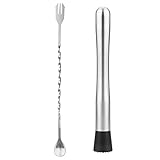
- 1 heavy-duty stainless steel cocktail muddle tool
- Alternative: 2 tablespoons of high-quality sweet puréed strawberries preserve and 1 tsp warm water
Instructions
- Place your diced strawberries and chosen sweetener directly into the bottom of your serving glass.
- Press down firmly with your muddler, twisting slightly, until the berries break down into a chunky consistency.
- Rest the mixture for 2-3 minutes to allow the sugar to draw out the natural juices.
- Mix the store-bought jam with a splash of warm water to thin it out if you are using the quick alternative method.
Pro-Tip: For the best layering effect, ensure your puree is thick. If your berries are too tart, let them sit with the sugar for a full 10 minutes. This develops a richer, syrupy consistency that stays securely anchored at the bottom of the glass.
2. Select and Sift Your Ceremonial Grade Matcha

Pin this pro sifting technique to your ‘Matcha Mastery’ board!
You must push your green tea powder through a fine mesh sieve to eliminate microscopic clumps, ensuring a silky smooth texture that drinks flawlessly.
Skipping this vital step is the absolute number one reason homemade versions fail. You must differentiate between culinary grade, which is dull and bitter for baking, and ceremonial grade matcha, which boasts a bright green color and sweet umami flavor. This premium powder is highly sensitive to moisture and static electricity, causing it to clump instantly.
Ingredients & Tools
- 1 to 1.5 teaspoons of premium ceremonial grade green tea powder
- 1 mini fine mesh stainless steel strainer or sift sieve
- 1 preparation bowl (chawan) or small glass bowl
- 1 traditional bamboo scoop (chashaku) or measuring spoon
Instructions
- Place your fine mesh sieve securely over your preparation bowl.
- Measure 1 to 1.5 teaspoons of bright green powder into the sieve.
- Tap the side of the sieve gently, or use a spoon to press the powder directly through the mesh.
- Discard any hard, unyielding clumps left at the bottom of the sieve to prevent clumpy matcha.
Pro-Tip: Sifting aerates the powder perfectly. This action increases the ingredient’s surface area, guaranteeing a perfect, smooth emulsion when the hot water finally hits it.

3. Whisk the Matcha to Frothy Perfection

Save this authentic whisking method to your ‘Morning Routine’ board!
Whisking the powder with slightly cooled hot water creates the signature frothy micro-foam that true cafe baristas achieve.
Water temperature dictates your final flavor profile. You must use water heated to exactly 175°F (80°C). Boiling water scorches the delicate amino acids, specifically L-theanine, resulting in a terribly bitter taste. Proper agitation with a traditional tool properly suspends the particles in the liquid.
Ingredients & Tools
- The sifted powder from Step 2
- 2 ounces (60ml) of hot water (heated to 175°F / 80°C)
- 1 traditional chasen or bamboo whisk
Instructions
- Pour just a tiny splash (about 1 teaspoon) of hot liquid over the sifted powder.
- Knead the powder and liquid together with your whisk into a smooth, dark green paste to prevent clumps.
- Add the remaining hot liquid into the bowl.
- Whisk vigorously in a rapid “W” or “M” zigzag motion for 15-20 seconds without scraping the bottom.
- Slow your movement at the very end, drawing a gentle circle at the surface to pop large bubbles and create frothy milk-like micro-foam.
Pro-Tip: If using boiling water directly from a kettle, pour it into a cold ceramic mug first. Wait two minutes, then pour it over your powder. This naturally drops the temperature to the perfect 175°F range, preserving the delicate, grassy sweetness.

4. Choose the Ideal Milk & Ice Ratio

Save this milk ratio guide to your ‘Aesthetic Drinks’ board!
Selecting a high-fat milk and filling the glass completely with ice cubes builds the structural middle layer that separates the red berries from the green tea.
The physical role of the ice provides vital displacement and cooling. The fat and protein structures found in whole milk or barista-blend alternatives act as a much thicker density barrier compared to watery nut milks. This thicker viscosity facilitates superior separation.
Ingredients & Tools
- 3/4 cup (6 oz) of cold creamy milk (whole dairy, oat milk, or soy)
- 1 cup of large, solid ice cubes
- The glass containing your prepared fruit puree
Instructions
- Fill the glass containing your puree entirely to the brim with large ice blocks.
- Pour your cold dairy or plant-based milk directly over the frozen cubes.
- Stop pouring when the liquid reaches about one inch from the top of the glass.
- Pause for 30 seconds to allow the liquid to chill completely, which thickens it slightly for better layering.
Pro-Tip: The real secret to distinct layers is displacement. You must fill the glass completely to the rim. The frozen cubes act as a physical baffle, breaking the fall of the liquid you pour on top so it doesn’t crash aggressively into the layer below.

5. Execute the Perfect Layering Pour

Pin this brilliant layering trick to your ‘DIY Barista’ board!
Dispersing the kinetic energy of your pour by floating the green tea over the back of a cocktail spoon achieves beautiful, photographable tri-color separation.
The most common point of failure occurs right here, resulting in layers mixing too fast into a muddy brown mess. You must utilize suspension layering, a professional bartender technique. By breaking the downward force of the liquid, you allow the different densities to stack gently upon one another.
Ingredients & Tools
- Your prepared glass with fruit base and iced milk
- The frothy green shot from Step 3
- 1 long-handled cocktail bar spoon or a regular spoon
Instructions
- Hold your spoon upside down (convex side up) directly inside the glass, resting the tip just above the surface of the milk layer.
- Pour the green shot slowly in a thin stream directly over the back of the spoon.
- Control your pouring speed meticulously. The slower you pour, the less downward force it generates.
- Observe as the liquid hits the spoon, diffuses horizontally, and floats weightlessly on top.
Pro-Tip: If your top layer still mixes instantly, your green shot might be too hot or too watery. Adding a tiny dash of sweetener to the middle layer before pouring increases its density, making the top float effortlessly.

6. Upgrade with Cafe-Style Add-ins (Boba Hack)

Save this boba shop upgrade to your ‘Matcha Recipes’ board!
Adding quick-cook tapioca pearls directly to the bottom of the glass elevates your homemade drink to exact specialty shop standards with highly satisfying textures.
You can easily transform this quick and easy strawberry matcha latte recipe into an authentic boba tea shop experience. Quick-cook tapioca pearls are highly accessible home ingredients. The trick is knowing exactly when to add them so they remain soft without ruining your carefully crafted fruit base.
Ingredients & Tools
- 1/4 cup of quick-cook black tapioca pearls
- 1 tablespoon of brown sugar or maple syrup
- 1 wide reusable drinking straw
Instructions
- Boil water and cook the tapioca pearls according to the package directions.
- Drain and rinse the pearls briefly, then toss them in brown sugar while still warm.
- Spoon the warm, chewy boba directly into the bottom of your empty serving glass before adding the fruit puree.
- Layer your fruit over the pearls, add ice, milk, and the green tea float as usual.
- Serve with a wide straw, stirring everything together just before taking your first sip.
Pro-Tip: Never put warm pearls directly on top of raw ice, or they will seize up and become hard in the center. By placing them at the bottom underneath the fruit puree, they remain perfectly soft and chewy.

7. Prep & Store for Quick Morning Lattes

Pin this brilliant meal-prep hack to your ‘Kitchen Organization’ board!
Storing pre-portioned ingredients in airtight jars streamlines your entire process, transforming a five-minute routine into a thirty-second assembly.
When you find a recipe you want to make on repeat, efficient meal-prep becomes essential. Preparing a strawberry matcha latte at home during busy mornings requires having components ready. However, you must carefully manage the rapid oxidation of matcha, which severely degrades the flavor profile if stored improperly.
Ingredients & Tools
- Scaled-up ingredients (e.g., 1 cup puree, 3 cups milk)
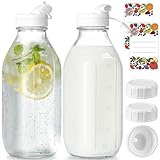
- 3 small, airtight glass bottles or mason jars
- Cold filtered water (for cold-brew concentrate)
Instructions
- Prepare a larger batch of the puree by blending 1 cup of berries with 3 tablespoons of sugar. Store tightly.
- Whisk a strong concentrate: 1 tablespoon of green tea powder with 1/2 cup of cold water to slow down oxidation.
- Keep your chosen milk in its original container or portion it out.
- Refrigerate all components. The fruit base lasts up to 5 days, while the tea concentrate should be used within 48 hours.
- Assemble quickly: Spoon the base into a glass, add ice, pour milk, shake your concentrate jar, and pour it over the top.
Pro-Tip: Pre-whisked green tea oxidizes quickly when exposed to oxygen, losing its vibrant color and developing a bitter taste. Always fill your concentrate jar to the very top to minimize the air gap before sealing it tight.
Key Takeaways: Your Quick Guide to the Strawberry Matcha Latte
Reviewing this highly scannable strawberry matcha latte overview guarantees you remember the most critical technical steps required to successfully build your layered matcha drink without rereading the full tutorial.
If you are time-pressed, focus entirely on the physical interactions between your main ingredients. Synthesizing complex layering physics into actionable key points ensures your final product looks and tastes spectacular. Professional home baristas focus heavily on these foundational rules because technique matters far more than having expensive kitchen gadgets. Memorize these critical points to elevate your beverage crafting skills instantly.
Key Takeaways:
- Use Ceremonial Grade Matcha – Culinary grade tastes incredibly bitter and looks dull brown when mixed with dairy, so always invest in vibrant green, ceremonial quality intended specifically for drinking.
- Sifting is Mandatory – You must push the green powder through a fine mesh sieve before whisking to completely eliminate microscopic clumps that ruin the texture.
- Macerate the Strawberries – Letting your muddled berries sit with sugar for several minutes draws out natural syrups, creating a heavier base that anchors securely to the bottom of the cup.
- Master the Ice Barrier – Filling the cup to the absolute brim with solid ice creates a physical barrier that slows the downward velocity of poured liquids, preventing layers from bleeding.
- Float with a Spoon – Pouring your whisked shot slowly over the back of a bar spoon disperses the liquid across the surface, achieving perfect aesthetic separation.
- Stir Before Sipping – While the layered look remains beautiful for photos, you must vigorously stir the drink together to balance the sweet puree with the earthy tea before taking a sip.
People Also Ask About Strawberry Matcha Lattes
Addressing common questions about strawberry matcha lattes helps resolve lingering uncertainties regarding ingredient substitutions, caffeine content, and dietary modifications before you begin.
Whether you are wondering “Can I use strawberry jam?” or “What kind of matcha is best?”, understanding the nuances of this recipe prevents costly mistakes. According to tested barista standards, swapping ingredients often changes the density physics of the drink. Review these straightforward answers to common misunderstandings to ensure your final beverage perfectly matches your dietary preferences and flavor expectations.
Can I use strawberry jam instead of fresh strawberries?
Yes, you can easily use store-bought strawberry jam to save time when making a strawberry matcha latte.
To use jam, simply mix 2 to 3 tablespoons of high-quality strawberry preserve with 1 teaspoon of hot water. Stir it until it thins out into a syrupy consistency, then add it to the bottom of your cup. While fresh puree offers a brighter, tangier flavor, jam provides excellent sweetness and a thicker texture that makes layering even easier.
What kind of milk is best for a matcha latte?
Oat milk and whole dairy milk are universally considered the best options for a strawberry matcha latte.
These varieties have a higher fat content and thicker texture, which pairs beautifully with the earthy notes of the tea while providing a sturdy middle layer. Almond milk and skim milk can also be used, but their watery consistency means the top layer will bleed into them much faster, and the overall drink will taste less creamy.
Does a strawberry matcha latte have caffeine?
Yes, a strawberry matcha latte contains approximately 40 to 70 milligrams of caffeine, depending on how much powder you use.
Because this tea is made from whole ground leaves, you consume the entire leaf rather than just steeping it. This provides a steady, sustained energy boost without the jittery crash commonly associated with coffee. The caffeine content is roughly half of what you would find in a standard cup of brewed coffee.
Why did my matcha latte turn out clumpy?
Your matcha latte turned out clumpy because the powder was not sifted prior to whisking.
The fine particles naturally clump together due to static electricity and ambient moisture. To fix this, always pass the powder through a fine mesh sieve. Additionally, using cold water instead of hot water prevents the powder from dissolving properly. Always whisk with a splash of 175°F hot water to create a perfectly smooth paste first.
Can I make a hot strawberry matcha latte?
While traditionally served iced to preserve the distinct layers, you can absolutely make a hot strawberry matcha latte.
To make it hot, blend your fruit puree until completely smooth so there are no large chunks. Steam your milk of choice and mix it directly with the warm puree. Finally, whisk your hot tea shot and pour it over the warm fruit milk. The drink won’t layer cleanly, but it tastes like a cozy, fruity steamer.
Why are my layers mixing together immediately?
Your layers are mixing immediately because the liquids were poured too quickly or the cup did not have enough ice.
For perfect suspension layering, your cup must be entirely full of ice cubes to act as a physical buffer. Furthermore, the top liquid must be poured incredibly slowly over the back of a spoon. If the shot is poured directly and rapidly into the center, the downward force breaks the density barrier instantly.
Do I need a bamboo whisk to make matcha?
While a bamboo whisk (chasen) is the traditional and most effective tool, it is not strictly required to make a matcha latte.
If you lack this traditional tool, you can use a handheld electric milk frother to thoroughly blend the hot water and powder. In an absolute pinch, you can even place the sifted powder and hot water into a small, tightly sealed mason jar and shake it vigorously for 30 seconds until foamy.
Is ceremonial grade matcha required for lattes?
While some cafes use culinary grade, testing shows that ceremonial grade matcha provides a vastly superior flavor for homemade lattes.
Culinary grade is intended for baking; it is harvested later in the year, resulting in a duller green color and a distinctly bitter, astringent taste. Ceremonial grade is made from the youngest spring leaves, yielding a naturally sweet, smooth umami flavor and a vibrant, neon-green color that contrasts beautifully with pink fruit.
How long does strawberry puree last in the fridge?
Homemade fresh strawberry puree lasts up to 4 to 5 days when stored in an airtight container in the refrigerator.
Because the added sugar acts as a mild preservative, the macerated berries hold up remarkably well. However, if the puree starts to lose its bright red color or ferments (smelling slightly alcoholic), it should be discarded immediately. Making a larger batch on Sunday serves as an excellent meal-prep strategy.
Can I use frozen strawberries for this recipe?
Yes, thawed frozen strawberries work exceptionally well for this recipe because freezing naturally breaks down the cell walls of the fruit.
Simply allow the frozen berries to thaw completely, then muddle them with your sweetener. They will actually mash into a syrup much faster than fresh fruit and often yield more natural juice. Just ensure you buy unsweetened frozen berries so you remain in complete control of the overall sugar levels.
Final Thoughts on Mastering the Strawberry Matcha Latte
Mastering this strawberry matcha latte conclusion proves that aspiring home baristas possess the skills needed to skip the cafe line and create artisanal, visually stunning drinks right in their own kitchens.
Crafting the perfect beverage at home remains the ultimate flex for any tea enthusiast. What initially seems like an expensive, complicated specialty is actually a simple, five-minute exercise in ingredient quality and gentle physics. By investing in a vibrant, high-quality green tea powder and taking the brief time to properly sift and whisk it, you eliminate the bitterness and chalkiness that ruin most homemade attempts.
The true magic of this make on repeat favorite lies entirely in the contrast. The sweet, jammy brightness of the macerated fruit perfectly balances the earthy, deep umami of the tea. Meanwhile, the creamy dairy bridges the two bold flavor profiles smoothly together. Remember that achieving that stunning, Instagram-worthy separation relies strictly on patience. Pack your glass completely with ice, rely on the back of your spoon to break the pour, and let the different liquid densities handle the heavy lifting.
Once you master these basic layering techniques, this will quickly become your signature beverage. You can experiment heavily with different fruit purees, swap in various dairy alternatives, or add chewy tapioca pearls to customize it exactly to your personal preferences.
Have you tried crafting this recipe with a homemade puree, or did you opt for the quick jam hack? Let us know exactly how your beautiful layers turned out in the comments below!
Last update on 2026-09-07 / Affiliate links / Images from Amazon Product Advertising API
