
As an Amazon Associate CoffeeXplore.com earns from qualifying purchases.
Herbal Tea for Women: 7 Proven Hormone Balancing Blends
Are you exhausted by the constant rollercoaster of cycle-related fatigue, bloating, and unpredictable mood swings? Navigating monthly hormonal fluctuations often leaves many feeling frustrated, overwhelmed, and completely drained of energy. Finding a reliable herbal tea for women to ease these symptoms naturally shouldn’t feel impossible.
Herbal tea for women is a natural botanical remedy designed to support the female endocrine system, regulate menstrual cycles, and ease hormonal fluctuations. The best hormone balancing blends use specific herbs like spearmint to lower androgens, red raspberry leaf to tone the uterus, and vitex to boost progesterone. These holistic infusions target root causes rather than just masking symptoms.
Drawing from traditional herbalism principles paired with modern clinical understanding of endocrine function, we have identified the most effective plant-based interventions. In this comprehensive guide, you will discover exactly how specific phytoestrogens and nervine herbs can radically transform your reproductive health. Master these proven botanical blends to reclaim your natural rhythm today.
Contents
show
The Ultimate Guide to Herbal Tea for Women: Balancing Hormones Naturally
Your endocrine system is a complex, delicate network that dictates everything from your energy levels to your reproductive health. When hormones like estrogen, progesterone, and cortisol fall out of balance, your body sounds the alarm through painful menstrual cramps, hormonal acne, and severe mood swings. Generic health advice often dismisses these very real struggles. However, targeted botanical remedies offer a scientifically supported, holistic solution that actively repairs endocrine function.
Women’s health teas work by delivering highly bioavailable plant compounds directly into your bloodstream. Adaptogens help your body manage stress responses and prevent cortisol spikes. Nervine herbs soothe an overactive nervous system, while specific botanical remedies actively manage hormonal fluctuations like estrogen dominance and luteal phase defects.
Instead of relying on temporary fixes, mastering natural hormone balance requires understanding which exact plant properties connect to your specific hormonal pathways. By incorporating therapeutic-grade herbal infusions into your daily routine, you can safely alleviate menstrual discomfort and build long-term reproductive resilience.
7 Proven Hormone Balancing Blends for Your Daily Routine
Building a holistic wellness routine starts with knowing exactly how to prepare your natural medicine. When you step loose leaf botanicals correctly, you extract potent essential oils and minerals that tea bags simply cannot provide. This therapeutic approach transforms a simple hot drink into a powerful tool to naturally alleviate cramps, regulate your cycle, and reduce painful bloating.
To help you achieve natural hormone balance, we have curated the seven most effective botanical infusions. These recipes move beyond casual sipping to provide exact measurements, proper steep times, and targeted recommendations for your specific hormonal symptoms. Let’s explore exactly how to blend organic herbal tea for maximum clinical benefit.
1. Brew Red Raspberry Leaf Tea for Deep Uterine Support

Pin this uterine tonic recipe to your Women’s Wellness board for your next cycle!
If you suffer from severe period cramps, you need a natural method to strengthen your entire reproductive system. Red raspberry leaf herbal infusion is globally recognized for its ability to tone the uterus and alleviate cramps. The magic lies in fragarine, a potent plant alkaloid that actively tightens and tones pelvic floor muscles.
This specific botanical action prevents the uterus from spasming erratically during your period. Traditional herbalism practices revere fragarine for its ability to smooth out muscular contractions, drastically reducing acute menstrual pain.
Ingredients Needed
- 1 tablespoon of organic, loose-leaf red raspberry leaf (look for bright green, fragrant leaves)
- 16 oz of filtered, near-boiling water
- 1 teaspoon of raw, local honey (optional, to soften the earthy, black-tea-like flavor)
- A stainless steel mesh tea infuser or French press
Brewing Instructions
- Measure the loose-leaf herbs precisely into your mesh infuser to ensure a therapeutic dose.
- Pour the hot water over the herbs, ensuring they are completely submerged.
- Cover the mug or French press with a lid to trap the volatile essential oils from escaping.
- Steep the infusion for a full 10-15 minutes to extract the beneficial alkaloids.
- Strain and drink one to two cups daily, especially during the luteal and menstrual phases of your cycle.
Pro-Tip: In traditional herbalism, red raspberry leaf is often steeped overnight as a “nourishing herbal infusion” to pull maximum calcium and magnesium from the plant matter, which is critical for smooth muscle relaxation.

2. Steep Spearmint Tea to Lower Excess Androgens

Save this powerful PCOS hormone hack to your natural remedies board!
Managing the symptoms of high testosterone, such as hormonal acne or unwanted hair growth, requires a targeted approach. Spearmint (Mentha spicata) is a highly effective hormonal acne remedy that actively lowers testosterone in PCOS patients.
Unlike standard mint teas, true spearmint contains potent anti-androgenic properties. Clinical studies confirm that drinking two cups of this botanical intervention daily significantly reduces free and total testosterone levels in women within 30 days. It also helps support insulin sensitivity, targeting the metabolic root causes of polycystic ovary syndrome and hirsutism.
Ingredients Needed
- 1.5 tablespoons of organic loose-leaf spearmint (ensure it is Mentha spicata, not peppermint)
- 12 oz of boiling water
- Ice cubes (if preparing the cooling iced version)
- A wedge of fresh lemon (enhances flavor and adds liver-supporting vitamin C)
Brewing Instructions
- Place the loose spearmint leaves into your teapot or glass brewing vessel.
- Pour boiling water directly over the leaves to release their anti-androgenic oils.
- Steep covered for 5-7 minutes (steeping mint too long can draw out bitter tannins).
- Strain the leaves out completely using a fine mesh sieve.
- Drink warm, or pour over a tall glass of ice for a refreshing daily routine, consuming two cups daily for clinical benefits.
Pro-Tip: Consistency is the key to endocrine system modulation. Clinical trials noting a reduction in hirsutism and hormonal acne required participants to drink spearmint tea twice daily for at least 30 consecutive days.

3. Infuse Chasteberry (Vitex) for Cycle Regulation

Don’t forget to pin this natural progesterone-boosting tea recipe!
If you struggle with irregular periods and estrogen dominance, you need a botanical remedy that can naturally lengthen the luteal phase and boost progesterone. The chaste tree berry (Vitex agnus-castus) is renowned for its ability to regulate menstrual cycles and ease PMS symptoms.
Vitex is unique because it doesn’t contain actual plant hormones. Instead, this powerful botanical acts indirectly via the pituitary gland. It signals your brain to produce more luteinizing hormone (LH), which triggers ovulation and naturally raises your body’s own progesterone levels to balance out excess estrogen.
Ingredients Needed
- 1 teaspoon of whole or gently crushed organic chasteberries (Vitex)
- 1/2 teaspoon of dried ginger root (to help push the herbal properties through the bloodstream)
- 16 oz of water
- A small saucepan for decoction (boiling hard roots/berries)
Brewing Instructions
- Add the whole or crushed chasteberries and ginger to the saucepan with water.
- Bring the water to a rolling boil over medium-high heat.
- Reduce the heat to low, cover the pan tightly, and simmer gently for 15-20 minutes (this process is called a decoction, necessary for extracting medicine from hard berries).
- Remove from heat and let it steep for an additional 10 minutes.
- Strain the dark, earthy liquid into a mug and drink first thing in the morning on an empty stomach.
Pro-Tip: Because Vitex acts directly on the pituitary gland, naturopathic doctors often recommend taking it in the morning when the pituitary is most active, and taking a break during the bleeding days of your menstrual cycle.

4. Blend Nettle Leaf to Replenish Critical Minerals

Pin this ultimate energy-restoring mineral tea to your healthy habits board!
Heavy menstrual bleeding often leads to severe period fatigue, leaving you completely depleted. To nourish the female body deeply, you need a stinging nettle infusion. This potent green plant acts as a deep mineral replenisher that specifically targets iron replenishment.
Stinging nettle (Urtica dioica) is celebrated in botanical medicine as a supreme blood builder. This is not just a casual beverage; it acts as a highly bioavailable liquid vitamin supplement. Packed with easily absorbable iron, calcium, and Vitamin K, it restores the vital nutrients lost during intense bleeding phases.
Ingredients Needed
- 1 full cup (approximately 1 ounce by weight) of dried, organic nettle leaf (bulk loose leaf is required here)
- 1 quart (32 oz) of boiling water
- A large glass mason jar with a tight-fitting lid
- A squeeze of fresh lemon juice (Vitamin C enhances iron absorption)
Brewing Instructions
- Place the full ounce of dried nettle leaf directly into your quart-sized mason jar.
- Pour the boiling water over the herbs, filling the jar entirely to the top to minimize oxygen exposure.
- Cap the jar tightly and leave it on your kitchen counter to steep for 4 to 8 hours (or overnight).
- Strain the dark green, highly mineralized liquid through a cheesecloth or fine strainer, squeezing the herbs to extract all the medicine.
- Add a squeeze of lemon and drink this quart of infusion over the course of a day or two, storing leftovers in the fridge.
Pro-Tip: The overnight steeping process is non-negotiable for nettles if you want the hormone-supporting benefits. A quick 5-minute steep only extracts flavor; an 8-hour steep extracts heavy minerals like calcium and iron.

5. Combine Ginger and Turmeric to Soothe Inflammation

Save this powerful anti-inflammatory period pain remedy to your natural health board!
When acute menstrual cramps and systemic inflammation hit, you need an immediate, natural remedy that works fast. A potent ginger tea paired with turmeric root acts as the ultimate menstrual inflammation soother. This botanical combination is a highly effective alternative to standard NSAIDs.
The pain you feel during your period is driven by pro-inflammatory prostaglandins triggering severe uterine contractions. Curcumin (the active compound in turmeric) and gingerols (the active compounds in ginger) work together to directly inhibit the overproduction of these painful chemical messengers.
Ingredients Needed
- 1 tablespoon of organic chopped dried ginger root (or 1 inch of freshly grated ginger)
- 1 teaspoon of organic turmeric root powder (or 1 inch of fresh grated turmeric)
- A pinch of freshly ground black pepper (essential for activating the turmeric)
- 16 oz of water
- 1 teaspoon of coconut oil or heavy cream (fat is required for turmeric absorption)
Brewing Instructions
- Add the ginger, turmeric, and black pepper to a small saucepan filled with water.
- Bring the mixture to a rolling boil, then lower the heat and simmer for 10 minutes to extract the potent active compounds.
- Remove from heat and strain into your favorite mug.
- Stir in your chosen fat source (coconut oil or cream) while the tea is still hot to ensure the curcumin becomes bioavailable.
- Sip slowly at the first sign of menstrual cramps, drinking up to 3 cups daily during the heaviest bleeding days.
Pro-Tip: Curcumin, the active anti-inflammatory compound in turmeric, has remarkably low bioavailability on its own. It requires piperine (found in black pepper) and a fat source to cross the intestinal wall into the bloodstream.

6. Drink Lemon Balm to Calm Stress and Cortisol

Pin this cortisol-calming tea routine for when you’re feeling stressed or overwhelmed!
High stress levels negatively impact your sex hormones and cause severe sleep disturbances. To fix your endocrine system, you must first fix your nervous system by calming your nerves. Lemon balm tea is a powerful cortisol calmer and provides excellent adrenal fatigue support.
When your HPA axis (Hypothalamic-Pituitary-Adrenal) is overworked, your body initiates a “cortisol steal.” This phenomenon occurs when chronic stress forces your body to halt progesterone production in order to produce more cortisol. Relaxing nerves with nervine botanicals like lemon balm stops this theft, naturally preventing estrogen dominance.
Ingredients Needed
- 1 tablespoon of organic dried lemon balm (Melissa officinalis)
- 1 teaspoon of organic dried chamomile flowers (boosts the calming effect)
- 12 oz of hot (but not boiling) water
- A teapot with a well-fitted lid
Brewing Instructions
- Combine the dried lemon balm and chamomile flowers in your teapot.
- Heat your water to just under a boil (around 190°F) to prevent scalding these delicate, volatile flowers.
- Pour the water over the herbs and immediately cover the teapot with its lid.
- Steep for exactly 10 minutes to extract the relaxing nervine properties without making the chamomile bitter.
- Strain into a mug and inhale the aromatic steam deeply before taking your first sip. Enjoy one hour before bedtime.
Pro-Tip: Because the medicinal essential oils in lemon balm and chamomile evaporate easily with steam, you must steep these herbs in a tightly covered vessel. If you steep them uncovered, your kitchen will smell great, but the medicine will vanish into the air.

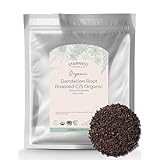
7. Brew Dandelion Root for Estrogen Detoxification

Save this liver-supporting detox tea to balance your estrogen naturally!
Excess hormones are deeply responsible for breast tenderness, mood swings, and heavy periods. Safe estrogen balance requires targeted liver support to clear excess hormones from your bloodstream. A roasted dandelion root detox tea acts as a delicious, coffee-like alternative that actively supports this hepatic function.
Used hormones—especially estrogen—must be systematically broken down by your liver detoxification pathways and excreted through the digestive tract. Dandelion root powerfully stimulates bile production, ensuring these used hormones safely leave your body rather than continually recirculating and causing estrogen dominance.
Ingredients Needed
- 1.5 tablespoons of organic roasted dandelion root pieces (the roasting gives it a rich, coffee-like depth)
- 1/2 teaspoon of roasted chicory root (optional, for added prebiotic fiber and flavor)
- 16 oz of filtered water
- A splash of your favorite milk or cream
Brewing Instructions
- Place the hard, roasted dandelion root pieces into a small saucepan with the water.
- Bring the water to a boil, then reduce the heat to low.
- Simmer the roots gently for 15 to 20 minutes to perform a proper decoction (steeping in a mug is not enough to break down these tough roots).
- Remove from heat, strain the dark, robust liquid into your mug.
- Add a splash of milk or cream and enjoy as a hormone-friendly morning coffee replacement.
Pro-Tip: If you suffer from estrogen dominance, focus on drinking dandelion root tea specifically during the follicular and ovulatory phases of your cycle to help the liver metabolize the natural peak in estrogen.
$7.60 offBestseller No. 7
Key Takeaways: Your Quick Guide to Herbal Tea for Women
To successfully navigate your hormone balancing tea journey, you must implement precise botanical applications. This quick herbal tea for women overview summarizes the most critical daily brewing routines so you can start healing immediately. Understanding how to properly handle adaptogens and nervines ensures you extract the maximum medicinal value from your herbs.
Key Takeaways:
- Preparation Method Matters: Steeping delicate flowers (like chamomile) requires entirely different techniques than hard roots (like dandelion); roots must be simmered in a decoction to extract their hormonal benefits.
- Red Raspberry Leaf is Your Uterine Baseline: Drinking this mineral-rich tonic daily strengthens pelvic muscles and is widely considered the foundation of any female herbal routine.
- Target Androgens with Spearmint: Clinical studies show that drinking two cups of spearmint tea daily can effectively lower free testosterone, making it a powerful natural tool for managing PCOS.
- Timing is Everything for Vitex: Chasteberry acts directly on the pituitary gland to boost progesterone naturally, and is most effective when consumed first thing in the morning.
- Nettle Replenishes Post-Menstruation: Brewing stinging nettle overnight creates a highly bioavailable iron and calcium supplement to replace minerals lost during bleeding.
- Support the Liver to Balance Estrogen: Dandelion root stimulates bile production, helping the liver metabolize and clear out excess estrogen to prevent estrogen dominance.
- Cortisol Dictates Sex Hormones: Using nervine herbs like lemon balm to calm the nervous system is mandatory, as chronic stress (high cortisol) actively suppresses progesterone production.
People Also Ask About Herbal Tea for Women
Starting a new botanical routine naturally raises important questions about safety, dosage, and efficacy. There are many common herbal teas claimed to improve women’s health, but choosing the best tea for female hormones requires understanding your own unique cycle phases. Below, we address your most pressing questions about hormone balancing tea to ensure you proceed with confidence.
What is the best herbal tea for balancing female hormones?
The best herbal tea for female hormones depends entirely on your specific imbalance; spearmint is best for high testosterone (PCOS), vitex is optimal for low progesterone (PMS), and dandelion root is best for estrogen dominance.
There is no single “magic” tea for all women. To get the best results, you must carefully identify your specific symptoms. If you struggle with heavy periods and cramps, red raspberry leaf is the safest and most universally recommended botanical to start with, as it gently tones the reproductive system without aggressively pushing hormones in any one direction.
Can I drink hormone-balancing teas every day?
Yes, you can drink most hormone-balancing teas every day, but it is highly recommended to cycle sync your herbal teas, taking brief breaks during menstruation or alternating herbs based on your cycle phase.
Adaptogenic and nourishing herbs like nettle and red raspberry leaf are exceptionally safe for daily, long-term consumption. However, active endocrine modulators like Vitex (chasteberry) are often recommended to be taken from ovulation until the start of your period. You should then pause it during menstruation to better mimic your body’s natural progesterone rhythm.
Are loose leaf teas better than tea bags for women’s health?
Loose leaf teas are significantly better than commercial tea bags for women’s health because they contain whole, unbroken plant matter that retains potent essential oils, resulting in stronger therapeutic medicine.
Commercial tea bags often contain “dust and fannings” (the lowest grade of tea left over from processing) which lose their volatile compounds very quickly. Additionally, paper tea bags are frequently bleached, and plastic mesh bags release microplastics into hot water. These plastics can act as dangerous endocrine disruptors, which is the exact opposite of what you want when trying to balance hormones.
How long does it take for herbal tea to balance hormones?
According to clinical studies and traditional herbalism, it typically takes three full menstrual cycles (roughly 90 days) of consistent daily tea consumption to see significant, lasting improvements in hormone balance.
Botanical medicine works gently to address the deep root cause of systemic imbalances rather than offering a quick synthetic fix. While you may notice immediate relief from acute symptoms like menstrual cramps using ginger and turmeric, deep endocrine shifts—like regulating ovulation or reducing hormonal acne with spearmint—require dedicated daily consistency.
Can herbal tea cure PCOS naturally?
While herbal tea cannot permanently cure Polycystic Ovary Syndrome (PCOS), herbs like spearmint, cinnamon, and green tea can dramatically manage symptoms by naturally lowering testosterone and improving insulin sensitivity.
PCOS is a highly complex metabolic and endocrine disorder. Using spearmint tea twice daily is clinically proven to significantly reduce the free circulating androgens responsible for hirsutism and acne. However, these herbal infusions should be used alongside holistic lifestyle interventions, including blood sugar regulation, stress management, and a nutrient-dense diet for full symptom remission.
Is red raspberry leaf tea safe during early pregnancy?
Most certified herbalists and naturopathic doctors strongly advise against drinking potent red raspberry leaf tea during the first trimester of pregnancy due to its stimulating effect on the pelvic floor and uterine muscles.
While it is the most famous pregnancy tea globally, it is typically introduced during the late second or early third trimester to safely prepare the uterus for labor. If you are pregnant or actively trying to conceive, always consult directly with your midwife or obstetrician before introducing new botanical remedies to your daily routine.
What tea reduces estrogen dominance naturally?
Roasted dandelion root and milk thistle are the best herbal teas for reducing estrogen dominance because they stimulate liver function and bile production, accelerating the clearance of excess estrogen from the bloodstream.
Estrogen dominance often occurs not because you are producing too much estrogen, but because your liver is simply too sluggish to metabolize and excrete the used estrogen. Drinking bitter hepatic herbs rapidly supports this detoxification pathway, alleviating painful symptoms like breast tenderness, fibroids, and intense mood swings.
Does green tea support women’s hormones?
Yes, green tea actively supports women’s hormones by providing powerful antioxidants like EGCG, which significantly improve insulin sensitivity, reduce systemic inflammation, and support healthy estrogen metabolism.
While it does contain caffeine (which can spike cortisol in highly sensitive individuals), the L-theanine in green tea provides a wonderful calming buffer. It is particularly beneficial for women struggling with insulin-resistant PCOS, as improved blood sugar regulation directly leads to far more balanced ovarian function.
Why do I need to steep roots longer than flowers?
You must steep roots longer than flowers because roots and barks are extremely dense, woody materials that require continuous simmering heat (a decoction) to break down their cellular walls and release medicinal compounds.
If you just pour hot water over dandelion root or ginger and steep it for a quick five minutes, you only extract flavor. Conversely, delicate flowers and leaves like chamomile or lemon balm contain fragile essential oils that will rapidly evaporate and turn bitter if boiled. Understanding this critical difference is the secret to making truly potent botanical medicine.
What is the best tea to relieve period cramps quickly?
A strong infusion of ginger root and turmeric is the fastest-acting herbal tea for period cramps because it directly inhibits the production of prostaglandins, the inflammatory chemicals that trigger painful uterine contractions.
To maximize the powerful pain-relieving effects, start drinking this anti-inflammatory blend two to three days before your period begins to get ahead of the inflammation. Adding a tiny pinch of black pepper and a small amount of healthy fat will ensure the active compounds cross into your bloodstream highly effectively.
Final Thoughts on Herbal Tea for Women
Incorporating a targeted herbal tea routine into your daily life is one of the most gentle, effective, and scientifically validated ways to take total control of your endocrine health. The true beauty of natural hormone balance lies in its unique ability to support the body’s natural rhythms rather than aggressively overriding them with harsh synthetics. Whether you are steeping spearmint to lower excess androgens, brewing robust dandelion root to clear out stagnant estrogen, or relying on the deep nourishment of nettle leaf, you are actively participating in your own holistic wellness.
As we navigate the latest wellness trends in September 2026, remember that achieving lasting hormonal health requires profound patience. Unlike over-the-counter painkillers that mask symptoms temporarily, these incredible plant compounds work structurally over time to repair the intricate communication between your brain, liver, and ovaries. Give your chosen botanical medicine at least three full menstrual cycles to truly assess its impact on your body, and don’t be afraid to adjust your customized blends as your cycle shifts dynamically throughout the month.
By taking the time to properly brew loose-leaf herbs using the correct decoction or infusion methods, you are elevating a simple, mundane cup of tea into a potent daily act of self-care and long-term hormonal restoration.
Which of these 7 hormone-balancing blends are you going to introduce to your daily wellness routine first? Let us know your favorite herbal combinations and cycle-syncing tips in the comments below!
Last update on 2026-09-12 / Affiliate links / Images from Amazon Product Advertising API
