
As an Amazon Associate CoffeeXplore.com earns from qualifying purchases.
Herbal Tea Combinations: 7 Soothing DIY Recipes for 2026
Are you exhausted by modern stress and restless nights? Daily life often leaves us battling fatigue, bloating, and racing thoughts. Finding the right herbal tea combinations offers a powerful way to heal naturally.
The best herbal tea combinations synergize functional herbs to target specific ailments naturally. For deep sleep, blend chamomile and lavender. For digestion, combine peppermint and ginger. To reduce inflammation, steep turmeric with black pepper. Always use organic, loose-leaf ingredients and steep covered for 10-15 minutes to preserve essential volatile oils.
Drawing from established herbalist guidelines and verified botanical research, we prioritize safe, functional plant pairings. Herbal tea serves as a potent functional system of botanical synergy. You will discover exactly how to craft effective home remedies. Learn to blend these restorative recipes today to regain control of your wellness.
Contents
show
What Are The Best Herbal Tea Combinations To Relieve Stress, Poor Sleep, and Indigestion?
The most effective homemade tea mixtures use specific botanical pairings to treat root symptoms, such as combining chamomile with lavender for insomnia or peppermint with ginger for indigestion.
When you begin exploring the world of organic herbal infusions, it is crucial to understand that true tisanes go far beyond simple flavor profiles. The blending process connects primary herbs, flowers, and spices into a highly functional recipe matrix. Each ingredient possesses specific properties, whether they are calming nervines or soothing carminatives.
Sourcing transparency matters immensely when building your home apothecary. Always seek organic certification to ensure your wellness tea mixtures remain completely free from agricultural pesticides. Knowing the Latin binomial botanical names helps guarantee you purchase the correct, safe plant species for your family. This foundational tea mixing guide empowers you to master advanced concepts like preserving delicate volatile oils and maximizing bioavailability, ensuring your best herbal tea combinations actually deliver real results.
7 Soothing DIY Herbal Tea Combinations for 2026
Moving from basic theory to practical application, crafting your own diy tea blends at home requires a few essential tools and precise methodologies. Creating a homemade herbal tea involves far more than simply throwing random leaves into a mug of hot water.
By utilizing proper tools like tea infusers, a mortar and pestle, and even dehydrators, you can extract the maximum therapeutic value from your organic tea blends. This hands-on blending masterclass will guide you through the exact steps of measuring, crushing, and steeping base ingredients like adaptogens, nervines, and carminatives. These highly functional herbal tea recipes explain the botanical mechanics of exactly why each pairing succeeds. Discover the perfect wellness tea recipes below to support your body naturally.
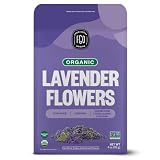
1. Blend Chamomile and Lavender for Deep Sleep and Anxiety

Save this sleep-inducing apothecary recipe to your “Natural Wellness Teas” board for restless nights!
Creating herbal tea combinations for sleep and anxiety serves as the ultimate evening wind-down ritual. When you combine Chamomile + Lavender, you harness the power of potent nervine relaxants that quiet a racing mind. This aromatic, caffeine-free blend acts directly on your nervous system, alleviating the debilitating symptoms of insomnia without causing morning grogginess.
Based on evidence-based clinical studies, the Latin botanicals Matricaria chamomilla and Lavandula angustifolia contain specific volatile oils like apigenin and linalool. These specific compounds are responsible for producing the deeply calming effects found in these calming herbal tea recipes for stress relief.
Ingredients
- 2 parts organic, loose-leaf chamomile flowers (whole blossoms preferred for higher essential oils content)
- 1 part culinary-grade dried lavender buds
- 1 teaspoon raw local honey (optional, to balance the floral bitterness)
- 1 stainless steel fine mesh strainer or unbleached muslin tea bag
- 10 oz freshly filtered water
Instructions
- Measuring the botanicals carefully, combine the dried chamomile and lavender in a small glass apothecary jar, gently mixing them to distribute the flowers evenly.
- Heat filtered water to roughly 205°F (just off a rolling boil)—boiling water can scorch delicate flavonoids.
- Crushing the mixture very gently between your fingers to release the terpenes, place 1 tablespoon of the blend into your tea infuser.
- Steeping the tea: Pour hot water over the herbs and immediately cover the mug with a lid or small plate. This prevents the therapeutic volatile oils from escaping through steam.
- Let the infusion steep for exactly 7-10 minutes to extract the potent nervines before sifting and serving.
What most guides miss: In herbalism, preserving the volatile oils is crucial for sleep blends. If you do not cover your cup while steeping, the exact compounds responsible for the nervine relaxant effect will evaporate directly into the air, leaving you with flavored water instead of a functional remedy.
2. Mix Peppermint and Ginger for Digestion and Bloating

Pin this powerful stomach-soothing digestive remedy so you have it ready after large meals!
When you experience physical discomfort from overeating, reaching for diy herbal tea recipes for gut health provides rapid, natural relief. The combination of Peppermint + Ginger utilizes a specific carminative action that aids digestion and quickly relieves nausea.
This functional pairing perfectly balances the cooling, soothing nature of mint with the warming, potent spice of ginger. Scientifically, the menthol in peppermint relaxes your intestinal tract, while active gingerols drastically speed up gastric emptying. Together, they create an evidence-based gastrointestinal tonic that combats indigestion and painful bloating.
Ingredients
- 1 tablespoon organic, loose-leaf peppermint (Mentha piperita)
- 1 teaspoon dried ginger root pieces (or 3 slices of fresh rhizomes)
- 1/2 teaspoon fennel seeds (an excellent adjuvant ingredient for gas)
- A squeeze of citrus zest or fresh lemon juice
- 1 ceramic teapot with a built-in stainless steel infuser
Instructions
- Measuring the dried peppermint, ginger, and fennel, add them directly to the base of your teapot or infuser basket.
- If using whole fennel seeds, spend a few seconds crushing them lightly in a mortar and pestle to release their volatile oils.
- Decocting the ginger slightly: Pour boiling water (212°F) directly over the robust roots and tough seeds to properly extract their medicinal compounds.
- Steeping for 10-12 minutes. Because ginger and fennel are tougher materials, they require this extended time to draw out the gut-healing mucilage and essential oils.
- Sifting the herbs, pour the infusion into your cup, adding the fresh lemon juice right before drinking to prevent heat destruction of the Vitamin C.
Expert insight: When dealing with tough rhizomes like ginger or thick roots, herbalists often prefer a short simmer (decoction) rather than just steeping. If you suffer from chronic indigestion, simmer the ginger for 10 minutes on the stove before pouring that hot ginger-water over your delicate peppermint leaves.

3. Steep Elderberry and Echinacea for Immune Support

Save this powerful immune-boosting blend to your “Winter Wellness Recipes” board!
When battling seasonal illness, everyday tea bags fall short. You need robust, homemade tea blends for cold and flu to effectively support your immune system. Pairing Elderberry + Echinacea creates the ultimate immune boosting herbal tea blends for winter that tackle upper respiratory distress and chest congestion.
These medicinal tea blends synergize perfectly with natural honey and sweeteners to rapidly soothe a scratchy sore throat. It is vital to note the correct botanical name (Sambucus nigra and Echinacea purpurea) when purchasing. Additionally, strict safety guidelines dictate that raw elderberries must be cooked thoroughly to neutralize naturally occurring compounds, making decocting the only safe and effective preparation method.
Ingredients
- 1 tablespoon organic dried elderberries (ensure they are strictly Sambucus nigra)
- 1 teaspoon dried echinacea root or aerial parts
- 1/2 teaspoon cinnamon chips (adds flavor and acts as a diaphoretic herb to promote sweating)
- 1 slice of fresh orange (for a burst of flavorful vitamin C)
- 12 oz filtered water
- 1 small stainless steel saucepan
Instructions
- Measuring the tough, woody parts, place the dried elderberries, echinacea root, and cinnamon chips directly into a small saucepan.
- Pour the 12 oz of cold filtered water into the saucepan and bring the mixture to a gentle boil on the stove.
- Simmering the brew: Reduce the heat to low, cover the pot, and let it decoct (simmer) for 15-20 minutes. Hard berries and roots require this intense heat to release their deeply locked polyphenols and alkaloids.
- Sifting the mixture through a fine mesh strainer, carefully pour the dark, ruby-red liquid into your favorite thick ceramic mug.
- Infusing the fruit: Drop the fresh orange slice into the hot cup, let it rest for 2 minutes, and stir in a spoonful of raw honey once it cools slightly to soothe a sore throat.
An often-overlooked strategy: Never steep roots and dried berries like delicate leaves. They require a process called decocting—simmering in water for 15-20 minutes—to break down the tough cellular walls and achieve maximum bioavailability of the immune-boosting compounds.
4. Combine Ginseng and Licorice Root for a Natural Energy Lift

Pin this caffeine-free energy tonic for when you need to banish afternoon brain fog!
When you need to banish an afternoon slump without the jitters of coffee, crafting herbal tea mixtures for focus and energy offers a sustainable solution. The dynamic pairing of Ginseng + Licorice Root functions as the ultimate natural “smart drug” of the herbal world.
These powerful adaptogens physically combat stress and fatigue at a cellular level, lifting away dense brain fog. This caffeine-free alternative safely boosts metabolism and revives depleted adrenal glands. However, responsible herbalist-approved formulation requires strict quality control. You must observe specific contraindications and potential side effects, as excessive consumption of licorice root can temporarily raise blood pressure in sensitive individuals.
Ingredients
- 1 teaspoon organic Panax Ginseng root (dried and sliced)
- 1/2 teaspoon organic Licorice root (Glycyrrhiza glabra)
- 1 teaspoon dried peppermint (adds a cooling, clarifying lift to cut the earthy sweetness)
- A high-quality tea infuser or small French press
- 10 oz boiling water
Instructions
- Measuring out the potent adaptogens, place the ginseng, licorice, and peppermint into the bottom of a French press.
- Heat your water to a full, rolling boil (212°F) to ensure it can penetrate the dense, woody root structures.
- Pour the boiling water over the botanicals, ensuring they are fully submerged, and place the plunger on top without pressing down to trap the steam.
- Steeping the mixture for 12-15 minutes. This extended time is required to draw out the energy-boosting saponins from the ginseng.
- Plunging the filter down slowly to separate the roots from the liquid, then pour into a mug and drink warm to combat morning or afternoon fatigue.
Pro-Tip: Pay strict attention to proper dosage and contraindications when working with Licorice Root. While it provides incredible natural sweetness and soothes exhausted adrenal glands, consuming large amounts daily can elevate blood pressure. Always use it as a complementary accent herb rather than the bulk of your blend.

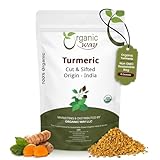
5. Brew Turmeric and Black Pepper for Joint Pain and Inflammation

Save this potent anti-inflammatory turmeric blend to your “Natural Healing” board!
If you suffer from chronic arthritis or intense muscle soreness, incorporating anti-inflammatory herbal tea combinations into your routine provides profound relief. Bridging ancient Ayurvedic traditional use with modern clinical studies, the pairing of Turmeric + Black Pepper stands as one of the most effective medicinal tea combinations for joint pain.
Turmeric effectively targets systemic inflammation and reduces swelling, but it requires a biochemical partner. Black pepper synergizes with turmeric to dramatically increase the bioavailability of curcumin by up to 2000%. By inhibiting specific digestive enzymes in the liver, piperine allows the curcumin to enter your bloodstream and successfully alleviates symptoms of deep tissue pain.
Ingredients
- 1 tablespoon organic dried turmeric root chips (or 1 tsp high-quality turmeric powder)
- 1/4 teaspoon freshly cracked black pepper (crucial for curcumin absorption)
- 1/2 teaspoon Ceylon cinnamon (adds natural sweetness and extra anti-inflammatory power)
- 1 teaspoon coconut oil or a splash of full-fat coconut milk (curcumin is fat-soluble)
- 10 oz boiling water
Instructions
- Crushing the black peppercorns fresh into your mug using a grinder or mortar and pestle ensures the piperine compound is as fresh and active as possible.
- Add the dried turmeric root chips and Ceylon cinnamon to your tea infuser and place it in the mug.
- Pour boiling water over the spices and cover the mug to trap the heat.
- Steeping for a full 15 minutes allows the dense roots to fully release their golden, healing compounds into the water.
- Mixing in the fat: Once steeped, remove the infuser and briskly stir in the coconut oil or milk. Because the medicinal properties of turmeric are fat-soluble, blending it with a healthy fat ensures it effectively enters your bloodstream to fight muscle tension and joint pain.
What most guides miss: A common mistake beginners make is brewing turmeric tea with just water. Curcumin, the active compound that fights inflammation, is lipophilic (fat-soluble). You must synergize the brew by adding a small amount of fat (like coconut milk) and black pepper to actually absorb the benefits.
6. Infuse Hibiscus and Rosehip for Glowing Skin

Pin this refreshing, antioxidant-packed beauty tonic for radiant skin all year round!
Stepping away from heavy, earthy roots, herbal tea combinations for glowing skin offer a bright, fruit-forward alternative. Combining Hibiscus + Rosehip creates a flavorful, tart, and deeply hydrating beauty elixir that supports cellular regeneration from the inside out.
These brilliant red botanicals contain antioxidants that calm internal heat and soothe irritation related to minor skin irritation. Rich in natural Vitamin C, anthocyanins, and flavonoids, the Latin botanical Hibiscus sabdariffa promotes healthy collagen production. This incredibly antioxidant-rich formulation makes for the perfect refreshing iced herbal tea combinations for summer.
Ingredients
- 1 tablespoon organic, dried hibiscus calyces (petals)
- 1 tablespoon dried, cut and sifted rosehips
- 1 teaspoon dried lemongrass (for a bright, citrusy lift)
- A touch of stevia leaf or raw honey (to cut the intense tartness)
- 1 large glass mason jar for steeping
- 16 oz hot water (plus ice for serving)
Instructions
- Measuring out the vibrant red botanicals, place the hibiscus, rosehips, and lemongrass into your glass mason jar or large heat-proof pitcher.
- Pour 16 oz of near-boiling water (200°F) over the herbs and watch as the water immediately turns a brilliant magenta hue.
- Infusing the beauty blend: Allow it to steep for exactly 10 minutes. Steeping hibiscus too long can release excessive tannins, making the tea overly bitter and astringent.
- Sifting out the spent petals and seeds using a fine mesh strainer, transfer the hot liquid to a clean pitcher.
- Formulating for summer: Stir in your sweetener while the liquid is still warm, let it come to room temperature, and serve over a large glass of ice for a highly refreshing iced herbal tea combination.
Pro-Tip: Rosehips and hibiscus are two of the most potent plant sources of Vitamin C. Because Vitamin C is highly heat-sensitive and easily destroyed by boiling temperatures, let your water cool for about 2-3 minutes off the boil before steeping to preserve the skin-brightening antioxidant-rich properties.

7. Balance Stress with Holy Basil (Tulsi) and Ashwagandha

Save this powerful adaptogenic tea recipe to calm your nervous system during stressful weeks!
For those enduring long-term burnout, relying on calming herbal tea recipes for stress relief builds essential systemic resilience. Formulating Holy Basil + Ashwagandha creates a daily tonic that works on your endocrine system, directly targeting chronic stress and deep-rooted anxiety.
Unlike acute symptom-relief teas, these two powerhouse adaptogens modulate the HPA axis over time. They synergize with your body’s natural rhythms to calm the mind, lower cortisol levels, and support crucial hormonal balance. Because roots easily absorb soil toxins, confirming organic certification for your Ashwagandha is a non-negotiable step for safety.
Ingredients
- 1 tablespoon organic Holy Basil (Tulsi) leaves (Rama, Krishna, or Vana varieties)
- 1/2 teaspoon organic Ashwagandha root powder
- 1/2 teaspoon dried rose petals (acts as a gentle nervine to calm the mind)
- A dash of warm milk or oat milk (optional, helps suspend the root powder)
- 10 oz near-boiling water
Instructions
- Measuring out your daily dose, place the Holy Basil leaves and dried rose petals directly into your tea infuser.
- Mixing the Ashwagandha: Because Ashwagandha is best utilized as a finely milled powder rather than a cut root, scoop the powder directly into the bottom of your empty mug, bypassing the infuser.
- Pour a tiny splash of warm water (or milk) over the ashwagandha powder and use a spoon to whisk it into a smooth paste—this prevents clumping.
- Place the infuser basket with the Tulsi and rose petals into the mug, then pour the remaining 10 oz of hot water (205°F) over the top.
- Steeping the brew for 7-10 minutes. Remove the infuser basket, stir the dark, earthy tonic thoroughly, and sip slowly to promote deep relaxation and hormonal balance.
Expert insight: In traditional Ayurvedic practice, Ashwagandha powder is rarely consumed in plain water due to its strong, bitter flavor profile. Formulating it with aromatic Holy Basil, sweet rose, and a touch of warm fat (like milk) masks the bitterness while improving its bioavailability in the gut.

Key Takeaways: Your Quick Guide to Herbal Tea Combinations
Mastering the fundamentals of organic herbal infusions allows you to transform simple botanicals into targeted remedies. To ensure you successfully craft the best herbal tea combinations at home, keep these foundational rules in mind before you start your next medicinal tea blends.
Review these critical insights regarding functional herb pairing, proper steeping methodologies, and vital safety guidelines to quickly elevate your tea mixing guide knowledge.
- Pair Herbs by Function, Not Just Flavor: The most effective combinations target specific ailments. Combine nervine relaxants like Chamomile and Lavender for sleep, or carminatives like Peppermint and Ginger for digestion.
- Match Steeping Methods to Plant Parts: Delicate leaves and flowers require simple steeping (infusions) for 5-10 minutes. Tough barks, berries, and roots require gentle simmering (decocting) for 15-20 minutes to break down cell walls and release their compounds.
- Always Cover Your Tea While Steeping: Placing a lid over your mug traps the essential volatile oils (like those found in peppermint and chamomile) from escaping in the steam, ensuring maximum therapeutic benefit.
- Enhance Absorption with Adjuvants: Certain botanicals require a catalyst to work. For example, turmeric requires black pepper and a healthy fat (like coconut milk) to drastically improve the bioavailability of its anti-inflammatory properties.
- Prioritize Organic, Loose-Leaf Sourcing: Always choose organic certification and ethically sourced loose-leaf herbs over commercial tea bags to avoid pesticide residue and guarantee high concentrations of active polyphenols.
- Respect Botanical Contraindications: Even natural botanical infusions can interact with medications. Herbs like Licorice root can affect blood pressure, so always observe strict safety guidelines and consult a healthcare provider if pregnant or nursing.
People Also Ask About Herbal Tea Combinations
Navigating the world of botanical formulations brings up natural questions regarding safety, storage, and exact blending ratios. When you begin working with custom herbal infusions, you want to ensure your daily cup is both therapeutically effective and safe.
To help you confidently execute these DIY recipes at home, we have compiled authoritative answers to the most common questions surrounding handcrafted tea blends.
How to make herbal tea blends?
To make herbal tea blends, start with a 3:1:1 ratio: three parts base herb (like peppermint), one part supportive herb (like ginger), and one part accent herb (like lemon peel).
Measure your dried botanical infusions into a clean glass jar, cap tightly, and shake gently until evenly dispersed. Always use organic, high-quality loose-leaf ingredients. Store the mixture in an airtight apothecary jar away from direct sunlight, and use one tablespoon of the mixture per 8 ounces of hot water when steeping.
What are the best herbal tea combinations?
The best herbal tea combinations synergize herbs with similar therapeutic actions, such as chamomile and lavender for sleep, or peppermint and ginger for digestion.
For immune support, blending elderberry and echinacea creates a potent medicinal decoction. For stress relief, combining adaptogens like holy basil and ashwagandha balances the nervous system. The key to successful handcrafted tea blends is pairing a dominant functional herb with a secondary herb that either enhances the primary herb’s absorption or improves the overall flavor profile.
How long to steep herbal tea?
You should steep leafy and floral herbal teas for 5 to 10 minutes, while hard roots, seeds, and berries require 15 to 20 minutes of steeping or simmering.
Unlike traditional green or black tea which becomes bitter if over-steeped due to high tannin levels, herbal tisane blends often require longer steeping times to fully extract their beneficial polyphenols and flavonoids. Always cover your mug with a lid while infusing to prevent the medicinal volatile oils from evaporating with the steam.
Can you mix different herbal teas together?
Yes, you can absolutely mix different herbal teas together to create custom, synergistic blends that target multiple ailments simultaneously.
However, it is important to mix herbs thoughtfully. Avoid combining herbs with opposing actions, such as mixing a stimulating herb like ginseng with a relaxing nervine like valerian root. Instead, focus on complementary pairings, like mixing anti-inflammatory turmeric with soothing ginger. As a general rule, stick to 3 to 5 ingredients per blend to avoid muddying the flavor and diluting the active medicinal properties.
What is the ratio for herbal tea blends?
The standard herbalist ratio for tea blends is the “Simpler’s Method,” utilizing 70% primary base herb, 20% supportive secondary herb, and 10% catalyst or flavor accent.
For example, if creating a blend for bloating, you might use 7 parts peppermint (the primary actor), 2 parts fennel seed (the supportive actor), and 1 part ginger root (the warming catalyst). This established formulation ratio ensures your homemade tea mixtures are therapeutically effective without being overwhelmingly pungent or bitter.
Are herbal tea blends safe during pregnancy?
Not all herbal tea blends are safe during pregnancy; while ginger and peppermint are generally considered safe for nausea, many potent medicinal herbs are contraindicated.
Herbs like licorice root, black cohosh, and certain adaptogens can stimulate the uterus or affect hormones. It is crucial to adhere strictly to clinical safety guidelines and consult with a qualified herbalist or obstetrician before consuming any botanical tea recipes while pregnant or nursing.
How to store homemade tea blends?
Store homemade tea blends in airtight glass apothecary jars or dark metal tins, keeping them in a cool, dark, and dry cupboard away from direct heat and sunlight.
Proper storing prevents the breakdown of delicate plant materials and extends their shelf life. Exposure to light, moisture, or heat from a stove will rapidly degrade the essential oils and antioxidant-rich properties of the herbs. When packaged correctly, dried organic herbal infusions will remain potent and fresh for 9 to 12 months.
What herbs help with digestion?
The best herbs for digestion include peppermint, ginger, fennel seed, chamomile, and dandelion root, all of which possess powerful carminative actions.
These botanicals work by relaxing the smooth muscles of the intestinal tract, reducing painful spasms, and expelling trapped gas. Steeping a simple combination of peppermint and ginger 30 minutes after a heavy meal is one of the most effective herbal tea formulas to alleviate symptoms of indigestion, acid reflux, and painful bloating.
What is a tisane?
A tisane (pronounced ti-zahn) is the technically accurate term for what we commonly call “herbal tea,” consisting of an infusion of leaves, seeds, roots, barks, or flowers in hot water.
True “tea” only comes from the leaves of the Camellia sinensis plant (which produces black, green, white, and oolong teas and contains caffeine). Tisanes, or botanical infusions, contain no actual tea leaves and are almost always completely caffeine-free, making them ideal for therapeutic, medicinal, or evening consumption.
Can I mix ginger and cinnamon in tea?
Yes, mixing ginger and cinnamon creates an excellent, warming herbal tea combination that boosts circulation, lowers inflammation, and supports healthy digestion.
Both are robust, warming spices that synergize with one another perfectly. Because both are tough, woody materials, the best way to prepare this functional tea mixture is by decocting them—simmering the dried ginger root and cinnamon sticks in water on the stove for 15 minutes before straining and sweetening with raw honey.
Final Thoughts on Herbal Tea Combinations
Crafting your own herbal remedies offers unparalleled control over your personal wellness journey. Crafting your own combinations is one of the most empowering, accessible, and historically rich steps you can take toward natural healing.
By moving away from generic, store-bought tea bags and embracing the art of blending loose-leaf botanicals, you unlock a profound level of control over your daily health. Whether you are steeping chamomile to combat chronic insomnia, or decocting ginger and turmeric to soothe inflamed joints, these botanical tea recipes offer targeted, functional relief without the harsh side effects of synthetic alternatives.
As you begin to experiment with these custom herbal infusions, remember that quality dictates efficacy. Prioritize organic certification, seek out ethically sourced ingredients, and pay close attention to the specific steeping and simmering methods required for different plant parts. The true magic of herbalism does not just lie in the plants themselves, but in the mindful, intentional process of preparing them.
Once you master these foundational 7 recipes, you will quickly develop the intuition to start creating your own unique, natural tea pairings tailored exactly to your body’s needs. Build your home apothecary slowly, respect the safety guidelines of each plant, and enjoy the deeply therapeutic ritual of brewing the perfect cup.
Which of these healing formulas are you going to try first? Are you drawn to the calming aroma of lavender, or the spicy, digestive kick of ginger? Share your blending plans and favorite flavor pairings in the comments below!
Last update on 2026-10-26 / Affiliate links / Images from Amazon Product Advertising API
