
As an Amazon Associate CoffeeXplore.com earns from qualifying purchases.
Herbal Tea Loose Leaf Recipes: 7 Ultimate DIY Blends
Tired of brewing weak, flavorless store-bought tea bags that offer zero health benefits? You are not alone in this frustrating daily routine. Discovering the perfect herbal tea loose leaf recipes solves this exact problem instantly.
To make homemade herbal tea loose leaf recipes, gather equipment like a tea infuser, Mason jars, and organic dried herbs. Measure ingredients using a parts-based ratio—typically three parts base, one part support, and one-quarter part flavor accents. Mix thoroughly and steep one tablespoon in hot water for five minutes.
Drawing from comprehensive analysis of tested recipes and botanical safety guidelines, this guide reveals everything. You will discover exactly how to craft artisanal tea recipes at home safely. Master these proven blending techniques to create beautiful, nutrient-dense wellness teas today.
Contents
show
How To Master Herbal Tea Loose Leaf Recipes At Home
Mastering how to make your own homemade herbal tea requires moving beyond simple pinch-and-dash measurements to understand professional formulation. If you have ever suffered from a bitter, unbalanced cup, the solution lies in a structural approach to loose leaf tea blends. By mastering the “parts-based” recipe methodology, you can infinitely scale any blend from a single cup of tea to large batch DIY herbal tea recipes. This foundational framework requires precise measuring and blending of organic dried herbs to extract optimal flavor while preserving the delicate volatile oils.
Before you begin crafting herbal tea, building a proper apothecary toolkit is essential for maintaining freshness and potency. Properly storing your botanical investments preserves their therapeutic value long after harvesting.
To execute these tea blend recipes perfectly, gather the following foundational equipment:
* A reliable tea infuser or French press for proper steeping
* Precision apothecary scales for accurate equal parts measurements
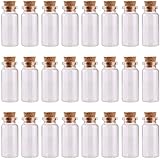
* Airtight glass Mason jars to prevent oxidation and herb storage mold
* Therapeutic grade botanicals ethically sourced to ensure maximum botanical safety
Botanical Safety Disclaimer: Always consult a professional before consuming new medicinal herbs, especially if pregnant or on medication. Evidence-based herbalism relies on safe, expertly crafted dosages and high-quality sourcing. Ensure all ingredients are completely dried before blending.
Unlike basic guides that simply list random teaspoon measurements, true artisanal tea recipes rely on a professional “parts-based” formula. A “part” can be a teaspoon, a cup, or a pound, empowering you to scale your recipes effortlessly. The golden ratio for mixing loose leaf tea is typically 3 parts base herbs (the foundational flavor), 1 to 2 parts supporting herbs (for targeted medicinal benefits), and ¼ to ½ part flavor accents (like spices or citrus peels). This methodology ensures a beautifully balanced loose tea blend every single time.
7 Ultimate DIY Herbal Tea Loose Leaf Recipes For Wellness & Gifts
Creating the ultimate DIY tea blends transforms a simple pantry into a functional home apothecary. By following step by step instructions for specific tea flavor combinations, you can confidently begin blending for targeted wellness goals. Combining dried flowers, roots, and leaves requires matching specific water temperatures and steeping times to effectively release essential phytonutrients and antioxidant-rich benefits.
Unlike generic store-bought bags, these loose leaf tea formulas utilize precise ratios to prevent the dreaded bitter tea fix dilemma commonly found in poorly constructed recipes. Whether you are drying herbs at home or sourcing them from local apothecaries, treating your ingredients with respect is paramount. Let’s explore seven distinct hot water infusions designed to support sleep, digestion, immunity, and beautiful eco-friendly gift giving.
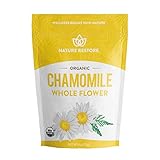
1. The Deep Sleep Blend: Chamomile + Lavender

Pin this relaxing bedtime blend to your Wellness Tea board for peaceful nights!
Finding a natural insomnia remedy that actually tastes delicious can be challenging, but the classic pairing of chamomile + lavender never fails. Chamomile flowers and lavender buds possess potent nervine properties that calm the nervous system and promote deep, restorative sleep. This homemade loose leaf tea for anxiety relief leverages the synergistic effects of combining two well-researched botanicals into one incredibly soothing cup. Keeping your water just slightly off the boil is critical here to preserve the delicate terpene profile of the lavender, which can quickly turn soapy if scalded.
Ingredients
- 3 parts organic dried chamomile flowers (whole flower heads preferred for optimal volatile oils)
- 1 part ethically sourced dried lavender buds (culinary grade is essential to avoid bitterness)
- 1/2 part dried lemon balm leaves (adds a refreshing, bright citrus note)
- 1/4 part dried valerian root (optional, pairs well with valerian + passionflower for severe sleep support)
Instructions
- Measuring: Use a clean apothecary scale or standard tablespoon to measure out your herbal “parts” into a large glass mixing bowl.
- Blending: Gently toss the dried botanicals together with wooden spoons to prevent crushing the delicate chamomile flowers.
- Storing: Transfer the hand-blended mixture into airtight Mason jars and store in a cool, dark cabinet to maintain oxidative stability.
- Steeping: Place 1 tablespoon of the blend into a tea infuser, pour hot (not boiling) water over the herbs, and steep for 5-7 minutes before straining.
Pro-Tip: If you are drying herbs at home, ensure your lavender is completely devoid of moisture before sealing it in a jar; even trace moisture can cause herb storage mold, ruining your entire batch of handcrafted tea.
2. The Digestive Soother: Peppermint + Ginger

Pin this powerful digestive rescue tea to your Natural Remedies board!
When battling an upset stomach after a large meal, reaching for a digestive discomfort tea is a time-honored tradition. The dynamic duo of peppermint + ginger relieves stomach issues rapidly by balancing cooling and warming energetics. Drawing on traditional knowledge, combining these bitter principles with carminative herbs stimulates digestive enzymes safely. If you need an acid reflux friendly tea, you can swap the peppermint for a fennel + anise combination, as strong mint can sometimes trigger reflux in sensitive individuals.
Ingredients
- 2 parts organic dried peppermint leaves (broad, whole leaf cuts retain the best flavor)
- 1 part dried ginger root pieces (roughly chopped, not powdered, to prevent cloudiness)
- 1/2 part dried fennel seeds (adds a subtle sweetness that balances the spice)
- 1/4 part dried licorice root (a natural soothing agent for fixing medicinal taste)
Instructions
- Measuring: Scoop the lightweight peppermint leaves and heavy root pieces using a digital scale or volume measuring spoons.
- Mixing: Shake the ingredients vigorously inside a sealed glass jar to ensure the heavier ginger and fennel don’t simply sink to the bottom of your loose tea blend.
- Breathing: Open the jar and check the aromatic profile; you should smell equal parts sharp mint and warm spice.
- Brewing: Pour boiling hot water over 1 tablespoon of the mixture in a French press, steeping for 8-10 minutes to fully extract the dense root properties.
Pro-Tip: Because dense roots like ginger and licorice take longer to release their water-soluble compounds than delicate leaves, consider a slight simmering decoction method on the stovetop for 5 minutes if you need immediate, potent digestive relief through a faster maceration process.


3. The Immune Fortress: Elderberry + Echinacea

Pin this powerful winter immune-boosting recipe to save for flu season!
Preparing for cold season requires building robust immune system support into your daily routine. Elderberries and Echinacea naturally strengthen the immune system, making this the perfect tea for sore throat relief during harsh winters. Learning how to make herbal tea for immune support means understanding the high tannin content and phytonutrients present in these dark berries. It is absolutely critical for botanical safety that raw elderberries are thoroughly dried or cooked before consumption to neutralize natural toxins.
Ingredients
- 2 parts certified organic dried elderberries (ensure they are fully dried to remove natural toxins)
- 1 part dried echinacea root or leaf (provides robust medicinal support)
- 1 part dried rose hips (delivers a massive dose of natural Vitamin C)
- 1/2 part dried ginger root (for a warming, invigorating circulatory boost)
Instructions
- Crushing: Lightly bruise the dried elderberries in a mortar and pestle to crack their skins, maximizing the extraction of their dark, nutrient-dense juices.
- Mixing: Combine the crushed berries with the echinacea, rose hips, and ginger in a large glass teapot or mixing bowl.
- Simmering: For maximum potency, place 2 tablespoons of this dense loose leaf tea blend into a small saucepan with 2 cups of water and simmer gently for 15 minutes.
- Straining: Pour the deep purple liquid through a fine-mesh strainer or muslin tea bags into your mug, adding a spoonful of raw honey to counteract any tartness and soothe throat irritation.
Pro-Tip: Echinacea root boasts incredibly strong synergistic effects when combined with Vitamin C-heavy botanicals like rose hips. To preserve its potency, store this specific blend in an amber-colored glass jar away from UV light.
4. The Floral Radiance Skin Tea: Rosehips + Hibiscus

Pin this gorgeous ruby-red beauty tea recipe to your Skincare & Wellness board!
If you are exploring diy herbal tea recipes for clear skin, the stunning combination of rosehips + hibiscus delivers incredible results. Hibiscus petals and dried calendula contain high antioxidants that actively support skin elasticity while flavoring the water with a tart, cranberry-like profile. This vibrant flower tea relies on the natural astringent qualities of a calendula + rose pairing. According to evidence-based herbalism, these specific compounds tone tissues beautifully, making this recipe exceptional whether evaluating the hot vs iced herbal tea brewing methods for summer refreshment.
Ingredients
- 2 parts organic dried hibiscus petals (cut and sifted for even steeping)
- 1 part dried rose hips (crushed slightly to expose the inner matrix)
- 1 part dried calendula flowers (whole petals add beautiful yellow contrast and soothing skin benefits)
- 1/2 part dried rose petals (adds a soft, fragrant floral undertone)
Instructions
- Measuring: Carefully measure your delicate flower tea petals, ensuring your hands or utensils are completely dry to prevent sticking.
- Blending: Toss the vibrant red and yellow petals together in a wide bowl until evenly distributed.
- Bottling: Gently pack the botanical tea blends into a clear glass jar—this recipe is visually stunning and deserves to be displayed on your counter!
- Infusing: For a hot brew, pour off-boil water over 1 teaspoon of the blend and steep for 5 minutes. For a refreshing cold brew, steep 2 tablespoons in a quart of cold water in the fridge overnight.
Pro-Tip: Hibiscus imparts incredibly strong astringent qualities and tartness. If you find the brew too sharp, a touch of stevia leaf or a slice of sweet orange peel perfectly neutralizes the acidity without adding refined sugars.

5. The Morning Energy Kick: Oatstraw + Nettle

Pin this caffeine-free energy boosting tea to your Morning Routine board!
Transitioning away from heavy caffeine requires a powerful alternative to coffee tea recipes. This earthy oatstraw + nettle blend is the ultimate natural loose leaf tea for energy boost without the midday crash. Stinging nettle and oatstraw act as potent tonic herbs that gently replenish deep energy reserves. Understanding the bioavailability of this caffeine-free mixture is crucial; these deeply nourishing leafy infusions require much longer steeping times to extract their heavy, nutrient-dense mineral content completely.
Ingredients
- 2 parts organic dried stinging nettle leaves (a powerhouse of vitamins and minerals)
- 2 parts dried oatstraw (deeply nourishing for an exhausted nervous system)
- 1 part dried raspberry leaf (adds a subtle, black-tea-like earthy flavor)
- 1/2 part dried spearmint (lifts the heavy, grassy flavor profile)
Instructions
- Measuring: Because these leafy infusions are incredibly fluffy and lightweight, measure by volume (cups) rather than weight to ensure proper equal parts distribution.
- Mixing: Gently fold the green herbs together in a large paper bag or bowl, ensuring the spearmint is evenly distributed throughout the loose herbal tea leaves.
- Macerating: For a true energy infusion, place a full handful (about 1/4 cup) of this preservative-free blend into a quart-sized Mason jar.
- Steeping: Fill the jar to the top with boiling water, cap it tightly, and let it steep overnight (4-8 hours). Strain the dark green, highly bioavailable liquid in the morning and drink it over ice or gently reheated.
Pro-Tip: True tonic herbs like nettle and oatstraw hold their minerals tightly within their cellular structure. A quick 5-minute steep will only yield a lightly flavored water; a long, overnight infusion is required to truly extract the nutrient-dense mineral content for a real energy boost.

6. The Throat Coat Relief: Sage + Honey & Lemon Balm

Pin this soothing, scratchy-throat remedy to your Natural Apothecary board!
When winter strikes, having a specialized tea for sore throat relief is a household necessity. The combination of sage + honey paired with a bright basil + lemon balm base creates a powerfully healing cup. Sage naturally contains antimicrobial properties, while the addition of lemon balm and honey actively coat and soothe irritated respiratory tissues. When incorporating mucilaginous herbs like marshmallow root (or a mullein + coltsfoot alternative), capturing the healing volatile oils by covering your mug during the steep is absolutely essential for maximum efficacy.
Ingredients
- 2 parts organic dried lemon balm (provides a soothing, antiviral, and bright citrus base)
- 1 part dried sage leaves (highly medicinal and astringent for irritated tissues)
- 1/2 part dried thyme (an incredibly potent, aromatic culinary herb with respiratory benefits)
- 1/2 part dried marshmallow root (a crucial mucilaginous herb that provides the “coating” effect)
Instructions
- Measuring: Combine your dry herbs using the parts-based ratio, ensuring the dense marshmallow root is thoroughly mixed with the lighter leaves.
- Steeping: Place 1 heaping tablespoon of the herbal mixtures into a French press or large mug.
- Brewing: Pour hot water over the herbs. Cover the mug immediately with a small saucer; this step is critical to trap the healing volatile oils from escaping with the steam. Steep for 10 minutes.
- Flavoring: After straining, wait for the tea to cool slightly before stirring in a generous spoonful of raw honey. Adding honey directly to boiling water destroys its natural enzymatic benefits!
Pro-Tip: If you suffer from dry winter coughs, incorporating herbs like mullein or marshmallow root into your custom concoctions is essential. They release a soothing gel when steeped, which physically coats and relieves a dry, scratchy throat much better than plain water.

7. The Holiday Spiced Gift Blend: Orange Peel + Cinnamon

Pin this beautiful, aromatic DIY tea gift recipe for the holiday season!
Pivoting from strictly medicinal wellness blends to the best loose leaf tea recipes for holiday gifts allows you to showcase your culinary creativity. The classic orange peel + cinnamon pairing beautifully infuses the water with warming holiday cheer, making these tea blend recipes for gift giving exceptionally popular. These visually stunning handmade gift ideas showcase expertly crafted culinary skills by balancing the strong astringent qualities of cinnamon against a naturally sweet rooibos + vanilla flavor profile, proving your mastery over true culinary synergy.
Ingredients
- 3 parts organic red rooibos tea (a naturally sweet, caffeine-free, and visually stunning red base)
- 1 part dried sweet orange peel chunks (avoid powdered orange peel for aesthetic reasons)
- 1 part crushed cinnamon chips (cassia or ceylon, broken into small pieces)
- 1/2 part whole cloves and crushed star anise pods (for deep, warming spice)
Instructions
- Measuring: Because this is a gift giving recipe, measure your ingredients carefully to ensure the final product looks balanced and colorful.
- Layering: Instead of tossing the ingredients in a bowl, consider visually layering the red rooibos, orange peels, and spices directly inside clear glass teapots or apothecary jars for a beautiful presentation.
- Labeling: Create beautiful DIY labels for jars that include the ingredients, the steeping time (5-7 minutes in boiling water), and a note that it pairs beautifully with milk and sugar.
- Gifting: Tie a ribbon around the jar with a small wooden tea scoop attached. Remind the recipient to gently shake the jar before brewing to mix the layered ingredients!
Pro-Tip: When crafting artisanal tea recipes for gifts, always include a “Best By” date on your label. While dried botanicals don’t typically spoil if stored correctly, their vital terpene profile and essential oils will significantly fade after 6 to 8 months, resulting in a flat, flavorless cup.
Key Takeaways: Your Quick Guide to Herbal Tea Loose Leaf Recipes
Before you start pulling jars from your pantry to mix your new herbal tea loose leaf recipes, reviewing the foundational rules ensures your DIY tea blends stay potent and safe. This quick checklist synthesizes the most critical tested recipes guidelines and food-safe storage practices that every home herbalist must follow to achieve consistent, delicious results.
Key Takeaways:
- Master the “Parts” Ratio Formula – Instead of rigid measurements, build your loose leaf tea blends using a scalable ratio (typically 2-3 parts base herb, 1 part supporting herb, 1/4 part flavor accent) to easily size your batches up or down.
-
Protect the Volatile Oils During Steeping – Always cover your mug or use a closed tea infuser while your herbs steep; this traps the essential medicinal oils from evaporating into the air with the steam.
-
Match Steeping Times to Plant Matter – Delicate dried flowers and leaves only require a 5-minute steep in hot water, while dense roots and berries (like ginger or elderberry) require 10-15 minutes or a light simmering decoction to fully extract their benefits.
-
Store Blends for Maximum Shelf Life – Keep your handmade tea blends in airtight glass Mason jars stored in a dark, cool cupboard. Exposure to heat, light, and oxygen will rapidly degrade the color and medicinal potency of the herbs.
-
Respect Botanical Safety Guidelines – Always research new herbs before mixing loose leaf teas, especially if you are pregnant, nursing, or taking prescription medications, as natural botanicals can have powerful interactions.
-
Leverage Long Infusions for Minerals – To extract the deep, nutrient-dense vitamins from tonic herbs like stinging nettle or oatstraw, utilize an overnight cold or hot maceration process rather than a quick 5-minute steep.
-
Fix Bitter Brews Naturally – If your botanical tea blends taste overly astringent or medicinal, counteract the bitter principles by adding a pinch of naturally sweet herbs like fennel seed, licorice root, or stevia leaf during the blend, or raw honey after pouring.
People Also Ask About Herbal Tea Loose Leaf Recipes
How to make loose leaf herbal tea at home?
To make loose leaf herbal tea at home, combine dried herbs using a specific ratio, store them in an airtight container, and steep 1-2 teaspoons of the mixture in hot water for 5-10 minutes.
The easiest method is to choose a primary base herb (like chamomile or rooibos), add a complementary flavor (like peppermint), and steep the mixture using a stainless steel tea infuser or a French press. Always ensure your herbs are completely dried before mixing to prevent mold.
What are the ratios for mixing herbal tea?
The standard ratio for mixing herbal tea is 3 parts base herb, 1 to 2 parts supporting herb, and ¼ to ½ part flavor accent or spice.
This “parts-based” measurement system allows you to scale your custom tisane recipes perfectly. For example, if your “part” is one cup, you would mix 3 cups of an earthy base, 1 cup of a medicinal support herb, and ¼ cup of a strong accent like dried ginger or citrus peel.
How long should you steep loose leaf herbal tea?
You should steep loose leaf herbal tea for 5 to 7 minutes for delicate leaves and flowers, and up to 15 minutes for dense roots, barks, and dried berries.
Unlike true black or green teas which turn rapidly bitter, herbal infusions generally benefit from longer steeping times to fully draw out their water-soluble compounds and flavors. Always keep your cup covered while steeping to trap the essential oils.
What is the shelf life of DIY tea blends?
The average shelf life of DIY tea blends is 6 to 12 months when stored properly in airtight glass jars away from direct sunlight, heat, and moisture.
While organic dried herbs do not technically “spoil” or become unsafe to drink after a year, their vibrant colors will fade, their aromatic essential oils will dissipate, and their medicinal potency will significantly decrease, resulting in a flat-tasting cup of tea.
Why is loose leaf tea better than tea bags?
Loose leaf tea is better than tea bags because it utilizes whole, unbroken leaves and flowers that retain their essential oils, flavor, and medicinal benefits.
Commercially produced tea bags often contain “dust and fannings”—the highly processed, lower-quality remnants of tea production. Furthermore, crafting loose leaf tea blends at home allows you to avoid the microplastics and bleaches frequently found in commercial tea bag materials, supporting a zero waste lifestyle.
Can I use fresh herbs for loose leaf tea?
Yes, you can use fresh herbs for tea, but you must use three times the amount of fresh herbs compared to dried herbs to achieve the same flavor intensity.
When making herbal tea with dried garden herbs, the flavors are heavily concentrated because the water weight has been removed. If you mix fresh and dried herbs in a storage jar, the moisture from the fresh plants will cause the entire batch to rot, so only mix them for immediate brewing.
How to store homemade loose leaf tea blends?
Store homemade loose leaf tea blends in airtight glass Mason jars, opaque tins, or sealed ceramic canisters kept in a cool, dark, and dry pantry.
The three greatest enemies of your handcrafted tea are oxygen, heat, and ultraviolet light, which cause rapid oxidation and degradation of the phytonutrients. Never store your tea jars directly above the stove or next to a bright window.
How to make herbal tea taste better?
To make herbal tea taste better, balance astringent or medicinal herbs with naturally sweet additions like licorice root, fennel seed, cinnamon chips, or stevia leaf during the blending process.
If you suffer from the bitter tea fix dilemma, you can also add a slice of fresh lemon, a splash of milk (for hearty blends like rooibos), or a spoonful of raw honey after the tea has cooled slightly to preserve the honey’s natural enzymes.
How to brew loose leaf tea without a strainer?
To brew loose leaf tea without a strainer, place the loose herbs directly into a mug, pour hot water over them, let them steep, and then use the “grandpa style” method of gently blowing the leaves back as you sip.
Alternatively, you can use the two-mug decanting method: steep the botanical tea blends in one mug, wait for the heavy leaves to settle to the bottom, and carefully pour the clear liquid into a second mug, leaving the dregs behind.
What temperature is best for herbal infusions?
The best temperature for brewing herbal infusions is between 205°F and 212°F (just off a rolling boil), which is hotter than the water used for delicate green or white teas.
Because dried botanicals do not contain the specific tannins that make regular tea bitter when scalded, boiling water is highly effective and necessary to fully extract the tough cellular walls, dense terpene profiles, and robust flavors of the herbs.
Final Thoughts on Herbal Tea Loose Leaf Recipes
Crafting your own herbal tea loose leaf recipes at home is far more than just a culinary hobby—it is a deeply rewarding gateway into natural wellness, sustainability, and the ancient art of home herbalism. By stepping away from mass-produced, pre-packaged tea bags, you gain complete control over the quality, freshness, and specific therapeutic benefits of every single cup you brew.
As you begin your journey into mixing loose leaf blends, remember to lean on the foundational “parts-based” ratio method outlined in this guide. Whether you are measuring out a massive batch of the Holiday Spiced Gift Blend to share with friends, or simply steeping a single, quiet cup of The Deep Sleep Blend after a long day, treating your ingredients with respect and adhering to basic botanical safety will guarantee delicious results. Don’t be afraid to experiment with your own organic loose leaf tea recipes once you feel comfortable with the basics.
Now it’s time to source some beautiful dried botanicals, set up your home apothecary jars, and start blending. Which of these 7 ultimate recipes are you going to try crafting first, or do you have a unique flavor pairing you already love? Let us know your favorite custom concoctions in the comments below!
Last update on 2026-10-14 / Affiliate links / Images from Amazon Product Advertising API
