
As an Amazon Associate CoffeeXplore.com earns from qualifying purchases.
Herbal Tea With Milk: 7 Soothing Caffeine-Free Lattes
Crave a warm, cozy beverage at 9 PM but dread those late-night caffeine jitters? Finding a comforting latte alternative is crucial for maintaining your delicate sleep hygiene. Crafting the perfect herbal tea with milk delivers that soothing creaminess without ever disrupting your nightly rest.
Yes, you can safely mix herbal tea with milk, provided you choose earthy or floral varieties like rooibos, chamomile, or peppermint while avoiding highly acidic blends. Highly acidic fruit or hibiscus teas will naturally cause warm milk proteins to rapidly curdle and separate.
Drawing from comprehensive analysis of tea biochemistry and proven culinary methodologies, this guide reveals how to craft café-quality tisanes. You will discover exactly how to balance steeping times and milk ratios for flawless evening relaxation. Prepare to transform your nighttime routine into a luxurious, completely caffeine-free experience.
Contents
show
Why Should You Try Herbal Tea With Milk for Your Evening Routine?
Herbal tea with milk provides a deeply comforting, caffeine-free latte experience that satisfies late-night cravings while actively promoting healthy sleep hygiene.
Picture this incredibly common scenario: it is late in the evening, the house is finally quiet, and you desperately want a rich, creamy café drink. Unfortunately, reaching for standard black or green tea guarantees a restless night. By substituting a traditional tea base with a calming tisane (herbal infusion), you can enjoy the luxurious mouthfeel of steamed milk without the energetic consequences. As we observe the latest wellness trends in October 2026, the demand for a soothing caffeine-free latte has never been higher.
However, mastering soothing tea recipes requires understanding the basic biochemistry of tea curdling. Not all herbal blends interact beautifully with warm dairy or plant milks. High-acidity ingredients, particularly fruit-based herbs and hibiscus, rapidly denature milk proteins and cause immediate, unappetizing curdling. By selecting the right botanicals and pairing them perfectly with warm milk, you establish a flawless evening routine that perfectly balances flavor and relaxation.
Herbal Tea With Milk: 7 Soothing Caffeine-Free Lattes
Creating the ultimate herbal tea with milk requires a fundamental shift in your standard brewing technique. Unlike standard lattes, delicate botanicals demand precise steeping ratios and careful milk frothing to ensure their flavors do not get lost in the heavy cream. You cannot simply drop a tea bag into a cup of hot milk and expect café-level results.
Instead, you must build concentrated bases, known in culinary circles as strong decoctions, that can withstand the heavy lipid profile of steamed milks. Whether you prefer the earthy depth of root-based teas, the cooling notes of mint, or the delicate aromatics of florals, these seven dairy-free herbal tea latte recipes and traditional dairy variations offer something for every single palate. Let’s explore exactly how to steep, froth, and pour the best herbal teas for milk.
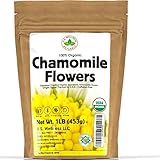
1. Brew a Classic Chamomile Honey Vanilla Latte

Save this cozy bedtime recipe to your “Relaxing Drinks” Pinterest board!
Crafting the perfect chamomile tea with milk requires a delicate balance. Chamomile is a gentle, floral tisane naturally sweetened by honey and elevated when frothed with creamy oat milk. Because you are creating a sleep tea recipe, the goal is to enhance the mild flavor without allowing the dairy to overpower the botanicals. To achieve this, a highly concentrated steep time is absolutely essential.
Ingredients
- 2 tablespoons organic loose-leaf chamomile tea (or 2 high-quality tea bags)
- 1/2 cup boiling water (filtered for best taste)
- 1/2 cup barista-blend oat milk or whole milk
- 1 teaspoon raw local honey
- 1/4 teaspoon pure vanilla extract
- Dried chamomile flowers for garnish (optional)
Instructions
- Steep the loose-leaf chamomile in the boiling water for a full 5-7 minutes. Because you are making a concentrate, a longer steeping time extracts the necessary robust flavor to cut through the milk.
- Strain the tea leaves (or remove the tea bags) and pour the concentrated chamomile into your favorite mug.
- Stir in the raw honey and pure vanilla extract while the tea is still piping hot so they dissolve completely.
- Heat your milk in a small saucepan or microwave until warm (about 150°F), then froth using a handheld milk frother until a thick foam forms.
- Pour the frothed milk over the chamomile tea base, spooning the remaining foam onto the top.
Pro-Tip: In my experience as a tea enthusiast, chamomile has a very delicate flavor profile. To ensure your latte doesn’t taste like plain warm milk, always use double the amount of tea you normally would for a standard cup.
2. Whisk Up a Rich Rooibos (Red Bush) Latte

Pin this beautiful red rooibos latte to your “Cafe at Home” board!
For those seeking a robust alternative to English Breakfast or Earl Grey, rooibos tea with milk is the ultimate solution. Rooibos, also known as red bush tea, mirrors the dark, full-bodied flavor of traditional tea but acts as a stunning caffeine-free black tea alternative. Because rooibos lacks the heavy tannins found in standard tea leaves, it will never turn bitter, allowing you to brew a deep, woody concentrate that pairs flawlessly with rich dairy.
Ingredients
- 1.5 tablespoons premium organic rooibos tea
- 1/2 cup freshly boiled water (212°F)
- 1/2 cup steamed whole milk or macadamia milk
- 1-2 teaspoons maple syrup
- A pinch of ground cinnamon
Instructions
- Brew the rooibos tea in freshly boiled water for at least 7-10 minutes. Unlike black tea, rooibos is naturally low in tannins, so an extended steeping time will only deepen the flavor without introducing bitterness.
- Strain the vibrant red tea into a large mug.
- Sweeten the tea concentrate by stirring in the maple syrup until fully incorporated.
- Steam your milk of choice until hot and creamy, then vigorously whisk or froth it to create a velvety microfoam.
- Pour the milk gently into the center of the tea to create a beautiful cafe-style gradient, finishing with a light dusting of cinnamon.
Pro-Tip: Rooibos is the closest herbal equivalent to traditional black tea in terms of how well it holds up to dairy. For an extra rich mouthfeel, I highly recommend using a high-fat milk like whole dairy or barista-edition oat milk.

3. Simmer a Creamy Peppermint Cacao Tea Latte

Save this minty chocolate herbal tea recipe for your next cozy movie night!
When you crave a dessert-like, comforting nighttime beverage, peppermint tea with milk provides the perfect foundation. By infusing the cooling herb with antioxidant-rich cacao nibs, you create a healthy, sophisticated alternative to heavy hot chocolate. As a natural antispasmodic, peppermint actively aids in digestion, making this gently simmered beverage the absolute best post-dinner latte choice for settling your stomach before bed.
Ingredients
- 1 tablespoon organic peppermint leaf tea
- 1 teaspoon raw cacao powder (unsweetened)
- 1/3 cup boiling water
- 2/3 cup almond milk or whole milk
- 1 teaspoon agave nectar or sugar
Instructions
- Whisk the raw cacao powder into the boiling water until it forms a smooth, lump-free paste at the bottom of your mug.
- Steep the peppermint tea leaves directly in this hot cacao-water mixture for 5 minutes.
- Strain the liquid if using loose-leaf tea, or simply remove the tea infuser.
- Simmer the almond milk in a small saucepan over medium-low heat until tiny bubbles form around the edges (do not let it achieve a rolling boil).
- Pour the hot milk over the peppermint-cacao base and stir in your agave nectar to taste.
Pro-Tip: Dairy milk can sometimes dull the sharp, cooling notes of peppermint. I’ve found that using almond milk or coconut milk allows the bright mint flavor to shine through much more effectively.


4. Blend a Golden Turmeric Ginger Infusion

Add this anti-inflammatory Golden Milk tea to your wellness routine—Pin it now!
Preparing a traditional golden milk latte is more than just a flavor experience; it is a highly functional wellness practice. The active compound in turmeric, curcumin, requires specific biological binders to be properly absorbed by the body. Without black pepper to provide piperine, and heavy fats from coconut milk to bind the lipid-soluble compounds, turmeric passes through your system largely unabsorbed. Blending these elements correctly increases curcumin bioavailability by nearly 2,000%.
Ingredients
- 1 organic turmeric ginger tea bag (or 1 tsp turmeric powder + 1/2 tsp fresh grated ginger)
- 1/2 cup boiling water
- 1/2 cup full-fat coconut milk or oat milk
- 1/4 teaspoon coconut oil (for fat absorption)
- 1 teaspoon honey
- A tiny pinch of black pepper
Instructions
- Steep the turmeric ginger tea bag in boiling water for 5-6 minutes to draw out the spicy, earthy flavors.
- Remove the tea bag and immediately stir in the honey and coconut oil while the water is hot enough to melt them.
- Heat the coconut milk gently on the stove. Coconut milk is thicker, so be careful not to scorch the bottom of the pan.
- Blend the hot milk using an immersion blender or handheld frother to create a rich, bubbly texture.
- Pour the milk into your turmeric base and top with a literal pinch of black pepper to activate the anti-inflammatory properties.
Pro-Tip: Turmeric is fat-soluble. Steeping turmeric tea in water alone leaves most of the benefits behind. The heavy coconut milk and added coconut oil in this recipe are non-negotiable if you want the true health benefits of this herbal tea latte.

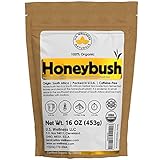
5. Froth a Sweet Honeybush and Cinnamon Latte

Discover your new favorite caffeine-free tea! Pin this Honeybush latte recipe.
If you are actively seeking a naturally sweet tisane that doesn’t require heavy syrups, honeybush tea is a revelation. As a botanical cousin to rooibos, honeybush shares that beautiful amber color but possesses distinctly sweeter, roasted-honey tasting notes. This inherent sweetness pairs flawlessly with warm milk, allowing you to froth up a rich, decadent latte without relying on heavily sugared additions that spike your blood sugar before bed.
Ingredients
- 1.5 tablespoons organic honeybush loose-leaf tea
- 1/2 cup boiling water
- 1/2 cup whole dairy milk or soy milk
- 1/2 teaspoon vanilla extract
- Ground cinnamon for dusting
Instructions
- Steep the honeybush tea leaves in boiling water for 7 minutes. Like its cousin rooibos, honeybush will not turn bitter if left steeping a bit longer.
- Strain the fragrant, amber-colored tea into your mug.
- Stir in the vanilla extract. Because honeybush has a natural, roasted-honey sweetness, you likely will not need to add any sugar or syrup.
- Froth your milk until it has doubled in volume and is warm to the touch.
- Combine by pouring the thick milk foam over the tea base, and generously dust the top with ground cinnamon.
Pro-Tip: If you are trying to cut down on sugar before bed, Honeybush is your best friend. Its natural flavor mimics the taste of honey so closely that it tricks the palate into thinking the latte is sweetened.
6. Steep a Lavender Vanilla Dream Tea

Upgrade your sleep hygiene with this aesthetic Lavender Latte! Pin it for later.
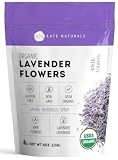
Crafting an aesthetic, café-quality floral latte at home begins with selecting high-quality culinary lavender. This specific botanical provides powerful aromatherapeutic relaxation, making it the ultimate bedtime tea recipe. However, lavender is highly astringent on its own. By bridging the floral notes with a touch of sweet vanilla and folding them into steamed milk, you effectively mellow the intensity, creating a balanced, dreamy beverage.
Ingredients
- 1 teaspoon organic culinary-grade lavender buds
- 1/2 cup hot water (200°F – slightly off boil)
- 1/2 cup barista oat milk (its subtle sweetness pairs perfectly with floral notes)
- 1 tablespoon vanilla syrup (or honey + 1/2 tsp vanilla extract)
- Extra lavender buds for garnish
Instructions
- Steep the lavender buds in hot water for exactly 4 minutes. Do not over-steep, as lavender can quickly turn bitter and soapy.
- Strain the light purple-tinted water completely so no stray buds remain in the mug.
- Stir the vanilla syrup into the hot lavender tea. The vanilla is crucial as it grounds the highly floral notes of the lavender.
- Heat and froth the oat milk until it reaches a microfoam consistency.
- Pour the steamed milk over the lavender base, using a spoon to hold back the foam until the very end, then dollop it on top.
Pro-Tip: Always verify that you are buying culinary grade lavender (specifically Lavandula angustifolia). Standard craft lavender contains high levels of camphor, which tastes exactly like a bar of soap when steeped in water!
7. Pour a Spiced Apple Cinnamon Rooibos Chai

Craving chai at 9 PM? Pin this caffeine-free Spiced Rooibos Chai recipe!
For those who love the heavily spiced, creamy experience of traditional Indian masala chai but want to avoid the sleep disruption of Assam black tea, a caffeine-free chai is the answer. By substituting the caffeinated base with robust rooibos, you maintain the dense mouthfeel required to carry heavy baking spices like cinnamon, cardamom, and ginger. When you boldly pour hot milk into this spiced base, you create the ultimate winter warmer.
Ingredients
- 1.5 tablespoons rooibos chai blend (rooibos mixed with cardamom, ginger, cinnamon, clove)
- 1/2 cup boiling water
- 1/2 cup whole milk or cashew milk (for extra creaminess)
- 1 tablespoon brown sugar or maple syrup
- Star anise for garnish
Instructions
- Steep the spiced rooibos chai blend in boiling water. Because of the hard spices (cloves, cardamom pods), let this steep for a full 8-10 minutes to extract the aromatic oils.
- Strain the heavily spiced concentrate into a large, cozy mug.
- Dissolve the brown sugar directly into the hot tea base. The molasses in the brown sugar pairs perfectly with the spices.
- Heat your milk until steaming (around 160°F). For a traditional chai mouthfeel, do not over-froth it into stiff foam; just create a silky, heated milk texture.
- Pour the hot milk heavily into the tea so it mixes deeply, and garnish with a single star anise pod.
Pro-Tip: If you want a truly authentic, coffee-shop-style chai latte, try the “decoction” method. Instead of steeping the tea in water first, simmer the rooibos chai directly in the milk on the stovetop for 10 minutes. This draws the spice oils directly into the milk fats!

Key Takeaways: Your Quick Guide to Herbal Tea With Milk
Mastering the perfect herbal tea with milk summary requires understanding proper steeping ratios, temperature control, and milk compatibility to consistently avoid curdling.
When you are tired and simply want a quick evening beverage, referring back to complex chemistry might feel overwhelming. By synthesizing the core principles of lipid binding and tannin absence into simple rules, you can guarantee a perfect latte every time. Here are the non-negotiable guidelines for mixing the best teas for milk:
- Brew a Concentrate First – Always steep your herbal tea in half the amount of water you normally would; milk dilutes the flavor of delicate herbs easily, so you need a stronger base.
- Avoid Highly Acidic Teas – Never add milk to hibiscus, lemon, or heavily fruit-based herbal teas; the natural citric acids will immediately cause the dairy or plant milk proteins to curdle.
- Rooibos is the Best Black Tea Alternative – If you love the robust, woody flavor of English Breakfast tea with milk but want to avoid caffeine, South African Rooibos is your closest match.
- Match the Milk to the Herb – Oat milk pairs beautifully with floral teas like chamomile and lavender, while rich coconut or dairy milks are better suited for heavy spices like turmeric and chai.
- Activate Your Spices with Fat – When making Golden Milk (turmeric tea), always use a high-fat milk or add a touch of coconut oil, as curcumin is fat-soluble and won’t absorb in water alone.
- Take Advantage of Longer Steeps – Because herbal tisanes do not contain the tannins found in true tea (Camellia sinensis), you can steep them for 10+ minutes without them ever turning bitter.
- Heat Your Milk Properly – Cold milk will shock hot tea and rapidly drop the temperature; always steam or warm your milk to around 150°F before pouring it over your herbal base.
FAQs About Herbal Tea With Milk
Understanding the nuanced questions about herbal tea with milk helps troubleshoot failed recipes and clarifies the exact science behind dairy and botanical interactions. Let’s resolve the most common uncertainties you might face when building your evening latte routine.
Can you put milk in herbal tea?
Yes, you can absolutely put milk in herbal tea, provided you choose an herbal blend that has an earthy, floral, or spiced flavor profile.
Teas like chamomile, rooibos, peppermint, honeybush, and ginger pair wonderfully with both dairy and plant-based milks. The secret is to brew the herbal tea much stronger than usual—acting as a concentrate—so the milk adds creamy texture without completely washing out the delicate herbal flavors.
Why did my milk curdle in my herbal tea?
Milk curdles in herbal tea when the tea contains high levels of natural acids, such as citric acid or ascorbic acid, which quickly denature the milk proteins.
The most common culprits for curdled milk are hibiscus teas, rosehip blends, lemon-flavored teas, and heavily fruit-infused tisanes. When the acidic tea hits the proteins in warm milk, it causes them to bind together into unappetizing clumps. Stick to non-acidic herbs like rooibos or mint to prevent this.
Is chamomile tea good with milk?
Yes, chamomile tea is excellent with milk, creating a soothing, creamy beverage that is highly effective for promoting natural sleep.
Because chamomile has a very subtle, sweet floral flavor, it pairs best with lighter, naturally sweet milks like oat milk or almond milk. To ensure the chamomile flavor shines through, steep two tea bags (instead of one) in just half a cup of water before adding your warm milk.
What is the best non-dairy milk for herbal tea lattes?
Barista-blend oat milk is generally considered the best non-dairy milk for herbal tea lattes because of its neutral flavor profile and excellent frothing capabilities.
Unlike almond milk, which can easily separate in hot water, or coconut milk, which imparts a heavy tropical flavor, oat milk is creamy and subtle. It perfectly complements delicate florals like lavender and chamomile without overpowering the main ingredients.
Does adding milk to herbal tea reduce its health benefits?
Adding milk to herbal tea generally does not reduce its health benefits, and in some specific botanical pairings, it actually enhances them.
For example, the anti-inflammatory compounds in turmeric (curcumin) are fat-soluble, meaning they require the fats found in milk to be properly absorbed by your body. However, some studies suggest that dairy proteins (caseins) can bind to antioxidants in certain teas, slightly reducing their immediate absorption rate, though the effect in herbal tisanes is minimal.
Can I make a herbal milk tea cold (iced)?
Yes, you can easily make iced herbal milk teas by cold-brewing your tisane or chilling a hot concentrate before adding cold milk and ice.
Rooibos and peppermint are particularly refreshing when served over ice with a generous splash of milk. For the best flavor, brew a strong hot concentrate, sweeten it while hot so the sugar dissolves, let it cool completely, and then pour it over a glass of ice topped with your preferred milk.
How do I make my herbal tea latte sweeter without sugar?
To naturally sweeten an herbal tea latte without sugar, try using naturally sweet herbs like honeybush or adding a splash of pure vanilla extract.
Honeybush tea has a distinct roasted-honey flavor that closely mimics sweetness on the palate. Additionally, using oat milk or lactose-free dairy milk naturally boosts the perceived sweetness of the drink. A tiny pinch of cinnamon also tricks the brain into tasting sweetness without adding a single calorie.
Should I put the milk in before or after the hot water?
You should always pour hot milk into the tea after the tea has fully steeped in hot water.
Herbal teas require boiling water (212°F) to properly extract their essential oils and deep flavors. If you add milk first, it drops the temperature of the water significantly, preventing the herbs from steeping correctly. Always steep the tea, strain it thoroughly, and then add your steamed milk at the very end.
Does peppermint tea taste good with milk?
Peppermint tea tastes surprisingly delicious with milk, creating a unique flavor profile very similar to melted mint chocolate chip ice cream.
While it sounds unconventional, the cooling sensation of the mint combined with warm, creamy milk is highly comforting. It is recommended to use almond or oat milk and add a tiny bit of cocoa powder to elevate the drink into a decadent dessert-like beverage.
What is a tisane vs. herbal tea?
A “tisane” and an “herbal tea” are the exact same thing; they refer to any infusion made from botanicals that do not come from the traditional tea plant.
Because they do not contain real tea leaves (Camellia sinensis, like black, green, or oolong tea), tisanes are naturally 100% caffeine-free. The term “tisane” is simply the traditional French and professional culinary term for what we commonly call herbal tea.
Final Thoughts on Herbal Tea With Milk
Embracing an herbal tea with milk conclusion reveals that giving up caffeine at night never means sacrificing the cozy, luxurious ritual of a warm latte.
Finding the perfect evening beverage doesn’t have to be a miserable compromise between a boring cup of hot water and the jitter-inducing caffeine of a traditional coffeehouse latte. By mastering the delicate art of crafting these caffeine-free lattes, you open up an entirely new world of cozy, comforting, and deeply relaxing nighttime rituals perfectly tailored to your sleep hygiene goals.
The secret to success lies entirely in how you brew and steep. Remember to always create a strong, concentrated tea base by using half the water, allowing the robust flavors of rooibos, the cooling notes of peppermint, or the delicate florals of chamomile to boldly push through the richness of the milk. Steer clear of acidic fruit teas to confidently avoid the dreaded curdle, and don’t be afraid to experiment with different dairy and plant-based milks until you find your perfect velvety texture.
Whether you are sipping a Golden Milk infusion to soothe inflammation after a long day or frothing up a Lavender Vanilla Dream Tea to prepare for a deep sleep, these recipes prove that herbal tisanes are just as versatile as traditional lattes.
Which of these seven soothing beverages are you going to whisk up for your bedtime routine tonight? Grab your absolute favorite mug, carefully steep your chosen herbs, and enjoy the ultimate creamy evening wind-down.
Last update on 2026-10-22 / Affiliate links / Images from Amazon Product Advertising API
