
As an Amazon Associate CoffeeXplore.com earns from qualifying purchases.
7 Safe Herbal Tea Blends for Kids: Soothing 2026 Recipes
Exhausted from battling toddler insomnia and unexpected tummy aches? Watching your little one struggle with daily discomfort is incredibly frustrating. Discover how herbal tea blends for kids provide a gentle, natural solution to soothe these common childhood challenges.
The safest herbal tea blends for kids include organic, caffeine-free infusions like chamomile for sleep, peppermint for tummy aches, and elderberry for immune support. Always choose GRAS-certified herbs, serve lukewarm, and avoid honey for children under one year old to ensure maximum safety.
Drawing from comprehensive pediatric safety guidelines and GRAS-certified botanical expertise, this guide explores evidence-based nursery tea blends. You will discover exactly how to safely brew pure botanical infusions that support childhood health. Master these comforting remedies to confidently replace sugary drinks today.
Contents
show
What Herbal Teas Are Safe For Toddlers To Soothe Tummy Aches And Promote Sleep?
Safe herbal teas for toddlers are strictly caffeine-free, non-toxic botanicals certified as Generally Recognized As Safe (GRAS), such as chamomile, lemon balm, and peppermint. Before introducing botanical beverages to children, parents must understand that pediatric herbalism prioritizes exceptionally mild flavor profiles and rigorous safety standards over complex adult formulas.
Have you ever considered how much sugar hides in your child’s daily fruit juice consumption? Swapping sugary drinks for a therapeutic grade toddler sleep tea or a gentle tummy ache tea can drastically improve their holistic health. Unlike standard teas, safe organic kids tea requires careful monitoring of tannin concentration and absolute avoidance of toxic herbs.
High tannins can block iron absorption, which is why pediatricians recommend low-tannin bases for growing bodies. Always look for purity tested ingredients with clear third-party lab results to build immediate trust. Choosing herbs sourced directly from organic certified farms ensures your child is safe from pesticides and unwanted additives.
7 Safe Herbal Tea Blends for Kids: Soothing 2026 Recipes
The best homemade herbal tea recipes for kids include Chamomile and Lemon Balm for sleep, Peppermint and Fennel for digestion, Elderberry and Rosehips for immunity, Rooibos and Hibiscus for antioxidants, Ginger and Spearmint for nausea, Catnip and Oatstraw for relaxation, and gentle Lavender and Tulsi for anxiety.
When learning how to make homemade tea blends for kids, you must prioritize precise steeping times, strict temperature controls, and proper dilution. These specific, actionable recipes replace sugary juices with fruit-forward, low-tannin botanical beverages for children.
By utilizing pure botanical herbs rather than processed syrups, these safe herbal tea formulations support holistic health from the inside out. Each blend below details the exact measurements and age-appropriate dosage guidance needed to confidently treat common childhood ailments safely at home.
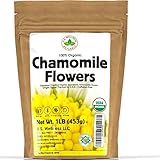
1. Brewing Chamomile and Lemon Balm Tea for Toddler Sleep

Pin this sleepy-time remedy to your natural parenting board for peaceful nights!
The best herbal tea for a toddler nighttime routine combines organic chamomile and lemon balm to naturally calm the nervous system and alleviate insomnia. This synergistic blend is a cornerstone of pediatric herbalism. Chamomile gently calms the mind, while lemon balm deeply supports relaxation without daytime grogginess. According to traditional use and expert herbalist consensus, a calming chamomile and lemon balm tea for kids is highly effective when brewed with organic certified, mild flavor ingredients.
Expert Insight: Covering your tea while steeping traps the volatile oils present in chamomile, ensuring your child receives the full concentration of apigenin, the specific antioxidant that promotes sleep. What most guides miss is that leaving the cup uncovered lets these therapeutic oils evaporate into the air.
Ingredients
- 1 teaspoon organic certified loose leaf Chamomile
- 1/2 teaspoon dried organic Lemon Balm
- 8 ounces filtered boiling water
- Optional: 1/2 teaspoon raw honey (ONLY for children over 1 year old)
Directions
- Place the dried herbs into a stainless steel tea infuser.
- Pour the boiling water over the herbs and cover the cup to trap the beneficial essential oils.
- Allow the blend to steep for exactly 5 minutes to extract the calming properties without developing a bitter taste.
- Remove the infuser and stir in honey if using.
- Crucial step: Cool the tea by adding a splash of cold water or an ice cube until it is lukewarm and safe for a toddler to sip.
2. Steeping Peppermint and Fennel Infusion for Tummy Aches

Save this natural tummy ache remedy for the next time your little one has a stomach bug!
A blend of peppermint and fennel creates a highly effective tummy ache tea that quickly alleviates indigestion and relieves gas in young children. This gentle herbal tea for toddler digestive issues relies on the antispasmodic properties of peppermint combined with the carminative benefits of fennel. Evidence-based clinical consensus supports fennel’s efficacy in treating childhood colic and discomfort. When addressing indigestion, it is vital to use caffeine-free, therapeutic grade herbs in small quantities to maintain a mild flavor.
Expert Insight: Peppermint and fennel possess powerful carminative properties, meaning they actively prevent the formation of gas in the gastrointestinal tract, making this a highly effective botanical infusion for colic. However, steep times must be kept short to prevent excess menthol from causing heartburn in young children.
Ingredients
- 1/2 teaspoon organic dried Peppermint leaves (or Spearmint for a milder flavor)
- 1/2 teaspoon gently crushed organic Fennel seeds
- 8 ounces hot water (not fully boiling)
- A splash of apple juice (for natural sweetening)
Directions
- Gently crush the fennel seeds using a mortar and pestle to release their therapeutic oils.
- Blend the crushed seeds and peppermint leaves in a tea strainer.
- Pour hot water over the herbs and steep for 4 to 5 minutes.
- Strain the aqueous extract thoroughly to ensure no small seeds escape into the liquid.
- Dilute the warm tea with a splash of apple juice to make it highly palatable for children while providing natural hydration.

3. Blending Elderberry and Rosehips for Immune Defense

Add this immunity-boosting brew to your kid’s winter wellness routine!
Combining elderberry and rosehips creates a powerful cold and flu tea rich in Vitamin C that safely supports a child’s immune system. When selecting safe herbs for children’s immune system support, this fruit-forward, non-GMO blend acts as an ideal healthy alternative to sugary medicinal syrups. The elderberry relies on dense phytonutrients to build immune defense, while rosehips provide an essential burst of natural antioxidants. It is critical to note that elderberries must be fully dried and properly cooked to ensure professional formulation safety.
Expert Insight: Boiling elderberries creates a decoction, which is necessary to extract the dense anthocyanins (powerful antioxidants) and ensures the berries are perfectly safe and bioavailable for your toddler’s digestive system. Simple steeping is not enough for raw elderberries.
Ingredients
- 1 teaspoon dried organic Elderberries (ensure they are reputable and fully dried)
- 1 teaspoon organic crushed Rosehips
- 10 ounces boiling water
- 1 slice of fresh orange
Directions
- Place the dried elderberries and rosehips into a small saucepan with the water.
- Bring the mixture to a gentle simmer on the stove rather than just steeping (this decoction method extracts the dense berry nutrients).
- Simmer gently for 10 minutes to ensure the berries soften and release their immune-boosting compounds.
- Strain the liquid carefully through a fine mesh sieve into a cup.
- Drop in a fresh orange slice for natural sweetening and allow the tea to cool completely before serving to your child.

4. Mixing Rooibos and Hibiscus as a Healthy Juice Alternative

Swap sugary fruit juice for this naturally sweet, vibrant red iced tea—pin it for later!
A cold-brewed blend of rooibos and hibiscus serves as the ultimate healthy juice alternative, offering a naturally sweet, hydrating drink without the sugar crash. If you are searching for cold brew herbal tea recipes for summer hydration, this vibrant red infusion easily wins when compared vs fruit juice. Rooibos contains absolutely no caffeine and provides a rich source of antioxidants, while hibiscus delivers a tart, fruit-forward flavor that toddlers love. Because of its exceptionally high mineral content, this blend acts as a perfect soda substitute.
Expert Insight: Rooibos is renowned for its incredibly low tannin concentration compared to traditional teas. Tannins can block iron absorption in growing children, making Rooibos the safest daily hydration alternative to sugary juice while maintaining optimal mineral uptake.
Ingredients
- 1 tablespoon organic loose-leaf Rooibos tea
- 1/2 tablespoon dried Hibiscus flowers
- 4 cups cold filtered water
- 1/4 cup fresh muddled strawberries
Directions
- Combine the loose-leaf rooibos and dried hibiscus in a large glass pitcher.
- Pour the cold filtered water over the herbs for a slow cold-brew extraction.
- Refrigerate the pitcher for 4 to 6 hours to allow the flavors to meld smoothly without pulling out any bitterness.
- Strain the aqueous extract to remove the loose leaves and flowers.
- Stir in the freshly muddled strawberries to naturally sweeten the beverage and serve over ice as a perfect summer hydration tool.

5. Infusing Ginger and Spearmint for Nausea and Colic

Keep this gentle stomach-soothing recipe handy for car rides and sick days!
An infusion of fresh ginger root and spearmint is a fast-acting remedy that alleviates nausea and severe colic while remaining exceptionally gentle on a child’s stomach. Creating low acidity herbal teas for sensitive stomachs is crucial during episodes of illness. The ginger application is well-documented in evidence-based pediatric practice, but it can quickly become too spicy for young palates. By incorporating spearmint to enhance palatability, this pure botanical blend remains mild, soothing, and easily tolerated by toddlers experiencing car sickness.
Expert Insight: Always choose spearmint over peppermint for toddlers experiencing nausea. Spearmint contains significantly less menthol, making it much gentler on sensitive mucosal membranes while still offering powerful stomach-settling benefits without triggering acid reflux.
Ingredients
- 1/4 inch slice of fresh peeled Ginger root
- 1 teaspoon organic dried Spearmint leaves
- 8 ounces hot water
- Optional: 1/4 teaspoon Stevia leaf (for natural sugar-free sweetening)
Directions
- Peel the fresh ginger slice and gently bruise it with the back of a knife to expose the juices.
- Place the ginger and spearmint into a mug.
- Pour hot water over the ingredients and steep for exactly 3 minutes (steeping ginger too long makes it spicy for children).
- Strain the liquid immediately to halt the infusion process.
- Cool the beverage thoroughly before offering it to your child in small, manageable sips to soothe their stomach.

6. Preparing Catnip and Oatstraw Tea for Restlessness

Pin this secret herbalist recipe to naturally calm hyperactive afternoons!
Brewing catnip alongside oatstraw creates a deeply nourishing herbal tonic that effectively calms hyperactivity and restlessness in overstimulated toddlers. While creating medicinal herbal tea blends for children’s health, many parents are surprised to learn that catnip is a revered traditional herb for human pediatrics. Catnip encourages deep relaxation while oatstraw nourishes the nervous system. These sustainable, additive-free nervine herbs gently soothe a child without the use of heavy sedatives, making this infusion perfect for painful teething episodes.
Expert Insight: Oatstraw is classified by expert herbalists as a deep nutritive nervine herb. When steeped for longer periods, it releases high amounts of bioavailable calcium and magnesium, which directly calm the physical nervous system in growing children.
Ingredients
- 1/2 teaspoon organic dried Catnip
- 1 teaspoon organic dried Oatstraw
- 8 ounces boiling water
Directions
- Blend the catnip and oatstraw together in a fine mesh tea ball.
- Pour boiling water over the herbs and cover the cup tightly.
- Steep for 10 to 15 minutes to fully extract the deep mineral content from the oatstraw.
- Remove the tea ball and allow the infusion to cool until it is just warm to the touch.
- Serve during high-stress times, post-meltdowns, or during painful teething episodes to soothe their nervous system.

7. Decanting Mild Lavender and Tulsi Tea for Calming Anxiety

Save this beautiful, gentle adaptogen blend to support your child’s emotional wellness!
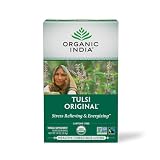
A highly diluted blend of lavender and tulsi provides gentle emotional support for children experiencing school anxiety or stressful life transitions. Introducing safe adaptogens for kids requires extreme care, making this pure botanical, decaf herbal tea for kids an ideal starting point. Lavender easily alleviates anxiety, but it can quickly overpower a child’s delicate palate if overused. By combining just a few buds with Tulsi (Holy Basil), parents can brew a naturally sweet tea that safely supports stress relief.
Expert Insight: Tulsi is one of the few adaptogens for kids considered safe by holistic pediatricians in small culinary doses. It gently balances cortisol levels without overstimulating the child’s developing endocrine system.
Ingredients
- 1/2 teaspoon organic Tulsi (Holy Basil) leaf
- A tiny pinch (literally 3-4 buds) of culinary-grade Lavender
- 8 ounces hot water
- A dash of local honey (for children over 1 year old)
Directions
- Place the tulsi and the very small amount of lavender into your steeper.
- Pour hot (not boiling) water over the herbs to prevent the lavender from turning bitter.
- Steep for exactly 3 minutes.
- Decant the tea by removing the herbs promptly.
- Stir in a dash of honey and let the tea cool to a safe sipping temperature before giving it to an anxious child.
Key Takeaways: Your Quick Guide to Herbal Tea Blends for Kids
Safe herbal infusions for toddlers require strict adherence to medical safety protocols and careful symptom matching. To quickly ensure you are preparing a kid-friendly tea properly, review these essential safety and preparation rules. Mastering these foundational steps guarantees every batch of safe herbal tea supports your child’s health without risking their well-being.
- Always Prioritize Caffeine-Free and GRAS Herbs – Stick to herbal tea blends for kids made from herbs on the Generally Recognized As Safe list, such as chamomile, peppermint, and lemon balm, avoiding any black or green teas.
- Control Tannin Concentration for Better Iron Absorption – Opt for low-tannin bases like Rooibos instead of traditional teas, as high tannins can block essential iron absorption in growing toddlers.
- Never Give Honey to Children Under One Year Old – When sweetening a toddler-safe tea, completely avoid honey for infants due to botulism risks; use a splash of apple juice or muddled fruit instead.
- Match the Herb to the Ailment – Utilize specific botanical pairings effectively: use chamomile for restlessness, peppermint for tummy aches, and elderberry for immune support.
- Monitor Steeping Temperature Chemistry – Always allow steeped teas to cool to a lukewarm temperature, and steep for shorter durations to prevent bitter volatile oils from ruining the tea’s palatability.
FAQs About herbal tea blends for kids
Navigating the world of botanical beverages can raise many questions for health-conscious parents. As of 2026, strict pediatric safety guidelines dictate how we should introduce these remedies to our children. Below, we address the most common inquiries regarding what herbal teas are safe for toddlers, proper dosing, and daily usage limits.
What herbal teas are safe for toddlers?
The safest herbal teas for toddlers include mild, caffeine-free botanicals like chamomile, lemon balm, rooibos, spearmint, and fennel.
According to pediatric guidelines, these GRAS certified herbs are gentle on a young child’s digestive system. Always avoid teas containing caffeine (like black, green, or white tea) and complex herbal detox blends designed for adults. When introducing a botanical beverage for children, start with highly diluted, single-herb infusions to monitor for any allergic reactions.
Can toddlers drink herbal tea every day?
Yes, toddlers can safely drink mild herbal tea every day, provided it is caffeine-free and limited to 1-2 small cups daily.
While child-safe herbal blends are a fantastic healthy juice alternative, they should not replace breastmilk, formula, or plain water as the primary source of daily natural hydration. Overconsumption of even gentle teas can fill up a small stomach, potentially displacing essential childhood nutrition from solid foods.
Is chamomile tea safe for 1 year olds?
Yes, plain organic chamomile tea is widely considered safe for 1-year-olds and is pediatrician recommended for soothing restlessness and mild colic.
Chamomile is a gentle nervine herb that has been used in pediatric herbalism for centuries. However, parents should ensure they are using pure botanical chamomile without hidden additives or blending herbs. Always serve it lukewarm and closely monitor the child the first time they try it to rule out rare ragweed allergies.
Is peppermint tea good for kids stomach ache?
Yes, highly diluted peppermint tea is excellent for relieving a child’s stomach ache because it acts as a carminative that relaxes the digestive tract.
However, peppermint contains strong menthol volatile oils which can sometimes cause heartburn in very young children if brewed too strongly. For toddlers, spearmint is often preferred over peppermint, or you can steep peppermint for only 2-3 minutes to keep the flavor mild and the acidity low.
Which herbal tea is best for kids sleep?
The best herbal tea for a toddler nighttime routine is a blend of organic chamomile and lemon balm.
These two herbs work synergistically: chamomile provides apigenin to gently induce sleepiness, while lemon balm calms hyperactivity and nervous tension. Preparing this calming tea recipe about 45 minutes before bed can become a highly effective, sensory play-based bedtime ritual that signals the brain it is time to wind down.
Can kids have honey in their tea?
Children over the age of one can safely have honey in their tea, but it must be strictly avoided for infants under 12 months due to infant botulism risks.
For toddlers over one, a small amount of raw honey is an excellent natural tea sweetener that also provides throat-soothing benefits. For babies under one, you can naturally sweeten a nursery tea blend by steeping the herbs alongside a slice of fresh apple or a dash of 100% fruit juice.
How long should I steep tea for a child?
You should steep herbal tea for a child for a significantly shorter time than adult tea, usually between 3 to 5 minutes.
Steeping times for kids need to be brief to prevent the tea from developing a bitter taste or extracting too many dense phytonutrients at once. The goal is a mild flavor that is highly palatable for children. If you want a weaker tea, dilute the steeped beverage with cold water rather than steeping it for less than 3 minutes.
Does herbal tea have caffeine?
True herbal teas (tisanes) made entirely from flowers, leaves, seeds, or roots of non-tea plants are naturally 100% caffeine-free.
However, parents must carefully read labels on commercial kids tea starter kits. If a blend contains any amount of black tea, green tea, oolong, white tea, or yerba mate, it contains caffeine and is not suitable for young children. Always look for the explicit “caffeine-free” or “decaf herbal tea for kids” label before purchasing.
How to sweeten tea for kids naturally?
You can sweeten tea for kids naturally by muddled fresh berries, adding a splash of apple juice, using a pinch of stevia leaf, or steeping the tea with dried fruit.
Avoiding refined sugars is crucial for holistic health for families. By using fruit-forward herbs like hibiscus and rosehips, the tea often tastes sweet on its own. If additional sweetness is needed, natural options prevent sugar crashes and support better immune defense.
What are the best tea brands for kids?
The best tea brands for kids are those that are certified organic, Non-GMO Project Verified, and explicitly formulated for pediatric use.
When shopping for toddler-safe tea bags, prioritize companies that provide third-party lab results testing for heavy metals and pesticides. Excellent options usually feature therapeutic grade, pure botanical ingredients without artificial flavorings. Always check the ingredient list to ensure it only contains herbs you recognize.
Final Thoughts on Herbal Tea Blends for Kids
Introducing herbal tea blends for kids into your daily routine is a beautiful way to foster an organic lifestyle and support your child’s holistic health. Whether you are replacing a sugary soda substitute with a vibrant hibiscus iced tea, or establishing a peaceful bedtime ritual with chamomile, these botanical beverages for children offer incredible therapeutic benefits.
By prioritizing certified organic, caffeine-free herbs and following strict safety guidelines—like controlling steeping temperatures and avoiding honey for infants—you can confidently become your home’s own expert herbalist. Remember, while these herbal tonics are evidence-based and generally recognized as safe, it is always best practice to consult with your pediatrician before introducing new botanicals to your child’s diet.
Start small, keep the flavors mild, and invite your little one to join in the brewing process. Which of these child-safe herbal blends are you excited to steep for your next afternoon tea party? Let us know in the comments below!
Last update on 2026-10-26 / Affiliate links / Images from Amazon Product Advertising API
