
As an Amazon Associate CoffeeXplore.com earns from qualifying purchases.
Herbal Tea Types List: 13 Best Soothing Blends for 2026
Are you craving a cozy, caffeine-free drink before bed? You might feel completely overwhelmed by the endless options in the beverage aisle. Navigating a comprehensive herbal tea types list solves this exact frustration instantly.
What is an herbal tea? An herbal tea, technically known as a tisane, is a caffeine-free infusion made by steeping the leaves, flowers, roots, or seeds of botanical plants in hot water. Unlike true tea from the Camellia sinensis plant, herbal teas encompass hundreds of different species offering diverse health benefits. This fundamental botanical distinction matters for your daily wellness goals.
Drawing from comprehensive analysis of current botanical data and proven methodologies, we’ve organized the ultimate guide. You will discover 13 specific botanical blends designed for holistic relief. Master these ancient steeping techniques to transform your daily health and hydration routine today.
Contents
show
Understanding Your Herbal Tea Types List: The Ultimate Guide to Botanical Tisanes
Botanical Tisanes: An expansive category of plant-based brews utilizing dried flowers, roots, barks, and seeds rather than traditional tea leaves to deliver natural wellness benefits.
Before diving into specific blends, you must understand the technical difference between true teas and herbal infusions. Most people use the term “tea” loosely, but in the botanical world, true tea comes exclusively from the Camellia sinensis plant. This single plant produces all black, green, white, and oolong teas, which naturally contain caffeine.
In contrast, an authentic herbal tea types list actually consists of tisanes. A tisane is an infusion that completely lacks the Camellia sinensis leaf. Instead, these botanicals provide a rich spectrum of natural health benefits and powerful polyphenols without the jittery side effects of caffeine. Exploring these non-caffeine tea varieties allows you to customize your hydration based on the specific plant parts used. For example, delicate flower petals yield completely different therapeutic results than dense, earthy roots.
Herbal Tea Types List: 13 Best Soothing Blends to Brew for 2026
Herbal Tea Blends: Targeted mixtures of dried botanical ingredients steeped in hot water to extract specific therapeutic compounds, essential oils, and distinct flavor profiles.
Now that you understand the basic botanical terminology, it is time to explore the most effective types of herbal tea available today. Building a personal apothecary of best herbal teas transforms a simple beverage into a powerful, problem-solving wellness tool.
Whether you need a natural digestive aid after a heavy meal or a calming floral infusion to quiet your mind at night, there is a specific botanical designed for the job. The following A-Z listicle highlights the top 13 loose leaf herbal tea varieties. You will discover exactly how these dried herbs interact with hot water to release their potent properties, alongside precise brewing and steeping techniques to elevate your daily wellness rituals.
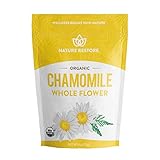
1. Steep Soothing Chamomile Herbal Tea for Insomnia Relief

Pin this soothing chamomile brew to your ‘Bedtime Rituals’ board!
Chamomile: The ultimate floral botanical renowned for its ability to naturally induce sleep and calm the nervous system through specific bioactive compounds.
When it comes to insomnia relief, a warm mug of chamomile herbal tea remains the undisputed champion. This delicate, floral brew is naturally caffeine free and boasts a sweet, apple-like flavor profile that appeals to almost everyone. The secret behind the chamomile + sleep connection lies in a specific antioxidant called apigenin. Clinical studies show that apigenin binds to specific receptors in your brain that decrease anxiety and initiate sleep.
Ingredients & Supplies Needed:
- 1 tablespoon of organic whole-flower chamomile herbal tea (look for bright yellow centers and intact white petals)
- 8 ounces of filtered water
- 1 teaspoon of raw honey (optional, for sweetness)
- A fine mesh tea infuser or teapot with a built-in strainer
Steeping Instructions:
- Heat your filtered water to a gentle boil (around 200°F or 93°C).
- Place the loose leaf dried herbs into your infuser and lower it into your favorite mug.
- Pour the hot water directly over the flowers to release their aromatic properties.
- Cover the mug with a small plate to prevent the calming essential oils from escaping through steam.
- Steep for 5 to 7 minutes to extract maximum therapeutic benefits.
- Strain the flowers and sip slowly 30 minutes before bedtime.
Pro-Tip: For the most potent nervines and relaxation benefits, always ensure your mug is covered while steeping. This simple botanical technique traps the volatile oils that carry chamomile’s most powerful sleep-inducing properties back into the water rather than letting them evaporate into the air.
2. Brew Peppermint Herbal Tea for Quick Digestive Aid

Save this refreshing post-dinner digestion hack for later!
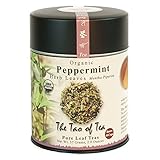
Peppermint: A powerfully cooling, herbaceous botanical that rapidly relaxes gastrointestinal tissues to relieve severe stomach discomfort and gas.
If you struggle with post-meal heaviness, peppermint herbal tea offers immediate, evidence-based relief. The peppermint + bloating relationship is heavily documented in traditional pharmacopoeia. Peppermint contains a high concentration of menthol, a natural compound that acts as a potent digestive aid. It works as a carminative, meaning it actively relaxes the muscles of your digestive tract, promoting rapid bloating reduction while supporting mental clarity with its crisp, herbaceous scent.
Ingredients & Supplies Needed:
- 1 heaping tablespoon of loose leaf peppermint (or 2 tablespoons of fresh, bruised mint leaves)
- 8 ounces of freshly boiled water
- A slice of lemon (optional, to balance the herbaceous profile)
- An insulated tea kettle for precise temperature control
Steeping Instructions:
- Bring fresh, cold water to a full rolling boil (212°F or 100°C).
- Measure the potent dried herbs into your teapot or infuser basket.
- Pour the boiling water over the leaves, ensuring they are fully submerged.
- Infuse the tea for 5 to 10 minutes. A longer steep draws out more menthol for stronger bloating reduction.
- Remove the strainer to halt the brewing process before it becomes overly bitter.
- Drink warm immediately following a heavy meal.
Pro-Tip: While peppermint is an excellent carminative for general digestion, those with acid reflux should be cautious, as the same muscle-relaxing properties that relieve gas can sometimes allow stomach acid to travel upward.

3. Simmer Spicy Ginger Herbal Tea for Nausea Relief

Pin this powerful ginger decoction recipe to your natural remedies board!
Ginger Root: A dense, warming rhizome that requires active simmering to release potent anti-nausea compounds and spicy flavor profiles.
When it comes to soothing an upset stomach, the ginger + digestion protocol is unmatched. Ginger herbal tea stands out from delicate flower teas because it utilizes dense, fibrous roots. This spicy botanical actively treats gastrointestinal distress and provides rapid nausea relief. However, to extract the crucial bioactive compounds from hard roots, you must utilize a specific decoction process rather than simple maceration.
Ingredients & Supplies Needed:
- 1 tablespoon of dried, chopped roots (ginger pieces) or 1 inch of fresh, thinly sliced ginger root
- 10 ounces of water
- 1 small saucepan (critical for the simmering process)
- 1 teaspoon of raw honey (to balance the pungent bite)
- A fine mesh strainer
Steeping Instructions:
- Combine the water and ginger pieces directly in a small saucepan.
- Bring the mixture to a rolling boil over medium-high heat on the stove.
- Reduce the heat to low, cover the pan, and let it gently simmer (decoct) for 10 to 15 minutes.
- Turn off the heat and let it steep for an additional 2 minutes to settle the heavy particles.
- Strain the golden, spicy liquid into a mug.
- Stir in your honey while the water is still warm, and sip to soothe your stomach.
Pro-Tip: Unlike delicate flower teas, tough botanicals like ginger require a true decoction process (active simmering) to break down cell walls and release therapeutic gingerols. Simply pouring hot water over thick ginger slices will result in a weak, ineffective brew.

4. Infuse Vibrant Hibiscus Tea for Antioxidant Support

Tap to save this vibrant, tart botanical infusion for your summer wellness routine!
Hibiscus: A brilliant crimson botanical calyx packed with polyphenols that provides a tart, cranberry-like flavor and exceptional cardiovascular support.
Exploring hibiscus tea benefits reveals a powerhouse of natural wellness. This brilliantly red, fruity botanical is exceptionally antioxidant-rich. The hibiscus + vitamin C combination offers robust immune defense, while evidence-based studies demonstrate its efficacy for gentle blood pressure support. Because of its high antioxidant capacity and striking tartness, hibiscus is one of the most popular botanicals for iced summer preparations.
Ingredients & Supplies Needed:
- 1.5 tablespoons of dried, organic hibiscus calyxes (flowers)
- 2 cups of filtered water
- Agave nectar or stevia (to balance the naturally tart/fruity profile)
- A large glass mason jar (if opting for the cold brew method)
- Fresh lime wedges for garnish
Steeping Instructions (Iced Cold Brew Method):
- Place the dried hibiscus flowers into a large, clean glass pitcher or jar.
- Pour the cold, filtered water directly over the botanicals.
- Stir gently to ensure all flowers are saturated.
- Refrigerate the covered pitcher for 8 to 12 hours. This cold brew technique extracts a smoother, less bitter flavor profile.
- Strain the brilliant ruby-red liquid over ice.
- Sweeten to taste, add a squeeze of fresh lime, and enjoy.
Pro-Tip: Cold brew extraction is highly recommended for hibiscus. Boiling hot water can destroy some of the delicate vitamin C content and pull out harsh tannins, whereas cold steeping yields a perfectly smooth, antioxidant-rich beverage.

5. Prepare Earthy Rooibos Tea for a Caffeine-Free Coffee Alternative

Looking for a healthy coffee substitute? Pin this antioxidant-rich red bush tea guide!
Rooibos: A deeply robust, red-needle botanical originating from South Africa that mimics the full-bodied mouthfeel of traditional black tea without the caffeine.
If you are exploring coffee alternatives, rooibos tea is an absolute necessity. This uniquely earthy, sweet herb originates exclusively from South Africa. Health professional advice often points to the rooibos + antioxidants relationship, highlighting its lack of oxalic acid compared to standard black teas. When debating decaf vs herbal, rooibos stands out because these robust infusions completely lack caffeine but possess the structural body to handle milk and sugar beautifully.
Ingredients & Supplies Needed:
- 1.5 teaspoons of fine, loose leaf red rooibos
- 8 ounces of boiling water
- A paper tea filter or extremely fine mesh strainer (rooibos needles are very small)
- A splash of milk or dairy alternative (optional, as it mimics traditional black tea)
Steeping Instructions:
- Bring fresh water to a rolling boil (212°F / 100°C).
- Place the fine red needles into your ultra-fine tea infuser or paper steep bag.
- Pour the boiling water into your mug.
- Infuse for a minimum of 5 to 7 minutes. Unlike Camellia sinensis, rooibos will not turn bitter if left steeping longer.
- Remove the strainer.
- Blend in a splash of milk if desired, creating a creamy, soothing morning ritual.
Pro-Tip: If you’re exploring coffee alternatives, rooibos is your best option. Because it is naturally low in tannins, you can actually simmer rooibos on the stove for 15 minutes to create a highly concentrated, earthy espresso-like shot perfect for herbal lattes.

6. Blend Calming Lemon Balm Tea for Stress Management

Cultivate calm in your day. Pin this gentle, stress-relieving botanical brew!
Lemon Balm: A bright, uplifting mint-family botanical that gently supports the nervous system and eases daytime anxiety without causing drowsiness.
For gentle, daytime stress management, lemon balm tea is unparalleled. This naturally citrusy and calming herb has been utilized in traditional medicine for centuries as one of nature’s finest nervines. Lemon balm actively alleviates anxiety, and because these delicate botanicals promote relaxation without heavy sedation, it is the perfect brew to keep on your desk during a chaotic workday.
Ingredients & Supplies Needed:
- 1 to 2 tablespoons of dried organic lemon balm leaves (or a small handful of freshly harvested leaves)
- 8 ounces of hot water
- A standard teapot or covered mug
- Optional: A slice of lemon to enhance the naturally citrusy notes
Steeping Instructions:
- Heat water to just below boiling (around 200°F or 93°C).
- Crumple the dried or fresh leaves slightly in your fingers to release the volatile essential oils before brewing.
- Place the leaves into your strainer.
- Pour the hot water over the botanicals.
- Cover your vessel immediately and let it infuse for 5 to 8 minutes.
- Strain and drink during times of high stress or mental fatigue.
Pro-Tip: Lemon balm is incredibly easy to grow in a home gardening setup. Using fresh, wildcrafting or home-grown leaves yields a vastly superior, more vibrant citrusy flavor compared to older, mass-produced dried varieties.

7. Fortify with Echinacea Herbal Tea for an Immune Boost

Support your immune system naturally. Save this essential winter wellness recipe!
Echinacea: A potent medicinal flower and root combination that modulates the immune system and acts as a powerful preventative winter tonic.
When winter approaches, the echinacea + immune defense strategy becomes essential. Seeking a rapid immune boost leads many directly to this highly medicinal plant. Echinacea prevents severe fatigue and serves as a phenomenal natural sore throat remedy. In traditional medicine, master blenders combine both the delicate flowers and the dense roots to extract the maximum spectrum of bioactive compounds.
Ingredients & Supplies Needed:
- 1 tablespoon of an organic echinacea blend (ideally containing both Echinacea purpurea tops and Echinacea angustifolia roots)
- 8 ounces of boiling water
- 1 teaspoon of raw, local honey (acts as a soothing sore throat remedy)
- A sturdy ceramic teapot
Steeping Instructions:
- Bring fresh water to a full boil (212°F / 100°C).
- Add the tough echinacea mix to your brewing vessel.
- Pour the boiling water directly over the herbs.
- Cover and steep vigorously for 10 to 15 minutes. The tough cellular structure of the roots requires heat and time.
- Strain the deeply earthy, slightly floral tea.
- Sip slowly while inhaling the warm steam.
Pro-Tip: A sign of high-quality, potent echinacea is a slight tingling or numbing sensation on your tongue after taking a sip. This isn’t an allergic reaction; it’s the presence of alkamides, the active bioactive compounds responsible for the herb’s immune-modulating effects.
8. Prepare Potent Valerian Root Tea for Deep Relaxation

Struggle with sleeplessness? Pin this potent botanical sleep aid to your nighttime routine!
Valerian Root: A strongly aromatic, earthy root that functions as nature’s most powerful herbal sedative for severe sleep disruptions.
For those battling severe sleeplessness, the valerian + relaxation connection offers profound insomnia relief. Be prepared: valerian is incredibly pungent. This highly potent herb smells distinctly musky. However, these sturdy roots contain valerenic acid, which actively induces deep sleep by interacting with GABA receptors in the brain. Health professional advice consistently ranks valerian as the strongest botanical alternative to over-the-counter sleep aids.
Ingredients & Supplies Needed:
- 1 teaspoon of dried organic valerian root (Warning: it has a highly pungent, earthy aroma)
- 1 teaspoon of chamomile or peppermint (crucial for blending to improve the taste)
- 8 ounces of hot water
- A covered tea mug
Steeping Instructions:
- Heat your water to a full boil (212°F / 100°C).
- Combine the valerian root and your secondary flavoring herb into an infuser.
- Pour the hot water over the roots.
- Cover the mug tightly to keep the strong aroma contained and the essential oils trapped.
- Infuse for 10 to 15 minutes to fully extract the heavy compounds.
- Drink strictly 1 hour before you intend to go to sleep.
Pro-Tip: Valerian is known as “nature’s valium” because it interacts with GABA receptors. Because of its intense, distinctly musky smell, master blenders almost never serve valerian alone. Always combine it with sweet, aromatic botanicals like peppermint or lavender to create a highly effective, palatable sleep potion.

9. Decoct Golden Turmeric Tea for Inflammation Reduction

Heal from the inside out. Save this golden anti-inflammatory tonic recipe!
Turmeric: A bright golden rhizome utilized globally to systemically reduce joint pain, swelling, and chronic inflammation when properly activated.
Mastering the turmeric + inflammation protocol is essential for anyone seeking natural inflammation reduction. This deeply earthy spice has formed the backbone of traditional medicine for centuries. Turmeric actively treats joint pain through its primary compound, curcumin. However, as clinical studies reveal, curcumin requires the presence of black pepper to effectively enhance absorption in the human body.
Ingredients & Supplies Needed:
- 1 teaspoon of ground organic turmeric or 1 tablespoon of freshly grated turmeric root
- A tiny pinch of black pepper (critical for absorption)
- 10 ounces of water
- A splash of coconut milk or almond milk (the fat also aids absorption)
- A small saucepan for simmering
Steeping Instructions:
- Whisk the turmeric powder and black pepper into cold water in a saucepan.
- Bring to a gentle simmer over medium heat. Do not let it reach a violent boil.
- Decoct (simmer) the mixture for 10 minutes to develop the deep, earthy flavor.
- Remove from heat and carefully pour into a mug.
- Stir in your chosen milk and a touch of sweetener if desired.
- Sip daily as a preventative holistic tonic.
Pro-Tip: The bioactive compound in turmeric that fights inflammation is called curcumin. However, curcumin has terrible bioavailability on its own. Scientific testing shows that adding just a pinch of black pepper (which contains piperine) enhances curcumin absorption by over 2,000%.

10. Steep Fragrant Lavender Tea for Aromatherapy & Relaxation

Elevate your self-care Sunday with this floral infusion. Pin it now!
Lavender: An intensely aromatic, soothing flower that provides spa-like relaxation and anxiety relief through olfactory stimulation.
Can you consume lavender tea edible forms safely at home? Absolutely. Preparing a lavender infusion brings the power of aromatherapy directly to your teacup. This highly floral brew profoundly supports mindfulness and mental reset. By steeping these specific edible flowers, you extract gentle essential oils that calm the central nervous system the moment you inhale the steam.
Ingredients & Supplies Needed:
- 1/2 teaspoon of organic, culinary-grade dried lavender buds (do not use crafting lavender)
- 8 ounces of hot water
- A teapot with a fine mesh strainer
- Lemon and honey (highly recommended to balance the intensely floral perfume notes)
Steeping Instructions:
- Measure the lavender sparingly. Because it is highly concentrated, less is more to avoid a “soapy” taste.
- Heat your water to just below boiling (around 200°F / 93°C).
- Pour the water over the delicate edible flowers.
- Infuse for no more than 3 to 5 minutes.
- Strain immediately.
- Inhale the deeply relaxing steam before taking your first sip to trigger an aromatherapy response in the brain.
Pro-Tip: Always verify your packaging explicitly says “Culinary Grade.” Lavender sold for crafts or potpourri is often treated with synthetic perfumes or pesticides and is absolutely not safe for botanical infusions.

11. Brew Roasted Dandelion Root Tea for Gentle Detoxification

Support your liver naturally. Save this earthy, coffee-like detox brew!
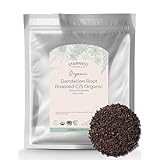
Dandelion Root: A deeply earthy, roasted root that stimulates liver function, aids digestion, and serves as an exceptional caffeine-free coffee substitute.
Far beyond a simple garden weed, dandelion tea is a premier tonic for gentle, natural detoxifying. These sturdy roots strongly support liver health. When sourced through careful organic farming, roasted dandelion root undergoes a magical transformation through hot water maceration. These specific botanicals provide natural tannins and inulin—a prebiotic fiber—creating a dark, hearty beverage that drinks remarkably like a dark roast coffee.
Ingredients & Supplies Needed:
- 1 tablespoon of organic, roasted dandelion root
- 8 ounces of water
- A saucepan
- Optional: A splash of cream or milk, as it drinks very much like a dark roast coffee
Steeping Instructions:
- Combine the roasted roots and cold water in a saucepan.
- Bring the mixture to a rolling boil.
- Reduce the heat and allow the roots to gently simmer for 10 to 15 minutes.
- Remove from heat and let it sit for another 3 minutes to finish the extraction process.
- Strain the dark, earthy liquid into a mug.
- Drink in the morning to stimulate digestion and support gentle liver detoxifying.
Pro-Tip: Pay attention to whether you are buying raw or roasted dandelion root. Raw root is excellent for medicinal extraction, but roasted dandelion root caramelizes the natural plant sugars, creating a rich, robust flavor profile that is widely considered one of the best coffee alternatives available in the apothecary.
12. Infuse Lemongrass Tea for an Aromatic Immune Defense

Bring the spa home. Pin this bright, immunity-boosting lemongrass recipe!
Lemongrass: A bright, citrus-forward culinary grass loaded with antioxidants that refreshes the palate while reducing systemic fatigue.
Moving from the spice rack to the teapot, lemongrass is a brilliantly citrusy herb that boasts massive antioxidant capacity. Highly aromatic and incredibly refreshing, it is one of those perfect pantry staples that doubles as a wellness tonic. Lemongrass contains citral, a powerful compound. When you release these essential oils into hot water, the resulting brew actively alleviates fatigue and defends your immune system.
Ingredients & Supplies Needed:
- 1 heaping tablespoon of dried, organic lemongrass (or 2 stalks of fresh lemongrass, bruised and chopped)
- 8 ounces of freshly boiled water
- A teapot or heat-proof glass jar
- Honey to taste
Steeping Instructions:
- Prepare the herb: If using fresh stalks, smash them gently with the back of a knife to release the aromatic oils.
- Place the dried or fresh grass into your brewing vessel.
- Pour the boiling water over the herbs.
- Cover the vessel to capture the highly volatile citrusy oils.
- Steep for 5 to 10 minutes. It takes time for the tough fibrous grass to release its flavor.
- Strain and enjoy hot, or pour over ice for a profoundly refreshing summer drink.
Pro-Tip: Lemongrass pairs exceptionally well with green tea (Camellia sinensis). If you aren’t strictly looking for non-caffeine tea varieties, blending a teaspoon of lemongrass with a mild green tea creates a beautifully balanced, antioxidant-packed morning beverage.

13. Steep Passionflower Herbal Tea for Anxiety Relief

Stop a racing mind in its tracks. Save this potent botanical anxiety remedy!
Passionflower: A complex, exotic botanical that specifically targets mental hyperactivity and circular thinking to provide profound daytime or nighttime anxiety relief.
When you need serious help turning your brain off, passionflower is your ultimate ally. This herb provides targeted anxiety relief by utilizing specific flavonoids like chrysin. Passionflower is intensely calming, classifying it among the most reliable nervines. This botanical actively alleviates anxiety and nervous tension, and these soothing infusions promote profound mental clarity when your thoughts are racing in circles.
Ingredients & Supplies Needed:
- 1 tablespoon of dried, organic passionflower (aerial parts: leaves, stems, and flowers)
- 8 ounces of hot water
- A covered mug or teapot
- A quiet space to practice mindfulness while drinking
Steeping Instructions:
- Heat water to a full boil (212°F / 100°C).
- Measure the fluffy, dried green botanical mix into your infuser.
- Pour the hot water over the herbs.
- Cover the mug and steep for a solid 10 minutes.
- Strain the mild, slightly earthy-tasting tea.
- Sip slowly when experiencing acute stress or racing thoughts that prevent sleep.
Pro-Tip: In the realm of traditional medicine, herbalists often distinguish between sleep herbs. While Valerian is a heavy sedative for the body, Passionflower is a specific nervine targeted at the mind—perfect for those nights when you are physically exhausted but your brain won’t turn off.

Key Takeaways: Your Quick Guide to the Herbal Tea Types List
Botanical Mastery: Successfully navigating a comprehensive herbal tea types list summary requires understanding that different plant parts demand entirely different preparation techniques to release their medicinal properties.
You don’t need to memorize every single herb to benefit from types of herbal tea. If you are seeking a reliable caffeine free tea, understanding a few core rules will guarantee a perfect cup every time. The herbal tea benefits you receive are directly tied to how you extract them. Whether you are exploring top rated herbal infusions or simple kitchen spices, keep these essential botanical rules in mind.
- Tisanes vs. True Tea: A true herbal tea types list actually consists of “tisanes” (infusions of flowers, roots, and seeds), which are naturally caffeine-free, unlike black or green tea which comes from the Camellia sinensis plant.
- Match the Steeping Method to the Plant Part: Delicate flower teas like chamomile require gentle infusing in hot water, while tough root teas like ginger and dandelion require active simmering (a decoction process) to extract their benefits.
- Always Cover Your Mug: When brewing aromatic botanicals like peppermint or lemon balm, covering the mug prevents the highly therapeutic essential oils from escaping in the steam.
- Optimize for Absorption: Some botanicals need a catalyst; for example, adding a pinch of black pepper to turmeric tea increases the absorption of anti-inflammatory bioactive compounds by over 2000%.
- Cold Brew for Tart Flowers: Hibiscus tea benefits are best preserved through a slow cold brew method, which creates a smoother flavor profile and protects its delicate vitamin C content from heat degradation.
- Source Matters: Always prioritize certified organic, culinary-grade botanicals to avoid pesticides, and rely on reputable master blenders when combining potent herbs like valerian.
People Also Ask About the Herbal Tea Types List
Botanical Clarification: Addressing specific questions about herbal tea bridges the gap between casual drinking and confident, intentional wellness applications.
Even after exploring the top 13 blends, you likely have specific common herbal teas queries. For example, What is the difference between tea and tisane, and Are all herbal teas caffeine free? Resolving these uncertainties is crucial for building your holistic wellness confidence. Review these expertly verified answers to ensure you are selecting and preparing your botanicals safely and effectively.
What is the difference between tea and tisane?
The primary difference is botanical origin: true tea comes exclusively from the Camellia sinensis plant, while a tisane is an infusion made from any other plant. Black, green, and white teas contain naturally occurring caffeine. Tisanes (commonly called herbal teas) are made from botanicals like dried flowers, roots, seeds, and bark, and are almost always naturally caffeine free.
Are all herbal teas caffeine free?
Almost all herbal teas are naturally caffeine-free, with a few notable exceptions like Yerba Mate, Guayusa, and Yaupon. Because standard types of herbal tea like chamomile, peppermint, and rooibos do not contain leaves from the Camellia sinensis plant, they lack caffeine. Always check the label if you are strictly seeking a caffeine free tea for evening relaxation.
Which herbal tea is best for sleep?
Chamomile, Valerian Root, and Passionflower are widely considered the best herbal teas for sleep and insomnia relief. Chamomile contains apigenin, which promotes mild relaxation. Passionflower is excellent for stopping racing, anxious thoughts. For severe sleeplessness, Valerian root is the most potent natural sedative, heavily utilized in traditional medicine as an effective nervine.
Is peppermint tea good for digestion?
Yes, peppermint tea is an exceptionally effective, evidence-based digestive aid. It acts as a carminative, meaning it relaxes the muscles of the gastrointestinal tract. Drinking a strong infusion of peppermint leaves after a heavy meal can rapidly assist with bloating reduction, relieve gas, and soothe general stomach discomfort.
How long should I steep herbal tea?
You should steep most herbal teas for 5 to 10 minutes, which is significantly longer than true teas. Because botanicals do not contain harsh tannins like black or green tea, they rarely become bitter if left in the water. Tougher materials like roots and barks require 10 to 15 minutes of active simmering to fully release their bioactive compounds.
Can you drink herbal tea every day?
Yes, most common herbal teas are safe and highly beneficial to drink every day as part of a holistic health routine. Botanicals like rooibos, ginger, and peppermint are excellent daily hydration sources. However, always seek health professional advice before consuming highly potent medicinal herbs like Valerian or St. John’s Wort daily for extended periods.
What are root-based herbal teas?
Root-based herbal teas are infusions made from the underground rhizomes or roots of plants, including Ginger, Turmeric, Dandelion, and Valerian. Unlike delicate flower teas, root-based teas require a decoction process—meaning they must be actively simmered in water on a stove rather than just steeped—to break down their tough cellular walls and extract their dense health benefits.
Which teas are flower-based?
The most popular flower-based herbal teas include Chamomile, Hibiscus, Lavender, Passionflower, and Rose. These delicate edible flowers require gentle steeping in hot (not violently boiling) water to preserve their fragile essential oils and delicate floral flavor profiles. They are frequently used in aromatherapy and for their gentle calming effects.
What are the benefits of hibiscus tea?
Hibiscus tea is incredibly antioxidant-rich, packed with Vitamin C, and is widely studied for its ability to provide natural blood pressure support. This tart/fruity, ruby-red botanical brew helps fight free radicals in the body. According to clinical studies, regular consumption of hibiscus can gently lower mild hypertension while supporting overall cardiovascular health.
How do I store herbal tea?
To preserve flavor and medicinal potency, store loose leaf herbal tea in an airtight, opaque container in a cool, dark, and dry place. Heat, moisture, and light rapidly degrade the delicate essential oils and flavonoids found in dried herbs. Avoid keeping your pantry staples in clear glass jars on the counter or directly above a steaming stove.
Final Thoughts on Exploring Your Herbal Tea Types List
Holistic Hydration: Mastering your botanical taxonomy provides an empowering, natural toolkit for managing everyday wellness and vitality.
Exploring a comprehensive herbal tea types list opens up an entirely new world of natural wellness. By stepping away from standard caffeinated beverages and diving into the rich, diverse realm of botanical teas, you empower yourself to treat daily ailments with nature’s apothecary. Whether you are brewing a delicate chamomile infusion to quiet your mind at night, or simmering a robust ginger decoction to settle your stomach, these plant-based brews offer targeted, holistic support for your body.
Remember that the quality of your loose leaf herbal tea matters immensely. To get the true therapeutic benefits we’ve discussed today, always prioritize certified organic herbs, store them correctly away from light and heat, and respect the specific steeping times required for different plant parts. Start by incorporating just one or two of these wellness rituals into your daily routine, and pay attention to how your body responds to these powerful phytotherapy tools. If you are dealing with chronic conditions, seeking health professional advice is always recommended before starting a daily regimen of potent herbs.
Which of these 13 soothing botanical blends are you going to brew first? Are you leaning toward the spicy warmth of turmeric, or the delicate, aromatic calm of lavender? Let us know in the comments below, and happy brewing in October 2026!
Last update on 2026-10-26 / Affiliate links / Images from Amazon Product Advertising API
