
As an Amazon Associate CoffeeXplore.com earns from qualifying purchases.
Herbal Tea Sachets: 7 Best Plastic-Free Blends for 2026
Are you unknowingly steeping billions of microplastics alongside your favorite evening tea? Navigating the complex world of herbal tea sachets feels incredibly frustrating when hidden synthetic materials compromise your health.
Are herbal tea sachets safe? Yes, herbal tea sachets are completely safe if they are manufactured using biodegradable, plastic-free materials like plant-based PLA (cornstarch mesh) or natural silk. Avoid nylon or PET pyramid tea sachets, which can release billions of microplastics into your cup when exposed to boiling water. This vital material distinction ensures your daily infusion remains a pure, non-toxic wellness remedy.
Drawing from comprehensive analysis of current botanical standards and verified material safety data, we evaluate these premium wellness vessels. You will discover the seven safest, high-potency blends designed for mindful living and targeted symptom relief. Upgrade your daily steeping routine with these expertly curated, eco-friendly choices today.
Contents
show
Are Herbal Tea Sachets Safe? Understanding Plastic-Free vs. Microplastics in Your Daily Brew
The safety of your tea depends entirely on the sachet material, with plant-based PLA and unbleached paper offering safe, microplastic-free steeping, while synthetic nylon poses severe health risks.
When you transition from standard grocery store tea dust to a premium tea brand, you expect a healthier experience. However, the modern pyramid-shaped vessel designed to give full-leaf botanicals room to expand is often made from synthetic plastics. Recent scientific studies demonstrate that a single nylon tea bag steeped at brewing temperatures (around 212°F) can release up to 11.6 billion microplastics and 3.1 billion nanoplastics directly into your hot water. This alarming reality highlights why material transparency is non-negotiable for anyone pursuing a truly healthy wellness routine.
Fortunately, the industry has responded with eco friendly packaging solutions. The highest quality botanical infusions now utilize Polylactic Acid (PLA), a commercially compostable bioplastic derived from renewable resources like cornstarch. These plastic free sachets perfectly balance the structural integrity needed for proper flavor extraction with the microplastic-free safety your body requires.
What most guides miss: You can easily identify safe, biodegradable tea bags by observing their texture and labeling. Synthetic nylon bags possess a highly glossy, slippery finish and do not tear easily. True cornstarch mesh (PLA) feels slightly stiffer, lacks the artificial high-gloss sheen, and is always explicitly labeled as “compostable” or “PLA” by reputable, expertly curated wellness brands.
To help you make informed decisions, here is a quick breakdown of the materials you will encounter:
| Material Type | Safety Profile | Environmental Impact | Flavor Extraction |
|---|---|---|---|
| Bleached Paper | Moderate (may contain dioxins/glues) | Backyard compostable | Low (restricts water flow) |
| Synthetic Nylon/PET | Unsafe (releases microplastics) | Non-biodegradable | High (mesh allows water flow) |
| Plant-Based PLA | Completely Safe (microplastic-free) | Commercially compostable | High (spacious pyramid shape) |
| Natural Silk | Completely Safe (chemical-free) | Fully biodegradable | High (excellent permeability) |
7 Best Plastic-Free Herbal Tea Sachets To Brew For 2026
The 7 best plastic-free herbal tea sachets include:
1. Peppermint for digestion
2. Chamomile and Lavender for sleep
3. Ginger Root for nausea
4. Hibiscus for skin clarity
5. Lemon Balm for anxiety
6. Elderberry for immunity
7. Turmeric for inflammation
Exploring the vast herbal tea variety available today can transform a simple beverage into a highly targeted, therapeutic daily habit. Whether you are seeking wellness blends to combat winter colds or powerful adaptogens to manage workplace stress, the specific organoleptic properties of different herbs require precise steeping techniques.
By choosing organic tea sachets sourced from dedicated master tea blenders, you guarantee that the terroir—the unique environmental factors where the herbs were grown—shines through in every cup. Below, we break down the seven most effective botanical tea sachets available in 2026, pairing each with its specific health application and exact brewing parameters to maximize your holistic health results.
1. Steeping Organic Peppermint For Digestive Relief

Save this soothing digestion hack to your Wellness & Tea Rituals board!
If you frequently experience post-meal bloating, high-potency organic + peppermint is a scientifically backed solution. Unlike standard flat tea bags that contain pulverized “tea dust,” premium biodegradable peppermint tea sachets wholesale blends utilize large, unbroken leaves. This loose leaf quality preserves the delicate menthol compounds that actively relax the gastrointestinal tract and alleviate stomach upset.
Ingredients
- 1 organic certified, microplastic-free peppermint pyramid tea sachet (look for cornstarch mesh)
- 8-10 oz of fresh, filtered water
- Optional: 1 slice of fresh lemon for added brightness
- A ceramic mug with a lid (or small plate) to capture volatile oils
Instructions
- Heat your filtered water to a rolling boil (212°F / 100°C) to properly extract the botanical oils.
- Place your biodegradable peppermint sachet into your mug and pour the boiling water directly over it.
- Cover the mug immediately with a lid or small plate. This traps the therapeutic steam and essential oils, preventing them from evaporating.
- Steep the sachet for exactly 5 to 7 minutes to maximize the digestive aid properties without drawing out bitter tannins.
- Remove the sachet carefully (it is completely compostable) and sip slowly 20 minutes after a heavy meal for immediate bloating relief.
Pro-Tip: In my experience as a daily tea drinker, retaining the volatile oils by covering your mug during steeping is the single most important step for harnessing peppermint’s organoleptic properties for true, lasting bloating relief.

2. Brewing Chamomile & Lavender For Deep Sleep

Pin this relaxing nighttime tea routine to your Sleep Hygiene board!
Finding the best organic herbal tea bags for sleep requires looking for blends that combine chamomile + relaxation herbs like lavender. Chamomile contains apigenin, an antioxidant that binds to specific receptors in your brain to decrease anxiety and initiate sleep. When packaged in spacious sachets, these whole flower tea blossoms retain a massive amount of calming phytochemicals compared to heavily processed alternatives, making them a powerful natural sleep aid.
Ingredients
- 1 premium tea brand chamomile & lavender sachet (ensure it is nylon-free)
- 8 oz of filtered water
- 1 teaspoon of raw, USDA Organic honey (optional, for soothing throat irritation)
- A cozy, heavy-bottomed mug to retain heat
Instructions
- Heat water to exactly 200°F (just off a rolling boil) to protect the delicate flower tea petals from scorching.
- Place your biodegradable pyramid sachet into the mug and pour the hot water in a circular motion.
- Allow the botanical infusion to steep for a full 7 to 10 minutes. For insomnia help, a longer extraction time pulls out more relaxing flavonoids.
- Gently press the sachet against the side of the mug with a spoon to extract the final drops of high-potency botanical oils before composting it.
- Stir in honey if desired, and sip slowly 45 minutes before your target bedtime to practice proper sleep hygiene.
Pro-Tip: Don’t throw away your used chamomile sachet! Once cooled, it makes an incredible, natural remedy compress for eye puffiness or minor stye relief due to its inherent anti-inflammatory properties.

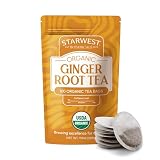
3. Infusing Ginger Root For Nausea & Digestion

Save this powerful ginger steeping guide to your Natural Remedies board!
For centuries, ginger + digestion have been an inseparable pairing in herbal medicine. Finding the best herbal tea for inflammation and digestion often leads consumers to raw ginger, but premium root tea sachets offer identical bioavailability of therapeutic gingerols without the messy grating. By keeping an eco-friendly ginger sachet on hand, you have an immediate, warming remedy for systemic inflammation and chronic nausea.
Ingredients
- 1 eco-friendly ginger root tea sachet
- 8-10 oz of fresh water
- A slice of fresh lemon
- Optional: A dash of turmeric powder for an extra anti-inflammatory boost
Instructions
- Bring fresh, cold water to a full, rolling boil (212°F). Root teas require maximum heat to penetrate the tough, dried plant fibers.
- Submerge the pyramid-shaped sachet completely in the hot water.
- Steep for an extended period—ideally 10 to 15 minutes. Unlike delicate green teas, herbal root tea will not become bitter with long steeping; it only becomes spicier and more medicinal.
- Squeeze a wedge of fresh lemon into the brew to add vitamin C and balance the spicy flavor profile.
- Sip while hot to alleviate stomach upset, nausea, or to simply enjoy a warming wellness infusion.
Pro-Tip: If you suffer from severe morning sickness or motion sickness, you can actually cold-brew premium ginger sachets overnight in a pitcher of water for a soothing, ready-to-drink hydration alternative that calms the stomach instantly.
4. Blending Hibiscus & Rooibos For Skin Clarity

Pin this antioxidant-rich beauty tea recipe for your glowing skin routine!
The synergy of hibiscus + antioxidants makes this tart, vibrant red infusion a powerhouse for cellular health and skin clarity. Hibiscus is naturally packed with Alpha Hydroxy Acids (AHAs) and polyphenols, which actively combat internal oxidative stress that leads to premature skin aging. When blended with earthy rooibos, these large herbal tea bags for iced tea create a medicinal-grade, caffeine-free beauty elixir.
Ingredients
- 2 artisan crafted hibiscus and rooibos tea sachets (ideal for larger iced batches)
- 16 oz of filtered water
- 1 cup of fresh ice
- A sprig of fresh mint for garnish
- A heat-proof glass pitcher or large mason jar
Instructions
- Heat 8 oz of your filtered water to 200°F.
- Place both plastic-free sachets into your heat-proof glass and pour in the hot water.
- Allow the botanical infusion to steep heavily for 8-10 minutes. The liquid will turn a deep, vibrant crimson.
- Remove the sachets and immediately pour the concentrated hot tea over the 1 cup of fresh ice to flash-chill the brew, locking in the polyphenols.
- Top with the remaining 8 oz of cold filtered water, garnish with fresh mint, and sip throughout the afternoon for a glowing, zero waste lifestyle beauty boost.
Pro-Tip: The tartness of hibiscus can be intense. Because these sachets are ethically sourced and unbleached, they contain no artificial sweeteners. If needed, balance the tartness with a single drop of liquid stevia or natural agave nectar.

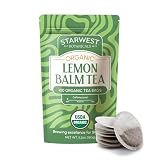
5. Steeping Lemon Balm For Anxiety & Stress Relief

Save this anxiety-reducing tea ritual for your stressful workdays!
When searching for natural herbal tea sachets for anxiety relief, lemon balm stands out as an incredibly effective, non-drowsy botanical. Unlike heavy sedatives such as valerian root, lemon balm works by interacting with GABA receptors in the brain to provide immediate stress management while maintaining mental clarity. Incorporating this hand-packed, citrus-scented herb into your daily morning rituals or mid-day breaks perfectly encapsulates the essence of true mindful living.
Ingredients
- 1 Non-GMO Project Verified lemon balm tea sachet
- 8 oz of water
- A favorite, comforting mug
- Your daily journal or a quiet space for a 5-minute mental break
Instructions
- Heat water to roughly 190°F. Lemon balm is a delicate leaf; boiling water can scorch it and destroy the calming volatile oils.
- Submerge the pyramid tea sachet and watch as the full leaves expand visibly inside the mesh.
- Steep for 5 minutes. While it steeps, practice deep breathing or jot down a few notes in your journal to maximize the self-care ritual.
- Remove the sachet and compost it in your eco-conscious kitchen bin.
- Sip slowly during a stressful work window to experience immediate anxiety reduction and a lifted mood.
Pro-Tip: To ensure you are getting a medicinal-grade effect, always check that your lemon balm sachets are stored in individually wrapped foil or airtight pouches. Lemon balm loses its therapeutic potency very quickly if exposed to air and bright light.
6. Extracting Elderberry For Immune Support

Pin this immunity-boosting herbal remedy for cold & flu season!
Preparing for cold and flu season requires proactive, high-potency immune support, making elderberry a staple in holistic pantries. Transitioning from sugary artificial syrups to pure, unadulterated elderberry wellness blends ensures you receive maximum flavonoids and anthocyanins without unnecessary additives. These dense berries require specific extracting parameters to fully release the immunomodulating compounds that effectively soothe severe throat irritation.
Ingredients
- 1 premium tea sachet featuring a pure elderberry or elderberry/echinacea blend
- 10 oz of water
- 1 teaspoon of Manuka honey (for severe throat irritation)
- A large, heat-retaining mug
Instructions
- Bring your water to a hard, rolling boil (212°F). The hard skin of dried elderberries requires maximum heat for proper extracting.
- Drop the compostable sachet into your mug and pour the boiling water over it.
- Let the infusion steep for a full 10-12 minutes. You want the water to turn a very deep, rich purple.
- Press the sachet firmly against the rim of the cup as you remove it; elderberries hold a lot of concentrated juice in the mesh.
- Stir in the Manuka honey until dissolved, and sip while breathing in the steam to clear nasal passages and provide immediate immune support.
Pro-Tip: Look for elderberry sachets that are blended with complementary botanicals like echinacea or rosehips, as these ingredients act synergistically to boost the overall bioavailability of the immune-supporting compounds.

7. Curating Turmeric For Inflammation Relief

Save this anti-inflammatory golden tea secret to your Holistic Health board!
Harnessing the power of raw turmeric significantly reduces inflammation, making it an essential pillar of holistic health and clean eating. However, raw turmeric powder notoriously stains kitchens and creates a messy, gritty beverage. Master tea blenders solve this by packing premium turmeric root pieces into tightly woven artisan tea bags. This provides all the joint-soothing benefits of curcumin in an elegant, mess-free format.
Ingredients
- 1 plastic-free turmeric tea sachet (must contain black pepper in the ingredient list)
- 8 oz of hot water
- A splash of coconut milk or almond milk (fat aids absorption)
- A dedicated “golden milk” mug (turmeric can occasionally tint light ceramics)
Instructions
- Boil your water to 212°F to properly extract the dense root fibers of the turmeric.
- Steep the pyramid-shaped sachet for 10 full minutes to allow the water to become a rich, deep gold.
- Remove and compost the biodegradable tea bag.
- Add a splash of your preferred high-quality fat (like coconut milk). Curcumin is fat-soluble, meaning your body absorbs the anti-inflammatory benefits much better when consumed with a healthy fat.
- Stir and sip as part of your daily clean eating and holistic health routine to manage joint pain or post-workout soreness.
Pro-Tip: If your chosen turmeric sachet does not explicitly list black pepper or piperine on the USDA Organic label, simply crack a tiny pinch of fresh black pepper into your mug while steeping. You won’t taste it, but it mathematically unlocks the medicinal benefits, increasing absorption by up to 2000%.

Key Takeaways: Your Quick Guide to Herbal Tea Sachets
Mastering the safe usage of your herbal tea sachets guarantees that every cup supports your wellness goals without introducing hidden toxins.
Understanding the nuances of tea bag materials and proper steeping techniques is essential for maximizing the medicinal value of your loose leaf quality botanicals. To ensure you completely avoid microplastic concerns and extract the highest potency from your chosen herbs, keep these foundational rules in mind for your daily brewing routine.
- Material Safety is Non-Negotiable: Always verify that your premium tea sachets are made from plant-based PLA (cornstarch), natural silk, or unbleached paper to avoid drinking billions of microplastics released by nylon bags.
- Shape Dictates Quality: The pyramid-shaped design isn’t just for aesthetics; it provides the necessary room for full-leaf botanicals to expand, delivering loose leaf quality flavor in a convenient format.
- Steeping Times Vary By Botanical: Delicate flowers (like chamomile) require water slightly off a boil (200°F) for 5-7 minutes, while tough roots (like ginger and turmeric) require a rolling boil (212°F) and 10+ minutes of extracting.
- Trap the Volatile Oils: Always cover your mug with a lid while steeping aromatic herbs like peppermint or lemon balm. This prevents the medicinal essential oils from evaporating into the air, keeping them in your cup.
- Demand Complete Transparency: Look for USDA Organic and Non-GMO Project Verified seals on the box. Because herbs are heavily concentrated when steeped, choosing pesticide-free options is critical for your wellness routine.
People Also Ask About Herbal Tea Sachets
Navigating the world of botanical infusions often leads to questions regarding safety, compostability, and the distinct advantages of premium formats over traditional grocery store options.
To help you build absolute confidence in your mindful living choices, we have compiled and answered the most common questions about herbal tea sachets. These third-party verified insights clarify exactly what are tea sachets made of, how they impact the environment, and how you can safely utilize them to address specific health concerns.
What are tea sachets?
Tea sachets are premium, typically pyramid-shaped woven bags designed to hold whole-leaf teas and botanicals, allowing them room to fully expand during steeping.
Unlike traditional flat tea bags that contain finely ground “tea dust” or fannings, sachets offer loose leaf quality convenience. They are usually made from either synthetic nylon, natural silk, or plant-based, biodegradable PLA (polylactic acid) mesh.
Are herbal tea bags plastic free?
Not all herbal tea bags are plastic-free; many traditional brands use polypropylene plastic to seal the edges of paper bags, and many glossy pyramid sachets are made of pure nylon or PET plastic.
However, you can easily find plastic-free sachets by looking for brands that explicitly state their bags are made from “PLA,” “cornstarch mesh,” “abaca hemp,” or are completely compostable and microplastic-free.
Which tea bags have microplastics?
Pyramid-shaped tea sachets made from nylon or PET (polyethylene terephthalate) release billions of microplastics and nanoplastics into your cup when exposed to boiling water.
According to scientific studies, a single synthetic plastic tea bag at brewing temperature can shed up to 11.6 billion microplastics. Always verify your botanical tea sachets are made from plant-based materials to avoid these hidden toxins.
What is the difference between tea bags and sachets?
The primary difference is the size of the ingredients and the shape of the vessel: tea bags hold finely crushed tea dust in a flat paper pouch, while sachets hold full, unbroken leaves in a spacious 3D pyramid.
This structural difference in sachets vs tea bags means sachets allow water to flow freely around whole botanicals, resulting in a significantly more complex, aromatic, and less bitter flavor profile.
How long to steep herbal tea sachets?
Herbal tea sachets should generally be steeped for 5 to 10 minutes, which is significantly longer than green or black teas.
Because caffeine free herbal infusions (tisanes) lack the tannins found in true Camellia sinensis tea, they will not become overly bitter if left in the water. Root-based botanicals like ginger require the full 10 minutes to properly extract their organoleptic properties.
Can you reuse herbal tea bags?
Yes, you can reuse premium full-leaf herbal tea sachets for a second steeping, though the flavor and medicinal potency will be reduced by roughly 50%.
If you plan to reuse a pyramid tea sachet, do so within a few hours to prevent bacterial growth. Keep in mind that delicate flowers like chamomile lose their volatile oils quickly, whereas strong roots like ginger hold up better to a second steep.
Are herbal tea bags compostable?
Herbal tea bags are only compostable if both the mesh material and the sealing method are 100% plant-based and plastic-free.
Sachets made from PLA (cornstarch) are commercially compostable, while paper bags without plastic sealants are backyard compostable. Always remove any metal staples or coated paper tags before tossing them into your eco-conscious kitchen compost bin.
Can I use herbal tea for a stye?
Yes, a warm, steeped chamomile herbal tea sachet can be used as a natural, soothing compress to relieve the pain and swelling of a stye.
Chamomile contains powerful anti-inflammatory and antibacterial properties. After steeping, allow the organic certified sachet to cool to a safe, warm temperature, then gently press it against the closed, affected eye for 5-10 minutes for effective stye relief.
Does herbal tea count as water intake?
Yes, completely caffeine-free herbal teas count perfectly toward your daily hydration goals.
Because botanicals like peppermint, rooibos, and hibiscus contain zero caffeine, they are not diuretics. Drinking these botanical infusions is an excellent, flavorful hydration alternative for people who struggle to drink enough plain water throughout their wellness routine.
Are herbal tea bags good for plants?
Used, plastic-free herbal tea sachets are excellent for plants, as the steeped organic botanicals add valuable nitrogen and nutrients to the soil.
You can bury unbleached, biodegradable sachets directly in your potted plants or garden beds. Teas like chamomile can even help deter harmful fungi. Just ensure the sachet material is nylon-free so you aren’t burying microplastics in your soil.
Final Thoughts on Herbal Tea Sachets
The transition from standard, dust-filled grocery store tea bags to premium herbal tea sachets is one of the easiest and most impactful upgrades you can make to your daily wellness routine. By choosing full leaf tea housed in spacious, pyramid-shaped designs, you are finally allowing those potent botanicals the room they need to expand, breathe, and release their full spectrum of healing properties.
However, as we’ve explored, the vessel matters just as much as the herbs inside. The convenience of a sachet should never come at the cost of consuming hidden microplastics. By prioritizing ethically sourced, biodegradable tea bags made from plant-based PLA or natural silk, you protect both your body and the environment. You can confidently enjoy your nightly chamomile for sleep, or your after-dinner peppermint for digestion, knowing your cup is filled with nothing but pure, pesticide-free botanical wellness.
The next time you reach for a warm, comforting mug, take a moment to read the packaging. Look for those critical USDA Organic and plastic-free certifications, and steep your tea with true intention.
Which of these 7 herbal blends are you most excited to add to your daily self-care ritual? Let me know in the comments below!
Last update on 2026-08-27 / Affiliate links / Images from Amazon Product Advertising API
