
As an Amazon Associate CoffeeXplore.com earns from qualifying purchases.
Herbal Tea Outside: 7 Safe Garden Sun Tea Ideas for 2026
Remembering the sunny afternoons of childhood often makes you want to brew herbal tea outside. However, modern food safety reveals hidden dangers in traditional outdoor tea brewing. Many home brewers accidentally cultivate harmful bacteria while chasing that perfect summer beverage.
To safely make herbal tea outside, thoroughly sterilize a 1-gallon glass mason jar to prevent bacterial growth like Alcaligenes viscolactis. Fill it with distilled water and 8 tea bags or fresh herbs, seal tightly, and steep in direct sunlight for no more than four hours before refrigerating immediately. This rigid sanitization protocol guarantees a refreshing and safe drink.
Drawing from comprehensive analysis of current FDA food safety guidelines and proven methodologies, we can eliminate these brewing risks. The sun tea method utilizes natural solar heat for gentle botanical extraction. In this post, you will discover exactly how to safely execute this process. Master these expert-tested techniques to enjoy vibrant, garden-fresh drinks all summer long.
Contents
show
How to Make Herbal Tea Outside: A Guide to Safe Garden Sun Tea
Making tea in the sun safely requires utilizing sterilized glass containers and limiting outdoor steeping to a strict four-hour window. This precise timeline prevents the rapid multiplication of harmful pathogens while maximizing natural solar heat extraction.
The nostalgia of summertime sun tea is undeniable, but the reality of microbiology requires our attention. When you place a jar of water and leaves in the sun, you are essentially creating an incubator. The water warms into the FDA’s strict temperature danger zone, which spans from 40°F to 140°F. In this lukewarm environment, a specific bacteria known as Alcaligenes viscolactis thrives rapidly. This pathogen is the exact culprit responsible for the highly unappetizing cloudy appearance and ropy texture often seen in spoiled batches.
To safely enjoy an outdoor herb infusion, you must combat these risks with robust scientific brewing principles. First, the vessel is non-negotiable. You must always use glass mason jars rather than plastic pitchers. The combination of intense UV rays and solar heat causes severe plastic leaching, transferring dangerous chemical compounds directly into your beverage. Glass prevents toxins from entering your natural brew and allows for total sterilization. By understanding the thermal kinetics of the sun and the osmotic pressure required to extract flavor from garden-fresh herbs, you can confidently prepare a delicious, glass-brewed drink without compromising your health.
The 9-Step Master Method for Brewing Herbal Tea Outside Safely
The sun tea method follows a precise sanitization and steeping protocol to harness solar heat while suppressing microbial activity. This universal framework applies whether you are using loose leaf tea or freshly picked garden botanicals.
Before diving into exciting flavor combinations, you must master the foundational step by step guide to solar tea. Haphazardly tossing leaves into tap water is a recipe for contamination. This process requires a controlled, sanitization protocol to maintain a safe environment. The key is manipulating the thermal extraction process fast enough to pull out the beneficial compounds before thermophilic organisms have a chance to multiply. By following these exact steps, you guarantee a safe, vibrant result every single time.
Foundational Protocol
- Sterilizing: Clean a glass container thoroughly with boiling water and soap to remove any lingering bacteria.
- Harvesting: Clip your fresh mint and herbs early in the morning when their volatile oils are at peak concentration.
- Rinsing: Wash all organic materials rigorously under cold water to remove soil, dust, and garden pests.
- Positioning: Add your clean herbs to the sterile glass jar and fill it completely with cold, purified water.
- Sealing: Cap the jar tightly to create a closed, protected environment safe from outdoor contaminants.
- Brewing: Place the jar in direct, intense UV rays for maximum solar heat extraction.
- Monitoring: Limit your outdoor tea steeping to exactly four hours to avoid the bacterial danger zone entirely.
- Straining: Use a fine mesh strainer to remove all botanical matter, preventing a bitter taste and stopping fermentation.
- Chilling: Transfer the liquid immediately to the refrigerator to halt microbial activity and serve over ice cubes.
7 Safe Garden Sun Tea Ideas for 2026
Creating safe garden sun tea involves pairing specific botanical flavor profiles with strict cold-processed extraction methods. By utilizing glass containers and fresh ingredients, you can safely extract delicious natural flavors using only solar heat.
Once you understand the safety framework, the real fun begins. Your garden is packed with incredible botanical entities just waiting to be transformed into refreshing garden tea recipes no boil required. Unlike harsh stovetop boiling, solar maceration gently pulls the delicate oils and phytochemicals from your plants. This results in incredibly smooth tea flavors for sun tea that never taste scalded or overly tannic. Here are seven highly actionable, expert-crafted recipes designed specifically for hot summer days.
1. Harvesting Fresh Spearmint for a Cooling Solar Tea

Pin this refreshing spearmint harvest to your ‘Summer Garden Drinks’ board!
When making herbal tea with garden fresh mint, preparation is everything. A homemade sun tea with organic spearmint requires aggressive rinsing to remove hidden dirt, but incredibly gentle handling afterward. Spearmint leaf is delicate, and crushing it too heavily releases astringent tannins. Proper technique ensures you capture the bright, cooling flavor profiles without any muddy aftertaste.
Ingredients
- 1 heavy-duty, 1-gallon glass mason jar with an airtight lid (fully sterilized)
- 1 cup loosely packed, garden-fresh spearmint leaf (washed thoroughly)
- 1 gallon cold, purified water
- Optional: 2 tablespoons of organic honey or stevia leaves for sweetening
Directions
- Harvest your fresh mint early in the morning and rinse thoroughly under cold water.
- Clap the mint leaves sharply between your hands once to release the natural aromatic water oils without tearing them.
- Place the leaves in the bottom of your clean glass jar.
- Pour the cold purified water over the leaves, leaving an inch of headspace at the top.
- Seal the jar tightly and position it in direct sunlight outdoors for 3 to 4 hours.
- Strain the leaves out immediately using a fine mesh sieve and refrigerate to chill before serving over ice cubes.
Pro-Tip: In my experience as an herbalist, over-bruising mint leaves releases excess tannins, which leads to a bitter taste. A single, firm clap of the leaves maximizes extraction efficiency while keeping the flavor sweet and refreshing.

2. Infusing Chamomile and Lavender for a Calming Steep

Save this calming floral recipe for your next relaxing summer afternoon!
Infusing delicate blossoms like chamomile flowers and lavender buds creates the ultimate medicinal herbal tea outdoor steeping experience. These specific botanicals support health and promote deep relaxation. However, they are highly susceptible to polyphenol degradation if exposed to boiling temperatures. An unheated solar maceration protects these fragile compounds perfectly.
Ingredients
- 1 half-gallon glass container
- 3 tablespoons dried organic chamomile flowers
- 1 tablespoon culinary-grade dried lavender buds
- Half-gallon filtered water
- 1 fine-mesh stainless steel strainer
Directions
- Sanitize your glass container using boiling water or a dishwasher sanitization cycle, then let it cool completely.
- Mix the chamomile flowers and lavender buds together in the bottom of the jar.
- Fill the jar with filtered water, ensuring all dried flowers are fully submerged.
- Steep in a warm, sunny spot for 2.5 to 3 hours—delicate flowers require less time to prevent a soapy or bitter taste.
- Pour the sun-steeped tea through a fine mesh strainer into a clean pitcher, pressing gently on the flowers to extract remaining liquid.
- Chill thoroughly in the refrigerator before enjoying this caffeine-free botanical decoction.
Pro-Tip: Dried lavender is incredibly potent. Utilizing a cold-processed or solar-powered method extracts the floral notes beautifully while minimizing the camphor-like bitterness that boiling water often pulls from the buds.

3. Brewing Lemon Balm and Citrus for a Bright Summer Drink

Pin this vibrant citrus tea idea to keep your summer drinks exciting!
When brewing a beverage for excessively hot summer days, the synergy between lemon balm and fresh citrus slices is unmatched. Combining these ingredients in distilled water creates an incredibly refreshing herb water. However, you must execute strict sanitization protocols when adding fresh fruit to outdoor infusions, as fruit sugars can rapidly accelerate microbial growth in the heat.
Ingredients
- 1 large glass pitcher with a tight-fitting lid
- 1 generous handful of fresh lemon balm leaves
- 1 organic lemon, scrubbed clean and cut into thin citrus slices
- 1 gallon of cold water
- 1 cup of ice cubes for serving
Directions
- Scrub the outside of the lemon rigorously with a produce brush to remove any wax or pesticides before slicing.
- Rinse the lemon balm leaves and tear them slightly to open up the plant fibers.
- Layer the herbs and citrus slices in the bottom of your clean glass jar.
- Pour the water over the top, seal the pitcher, and set it outside to steep in the UV rays for 3 hours.
- Remove the citrus slices immediately after bringing the tea inside; leaving fruit rinds in the liquid too long causes severe bitterness.
- Refrigerate the natural brew and serve within 48 hours for optimal food safety.
Pro-Tip: Always use organic citrus if you plan to steep the rinds. To further lower the risk of pathogenic bacteria, ensure your lemons are cold from the fridge before adding them to your outdoor tea brewing setup. The natural acidity helps lower the pH, marginally suppressing bacterial growth.

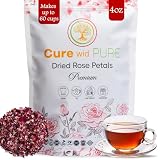
4. Steeping Rose Petals and Hibiscus for a Vibrant Botanical Decoction

Don’t forget to save this stunning ruby-red tea recipe to your favorite boards!
Steeping an organic, fruited herbal sun tea tutorial is all about visual appeal and tart flavor. By pairing dried hibiscus with delicate rose petals, you craft a stunning botanical decoction that acts as a natural, caffeine-free herbal extract. Because dried botanicals rely heavily on osmotic pressure, they respond beautifully to extended solar heat extraction.
Ingredients
- 1 glass-brewed safe mason jar (2-quart size)
- ¼ cup dried organic hibiscus flowers
- 2 tablespoons culinary-grade dried pink rose petals
- 2 quarts filtered water
- 2 tablespoons of liquid sweetener (agave or simple syrup)
Directions
- Inspect your dried hibiscus and rose petals to ensure they are strictly labeled “culinary grade” (never use florist roses, which contain toxic pesticides).
- Combine the dried botanicals in your sterilized jar.
- Fill with water, seal tight, and place in the hottest area of your yard to maximize solar heat.
- Monitor the steep; because dried hibiscus is dense, allow it to sit for the full 4-hour maximum to achieve a deep ruby color.
- Strain the liquid through a cheesecloth or fine mesh sieve to catch any tiny petal fragments.
- Stir in your liquid sweetener while the tea is still slightly warm from the sun, then chill immediately.
Pro-Tip: The tartness of hibiscus masks the subtle floral notes of rose. To balance the flavor profile, add a pinch of baking soda to the brewed tea—it neutralizes the extreme acidity and allows the delicate rose phytochemicals to shine through.
5. Diluting Green Tea and Peppermint for an Energizing Herbal Extract

Save this energizing afternoon pick-me-up to your recipe collection!
When comparing green tea vs sun tea traditions, combining classic tea leaves with garden herbs yields an incredible hybrid beverage. Using exactly 8 tea bags per gallon, you can brew a potent herbal extract that contains antioxidants and mild caffeine. By actively diluting this potent sun-steeped tea over ice, you create a perfectly balanced afternoon boost.
Ingredients
- 1-gallon glass mason jar
- 8 organic green tea bags (strings and paper tags removed)
- 1 large handful of fresh peppermint leaves
- 1 gallon of cold water
- Extra ice cubes for serving
Directions
- Remove the paper tags and strings from your tea bags; paper can disintegrate in the water and ruin the batch.
- Wash the peppermint leaves and roll them between your palms to gently bruise them.
- Place both the 8 tea bags and the peppermint into the clean glass jar.
- Pour the cold water in, secure the lid tightly to prevent outdoor bugs from entering, and place in the sun.
- Steep for just 2 to 3 hours. Green tea can release excess tannins and become bitter if left in the solar heat too long.
- Remove the tea bags and herbs, diluting with extra ice if the brew is too concentrated, and store in the refrigerator.
Pro-Tip: When comparing green tea vs sun tea made with black tea leaves, green tea performs vastly better in the sun. The lower thermal kinetics required to extract green tea makes it the safest and most flavorful choice for unheated brewing methods.

6. Chilling Lemon Verbena and Ginger for a Spicy Herb Water

Pin this zesty ginger and herb tea for an incredible digestive boost!
Properly chilling your botanicals halts extraction, which is critical when brewing a spicy herb water featuring ginger. Fresh ginger and lemon verbena create a robust tisane that naturally improves flavor and supports health. Because this natural brew relies on solar-powered extraction, proper ingredient preparation is vital to release the gingerol effectively.
Ingredients
- 1 glass carafe or mason jar
- ½ cup fresh lemon verbena leaves
- 2 inches of fresh ginger root, peeled and thinly sliced
- 2 quarts of filtered water
- Heavy-duty herb scissors (for quick leaf prep)
Directions
- Peel the ginger root entirely to remove dirt, then slice it paper-thin to maximize the surface area for extraction efficiency.
- Snip the lemon verbena leaves using herb scissors to rapidly break down the plant fibers.
- Layer the ginger and verbena at the bottom of the container.
- Submerge the ingredients in cold water, seal securely, and place outside in direct sunlight for 3 to 4 hours.
- Strain the liquid meticulously; ginger fibers can be woody and unpleasant to swallow.
- Chill the spicy herb water immediately to halt the extraction, as ginger will continue to grow spicier as it sits.
Pro-Tip: Because you are using unheated extraction, slicing the ginger thinly is non-negotiable. Thick chunks will not release their phytochemicals in the 4-hour safe-steeping window due to poor bio-availability.
7. Sweetening White Tea and Basil for a Refreshing Garden Infusion

Save this unique basil and white tea recipe to impress your summer guests!
Exploring the dynamic of white tea vs herbal blends opens the door to truly artisanal solar herbal tea recipes. By sweetening a delicate white loose leaf tea alongside savory culinary basil, you produce a highly sophisticated, nature-brewed drink. Utilizing heavy swing top glass bottles creates the perfect sterile environment for this elevated presentation.
Ingredients
- 2 glass swing-top bottles (32 oz each), strictly sanitized
- 4 tablespoons loose-leaf white tea (like Silver Needle)
- 10 fresh basil leaves (sweet basil or Thai basil)
- 2 quarts of filtered water
- ¼ cup light agave nectar for sweetening
Directions
- Divide the loose-leaf white tea evenly between the two clean glass bottles.
- Slap the basil leaves gently and divide them between the bottles.
- Fill the bottles with filtered water, leaving room at the top for the stopper.
- Lock the swing-top lids securely to ensure an airtight, bacteria-free seal.
- Brew in dappled sunlight rather than intense, direct sun. White tea is incredibly delicate and only requires 2 hours of solar-powered steeping.
- Filter the tea out, mix in the agave nectar until dissolved, and refrigerate until ice cold.
Pro-Tip: When exploring white tea vs herbal infusions, white tea requires the shortest steeping time. Its delicate flavor profile can easily be overpowered by the basil if left in the solar heat for the full 4 hours.

Sun Tea vs Cold Brew: Which Natural Method is Better?
While both methods are unheated, sun tea vs cold brew comes down to safety and speed. Sun tea uses solar heat to brew in 3-4 hours but risks bacterial growth in the 40°F-140°F danger zone. Cold brew takes 12-24 hours in the refrigerator but remains entirely safe from pathogens like Alcaligenes viscolactis.
Deciding between a solar vs stovetop or a cold water steep forces home brewers to weigh speed against absolute food safety. The sun tea method relies on rapid thermal extraction. The warm 130°F environment forcefully pulls out volatile oils and flavor compounds quickly. However, this same warmth is highly inviting to bacteria.
Conversely, cold brewing takes place inside a consistently cold 35°F refrigerator. While this bacteria-free safety profile brings total peace of mind, it dramatically slows down the extraction process. Cold brewing requires immense patience, often needing overnight steeping to match the flavor intensity of a 3-hour solar brew. Ultimately, if you adhere strictly to the 4-hour rule and use sanitized glass, sun tea remains an incredibly rewarding and traditional technique.
Key Takeaways: Your Quick Guide to Herbal Tea Outside
To ensure your herbal tea outside is both delicious and safe, always prioritize food safety protocols alongside flavor combinations. The success of your outdoor tea brewing relies heavily on managing the environment inside your jar.
Before you begin your next batch, quickly review these essential guidelines. The sun tea method is a fantastic summer activity, provided you respect the science of unheated extraction and bacterial prevention.
- Glass is Mandatory for Outdoor Brewing: Never use plastic containers; the solar heat causes plastic leaching, transferring dangerous plastic toxins into your sun tea.
- The 4-Hour Maximum Rule: Never leave your herbal tea outside for longer than four hours, as the lukewarm water temperature sits squarely in the bacterial danger zone.
- Prevent Alcaligenes viscolactis: This specific bacteria thrives in improperly steeped tea, causing a cloudy appearance and ropy texture; strict sanitization protocol prevents it.
- Delicate Herbs Extract Faster: When making garden iced tea with delicate botanicals like chamomile flowers or spearmint leaf, 2 to 3 hours is plenty to avoid a bitter taste.
- No Boiling Required for Green and White Teas: Because green tea vs sun tea logic dictates lower temperatures, solar-powered brewing prevents the scalded herbs flavor common with stovetop methods.
- Refrigeration is Non-Negotiable: Once your outdoor herb infusion is complete, immediately transfer it to the refrigerator to halt microbial activity and extend shelf life.
- Cold Brew is the Safest Alternative: If you cannot guarantee a sterile environment, swapping the sun tea method for a 12-hour refrigerator cold steep provides 100% pathogen prevention.
People Also Ask About Herbal Tea Outside
Addressing the lingering safety questions surrounding herbal tea outside empowers you to brew with confidence and clarity. Home brewers frequently share the same core concerns regarding bacterial risks and botanical safety.
By referencing FDA temperature guidelines and leaning on expert herbalist tips, we can clarify these common uncertainties. Here are the definitive answers to your most pressing outdoor brewing questions.
Is sun tea safe to drink?
Yes, sun tea is safe to drink only if you use thoroughly sterilized glass containers and limit the outdoor steeping time to a maximum of four hours.
Because the sun only heats the water to around 130°F, it does not reach the 195°F required to kill bacteria. Practicing strict sanitization protocol and refrigerating the tea immediately after bringing it inside prevents pathogenic bacteria from multiplying to dangerous levels.
How do you prevent bacteria in sun tea?
To prevent bacteria in sun tea, always start with a freshly sanitized glass jar, wash all herbs thoroughly, use purified water, and never steep for more than four hours.
The primary culprit in spoiled batches is Alcaligenes viscolactis. You can avoid this bacterial growth by ensuring your jar is airtight while outside, preventing bugs and ambient yeast from entering the sterile environment.
Why must you use glass for sun tea?
You must use glass for sun tea because the combination of UV rays and solar heat causes plastic containers to break down, resulting in plastic leaching directly into your beverage.
Furthermore, glass is non-porous, making it much easier to achieve total sterilization. Scratches in plastic pitchers harbor microscopic bacteria, which will rapidly multiply when left in the warm summer sun.
How long does brewed sun tea last?
Brewed sun tea lasts a maximum of 48 to 72 hours when stored continuously in the refrigerator.
Unlike commercially pasteurized beverages, your outdoor herb infusion is raw and unpreserved. If the tea develops a cloudy appearance, smells sour, or feels thick and ropy, discard it immediately as this indicates microbial activity.
Can you make sun tea with fresh herbs from the garden?
Yes, you can easily make sun tea with fresh herbs like spearmint, lemon balm, and basil, provided you wash them rigorously before use.
Fresh herbs contain high levels of volatile oils that extract beautifully via solar maceration. Just remember to gently bruise the leaves to improve extraction efficiency without causing a bitter taste.
Does sunlight kill bacteria in tea?
No, the sunlight and UV rays during the sun tea process are not intense enough to kill bacteria or act as solar pasteurization.
In fact, the sun acts as an incubator. It warms the water precisely into the FDA’s “danger zone” (40°F – 140°F), which is why strict time limits and food safety guidelines must be followed to ensure the brew remains safe.
How many tea bags for a gallon of sun tea?
The standard ratio is 8 tea bags per gallon of water for a perfectly balanced sun tea.
If you are using loose leaf herbal tea, substitute with about 1/2 to 3/4 cup of loose herbs per gallon, depending on how strong you prefer the flavor profile. You can adjust this ratio based on your personal preference after your first batch.
What is the difference between sun tea and cold brew?
The primary difference is temperature and time; sun tea uses solar heat to brew in 3-4 hours, while cold brew uses a refrigerator to steep safely over 12-24 hours.
When comparing sun tea vs cold brew, cold brewing is universally recognized by experts as the safer method for pathogen prevention, though sun brewing extracts slightly different phytochemicals and offers a nostalgic, traditional flavor.
Can sun tea sit out overnight?
No, herbal tea should never sit out overnight, as the extended time at room temperature guarantees unsafe levels of bacterial growth.
Once your 3 to 4 hours of outdoor tea steeping are up, the jar must be moved directly to the refrigerator. Leaving a botanical decoction out overnight will result in spoilage and potential foodborne illness.
Why is my sun tea cloudy?
A cloudy appearance in sun tea is the universal warning sign of bacterial contamination, specifically Alcaligenes viscolactis, and the tea must be thrown away immediately.
Cloudiness occurs when the tea was steeped too long, the jar wasn’t properly sterilized, or the tea was left in the fridge for too many days. Never attempt to boil or salvage cloudy tea; prioritize food safety and start a fresh batch.
Final Thoughts on Brewing Herbal Tea Outside
Brewing herbal tea outside is one of the most rewarding and nostalgic ways to utilize your summer garden. The magic of watching fresh botanicals slowly release their colors and flavors into a sunlit glass jar connects us deeply to the seasons and to the principles of sustainable living. Whether you are harvesting crisp spearmint or delicate rose petals, solar brewed herbal tea offers a uniquely gentle flavor profile that boiling water simply cannot replicate.
However, as we’ve explored, the romanticism of the natural sun tea method must always be balanced with modern food safety. By treating your tea making with the same care as any other culinary endeavor—using strictly sterilized glass containers, observing the four-hour time limit, and prioritizing aggressive chilling—you completely eliminate the risks associated with outdoor brewing. You are not just making a beverage; you are practicing safe, mindful phytotherapy right in your backyard.
Armed with these sun tea safety tips from experts and tested recipes, you are entirely ready to start experimenting with your own garden-fresh blends. You now possess the knowledge to avoid bacterial pitfalls while maximizing flavor extraction. What botanical combinations are you planning to steep in the sun this weekend? Let us know your favorite flavor profiles in the comments below!
Last update on 2026-10-16 / Affiliate links / Images from Amazon Product Advertising API
