
As an Amazon Associate CoffeeXplore.com earns from qualifying purchases.
Herbal Tea Cold Brew: 7 Safe, Refreshing Recipes for 2026
Craving a frosty glass of herbal tea cold brew on a sweltering summer afternoon? You might worry about bacteria risks when soaking raw botanicals without boiling water. Balancing delicious refreshment with strict food safety feels frustrating.
To safely make herbal tea cold brew, always steep your botanicals in the refrigerator rather than at room temperature to prevent bacterial growth. For extra safety with raw herbs, pour a small amount of boiling water over the leaves for three minutes to sanitize them before adding cold, filtered water. This simple hot bloom method guarantees a perfectly safe beverage.
Drawing from comprehensive food safety guidelines and proven culinary methodologies, we know exactly how botanicals react to cold water extraction. You will discover exactly how to craft perfectly safe, deliciously sweet iced drinks. Mastering these simple techniques guarantees refreshing, caffeine-free hydration without any bitter tannins.
Contents
show
Why Herbal Tea Cold Brew Is Your New Go-To Refreshment (And How to Make It Safely)
Steeping caffeine-free cold brew is the ultimate way to stay hydrated during October and beyond. Unlike traditional heat extraction, cold brewing herbal tea pulls out the natural sweetness of your botanicals while leaving the harsh, bitter tannins behind. However, you must address a critical safety concern before making your first batch of iced herbal tea. Because raw herbs, tisanes, and florals are not heat-treated like traditional green or black teas, they can harbor natural microbes from the soil.
According to food safety guidelines, steeping botanicals at room temperature creates a breeding ground for bacteria. To safely craft your drinks, always steep your glass pitcher in the refrigerator at temperatures below 40°F. By pairing this cold storage with a quick hot-water wash to sanitize your leaves, you ensure completely safe, delicious refreshment. Let’s explore the safest methods using high-quality ingredients and pure filtered water.
Herbal Tea Cold Brew: 7 Safe, Refreshing Recipes for 2026
Ready to transform your daily hydration with these safe herbal cold brew recipes? This curated collection delivers exactly seven foolproof formulas that guarantee a brilliantly safe and deeply flavorful result. Unlike generic guides that simply toss herbs into water, these exact recipes prioritize proper botanical pairing and strict safety preparation steps. From the essential hot-bloom method for dense roots to specific flavor-extraction techniques for delicate flowers, every homemade iced tisane below is perfectly balanced.
By utilizing a cold water infusion, you will extract stunning, vibrant colors and pure flavors without any harsh bitterness. Whether you are using a dedicated cold brew maker or a simple glass jar with a fine mesh strainer, these stunning drinks are designed to be beautiful enough to share. Let’s dive into the best cold brew herbal tea blends you can easily make at home.
1. Classic Mint & Lemon Balm Cold Brew

Pin this refreshing garden-to-glass recipe to your Summer Drinks board!
Making a fresh mint cold brew is incredibly rewarding, but pulling herbs straight from the garden requires careful preparation. To utilize fresh garden herbs safely in a cooling, digestion-friendly summer drink, you must aggressively wash them first. This critical step removes soil-borne pathogens before the cold steeping process begins. Creating a lemon balm herbal tea with fresh leaves delivers a bright, cooling effect that dried herbs simply cannot match. We will use a gentle muddling technique to release the essential botanical oils without unleashing bitter chlorophyll into your pitcher.
Ingredients
- 1 cup fresh organic mint leaves (firmly packed)
- 1/2 cup fresh organic lemon balm leaves
- 1 organic lemon, sliced into thin wheels
- 6 cups filtered cold water
- 1 high-quality glass pitcher with an infuser insert
Instructions
- Thoroughly wash the fresh mint and lemon balm under cold running water to remove any garden dirt or natural microbes.
- Place the clean herbs into the bottom of your pitcher or inside the infuser core.
- Gently muddle the leaves with a wooden spoon for exactly 10 seconds to bruise them and release their aromatic oils.
- Add the lemon wheels and pour the filtered cold water over the herbs.
- Seal the pitcher tightly and steep in the refrigerator for 8 to 12 hours.
- Strain out the herbs (or remove the infuser core) immediately after 12 hours to prevent the greens from breaking down and becoming bitter.
Pro-Tip: When cold brewing fresh herbs straight from the garden, always inspect the undersides of the leaves. Bruising the leaves gently is key—if you tear them to shreds, your tea will taste like lawn clippings instead of crisp mint.

2. Hibiscus & Mixed Berry Cold Brew Infusion

Save this gorgeous ruby-red iced tea recipe for your next summer gathering!
Crafting a visually stunning hibiscus cold brew tea gives you a naturally tart and fruity caffeine-free beverage that beautifully mimics fruit juice. Because dried hibiscus petals are often processed outdoors, we rely on a “flash bloom” safety method. A quick hot water wash ensures absolute food safety while kickstarting the extraction of its vivid red vitamin C-rich pigment. The cold brew process chemically reduces the plant’s natural astringency. Mixed berries provide lovely natural sweetness, creating a tart berry herbal infusion that requires drastically less added sugar than its hot-brewed equivalent.
Ingredients
- 1/4 cup organic dried hibiscus petals
- 1/2 cup fresh or frozen mixed berries (raspberries, blueberries, blackberries)
- 1/4 cup boiling water (for the safety bloom)
- 5 3/4 cups filtered cold water
- Optional: 2 tablespoons liquid sweetener (agave or simple syrup)
Instructions
- Place the organic dried hibiscus petals in the bottom of a heat-proof pitcher.
- Pour the 1/4 cup of boiling water over the petals and let them “bloom” for exactly 3 minutes. This critical step sanitizes the raw botanicals and begins releasing their deep ruby pigment.
- Add the mixed berries to the pitcher, lightly pressing a few of them against the glass to release their juices.
- Top the pitcher with the filtered cold water and stir well.
- Cover tightly and place in the refrigerator for 12 to 14 hours.
- Strain the liquid through a fine-mesh sieve into a clean pitcher, discarding the solids, and serve over ice.
Pro-Tip: Hibiscus is naturally very tart. By cold brewing it, you extract the bright, fruity top notes without pulling out the harsh, mouth-puckering tannins that hot water extracts, resulting in a perfectly smooth sip!

3. Peach & Chamomile Cold Brew

Pin this calming, naturally sweet peach tea for your relaxing weekend afternoons!
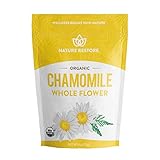
When you need a gentle, soothing, kid-friendly iced tea, this chamomile cold brew is the ultimate calming summer drink. Chamomile flowers provide soft floral notes and profound relaxation, while fresh peaches deliver robust aromatic fructose sweetness. This pairing creates a beautifully balanced, low-acid beverage. To achieve a crystal-clear peach herbal iced tea, it is vital to select whole-flower chamomile rather than crushed tea dust. Utilizing whole flowers prevents the final liquid from becoming muddy, cloudy, and overly earthy during the long cold steeping phase.
Ingredients
- 3 tablespoons organic whole flower chamomile
- 2 ripe peaches, pitted and sliced
- 1/4 cup boiling water (for the safety bloom)
- 6 cups filtered cold water
- 1 large glass cold brew pitcher
Instructions
- Place the whole flower chamomile into your pitcher and pour the boiling water over them. Let sit for 3 minutes to sanitize the flowers and hydrate the petals.
- Add the freshly sliced peaches directly into the bloomed chamomile mixture.
- Pour the filtered cold water over the fruit and flowers.
- Stir gently to combine, ensuring all the chamomile flowers are submerged.
- Cover and steep in the refrigerator for 8 to 10 hours. (Do not exceed 10 hours, as peach skins can begin to impart a bitter flavor if left too long).
- Strain completely and serve chilled.
Pro-Tip: Always use whole-flower chamomile for cold brewing. The tiny particles in standard chamomile tea bags can slip through cold brew filters, leaving a gritty texture and an overly earthy, dusty flavor in your final drink.
4. Ginger, Turmeric & Citrus Cold Brew

Save this powerful, immune-boosting cold brew recipe to your wellness boards!
Creating a functional, health-focused cold brew requires extracting the anti-inflammatory properties of dense roots without using aggressive boiling heat. This turmeric herbal infusion delivers exactly that. Cold steeping roots requires significantly more surface area exposure than delicate leaves, meaning you must slice your ginger and turmeric incredibly thin. By adding a crucial pinch of black pepper, you biologically increase the bioavailability of the turmeric’s curcumin. This immune boosting iced tea offers a spicy, zesty profile without the intense, fiery throat-burn often associated with hot-brewed ginger.
Ingredients
- 2 inches fresh ginger root, scrubbed and sliced paper-thin
- 1 inch fresh turmeric root, thinly sliced (or 1 tsp dried organic turmeric chips)
- 1 large orange, thoroughly washed and sliced
- 1 pinch of cracked black pepper (essential for turmeric absorption)
- 6 cups filtered cold water
- An ultra-fine mesh stainless steel strainer
Instructions
- Prepare your roots. Because cold water extracts flavors slower than hot water, slicing the ginger and turmeric as thin as possible (or grating them) maximizes the surface area for a stronger brew.
- Place the ginger, turmeric, orange slices, and black pepper into the pitcher.
- Pour the filtered cold water over the ingredients.
- Cover tightly and refrigerate. Roots take longer to infuse, so allow this blend to cold brew for 14 to 16 hours.
- Pour the mixture through an ultra-fine mesh stainless steel strainer to catch all fibrous root bits and pepper grains.
- Keep refrigerated and consume within 3 days.
Pro-Tip: Cold brewing ginger creates a much smoother, less “spicy-hot” flavor profile than boiling it. It extracts the bright, zesty citrus notes of the ginger root without the harsh, fiery burn, making it incredibly refreshing!

5. Lavender & Rose Iced Herbal Tea

Pin this elegant floral cold brew for your next spring brunch or bridal shower!
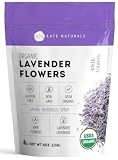
Crafting an aesthetically pleasing floral herbal infusion often comes with a major core pain point: it accidentally tastes like perfume or hand soap. Cold brewing is the absolute secret to creating a perfect lavender cold brew tea. Hot water rapidly over-extracts bitter floral oils, but cold water gently coaxes out the delicate sweetness of the rose petal iced tea. It is an absolute safety necessity to source “culinary grade florals” for this recipe. Ornamental flowers sold at florist shops are treated with toxic pesticides and are never safe for human consumption.
Ingredients
- 1 tablespoon organic culinary grade lavender buds
- 2 tablespoons organic food-grade dried rose petals
- 1/4 cup boiling water (for the safety bloom)
- 5 3/4 cups filtered cold water
- 1 teaspoon vanilla extract (rounds out the floral notes)
Instructions
- Verify that your florals are strictly marked as “culinary grade” or “food safe.”
- Place the lavender buds and rose petals into your pitcher.
- Pour the boiling water over the flowers and steep for exactly 2 minutes to sanitize the petals and soften them.
- Add the vanilla extract, then immediately pour in the filtered cold water to stop the hot extraction process.
- Cover and refrigerate. Floral teas extract very quickly, even in cold water. Steep for only 6 to 8 hours.
- Strain completely through a fine mesh filter. If left longer, the lavender will become bitter and soapy.
Pro-Tip: If your floral cold brew ever tastes like perfume or soap, you either used too much lavender or steeped it for too long. Stick strictly to 1 tablespoon of lavender per 6 cups of water for a delicate, perfect balance.
6. Lemongrass & Pineapple Cold Brew

Save this tropical cold brew recipe to instantly transport yourself to the beach!
When you want a fun, fruit-forward mocktail alternative without artificial syrups, this lemongrass cold brew is the perfect tropical tisane. Lemongrass provides a bright citrus and herbal base, while cold steeping fruit like pineapple delivers natural bromelain and exceptional tropical sweetness. Because cold infusion beautifully marries these flavors without breaking down the fruit’s fragile enzymes, the drink remains incredibly crisp. However, lemongrass oils are trapped deep within tough, fibrous layers. You must properly prep the fresh stalks by physically smashing them so the cold water can actually penetrate and extract the flavor.
Ingredients
- 1/4 cup organic dried lemongrass (or 2 fresh stalks, aggressively bruised/smashed)
- 1 cup fresh pineapple chunks (very ripe)
- 1/4 cup boiling water (if using dried lemongrass)
- 6 cups filtered cold water
- Optional: A sprig of fresh mint for garnish
Instructions
- If using dried lemongrass, place it in the pitcher and pour the boiling water over it for a 3-minute safety bloom. If using fresh stalks, wash them thoroughly, trim the hard ends, and aggressively smash them with the back of a knife or a rolling pin to expose the inner oils.
- Add the ripe pineapple chunks to the pitcher.
- Pour the filtered cold water over the fruit and herbs.
- Stir vigorously to help the pineapple juices begin mingling with the water.
- Cover tightly and let it cold brew in the refrigerator for 10 to 12 hours.
- Strain the liquid to remove the fibrous lemongrass pieces and serve over ice. (You can eat the pineapple chunks!)
Pro-Tip: Ensure your pineapple is incredibly ripe—almost overripe. Cold water doesn’t extract fruit sugars as efficiently as hot water, so using the sweetest, softest fruit possible guarantees a flavorful brew.

7. Rooibos & Vanilla Cold Brew

Pin this decadent, caffeine-free iced tea latte alternative for your afternoon cravings!
Finding a robust, full-bodied beverage that stands up to milk and creamer without containing a drop of caffeine is challenging. This cold brew rooibos tea serves as the ultimate caffeine-free iced latte base. The red bush provides a deeply earthy, nutty foundation, while the vanilla enhances the perceived sweetness. This specific combination brilliantly mimics a traditional black tea body. However, preparing loose leaf rooibos presents a unique mechanical challenge. Its needle-like leaves are exceptionally fine and will easily escape standard mesh strainers, requiring you to use ultra-fine paper filters or dedicated brewing bags.
Ingredients
- 1/3 cup organic loose leaf rooibos tea
- 1 whole vanilla bean, split down the middle (or 1 tsp pure vanilla extract)
- 1/4 cup boiling water (for the safety bloom)
- 6 cups filtered cold water
- 1 large disposable or reusable ultra-fine tea filter bag
Instructions
- Place the loose leaf rooibos inside your ultra-fine filter bag and tie it securely. (Rooibos leaves are incredibly tiny and will escape standard mesh strainers).
- Place the tea bag into your pitcher and pour the boiling water directly over it for a 3-minute safety bloom.
- Drop the split vanilla bean into the pitcher alongside the tea bag.
- Pour the filtered cold water over the ingredients.
- Cover tightly and steep in the refrigerator for a full 12 to 14 hours. Rooibos takes well to long steeps and will not become bitter.
- Remove the tea bag and vanilla bean, and serve chilled. It pairs beautifully with a splash of oat milk or cream!
Pro-Tip: Rooibos is naturally free of tannins, meaning it is scientifically impossible for it to become bitter, no matter how long you cold steep it! You can safely leave the leaves in the water for up to 24 hours for a richer, bolder flavor.

Key Takeaways: Your Quick Guide to Herbal Tea Cold Brew
After exploring these diverse flavor profiles, you might need a fast, highly scannable summary to reference right before you begin making your tea. Remembering the most critical safety steps, exact botanical ratios, and optimal extraction times ensures your final beverage is both safe and delicious.
By synthesizing the complex safety protocols and botanical science we covered above into clear, actionable rules, you can approach any new cold-steeping experiment with total confidence. The key insights below represent the core foundation of safe cold brew methods. Keep these five essential rules in mind to guarantee perfect flavor extraction every time you fill your pitcher.
Key Takeaways:
- Always Brew in the Fridge for Safety: – Unlike boiling water, room temperature water can act as a breeding ground for bacteria on raw botanicals. Always do your herbal tea cold brew steeping in the refrigerator.
-
Utilize the “Safety Bloom” Method: – Pouring a tiny amount of boiling water over dried herbs for 3 minutes before adding cold water sanitizes the leaves and kickstarts the flavor extraction process.
-
Adjust Times Based on the Botanical: – Delicate florals (chamomile, lavender) need only 6-8 hours, while dense roots (ginger, turmeric) and barks require 12-16 hours of cold steeping to release their full flavors.
-
Enjoy Naturally Sweeter, Less Bitter Tea: – Cold water extracts the aromatic oils and natural sugars from herbs without pulling out the harsh, astringent tannins, resulting in a much smoother beverage.
-
Use the Right Filtration: – Because cold brewing requires longer contact time, use high-quality glass pitchers and ultra-fine mesh strainers to prevent tiny particles from over-extracting and ruining your drink’s texture.
FAQs About Herbal Tea Cold Brew
Even after reviewing the exact recipes and safety summaries, you might still have a few specific logistical uncertainties before attempting your first batch. Beginners often face common misunderstandings regarding standard tea bags, exact extraction limits, and equipment requirements.
We have gathered the most frequently asked questions about cold brewing tea to provide definitive, scientifically accurate answers. By fully understanding the practicalities of tannin extraction and food safety standards, you can confidently resolve any lingering concerns and start steeping safely today.
Can I steep herbal tea with cold water?
Yes, you can steep herbal tea with cold water, but it requires a longer steeping time and specific safety precautions.
Because cold water does not kill bacteria like boiling water does, it is highly recommended to do a quick 3-minute “hot bloom” with a splash of boiling water to sanitize the herbs, followed by cold water, and steeping entirely in the refrigerator rather than at room temperature.
How long should you cold brew herbal tea?
Herbal tea should generally be cold-brewed in the refrigerator for 8 to 12 hours.
However, the exact time depends on the plant material. Delicate flowers like chamomile or lavender only need 6 to 8 hours, leafy herbs like mint need 8 to 10 hours, and dense roots like ginger or turmeric may need 12 to 16 hours for full flavor extraction.
Is cold brew herbal tea safe to drink?
Cold brew herbal tea is perfectly safe to drink if it is brewed in the refrigerator and consumed within 3 days.
Because herbal teas are botanicals that haven’t always undergone a heat-kill step during manufacturing, brewing them in room-temperature sun teas can encourage microbial growth. Keeping the water below 40°F in the fridge ensures it remains perfectly safe.
Can you use regular herbal tea bags for cold brew?
Yes, you can use regular herbal tea bags to make cold brew tea.
Simply place 3 to 4 standard herbal tea bags into a pitcher, add 4 cups of cold filtered water, and let it steep in the fridge overnight. Just be aware that the fine dust inside commercial tea bags may make the final liquid slightly cloudier than using whole loose-leaf herbs.
Does cold brewing herbal tea reduce bitterness?
Yes, cold brewing significantly reduces the bitterness in herbal teas.
Cold water extracts flavor compounds differently than hot water. It pulls out the aromatic essential oils and natural sweetness of the botanicals but leaves behind the harsh, bitter tannins and astringent compounds that are typically released at high temperatures.
Do you need a special pitcher to cold brew tea?
No, you do not need a special pitcher, though a glass pitcher with a built-in infuser makes the process much easier.
Any large glass jar, like a standard Mason jar, works perfectly. You simply need a vessel with a tight-fitting lid to keep out fridge odors, and a fine mesh strainer to pour the tea through when serving.
Can I leave cold brew herbal tea steeping for 24 hours?
It depends on the ingredients, but generally, steeping beyond 16 hours is not recommended for most herbs.
While some ingredients like Rooibos won’t turn bitter after 24 hours, leaving fresh fruits, citrus peels, or delicate florals in water for that long can cause them to break down, become mushy, and impart a soapy or overly earthy taste to your tea.
How much loose herbal tea should I use for cold brew?
A standard ratio for cold brewing herbal tea is 1 to 2 tablespoons of loose leaf botanicals per 1 cup of cold water.
Because cold water extracts flavor less aggressively than hot water, you generally need to use about 1.5 times more loose-leaf tea than you would if you were brewing a standard hot cup of tea.
How long does homemade cold brew herbal tea last in the fridge?
Properly strained homemade cold brew herbal tea will last for 3 to 4 days in the refrigerator.
To maximize its shelf life, ensure you remove all the botanical matter and fruit pieces after the initial steeping time. Leaving the wet leaves in the liquid will cause it to spoil much faster and degrade the flavor.
Do I need to add sugar to cold brew herbal tea?
No, you often do not need to add sugar because cold brewing naturally highlights the sweet profile of the herbs.
Without the bitter tannins present in hot tea, the natural sweetness of ingredients like hibiscus, fruit pieces, and chamomile shines through. If you do want it sweeter, liquid sweeteners like simple syrup or agave mix best into cold liquids.
Final Thoughts on Herbal Tea Cold Brew
Mastering the art of herbal tea cold brew completely transforms how you hydrate during the warmer months. By stepping away from the kettle and utilizing the gentle, slow extraction of cold water, you unlock incredibly smooth, naturally sweet, and vibrant flavor profiles that hot water simply destroys. Whether you are craving the tart ruby refreshment of a hibiscus berry blend or the soothing, spa-like calm of peach and chamomile, cold steeping yields a superior, zero-bitterness beverage.
More importantly, by following the safety protocols outlined in these recipes—specifically utilizing the refrigerator for steeping and applying the 3-minute boiling water “safety bloom” to your raw botanicals—you protect yourself and your family from the hidden bacterial risks of raw herbs. You now have the culinary science knowledge to brew safely and deliciously.
The beauty of cold brewing botanicals is that the flavor combinations are truly endless. Once you master these base recipes, you can start experimenting with your own garden herbs, leftover fruit slices, and favorite loose-leaf blends. Have you tried cold steeping a unique herbal combination that completely surprised you? Let us know your favorite custom blend in the comments below!
Last update on 2026-10-09 / Affiliate links / Images from Amazon Product Advertising API
