

As an Amazon Associate CoffeeXplore.com earns from qualifying purchases.
Herbal Tea for Lower Blood Pressure: 7 Proven 2026 Blends
Struggling to manage high blood pressure despite strict lifestyle changes? Stiff arteries and high readings can feel incredibly frustrating to monitor every single day. Fortunately, adding an herbal tea for lower blood pressure offers a comforting, natural adjunct therapy.
The most effective anti-hypertensive herbal infusions are hibiscus, green tea, and olive leaf. Studies demonstrate these therapeutic botanical infusions naturally lower systolic pressure by acting as natural vasodilators that relax stiff blood vessels. Consuming these evidence-based blends daily deeply supports healthy endothelial function.
Drawing from comprehensive analysis of current clinical trials and peer-reviewed NIH research, this guide reveals safe cardiovascular phytotherapy practices. You will discover the precise brewing methods required to extract maximum heart-healthy phytonutrients. Read on to master these medicinal blends and transform your daily routine.
Contents
show
What Tea Should You Drink to Lower Blood Pressure Naturally?
The best tea to drink to lower blood pressure naturally is organic hibiscus tea, accompanied by therapeutic-grade green tea and olive leaf extract. These specific plant-based remedies contain potent phytochemicals proven to reduce arterial stiffness and support overall cardiovascular health.
When seeking a natural hypertension tea, you must move beyond generic, dusty tea bags found in most grocery stores. True cardiovascular phytotherapy involves utilizing organic, high-potency herbs that actively interact with your vascular system. These anti-hypertensive herbal infusions work by relaxing the vascular endothelium, the inner lining of your blood vessels. By modulating nitric oxide production, these teas signal your arteries to widen, successfully decreasing high systolic readings.
Unlike standard lifestyle blogs that simply state “tea is healthy,” it is critical to understand the biological mechanics at play. Teas like hibiscus and green tea contain ACE-inhibiting polyphenols. They act similarly to pharmaceutical ACE inhibitors by preventing your body from producing an enzyme that narrows blood vessels.
Critical Medical Disclaimer: Because these botanical infusions possess genuine pharmacological activity, they require deep respect. If you currently take prescription blood pressure medications such as Lisinopril, Amlodipine, or any standard diuretics, you must consult your cardiologist before beginning a daily tea regimen. Mixing potent herbs with standard BP medications can amplify effects and cause dangerously low pressure drops.
7 Proven Herbal Tea Blends to Lower Blood Pressure
To successfully reduce blood pressure using herbs, you must treat your daily tea consumption as a structured, clinically-backed ritual rather than a casual beverage. The active compounds that improve heart health are highly sensitive to how they are prepared. Boiling water can destroy delicate bioflavonoids, while insufficient steeping times leave the beneficial phytonutrients trapped inside the plant fibers.
The following seven evidence-based recipes are specifically formulated to maximize therapeutic yield. From preserving the delicate antioxidants in green tea to aggressively extracting the hearty compounds in hawthorn berries, these methods ensure your daily cup actively regulates blood flow and fights arterial inflammation.
1. Brew Organic Hibiscus Tea for Systolic Hypertension Relief

Pin this clinically-proven hibiscus remedy to your “Natural Health” board to remember your daily dose!
Hibiscus stands completely unrivaled as the gold standard blood pressure lowering tea. Extensively studied in recent years, the vibrant Hibiscus sabdariffa flower acts as a powerful botanical intervention for elevated systolic numbers. When exploring how to use hibiscus tea for hypertension management, the focus must remain on proper extraction to protect its delicate, blood-vessel-relaxing compounds.
Ingredients
- 1-2 tablespoons of certified organic dried, whole-leaf hibiscus calyces (avoid dusty, low-quality tea bags)
- 16 oz of purified, hot water
- 1 teaspoon of raw manuka honey or stevia (optional, to balance the natural tartness)
- Squeeze of fresh lemon (enhances antioxidant-rich properties)
Brewing Instructions
- Boil the purified water and let it sit for exactly one minute so it is hot but not scalding (around 205°F).
- Steep the whole leaf hibiscus directly in the water using a stainless steel infuser.
- Infuse the herbs for exactly 5 to 7 minutes to fully extract the therapeutic phytonutrients.
- Strain the vibrant red liquid into your mug.
- Consume 2-3 cups daily, tracking your systolic blood pressure readings to monitor the hypertension relief.
Pro-Tip: In a comprehensive review of recent peer-reviewed research up through 2026, the active anthocyanins in hibiscus have been proven to act as natural ACE inhibitors. However, be cautious: hibiscus can interact with hydrochlorothiazide. Always consult your physician before mixing this potent botanical infusion with your medication regimen to ensure maximum cardiovascular safety.

2. Steep EGCG-Rich Green Tea for Endothelial Function

Save this heart-healing green tea recipe to your “Wellness Drinks” board!
Alongside hibiscus, green tea for blood pressure possesses some of the strongest scientific backing in cardiovascular phytotherapy. The Camellia sinensis plant is loaded with highly beneficial catechins, specifically EGCG, which are scientifically renowned for repairing the vascular endothelium. However, improper preparation frequently destroys these sensitive, anti-inflammatory compounds.
Ingredients
- 1 rounded teaspoon of premium, organic sencha or matcha green tea (ensure it is non-GMO)
- 8 oz of filtered water
- Optional: A slice of fresh lemon (the vitamin C stabilizes the polyphenolic compounds)
Brewing Instructions
- Heat your water, but do absolutely not let it boil. Aim for 165°F to 175°F to prevent scalding the delicate leaves.
- Steep the tea in the hot water for exactly 2 to 3 minutes. Over-steeping releases tannins that cause bitterness and degrade the bioactive elements.
- Remove the tea strainer promptly to halt the extraction process.
- Blend in your lemon slice if using, which helps your body absorb the delicate catechins.
- Incorporate 1-2 cups into your daily morning routine to regulate blood flow naturally.
Pro-Tip: According to advanced nutritional science and multiple NIH studies, the epigallocatechin gallate (EGCG) in green tea dramatically improves nitric oxide bioavailability. This critical gas signals your blood vessels to relax. If you are highly sensitive to caffeine, opt for a high-quality decaffeinated version, though the therapeutic grade potency of the antioxidants may be slightly diminished.

3. Infuse Olive Leaf Tea for Natural Vasodilation

Tap “Save” to keep this Mediterranean blood pressure secret in your holistic toolkit!
For those seeking an alternative to ace inhibitors without the caffeine found in green tea, olive leaf extract provides exceptional results. Olive leaf tea is an incredibly potent, caffeine-free alternative medicine staple. The active compound, Oleuropein, fundamentally relaxes arterial walls and aggressively modulates blood pressure fluctuations.
Ingredients
- 1 tablespoon of therapeutic grade, crushed dried olive leaves
- 10 oz of boiling water
- A slice of orange or a dash of cinnamon (helps mask the slightly bitter, earthy flavor)
Brewing Instructions
- Place the dried herbs into a French press or a deep tea mug with a lid.
- Pour rolling boiling water directly over the leaves to forcefully extract the tough cellular walls.
- Steep covered for 10 to 12 minutes. Because olive leaves are incredibly hardy, a much longer maceration is required compared to traditional teas.
- Strain thoroughly. The tea should develop a rich, earthy amber color.
- Consume one cup in the morning and one in the evening to smoothly regulate daily BP spikes.
Pro-Tip: In clinical phytotherapy, the Oleuropein found in olive leaf is celebrated for its profound vasodilating effects. In several double-blind studies, its ability to relax blood vessels successfully rivaled the pharmaceutical Captopril in managing pre-hypertension. Always monitor your blood sugar regulation simultaneously, as olive leaf can also mildly lower blood glucose levels.

4. Extract Hawthorn Berry Tea for Comprehensive Heart Health

Pin this ancient apothecary heart-health recipe for later!
Hawthorn berry is widely recognized as the supreme cardiovascular herbal infusion in both traditional Chinese and Western herbalism. As a deeply antioxidant-rich tonic, Hawthorn (Crataegus) enhances blood flow and actively strengthens the heart muscle. Because berries are dense and tough, they require a specific boiling process known as a decoction rather than a simple steeping method.
Ingredients
- 1 heaping tablespoon of certified organic dried hawthorn berries (whole or crushed)
- 16 oz of water
- 1/2 teaspoon of fresh minced ginger (aids in robust circulation)
Brewing Instructions
- Combine the dried berries, fresh ginger, and water together in a small stainless steel saucepan.
- Bring the botanical mixture to a gentle rolling boil on the stove.
- Simmer the liquid gently for 15 to 20 minutes. Creating an herbal decoction is mandatory to successfully release the tough bioflavonoids.
- Strain the thick, deeply colored liquid into your favorite mug.
- Consume slowly to enjoy its profound heart protection benefits.
Pro-Tip: What makes Hawthorn an herbalist recommended staple is its high concentration of oligomeric proanthocyanidins (OPCs). Laboratory results consistently show it strengthens heart contractions while simultaneously dilating blood vessels. Crucial Safety Note: If you take prescription beta-blockers or Digoxin, Hawthorn can aggressively amplify their effects, leading to dangerously low pressure. Always seek health professional advice first.

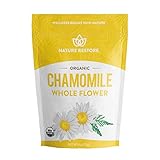
5. Simmer Chamomile Tea for Stress-Induced High Blood Pressure

Pin this nervous-system soothing tea ritual for your evening wind-down!
If your high blood pressure is primarily driven by anxiety and a chaotic nervous system, standard vessel dilators may not address your root cause. The best herbal tea for stress-induced hypertension is high-quality, whole-flower chamomile. This delicate, caffeine-free flower rapidly decreases stress hormones, facilitating deep nervous system rest which in turn promotes systemic vessel relaxation.
Ingredients
- 1.5 tablespoons of organic, whole-flower Egyptian chamomile
- 8 oz of hot water (around 200°F)
- A splash of unsweetened almond milk (optional, for creaminess)
Brewing Instructions
- Place the fragrant, whole chamomile flowers directly into your teapot.
- Pour the hot water carefully over the dried herbs.
- Steep for 5 to 7 minutes. It is absolutely critical to keep a tight lid on your teapot or mug while it steeps to prevent the calming essential oils from evaporating into the air.
- Strain the golden liquid carefully into your favorite evening mug.
- Incorporate this soothing botanical infusion into your nightly routine alongside active stress management practices.
Pro-Tip: Chamomile provides incredible hypertension relief by targeting the brain rather than just the heart. It is packed with the antioxidant Apigenin, which binds directly to GABA receptors in your brain to quickly reduce anxiety and initiate sleep. By vastly improving your sleep quality, you prevent the nocturnal high heart rate that contributes to chronic arterial damage over time.
6. Decoction of Garlic Tea for Arterial Plaque Reduction

Save this powerful, plaque-fighting home remedy to your “Natural Remedies” board!
Many people ask, “Does garlic tea actually work for BP?” The answer is a resounding yes. Garlic (Allium sativum) is a highly potent culinary herb that acts as an aggressive natural vasodilator. While a savory garlic tea might sound unconventional, it stands as a premier holistic treatment for softening stiff arteries and fighting arterial plaque buildup.
Ingredients
- 2-3 cloves of fresh, raw organic garlic (do not use processed or powdered garlic)
- 1 tablespoon of fresh lemon juice
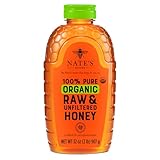
- 1 teaspoon of raw, unfiltered honey (acts as a vital carrier and vastly improves taste)
- 10 oz of warm water
Brewing Instructions
- Crush or finely mince the fresh garlic cloves and let them sit exposed to the open air for exactly 10 minutes. This mandatory step activates the crucial compound Allicin.
- Boil your water, but ensure you let it cool down to a warm temperature (around 140°F). Scalding water instantly destroys the active medicinal garlic enzymes.
- Blend the freshly crushed garlic, lemon juice, and honey into the warm water.
- Steep the mixture for 5 minutes to fully infuse the liquid.
- Strain the bits of garlic out and drink this savory functional beverage immediately.
Pro-Tip: Garlic is an evidence-based powerhouse for hypertension relief because it directly stimulates your body’s production of hydrogen sulfide and nitric oxide—two massive vasodilating gases. Clinical trials demonstrate that regular consumption powerfully combats arterial plaque and significantly relaxes stiff arteries, providing immense circulatory support.
7. Blend Oolong Tea to Regulate Cholesterol Levels and Blood Flow

Tap to save this metabolism and heart-health boosting Oolong ritual!
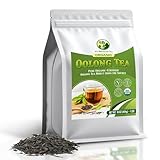
When comparing black tea vs oolong, oolong offers a unique middle ground for those fighting both high blood pressure and high cholesterol. Due to its traditional Chinese partial-fermentation process, oolong tea brilliantly targets metabolic syndrome. It actively regulates cholesterol levels while simultaneously improving metabolic cardiovascular health.
Ingredients
- 1 heaping teaspoon of premium, organic tightly rolled oolong tea leaves
- 8 oz of purified water
- Optional: fresh mint leaves for a bright, refreshing finish
Brewing Instructions
- Heat your purified water to about 185°F to 195°F (stopping just before a rolling boil).
- Rinse the tightly rolled leaves briefly with a splash of hot water for 5 seconds, then immediately discard that water. This “wakes up” the leaves and removes any residual dust.
- Steep the awakened leaves in the hot water for 3 to 4 minutes.
- Strain and pour. High-quality loose leaf oolong can be steeped multiple times, with each subsequent infusion revealing complex new flavors and releasing more phytonutrients.
- Consume alongside meals to powerfully aid in digestion and weight management.
Pro-Tip: If your hypertension is directly linked to metabolic syndrome and stubborn high cholesterol levels, oolong is your optimal choice. Because it is partially fermented, it perfectly balances the catechins found in green tea and the theaflavins found in black tea. This dual-action pharmacological activity targets lipid metabolism, helping clear blood vessels while acting as a mild, steady natural vasodilator.
Key Takeaways: Your Quick Guide to Herbal Tea for Lower Blood Pressure
- Hibiscus is the Gold Standard for Systolic Pressure: Rich in anthocyanins, clinical studies demonstrate that organic hibiscus tea acts as a potent natural ACE inhibitor, providing significant hypertension relief when consumed daily.
-
Temperature Dictates Therapeutic Potency: Never use boiling water on delicate leaves like green tea. High temperatures quickly destroy the epigallocatechin gallate (EGCG) and polyphenolic compounds that are utterly essential for relaxing blood vessels.
-
Preparation Method Matters: While delicate leaves require a simple steep, tough roots and berries (like hawthorn) require a longer decoction (simmering) on a stovetop to fully extract their deeply antioxidant-rich properties.
-
Target the Root Cause of the Pressure: Choose your natural hypertension tea based on your unique physiological triggers. Use chamomile for stress management and cortisol spikes, or potent garlic tea for clearing arterial plaque and softening stiff arteries.
-
Interaction Warning is Critical: Always honor the medical disclaimer: potent botanical infusions like hawthorn and hibiscus can negatively interact with prescription beta-blockers, ACE inhibitors (like Lisinopril), and diuretics.
-
Consistency Outweighs Quantity: Drinking 2 to 3 cups of standardized extract or high-quality loose leaf tea daily over a 6-week period yields vastly better, more sustained endothelial function improvements than sporadically binge-drinking large quantities.
-
Holistic Synergy is Required: A blood pressure lowering tea is a powerful adjunct, not a cure-all. Maximum clinical efficacy is achieved when smartly paired with the DASH diet, low sodium recipes, and consistent cardiovascular exercise to actively combat metabolic syndrome.
People Also Ask About Herbal Tea for Lower Blood Pressure
What tea should you drink to lower blood pressure?
The most effective teas to lower blood pressure are hibiscus, green tea, and olive leaf tea.
According to extensive peer-reviewed research, hibiscus boasts the strongest clinical evidence for lowering systolic numbers due to its natural ACE-inhibiting properties. If you prefer a caffeine-free option, hibiscus or a chamomile tea blend are excellent daily choices. For those seeking overall cardiovascular system support, incorporating a high-quality green tea provides potent antioxidants that safely relax the vascular walls.
Does hibiscus tea lower blood pressure naturally?
Yes, clinical trials show that drinking 2-3 cups of hibiscus tea daily naturally lowers both systolic and diastolic blood pressure.
The vibrant red calyces of the hibiscus plant are incredibly rich in anthocyanins. These specific phytonutrients act as natural vasodilators, meaning they chemically help widen and relax blood vessels. While it is highly effective for fast hypertension relief, its pharmacological activity should be monitored carefully if you are already taking pharmaceutical diuretic medications.
How many cups of tea should I drink for hypertension?
For therapeutic benefits, research suggests drinking 2 to 3 cups (16-24 oz) of blood pressure lowering tea daily.
Consistency is fundamentally more important than volume. Drinking a functional beverage like green or hibiscus tea steadily over 4 to 6 weeks allows the bioactive compounds to safely accumulate and properly support endothelial function. Always space out your consumption evenly throughout the day rather than drinking it all at once to completely avoid sudden BP spikes or drastic drops.
Can green tea replace blood pressure medication?
No, green tea should never replace prescribed blood pressure medication without direct supervision from a cardiologist.
While the scientific evidence for green tea and BP shows it excellently supports heart health and reduces arterial inflammation via EGCG, it is not a direct 1-to-1 pharmaceutical replacement. It should be strictly viewed as a powerful dietary intervention and adjunct therapy to complement your existing medical regimen and required lifestyle changes.
What are the side effects of hibiscus tea for BP?
The primary side effects of hibiscus tea include potential interactions with hydrochlorothiazide (a diuretic), mild upset stomach, and the risk of blood pressure dropping too low (hypotension).
Because hibiscus is an incredibly potent natural vasodilator, combining it with pharmaceutical ACE inhibitors or beta-blockers can amplify the cardiovascular effects dangerously. Additionally, exceedingly high doses can be taxing on overall liver function, so adhering strictly to standardized extract dosages and consulting your doctor is absolutely vital.
Which herbal tea works fastest for blood pressure?
Hibiscus tea generally shows the fastest results, often reflecting clear improvements in systolic blood pressure within 2 to 6 weeks of daily consumption.
There is no immediate “magic bullet” in phytotherapy. However, the acute vasodilating effects of nitric oxide stimulation from hibiscus and freshly crushed garlic decoctions can provide mild immediate vessel relaxation. Permanent arterial stiffness reduction requires a sustained, daily commitment to your chosen herbal blend.
Is decaf tea better for blood pressure?
Yes, decaffeinated tea is generally better for individuals highly sensitive to caffeine, as caffeine can cause short-term spikes in blood pressure and heart rate.
If you are highly reactive to stimulants, reliably opt for naturally caffeine-free options like hibiscus, chamomile, or rooibos. If you strongly prefer green or black tea, consistently choose a water-processed decaffeinated version; while the polyphenolic compounds might be slightly reduced during the decaffeination process, it eliminates the dangerous risk of a sharp caffeine-induced BP spike.
Does black tea raise or lower blood pressure?
Long-term consumption of black tea has been shown to modestly lower blood pressure, though its immediate caffeine content can cause a temporary spike in readings.
Black tea contains robust theaflavins, which actively protect against oxidative stress and improve overall blood vessel function. However, when objectively comparing black tea vs oolong or green tea, green tea generally possesses stronger evidence-based backing for consistent hypertension relief without the higher, jarring caffeine jolt.
What is the best time of day to drink BP tea?
The best time to drink blood pressure tea depends on the blend: caffeinated green tea is best in the morning, while chamomile or hibiscus are ideal for the evening.
Since green and oolong teas contain natural caffeine, consuming them early properly supports your metabolism without disrupting crucial sleep patterns. Conversely, utilizing a relaxing botanical infusion like chamomile right before bed heavily aids in stress reduction and drastically lowers nocturnal cortisol levels, vastly improving overall sleep quality and your morning BP readings.
Can herbal tea lower blood sugar and blood pressure?
Yes, certain herbal teas like green tea, olive leaf, and cinnamon tea can simultaneously improve blood sugar regulation and lower blood pressure.
Managing metabolic syndrome—which often tightly couples high blood glucose and hypertension—is a deeply holistic process. The complex phytonutrients in these specific teas actively improve insulin sensitivity while reducing systemic inflammation, providing a powerful dual-action natural remedy that supports complete cardiovascular and metabolic wellness.
Final Thoughts on Herbal Tea for Lower Blood Pressure
Managing hypertension doesn’t have to rely entirely on sterile pill bottles and restrictive anxiety. By proactively incorporating a meticulously brewed herbal tea for lower blood pressure into your daily routine, you are engaging in a beautiful practice of cardiovascular phytotherapy that has been robustly validated by both ancient herbalists and modern clinical trials. Whether you choose the potent ACE-inhibiting power of a ruby-red hibiscus botanical infusion or the gentle, cortisol-lowering embrace of chamomile, you are taking an active, natural way to improve heart health.
However, it is critically important to remember that a blood pressure lowering tea is most effective when it serves as the cornerstone of a much broader, heart-healthy lifestyle strategy. The powerful vasodilating effects of green tea or olive leaf extract are exponentially magnified when smartly paired with the DASH diet, stress reduction techniques, and a firm commitment to low sodium recipes. Treat your daily tea ritual as a dedicated moment of profound self-care—a daily, intentional pause that physically relaxes blood vessels while mentally unwinding the severe stress of the day.
As we look at the latest wellness protocols in 2026, always honor the potent power of these therapeutic grade botanicals by strictly consulting with your cardiologist or primary care physician before beginning any new regimen, especially if you are currently taking prescription medications. True cardiovascular wellness is consistently found in the safe, monitored synergy of traditional botanical wisdom and modern medical oversight.
Which of these 7 proven blends are you most excited to brew first? Do you naturally lean toward the tartness of hibiscus or the earthy calm of olive leaf? Let us know your favorite heart-healthy tea ritual in the comments below!
Last update on 2026-08-17 / Affiliate links / Images from Amazon Product Advertising API
