
As an Amazon Associate CoffeeXplore.com earns from qualifying purchases.
Herbal Tea Garden Layout Design: 7 Stunning 2026 Plans
Are you tired of overcrowded, chaotic herb patches that yield nothing but weeds? Designing a functional herbal tea garden layout design solves this frustrating problem instantly. You deserve a beautiful, thriving space that actually produces delicious daily brews.
An herbal tea garden layout design is a specialized landscaping plan that strategically arranges medicinal and aromatic herbs for optimal growing, harvesting, and brewing. The most efficient design for beginners is a 4×4 raised bed, which provides excellent drainage, prevents invasive root spreading, and allows easy access for pruning.
Drawing from comprehensive analysis of USDA planting zones and established botanical patterns, we will show you exactly how to execute your layout. You will discover seven proven blueprints that balance aesthetic landscaping with functional, holistic yields. Start planning your personalized backyard sanctuary today.
Contents
show
7 Stunning Herbal Tea Garden Layout Design Plans To Grow & Brew This 2026
Garden layout ideas require careful spatial planning and knowledge of specific plant needs. Creating a dedicated tea garden layout involves blending aesthetic beauty with functional harvesting access. You must consider everything from proper soil pH testing to managing aggressive rhizome spreaders.
Below, we break down seven distinct herb garden plan blueprints tailored for different spaces and microclimates. Whether you want a compact 4×4 raised bed tea garden plan or a sprawling zen-inspired wheel, these proven layout plans will guide your planting this season. Exploring these layouts will help you maximize your harvest while protecting delicate medicinal varieties from aggressive growers.
1. Build A Classic 4×4 Square Foot Quadrant Tea Garden Layout

Pin this classic layout blueprint to your “Dream Garden” board for spring planting inspiration!
A 4×4 square foot quadrant tea garden layout is a beginner-friendly raised bed design that divides herbs into 16 distinct grids to maximize space and prevent overcrowding. This structured approach keeps your plants organized and makes the entire process highly efficient for beginners.
If you want to know how to arrange herbs in a quadrant garden, you must respect specific spacing + growth metrics. A raised bed crafted from rot-resistant cedar offers the perfect foundation. This method utilizes classic square foot gardening techniques to separate robust growers from delicate bloomers.
Seeds, Plants & Tools Needed
- 4×4 foot raised bed frame (naturally rot-resistant cedar preferred)
- 8 cubic feet of high-quality organic compost and raised bed soil mix
- Natural jute twine and small wooden stakes (for creating the quadrant layout grid)
- Chamomile seeds (for the front sunniest quadrant; blooms in summer)
- Lemon Balm and Echinacea starter plants (for the back quadrants)
- Peppermint in a deeply buried nursery pot (to prevent roots from taking over the bed)
Care Instructions & Planting Steps
- Assemble your 4×4 raised bed in a location that receives 6-8 hours of full sun daily.
- Fill the bed with your well-draining soil mix, ensuring you leave about 2 inches of space at the top lip.
- Map your square foot gardening grid by stretching twine across the bed, pinning it to the edges to create 16 distinct 1×1 foot squares.
- Plant shorter, spreading herbs like Chamomile in the front squares so they aren’t shaded out.
- Transplant taller perennial herbs like Echinacea in the back, northern-facing squares.
- Water deeply at the soil level to encourage deep root establishment without inviting powdery mildew on the leaves.
- Harvest leaves and blossoms in the mid-morning after the dew has dried to ensure maximum volatile oil retention.
Pro-Tip: In my experience as a garden planner, implementing strict rhizome management is critical in a shared bed. Always plant mint family herbs inside a submerged plastic pot within your quadrant to prevent them from choking out delicate neighbors. This simple trick saves hours of frustrating weeding later.

2. Design A Perennial Zen-Inspired Wheel For Aromatic Tea Herbs

Save this stunning herb wheel layout to Pinterest to plan your peaceful backyard sanctuary!
A zen-inspired wheel layout is a circular botanical arrangement separated into geometric spokes using rustic stones to house different perennial herb families. If you find yourself asking how do I design a wheel-shaped herb garden, this blueprint offers unparalleled aesthetic and functional value.
This decorative herb garden design for tea lovers thrives on precise drainage + moisture control. By using heavy stones for edging, you create microclimates that trap heat. This environment is perfect for Mediterranean favorites like Lavender and vibrant, pollinator-friendly bloomers like Calendula.
Seeds, Plants & Tools Needed
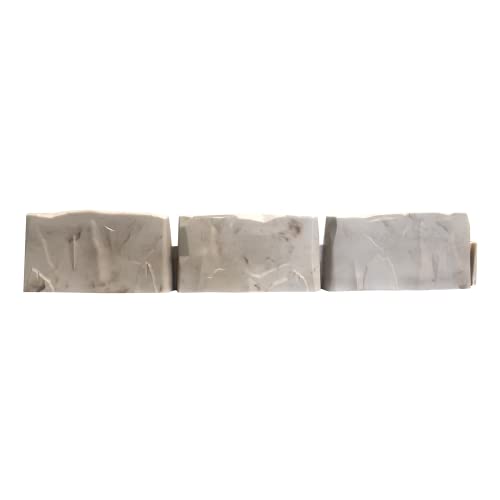
- Flexible landscape edging or rustic cobblestones (to form the outer ring and inner “spokes”)
- Crushed gravel or pea stone (for the walking paths between wedges)
- Lavender and Rosemary starts (for the Mediterranean, drought-tolerant wedges)
- Calendula and Feverfew seeds (for medicinal floral wedges; attracts pollinators)
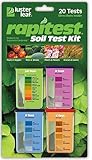
- Soil pH testing kit (to ensure the soil remains slightly alkaline for these specific herbs)
Care Instructions & Planting Steps
- Sketch a circle on your cleared ground using a stake and string, typically 6 to 8 feet in diameter.
- Arrange your stones or edging to outline the outer circle, then divide the interior into 4 to 6 equal pie wedges (“spokes”).
- Amend the soil in each distinct wedge according to the herbs you plan to put there (e.g., adding sand to the Lavender wedge for better drainage).
- Lay landscape fabric in the spoke pathways and cover with pea gravel for easy harvesting access.
- Transplant your perennial herb garden favorites into the wedges, placing taller herbs near the center hub and trailing herbs near the outer edge.
- Prune woody herbs like lavender aggressively in early spring to maintain the strict geometric shape of the wheel.
Pro-Tip: The stones in a wheel botanical arrangement absorb heat during the day and radiate it at night. This landscape architect approved technique creates a microclimate that helps marginal Mediterranean tea herbs survive unexpected late spring frosts.
3. Plan A Container-Friendly Balcony Layout For Urban Spaces

Don’t let small spaces stop you—pin this vertical container layout to your Urban Gardening board!
A container-friendly balcony layout utilizes vertical tiered planters to maximize yield for urban spaces with limited or zero yard access. If you frequently wonder, can I grow tea herbs in containers, the answer is yes, provided you use the correct soil amendments.
Exploring urban tea garden layout ideas often brings up the debate of pots vs garden beds. Container gardening demands a specialized compacted soil fix to ensure water drains freely. This compact design works exceptionally well for vigorous herbs like Peppermint and sweet additions like Stevia.
Seeds, Plants & Tools Needed
- Vertical tiered planter stand or deep railing planters
- Premium organic potting soil (do not use heavy garden topsoil in pots)
- Perlite or pumice (to mix in for compacted soil fix and drainage)
- Peppermint and Spearmint starts (perfect for containers as it provides natural invasive mint control)
- Stevia plants (a tender perennial that replaces sugar in your brews)
- Liquid organic kelp fertilizer
Care Instructions & Planting Steps
- Position your vertical planter on the balcony to maximize morning sun + soil warmth while protecting plants from harsh afternoon winds.
- Blend your potting soil with an extra 20% perlite to ensure excellent drainage, which is critical for preventing root rot in pots.
- Plant moisture-loving herbs like mints in the bottom tiers where water naturally drains and collects.
- Place sun-worshipping, drought-tolerant herbs in the top tiers where they will dry out faster.
- Water container gardens daily during the peak of summer, as transpiration rates in above-ground pots are significantly higher than in-ground beds.
- Harvest frequently by snipping the top third of the stems to encourage a bushy, compact design rather than leggy growth.
Pro-Tip: When gardening on a balcony, remember that winter protection tips differ from in-ground beds. Plant roots in above-ground pots are completely exposed to freezing ambient air. Wrap your pots in burlap or move them against a shared, heated building wall to protect perennial roots over winter.

4. Map A Pollinator-Friendly Aromatic Border Design

Bring your yard to life—pin this pollinator tea border to your Landscaping ideas board!
A pollinator-friendly aromatic border design creates a layered herbaceous border that integrates blooming medicinal herbs seamlessly into your existing backyard landscaping. If you are curious about which tea herbs attract bees, this plan is the ultimate ecological solution.
Designing an aromatic herb garden layout along a fence line avoids the utilitarian look of a vegetable patch. Using tall floral plants like Rose Hip and Echinacea provides massive therapeutic benefits while establishing deep companion planting synergy.
Seeds, Plants & Tools Needed
- Rose Hip (shrub roses) for the back anchor layer
- Echinacea (Coneflower) and Bee Balm (Monarda) for the middle floral layer
- Creeping Thyme and Sweet Alyssum for the front ground cover layer
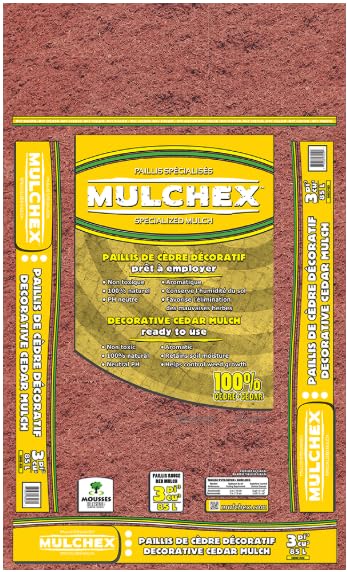
- Quality hardwood or cedar mulch
- Heavy-duty garden trowel and garden edging spade
Care Instructions & Planting Steps
- Prepare your border by edging a clean 3 to 4-foot wide strip along a sunny fence line or house foundation.
- Amend the native soil with 2 inches of rich compost to support heavy-blooming floral herbs.
- Plant your tall anchor shrubs (like Rose Hips) at the back, spacing them at least 3 feet apart to allow for mature spacing and growth.
- Transplant mid-sized blooming herbs like Echinacea in staggered, zig-zag patterns in the middle of the border for a natural, cottage-garden look.
- Cultivate a living mulch in the front by planting low-growing, creeping herbs that spill over the lawn edge.
- Mulch bare soil spaces heavily to suppress weeds and retain moisture until the plants fill in.
- Harvest flower heads like Echinacea and Bee Balm just as they open, leaving at least a third of the blooms on the plant to support honeybees.
Pro-Tip: Utilizing companion planting synergy in a border design naturally reduces pests. Aromatic herbs like Bee Balm mask the scent of vulnerable plants, providing organic aphid control on tea plants without the use of harsh synthetic sprays.
5. Construct A Drought-Tolerant Sun-Loving Tea Patch

Live in a hot climate? Pin this drought-tolerant tea layout for low-maintenance growing!
A drought-tolerant tea patch is a specialized landscape layout utilizing highly sandy soil to grow sun-loving Mediterranean herbs that thrive in intense heat. For gardeners living in Zones 8-10, building a drought resistant herbal tea garden is an absolute necessity.
Many beginners wonder which tea herbs need full sun. When evaluating sun vs partial shade herbs, varieties like Rosemary and Thyme require exceptional drainage. This specific layout avoids the devastating problem of waterlogged roots while utilizing smart drip irrigation.
Seeds, Plants & Tools Needed
- Sand, perlite, and fine gravel (to create the ultimate well-drained soil)
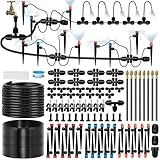
- Drip irrigation tubing kit with adjustable emitters
- Landscape staples to hold tubing in place
- Rosemary, Thyme, and Sage transplants (powerful flavor profiles for bold winter teas)
- Yarrow (Achillea millefolium) seeds
Care Instructions & Planting Steps
- Prepare your bed by blending native soil with generous amounts of sand and gravel. These herbs despise “wet feet” and rich, heavy compost will cause waterlogged roots.
- Plant your Mediterranean herbs with wide spacing and growth gaps. They require excellent airflow to prevent fungal diseases in high humidity.
- Map your drip irrigation tubing, weaving it between the main stems of the plants.
- Stake the irrigation lines down with landscape staples to prevent shifting.
- Water deeply but infrequently. Let the soil completely dry out between waterings. This stress actually forces the plant to produce more essential oils.
- Prune woody herbs aggressively after they bloom to prevent them from becoming leggy and hollow in the center.
Pro-Tip: Don’t pamper your sun-loving tea herbs! Applying terroir in tea principles means understanding that mild drought stress concentrates the essential oils. Less water and leaner soil actually results in a much more flavorful, aromatic cup of tea with higher polyphenol content.
6. Cultivate A Mint Containment & Chamomile Patch Design

Save this genius mint-containment hack to your Gardening Tips board to save your flower beds!
A mint containment and chamomile patch design uses bottomless nursery pots sunken into the soil to restrict aggressive mint runners while allowing delicate chamomile to safely self-seed. Understanding how to prevent mint from taking over the garden is a critical skill for any holistic grower.
An herb garden layout with chamomile and mint solves one of the biggest landscaping mistakes beginners make. By properly applying invasive mint control, you can enjoy vigorous Peppermint and Spearmint harvests without destroying your broader garden ecosystem.
Seeds, Plants & Tools Needed
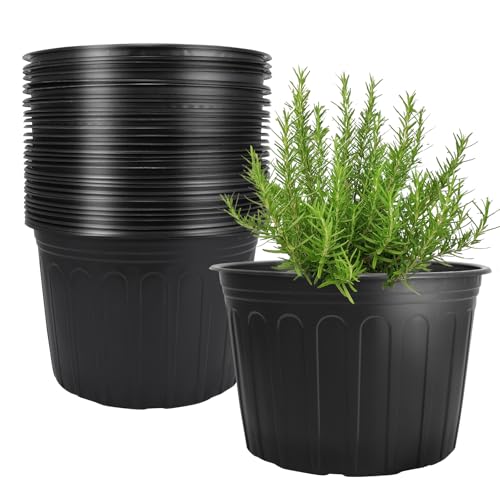
- 3 to 5-gallon heavy-duty plastic nursery pots (without bottom drainage holes, or holes covered with fine mesh)
- High-quality potting mix
- Peppermint, Spearmint, or Chocolate Mint starts
- German Chamomile seeds
- Hand pruning shears
Care Instructions & Planting Steps
- Dig holes in your garden bed large enough to accommodate the 5-gallon nursery pots.
- Sink the pots into the holes, ensuring the top rim of the pot sits at least 2 inches above the surrounding soil line to prevent rhizomes from jumping the edge.
- Plant one variety of mint per sunken pot using fresh potting soil.
- Sow your Chamomile seeds directly into the open ground surrounding the sunken mint pots. Chamomile needs light to germinate, so just press them firmly into the soil—do not bury them.
- Monitor the mint closely throughout the summer. Prune any runners that attempt to drape over the lip of the pot and touch the ground.
- Harvest mint leaves before they flower for the best flavor, and harvest chamomile blossoms as soon as the white petals open and lay flat.
Pro-Tip: While sinking pots is highly effective, true rhizome management requires constant vigilance. Check the drainage holes of your sunken pots every single fall; aggressive mint roots can escape and propagate through holes as small as a pencil eraser!
7. Cultivate A True Tea (Camellia Sinensis) And Blending Layout

Ready for the ultimate gardening challenge? Pin this True Tea layout to start growing your own black and green teas!
A true tea blending layout centers around the advanced cultivation of Camellia sinensis shrubs planted in highly acidic soil, complemented by specific blending herbs. When you transition from true tea vs herbal tea, you elevate your landscaping from simple tisanes to authentic caffeinated harvests.
Many enthusiasts ask, can you grow true tea from seed? While possible, an organic tea garden design succeeds much faster with established saplings. This advanced layout demands rigorous soil acidity adjustment and perfect timing during the harvesting season.
Seeds, Plants & Tools Needed
- Camellia sinensis saplings (growing from seed requires complex stratification of seeds and takes years)
- Soil pH testing kit
- Elemental sulfur or pine needle mulch (for soil acidity adjustment)
- Mesh drying racks (for processing the harvested leaves)
- Sharp, sanitized pruning shears
Care Instructions & Planting Steps
- Test your soil pH. Camellia sinensis requires highly acidic soil, ideally between 5.5 and 6.5.
- Amend the soil with elemental sulfur or acidic compost if your pH is too high before planting.
- Plant your tea shrubs in a layout that offers dappled morning sun and afternoon shade, spacing them at least 3 to 4 feet apart.
- Mulch heavily with pine needles to retain moisture and slowly feed acidity back into the soil.
- Prune the shrubs rigorously in their first two years to encourage a wide, bushy habit rather than a tall, spindly tree.
- Harvest in the spring once the plant is established (usually year 3) by plucking only the newest, brightest green growth—specifically the “two leaves and a bud” at the tip of the stem.
- Dry and process the leaves on mesh drying racks depending on whether you are crafting green, oolong, or black tea.
Pro-Tip: Mastering Camellia sinensis cultivation requires profound patience. Unlike fast-growing annual herbs, a true tea shrub is a long-term investment. Protect them with heavy winter mulch, as they are only reliably hardy down to USDA Zone 7 without structural protection.
Key Takeaways: Your Quick Guide to Herbal Tea Garden Layout Design
Before you start digging, reviewing these core principles of tea garden planning will ensure your herb garden blueprint is set up for long-term success. These takeaways synthesize the complex spatial organization and botanical facts discussed in our layout plans.
Key Takeaways:
- Master the 4×4 Blueprint for Beginners: A raised bed using a quadrant tea garden planning strategy offers the best drainage, simplest weed control, and easiest access for daily harvesting.
- Contain the Invaders: Never plant mint varieties directly into shared garden soil; strict invasive mint control via sunken pots prevents rhizomes from choking out delicate medicinal herbs.
- Respect the Fresh vs Dried Ratio: When planning your herb garden blueprint, remember that you need roughly three times the volume of fresh vs dried herbs to brew a strong cup of tea, so allocate space accordingly for high-use favorites like Chamomile.
- Match Plants to Microclimates: Group your herbs by their needs—keep drought-tolerant Mediterranean herbs (Lavender, Rosemary) far away from moisture-loving perennial herbs (Lemon Balm, Mint).
- Know Your USDA Planting Zones: Always verify your planting zone guide before investing in perennials; herbs like Camellia sinensis require winter protection in climates colder than Zone 7.
- Prioritize Soil Drainage: The fastest way to kill an aromatic herb garden is through waterlogged roots. Always amend layout beds with sand or perlite, especially when navigating pots vs garden beds.
People Also Ask About Herbal Tea Garden Layout Design
When finalizing a home tea garden, many gardeners have lingering questions about spatial organization, botanical care, and winterizing. Below, we address the most common inquiries regarding questions about herbal tea gardens and precisely how much space does a tea garden need.
How to design a tea garden?
To design a tea garden, start by selecting a location with 6-8 hours of full sun, choose an accessible layout like a 4×4 raised bed or quadrant design, and group your herbs according to their watering and soil needs.
Draft an herb garden blueprint before digging. Place tall herbs in the back to avoid shading smaller plants, ensure fast-draining soil, and keep aggressive spreaders like mint strictly contained in pots.
What are the best herbs for tea?
The best beginner-friendly herbs for a tea garden include Chamomile (for relaxation), Peppermint and Lemon Balm (for digestion), Lavender (for aromatics), and Echinacea (for immune support).
When selecting tea garden plants, consider your personal flavor preferences and the difference between annual vs perennial herbs. Perennials like mint and lemon balm will return year after year, offering a higher return on your layout investment.
Can you grow tea in a raised bed?
Yes, growing herbal tea in a raised bed is highly recommended because it provides superior soil drainage, prevents soil compaction, and makes harvesting significantly easier.
A 4×4 raised bed tea garden plan is the industry standard for beginners. It allows you to easily manage soil acidity adjustment and control the exact nutrient mix, which is harder to achieve in native, in-ground clay or sandy soils.
How to space tea herbs in a 4×4 bed?
In a 4×4 bed, space large bushy herbs (like Lemon Balm) at 1 per square foot, medium herbs (like Chamomile) at 2-4 per square foot, and keep spreading herbs (like Mint) contained in a single square foot pot.
Proper garden bed spacing is crucial. Overcrowding prevents essential airflow, which invites powdery mildew and reduces the volatile oils that give your tea its flavor and therapeutic benefits.
Is mint invasive in a tea garden?
Yes, mint is highly invasive; it spreads rapidly via underground runners (rhizomes) and will quickly overtake and suffocate other herbs in your tea garden if not contained.
Effective invasive mint control requires planting mint inside a large, bottomless plastic nursery pot that is sunk into your garden bed. Ensure the rim sits 2 inches above the soil line to prevent runners from escaping.
How to harvest tea herbs for drying?
Harvest tea herbs mid-morning after the dew has dried but before the hot afternoon sun hits, as this is when the plant’s essential oils are at their highest concentration.
Use sharp pruning shears to snip leaves or blossoms, never taking more than one-third of the plant at a time. Lay them flat on mesh drying racks in a cool, dark, and well-ventilated space until brittle.
What is a quadrant garden layout?
A quadrant garden layout is a traditional landscaping design that divides a square or rectangular growing space into four distinct, equal sections separated by pathways or borders.
This classic tea garden layout is incredibly efficient. It allows gardeners to easily rotate crops, categorize herbs by their specific sun vs partial shade needs, and access every plant for pruning without stepping on the soil.
What is the best soil for herbal tea?
The best soil for an herbal tea garden is a loose, well-draining mix of organic compost, perlite or sand, and natural topsoil, with a slightly acidic to neutral pH (6.0-7.0).
Most aromatic tea herbs suffer in heavy, wet clay. Implementing a compacted soil fix by adding organic matter and sand ensures the roots can breathe, which directly increases the flavor potency of your brewed tisanes.
How to protect tea herbs in winter?
To protect tea herbs in winter, prune away dead foliage after the first frost and cover the root zone with 2 to 3 inches of insulating organic mulch, such as straw or shredded leaves.
For those in colder USDA planting zones, tender perennials in pots should be moved to a sheltered garage or greenhouse. Providing winter protection tips for species like Camellia sinensis is vital to ensure they survive freezing temperatures.
Can you grow true tea from seed?
Yes, you can grow true tea (Camellia sinensis) from seed, but it is a complex, multi-year process requiring cold stratification, and the resulting plant may not share the exact flavor profile of the parent plant.
For your organic tea garden design, it is highly recommended to purchase established 1-to-2-year-old saplings from a reputable nursery. This ensures a faster, more reliable harvest of green or black tea leaves.
Final Thoughts on Herbal Tea Garden Layout Design
Designing a purposeful herbal tea garden layout design is one of the most rewarding projects a home gardener can undertake. Whether you are building a vast, zen-inspired medicinal wheel or a compact, container-friendly balcony setup, the foundational principles remain the same: respect the plant’s microclimate needs, contain the aggressive spreaders, and prioritize well-draining soil.
By moving away from haphazard planting and utilizing these tested methods and structured blueprints, you transition from simply growing plants to curating a functional, high-yield home tea garden. You are not just landscaping; you are cultivating a daily wellness ritual right in your backyard. Remember to double-check your USDA planting zones, implement the essential soil pH testing where necessary, and embrace the therapeutic process of planting, harvesting, and brewing.
Which of these seven stunning layouts are you planning to break ground on this September 2026? Are you sticking to a classic 4×4 raised bed, or are you ready to tackle true tea cultivation? Leave a comment below and let us know your spring planting strategy!
Last update on 2026-09-07 / Affiliate links / Images from Amazon Product Advertising API
