
As an Amazon Associate CoffeeXplore.com earns from qualifying purchases.
Herbal Tea to Lower Cortisol: 7 Proven Blends for 2026
Are you constantly battling the exhaustion of a mid-afternoon crash or a racing mind at midnight? Chronic stress physically drains your entire body, leaving you desperate for real relief. Finding the right herbal tea to lower cortisol can finally break this exhausting physiological cycle.
Drinking herbal tea to lower cortisol works by introducing adaptogens and nervines into your system, which naturally regulate the hypothalamic-pituitary-adrenal (HPA) axis. Teas containing ashwagandha, holy basil, chamomile, and L-theanine actively suppress stress hormones, soothe the nervous system, and promote a relaxed, parasympathetic state.
Drawing from comprehensive clinical herbalism and verified adaptogenic methodologies, this guide reveals exactly how specific plants control biological stress. You will discover targeted botanical blends that effectively halt nervous system dysregulation. Implementing these proven recipes will naturally restore your daily energy and nighttime peace.
Contents
show
Is High Stress Wrecking Your Health? How Herbal Tea to Lower Cortisol Provides Natural Relief
High stress wrecks your health by trapping your hypothalamic-pituitary-adrenal (HPA) axis in a constant state of fight-or-flight, chronically flooding your bloodstream with stress hormones. By utilizing targeted botanical remedies, you can biochemically switch your body back into a healing, restorative state.
When you experience stress, your adrenal glands pump out cortisol to keep you alert. While this is helpful during acute danger, modern lifestyles often keep this switch permanently flipped on. This chronic elevation leads to severe fatigue, brain fog, weight gain, and poor sleep hygiene. To combat this, clinical herbalism relies on specific categories of plants to intervene biochemically.
The secret to a successful cortisol reducing tea lies in understanding the difference between adaptogens and nervines. Adaptogens, like ashwagandha and holy basil, work deeply within your endocrine system to build resilience, actively training your body to modulate its stress response over time. Nervines, on the other hand, act immediately on the nervous system. Herbs like chamomile and skullcap act as mild sedatives, directly stimulating a parasympathetic response that calms the racing heart and stops anxiety in its tracks.
By strategically combining these herbs, a daily tea ritual becomes a powerful biological intervention. You are not just drinking a warm beverage; you are administering a complex matrix of plant compounds that directly suppress excess cortisol production and repair frayed nerves.
7 Proven Herbal Tea Blends to Lower Cortisol and Regulate Your Nervous System in 2026
To effectively regulate your nervous system, you must treat your tea consumption as a dedicated wellness routine rather than a random occurrence. Cultivating a daily habit with high-quality, organic loose leaf herbal infusions provides your body with the consistent phytochemicals it needs to heal.
Whether you are seeking an adaptogenic cortisol cleanse to start your morning or a specialized cortisol evening tea to guarantee better sleep, the following list curates the most potent botanical synergies available. Generic single-ingredient teas often lack the therapeutic strength required for true adrenal support. By combining synergistic herbs—pairing mineral-rich bases with active nervines or adaptogens—you unlock exponential health benefits.
The following seven recipes are specifically formulated to address different phases of the stress cycle. From daytime clarity to acute panic relief, these actionable blends provide natural ways to lower cortisol that you can easily integrate into your modern lifestyle.
1. Brew an Ashwagandha & Cinnamon Root Blend for Deep Adrenal Support

Pin this powerful adaptogenic cortisol-lowering recipe to your “Wellness Drinks” board to save it for your next stressful week!
When you are suffering from severe adrenal fatigue, you need a heavy-duty, science-backed botanical remedy. Ashwagandha root is the undisputed king of adaptogens. Clinical studies demonstrate that its active compounds, called withanolides, effectively mimic GABA in the brain and actively lower serum cortisol levels during extended periods of stress.
Because ashwagandha is a dense root rather than a delicate leaf, you must steep it using a decoction method (simmering it actively on the stove) to extract its potent cortisol reducer manager properties.
Ingredients
- 1 teaspoon organic dried ashwagandha root (cut and sifted)
- 1 whole cinnamon stick (Ceylon preferred for natural sweetness)
- 1/4 teaspoon pure vanilla extract
- 12 oz filtered water
- Splash of warm almond or oat milk (optional, for creaminess)
Brewing Instructions
- Boil the filtered water in a small saucepan on the stove.
- Add the dried ashwagandha root and the whole cinnamon stick directly to the simmering water.
- Reduce the heat to low, cover the pan, and let it simmer (decoct) for 10 to 15 minutes to fully extract the tough root compounds.
- Strain the liquid through a fine-mesh sieve into your favorite mug.
- Stir in the vanilla extract and a splash of warm milk to mellow the naturally earthy, bitter notes of the root.
- Sip slowly in the late afternoon or early evening when cortisol spikes typically cause evening anxiety.
Pro-Tip: In Ayurvedic medicine, adaptogens like ashwagandha are most effective when taken consistently. However, it is highly recommended by herbalists to take a “break” every 4-6 weeks (e.g., 5 weeks on, 1 week off) to maintain your body’s sensitivity to its adaptogenic properties.

2. Steep a Chamomile & Lavender Nighttime Infusion for Instant Calm

Save this gentle bedtime cortisol-reducing tea to your “Sleep Hygiene” Pinterest board for those restless nights!
When racing thoughts keep you awake, you need an infusion that halts the stress cycle immediately. While adaptogens modulate stress over weeks, calming herbs like chamomile act as fast-acting nervines to induce instant parasympathetic activation.
Chamomile flowers contain apigenin, a specific chemical compound that binds to the exact same brain receptors as prescription anti-anxiety medications. Blended with lavender’s natural aromatherapeutic properties, this tea drastically improves sleep hygiene by blunting the evening cortisol response.
Ingredients
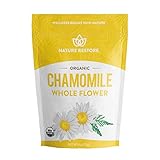
- 1 heaping tablespoon organic whole chamomile flowers (avoid dusty tea bags for maximum potency)
- 1/2 teaspoon culinary-grade dried lavender buds
- 1 teaspoon raw honey (optional, for soothing the throat)
- 10 oz boiling water
Brewing Instructions
- Place the whole chamomile flowers and lavender buds into a glass teapot or a stainless steel tea infuser.
- Pour freshly boiled water directly over the delicate flowers.
- Cover the mug or teapot immediately with a lid or small plate. This is critical to trap the volatile essential oils that contain the calming compounds.
- Steep for a full 7 to 10 minutes to ensure a strong, medicinal-strength infusion.
- Remove the infuser and stir in raw honey if desired once the water has cooled slightly.
- Drink this cortisol evening tea approximately 45 minutes before your target bedtime to signal to your nervous system that it is time to power down.
Pro-Tip: For the most effective nervine action, always steep chamomile in a covered vessel. The therapeutic essential oils that relax the nervous system will evaporate with the steam if the mug is left uncovered!
3. Create a Holy Basil (Tulsi) & Ginger Adrenal Tonic for Daily Resilience

Don’t forget to Pin this Ayurvedic Holy Basil tonic to keep your cortisol levels balanced all day long!
Not all stress relief teas are meant for bedtime. Holy basil, also known as Tulsi, is revered in Ayurvedic medicine as “The Incomparable One” because it beautifully manages psychological stress without causing any unwanted drowsiness.
This makes it the ultimate daytime tonic for daily resilience. By pairing it with ginger—a potent digestive aid and anti-inflammatory—this blend helps stabilize blood sugar and systematically reduce cortisol response during your most demanding workday hours.
Ingredients
- 1 tablespoon organic Holy Basil (Tulsi) loose leaf tea
- 3-4 thin slices of fresh, raw ginger root
- 1 slice of fresh lemon
- 12 oz near-boiling water
Brewing Instructions
- Slice the fresh ginger root thinly to expose the maximum surface area for extraction.
- Combine the Tulsi leaves and fresh ginger slices in a large mug or French press.
- Pour near-boiling water over the herbs.
- Steep the mixture for 5 to 7 minutes. Tulsi is a leaf, so it extracts much faster than a root.
- Strain the tea to remove the leaves and ginger pieces.
- Squeeze the fresh lemon slice into the tea to brighten the earthy, peppery flavor profile of the basil.
- Drink this tonic in the morning or early afternoon to create a buffer against daily stressors and reduce cortisol response during the workday.
Pro-Tip: In Ayurvedic medicine, Tulsi is known as “liquid yoga.” Blending it with fresh ginger not only improves the taste but aids in digestion, as chronic high cortisol often slows down gastric emptying, leading to stress-induced bloating.


4. Blend Lemon Balm & Passionflower for Acute Anxiety Relief

Feeling overwhelmed? Pin this acute anxiety-relief tea blend to have the recipe on hand when you need it most!
Sometimes stress escalates into full-blown panic, requiring an immediate “emergency brake” for your nervous system. This is where the profound combination of lemon balm and passionflower shines.
Passionflower acts as an aggressive GABA-booster, physically preventing the breakdown of calming neurotransmitters in the brain. When paired with the uplifting, mild sedative properties of lemon balm, this tea actively stops racing heart rates, helps ease anxiety, and works rapidly to regulate cortisol level spikes during acute stress events.
Ingredients
- 1 teaspoon dried organic lemon balm leaves
- 1 teaspoon dried passionflower aerial parts
- 10 oz boiling water
- A dash of stevia or monk fruit for natural sweetness (passionflower can be slightly bitter)
Brewing Instructions
- Measure equal parts of lemon balm and passionflower into your tea strainer.
- Pour the boiling water over the herbs, ensuring they are fully submerged.
- Cover the mug to keep the volatile lemon balm oils intact.
- Steep for a minimum of 10 minutes to draw out the heavy nervine compounds.
- Remove the strainer and gently press the herbs with a spoon to extract every last drop of the therapeutic liquid.
- Sip mindfully when you feel a wave of anxiety approaching or when you need to actively ease anxiety after a stressful event.
Pro-Tip: Lemon balm is considered a “cooling” herb in traditional herbalism. If your stress manifests as “hot” symptoms—like a flushed face, irritability, or feeling physically overheated from anxiety—this blend will chemically help cool and regulate your nervous system faster than warming herbs.

5. Prepare a Green Tea & L-Theanine Daytime Elixir for Focused Calm

Need to stay sharp but lower your stress? Pin this L-Theanine-rich green tea elixir to your “Workday Wellness” board!
It may seem counterintuitive to drink a caffeinated beverage to lower stress, but green tea helps reduce stress through a highly specific biological mechanism. High-quality green tea is densely packed with L-theanine, an extraordinary amino acid that perfectly counteracts caffeine jitters.
L-theanine actively promotes alpha brain waves, creating a unique state of “alert calmness” that maintains your mental clarity without triggering the adrenal glands. This daytime elixir provides powerful antioxidant polyphenols while buffering the workday stress response that typically leads to cortisol spikes.
Ingredients
- 1 teaspoon high-quality decaffeinated green tea loose leaf (or shade-grown Sencha if you tolerate low caffeine)
- 8 oz hot water (specifically 170°F to 180°F, never boiling)
- A sprig of fresh mint (for flavor enhancement)
Brewing Instructions
- Heat your water, but stop before it reaches a rolling boil (aim for about 175°F). Boiling water scorches green tea leaves, destroying the delicate polyphenols and creating a bitter taste.
- Add the green tea leaves into your cup or infuser.
- Pour the temperature-controlled water over the leaves.
- Steep for exactly 2 to 3 minutes. Over-steeping green tea draws out excessive tannins, ruining the flavor profile.
- Remove the leaves promptly.
- Garnish with a sprig of fresh mint.
- Sip mid-morning to maintain mental clarity while preventing the typical 10 AM cortisol and caffeine spike associated with heavy coffee consumption.
Pro-Tip: If you are highly sensitive to cortisol spikes, always opt for water-processed decaffeinated green tea. You will still receive massive amounts of the stress-reducing amino acid L-theanine without the adrenal stimulation caused by caffeine.

6. Simmer a Skullcap & Oatstraw Evening Brew to Rebuild Exhausted Nerves

Pin this deep nervous-system restorative tea to your “Holistic Healing” board for when burnout hits hard!
When you have been surviving on high cortisol for months or years, your neural pathways become literally exhausted. To heal from this severe level of burnout, you need “trophorestoratives”—herbs that physically rebuild tissue and restore function.
Pairing deep nervines like skullcap and oatstraw creates the ultimate restorative calming blend. Oatstraw acts as a mineral-rich nervine tonic that nourishes the myelin sheath of your nerves, while skullcap acts as a spasmolytic that releases deep physical tension, making it an incredible cortisol reducing intervention for chronic exhaustion.
Ingredients
- 1 tablespoon organic dried Oatstraw (Avena sativa)
- 1 teaspoon organic dried American Skullcap
- 16 oz boiling water
Brewing Instructions
- Combine the heavy oatstraw and the delicate skullcap in a large, heat-proof mason jar. (Using a larger jar allows for a long infusion).
- Pour the 16 oz of boiling water over the herbs.
- Seal the jar tightly with a lid.
- Steep for a minimum of 4 hours, or ideally overnight. Oatstraw is a mineral-rich herb; it requires a very long, covered steep (called a nourishing herbal infusion) to extract the calcium, magnesium, and B-vitamins that heal the nerves.
- Strain the dark, rich liquid thoroughly.
- Warm the tea gently on the stove (do not microwave) before drinking.
- Drink this restorative calming blend daily to physically rebuild your stress tolerance and lower baseline cortisol over time.
Pro-Tip: In herbal medicine, Oatstraw is considered a “nervine tonic.” Unlike acute herbs that work in 20 minutes, tonics are meant to be consumed daily for weeks or months to deeply nourish and rebuild a chronically exhausted nervous system.

7. Mix a Licorice Root & Peppermint Restorative for Adrenal Fatigue

Save this powerful adrenal-supporting recipe to your “Natural Remedies” board for your daily wellness routine!
In the final, exhausted stages of adrenal fatigue, your body’s cortisol production becomes completely dysregulated—often dropping too low in the morning, which makes waking up feel impossible. Licorice root offers a highly specific biological solution for this exact phase.
Licorice root contains glycyrrhizin, an adaptogen that actually extends the half-life of cortisol, preventing it from breaking down too quickly. When paired with peppermint for digestion and flavor balance, this restorative morning tonic stabilizes your energy curve, helping to safely boost your metabolism and support optimal cortisol health without the crash associated with coffee.
Ingredients
- 1 teaspoon organic dried licorice root (cut and sifted)
- 1 tablespoon dried organic peppermint leaves
- 12 oz water
Brewing Instructions
- Place the dense licorice root in a small saucepan with the water.
- Simmer gently on the stove for 10 minutes to decoct the woody root.
- Turn off the heat.
- Add the delicate peppermint leaves to the hot licorice water, cover, and let them steep for 5 minutes off the heat. (Never boil peppermint, or it will become bitter).
- Strain the tea into your mug. The licorice provides a profoundly sweet, earthy flavor, perfectly balanced by the sharp, cooling mint.
- Drink strictly in the morning. Licorice root helps sustain your morning cortisol spike, giving you natural energy and helping to boost your metabolism without caffeine.
Pro-Tip: Licorice root contains glycyrrhizin, a compound that can raise blood pressure if consumed in high amounts over long periods. If you have hypertension, skip this blend and opt for the Holy Basil tonic instead to support your cortisol health safely.

Key Takeaways: Your Quick Guide to Cortisol Reducing Tea
To successfully implement these natural ways to lower cortisol, you must understand the foundational rules of clinical herbalism. Simply dropping a tea bag into hot water is rarely enough to achieve therapeutic results. By following these key takeaways, you ensure that your cortisol reducing tea summary accurately reflects the science required to extract maximum benefits. Mastering these steeping methods and biological timing rules will drastically improve your restorative outcomes.
Key Takeaways:
- Adaptogens vs. Nervines Have Different Jobs: Use adaptogenic teas (like ashwagandha and holy basil) to build long-term stress resilience, while using nervine teas (like chamomile and lemon balm) to acutely relax the nervous system in the moment.
- Match Your Tea to the Clock: Consume energizing green tea or licorice root in the morning to support natural circadian rhythms, saving powerful cortisol evening tea blends like skullcap and passionflower for your bedtime routine.
- Roots Require Boiling (Decoction): Dense ingredients like ashwagandha and licorice root must be simmered on the stove for 10-15 minutes to extract their cortisol reducing compounds; simple steeping won’t work.
- Cover Your Flowers and Leaves (Infusion): When brewing delicate herbs like chamomile or lemon balm, always cover your mug to trap the volatile essential oils that carry the calming benefits.
- Consistency is Your Best Tool: The adaptogenic properties of herbal teas compound over time. Treating them like a daily 30-day regimen yields significantly better results than drinking them only during panic attacks.
- Be Mindful of Medical Contraindications: Natural does not mean harmless. Always consult with a doctor before starting a daily herbal regimen, especially regarding licorice root if you have high blood pressure.
People Also Ask About Herbal Tea to Lower Cortisol
Before investing in organic loose leaf botanicals, it is perfectly normal to have lingering questions about herbal tea to lower cortisol. Navigating proper timing, potential side effects, and synergistic pairings can feel overwhelming for beginners. To ensure you get the absolute most out of your natural remedies, we have compiled definitive answers to the most common questions regarding tea safety, efficacy timelines, and biological impact on your stress hormones.
How long does it take for herbal tea to lower cortisol?
Nervine teas like chamomile or lemon balm can lower acute cortisol and anxiety within 20 to 30 minutes of drinking, while adaptogenic teas like ashwagandha require 2 to 4 weeks of daily consumption to significantly lower baseline cortisol levels.
If you need immediate relief from a panic attack or racing thoughts before bed, steep a strong nervine. If you are trying to recover from chronic adrenal fatigue, you must commit to a daily adaptogenic tea routine for at least a month to allow the biological compounds to physically build up in your system.
What is the best time of day to drink cortisol-reducing tea?
The best time to drink cortisol-reducing tea depends on the herb: drink adaptogens like holy basil or green tea between 8 AM and 2 PM to blunt daily stress, and drink nervines like chamomile or passionflower 45 minutes before bed.
Your body naturally produces a healthy spike of cortisol in the morning to wake you up. You do not want to suppress this circadian rhythm with heavy sedatives. Save your deeply relaxing teas for the evening when cortisol levels naturally need to drop to allow for proper melatonin production and sleep.
Does green tea raise or lower cortisol?
Despite containing caffeine, green tea actually helps lower overall cortisol response because it contains high levels of L-theanine, an amino acid that promotes alpha brain waves and a state of relaxed alertness.
However, if you are incredibly sensitive to caffeine or currently suffering from severe adrenal exhaustion, the caffeine in standard green tea might still trigger an unwanted stress response. In these cases, switching to a high-quality water-processed decaffeinated green tea ensures you get the calming benefits of L-theanine without the adrenal stimulation.
Can I mix different adaptogenic herbs together in one tea?
Yes, mixing adaptogens and nervines is a cornerstone of clinical herbalism, but it is best to stick to proven synergistic pairings—like oatstraw and skullcap—rather than throwing random herbs together.
Many herbs chemically work better together. For example, adding a digestive herb like ginger to an adaptogen like holy basil improves your body’s ability to absorb the active botanical compounds. When creating custom blends, try to stick to two or three primary herbs to avoid overwhelming your liver’s metabolic pathways.
Are there any side effects to drinking stress relief tea every day?
While generally safe, drinking certain stress relief teas daily can cause side effects like excessive drowsiness from strong nervines or elevated blood pressure from prolonged licorice root usage.
Additionally, adaptogens like ashwagandha can mildly stimulate the thyroid or interact with autoimmune conditions over time. It is an industry standard practice in herbalism to take one week off from adaptogenic herbs every four to six weeks. This gives your endocrine system a healthy break and prevents tolerance build-up. Always consult your healthcare provider before starting any daily herbal protocol.
Final Thoughts on Herbal Tea to Lower Cortisol
Reclaiming your health from chronic burnout doesn’t happen overnight, but incorporating a daily herbal tea to lower cortisol is one of the most effective, biologically proven steps you can take. Whether you are simmering an earthy ashwagandha root decoction to combat long-term adrenal fatigue, or steeping a delicate chamomile and lavender infusion to calm racing thoughts before bed, these plants offer tangible, chemical support for your overworked nervous system.
However, it is vital to remember that while herbs are powerful, they are most effective when utilized as part of a holistic wellness strategy. You cannot out-supplement a lifestyle that constantly triggers your fight-or-flight response. Use these seven proven blends as anchors in your day—moments specifically carved out to breathe, disconnect, and properly signal to your body that it is safe to relax.
By understanding the key biological difference between long-term adaptogens and fast-acting nervines, you now have a customized toolkit to effectively manage stress hormones naturally. Pick one tea blend that addresses your specific symptoms, commit to drinking it consistently as a daily ritual, and watch how your body responds to the profound, gentle power of plant medicine.
Which of these cortisol-reducing tea blends are you going to try first? Let me know in the comments below, or share your own favorite stress-relief tea recipe!
Last update on 2026-10-09 / Affiliate links / Images from Amazon Product Advertising API
