
As an Amazon Associate CoffeeXplore.com earns from qualifying purchases.
Herbal Tea Garden Plants List: 11 Aromatic Herbs to Grow
Tired of overpaying for stale, flavorless store-bought tea bags? Designing a functional garden for fresh ingredients often feels confusing for beginners. A reliable herbal tea garden plants list eliminates this overwhelming guesswork entirely.
A comprehensive herbal tea garden plants list includes easy-to-grow botanicals like chamomile, peppermint, lemon balm, and lavender. For the best flavor, these aromatic herbs require at least six hours of full sun and well-draining soil. Regular pruning encourages the dense foliage necessary for harvesting and brewing fresh herbal teas.
Drawing from comprehensive botanical classifications and Master Gardener principles for 2026, this guide guarantees success. You will discover the exact hardiness zones, soil aeration needs, and essential oil retention strategies. Prepare to transform your backyard into a bountiful, sensory-rich tisane oasis.
Contents
show
Why Every Gardener Needs a Comprehensive Herbal Tea Garden Plants List This Season
Designing a tea herb garden provides unparalleled freshness, potent medicinal benefits, and a deeply rewarding sensory experience right in your backyard. Growing tea plants requires specific microclimates to produce the essential oils necessary for rich, botanical teas. Unlike generic landscaping, a dedicated medicinal herbs space bridges the gap between ornamental beauty and culinary function.
Whether you are using raised beds or container gardens, understanding proper growing conditions like hardiness zones, soil drainage, and sun exposure is critical for success. Herbs require these highly specific environments to produce the volatile oils that give your brew its flavor. This foundational approach ensures your aromatic herbs thrive and yield abundant harvests, turning your outdoor space into a deeply functional home garden.
11 Aromatic Herbs to Grow: Your Complete Herbal Tea Garden Plants List
The best herbs for tea combine robust flavor profiles, medicinal properties, and manageable cultivation requirements for home gardens. Transitioning from planning to planting requires a strategic selection of botanical varieties. To grow a tea garden successfully, you must understand how to plant and harvest different leaves, flowers, and roots.
This step-by-step directory provides exactly which plants to select, their ideal growing conditions, and how to cultivate them through succession planting. From fresh clipping to preparing drying racks for steeping infusions, these 11 essential profiles will help you build a bountiful botanical sanctuary filled with fresh or dried leaves ready for brewing.
1. Cultivate Calming German Chamomile for Evening Infusions

Pin this relaxing chamomile growing guide to your Spring Garden board!
Growing German chamomile provides an abundant harvest of delicate, apple-scented flowers perfect for soothing, sleep-promoting herbal teas. While Roman chamomile is a bitter perennial, to grow chamomile for sweet teas, you must plant the annual Matricaria recutita, which self-seeds prolifically. To effectively harvest chamomile flowers, clip them in the morning dew before the hot sun extracts their oils, and dry them on a dedicated herb drying rack.
Seeds/Plants & Tools Needed
- German Chamomile Seeds (look for Matricaria recutita for the best, sweetest tea flavor)
- Hanging mesh herb drying rack (crucial for air-drying the delicate flower heads without mold)
- Well-draining potting mix (chamomile hates “wet feet”)
- Small garden snips (for precision flower harvesting)
Care Instructions
- Direct sow the tiny chamomile seeds onto the soil surface in early spring after the last frost; do not cover them, as they need light to germinate.
- Water gently using a misting spray bottle until seedlings are established to prevent washing the seeds away.
- Pinch back the early foliage once the plant reaches 6 inches tall to encourage a bushier habit and more flower production.
- Harvest the flowers in the mid-morning after the dew has dried but before the hot afternoon sun extracts the essential oils.
- Pinch off just the flower heads (leaving the stems) when the white petals are fully open and beginning to curve slightly downward.
- Lay flat on a mesh drying rack in a dark, well-ventilated room for 1-2 weeks before storing in an airtight glass jar for brewing.
Pro-Tip: In my experience cultivating medicinal herbs, harvesting chamomile at the exact moment the yellow conical center becomes hollow yields the highest concentration of chamazulene, the compound responsible for its soothing properties.

2. Grow Lemon Balm for a Bright, Citrusy Brew

Save this zesty lemon balm tea hack to your Homegrown Herbs board!
To grow lemon balm successfully, you must practice containment planting to prevent this vigorous, citrus-scented mint relative from taking over your beds. Known botanically as Melissa officinalis, this herb is a brilliant addition to any citrus herb garden, offering an uplifting digestive aid. However, as an aggressive spreader, its robust root system requires strict boundaries in large grow bags or isolated containers.
Seeds/Plants & Tools Needed
- Lemon Balm Starter Plant (much easier and faster to establish than growing from seed)
- 10-gallon fabric grow bag or large terracotta pot (essential for containing aggressive root systems)
- Organic all-purpose potting soil enriched with compost
- High-nitrogen organic liquid fertilizer
Care Instructions
- Plant your lemon balm starter in a large, isolated container rather than directly in your main garden beds to prevent it from choking out other tender herbs.
- Position the pot in an area that receives partial shade, especially in the afternoon; too much intense sun will scorch the leaves and degrade the citrus flavor.
- Water deeply whenever the top inch of soil feels dry, maintaining consistent moisture without waterlogging the roots.
- Harvest frequently by cutting stems just above a leaf node; this aggressive pruning actually stimulates the plant to produce a flush of tender, highly flavorful new growth.
- Shear the plant back completely if it begins to produce tiny white flowers; once lemon balm goes to seed, the leaves become bitter and the plant will aggressively self-sow across your yard.
Pro-Tip: For the most potent lemon flavor, harvest your lemon balm leaves strictly before the plant blooms. The essential oils are highly volatile, so use the leaves fresh for tea rather than drying them, as dried lemon balm loses up to 70% of its aromatic profile.

3. Plant Peppermint for a Cooling, Digestive Infusion

Don’t let your mint take over! Pin this container gardening tip for later.
Peppermint is a sterile hybrid that must be grown from root cuttings in large, isolated containers to prevent an invasive mint garden takeover. Known scientifically as Mentha × piperita, this aggressive grower produces high menthol content ideal for a cooling, stomach-soothing tea. Growing mint in pots is the only way to safely manage horizontal runner roots while maximizing your harvest of peppermint leaves.
Seeds/Plants & Tools Needed
- Peppermint rooted cuttings or starter plant (peppermint seeds are often unreliable as it is a hybrid)
- Large heavy-duty container with drainage (terracotta or thick ceramic)
- Moisture-retentive potting mix
- Organic mulch (to maintain soil surface moisture)
Care Instructions
- Fill your large container with moisture-retentive potting mix, leaving about two inches at the top to allow for a layer of mulch.
- Plant the peppermint cutting in the center of the pot, ensuring the crown of the plant rests level with the soil surface.
- Place the container in a location that receives morning sun and dappled afternoon shade to prevent the delicate leaves from wilting in extreme heat.
- Water consistently, as mint thrives in damp (but not soggy) environments; do not let the container dry out completely between waterings.
- Pinch off the growing tips every few weeks; this prevents the mint from becoming “leggy” and forces it to grow outwards into a dense, bushy mound perfect for tea harvesting.
- Harvest by snipping entire stems down to the lowest two sets of leaves, which allows the plant to immediately regenerate.
Pro-Tip: If you absolutely must plant peppermint in a raised bed with other tea plants, bury it inside a 5-gallon plastic bucket with the bottom completely cut out. The sides of the bucket will prevent the mint’s horizontal underground runners (rhizomes) from choking out your other herbs.
4. Propagate Culinary Lavender for Floral Aromatics

Add a touch of elegance to your tea! Pin this culinary lavender guide.
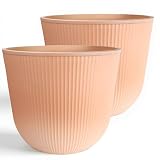
English lavender for tea requires alkaline, fast-draining soil and minimal watering to produce the perfect low-camphor floral botanicals. Lavandula angustifolia is uniquely suited for culinary use, unlike its French or Spanish cousins which taste soapy and medicinal. Exceptional soil drainage utilizing perlite is non-negotiable for this drought-tolerant Mediterranean native to prevent rapid root rot.
Seeds/Plants & Tools Needed
- English Lavender Plant (Specifically Lavandula angustifolia varieties like ‘Munstead’ or ‘Hidcote’ for culinary use)
- Coarse horticultural perlite or agricultural pumice
- Cactus/Succulent potting mix or sandy loam soil
- Pruning shears
Care Instructions
- Prepare the soil by mixing your standard potting soil or garden dirt with at least 30% coarse perlite or gravel; lavender requires exceptional drainage and will quickly succumb to root rot in heavy clay.
- Plant the lavender in the sunniest, hottest microclimate of your garden, ensuring it receives a minimum of 8 full hours of direct sunlight daily.
- Water sparingly. Once established, lavender is highly drought-tolerant. Only water when the top two inches of soil are bone dry.
- Avoid mulching right up to the base of the stem, and never use organic compost, as lavender prefers lean, slightly alkaline, nutrient-poor soil.
- Harvest the lavender wands just as the first few bottom buds on the flower head begin to open; this is when the essential oils are at their absolute peak for tea flavor.
- Prune the entire plant back by one-third after the summer harvest to maintain a tight, mounded shape, being careful not to cut down into the woody, leafless base.
Pro-Tip: Never brew tea with French or Spanish lavender varieties (identified by their “rabbit ear” top petals). They contain high levels of camphor, which creates a bitter, soapy, and highly medicinal taste. Always stick to true English Lavender (Lavandula angustifolia) for your teapot.

5. Grow Lemon Verbena for the Ultimate Citrus Flavor

Lemon Verbena makes the BEST iced tea! Save these growing tips.
Lemon verbena produces the most intense citrus flavor of any botanical but requires rich soil and careful overwintering in cooler climates. As a frost-tender, deciduous woody shrub, Aloysia citriodora is a heavy feeder that naturally drops its leaves during winter dormancy. Overwintering herbs like this indoors under grow lights ensures a bountiful lemon verbena tea harvest next season.
Seeds/Plants & Tools Needed
- Lemon Verbena starter shrub (Aloysia citriodora)
- Rich, well-draining potting soil
- Full-spectrum LED grow light (essential for overwintering indoors)
- Balanced organic liquid fertilizer
Care Instructions
- Plant your lemon verbena in a large container with incredibly rich soil; unlike lavender, verbena is a heavy feeder that requires nutrient-dense earth to produce its large, aromatic leaves.
- Place in full sun (at least 6-8 hours daily) and water deeply when the top inch of soil feels dry.
- Fertilize every two weeks during the active spring and summer growing seasons with a balanced organic liquid fertilizer to support rapid leaf production.
- Harvest the long, rough-textured leaves continually throughout the summer by snipping sprigs right above a leaf node.
- Overwinter the plant indoors if you live below USDA Zone 8. Bring the pot inside before the first frost and place it under a full-spectrum LED grow light.
- Don’t panic if the plant drops all of its leaves in late autumn. Lemon verbena is naturally deciduous and enters dormancy; drastically reduce watering until new green shoots appear in spring.
Pro-Tip: Lemon verbena retains its intense, pure lemon flavor beautifully when dried—much better than lemon balm or lemongrass. Air-dry entire stems upside down, then strip the crisp leaves and store them in an airtight tin for winter brewing.
6. Plant Anise Hyssop for a Sweet Licorice Kick

Attract bees AND brew sweet tea! Pin this Anise Hyssop guide.
Anise hyssop is a clump-forming, pollinator-friendly perennial that yields naturally sweet, licorice-flavored foliage and vibrant purple flowers. Agastache foeniculum is a well-behaved member of the mint family, making it perfect for companion planting without invasive spreading. Brewing anise hyssop tea offers an incredibly sweet licorice flavor while simultaneously transforming your garden into a haven for bees and hummingbirds.
Seeds/Plants & Tools Needed
- Anise Hyssop seeds or starter plant (Agastache foeniculum)
- Well-draining garden soil
- Organic granular flower fertilizer
- Bypass pruning shears
Care Instructions
- Direct sow seeds in late fall or early spring, as they require cold stratification (a period of cold weather) to germinate properly. Lightly press them into the soil without covering.
- Space the plants at least 18 to 24 inches apart; they grow into robust, upright bushes that reach 3 to 4 feet tall and need good air circulation to prevent powdery mildew.
- Fertilize lightly in the spring with a granular organic bloom booster to encourage the massive purple flower spikes.
- Harvest both the leaves and the purple flower spikes for tea. The flowers hold exceptional sweetness and steep into a beautiful pale amber liquor.
- Leave a few blooms on the plant throughout late summer. Not only will they swarm with bees and hummingbirds, but the goldfinches will eat the dried seeds in the autumn.
Pro-Tip: Anise hyssop tea is naturally incredibly sweet. If you are trying to cut refined sugar out of your diet, try blending dried anise hyssop with tart herbs (like hibiscus or lemon balm) to naturally sweeten the brew without adding honey.

7. Cultivate Echinacea for an Immune-Boosting Brew

Boost your winter immunity! Save this Echinacea root harvesting guide.
Echinacea purpurea roots contain potent medicinal alkamides that require a three-year growth period and a simmering decoction to properly extract. These drought-tolerant perennials, commonly known as the purple coneflower, create a powerful immune-boosting herbal tea. To properly harvest echinacea roots, you must wait until late fall after a hard frost drives the plant’s energy deeply into its taproot.
Seeds/Plants & Tools Needed
- Echinacea purpurea starter plants (do not harvest from the wild)
- Heavy-duty steel garden trowel or digging fork
- Stiff-bristled scrub brush (for cleaning roots)
- Dehydrator or mesh drying screens
Care Instructions
- Plant your coneflowers in an area with full sun and average, well-draining soil. They are native prairie plants and thrive on neglect once established.
- Water deeply but infrequently. Their massive taproots dive deep into the soil, making them highly drought-resistant.
- Wait patiently. To make potent immune-boosting tea, you must allow the Echinacea plant to grow undisturbed for three full years before harvesting the roots.
- Harvest in the late autumn after the first hard frost has killed the top foliage. This cold snap forces the plant’s energy and medicinal compounds down into the root system.
- Dig up the entire plant using a heavy digging fork. Cut away the crown and wash the thick, fibrous roots aggressively with a stiff scrub brush to remove all dirt.
- Chop the fresh roots into very small pieces immediately (they become rock-hard once dried) and dry completely in a dehydrator before storing.
Pro-Tip: Because Echinacea tea utilizes the tough roots, it requires a “decoction” rather than a standard tea “infusion.” To brew, you must actively simmer the dried root pieces in water on the stove for 15-20 minutes to fully extract the beneficial compounds.
8. Grow Holy Basil (Tulsi) for Adaptogenic Stress Relief

Grow your own stress-relief tea! Pin this Tulsi growing tutorial.
Holy Basil is a heat-loving adaptogenic herb that requires a seed starting heat mat for successful germination in cooler climates. Also known as Ocimum tenuiflorum, a dedicated Tulsi tea garden provides powerful stress-relief properties entirely distinct from Italian sweet basil. These warm climate herbs must be protected from frost and heavily pinched to encourage bushy, abundant foliage for steeping.
Seeds/Plants & Tools Needed
- Tulsi Seeds (Rama or Krishna varieties are best for home cultivation)
- Seed starting heat mat with thermostat
- Organic seed starting mix (finer and lighter than standard potting soil)
- Humidity dome or plastic wrap
Care Instructions
- Start seeds indoors 6-8 weeks before your last spring frost. Tulsi requires incredibly warm soil (75°F-85°F) to germinate, so place your seed trays directly on a thermostatically controlled seedling heat mat.
- Press the seeds gently into the surface of the moist seed starting mix. Do not bury them, as they require light to germinate. Cover with a humidity dome.
- Transplant outdoors only when evening temperatures consistently remain above 60°F. Holy Basil is extremely sensitive to the cold and will stunt or die if exposed to a chill.
- Pinch off the top cluster of leaves once the plant has three sets of true leaves. This encourages lateral branching, giving you a bushier plant with more leaves to harvest.
- Harvest continuously throughout the summer. The slightly peppery, clove-like flavor is best when leaves are used fresh, though they can be dried out of direct sunlight.
Pro-Tip: Unlike culinary sweet basil, allowing Holy Basil to flower does not ruin the taste of the leaves. In fact, the delicate purple and white Tulsi blossoms make a beautifully fragrant, slightly sweeter addition to your tea pot.

9. Plant Rosemary for a Piney, Memory-Boosting Brew

Did you know Rosemary makes incredible tea? Pin these care tips!
Rosemary is a woody perennial that requires strict moisture management and fast-draining soil to thrive as an herbal tea botanical. Botanically updated to Salvia rosmarinus, this drought-resistant Mediterranean native is incredibly susceptible to root rot if overwatered. Using a soil moisture meter is critical to ensure you preserve your rosemary herbal tea plants and extract their intensely piney, memory-boosting essential oils.
Seeds/Plants & Tools Needed
- Rosemary starter plant (Tuscan Blue or Arp varieties offer great flavor)
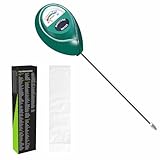
- Soil moisture meter (critical for preventing root rot)
- Terracotta pot (if growing in containers, to wick away excess moisture)
- Cactus/Succulent soil mix
Care Instructions
- Plant rosemary in an unglazed terracotta pot using a fast-draining cactus mix. Being native to the rocky Mediterranean coast, it despises heavy, wet soil.
- Position the plant in full blazing sun. It requires extreme light to develop the volatile oils that give the tea its sharp, piney flavor.
- Monitor moisture strictly. Insert a soil moisture meter deep into the root zone. Do not water the plant until the meter registers completely “Dry” at the bottom of the pot. Overwatering kills more rosemary than freezing temperatures.
- Harvest by snipping the soft, bright green new growth at the tips of the branches. Avoid cutting deeply into the hard, brown woody stems, as old wood rarely regenerates new leaves.
- Brew by bruising the tough needle-like leaves lightly with the back of a spoon before steeping in hot water to release the aromatic oils.
Pro-Tip: Rosemary tea has a very strong, astringent pine flavor that can be overpowering on its own. It is best utilized as an accent herb in tea blending. Try mixing one small sprig of rosemary with a handful of lemon balm for a perfectly balanced, memory-boosting morning brew.
10. Grow Lemongrass for a Tropical, Zesty Base

Bring the tropics to your tea cup! Save this Lemongrass guide.
Lemongrass is a fast-growing, nitrogen-hungry tropical grass that provides an exceptional citrus base for herbal tea blends. Cymbopogon citratus thrives in heat, humidity, and rich soil, expanding rapidly into massive architectural clumps. Growing lemongrass successfully requires heavy nitrogen fertilizer and an understanding of how dividing ornamental grasses works for winter preservation and stalk harvesting.
Seeds/Plants & Tools Needed
- Lemongrass stalks (can be purchased fresh from an Asian grocery store or a nursery)
- Organic blood meal or high-nitrogen fertilizer
- Large 15-gallon planter (it grows rapidly into a massive clump)
- Sharp garden knife or heavy shears
Care Instructions
- Root fresh grocery store lemongrass stalks in a glass of water on a sunny windowsill until healthy white roots form, changing the water daily.
- Plant the rooted stalks in a massive container or directly in the garden if you live in Zone 9 or warmer. It requires full sun and plenty of space to expand.
- Feed heavily. Lemongrass is a true grass and relies entirely on nitrogen for its explosive leafy growth. Apply an organic nitrogen-rich fertilizer (like blood meal) once a month during the summer.
- Water abundantly during the hottest months; unlike Mediterranean herbs, tropical lemongrass loves damp soil and high humidity.
- Harvest by grasping a thick stalk near the base and twisting while pulling sideways, breaking it off at the soil line.
- Peel away the tough, woody outer layers to reveal the tender, fragrant white core. Smash the core with the flat blade of a knife before steeping to release the oils.
Pro-Tip: If you live in a cold climate, you do not need to bring the massive, sharp grass indoors for winter. Simply dig up a few small stalks with roots attached in late autumn, trim the grass blades down to two inches, and overwinter them in a small pot on a sunny windowsill until spring.


11. Cultivate Stevia for a Zero-Calorie Natural Sweetener

Sweeten your tea naturally from the garden! Pin this Stevia guide.
Stevia rebaudiana is a tender perennial whose ultra-sweet leaves provide the perfect zero-calorie natural tea sweetener when dried and crumbled. Growing stevia completes your botanical garden ecosystem, allowing you to bypass processed sugars entirely. To harvest stevia leaves effectively for peak steviol glycoside concentration, you must pinch them back before flowering and use a fine mesh tea strainer for brewing.
Seeds/Plants & Tools Needed
- Stevia starter plants (germinating stevia seeds is notoriously difficult with low success rates)
- Rich, loamy potting soil
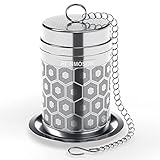
- Ultra-fine mesh tea strainer (crumbled stevia leaves are very small)
- Herb drying rack
Care Instructions
- Plant stevia in full sun in a location that receives consistent, even watering. Its roots grow near the surface, so it will wilt dramatically if the top layer of soil dries out completely.
- Pinch back the growing tips every few weeks to encourage a bushy, rounded shape rather than a tall, spindly stalk.
- Harvest the leaves in the late summer right before the tiny white flowers open; this is when the steviol glycoside compounds are at their absolute maximum concentration.
- Dry the leaves on a mesh screen out of direct sunlight until they are incredibly crisp.
- Crush the dried leaves into a coarse powder using a mortar and pestle or by rubbing them between your hands.
- Brew by adding just a pinch (literally 1/8th of a teaspoon) to your standard herbal tea blend inside an ultra-fine mesh infuser.
Pro-Tip: Fresh stevia leaves have a slight licorice aftertaste. To get the cleanest, purest “sugar” flavor for your tea, you must thoroughly dry the leaves before using them. The drying process neutralizes the herbaceous aftertaste while intensifying the sweetness.
Key Takeaways: Your Quick Guide to the Herbal Tea Garden Plants List
A successful tea herb garden overview reveals that proper sunlight, fast drainage, and strategic harvesting are the ultimate keys to botanical flavor. This herbal tea garden plants list summary highlights the most critical horticultural rules you must remember. By mastering these main points, you can effortlessly maximize essential oil production, manage aggressive roots, and guarantee success for all your homegrown infusions.
Key Takeaways:
- Sunlight Dictates Flavor: Most aromatic herbs require a minimum of 6 to 8 hours of full sun daily. Intense sunlight stresses the plant slightly, forcing it to produce higher concentrations of the volatile essential oils that give your tea its robust flavor.
-
Drainage is Non-Negotiable: Mediterranean herbs like Lavender and Rosemary will quickly succumb to root rot in heavy, wet clay. Always incorporate coarse perlite or horticultural grit into your potting mix to ensure rapid drainage.
-
Contain the Mint Family: Aggressive spreaders like Peppermint and Lemon Balm must be planted in isolated containers or bottomless pots buried in the garden to prevent their rhizomes from choking out your delicate tea botanicals.
-
Timing Your Harvest Matters: For the most potent medicinal and flavor profiles, always harvest leaves and flowers in the mid-morning—after the dew has dried, but before the hot afternoon sun can evaporate the plant’s essential oils.
-
Pre-Bloom Harvesting: With the exception of flowers (like Chamomile and Echinacea), leafy herbs (like Lemon Balm and Stevia) should be harvested before the plant blossoms. Once a leafy herb goes to seed, its foliage often turns bitter and woody.
FAQs About Herbal Tea Garden Plants
Understanding the nuances of a tea herb garden prevents common cultivation mistakes and ensures a safe, abundant harvest. Below, we address the most frequent growing tea plants FAQs regarding toxicity, winter care, and harvesting techniques. Answering these common aromatic herbs queries will help you confidently maintain your botanical sanctuary and craft exceptional teas.
What are the easiest tea herbs for a beginner to grow?
The absolute easiest tea herbs for beginners to grow are Mint, Lemon Balm, and Chamomile.
These plants are highly resilient, require very little specialized fertilization, and grow vigorously in standard potting soil. Mint and Lemon Balm are so prolific they actually need to be contained in pots to prevent overgrowth, ensuring a massive, foolproof harvest for new tea gardeners.
Can you grow an herbal tea garden indoors?
Yes, but indoor tea herbs require intense supplemental lighting to thrive and produce flavorful leaves.
Because aromatic herbs like Rosemary, Lemongrass, and Lavender require full, intense sun to generate their essential oils, standard window light is rarely sufficient. To successfully grow a tea garden indoors year-round, you must invest in full-spectrum LED plant grow lights and position them 6-12 inches above the canopy.
Is it better to use fresh or dried herbs for tea?
It depends entirely on the specific herb; some are best fresh, while others require drying to develop their flavor.
Delicate citrus herbs like Lemon Balm and Holy Basil lose much of their volatile aromatics when dried and are vastly superior when brewed fresh. Conversely, herbs like Stevia, Chamomile, and Peppermint intensify in flavor when properly air-dried, making them excellent candidates for winter pantry storage.
How do you harvest tea herbs without killing the plant?
Always follow the “One-Third Rule” when harvesting: never remove more than 33% of the plant’s total foliage at one time.
Use sharp bypass pruning shears to snip stems just above a leaf node (where leaves meet the main stem). This specific cut signals the plant to branch out at that node, encouraging bushier, thicker growth rather than causing severe stress or dieback.
Which tea herbs can survive freezing winter temperatures?
Cold-hardy perennials like English Lavender, Peppermint, Echinacea, and Anise Hyssop easily survive winters in USDA Zones 5 and above.
During a hard freeze, the top foliage will die back completely to the ground. However, their root systems remain dormant and insulated in the soil, ready to push up vibrant, vigorous new green growth as soon as the ground thaws in early spring.
Are there any common garden herbs that are toxic for tea?
Yes, you should never brew tea from ornamental Foxglove, Oleander, or certain varieties of Sage and Pennyroyal.
While culinary sage is safe in small amounts, essential oils from herbs like Pennyroyal can be highly toxic to the liver. Always strictly verify the botanical Latin name (e.g., Lavandula angustifolia) before purchasing a plant, ensuring you are growing the safe, culinary-grade variety rather than a purely ornamental cultivar.
How do you properly dry fresh herbs for tea?
To properly dry herbs, hang small bundles upside down in a dark, warm, and well-ventilated room for 1 to 2 weeks.
Never dry tea herbs in direct sunlight, as UV rays degrade the essential oils and bleach the color from the leaves. For flowers like Chamomile, lay the blossoms flat on a mesh screen. Once the leaves crumble easily between your fingers with no moisture remaining, store them in airtight glass jars.
Do tea plants need a lot of fertilizer?
No, most Mediterranean tea herbs actually suffer and lose their flavor if over-fertilized.
Herbs like Rosemary, Lavender, and Chamomile prefer lean, slightly nutrient-poor soil. Applying heavy nitrogen fertilizers causes them to push out rapid, floppy green growth that severely lacks essential oils and aromatic flavor. The exceptions are Lemon Verbena and Lemongrass, which are heavy feeders and require regular organic compost.
Can I plant all my tea herbs together in one raised bed?
No, you should group your tea herbs according to their specific water and soil drainage needs.
Drought-tolerant Mediterranean herbs (Rosemary, Lavender) need dry, sandy soil and will rot if planted next to moisture-loving herbs (Mint, Lemongrass) that require constantly damp, rich compost. Implement “companion planting” by creating one zone for dry, sunny herbs and a separate container zone for thirsty, aggressive spreaders.
How long does homegrown dried herbal tea last?
Properly dried and stored homegrown herbal tea retains its peak flavor and medicinal potency for 6 to 12 months.
To maximize shelf life, store the completely dried leaves whole (uncrushed) in airtight glass jars placed in a cool, dark cupboard. Crush or crumble the leaves only at the exact moment you are ready to steep them; this preserves the volatile oils inside the plant tissue until brewing.
Final Thoughts on Cultivating Your Herbal Tea Garden Plants List
Creating your own customized tea herb garden is one of the most rewarding and sensory-rich projects a home gardener can undertake. By working through this comprehensive herbal tea garden plants list, you are no longer limited to the dusty, mass-produced tea bags found on grocery store shelves. Instead, you have the exact horticultural blueprint needed to cultivate a vibrant, living apothecary right in your backyard or on your sunny apartment balcony.
The secret to a successful tea garden lies in respecting the unique microclimates each plant demands. By keeping your aggressive mints tightly contained, providing massive drainage for your Mediterranean lavenders, and giving your tropical lemongrass the space to stretch, you will guarantee a bountiful, flavorful harvest. Remember that growing the plants is only half the fun; the true joy comes when you begin acting as a master blender, mixing your homegrown peppermint, lemon balm, and dried stevia to create signature brews that soothe, uplift, and heal.
Don’t let the technicalities of soil pH or overwintering intimidate you. Nature is incredibly forgiving, and these aromatic herbs are fundamentally some of the hardiest plants on earth. Start small this season with three or four varieties in terracotta pots, practice your pruning techniques, and enjoy the unparalleled taste of an incredibly fresh, 5-minute garden-to-cup infusion.
Which aromatic herb from this list are you most excited to plant first, and what flavor combinations are you dreaming of blending? Let me know in the comments below!
Last update on 2026-10-16 / Affiliate links / Images from Amazon Product Advertising API
