
As an Amazon Associate CoffeeXplore.com earns from qualifying purchases.
Herbal Tea Natural Remedies: 7 Healing Recipes for 2026
Are you exhausted by daily stress, stubborn bloating, and frustrating sleepless nights? Modern life drains your energy, leaving you desperately searching for safe, non-pharmaceutical relief. You need effective herbal tea natural remedies to finally reclaim your vitality.
Herbal tea natural remedies, scientifically known as tisanes, are therapeutic plant-based infusions made by steeping caffeine-free botanical leaves, roots, bark, and flowers in hot water. These medicinal teas contain concentrated phytochemicals and volatile oils that naturally alleviate symptoms like insomnia, inflammation, and indigestion. They provide a gentle, evidence-based approach to daily wellness without harsh side effects.
Drawing from comprehensive analysis of current botanical data and proven traditional methodologies, we understand how true plant-based infusions work. In this post, you will discover exactly how to formulate pure tisanes for targeted symptom relief at home. Master these seven clinically-inspired healing recipes to transform your daily health today.
Contents
show
How Can Herbal Tea Natural Remedies Transform Your Daily Wellness Routine?
Herbal tea natural remedies transform your daily wellness routine by providing targeted, plant-based relief for common ailments like insomnia, bloating, and fatigue through concentrated botanical compounds. These therapeutic tisanes deliver essential phytochemicals that naturally calm the nervous system and boost systemic immunity without the side effects of pharmaceutical interventions.
Many people confuse standard grocery store tea with true medicinal herbs. To be botanically accurate, traditional true teas come exclusively from the Camellia sinensis plant and contain caffeine. Conversely, botanical tea blends, correctly known as tisanes, are potent, caffeine-free infusions crafted from specific healing plants. When you explore the health benefits of herbal tea, you are actually practicing accessible, daily phytotherapy.
To achieve real wellness results, you must prioritize safety and purity. Always select ethically sourced, certified organic ingredients to avoid consuming concentrated chemical pesticides. High-quality loose leaf herbs retain their volatile oils and polyphenolic compounds much better than commercial dust found in paper tea bags. Drawing upon time-tested traditional knowledge from Ayurveda and Western herbalism, you can easily brew these potent medicinal teas at home. However, you must respect essential safety precautions and contraindications, recognizing that natural healing acts as supplemental wellness support rather than a replacement for direct medical advice.
7 Healing Herbal Tea Natural Remedies to Relieve Stress and Boost Immunity
Creating an effective botanical apothecary at home requires more than just tossing leaves into a mug. To unlock powerful natural stress relief and craft an effective immune boosting tea, you must respect the science of extraction. The foundation of any great homemade herbal tea for cold and flu begins with pure, filtered water quality and proper equipment.
Always choose ceramic teapots or glass vessels over plastics, which can leach micro-toxins into your purity tested remedies when exposed to heat. Understanding the therapeutic window is also crucial for success. Delicate flowers require gentle steeping to preserve fragile compounds, while dense medicinal herbs require hard boiling decoctions to break down tough cellular walls. Follow dosage recommendations carefully to ensure your herbal tea recipes remain both safe and highly effective.
1. Chamomile & Lavender Infusion for Deep Sleep

Pin this sleepy-time botanical brew to your ‘Natural Nighttime Routines’ board for peaceful evenings!
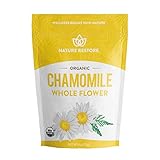
If you suffer from chronic insomnia, this potent, caffeine-free botanical pairing effectively promotes relaxation and safely readies the body for rest. Creating an all natural herbal tea for better sleep requires utilizing whole, loose leaf flowers rather than generic store-bought tea bags. Whole blossoms retain a much higher concentration of relaxing volatile oils. The evidence-based calming effects of chamomile stem from apigenin, a powerful antioxidant that binds to specific receptors in your brain to decrease anxiety and naturally induce sleep. Combining chamomile + sleep benefits with lavender + relaxation properties creates an unparalleled nighttime remedy.
Ingredients
- 1 tablespoon of organic whole dried chamomile flowers
- 1 teaspoon of culinary-grade dried lavender buds
- 12 ounces of freshly filtered water quality
- 1 teaspoon of raw, ethically sourced local honey (optional)
- A ceramic teapot or mug with a well-fitting lid
Instructions
- Begin by boiling the filtered water to exactly 200°F (just off a rolling boil) to prevent scorching the delicate floral teas.
- Place the loose leaf chamomile and lavender directly into your ceramic mug or a stainless steel infuser.
- Pour the hot water over the herbs, immediately covering the mug with a lid. Steeping with a lid is critical to prevent the relaxing volatile oils from evaporating into the air.
- Allow the mixture to infuse undisturbed for 7 to 10 minutes to extract maximum phytochemicals.
- Finish by straining the botanicals and stirring in the raw honey while the tea is warm, drinking 45 minutes before bed.
Pro-Tip: In my experience working with phytotherapy research, leaving the lid on while steeping aromatic flowers like chamomile traps the essential oils within the cup. If you see condensation on the lid when you remove it, shake those droplets back into your tea—that is where the most potent adaptogenic properties reside!
2. Peppermint & Ginger Brew for Digestive Relief

Save this gut-healing botanical recipe to your ‘Holistic Health’ board to banish bloating fast!
When you need immediate relief from painful bloating or uncomfortable indigestion, this pure botanical fusion is your best defense. The mechanical action of peppermint + digestion support works harmoniously alongside ginger + nausea relief. This dynamic pairing gently helps soothe the stomach and regulate metabolism after heavy meals. Creating this organic herbal tea for digestive issues utilizing fresh ginger root rather than dried powder ensures you extract the highest levels of active gingerols. While this tea actively supports digestion, strict safety precautions note that individuals with severe acid reflux (GERD) should avoid peppermint, as it can occasionally relax the esophageal sphincter.
Ingredients
- 1 tablespoon of organic dried peppermint leaves (or a handful of fresh leaves)
- 3-4 thin slices of fresh, raw ginger root
- 14 ounces of filtered water
- 1 slice of fresh lemon
- A stainless steel fine mesh tea infuser basket
Instructions
- Start by simmering the fresh ginger slices in the filtered water on the stove for 5 minutes. Ginger is a dense root, so lightly boiling it extracts its active gingerols more effectively than just pouring hot water over it.
- Remove the ginger water from the heat and place your stainless steel fine mesh tea infuser basket filled with the dried peppermint leaves directly into the pot or your mug.
- Allow the peppermint to infuse in the hot ginger water for 5 minutes.
- Carefully execute straining by removing the infuser basket and the ginger slices.
- Squeeze the fresh lemon slice into the therapeutic tea to add a gentle dose of vitamin C, and sip slowly after a heavy meal.
Pro-Tip: If you suffer from frequent indigestion, rely on this evidence-based pairing. The menthol in peppermint acts as a natural antispasmodic to relax the intestinal tract, while ginger accelerates gastric emptying. However, always consult your physician if chronic bloating persists.


3. Turmeric & Black Pepper Decoction for Inflammation

Pin this powerful anti-inflammatory tonic to your ‘Joint Health Remedies’ board!
To naturally conquer joint pain and stiffness, you need a therapeutic grade root extraction rather than a simple hot water steep. This medicinal tea for joint pain and inflammation utilizes the legendary power of turmeric + inflammation reduction. By effectively decocting these dense roots, you help the body actively reduce inflammation and naturally neutralize free radicals. These warming ginger and turmeric tea recipes require deep botanical knowledge to prepare correctly. You must understand the advanced concept of bioavailability; curcumin (the active compound in turmeric) requires the synergistic effects of piperine (found in black pepper) to properly absorb into your bloodstream.
Ingredients
- 1 teaspoon of organic turmeric root powder (or 1 inch of freshly grated root)
- A generous pinch of freshly cracked black pepper
- 1/4 teaspoon of virgin coconut oil or ghee (fat is required for absorption)
- 14 ounces of water
- A dash of cinnamon for natural sweetness
Instructions
- To create a true root decoctions base rather than a simple infusion, add the water and the turmeric powder to a small saucepan.
- Bring the mixture to a rolling boil, then lower the heat and continue simmering uncovered for 10 full minutes. This extended heat helps break down the dense root material.
- Remove from heat and aggressively whisk in the freshly cracked black pepper and the coconut oil to activate the synergistic effects of the compounds.
- Carefully execute straining through a fine mesh sieve into your mug to remove any gritty root powder residue.
- Stir in the cinnamon, let it cool slightly, and drink warm to help soothe joint pain and overall bodily stiffness.
Pro-Tip: You must never skip the black pepper or the fat in this recipe! Clinical trials have proven that piperine (from black pepper) increases the bioavailability of turmeric’s active anti-inflammatory compound, curcumin, by up to 2,000%. The coconut oil acts as a lipid carrier, allowing the curcumin to bypass the liver and enter the bloodstream directly.

4. Elderberry & Echinacea Tea for Immune Support

Save this immune-boosting cold and flu tonic to your ‘Winter Wellness’ Pinterest board!
When the winter months arrive, proactively utilizing herbal tea recipes for immune system support becomes essential. Combining wildcrafted elderberry + immune support elements with the defensive power of echinacea creates a beverage that actively boosts immunity and helps alleviate symptoms of seasonal coughs. This natural remedy for cold prevention requires strict adherence to proper preparation. As a crucial safety precaution, you must know that raw elderberries contain cyanogenic glycosides which cause severe nausea. Demonstrating true botanical expertise means understanding that boiling the berries is an absolute necessity to render them safe and highly therapeutic.
Ingredients
- 1 tablespoon of organic dried elderberries
- 1 teaspoon of dried echinacea root or leaf
- 1 cinnamon stick (for flavor and warming properties)
- 16 ounces of filtered water
- 1 teaspoon of raw honey (to help soothe throat)
Instructions
- Place the dried elderberries, echinacea root, and the cinnamon stick into a small pot with the water.
- Bring the mixture to a vigorous boil. It is a strict safety precaution to ensure elderberries are fully boiled to neutralize their natural compounds.
- Reduce the heat and continue decocting (simmering) the berries for 15 to 20 minutes until the liquid reduces slightly and turns a deep, rich purple.
- Remove from heat and allow the mixture to continue infusing as it cools for 5 minutes.
- Finish by straining out the berries and root material through a fine sieve, pressing the berries with a spoon to extract all the polyphenolic compounds. Stir in honey when warm.
Pro-Tip: To maximize your health benefits of herbal tea, begin drinking this echinacea and elderberry blend at the very first tickle of a sore throat or sign of a cold. Clinical trials suggest elderberry works best by preventing viral replication in the early stages of infection.

5. Lemon Balm & Passionflower Blend for Stress Relief

Pin this anxiety-melting herbal tonic to your ‘Self-Care & Wellness’ board for stressful days!
During highly demanding workdays, intense stress and mental fatigue can derail your productivity. The best herbal tea for anxiety and stress relief focuses on specific nervine herbs that soothe the nervous system without acting as heavy sedatives. By blending small-batch lemon balm and passionflower, you create a daytime botanical remedy that effectively helps relieve stress and gently improve focus. The unique alkaloid content found in passionflower positively impacts GABA receptors in the brain. This evidence-based herbal tea for anxiety provides functional, non-drowsy support when you need to remain alert but physically calm.
Ingredients
- 1 tablespoon of organic dried lemon balm leaves
- 1 teaspoon of dried passionflower aerial parts
- 12 ounces of filtered water
- A slice of fresh lemon
- A compostable tea bag or glass teapot
Instructions
- Begin by blending the dried lemon balm and passionflower together in your glass teapot or a clean, reusable muslin tea bag.
- Heat your water to 190°F (just before boiling) to protect the delicate volatile oils found in the lemon balm leaves.
- Pour the hot water over the herbal blend, ensuring all the dried botanicals are fully submerged.
- Cover the teapot and let the herbs undergo steeping for 10 to 15 minutes. This slightly longer steep ensures the heavy water-soluble compounds in the passionflower are fully extracted.
- Finish by straining the liquid into your favorite mug, garnishing with fresh lemon, and sipping slowly to combat midday anxiety.
Pro-Tip: Lemon balm is a premier “nervine” herb used in traditional medicinal teas. While it effectively relieves stress and elevates mood, clinical trials show it does not cause the heavy drowsiness associated with roots like Valerian, making this the ultimate daytime natural stress relief formulation for professionals.

6. Hibiscus & Rosehip Infusion for Heart Health

Pin this ruby-red antioxidant powerhouse to your ‘Healthy Heart & Circulation’ board!
Maintaining cardiovascular health requires potent nutritional support, making hibiscus + blood pressure management a legendary botanical strategy. Dealing with high blood pressure or poor circulation can be challenging, but this tart, sun-dried flower offers immense antioxidant capacity. Blending hibiscus with vitamin C-rich rosehips creates a beverage that helps neutralize free radicals and deeply hydrate body tissues. While it serves as an excellent hot winter tea, utilizing the cold macerating method transforms this recipe into one of the best cooling herbal teas for summer wellness. Adhering to strict pharmacopeia standards, pregnant women must note the contraindications of hibiscus and avoid this specific remedy.
Ingredients
- 1 tablespoon of organic dried hibiscus calyces (cut and sifted)
- 1 tablespoon of dried, seedless rosehips
- 16 ounces of cold filtered water (for cold brewing) or hot water
- A dash of stevia or agave nectar to cut the natural tartness
- A large mason jar or glass pitcher
Instructions
- For maximum antioxidant capacity, we will utilize a cold macerating method. Place the dried hibiscus and rosehips into a large mason jar.
- Pour the cold filtered water over the botanical tea blend and seal the jar tightly.
- Place the jar in the refrigerator, allowing the herbs to undergo cold infusing for 8 to 12 hours (overnight is best).
- In the morning, execute straining to separate the ruby-red liquid from the swollen flowers and berries.
- Sweeten lightly to balance the tart, cranberry-like flavor, and drink daily to help combat high blood pressure and poor circulation.
Pro-Tip: Hibiscus tea is heavily evidence-based for cardiovascular support. However, according to herbalist certified guidelines, hibiscus is a mild natural diuretic and can lower blood sugar. Always consult your physician if you are currently taking prescription blood pressure medications to avoid unsafe synergistic effects.

7. Dandelion Root & Milk Thistle Decoction for Liver Detox

Pin this coffee-alternative liver detox brew to your ‘Natural Cleanses & Detox’ board!
For those seeking the best tea for weight loss and detox, supporting liver function is non-negotiable. Connecting dandelion + detox protocols with milk thistle seeds yields a deep-cleansing, wildcrafted herbal protocol. In phytotherapy, extracting the bitter principles from these dense roots stimulates bile production, effectively easing water retention and helping to naturally detoxify liver pathways. Furthermore, the rich, roasted flavor makes this decoction one of the absolute best alternatives to coffee. Utilizing botanical expertise, we harness silymarin—a scientifically proven compound in milk thistle—to actively regenerate damaged liver cells and broadly support digestion.
Ingredients
- 1 tablespoon of roasted organic dandelion root
- 1 teaspoon of lightly crushed milk thistle seeds
- 14 ounces of water
- A splash of oat milk or almond milk (optional)
- A small heavy-bottomed saucepan
Instructions
- Place the dense roasted dandelion root and the crushed milk thistle seeds into your saucepan with the water.
- Bring the mixture to a boil, then immediately turn down the heat to begin decocting the hard plant matter.
- Keep the brew simmering gently for 15 to 20 minutes. You will notice the water turning a rich, dark brown color, mimicking the visual appeal of coffee.
- Remove the pan from the heat and allow it to finish infusing for an additional 5 minutes to fully extract the roots’ bitter principles.
- Perform a final straining into a thick ceramic mug, add a splash of plant milk if desired, and drink in the morning to detoxify liver and kickstart sluggish digestion.
Pro-Tip: In holistic health practices, the deep, earthy flavor profile of roasted dandelion root makes it the absolute best alternative to coffee. Because it is naturally caffeine-free, you get the comforting ritual of a dark morning brew without the cortisol spike, while simultaneously supplying your liver with the scientifically proven hepatoprotective compounds found in milk thistle seeds.
Key Takeaways: Your Quick Guide to Herbal Tea Natural Remedies
Navigating the extensive world of herbal tea natural remedies can feel overwhelming for beginners. To successfully harness the true health benefits of herbal tea, you must rapidly internalize the foundational rules of botanical medicine. This expert-level summary condenses complex phytotherapy principles into highly actionable steps. By following these scientifically proven guidelines regarding proper steeping methods and ingredient sourcing, you can confidently formulate safe, effective wellness tea at home. Review these essential takeaways to ensure your botanical tea preparations meet strict pharmacopeia standards every single time you brew.
- Match The Herb To The Ailment: The true health benefits of herbal tea rely on targeting specific symptoms; use nervines like lemon balm to relieve stress, and carminatives like peppermint for indigestion.
- Respect The Steeping Process: Delicate floral teas require gentle steeping (covered to trap volatile oils), while hard roots and barks require vigorous decocting (boiling and simmering) to extract their phytochemicals.
- Prioritize Purity and Sourcing: Always select certified organic, wildcrafted, or non-GMO botanicals to ensure you are drinking a pure botanical remedy free from concentrated pesticides.
- Leverage Synergistic Blending: Maximize the bioavailability of your ingredients by blending complementary elements, such as adding black pepper and fats to turmeric to unlock its anti-inflammatory power.
- Honor Safety Precautions and Disclaimers: Natural remedies are potent; always research specific contraindications (like avoiding hibiscus during pregnancy) and consult your physician before combining herbs with pharmaceuticals.
- Ditch The Tea Bags for Loose Leaf: To achieve true therapeutic grade results, switch from commercial tea bags to loose leaf herbs, allowing the botanicals room to expand and release their full polyphenolic compounds.
- Patience Yields Potency: Allow your medicinal teas the proper therapeutic window to steep—usually 10 to 15 minutes minimum—to ensure a clinically effective dose of plant medicine in every cup.
People Also Ask About Herbal Tea Natural Remedies
When implementing holistic wellness routines, having questions about herbal tea safety, dosage, and methodology is completely natural. Because traditional medicinal plants are highly biologically active, understanding exactly how to prepare and apply them is critical for success. This section addresses the most common misunderstandings surrounding botanical beverages. Drawing from clinical trials and verified safety precautions, we answer your exact queries so you can confidently brew healing teas tailored precisely to your family’s needs.
What is the difference between tea and a tisane?
While commonly called “herbal tea,” true teas only come from the Camellia sinensis plant, whereas tisanes are plant-based infusions made from various non-caffeinated botanical leaves, flowers, barks, and roots. Traditional true teas include green, black, and oolong, all of which naturally contain caffeine. Tisanes, or botanical beverages, encompass ingredients like peppermint, chamomile, and rooibos, offering specific therapeutic tea benefits without the central nervous system stimulation of caffeine.
What is the best herbal tea for sleep?
The most effective herbal teas for sleep are chamomile, valerian root, and lavender, as they contain specific phytochemicals that naturally calm the nervous system. According to evidence-based research, the apigenin compound in chamomile binds to GABA receptors in the brain to effectively induce sleep and reduce mild insomnia. For severe sleeplessness, combining these floral teas with valerian root creates a potent, non-habit-forming natural remedy.
How long should I steep herbal tea?
To extract a therapeutic dose of plant medicine, you should steep leafy and floral herbal teas for 10 to 15 minutes in a covered vessel. Unlike delicate green teas that turn bitter after 3 minutes, medicinal teas require a longer steeping duration to fully release their volatile oils and polyphenolic compounds. Always keep your mug covered during this process to prevent the medicinal aromatic oils from evaporating into the air.
Can pregnant women drink herbal tea?
Pregnant women must exercise extreme caution, as many common herbal teas carry strict contraindications during pregnancy and can stimulate uterine contractions. While ginger tea is generally considered safe and effective for morning sickness, herbs like raspberry leaf (in early pregnancy), hibiscus, and licorice root should be entirely avoided. Always adhere to strict safety precautions and consult your physician before consuming any botanical brews while pregnant or nursing.
How to make herbal tea for a cold?
To make an effective herbal tea for a cold, create a hot decoction using immune-modulating herbs like elderberry, echinacea, and fresh ginger root. Boil the dense roots and berries for 15 minutes, then strain and add raw honey and lemon. This specific immune boosting tea blend soothes throat irritation, while the antioxidant capacity of the elderberries actively fights viral replication and helps alleviate symptoms of nasal congestion.
Are herbal teas caffeine-free?
The vast majority of herbal teas are naturally 100% caffeine-free, making them an excellent choice for evening relaxation and hydration. Because plant-based infusions like peppermint, hibiscus, and rooibos do not contain leaves from the Camellia sinensis plant, they possess no caffeine. The rare exceptions in the herbal world are Yerba Mate and Guayusa, which are botanicals that do naturally contain high levels of caffeine and should be avoided before bed.
Is turmeric tea good for inflammation?
Yes, turmeric tea is scientifically proven to be an exceptional natural remedy for reducing systemic inflammation and joint pain. The primary active compound in turmeric, curcumin, effectively reduces inflammation at the cellular level. However, to maximize its bioavailability and synergistic effects, you must brew your turmeric root decoctions with a pinch of black pepper and a healthy fat, like coconut oil, to ensure proper absorption into the bloodstream.
Can herbal tea replace medicine?
Herbal tea should be viewed as a complementary holistic health tool to support the body’s natural healing processes, not a direct replacement for life-saving pharmaceuticals. While botanical expertise and clinical trials validate that phytotherapy can effectively manage minor daily ailments like indigestion, anxiety, and fatigue, severe or chronic medical conditions require professional oversight. Always use traditional medicinal teas to support wellness, but never abandon prescribed medications without doctor approval.
How to store herbal tea properly?
To preserve the potency of your loose leaf botanicals, store herbal tea in an airtight, opaque glass or metal container in a cool, dark, and dry place. Exposure to direct sunlight, heat from the stove, or high storage humidity will rapidly degrade the delicate volatile oils and adaptogenic properties of the herbs. When stored under proper pharmacopeia standards, high-quality dried herbs can retain their therapeutic efficacy for 12 to 18 months.
What is the healthiest herbal tea to drink daily?
The healthiest herbal tea for daily consumption depends on your specific wellness goals, but gentle tonics like nettle leaf, oat straw, and dandelion leaf are universally beneficial. These superfoods act as gentle daily wellness tonics, providing highly bioavailable trace minerals and vitamins without overwhelming the body. Unlike aggressive detox herbs, these nourishing natural healing brews gently hydrates body tissues, support the liver, and enhance vitality safely over long-term daily use.
Final Thoughts on Herbal Tea Natural Remedies
Transitioning away from over-the-counter quick fixes and embracing herbal tea natural remedies is a profoundly empowering step toward true holistic health. By learning the nuanced differences between gently steeping delicate floral teas for anxiety and vigorously decocting dense roots for inflammation, you unlock the full therapeutic potential hiding inside nature’s pharmacy.
The seven healing tea formulations we’ve explored are more than just comforting beverages; they are evidence-based functional tools. Whether you are relying on the synergistic effects of turmeric to soothe aching joints, or utilizing the calming alkaloid content of passionflower to banish nighttime stress, these botanical beverages work with your body’s natural systems to enhance vitality from the inside out. Remember that the secret to effective phytotherapy lies in the details: sourcing certified organic, loose leaf ingredients, respecting precise steep times, and always covering your mug to trap those precious volatile oils.
As you begin integrating these natural healing brews into your daily wellness rituals, always listen to your body and respect the safety precautions regarding botanical medicine. Which of these 7 medicinal teas are you going to brew first to support your wellness journey in 2026? Let us know in the comments below, and don’t forget to pin your favorite recipes to your Pinterest wellness boards!
Last update on 2026-10-26 / Affiliate links / Images from Amazon Product Advertising API
