
As an Amazon Associate CoffeeXplore.com earns from qualifying purchases.
Herbal Tea Recipes for Colds: 7 Proven Remedies in 2026
Are you battling a stuffy nose and relentless body aches? Fighting winter congestion is completely miserable when you desperately need immediate, natural cold relief. Discovering the right herbal tea recipes for colds can instantly soothe your sore throat and accelerate your recovery.
The best herbal tea recipes for colds combine diaphoretic herbs like ginger to promote sweating, demulcent herbs like marshmallow root to coat a sore throat, and natural antimicrobial agents like raw honey. Drinking these hot, homemade tea infusions helps thin mucus, hydrate the body, and deliver targeted antioxidants to support immune recovery.
Drawing from established naturopathic methodologies and proven botanical science, this guide reveals exactly how volatile oils in herbal tea are extracted through proper steeping. You will discover targeted recipes that address your specific symptoms and learn to brew them correctly. Master these synergistic medicinal blends today so you can finally breathe easier and sleep soundly tonight.
Contents
show
Struggling with Congestion? How Herbal Tea Recipes for Colds Provide Instant Relief
Instant Relief Mechanism: Hot herbal infusions work by combining targeted vasodilation in the throat with the extraction of medicinal volatile oils and antioxidants that actively thin stubborn mucus.
When you are suffering from a respiratory infection, your mucous membranes become inflamed, swollen, and packed with thick congestion. Turning to a homemade tea for cold relief does more than just warm you up. The physical heat of warm liquids creates localized vasodilation—expanding the blood vessels in your throat and chest. This increased blood flow delivers healing oxygen and white blood cells directly to the infected tissues while actively relaxing airway spasms.
Beyond the comforting heat, properly steeped botanicals deliver powerful pharmacological benefits. Through the steeping process, water acts as a solvent to extract the volatile oils and antioxidant properties locked inside raw herbs. These compounds actively support your immune system and target specific symptoms.
Expert Insight: What most guides miss is the exact mechanism of how these herbs function. For instance, diaphoretic herbs force the body to sweat, which naturally lowers a mild fever. Demulcent herbs create a slick mucilage that physically coats a raw, burning throat. Expectorants trigger a reflex that forces your lungs to expel trapped phlegm. By understanding these mechanisms, you aren’t just drinking a tasty beverage; you are administering targeted, natural medicine directly to your respiratory health system.
7 Proven Herbal Tea Recipes for Colds To Brew in 2026
To effectively treat your illness, you must match the right botanical ingredients to your specific symptoms. The main ingredients we will use—like ginger, peppermint, chamomile, lemon, and honey—combine to create highly synergistic remedies. Rather than guessing which DIY tea blends for cold symptoms will work, use this carefully categorized list to target your exact pain points.
Whether you need a powerful anti-inflammatory, a soothing expectorant, or a fast-acting antiviral, these recipes are designed for immediate relief. Review the symptom-matching headings below to identify which of the best herbal teas for a cold you need to brew right now.
1. The Ultimate Lemon Ginger & Raw Honey Immunity Brew

Pin this powerful immunity brew to your ‘Natural Remedies’ board for the next time you feel a tickle in your throat!
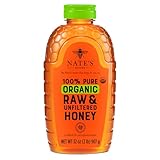
When you need an accessible, highly effective first-line-of-defense, this is your go-to recipe. The synergistic effect of ginger’s intense heat combined with honey’s soothing properties makes it perfect for a general cold and sore throat. The active compound in ginger, gingerol, aggressively reduces inflammation in the respiratory tract. Meanwhile, the thick viscosity of the honey physically coats and protects a scratchy throat from further irritation. It is absolutely crucial to use raw, unpasteurized honey for its living antimicrobial benefits rather than highly processed commercial syrups.
Ingredients
- 1 inch of fresh ginger root, peeled and thinly sliced
- 1/2 fresh lemon, juiced (plus one slice for garnish)
- 1 tablespoon of organic raw unfiltered honey
- 2 cups of filtered water
- Optional: 1 small cinnamon stick for added warmth
Instructions
- Combine the filtered water, sliced fresh ginger root, and cinnamon stick in a small saucepan.
- Simmer the mixture over medium-low heat for 10-15 minutes to extract the potent gingerols.
- Strain the liquid through a fine mesh sieve into a large mug, discarding the solid pieces.
- Stir in the fresh lemon juice.
- Wait 2-3 minutes for the tea to cool slightly, then blend in the raw local honey to preserve its natural enzymes.
Pro-Tip: For the most potent immune-boosting properties, do not boil the lemon juice. Vitamin C is highly heat-sensitive, so always add it after you remove the water from the heat source to maintain its efficacy.

2. Peppermint & Eucalyptus Decongestant Tea

Save this sinus-clearing recipe to your ‘Wellness & Health’ Pinterest board to keep it handy for flu season!
If you are battling severe sinus pressure, a pounding head cold, and a stubbornly blocked nose, this remedy acts as both a beverage and a potent aromatherapy treatment. The active compounds menthol (from peppermint) and eucalyptol (from eucalyptus) are highly volatile oils that rapidly open respiratory pathways, naturally alleviating a stuffy nose. To successfully clear nasal congestion, you must inhale the healing steam while the tea steeps. Covering the mug during the steeping process ensures you trap these medicinal vapors in the cup rather than letting them evaporate uselessly into your kitchen.
Ingredients
- 1 heaping tablespoon of organic peppermint leaves (loose leaf)
- 1/2 teaspoon of dried, food-grade eucalyptus leaves (ensure it is safe for internal consumption)
- 1.5 cups of boiling water
- 1 slice of fresh lemon
Instructions
- Place the organic peppermint leaves and eucalyptus into a stainless steel tea infuser.
- Pour rapidly boiling water directly over the herbs in your favorite mug.
- Cover the mug immediately with a small saucer or lid. This is crucial to trap the medicinal menthol vapors.
- Steep for exactly 7 minutes.
- Remove the saucer and deeply inhale the steam through your nose for 30 seconds to clear nasal congestion before drinking.
- Sip slowly while the liquid is still hot.
Pro-Tip: The expectorant properties of mint are housed in its essential oils. If your tea doesn’t have a strong, cooling aroma when you open the tin, the volatile oils have degraded, and it won’t be effective for a stuffy nose. Always use high-quality, freshly sealed loose leaf herbs.

3. Chamomile & Lavender Sleep Tea for Nighttime Relief

Don’t let a cough keep you awake! Pin this soothing bedtime tea to your ‘Sleep Remedies’ board.
Nighttime coughing fits are uniquely exhausting, preventing the deep sleep your body desperately needs to heal. This gentle blend serves as a calming nightly ritual and a mild, natural sedative. Chamomile functions as a potent nervine herb—meaning it actively supports and relaxes the nervous system. It contains apigenin, an antioxidant that binds to specific receptors in your brain to decrease anxiety and initiate sleep. Paired with lavender, this relaxing cup provides much-needed nighttime cold relief without groggy side effects.
Ingredients
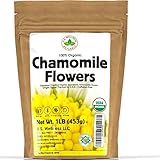
- 1 tablespoon of loose leaf chamomile flowers (whole flowers are best)
- 1/2 teaspoon of culinary-grade dried lavender buds
- 1/2 teaspoon of dried passionflower (optional, for extra sleep support)
- 1.5 cups of hot water (just off the boil, around 200°F)
- 1 teaspoon of honey (to coat the throat)
Instructions
- Combine the chamomile, lavender, and passionflower in a spacious tea strainer to allow the whole flowers room to expand.
- Pour hot water over the botanical blend.
- Steep for a full 10 minutes. Unlike black tea, chamomile does not become bitter with longer steeping; it simply becomes more potent.
- Remove the strainer and stir in the honey until completely dissolved.
- Drink this blend 30 minutes before your intended bedtime for maximum nighttime cold relief.
Pro-Tip: Always buy whole chamomile flowers rather than crushed tea bags. The yellow center of the flower contains the potent essential oils and nervine herbs properties required for restful sleep. Crushed dust in commercial bags has usually lost its medicinal potency.
4. Thyme & Sage Expectorant Blend for Coughs

Dealing with a stubborn cough? Pin this traditional herbalist remedy to your ‘Natural Health’ board!
When moving away from sweet, fruity teas, we turn to the powerful world of savory, culinary herbs. The same fresh herbs you use to roast a chicken are actually ancient medicines for severe respiratory ailments. If you need a strong remedy to break up chest congestion and stop a hacking lingering cough, thyme and sage are unparalleled. They act as anti-spasmodic expectorants. The compound thymol in thyme actively relaxes the tracheal muscles, which stops painful cough spasms while simultaneously helping your lungs expel trapped mucus.
Ingredients
- 2 sprigs of fresh thyme (or 1 teaspoon dried organic thyme)
- 3 fresh sage leaves (or 1/2 teaspoon dried sage)
- 1.5 cups of boiling water
- 1 thick slice of lemon
- 1 teaspoon of honey (to balance the savory flavor)
Instructions
- Crush the fresh thyme and sage slightly between your fingers to release their essential oils.
- Place the herbs directly into your mug.
- Pour boiling water over the herbs and cover immediately to trap the medicinal thymol.
- Steep for 8-10 minutes.
- Strain out the leaves using a fork or small sieve.
- Squeeze the lemon slice into the tea and stir in the honey to soften the strong, earthy flavor.
Pro-Tip: If you have a dry, ticklish cough, add a pinch of marshmallow root to this blend. Marshmallow root is a demulcent herb that produces a slick mucilage, which coats and soothes a raw, irritated throat instantly.


Stop a cold in its tracks! Pin this powerful elderberry antiviral recipe to your ‘Healthy Drinks’ board.
This is your ultimate “Day 1” preventative remedy. When you feel that very first tickle in your throat or wave of fatigue during flu season, this brew is designed to shorten the duration of your illness. It provides heavy immune system support by leveraging the proven antiviral properties of elderberry and the immune-stimulating effects of echinacea tea. Scientifically, echinacea stimulates the production of macrophages (your body’s white blood cells), while elderberry actively prevents viruses from adhering to healthy cell walls.
Ingredients
- 1 teaspoon of dried echinacea root and aerial parts
- 1 teaspoon of dried elderberries
- 1/4 teaspoon of dried rosehips (for a Vitamin C boost)
- 2 cups of water
- 1 teaspoon of raw honey
Instructions
- Combine the dried echinacea roots and dried elderberries in a small saucepan. Because these are hard roots and berries, they require a “decoction” rather than a simple steeping.
- Pour 2 cups of cold water over the herbs and bring to a gentle boil on the stove.
- Reduce the heat immediately, cover the pot, and simmer gently for 15-20 minutes to extract the potent compounds from the dense plant material.
- Remove from heat, add the rosehips, and let steep for an additional 5 minutes.
- Strain the deep purple liquid into a mug and sweeten with honey once cooled slightly.
Pro-Tip: If you feel a cold coming on during flu season, drink this decoction up to three times a day. However, herbalists recommend taking a break from echinacea after 10-14 days so your immune system doesn’t become overstimulated.

6. Spicy Cinnamon & Clove Sore Throat Soother

Does your throat feel like sandpaper? Pin this numbing clove and cinnamon tea recipe to save your throat!
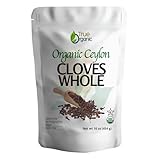
If you are desperate for immediate, localized pain relief for a burning, swollen, or scratchy throat, look no further than your spice cabinet. This natural remedy relies on the powerful analgesic (pain-relieving) properties of whole spices. Cloves contain eugenol, a natural anesthetic compound that has been widely used in ancient dentistry for centuries. When brewed properly, this compound acts exactly like an over-the-counter throat spray, physically numbing the irritated throat tissue upon contact, completely chemical-free.
Ingredients
- 4-5 organic whole cloves
- 1 large cinnamon stick (Ceylon cinnamon is preferred)
- 1/4 teaspoon of ground turmeric (for inflammation)
- 1.5 cups of water
- 1 slice of lemon
- 1 tablespoon of honey
Instructions
- Crush the organic whole cloves gently with the flat side of a knife or a mortar and pestle to release their potent oils.
- Place the crushed cloves and the cinnamon stick into a small saucepan with the water.
- Simmer on medium-low heat for 10 minutes to draw out the analgesic eugenol compound.
- Whisk in the ground turmeric during the last minute of simmering.
- Strain the spicy, fragrant liquid into a mug.
- Stir in the lemon and honey, and sip slowly, allowing the liquid to wash over the back of your scratchy throat.
Pro-Tip: Do not use powdered cloves for this recipe. Powdered spices will leave a gritty residue that can further irritate a swollen throat. Always use whole spices and strain them out for a perfectly smooth natural cold relief tea.
7. Garlic & Apple Cider Vinegar Wellness Tonic (The “Brave” Tea)

Feeling really brave? Pin this intense, fast-acting garlic cold tonic to your ‘DIY Health’ board!
When you feel incredibly sick and don’t care about the taste as long as it works fast, this “nuclear option” is your best friend. This intense, old-world medicinal tonic relies on profound biochemical reactions rather than leisurely flavor. Crushing raw garlic and exposing it to the air triggers an enzyme reaction that creates allicin, an incredibly potent antimicrobial compound that actively destroys cold pathogens. Combined with raw apple cider vinegar, this potent home remedy delivers a massive punch to intrusive bacteria and viruses.
Ingredients
- 1 large clove of raw garlic, peeled and smashed
- 1 tablespoon of raw apple cider vinegar (with the ‘mother’)
- 1 tablespoon of raw honey (crucial for taste)
- 1 cup of hot water
- Pinch of cayenne pepper (optional, to sweat out a fever)
Instructions
- Smash the clove of raw garlic on your cutting board with the flat side of a knife.
- Wait exactly 10 minutes. Do not skip this step. Exposing the crushed garlic to the air triggers an enzyme reaction that produces allicin, the compound responsible for garlic’s potent antiviral properties.
- Place the rested garlic into a mug.
- Add the apple cider vinegar, honey, and cayenne pepper to the mug.
- Pour hot (not boiling) water over the ingredients and stir vigorously until the honey dissolves.
- Steep for 5 minutes, then remove the garlic clove before drinking this potent home remedy.
Pro-Tip: Boiling water will instantly destroy the allicin in the garlic and the beneficial probiotics in the raw apple cider vinegar. Always let your water cool for about 3-5 minutes off the boil before pouring it over these delicate, living ingredients.

Key Takeaways: Your Quick Guide to Herbal Tea Recipes for Colds
Successfully crafting these herbal remedies requires precise temperature control and proper steeping methods. If you rush the process, you risk boiling away the very nutrients you need to heal. Before you head to the kitchen, review these highly scannable, critical rules of herbal medicine making to ensure your teas remain potent, safe, and effective.
- Trap the Volatile Oils: Always cover your mug with a saucer while your tea steeps. This prevents the medicinal essential oils (like menthol in peppermint) from evaporating into the air, keeping them in your natural cold relief drink.
- Protect the Honey: Never add raw local honey to rapidly boiling water, as extreme heat destroys its natural antimicrobial enzymes. Wait until the tea is comfortable to drink before stirring it in.
- Time the Garlic: If using raw garlic for its antiviral properties, you must crush it and let it sit exposed to air for 10 minutes to activate the allicin before adding hot water.
- Roots vs. Leaves: Hard ingredients like fresh ginger root and dried elderberries need to be simmered on the stove (decoction) for 15 minutes, while delicate leaves like chamomile only need to steep in hot water.
- Prioritize Whole Spices: Avoid powdered spices like ground cloves or cinnamon in teas; they create a gritty texture that will further irritate a scratchy throat. Stick to whole spices and strain them out.
- Quality Matters: The expectorant properties of herbs fade over time. If your dried peppermint or thyme doesn’t have a strong, pungent aroma, the active compounds have degraded and won’t effectively clear a stuffy nose.
People Also Ask About Herbal Tea Recipes for Colds
When dealing with a new approach to natural wellness, it is completely normal to have lingering questions about safety, efficacy, and preparation. Below, we address the most common misunderstandings about hydration, caffeine, and proper steeping times to ensure you get the absolute most out of your natural remedies.
What is the best herbal tea for a cold and sore throat?
The best herbal tea for a cold and sore throat is a blend of fresh ginger, lemon juice, and raw honey.
Ginger acts as a powerful anti-inflammatory agent to reduce throat swelling, while the thick viscosity of raw honey creates a soothing, protective coating over irritated tissue. Adding lemon provides a gentle dose of Vitamin C. This trio is widely considered the gold standard in traditional natural cold relief because it addresses pain, inflammation, and immunity simultaneously.
Does ginger tea help with nasal congestion?
Yes, hot ginger tea significantly helps relieve nasal congestion through two mechanisms: rising steam and diaphoretic properties.
First, inhaling the spicy steam from a hot mug of ginger tea helps thin the mucus trapped in your nasal passages. Secondly, ginger is a diaphoretic herb, meaning it gently warms the body from the inside out, promoting healthy circulation and encouraging the body to sweat, which naturally aids in breaking up a stuffy nose and chest congestion.
Is it better to drink hot or cold tea when sick?
It is much better to drink hot herbal tea rather than cold tea when you have a respiratory illness.
Hot liquids promote vasodilation, which increases blood flow to the throat and respiratory tract, speeding up the healing process. The heat also actively thins thick, stubborn mucus, making it easier for your body to expel. Cold beverages can actually cause throat muscles to spasm and contract, worsening a lingering cough and irritating a sore throat.
How long should I steep herbal tea for maximum benefits?
You should steep delicate herbal teas (like chamomile and peppermint) for 7 to 10 minutes to extract their full medicinal properties.
Unlike traditional black or green teas—which contain tannins that become bitter if steeped longer than 3 minutes—most herbal tea recipes for colds require longer steeping times to properly draw out the beneficial botanical compounds. Always remember to cover your cup while it steeps so the healing essential oils don’t escape in the steam.
Can I drink too much herbal tea when I have a cold?
While hydration is crucial, you should generally limit medicinal herbal teas to 3 to 4 cups per day.
Herbs contain active chemical compounds that have real physical effects on the body. Drinking excessive amounts of strong herbal infusions (like large quantities of sage or licorice root) can occasionally lead to minor stomach upset. It is best to alternate your immune-boosting properties teas with plain warm water or broths to maintain optimal hydration without overtaxing your system.
Do herbal teas dehydrate you like coffee?
No, true herbal teas do not dehydrate you because they are naturally 100% caffeine-free.
Unlike coffee or traditional teas (black, green, and oolong tea derived from the Camellia sinensis plant), herbal infusions made from flowers, roots, and spices act purely as hydrating liquids. Drinking DIY tea blends for cold symptoms actively contributes to your daily water intake, which is essential for thinning mucus and helping your immune system flush out the virus.
Should I use fresh or dried herbs for cold remedy teas?
Fresh and high-quality dried herbs are both highly effective, but they require different measurements; you generally need three times as much fresh herb as dried.
Dried herbs have concentrated essential oils because the water weight has been removed. For example, one teaspoon of dried organic peppermint leaves equals roughly one tablespoon of chopped fresh mint. For roots like ginger, fresh is almost always superior to dried powder for treating a scratchy throat, as the volatile oils remain fully intact in the fresh root.
Final Thoughts on Herbal Tea Recipes for Colds
When you are battling the aches, chills, and congestion of flu season, turning to herbal tea recipes for colds is one of the most comforting and effective ways to support your body’s natural healing process. The herbs sitting in your spice cabinet and refrigerator—from potent fresh ginger root to fragrant thyme—are not just culinary ingredients; they are powerful, ancient botanicals packed with antiviral, antibacterial, and anti-inflammatory properties.
By mastering the simple art of properly steeping these ingredients, you can create targeted, natural cold relief right in your own kitchen. Whether you need the expectorant properties of eucalyptus to clear your sinuses, or the soothing, coating effect of raw local honey to calm a relentless cough, these seven recipes provide a holistic toolkit for every stage of your illness to effectively boost your immune system.
Remember that while these DIY tea blends for cold symptoms are highly effective at providing comfort and supporting your respiratory health, they work best when paired with aggressive hydration and deep, restorative sleep. Always listen to your body, and consult with a healthcare professional if your symptoms persist longer than a week or if you develop a high fever.
Which of these herbal remedies are you going to brew first? Do you have a family-secret cold remedy passed down through generations? Share your favorite healing ingredients in the comments below, and get well soon!
Last update on 2026-10-26 / Affiliate links / Images from Amazon Product Advertising API
