
As an Amazon Associate CoffeeXplore.com earns from qualifying purchases.
Traditional Chinese Herbal Tea: 7 Healing Blends in 2026
Do you struggle with chronic fatigue, restless nights, or uncomfortable bloating? Living with these daily frustrations leaves you feeling drained and completely exhausted. Finding an authentic herbal tea chinese traditional blend might be the exact relief you desperately need.
Traditional Chinese herbal tea, or Liang Cha, is a caffeine-free medicinal infusion crafted from specific dried roots, flowers, and berries to balance the body’s Qi energy. Unlike regular green tea, these authentic TCM herbal tea blends are formulated to treat targeted ailments like heatiness, insomnia, and indigestion based on their unique thermal properties.
Drawing from the ancient Shennong Bencao Jing and modern pharmacological studies, this guide reveals practitioner-grade botanical remedies. You will discover exactly how to prepare these powerful holistic blends at home. Reclaiming your natural vitality and deep restorative sleep starts today.
Contents
show
Is Traditional Chinese Herbal Tea the Secret to Better Sleep and Digestion?
Traditional Chinese herbal tea actively targets the root causes of systemic imbalances by matching the thermal properties of specific botanicals to your unique symptoms. This holistic framework relies on Traditional Chinese Medicine to resolve deep-seated issues rather than just temporarily masking them.
If you frequently experience “heatiness”—a state of inflammation causing acne or irritability—you need botanicals with a cooling nature. Conversely, if you suffer from poor circulation and fatigue, warming nature herbs are essential to restore your Qi energy. Unlike Western tea derived from the Camellia sinensis plant, an authentic Chinese botanical infusion uses synergistic pairings to target specific Zang-Fu organs. As detailed in the historical Shennong Bencao Jing, achieving true wellness requires balancing Yin and Yang through targeted phytotherapy. Do you currently have signs of Liver Fire or Spleen Dampness? Understanding your unique symptoms is the critical first step before exploring the evidence-based blends below.
7 Healing Blends of Traditional Chinese Herbal Tea to Restore Balance in 2026
TCM tonic tea blends combine highly specific ingredients to create a synergistic effect that heals the body far more effectively than single herbs. Preparing these authentic Chinese tea recipes at home requires matching the right brewing technique to the specific botanical materials used.
You cannot simply pour boiling water over every herb and expect medicinal results. Delicate flowers and leaves must gently steep or infuse to protect their volatile aromatic oils. Tough roots, barks, and dried fruits require a more intense process called decoction. This means you must simmer them actively to extract their deep healing properties. By following these traditional methodologies, you can effectively resolve chronic bloating, low immunity, and restless nights. Let’s explore the seven most powerful traditional herb infusions you can easily brew to balance your body.
1. Brew Eight Treasures Tea to Balance Qi and Boost Energy

Pin this authentic recipe to your Holistic Healing Remedies board!
Brewing Eight Treasures Tea creates a powerful, multi-ingredient vitality tonic designed to combat daily fatigue and strengthen immunity. This famous imperial blend balances warming roots with cooling flowers to safely energize your body without caffeine. The resulting Goji Berry Tea profile is wonderfully sweet, floral, and earthy.
Ingredients
- 1 tablespoon organic Goji berries (plump and naturally sweet)
- 3-4 dried Red dates (Jujube), pitted and sliced to release their restorative properties
- 2 slices of dried Ginseng root (American or Asian, depending on desired warming nature)
- 4-5 dried Chrysanthemum flowers
- 2 dried Longan fruits, shelled
- 1 small piece of dried tangerine peel
- 1 teaspoon of crystal rock sugar (optional, to harmonizes the stomach)
- 2 cups of filtered water
Instructions
- Rinse all the dried botanicals gently under cool water to remove any surface dust from the drying process.
- Decoct the harder ingredients first: place the Ginseng root, Red dates, and Longan in a glass or ceramic pot with water and boil for 10 minutes.
- Remove from heat and add the delicate Chrysanthemum flowers, Goji berries, and dried tangerine peel.
- Steep the mixture covered for an additional 5-7 minutes to capture the aromatic essential oils.
- Strain into your favorite mug, add crystal rock sugar if desired, and sip slowly to energize the body and combat fatigue.
Pro-Tip: As an expert herbalist will tell you, never use aluminum pots to simmer your TCM herbal tea. The metals can react with the Polyphenols and Alkaloids in the herbs. Always opt for glass, ceramic, or traditional clay teaware to preserve maximum bioavailability.

2. Steep Chrysanthemum and Wolfberry to Clear Heat

Save this cooling summer remedy to your Natural Health Drinks board!
Steeping Chrysanthemum and Wolfberry creates a highly effective cooling remedy that rapidly clears internal heat and soothes liver fire symptoms. If you suffer from red, screen-fatigued eyes or chronic irritability, this potent combination targets the Liver and Kidney meridians to reduce systemic inflammation.
Ingredients
- 2 tablespoons of hand-picked, organic dried Chrysanthemum flowers (Ju Hua)
- 1 tablespoon of premium Goji berries (Wolfberries / Gou Qi Zi)
- 1 teaspoon of raw honey or rock sugar (optional)
- 2 cups of hot, filtered water (not boiling)
Instructions
- Measure your dried botanicals into a glass teapot or a large mug with a built-in infuser.
- Rinse the herbs quickly with a splash of hot water, immediately pouring it out to awaken the leaves and remove impurities.
- Infuse the flowers and berries by pouring hot water (around 190°F/90°C) directly over them. Using boiling water can destroy the delicate floral oils.
- Cover and steep for 5 minutes until the water turns a pale, vibrant gold and the berries become plump and hydrated.
- Strain and sip this therapeutic blend to soothes the liver and combat heatiness throughout the day.
Pro-Tip: In Traditional Chinese Medicine, Chrysanthemum + Honeysuckle is a famous pairing. If you are fighting the early stages of a hot cold or sore throat, add a pinch of dried honeysuckle to this exact recipe for maximum cooling nature effects.
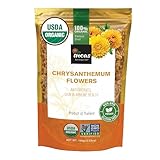
3. Decoct Jujube and Longan to Nourish Blood and Restore Sleep

Pin this bedtime tonic to your Natural Sleep Remedies board!
Decocting a rich Jujube and Longan blend provides a powerful, caffeine-free bedtime tonic that deeply nourishes blood to cure restless insomnia. In TCM, “Blood Deficiency” often causes a restless spirit (Shen) at night. This sweet, comforting Chinese Red Date Tea calms the mind naturally.
Ingredients
- 5-6 large authentic origin dried Red dates (Jujube), sliced in half with pits removed
- 10 dried Longan arils (flesh only, no shells)
- 1 thin slice of fresh ginger (optional, for subtle warming nature)
- 2.5 cups of filtered water
Instructions
- Cleanse the dried fruits thoroughly under warm water. Always slice the Red dates open; leaving them whole prevents the medicinal properties from escaping during the brew.
- Place the fruits (and ginger, if using) into a small saucepan or traditional clay pot.
- Add the filtered water and bring the mixture to a rolling boil.
- Reduce the heat to low, cover the pot, and simmer (decoct) gently for 15 to 20 minutes until the liquid reduces slightly and turns a rich, deep amber color.
- Strain the restorative tea into a mug and drink it 30 minutes before bed. This blend naturally calms the mind and relieves insomnia.
Pro-Tip: Do not throw away the fruit! In traditional Chinese culture, the hydrated Jujube and Longan are eaten after drinking the medicinal brew to maximize nutrition and ensure you absorb all the Saponins that aid in deep sleep.

4. Infuse Ginseng and Goji to Tonify Kidney Energy

Save this energy-boosting elixir to your Natural Vitality board!
Infusing Ginseng and Goji delivers a potent, adaptogenic elixir that tonifies kidney energy and drastically improves poor circulation. If you want to rebuild foundational energy without a jittery coffee crash, this Kidney tonifying tea promotes longevity. We recommend American ginseng to prevent unwanted heatiness.
Ingredients
- 3-4 premium practitioner grade American Ginseng root slices (cooler nature than Korean red ginseng)
- 1.5 tablespoons of organic Goji berries
- 1 cup of freshly boiled water
Instructions
- Place the Ginseng root slices and Goji berries into a thick-walled glass tumbler or a ceramic mug with a lid.
- Pour the boiling water directly over the dried ingredients to begin the extraction process.
- Cover the cup immediately to prevent the volatile, aromatic oils of the ginseng from evaporating.
- Steep for a minimum of 10-15 minutes. The longer it sits, the more potent and earthy the botanical infusion becomes.
- Sip slowly to tonify your body and energize your afternoon.
Pro-Tip: Unlike tea bags, high-quality Ginseng + Goji can be re-steeped. Simply hydrate the roots with fresh hot water up to three times throughout the day until the flavor entirely fades, maximizing your holistic health investment.

5. Simmer Hawthorn and Tangerine Peel for Indigestion

Pin this natural gut-healing remedy to your Healthy Digestion board!
Simmering Hawthorn and Tangerine Peel creates the ultimate TCM digestion tea to quickly clear severe bloating and harmonize an upset stomach. This pungent, slightly sour blend pairs fat-breaking hawthorn fruit with aged Chenpi to aggressively dry internal dampness and cure heavy indigestion.
Ingredients
- 1 tablespoon of dried Hawthorn fruit rings (Shan Zha)
- 1-2 strips of authentic aged Dried tangerine peel (Chenpi)
- 1 teaspoon of raw cane sugar or honey (to balance the sourness)
- 2 cups of water
Instructions
- Cleanse the Hawthorn fruit and Dried tangerine peel under running water to remove any debris.
- Place the ingredients into a small pot with 2 cups of water.
- Bring to a rapid boil, then immediately reduce the heat and let it simmer for 10 minutes. This decoction method is required to pull the active digestive enzymes from the tough fruit rings.
- Strain the deep reddish-orange liquid into your mug.
- Stir in a small amount of sweetener to soften the pungent, sour bite, and drink 30 minutes after a heavy meal to clear bloating and harmonizes the stomach.
Pro-Tip: If you suffer from severe dampness or a sluggish metabolism, add two slices of raw ginger to this Hawthorn + Tangerine Peel blend. Licorice + Ginger can also be added to further soothe gastric inflammation.

6. Brew Honeysuckle and Chrysanthemum for Detox

Save this immune-boosting detox tea to your Holistic Wellness board!
Brewing Honeysuckle and Chrysanthemum produces a powerful Detox herbal blend that rapidly clears heat, fights early sickness, and heals inflammatory skin breakouts. Because this is a highly cooling nature tea, it strengthens immunity efficiently but should not be consumed long-term if you have Spleen Qi deficiency.
Ingredients
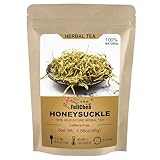
- 1 tablespoon of organic dried Honeysuckle buds (Jin Yin Hua)
- 1 tablespoon of dried Chrysanthemum flowers
- 1 teaspoon of raw honey (added last, never boiled)
- 1.5 cups of hot water
Instructions
- Add the delicate Honeysuckle buds and Chrysanthemum flowers directly into your tea strainer or mug.
- Infuse the flowers with water heated to about 185°F (85°C). Boiling water will destroy the aromatic and immune-boosting properties of these delicate blossoms.
- Cover the cup tightly to trap the essential oils and let it steep for 5 to 7 minutes.
- Strain the beautifully floral, pale yellow liquid.
- Allow the medicinal brew to cool slightly, then stir in raw honey. Drink to detoxifies the body and fight early signs of inflammation and skin breakouts.
Pro-Tip: Wait until the tea is lukewarm before adding honey. Raw honey has its own antibacterial enzymes that are easily killed by boiling temperatures. This combination is a cornerstone of preventative medicine in Chinese culture.
7. Steep Rose and Hibiscus to Soothe Liver Stagnation and Stress

Pin this stress-relieving floral tea to your Self-Care Rituals board!
Steeping Rose and Hibiscus creates a beautiful, tart floral infusion that actively moves liver stagnation to provide deep emotional stress relief. Backed by modern pharmacological study showing exceptional blood sugar balance support, this blend merges ancient wisdom with powerful daily self-care rituals.
Ingredients
- 1 tablespoon of organic, hand-picked pink dried Rose buds (Mei Gui Hua)
- 1 teaspoon of dried Hibiscus petals
- 1 thin slice of fresh lemon (optional)
- 1 cup of near-boiling water
Instructions
- Place the organic Rose buds and Hibiscus petals into a glass teacup to fully appreciate the beautiful color extraction.
- Pour hot water (around 195°F/90°C) over the floral blend.
- Watch as the water rapidly transforms into a vibrant ruby red, and steep for exactly 4-5 minutes. Over-steeping hibiscus can make the tea excessively tart and bitter.
- Strain the petals if desired, or simply let them sink to the bottom.
- Add a slice of lemon to enhance the Vitamin C absorption and sip slowly. This wellness tea actively moves liver stagnation, providing deep stress relief and helping regulate menstrual cycles.
Pro-Tip: Always ensure you are buying “food grade” or “culinary grade” rose buds. Standard decorative dried roses are heavily treated with pesticides that are toxic and unsafe for any phytotherapy or medicinal herb tea.

Key Takeaways: Your Quick Guide to Traditional Chinese Herbal Tea
Mastering traditional Chinese herbal tea requires understanding how to match specific botanical thermal properties to your body’s unique imbalances. By adhering to established TCM principles, you can transform simple dried herbs into powerful, restorative medicine. The most effective healing comes from consistency and proper preparation. If you want to achieve lasting holistic health, keep these foundational rules in mind before you brew your next cup.
- Match The Thermal Nature: The core of Traditional Chinese Herbal Tea is matching cooling nature herbs (like chrysanthemum) to hot ailments (heatiness), and warming nature herbs (like ginseng) to cold deficiencies.
- Brewing Methods Matter: Delicate flowers (honeysuckle, rose) should be gently infused with hot water, while hard roots and fruits (ginseng, jujube) must be decocted (simmered) to extract their medicine.
- Synergy Over Single Ingredients: TCM principles rely on pairings. Combining ingredients like Ginseng + Goji or Hawthorn + Tangerine Peel creates a synergistic effect that is safer and more potent than a single herb.
- Prioritize Sourcing: Always purchase certified organic, practitioner-grade, or culinary-grade botanicals to ensure your medicinal brew is free of heavy metals and pesticides.
- Listen to Your Body: Because these are potent phytotherapy treatments, you should stop drinking a specific Liang Cha once your symptoms (like insomnia or bloating) resolve to maintain internal balance.
People Also Ask About Traditional Chinese Herbal Tea
Navigating the complex world of traditional Chinese medicine often brings up important questions about preparation, safety, and daily consumption rules. Whether you are wondering about caffeine content or trying to understand what “heatiness” actually means, having accurate information is crucial. Applying these evidence-based answers will ensure you brew your herbs safely and effectively at home.
What is traditional Chinese herbal tea?
Traditional Chinese herbal tea, often called Liang Cha, is a medicinal beverage made by steeping or simmering dried botanical roots, flowers, seeds, and fruits.
Unlike standard Western teas, these blends do not contain actual tea leaves (Camellia sinensis). Instead, they are prescribed based on TCM principles to treat specific internal imbalances. An expert herbalist formulates these drinks to manage everything from insomnia to poor circulation by utilizing the unique therapeutic properties of herbs like Goji berries and Ginseng root.
Does Chinese herbal tea have caffeine?
Authentic Chinese herbal tea blends are naturally 100% caffeine-free.
Because a true TCM herbal tea is made entirely from medicinal botanicals like Chrysanthemum flowers, Red dates, and Licorice root—rather than the caffeinated tea plant—it will not cause jitters or sleep disruption. In fact, many specific blends, such as Jujube and Longan, are purposely formulated to treat insomnia and help calms the mind before bedtime.
What is ‘heatiness’ in TCM?
‘Heatiness’ (Shang Huo) is a TCM concept describing an over-accumulation of internal heat resulting in inflammation, mouth ulcers, irritability, and skin breakouts.
It is typically caused by eating too much fried or spicy food, enduring high stress, or staying up late. To combat this, practitioners recommend drinking a cooling tea China blend, such as Chrysanthemum and Wolfberry or Honeysuckle, which actively clears heat and detoxifies the body.
Can I drink Chinese herbal tea every day?
While some gentle blends like Goji and Red Date tea can be consumed daily, highly potent medicinal teas should only be drunk until your symptoms resolve.
According to evidence-based traditional guidelines, drinking a strongly cooling nature tea every single day can eventually damage your digestive fire (Spleen Qi), leading to bloating and fatigue. It is best to rotate your herbal remedy based on your current health needs and the changing seasons.
How long should I steep Chinese herbs?
The steeping time for Chinese herbs depends entirely on the ingredient type: flowers need 5 minutes, while roots require 15 to 20 minutes.
Delicate botanicals like rose or honeysuckle should be infused in hot (not boiling) water for just a few minutes to preserve their aromatic oils. Conversely, dense ingredients like Ginseng root, Hawthorn fruit, and woody barks must be decocted (simmered at a low boil) for up to 20 minutes to fully extract their deep medicinal Saponins.
What is the difference between tea and herbal medicine?
Standard tea is consumed casually for pleasure and mild antioxidants, whereas Chinese herbal medicine is specifically formulated to treat targeted physiological imbalances.
While regular green or black tea offers general wellness support, a TCM tonic tea acts as targeted phytotherapy. Herbs are carefully measured, combined for synergistic effects, and prescribed to actively alter body functions—such as using dried tangerine peel to cure indigestion or astragalus to strengthens immunity.
Is Chinese herbal tea safe?
Chinese herbal tea is generally safe when high-quality, organic ingredients are used and matched correctly to your body type.
However, because these are potent medicinal plants, caution is required. Pregnant women, children, and individuals on prescription medications should always consult a licensed healthcare provider before consuming advanced Chinese botanical infusion blends. Always prioritize sourcing transparency to avoid heavy metals and pesticides found in low-quality herbs.
Why is licorice root added to herbal tea?
Licorice root (Gan Cao) is considered the “harmonizer” in TCM and is added to herbal tea to blend the effects of other ingredients smoothly while protecting the stomach.
Beyond its incredibly sweet flavor that masks bitter herbs, licorice actively harmonizes the stomach, soothes throat inflammation, and acts as a guiding herb to deliver the medicinal properties of other ingredients directly to the appropriate Zang-Fu organs throughout the body.
How to store dried Chinese herbs?
Dried Chinese herbs must be stored in airtight glass containers in a cool, dark, and dry environment to prevent mold and loss of potency.
Moisture and direct sunlight are the enemies of a botanical infusion. For high-value ingredients like premium Goji berries or Ginseng root, storing them in the refrigerator can significantly extend their shelf life and preserve their active nutraceutical compounds and aromatic qualities for up to a year.
What is the best tea for liver detox?
The most effective traditional tea for liver detoxification is a blend of Chrysanthemum, Goji Berries, and Honeysuckle.
In TCM, the liver is closely tied to the eyes and emotional stress. When you suffer from liver stagnation or “Liver Fire,” drinking this highly cooling nature combination helps soothes the liver, clears heat, flushes out toxins, and alleviates associated symptoms like red eyes, headaches, and sudden skin breakouts.
Final Thoughts on Traditional Chinese Herbal Tea
Integrating Traditional Chinese Herbal Tea into your daily routine is one of the most profound, accessible ways to practice true preventative medicine. Whether you are brewing Eight Treasures Tea to fight morning fatigue or simmering a soothing mug of Jujube and Longan to finally conquer your insomnia, these ancient remedies offer far more than simple hydration. They provide a direct, time-tested bridge to achieving internal balance.
The beauty of this ancient wisdom lies in its sheer adaptability. As you learn to recognize your body’s subtle signals—identifying when you are experiencing heatiness versus when you need to tonify cold deficiencies—you can customize your wellness tea to perfectly match your immediate needs. By keeping a small apothecary of staple ingredients like Goji berries, Chrysanthemum flowers, and dried tangerine peel in your pantry, you empower yourself to treat minor ailments naturally and holistically. Best practices in October 2026 emphasize that proactive wellness starts in your own kitchen.
Start small today. Choose just one TCM herbal tea blend from this list that addresses your most pressing health goal, source high-quality organic ingredients, and take the time to mindfully brew your first cup.
Which of these 7 healing blends are you planning to steep first? Let us know in the comments below!
Last update on 2026-10-25 / Affiliate links / Images from Amazon Product Advertising API
