
As an Amazon Associate CoffeeXplore.com earns from qualifying purchases.
Korean Herbal Tea: 11 Best Caffeine-Free Healing Recipes
Are you constantly battling midday fatigue or lingering seasonal sniffles? Relying on highly caffeinated drinks only worsens your daily stress and adrenal exhaustion. Discover how authentic korean herbal tea offers a soothing, restorative solution for your deepest wellness struggles.
Korean herbal tea, or hanyak-cha, refers to traditional caffeine-free medicinal infusions made by boiling natural roots, flowers, grains, and fruits. Unlike standard tea leaves, these restorative botanical decoctions are formulated using traditional Eastern medicine principles to naturally boost immunity, improve digestion, and provide powerful fatigue recovery. They function as both daily hydration and potent functional tonics.
Drawing from the Dongui Bogam and proven traditional medicine frameworks, we analyzed these ancient natural healing remedies. This expert guide reveals the exact phytochemical properties and traditional preparation methods for restorative botanical tonics. You will learn how to confidently brew potent wellness tonics that transform your daily health routine.
Contents
show
How Korean Herbal Tea Delivers Natural Healing and Wellness
Traditional Korean tea delivers healing by utilizing “food as medicine” principles to extract potent phytochemicals from roots, seeds, and fruits.
Unlike Western tea cultures that predominantly rely on steeped Camellia sinensis leaves, authentic traditional korean tea focuses on the holistic healing of the entire body. These carefully formulated hanyak-cha blends date back to the Joseon Dynasty, thoroughly documented in the Dongui Bogam—the definitive traditional Korean medical text. This ancient wisdom dictates that every ingredient you consume should actively nourish your body and address specific ailments.
Walking through the historic, winding streets of Insadong in Seoul, you will find traditional apothecary tea rooms serving these dark, aromatic brews. These establishments do not merely serve beverages; they prescribe highly functional korean medicinal tea based on your immediate bodily symptoms. By embracing this approach to natural healing, you can safely integrate these remedies into your modern lifestyle.
Before diving into the recipes, take a quick self-assessment. Are you currently seeking deep sleep, an immune boost, or digestive relief? Identifying your primary health goal will help you select the perfect korean health tea for your unique needs.
11 Best Caffeine-Free Healing Recipes
To effectively harness these korean herbal tea recipes for health and wellness, you must first understand that not all botanicals are prepared equally. The method of extraction is just as important as the ingredient itself.
While Western traditions typically rely on a quick hot water steep, authentic East Asian herbalism distinguishes heavily between a decoction and an infusion. A decoction requires actively simmering dense roots and barks to break down tough cellular walls. An infusion involves gently steeping delicate flowers or diluting fermented fruit preserves. Using the wrong preparation method will destroy the active compounds and ruin the flavor profile.
Furthermore, these traditional medicinal herbal infusion recipes are intentionally designed to be entirely caffeine free herbal tea options. This makes them incredibly safe for around-the-clock consumption, allowing you to consistently support your body without disrupting your natural circadian rhythm. Whether you need to brew a delicate blossom or steep a potent root, follow these exact methodologies for optimal results.
1. Brew Omija-cha (Five Flavor Berry Tea) For Immune Support

Pin this vibrant immune-boosting recipe to your Wellness Drinks board!
Ingredients
- 1/2 cup all-natural, premium dried omija berry (schisandra berries) sourced from South Korea
- 4 cups filtered water (cold or room temperature)
- 2 tablespoons pure honey or organic rice syrup (for sweetening)
- Pine nuts for traditional garnishing
- Medicinal Profile: High in schisandrin and antioxidants; acts as a powerful immune boost and provides respiratory health support.
Instructions
- Rinse the dried five flavor berry tea thoroughly under cold running water to remove any dust.
- Steep the berries in 4 cups of cold filtered water in a glass pitcher. Do not boil, as hot water destroys the delicate nutrients and extracts excessive bitterness.
- Infuse in the refrigerator for 12 to 24 hours until the water turns a brilliant ruby red.
- Strain out the berries using a fine mesh sieve and discard them.
- Sweeten the cold infusion with honey to taste.
- Serve chilled over ice, garnished with exactly three floating pine nuts for a truly authentic tea experience.
Pro-Tip: From my experience working with traditional herbalists, cold-water extraction is the secret to perfect Omija-cha. Boiling these berries releases excess tannins, destroying the delicate balance of sweetness, sourness, bitterness, saltiness, and pungency that gives the fruit its name.

2. Decoct Ssanghwa-cha (Traditional Tonic) With Egg Yolk For Fatigue

Save this potent traditional apothecary recipe for your next sick day!
Ingredients
- 1 premium traditional Ssanghwa herbal packet (usually containing angelica root, white peony root, cinnamon, licorice, and astragalus)
- 3 cups of water
- 1 fresh, high-quality, pasteurized organic egg yolk
- 1 tablespoon dried jujube slices and toasted pine nuts for topping
- 1 teaspoon honey (optional, as the herbs are quite bittersweet)
- Medicinal Profile: Created in the traditional apothecary to treat severe fatigue recovery, combat chills, and replenish depleted energy levels after illness.
Instructions
- Combine the medicinal herbs or the pre-packaged ssanghwa + egg blend with 3 cups of water in a ceramic or glass pot (avoid metal pots, as they can react with botanical infusions).
- Boil the mixture over high heat until it reaches a rolling boil.
- Simmer and decoct on low heat for 45 minutes to 1 hour, allowing the liquid to reduce by half, becoming a rich, dark, concentrated syrup-like tea.
- Strain the liquid directly into a thick, pre-warmed stone or ceramic mug.
- Sweeten with honey to balance the intense bittersweet flavor.
- Drop the fresh egg yolk gently into the center of the steaming hot tea just before serving. Let it poach slightly in the heat, and drink the tea around it!
Pro-Tip: In historic traditional medicinal herbs practices, a floating egg yolk was added to Ssanghwa-cha to provide a rare boost of protein and fat to impoverished or severely weakened patients, vastly increasing the bioavailability of herbs and accelerating healing.

3. Simmer Dungulle-cha (Solomon’s Seal) For Gentle Digestion

Pin this savory, nutty caffeine-free daily tea to your Healthy Habits board!
Ingredients
- 2 tablespoons roasted loose solomon’s seal root, OR 2 high-quality solomon’s seal tea bags
- 6 cups of fresh water
- Medicinal Profile: Completely caffeine free and exceptionally soothing. Acts as a gentle digestion aid, reduces mild inflammation, and provides excellent daily hydration without taxing the kidneys.
Instructions
- Bring 6 cups of water to a vigorous boil in a large kettle or pot.
- Add the roasted root pieces or tea bags directly into the boiling water.
- Simmer the tea over medium-low heat for 10 to 15 minutes to fully extract its signature earthy, nutty, and slightly sweet flavor.
- Strain the roots out if using loose pieces.
- Serve steaming hot in a traditional cup, or allow it to cool and refrigerate it in a pitcher to drink as a refreshing cold wellness tonic throughout the day.
Pro-Tip: Dungulle-cha is one of the few traditional Korean beverages that is gentle enough to replace your daily drinking water entirely. Its uniquely savory, bread-like aroma makes it the best alternative to coffee when you crave a warm, roasted beverage in the evening.

4. Boil Daechu-cha (Jujube Tea) For Restful Sleep

Save this natural sleep-aid tea recipe for your bedtime routine!
Ingredients
- 2 cups high-quality dried jujube (Korean red dates), thoroughly washed
- 8 cups filtered water
- 1 small piece of fresh ginger (optional, for a slight warming kick)
- Medicinal Profile: Renowned in traditional medicine for severe insomnia help and nervous system calming. Provides exceptional stress management and natural sweetness.
Instructions
- Soak the dried jujubes in warm water for 20 minutes to soften their wrinkled skins.
- Boil the softened dates in 8 cups of water in a large pot for about 1 to 1.5 hours on medium heat until the fruit becomes incredibly tender and begins to fall apart.
- Mash the boiled dates directly in the pot using a potato masher to release all their natural sugars and thick pulp.
- Simmer the mashed mixture for another 30 minutes to reduce and thicken the liquid.
- Strain the mixture through a fine mesh sieve, pressing firmly with a spatula to push the thick fruit puree through while catching the pits and tough skins. Discard the pits.
- Serve the thick, ruby-red liquid hot. Garnish with a rolled, thinly sliced piece of raw jujube that looks like a delicate flower.
Pro-Tip: For the most authentic tea experience, never add sugar to Daechu-cha. A high-quality dried Korean red date contains so much natural concentrated sweetness that boiling and mashing it produces a rich, nectar-like syrup all on its own!

5. Extract Insam-cha (Korean Ginseng Tea) For Vitality

Pin this powerful caffeine-free energy tonic for those sluggish mornings!
Ingredients
- 1 packet of high-quality korean red ginseng liquid extract OR 2 thin slices of dried ginseng root
- 1 cup hot (not boiling) water
- 1 tablespoon raw, unpasteurized honey
- Medicinal Profile: Packed with adaptogenic saponins in ginseng, this potent root drastically improves energy levels, enhances mental clarity, and boosts stamina—all completely caffeine-free.
Instructions
- Prepare your cup by adding the liquid extract or placing the dried root slices at the bottom of the mug.
- Boil fresh water, then let it sit for two minutes until it drops to about 185°F (85°C). Boiling water can destroy the delicate active compounds in the root.
- Pour the hot water over the ginseng and steep for 5-10 minutes if using sliced dried root. (If using liquid extract, simply stir to dilute).
- Mix in the raw honey generously. Ginseng is incredibly bitter and earthy; the honey acts as a botanical infusion vehicle to carry the medicine smoothly into the body.
- Consume warm, preferably in the morning or early afternoon.
Pro-Tip: When navigating the best tea brands, always look for “Hongsam” (Red Ginseng). The traditional steaming and drying process used to create red ginseng increases its antioxidant profile and makes it much easier on the digestive system compared to raw white ginseng.

6. Roast Bori-cha (Barley Tea) For Deep Hydration

Struggle to drink plain water? Pin this roasted hydration hack!
Ingredients
- 1/4 cup whole roasted barley grains OR 1 large premium Bori-cha tea bag
- 8 cups filtered water
- Medicinal Profile: The ultimate Korean grain tea for daily hydration. High in antioxidants, it aids digestion, improves blood circulation, and is a staple appetite suppressant in Korean households.
Instructions
- Bring 8 cups of water to a rolling boil in a large kettle or soup pot.
- Add the loose roasted grains or the large tea bag directly into the boiling water.
- Boil uncovered for exactly 5 minutes.
- Remove the pot from the heat and let the barley steep in the hot water for another 10 minutes as it cools. Leaving the grains in too long can release starches that make the tea cloudy and prone to spoiling.
- Strain out the grains completely.
- Refrigerate the tea in a large glass pitcher. Serve ice cold as a replacement for daily drinking water, just like they do at your favorite traditional tea rooms.
Pro-Tip: If using loose grains in this authentic roasted barley tea brewing guide, toast them lightly in a dry pan for 2 minutes before boiling. This reactivates the essential oils in the hull, making your tea taste incredibly nutty and rich rather than flat.

7. Infuse Yuja-cha (Citron Marmalade Tea) For Cold Relief

Bookmark this sweet, vitamin-packed remedy for the winter flu season!
Ingredients
- 2 to 3 heaping tablespoons of premium, preservative free Korean Yuja-cheong (citron + marmalade base)
- 1 cup very hot water
- Medicinal Profile: Loaded with three times more Vitamin C than a lemon, this Korean fruit tea offers immediate cold relief, soothes inflamed sore throats, and acts as a powerful, natural immune boost.
Instructions
- Scoop 2 to 3 generous tablespoons of the thick Yuja marmalade into the bottom of a large mug. Ensure you get plenty of the candied rind pieces, as that is where the essential oils live!
- Pour hot water directly over the marmalade.
- Mix vigorously with a spoon until the thick honey and sugar syrup is completely diluted into the water, turning the beverage a cloudy, sunny yellow.
- Steep for 2 minutes to let the dried rinds soften and release their aromatic oils.
- Consume while hot, and make sure to eat the softened rind pieces at the bottom of the mug with a spoon for maximum nutritional benefit.
Pro-Tip: While it’s tempting to use boiling water, let your kettle cool for a minute before pouring. Pouring actively boiling water over the preserved citron will denature the delicate Vitamin C content you desperately need for fast symptom relief!

8. Simmer Saenggang-cha (Ginger Tea) For Blood Circulation

Pin this fiery, warming ginger tonic for cold winter days and chilly extremities!
Ingredients
- 1 large hand of fresh ginger root (about 4 ounces), thoroughly scrubbed
- 4 cups water
- 3 tablespoons dark brown sugar or raw honey (adjust to taste)
- Medicinal Profile: Highly potent and spicy. Known in traditional Korean medicine to aggressively stimulate blood circulation, cure nausea, and warm the body from the inside out to prevent the onset of a chill.
Instructions
- Slice the unpeeled fresh ginger into very thin rounds. Keeping the skin on is vital, as it contains many of the root’s beneficial medicinal oils.
- Combine the ginger slices and 4 cups of water in a pot.
- Bring to a rapid boil, then immediately reduce the heat to low.
- Simmer the concoction for 30 to 45 minutes until the liquid reduces slightly and turns a deep, fiery gold. The longer you boil, the spicier the traditional elixir becomes.
- Strain out the ginger slices.
- Sweeten the hot liquid with dark brown sugar or honey to cut the intense spicy bite, and serve steaming hot.
Pro-Tip: If you don’t have time to boil raw root, purchase a jar of Korean “Saenggang-cheong” (Ginger Marmalade). Just like the Citron tea, you can simply mix two spoonfuls into hot water for an instant, potent remedy without the prep work!
![[OTTOGI] Honey Ginger Tea 35oz (1kg), Traditional Korean Tea Concentrate with Real Sliced Ginger & Honey, Caffeine-Free, Soothing & Versatile for Hot or Cold Drinks, Yogurt, and Desserts](https://m.media-amazon.com/images/I/41GISL0InIL._SL160_.jpg "Korean Herbal Tea: 11 Best Caffeine-Free Healing Recipes 16")
9. Dilute Maesil-cha (Green Plum Tea) For Instant Digestion

Overate at dinner? Save this magical Korean digestion hack immediately!
Ingredients
- 3 tablespoons premium, aged Korean Green Plum Extract (fermented Maesil-cheong)
- 1 cup cold or hot water
- Medicinal Profile: The ultimate korean herbal medicine tea for digestion. The natural fermentation process creates potent enzymes that provide instant bloating relief, cure upset stomachs, and stimulate healthy bowel movements.
Instructions
- Spoon the thick, sweet-and-sour plum tea extract into a glass.
- Pour in 1 cup of water. (Use hot water to soothe stomach cramps, or cold water/sparkling water if you just want a refreshing, digestive beverage).
- Stir vigorously to dilute the thick syrup completely into the water.
- Taste the infusion. If it is too sour, add a bit more water; if too weak, add another spoonful of the extract.
- Consume immediately after a heavy, greasy, or over-indulgent meal.
Pro-Tip: In every Korean household, Maesil-cheong acts as both a culinary sweetener and medicine. Look for extracts aged at least 1-3 years for the highest concentration of organic acids and beneficial digestive enzymes!
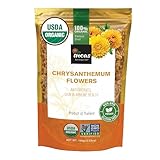
10. Steep Kukhwa-cha (Chrysanthemum Tea) For Mental Clarity

Pin this beautiful floral tea to your Mindfulness & Meditation board!
Ingredients
- 1 tablespoon high-quality, food-grade dried chrysanthemum flowers (ensure they are pesticide-free)
- 2 cups hot water (about 195°F/90°C)
- Medicinal Profile: Highly aromatic and visually stunning, this flower tea reduces inflammation, relieves tension headaches, soothes tired eyes from screen time, and promotes calm mental clarity.
Instructions
- Place the dried blossoms into a glass teapot. (A glass pot is highly recommended so you can watch the beautiful flowers unfurl as they steep).
- Pour hot water over the flowers. Do not use violently boiling water, as it will scorch the delicate petals and turn the tea bitter.
- Infuse for 3 to 5 minutes until the water turns a pale, sparkling gold and the room fills with a fragrant, honey-like floral scent.
- Strain the tea into a cup, or simply pour carefully, leaving the heavy flowers in the bottom of the pot.
- Serve plain to appreciate its delicate nature, and practice a moment of mindfulness while drinking.
Pro-Tip: You can brew the same batch of high-quality chrysanthemum flowers up to three times! In fact, many tea masters believe the second steeping yields the smoothest, most nuanced flavor.
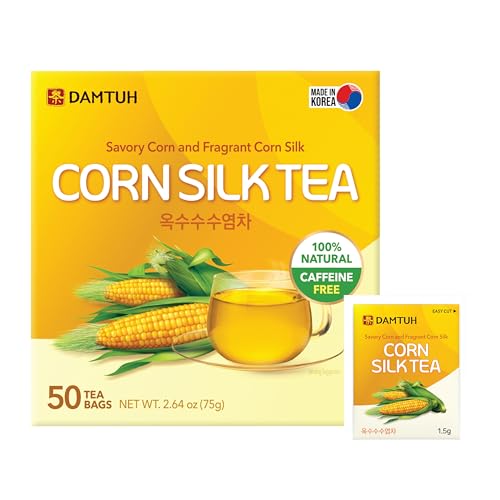
11. Brew Oksusu-hige-cha (Corn Silk Tea) For Detoxification

Struggling with morning puffiness? Save this Korean beauty secret tea!
Ingredients
- 1 large handful of dried all-natural corn silk OR 2 premium corn silk tea bags
- 6 cups of water
- Medicinal Profile: A famous Korean beauty secret, this tea is a gentle natural diuretic that promotes rapid detoxification, flushes out excess sodium, reduces facial puffiness, and offers excellent weight loss support.
Instructions
- Rinse the dried corn silk under cold water if using loose strands.
- Bring 6 cups of water to a rolling boil in a pot.
- Drop the corn silk or tea bags into the boiling water.
- Simmer gently over medium-low heat for about 10 to 15 minutes. The water will turn a very pale, clear yellow and emit a comforting, faintly sweet, roasted corn aroma.
- Strain the silk from the liquid.
- Refrigerate the batch and consume it chilled throughout the morning to flush out overnight water retention and bloating.
Pro-Tip: For the ultimate café-style beverage, try making a hybrid tea! Many Korean households boil corn silk and roasted barley together. The barley provides a robust, nutty body, while the corn silk adds a delicate, lingering sweetness.
Key Takeaways: Your Quick Guide to Korean Herbal Tea
Mastering the art of traditional brewing requires remembering a few critical rules about temperature control, ingredient formats, and historical methodologies. You do not need to memorize the entire Dongui Bogam to benefit from these restorative tonics. By adhering to the foundational principles of Eastern medicine preparation, you can confidently integrate these powerful remedies into your daily routine. Here is a highly scannable summary providing immediate value and actionable brewing rules for your next wellness session.
Key Takeaways:
- Traditional Korean Tea Is Rarely Leaves: Unlike Western or Japanese tea cultures, Korean herbal tea (Hanyak-cha) primarily utilizes medicinal roots, grains, seeds, and fermented fruits rather than Camellia sinensis leaves.
- Naturally Caffeine-Free Wellness: Almost all traditional Korean tisanes, including Solomon’s Seal, Barley, and Ginseng, are entirely caffeine-free, making them perfect around-the-clock wellness rituals.
- Extraction Methods Matter: You must match your brewing method to the ingredient. Tough roots (like Angelica or Ginseng) require long simmering (decoction), while delicate flowers and vitamin-rich marmalades only need brief steeping.
- Cold-Brewing Specifics: Never boil Five Flavor Berries (Omija). They must be cold-steeped to extract their delicate schisandrin antioxidants without releasing overpowering bitterness.
- The Power of “Cheong”: Fruit teas like Citron (Yuja) and Green Plum (Maesil) are made using a traditional sugaring process called cheong, which preserves water-soluble vitamins without using destructive heat.
- Grain Teas for Hydration: Roasted grain teas, specifically barley and corn silk, are safe to drink in massive quantities and act as the primary source of daily hydration in many Korean homes.
- Food as Medicine E-E-A-T: According to the Dongui Bogam and traditional medicine, always select your tea based on your bodily symptoms—ginger for chills, jujube for insomnia, and plum for digestion.
People Also Ask About Korean Herbal Tea
Navigating the complex world of botanical medicine can naturally bring up questions regarding brewing techniques, caffeine content, and traditional restaurant customs. To help you master these wellness tonics, we have compiled authoritative, factual answers to the most common questions users ask about this ancient apothecary tradition.
What is korean herbal tea?
Korean herbal tea, known as Hanyak-cha, is a traditional caffeine-free botanical infusion made by boiling or steeping medicinal roots, grains, fruits, and flowers.
Unlike Western teas derived from the Camellia sinensis plant, these botanical infusions are formulated based on traditional East Asian medicine to address specific health concerns. Common ingredients include ginseng, jujube, ginger, and roasted grains. They function as both daily hydration and powerful functional wellness tonics.
Does korean herbal tea have caffeine?
The vast majority of traditional Korean herbal tea is naturally 100% caffeine-free.
Because these beverages are brewed from roasted grains (like barley), medicinal roots (like Solomon’s seal and ginseng), or preserved fruits (like citron), they contain no stimulants. This makes them exceptional alternatives to coffee and safe to consume late in the evening. However, traditional Korean green tea (Nokcha) does contain caffeine.
What kind of tea do they serve at korean restaurants?
Korean restaurants most commonly serve cold Bori-cha (roasted barley tea) or Oksusu-cha (roasted corn tea) instead of plain water.
These deeply roasted grain teas are inexpensive to brew in massive batches, completely caffeine-free, and have a distinctly nutty flavor. They are specifically chosen by restaurants because they act as a powerful digestion aid, helping diners process heavy, spicy, and meat-centric Korean barbecue meals comfortably.
Is korean herbal tea good for weight loss?
Specific Korean herbal teas, particularly Corn Silk Tea (Oksusu-hige-cha) and Burdock Root Tea (Ueong-cha), provide excellent weight loss support.
These specific infusions act as natural diuretics, helping the body flush out excess sodium and water retention, which immediately reduces facial and abdominal bloating. Additionally, drinking these flavorful, zero-calorie all-natural teas can suppress false hunger cues and act as a healthy appetite suppressant between meals.
What is in ssanghwa tea?
Ssanghwa tea is a potent, dark brown medicinal decoction primarily containing white peony root, rehmannia, astragalus, angelica root, cinnamon, and licorice.
Traditionally prescribed in Korean apothecaries for severe fatigue recovery and cold relief, it is known for its intense, earthy, and bittersweet flavor. In traditional tea houses, it is uniquely served with a sprinkle of pine nuts and a raw egg yolk floating in the center for added protein.
Why does korea primarily like herbal tea?
Korea favors herbal teas due to a deep cultural adherence to the philosophy of “Yak-Sik-Dong-Won,” meaning food and medicine share the same origin.
Rather than drinking tea solely for a caffeine buzz, Koreans historically utilized local, authentic sourcing of botanicals from the mountains to survive harsh winters and treat ailments. This reliance on the Dongui Bogam (traditional medical text) popularized functional, symptom-specific wellness tonics over caffeinated recreational teas.
Which korean tea is best for a cold?
Yuja-cha (Citron tea) and Saenggang-cha (Ginger tea) are considered the absolute best Korean teas for fast cold relief.
Yuja-cha is packed with three times the Vitamin C of a lemon, making it an incredible immune boost that soothes inflamed sore throats. Meanwhile, heavily simmered ginger tea aggressively stimulates blood circulation and induces a light sweat, which traditional medicine dictates helps push the “chill” out of the body.
How to drink korean herbal tea with egg?
To drink Ssanghwa-cha with an egg, gently drop a fresh, pasteurized egg yolk into the center of the steaming hot tea just before serving.
Do not stir the yolk into the liquid. Instead, allow the intense heat of the medicinal herbal infusion to lightly poach the outside of the yolk. You can either drink the tea around the yolk and consume it whole at the end, or carefully swallow it first for a rich caloric boost.
Is korean barley tea herbal?
While strictly a grain infusion rather than an herb, Korean barley tea (Bori-cha) is categorized colloquially alongside herbal tisanes because it is a caffeine-free botanical beverage.
It is made by boiling deeply roasted barley kernels in water. Despite lacking the potent phytochemicals of medicinal roots like ginseng, it is celebrated in traditional medicine for its ability to optimize digestion, improve blood fluidity, and provide deep cellular hydration.
Are there side effects to korean medicinal tea?
While generally safe, highly potent medicinal teas like Ginseng or Ssanghwa-cha can cause side effects if overconsumed or mismatched with your body type.
According to herbalists, “heating” herbs like red ginseng may cause insomnia or headaches in people who naturally run hot or have high blood pressure. Conversely, “cooling” teas like green plum should be consumed in moderation by those with sensitive, cold stomachs. Always consult a professional regarding potent phytotherapy tea.
Final Thoughts on Korean Herbal Tea
Integrating Korean herbal tea into your daily routine is much more than just a beverage choice; it is an embrace of ancient wisdom that views food and medicine as one unified path to health. Whether you are seeking profound fatigue recovery with a steaming bowl of Ssanghwa-cha, looking for gentle weight loss support through corn silk, or simply craving a savory, caffeine-free alternative to your evening coffee like roasted barley, these traditional medicinal herbs offer a natural solution for almost every modern ailment.
The beauty of these authentic recipes lies in their intentionality. By moving away from highly processed, artificially flavored tea bags and learning to properly decoct, steep, and dilute raw roots, grains, and fruit preserves, you extract the maximum health benefits of tea exactly as traditional apothecaries intended centuries ago. Remember that in Eastern botanical medicine, consistency is key—drinking a mild, beneficial infusion daily yields far greater cumulative wellness than a single, highly potent dose.
As you begin building your own home apothecary in 2026, start with the recipes that address your most pressing immediate needs—be it sleep, digestion, or immunity. By respecting the unique extraction methods required for each ingredient, you will transform a simple cup of hot water into a powerful, life-changing wellness ritual.
Which of these 11 traditional healing recipes are you going to brew first to support your health goals this week?
Last update on 2026-10-26 / Affiliate links / Images from Amazon Product Advertising API
