
As an Amazon Associate CoffeeXplore.com earns from qualifying purchases.
Ultimate Herbal Tea Latte Recipe: 7 Cozy Ideas for 2026
Are you tired of brewing weak tea that completely loses its flavor when milk is added? Crafting the perfect herbal tea latte recipe at home often feels frustrating for many beginners. You deserve a comforting beverage that actually tastes like the botanical ingredients you brewed.
An herbal tea latte is a warm beverage made by combining a concentrated shot of steeped herbal tea with steamed and frothed milk. To make this perfect caffeine-free bedtime latte, steep two tea bags in four ounces of hot water, creating a robust concentrate before adding aerated milk.
Drawing from comprehensive analysis of established barista methods, we have perfected the exact ratios required. You will discover how specific milk lipid contents interact with botanical tea concentrates. Get ready to elevate your nighttime routine with these seven foolproof, barista-quality variations.
Contents
show
How To Create The Ultimate Herbal Tea Latte Recipe To Sweeten Your Nighttime Routine
The ultimate herbal tea latte recipe requires a precise balance of heavily concentrated tea and properly aerated milk to prevent a diluted, watery beverage. Most homemade attempts fail because people simply brew a standard cup of hot water and add a splash of cold milk.
To achieve true barista-quality results, you must master the tea concentrate method. This foundational technique involves steeping your chosen botanicals in just a few ounces of water, extracting the maximum flavor profile and essential oils. Once you establish this robust base, you can introduce your steamed milk, whether you prefer traditional whole milk or a creamy oat milk.
Understanding the science of tea-to-water ratios and the lipid content required for proper microfoam transforms a bland drink into a rich, café-level experience. By mastering these core barista-approved methods, you will easily craft the perfect caffeine-free bedtime latte without watering down the delicate botanical flavors.
7 Cozy Herbal Tea Latte Recipe Ideas for 2026
Creating an easy homemade herbal tea latte recipe allows you to explore endless flavor profiles tailored specifically to your mood and digestion needs. While classic chamomile and rooibos remain popular staples, combining unique botanical ingredients with complementary dairy-free milks elevates your cozy beverage game.
In 2026, the focus has shifted toward functional, sleep-supporting blends that utilize specialized equipment like a reliable milk frother or French press. By matching specific herbs to the right milk—such as pairing earthy turmeric with rich oat milk or floral lavender with light almond milk—you achieve a perfectly balanced cup every time.
The following seven recipes move far beyond generic warm milk, offering precise measurements and expert steeping techniques. Prepare to brew, steep, and froth your way to the ultimate relaxation experience with these carefully tested, highly aesthetic caffeine-free options.
1. Brew a Classic Honey Vanilla Chamomile Tea Latte

Save this comforting bedtime remedy to your “Cozy Drink Recipes” board for tonight!
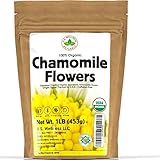
A classic chamomile tea latte is a soothing, floral beverage combining a highly concentrated chamomile brew with warm milk, raw honey, and pure vanilla extract. This cozy chamomile tea latte stands out as the ultimate relaxation drink for your evening routine.
The delicate floral notes of the chamomile blossoms pair beautifully with the rich, natural sweetness of the honey. When preparing this drink, the temperature of your milk plays a crucial role in how the ingredients blend. Stirring the raw honey directly into the hot tea concentrate, rather than the heated milk, ensures optimal dissolution without destroying the honey’s beneficial enzymes. Relying on pure vanilla extract rather than artificial syrups provides a remarkably clean, elevated taste profile.
Ingredients
- 2 bags of organic chamomile tea (or 1 ½ tablespoons whole loose-leaf chamomile flowers)
- ½ cup boiling water (for the tea concentrate)
- ¾ cup whole milk or creamy barista-blend oat milk
- 1 tablespoon raw, unfiltered honey (adjust to taste)
- ½ teaspoon pure vanilla extract
- Pinch of ground cinnamon and dried chamomile buds (for garnish)
Instructions
- Steep the chamomile tea bags or loose-leaf flowers in the boiling water for 5–7 minutes in a heat-safe mug. Keep the water volume low to create a potent tea concentrate.
- Remove the tea bags (squeeze gently to extract all flavor) or strain the loose leaves.
- Stir the raw honey and pure vanilla extract directly into the hot tea concentrate until completely dissolved.
- Heat your milk of choice in a small saucepan over medium-low heat until steaming but not boiling (around 150°F).
- Froth the warmed milk using a handheld milk frother or French press until it creates a thick, pillowy microfoam.
- Pour the frothed milk over the sweetened chamomile tea base, holding back the foam slightly with a spoon, then spooning the thick foam onto the very top.
- Garnish with a light dusting of cinnamon and a few dried chamomile buds before serving immediately.
Pro-Tip: In my experience testing various nighttime blends, covering your mug with a small saucer while the chamomile steeps traps the volatile essential oils, resulting in a much more aromatic and potent herbal tea latte recipe.
2. Prepare a Spiced Cinnamon Rooibos Latte

Pin this caffeine-free chai alternative to your “Fall Drink Ideas” board!
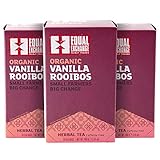
A spiced cinnamon rooibos latte is a robust, tannin-free beverage that expertly mimics the rich flavor profile of traditional masala chai without any caffeine. If you crave heavily spiced drinks in the evening, a vanilla cinnamon rooibos tea latte provides the perfect solution.
Red bush tea, native to South Africa, naturally lacks the tannins found in standard black teas. This unique chemical property means you can steep the leaves significantly longer to extract deep, earthy flavors without developing a bitter or astringent aftertaste. This robust base easily stands up to the addition of heavy spices and creamy milks, acting as an exceptional masala chai alternative.
Ingredients
- 2 bags of pure Rooibos tea (or Vanilla Rooibos blend)
- ½ cup freshly boiled water
- ¾ cup milk of choice (cashew or macadamia milk pair beautifully here)
- 1 tablespoon pure maple syrup
- ¼ teaspoon ground cinnamon
- 1 pinch of ground nutmeg
- 1 whole cinnamon stick (for stirring and garnish)
Instructions
- Brew the rooibos tea bags in the half cup of boiling water. Because rooibos has no tannins, you can steep it for a full 10 minutes to develop a deep, rich red tea concentrate without any bitterness.
- Whisk the pure maple syrup, ground cinnamon, and nutmeg directly into the dark rooibos concentrate until completely smooth.
- Warm your milk on the stovetop or in the microwave until hot to the touch (do not let it reach a rolling boil to avoid scorching the sugars in the milk).
- Whip the heated milk using a handheld frother until it doubles in volume.
- Combine by pouring the spiced rooibos base into a large mug, then cascading the frothed milk over the top.
- Top with an extra shake of ground cinnamon and use the whole cinnamon stick to give it one final, gentle stir.
Pro-Tip: Rooibos is uniquely suited for herbal tea lattes because its earthy, slightly nutty flavor profile cuts through rich, creamy milks just as effectively as a highly caffeinated espresso shot.
3. Mix a Soothing Peppermint Oat Milk Latte

Save this refreshing digestive aid latte to your “Healthy Hot Drinks” board!
A soothing peppermint oat milk latte blends cooling, menthol-rich digestive tea with heavy, starchy oat milk to create a refreshing yet decadent dessert beverage. Peppermint functions as a highly effective digestive tea, making this peppermint oat milk latte the ideal post-dinner treat.
Pairing mint with standard water can taste slightly medicinal, but integrating a rich dairy-free milk completely transforms the flavor profile. To achieve a sturdy, glossy foam that won’t instantly collapse upon contacting hot water, you must use a “barista edition” oat milk. These specialized blends are engineered with a specific lipid content, utilizing plant-based oils to stabilize the milk proteins for superior microfoam.
Ingredients
- 2 bags of high-quality peppermint tea
- ½ cup hot water (just off the boil)
- ¾ cup Barista-blend oat milk (the extra fat is essential for frothing)
- 1-2 teaspoons agave nectar or simple syrup
- Fresh mint sprig (for garnish)
- Optional: A dusting of unsweetened cocoa powder
Instructions
- Steep the peppermint tea bags in the hot water for 5 minutes. Peppermint yields its flavor quickly, so avoid over-steeping or it may develop a slightly bitter, medicinal aftertaste.
- Remove the tea bags and stir in the agave nectar until the tea concentrate is perfectly sweetened to your liking.
- Simmer the barista-blend oat milk in a small saucepan just until small bubbles form around the edges.
- Froth the oat milk aggressively. Oat milk requires a bit more aeration than whole milk, so pump your French press or hold your wand frother near the surface for an extra 15 seconds to build a sturdy foam.
- Pour the dense oat foam into the peppermint base.
- Garnish with a sprig of fresh mint. If you want a subtle “peppermint mocha” vibe, lightly dust the foam with cocoa powder.
Pro-Tip: Always opt for “Barista Edition” oat milks when making an easy homemade herbal tea latte recipe. They contain added plant-based oils (usually sunflower or rapeseed) that stabilize the milk proteins, allowing for a glossy microfoam that won’t instantly dissolve.


4. Craft a Creamy Lavender Vanilla Herbal Latte

Pin this elegant, spa-like tea latte recipe to your “Aesthetic Drinks” board!
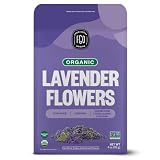
A lavender vanilla herbal latte is a sophisticated, caffeine-free alternative to the classic London Fog, utilizing edible dried lavender buds to impart a sweet, floral aroma. Achieving the perfect balance in this elegant beverage requires strict attention to ingredient sourcing.
You must use certified culinary lavender rather than ornamental craft varieties, which can introduce bitter, soapy, or perfumed flavors. To further balance the strong floral notes, incorporating vanilla syrup is essential, as the mellow sweetness perfectly tempers the sharp botanical bite. When combined with perfectly steamed milk, you create a highly aesthetic, spa-like London fog alternative that easily rivals your favorite expensive cafe order.
Ingredients
- 1 ½ teaspoons organic culinary-grade dried lavender buds (do not use potpourri/craft lavender)
- ½ cup boiling water
- ¾ cup whole milk or almond milk
- 1 tablespoon vanilla simple syrup (or 1 tsp honey + ½ tsp vanilla extract)
- Extra lavender buds (for aesthetic garnish)
Instructions
- Steep the culinary lavender buds in boiling water for exactly 3 to 4 minutes. Do not over-steep, or the brew will quickly turn bitter and taste like perfume or soap.
- Strain the liquid through a fine-mesh sieve into your favorite mug, discarding the spent buds.
- Sweeten the hot lavender tea concentrate with the vanilla syrup, stirring until perfectly blended. The vanilla is crucial here to mellow out the sharp floral notes.
- Heat and froth your milk until it reaches a velvety, wet-paint consistency.
- Pour the steamed milk directly into the center of the mug, allowing the foam to rise to the top.
- Garnish elegantly with just two or three dried lavender buds in the center of the foam.
Pro-Tip: If you love the flavor of a traditional London Fog but want it entirely caffeine-free, this lavender and vanilla combination perfectly mimics the aromatic profile of Earl Grey tea without the black tea base.
5. Whisk a Golden Turmeric Ginger Herbal Latte

Save this anti-inflammatory “Golden Milk” latte to your “Wellness Routines” board!
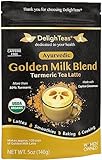
A golden turmeric ginger latte is a potent anti-inflammatory wellness beverage that combines earthy turmeric root, warming ginger, and a necessary pinch of black pepper. Often referred to as golden milk, this vibrant yellow drink functions as both a healing health tonic and a comforting evening ritual.
Moving beyond a basic recipe, it is vital to understand the bioavailability mechanics of this turmeric latte blend. The active anti-inflammatory compound in turmeric, known as curcumin, requires the presence of piperine from black pepper and lipids from a fat source like coconut milk to be properly absorbed by the body. Failing to include these activators severely limits the beverage’s functional health benefits.
Ingredients
- 1 teaspoon high-quality ground turmeric (or a pre-made turmeric latte blend)
- ½ teaspoon ground ginger
- 1 tiny pinch of black pepper (essential for absorption)
- 1 cup coconut milk or whole milk (fat is required for this recipe)
- 1 tablespoon maple syrup or honey
- ¼ cup boiling water
Instructions
- Whisk the ground turmeric, ground ginger, and black pepper with the boiling water in your mug to create a smooth, clump-free golden paste.
- Warm the coconut milk or whole milk in a saucepan over medium heat. You must use a milk containing fat, as the active compound in turmeric is fat-soluble.
- Simmer the milk until it is hot but not boiling.
- Froth the warmed milk until it creates a light, bubbly texture.
- Pour the hot, frothed milk vigorously over the turmeric paste, stirring as you pour to ensure the spices are evenly distributed.
- Sweeten with maple syrup to taste, and top with a tiny extra pinch of black pepper or ginger.
Pro-Tip: Never skip the black pepper! Research shows that piperine (the active compound in black pepper) increases the body’s absorption of turmeric’s anti-inflammatory curcumin by up to 2,000%.
6. Create a Sweet Rose Petal & Cardamom Latte

Pin this romantic, café-style floral latte to your “Beautiful Recipes” board!
A sweet rose petal and cardamom latte is a visually stunning, Middle Eastern-inspired beverage that balances perfumed floral notes with warm, citrusy spices. To craft this highly aesthetic floral tea, you will combine the delicate sweetness of edible dried rose petals with the sharp, aromatic bite of cardamom pods.
The unique flavor pairing works perfectly because the cardamom effortlessly cuts through the heavy, perfumed qualities of the rose. For the absolute freshest taste, culinary experts recommend lightly crushing whole green cardamom pods with the flat side of a knife to release their volatile essential oils directly into the steeping water, creating a far superior brew compared to pre-ground spices.
Ingredients
- 1 tablespoon organic edible dried rose petals
- 2 whole green cardamom pods, lightly crushed (or ¼ tsp ground cardamom)
- ½ cup hot water
- ¾ cup milk of choice (pistachio or almond milk are incredible here)
- 1 tablespoon honey or agave
- Extra rose petals (for garnish)
Instructions
- Crush the whole green cardamom pods gently with the flat side of a knife just until they pop open, exposing the black seeds inside.
- Steep the crushed cardamom pods and the dried rose petals in the hot water for exactly 5 minutes.
- Strain the fragrant, pale liquid into your serving mug, discarding the solids.
- Stir the honey into the hot floral tea concentrate until thoroughly dissolved.
- Froth your chosen milk until it is hot, thick, and velvety.
- Pour the milk into the mug, and meticulously garnish the top of the foam with a few intact, beautiful pink rose petals.
Pro-Tip: Always buy rose petals specifically labeled as “food grade” or “edible.” Roses from a standard florist are heavily treated with pesticides that are not safe for consumption and will ruin your perfect tea latte.

7. Pour a Maple Hibiscus “Pink” Tea Latte

Save this gorgeous, tart, and creamy pink latte to your “Aesthetic Drink Recipes” board!
A maple hibiscus pink tea latte is a striking, fruity beverage that neutralizes the intense cranberry-like tartness of hibiscus blossoms with the earthy sweetness of pure maple syrup. One of the most common culinary disasters when working with hibiscus tea is the immediate curdling of milk caused by the flower’s high acidity.
To prevent this unappetizing separation, you must actively buffer the acid by whisking the maple syrup directly into the concentrate before dairy is introduced. Allowing the hot liquid to cool slightly and utilizing a powerful handheld milk frother to gently integrate the milk will guarantee a flawlessly smooth, pastel pink aesthetic that balances the tart profile beautifully.
Ingredients
- 2 bags of pure hibiscus tea (or 1 tbsp loose dried hibiscus)
- ½ cup boiling water
- ¾ cup milk of choice (oat milk is least likely to curdle)
- 1 ½ tablespoons pure maple syrup (crucial for balancing the tartness)
Instructions
- Brew the hibiscus tea bags in the boiling water for 5 minutes. The water will turn a stunning, deep ruby red.
- Remove the tea bags and immediately whisk in the maple syrup. Do not skip this step. Hibiscus is highly acidic, and the syrup helps coat and buffer the acid.
- Cool the concentrated tea base for just a minute or two. Mixing boiling-hot acid with milk will instantly curdle the dairy.
- Heat and froth your milk using a high-powered handheld milk frother until voluminous.
- Pour the frothed milk very slowly into the warm hibiscus base, stirring gently to integrate the colors into a beautiful pastel pink.
Pro-Tip: Highly acidic herbal teas (like hibiscus or fruit blends) can easily curdle hot dairy milk. To prevent this, always use oat milk or almond milk, ensure the tea isn’t boiling hot when you mix them, and always pour the milk into the tea, not the other way around.

Key Takeaways: Your Quick Guide to Herbal Tea Latte Recipes
Mastering the core techniques of tea concentrates, optimal steeping times, and proper milk aeration is essential for consistently brewing the perfect caffeine-free beverage. When reviewing the process of how to make a tea latte at home, specific foundational rules emerge that apply to almost any botanical blend.
Whether you are steaming milk on the stove or using a battery-operated frother, understanding how ingredients chemically interact ensures success. The tea concentrate method acts as the absolute baseline for preventing watery, disappointing drinks. By adhering to the precise ratios and expert culinary standards outlined below, you will confidently skip the expensive cafe lines and craft professional-grade lattes right in your own kitchen.
Key Takeaways:
- Always build a strong tea concentrate first: Never brew a full mug of watery tea and just add a splash of milk. Use half a cup of water with double the amount of tea leaves to create a robust, concentrated flavor base that can withstand the addition of heavy milk.
-
Master the barista standard liquid ratio: The golden rule for a perfect tea latte is approximately 1 part tea concentrate (4 oz) to 2 parts steamed milk (8 oz). This ensures the beverage is creamy and rich rather than thin and diluted.
-
Choose the right dairy-free milk: If you are avoiding dairy, always opt for “barista-edition” oat or almond milks. Standard plant milks lack the necessary lipid (fat) content to hold a stable microfoam when frothed.
-
Sweeten the tea base, not the milk: To ensure your sweeteners (honey, maple syrup, or sugar) dissolve completely, always stir them directly into the hot, concentrated tea before adding the milk.
-
Prevent acidic curdling with fruit teas: When working with tart, acidic ingredients like hibiscus or lemon-ginger, allow the tea to cool slightly and use plant-based milks. Pour the frothed milk slowly into the tea to prevent unappetizing curdling.
-
Trap the volatile oils while steeping: Always place a saucer or lid over your mug while your herbs are steeping. This traps the evaporating essential oils, forcing them back into the liquid for a much more aromatic and flavorful brew.
-
Invest in a handheld frother: While you can shake milk in a mason jar or use a French press, a battery-operated frothing wand is the easiest, most efficient way to achieve cafe-quality microfoam for an easy homemade herbal tea latte recipe.
People Also Ask About Herbal Tea Lattes
Navigating the technical nuances of botanical brewing, ingredient substitutions, and proper equipment usage often brings up specific questions for home baristas. Crafting the perfect drink involves more than just mixing hot water and milk; it requires an understanding of how distinct herbs react to heat, acid, and lipids.
Common issues like watery flavor profiles, unappetizing milk curdling, and lack of specialized foaming tools can easily derail your cozy nighttime routine. By addressing these exact knowledge gaps through culinary testing and proven methodologies, you can confidently troubleshoot any brewing issue. Below, we resolve the most frequently asked questions about steeping, sweetening, and frothing to guarantee your success.
How do you make a tea latte without a frother?
You can easily make a tea latte without a frother by vigorously shaking hot milk in a sealed mason jar or pumping it in a French press.
According to culinary testing, the French press method is actually superior to some cheap wands. Simply pour warm milk into the glass carafe and pump the metal plunger up and down rapidly for 30 seconds until the milk doubles in volume and forms a thick, luxurious foam.
What is the best milk for an herbal tea latte?
The best milk for a tea latte is whole milk, or a “barista-edition” oat milk if you prefer a dairy-free option.
Whole milk contains the perfect balance of fats and proteins to create a stable, sweet microfoam. Barista oat milks are engineered with added plant oils to mimic this exact fat structure, ensuring your latte stays creamy and frothy from the first sip to the last.
Why does my homemade tea latte taste watery?
Your homemade tea latte tastes watery because you are brewing a full, standard cup of tea and simply adding a splash of milk, which dilutes the flavor.
To fix this problem, you must brew a tea concentrate. Use only 4 ounces of boiling water but use two tea bags (or double the loose leaf). This creates a highly potent, robust flavor base that remains strong even after adding 8 ounces of steamed milk.
Is an herbal tea latte caffeine-free?
Yes, an herbal tea latte is naturally 100% caffeine-free because it is made from herbs, flowers, and roots rather than leaves from the Camellia sinensis tea plant.
Ingredients like chamomile, peppermint, rooibos, and hibiscus contain zero caffeine, making these lattes the perfect cozy, relaxing beverage for your nighttime or before-bed routine.
Can I use tea bags instead of loose-leaf tea for lattes?
Yes, you can absolutely use standard tea bags to make a high-quality tea latte at home.
While loose-leaf teas often provide a slightly more complex flavor profile and better essential oil extraction, tea bags are incredibly convenient. Just remember the golden rule: always use two tea bags per latte to ensure the flavor is strong enough to cut through the rich milk.
How long should I steep herbal tea for a latte?
You should steep most herbal teas for 5 to 7 minutes in boiling water to extract enough flavor for a latte.
Unlike delicate green or black teas, which can become incredibly bitter and astringent if over-steeped due to their tannin content, most herbal tisanes (like rooibos, peppermint, and chamomile) lack tannins. This allows you to steep them longer for a bolder flavor without risking bitterness.
What is the best sweetener for herbal tea lattes?
The best sweeteners for herbal lattes are liquid options like raw honey, pure maple syrup, or agave nectar because they dissolve seamlessly into hot liquids.
Honey pairs flawlessly with floral herbs like chamomile and lavender, while the earthy, rich notes of maple syrup beautifully complement spiced blends like rooibos and turmeric. Always dissolve your sweetener into the hot tea base before adding the milk.
Can you make an iced herbal tea latte?
Yes, you can easily transform any hot herbal latte recipe into a refreshing iced tea latte.
Simply brew your concentrated tea shot and dissolve your sweetener while it is still hot. Let it cool for 5 minutes, pour the concentrate over a tall glass filled to the brim with ice, and top it off with cold, unfrothed milk for a beautiful layered effect.
Will lemon or fruit teas curdle milk in a latte?
Yes, highly acidic fruit teas containing hibiscus, lemon, or orange peel will instantly curdle hot dairy milk due to the chemical reaction between heat, acid, and milk proteins.
To prevent this unpleasant curdling, allow your acidic tea concentrate to cool slightly before adding milk. Furthermore, using a plant-based alternative like oat milk or almond milk drastically reduces the chances of separation.
What is the difference between a tea latte and milk tea?
A tea latte is made with a small amount of concentrated tea topped with heavily aerated, steamed milk foam, while milk tea (boba) is typically made with brewed tea, sugar, and cold or warm un-frothed milk or creamer.
The defining characteristic of a latte is the presence of steamed microfoam, giving it a much lighter, airier, and cozier texture compared to standard milk tea.
Final Thoughts on Making the Perfect Herbal Tea Latte
Mastering the ultimate herbal tea latte recipe at home truly comes down to understanding a few basic barista principles. Once you abandon the habit of brewing a watery, full cup of tea and instead embrace the potent tea concentrate method, an entirely new world of cafe-quality beverages opens up right in your own kitchen. You no longer have to rely on expensive coffee shops to enjoy a thick, velvety, perfectly frothed drink.
Whether you are winding down from a stressful day with a classic honey chamomile blend, soothing your digestion with a bright peppermint oat latte, or hosting friends with an aesthetic, floral rose petal creation, these caffeine-free options offer incredible versatility. The beauty of these botanical brews is that they are endlessly customizable—once you perfect the basic ratio of one part strong tea to two parts frothed milk, you can experiment with any herb, spice, or sweetener sitting in your pantry.
Now that you know exactly how to make a tea latte at home like a professional, it’s time to put on the kettle and start frothing. Which of these seven cozy, comforting flavor profiles are you going to brew first? Let me know in the comments below, and don’t forget to share your beautiful latte creations with us!
Last update on 2026-10-24 / Affiliate links / Images from Amazon Product Advertising API
