
As an Amazon Associate CoffeeXplore.com earns from qualifying purchases.
Herbal Tea Japanese Style: 7 Ultimate Caffeine-Free Blends
Do you assume all Japanese tea is just caffeinated green tea? Many people struggle with caffeine sensitivity ruining their sleep. Finding a truly comforting evening brew can be incredibly frustrating. Discover how herbal tea Japanese style perfectly solves this dilemma.
Herbal tea Japanese style, often referred to as a tisane, is a naturally caffeine-free infusion made from roasted grains, seeds, beans, or wild botanicals rather than the traditional Camellia sinensis tea plant. Popular varieties include Mugicha, Sobacha, and Kuromamecha, which offer deeply roasted, comforting flavors.
Drawing from historical texts and established traditional Japanese brewing methodologies, we analyzed the best botanical infusions available. You will discover exactly how to brew these ancient remedies safely at home. Elevate your evening routine with these ultimate caffeine-free alternatives today.
Contents
show
What Is Herbal Tea Japanese Style? The Ultimate Caffeine-Free Secret
Japanese herbal tea represents a distinct class of botanical infusions crafted from local flora, roasted grains, and seeds, operating as a healthy alternative to coffee and traditional green tea. When most people think of Japanese tea culture, they immediately picture vibrant, caffeinated matcha or sencha. However, historical texts reveal that Japanese farmers frequently utilized local grains, beans, and wild grasses instead of expensive tea leaves. This resourcefulness birthed a rich tradition of Japanese tisanes.
If you are struggling with caffeine sensitivity or sleep disruption, these botanical infusions offer immense relief. Understanding the fundamental botanical difference is crucial. Traditional green tea comes strictly from the Camellia sinensis plant, which naturally contains caffeine. Conversely, a caffeine-free Japanese tea utilizes entirely different plant families. To extract the medicinal benefits from these tough botanicals, practitioners developed the traditional Japanese brewing method called Senjiru, a potent decoction process. This unique preparation method successfully transforms simple agricultural staples into powerful daily wellness tools.
Herbal Tea Japanese Style: 7 Ultimate Caffeine-Free Blends
To experience herbal tea Japanese style, try these 7 caffeine-free blends: Mugicha, Sobacha, Kuromamecha, Amacha, Yomogi Cha, Biwa Cha, and Dokudami Cha. Preparing botanical infusions at home requires understanding the unique characteristics of each ingredient. Some blends feature a deeply roasted, sweet, and earthy profile, while others act as potent detoxifying agents. Unlike standard tea bags, these authentic ingredients require specific brewing vessels, like the traditional kyusu, and exact water temperatures to unlock their full potential.
In this comprehensive guide, we provide exact, step-by-step recipes for each blend. You will learn whether to use the rigorous Senjiru decoction method or a gentle warm steeping process. Let’s explore how to prepare these specific Japanese herbal teas to perfectly match your unique flavor preferences and wellness goals for 2026.
1. Brew Refreshing Mugicha (Roasted Barley Tea) For Summer Hydration

Pin this refreshing summer tea recipe to your Japanese Wellness board!
Mugicha serves as the quintessential Japanese summer drink. Restaurants across Japan serve this cold brew mugicha year-round to aid digestion and provide profound refreshing summer hydration. The roasting process triggers a Maillard reaction, which gives the roasted grains a nutty, coffee-like depth without any of the stimulating effects. It stands out as an exceptional caffeine-free roasted grains option for families and individuals seeking healthy hydration.
Ingredients
- 2-3 tablespoons of premium organic loose-leaf roasted barley (Mugicha) or 1 high-quality roasted barley tea bag
- 1 liter (about 4 cups) of fresh filtered water
- Heat-safe glass pitcher (for cold brewing) or standard kettle (for hot brewing)
- Ice cubes (for serving)
Instructions
- Measure your loose roasted barley or place the tea bag into your heat-safe glass pitcher.
- Boil the filtered water to a rolling boil (212°F/100°C) to properly extract the deep, roasted flavor profile.
- Pour the boiling water over the barley grains and let it steep uncovered for 5 to 10 minutes, depending on your preferred strength.
- Strain the loose grains using a fine mesh sieve (if not using a bag) and let the amber liquid cool to room temperature.
- Chill in the refrigerator for at least 2 hours and serve over ice for the ultimate Japanese summer refreshment.
Pro-Tip: In my experience studying traditional Japanese tea arts, achieving the perfect Mugicha relies heavily on the Maillard reaction of the grains; always choose deeply roasted, dark brown barley rather than lightly toasted varieties for that authentic, rich flavor profile.

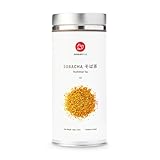
2. Steep Nutty Sobacha (Roasted Buckwheat Tea) For Cozy Evenings

Save this comforting, caffeine-free evening routine to your Tea Recipes board!
Sobacha provides a warm, nutty, and almost dessert-like toasted flavor that is perfect for cozy evenings. Despite the word “wheat” in its name, this roasted buckwheat tea remains completely gluten-free. It serves as an excellent rutin-rich botanical infusion, promoting cardiovascular health. For the best nutritional results, seek out Dattan Sobacha (Tartary buckwheat), which contains nearly one hundred times more rutin antioxidants than standard varieties.
Ingredients
- 1 tablespoon of Tartary roasted buckwheat kernels (Dattan Sobacha) for maximum nutritional benefit
- 8 oz (1 cup) of fresh filtered water
- A traditional Japanese Kyusu (teapot) or a mug with a fine-mesh stainless steel infuser
- Optional: A splash of oat milk or honey (though traditionally enjoyed plain)
Instructions
- Scoop the roasted buckwheat kernels directly into your Kyusu or tea infuser.
- Heat filtered water to exactly 200°F (93°C)—just below a rolling boil to prevent scorching the delicate nutty oils.
- Pour the hot water over the kernels and cover the vessel to trap the aromatic steam.
- Infuse for exactly 3 to 4 minutes; the water will transform into a vibrant, clear golden-yellow hue.
- Decant fully into your teacup, ensuring no water is left in the teapot, and enjoy the rich, biscuit-like aroma.
Pro-Tip: Don’t throw away the steeped kernels! High-quality organic Dattan Sobacha kernels soften perfectly after brewing and can be eaten directly from the cup or sprinkled over yogurt and salads for a fiber-rich crunch.
3. Infuse Sweet Kuromamecha (Roasted Black Bean Tea) For Anti-Aging

Pin this anti-aging beauty tea secret to your Healthy Drinks board!
Kuromamecha is a highly sought-after anti-aging japanese tea created from premium roasted black soybeans. This naturally sweet, caffeine free alternative requires absolutely zero added sugar. The dark pigment of the beans releases potent anthocyanins into the water during steeping. According to traditional Japanese Kampo medicine principles, deeply colored black foods strongly support kidney health, skin vitality, and comprehensive anti-aging benefits.
Ingredients
- 2 tablespoons of premium roasted black soybeans (Kuromamecha), preferably sourced from Hokkaido, Japan
- 16 oz (2 cups) of fresh filtered water
- A glass teapot (highly recommended to watch the beautiful color change) or standard infuser
Instructions
- Place the whole roasted black soybeans directly into the bottom of your glass teapot.
- Boil your filtered water fully to 212°F (100°C) to effectively penetrate the tough outer skin of the beans.
- Pour the boiling water directly over the beans.
- Steep for 5 to 8 minutes. You will watch the water slowly transform into a gorgeous deep purple, almost magenta color as the anthocyanins release.
- Pour into your cup and enjoy the naturally sweet, earthy broth.
Pro-Tip: According to Japanese culinary traditions, the beans left over from brewing Kuromamecha are packed with protein and dietary fiber. Toss them into your rice cooker with your next batch of white rice to create a nutritious, delicately flavored black bean rice!

4. Decoct Amacha (Hydrangea Tea) For A Naturally Sweet Treat

Save this incredible sugar-free sweet tea to your Japanese Culture board!
Amacha, often celebrated as the “Tea of Heaven,” is a unique naturally sweet herbal tea heavily consumed during Hanamatsuri, the Japanese Buddhist festival celebrating Buddha’s birthday. This fascinating hydrangea leaf tea contains phyllodulcin, a powerful organic compound that is four hundred to eight hundred times sweeter than table sugar. It provides intense sweetness without spiking blood sugar, making it an incredible zero-calorie treat.
Ingredients
- 1 to 2 grams (about 1/2 teaspoon) of authentic Japanese Amacha (Hydrangea leaf) loose tea
- 8 oz (1 cup) of fresh filtered water
- A small Kyusu or delicate porcelain teacup
Instructions
- Measure the Amacha very carefully. Because phyllodulcin is incredibly sweet, using too much leaf will result in a cloying, overpowering licorice-like sweetness.
- Heat your water to a cooler temperature of 160°F – 175°F (70°C – 80°C) to prevent extracting any bitter tannins from the leaves.
- Pour the water gently over the scarce amount of leaves.
- Steep for exactly 1 to 2 minutes. The liquid will be very pale, but the flavor will be immensely powerful.
- Strain immediately into your cup. Experience the delayed, lingering sweetness that coats the palate minutes after swallowing.
Pro-Tip: True Amacha leaves undergo a complex fermentation and rubbing process to develop their sweetness. Never attempt to make tea from decorative hydrangeas in your garden, as they contain cyanogenic glycosides and are toxic. Always purchase certified Amacha sourced specifically from Japan.

5. Brew Yomogi Cha (Mugwort Tea) For Deep Detoxification

Pin this traditional Japanese detox herbal blend to your Wellness Routine board!
Yomogi cha utilizes the incredible botanical power of Japanese mugwort, widely celebrated across Japan as the “Queen of Herbs.” This potent detox herbal tea boasts a high chlorophyll content and a delightfully fresh, spring-like, slightly bitter herbaceous flavor. Beyond making an excellent post-meal digestif, Japanese mugwort tea has deep roots in traditional moxibustion therapy, highlighting its historical importance for women’s health and internal detoxification.
Ingredients
- 1 heaping tablespoon of organic dried Yomogi (Japanese mugwort) leaves
- 10 oz of fresh filtered water
- A tea strainer or Kyusu
- Optional: A slice of fresh ginger or lemon to cut the herbaceous bitterness
Instructions
- Place the fluffy dried Yomogi leaves into your strainer.
- Boil the water to a full 212°F (100°C) to break down the tough cellular walls of the dried wild herb.
- Pour the boiling water over the leaves, ensuring they are fully submerged.
- Infuse for 3 to 5 minutes. The tea will yield a bright, spring-green color and emit a distinct, refreshing, slightly menthol-like aroma.
- Strain the leaves completely. Sip slowly after a heavy meal to stimulate digestion and liver function.
Pro-Tip: Yomogi is highly prized in Japanese Kampo medicine for its warming properties. For women experiencing menstrual cramping, brewing a strong cup of Yomogi cha with a sliver of fresh ginger is a traditional remedy to increase circulation and provide soothing relief.

6. Decoct Biwa Cha (Loquat Leaf Tea) For Respiratory Health

Save this traditional Japanese respiratory remedy to your Natural Apothecary board!
Biwa cha requires the rigorous traditional senjiru method to properly extract its potent lung-supporting compounds. Because loquat leaves feature thick cellular structures and fuzzy trichomes on their undersides, simple steeping fails to release their beneficial triterpenes and amygdalin. When boiled properly, this mild, earthy loquat leaf tea acts as a powerful agent for respiratory health, historically used by Buddhist monks to treat asthma and troubled skin.
Ingredients
- 1 large handful (about 3-5 grams) of crushed, dried organic Biwa (loquat) leaves
- 1 liter of fresh filtered water
- A stainless steel or glass stovetop pot (avoid aluminum or cast iron, which can react with the herbal tannins)
Instructions
- Combine the crushed Biwa leaves and cold filtered water directly in your pot.
- Bring the water to a rolling boil over medium-high heat.
- Reduce the heat to a low simmer immediately once boiling.
- Decoct (Senjiru method) by letting the leaves simmer gently for 10 to 15 minutes. This prolonged boiling is absolutely necessary to break down the tough cellular walls of the thick loquat leaves.
- Turn off the heat, let it sit for 5 minutes, then strain the amber liquid into a teapot or thermos to sip throughout the day.
Pro-Tip: The traditional Japanese Senjiru method of boiling herbs rather than just steeping them is the key to Biwa cha. If you buy Biwa cha in tea bags, do not just pour hot water over them; actually boil the tea bags in a pot for 5 minutes to extract the full medicinal properties.
$2 offBestseller No. 6

7. Steep Dokudami Cha (Chameleon Plant Tea) For Clear Skin

Pin this traditional Japanese clear-skin tea to your Skincare Secrets board!
Dokudami cha translates to “poison-blocking plant,” cementing its historical status in the Japanese Pharmacopoeia as a premier remedy for internal detoxification. While the fresh chameleon plant emits a notoriously pungent odor, carefully roasting and drying the leaves transforms the flavor profile entirely. High-quality Japanese detox tea tastes remarkably earthy and delicious. It contains high levels of quercitrin, a flavonoid that helps flush out the root causes of skin inflammation.
Ingredients
- 1 tablespoon of high-quality dried and roasted Dokudami (Chameleon plant) leaves
- 12 oz of fresh filtered water
- A Kyusu or standard teapot with a strainer
Instructions
- Smell your dried Dokudami first—high-quality Japanese processing removes all pungent odors, leaving a pleasant, earthy, roasted scent. Place the leaves in your teapot.
- Heat water to a rolling boil (212°F/100°C).
- Pour the hot water over the herbs and cover.
- Steep for a full 5 to 7 minutes to draw out the quercitrin, a flavonoid that helps flush toxins from the body and skin.
- Strain and sip slowly. It pairs exceptionally well with a small teaspoon of raw honey if you prefer a sweeter profile.
Pro-Tip: If you suffer from hormonal breakouts or acne, Japanese herbalists recommend drinking one cup of Dokudami cha daily for 30 days. The diuretic properties help flush stagnant toxins that often manifest as skin inflammation.

Key Takeaways: Your Quick Guide to Herbal Tea Japanese Style
A quick herbal tea japanese style summary reveals that mastering caffeine-free japanese tea requires understanding the distinct differences between gentle steeping and the traditional japanese brewing method. When you are time-pressed but still want to achieve optimal health benefits, retaining the most critical rules regarding ingredient sourcing and preparation is vital.
While exploring these traditional botanical infusions, keep the primary concepts top of mind. You must differentiate between simple leaf infusions and robust grain decoctions to avoid bitter, ineffective beverages. The following bullet points synthesize the complex methodologies and critical safety protocols we’ve explored. Keep this quick overview handy to ensure your home brewing practices align perfectly with established Japanese traditions.
Key Takeaways:
- Understand the Difference: Unlike traditional green tea (Matcha, Sencha) made from the caffeinated Camellia sinensis plant, herbal tea Japanese style is strictly crafted from roasted grains, beans, and wild botanicals, making it 100% caffeine-free.
- Match the Tea to the Season: Embrace seasonal drinking habits by serving roasted barley tea (Mugicha) ice-cold for summer hydration, and warm buckwheat tea (Sobacha) during cozy winter evenings.
- Master the Senjiru Method: For tough botanical leaves like Biwa cha (loquat) and Yomogi cha, simple steeping won’t work. You must actively boil (decoct) the leaves for 10-15 minutes to extract their medicinal properties.
- Leverage Grain Teas for Digestion: Teas brewed from roasted grains and beans—like Kuromamecha and Sobacha—are gentle on the stomach, aid in digestion, and can be consumed safely late at night without disrupting sleep.
- Exercise Caution with Hydrangeas: Authentic Amacha provides a zero-calorie, intensely sweet flavor due to phyllodulcin, but you must only purchase certified Japanese Amacha; never brew tea from ornamental garden hydrangeas as they are toxic.
- Don’t Waste the Byproducts: High-quality organic ingredients like Tartary buckwheat kernels and Hokkaido black soybeans can be eaten directly after brewing, providing a fantastic source of dietary fiber and protein.
People Also Ask About Herbal Tea Japanese Style
Navigating the world of common japanese herbal tea queries reveals widespread confusion regarding caffeine content, pregnancy safety, and strict tea terminology. Because the Western market largely associates Japan exclusively with matcha and sencha, the vast culture of grain-based tisanes often sparks excellent questions.
To resolve these lingering misunderstandings, we have compiled the most critical questions users ask when transitioning from caffeinated beverages to botanical infusions. The answers below utilize authoritative botanical facts and traditional usage guidelines. They will help you clarify exactly what constitutes a Japanese herbal brew, ensuring you make perfectly informed choices for your dietary and wellness needs.
What is Japanese herbal tea?
Japanese herbal tea, or tisane, is a beverage made by infusing hot water with naturally caffeine-free ingredients like roasted grains, beans, seeds, or wild botanical leaves. Unlike traditional Japanese green tea, which comes from the caffeinated Camellia sinensis plant, these botanical infusions rely on local agriculture. Popular varieties include roasted barley (Mugicha), buckwheat (Sobacha), and Japanese mugwort (Yomogi).
Does Japanese herbal tea have caffeine?
No, authentic Japanese herbal teas are completely caffeine-free. Because they are brewed from roasted grains (like barley or buckwheat), beans (like black soybeans), or wild herbs (like loquat or mugwort) rather than actual tea leaves, they contain zero caffeine. This makes them a perfect healthy alternative to coffee or green tea for evening consumption.
Is all Japanese tea green tea?
No, while Japan is famous for green teas like Matcha and Sencha, it possesses a massive culture of non-green, non-caffeinated herbal teas. Many everyday beverages consumed in Japanese households and restaurants are actually grain-based infusions like Mugicha (barley tea) or Sobacha (buckwheat tea), which are completely unrelated to the green tea plant.
Can I drink Japanese herbal tea while pregnant?
Most grain-based Japanese herbal teas, such as Mugicha (barley) and Sobacha (buckwheat), are widely consumed by pregnant women in Japan because they are caffeine-free and hydrating. However, botanical herb teas like Yomogi (mugwort) and Amacha should be consulted with a doctor first, as potent herbal remedies can sometimes stimulate uterine activity.
What does Sobacha taste like?
Sobacha (roasted buckwheat tea) has a rich, nutty, and toasty flavor profile that tastes remarkably like baked biscuits or a mild, sweet coffee. It lacks the grassy astringency of green tea and has no bitterness, making it a highly comforting, savory-sweet beverage that warms the body.
How do you brew tea using the Senjiru method?
The Senjiru method involves actively boiling (decocting) tough herbal leaves in water for 10 to 15 minutes rather than just pouring hot water over them. This traditional Japanese brewing technique is required for thick, fibrous herbs like Biwa cha (loquat leaf) to properly break down their cellular walls and extract the medicinal compounds.
Which Japanese herbal tea is best for digestion?
Yomogi cha (mugwort tea) and Mugicha (barley tea) are considered the best Japanese herbal teas for digestion. Yomogi stimulates liver function and bile production, making it an excellent post-meal digestif, while Mugicha is traditionally served with heavy meals in Japan to cleanse the palate and soothe the stomach lining.
Why is Amacha so sweet without sugar?
Amacha is intensely sweet because the hydrangea leaves contain a natural organic compound called phyllodulcin. This compound is roughly 400 to 800 times sweeter than regular table sugar but contains zero calories and does not spike blood sugar, making it a miraculous natural sweetener.
Can I eat the beans from Kuromamecha?
Yes, you can absolutely eat the roasted black soybeans after brewing Kuromamecha. Once steeped, the beans soften and become plump, retaining high amounts of protein and dietary fiber. Traditional Japanese practices suggest tossing these leftover beans into a rice cooker to make nutrient-dense black bean rice.
What is the best Japanese tea for clear skin?
Dokudami cha (chameleon plant tea) and Biwa cha (loquat leaf tea) are historically revered in Japan for promoting clear skin. Dokudami acts as a natural diuretic that helps flush inflammation-causing toxins from the body, while Biwa leaves have anti-inflammatory properties that have been used to soothe eczema and acne for centuries.
Final Thoughts on Herbal Tea Japanese Style
Exploring herbal tea Japanese style opens up an entirely new world of flavor, wellness, and tradition that exists far beyond the realm of standard green tea. Whether you are actively trying to reduce your caffeine intake, searching for a gentle beverage to soothe your digestion, or simply looking to elevate your evening wind-down routine, these botanical infusions and roasted grains offer a deeply comforting solution.
The beauty of Japanese tisanes lies in their profound simplicity and functional health benefits. From the cooling, summer-ready refreshment of a frosty glass of Mugicha, to the complex, anti-aging properties of Kuromamecha, there is a traditional blend perfectly suited for every body and every season. By embracing unique preparations—like the robust Senjiru boiling method for tough leaves or simply eating the leftover Tartary buckwheat kernels from your cup—you aren’t just brewing a drink; you are participating in centuries of Japanese holistic wellness.
Don’t let caffeine sensitivity keep you from enjoying a rich, complex cup of tea. Equip yourself with a beautiful Kyusu, choose one of these seven incredible blends, and transform your daily hydration into a mindful, health-boosting ritual starting this October.
Which of these caffeine-free Japanese herbal teas are you going to brew first? The nutty Sobacha or the magically sweet Amacha? Let us know your favorite in the comments below!
Last update on 2026-10-24 / Affiliate links / Images from Amazon Product Advertising API
