
As an Amazon Associate CoffeeXplore.com earns from qualifying purchases.
Herbal Tea Bar Setup Ideas: 7 Cozy DIY Stations for 2026
Are your kitchen counters overrun by messy tea bags and stale tea leaves? Finding the perfect herbal tea bar setup ideas can instantly transform that cluttered chaos into a beautiful, dedicated tea space.
A herbal tea bar setup is a dedicated, organized home station designed to store, display, and brew loose leaf teas and botanical blends. By combining airtight glass storage jars, an electric kettle, and brewing accessories in one accessible aesthetic space, it streamlines your daily wellness ritual while eliminating kitchen clutter. This dedicated zone keeps everything seamlessly organized and immediately ready for use.
Drawing from comprehensive analysis of current botanical data and proven space-saving methodologies, this guide reveals how to build the ultimate home tea station setup. You will discover exactly how to balance gorgeous interior design with rigorous food-grade storage principles. Get ready to elevate your morning routine with these incredibly practical, easy-to-implement organizational methods.
Contents
show
Why You Need A Dedicated Herbal Tea Bar Setup in 2026
A dedicated home tea bar eliminates cluttered counters and prevents stale tea leaves by centralizing your brewing tools and botanical ingredients into one aesthetic, functional space.
If you are currently stuffing torn cardboard boxes of tea into a crowded pantry, you are likely sacrificing both flavor and kitchen harmony. Establishing a dedicated tea space solves these common household frustrations immediately. A thoughtfully designed home tea station setup acts as a physical reminder to slow down and prioritize your daily wellness rituals. It transforms the mundane task of boiling water into a calming, intentional experience.
More importantly, a specialized setup protects your financial investment in high-quality botanicals. Loose leaf tea requires a highly specific environment to maintain its flavor profile and medicinal benefits. By integrating proper food-grade storage containers featuring moisture-proof seals, you prevent your delicate herbs from absorbing ambient kitchen humidity and cooking odors. Whether you utilize a spacious kitchen counter or compact bar carts, an organized tea space perfectly blends beautiful interior design with rigorous botanical preservation.
7 Cozy DIY Herbal Tea Bar Setup Ideas To Transform Your Space
Creating a functional DIY tea bar requires matching your interior style with proper herbal tea display techniques that protect delicate loose leaf botanicals.
Building a stunning home beverage center involves more than just setting down a kettle. You need to thoughtfully organize and style your space to maximize both visual appeal and daily efficiency. Whether you have expansive countertops or desperately need small space home tea bar ideas, there is a layout perfectly suited to your home.
The following seven designs range from vintage apothecary styles to modern minimalist setups. Each approach demonstrates how to properly store herbs while keeping your essential tools readily accessible. Let’s explore these curated designs so you can implement the perfect aesthetic for your unique brewing rituals.
1. Curate An Apothecary Style Herbal Tea Display

Pin this gorgeous vintage apothecary setup to your Dream Kitchen board!
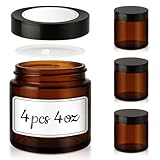
To curate an apothecary style herbal tea display, utilize amber glass bottles that provide essential UV light protection while styling a moody, vintage medicinal tea bar.
This specific aesthetic is perfect for those who want their wellness station to feel like an old-world botanical pharmacy. The rich, dark colors of the glass paired with antique metals create a highly sophisticated, grounding atmosphere in any kitchen.
Materials Needed
- Amber glass bottles or jars (16oz capacity) with moisture-proof seals
- Dried lavender, peppermint leaves, and chamomile flowers
- Antique brass or copper tea infusers
- Matte black or kraft paper sticker labels
- A vintage wooden tray to anchor the setup
Step-by-Step Directions
- Clean and thoroughly dry all your glass jars to ensure no moisture is trapped inside.
- Transfer your store-bought vs DIY blends into the amber jars using a wide-mouth funnel to prevent spills.
- Label each jar clearly with the botanical name and the date you stored it.
- Arrange the filled jars on your vintage wooden tray, placing taller jars in the back.
- Display your brass strainers and a small dish of honey sticks next to the jars for easy access.
Pro-Tip: In my experience as an herbalist, using dark amber or violet glass is crucial for terpene preservation. It blocks harmful UV rays that can degrade the delicate bioactive compounds and essential oils in your loose leaf tea over time.
2. Install Small Space Kitchen Counter Tea Organization

Save this brilliant space-saving hack for your next kitchen organization weekend!
Installing a small space kitchen counter tea organization system involves using vertical floating shelves and slim glass canisters to maximize limited kitchen space.
When counter space is at a premium, building upward is your best strategy. By utilizing sleek, wall-mounted storage solutions, you can keep your daily brewing tools within arm’s reach without sacrificing valuable food preparation areas.
Materials Needed
- 2-3 heavy-duty clear acrylic or floating shelves
- Slim, rectangular glass storage jars (they stack and sit flush against walls better than round ones)
- A compact electric kettle with a narrow footprint
- Under-cabinet adhesive hooks for tea mugs
- Mounting hardware and a level
Step-by-Step Directions
- Measure the vertical space between your countertop and upper kitchen cabinets.
- Mount the floating shelves using a level, ensuring they are spaced far enough apart to accommodate the height of your chosen jars.
- Install the adhesive hooks directly to the underside of your upper cabinets to hang your most-used mugs.
- Fill your slim glass canisters with different herbal tea blends and line them up symmetrically on the shelves.
- Tuck the compact electric kettle directly beneath the shelves on a heat-resistant surface.
Pro-Tip: Always leave at least 18 inches of clearance above your kettle. Steam can damage upper cabinets over time, so placing your brewing corner slightly offset from your overhead woodwork is a vital safety tip.

3. Mount A Rustic Wood Tea Bar Shelf Setup

Pin this cozy farmhouse tea nook to inspire your next home project!
To mount a rustic wood tea bar shelf setup, pair heavy reclaimed wood shelving with classic Mason jars and small chalkboards for a warm, farmhouse aesthetic.
This cottagecore-inspired approach is heavily favored for its budget-friendly materials and warm, inviting energy. By using classic canning jars and distressed wood, you can easily create a beautiful rustic tea bar that feels like a natural extension of a country kitchen.
Materials Needed
- Reclaimed wood planks (cut to size)
- Black iron shelf brackets
- Standard mouth Mason jars with airtight, rust-proof lids
- Small chalkboards or chalkboard tape for labeling
- A classic ceramic teapot
- Woven baskets for hiding messy tea bags or extra tools
Step-by-Step Directions
- Locate the wall studs in your designated tea corner to ensure the heavy wood and glass will be properly supported.
- Mount the black iron brackets securely to the studs, then attach your reclaimed wood planks.
- Transfer your loose leaf tea into the Mason jars, ensuring the silicone ring in the lid is perfectly clean for an airtight seal.
- Label the jars using chalkboard tape and a liquid chalk marker for easy updates when you switch out flavors.
- Organize your infusers, honey dippers, and sugar packets into the woven baskets to maintain a clean, de-cluttered look on the shelves.
Pro-Tip: While Mason jars are beautiful, their clear glass leaves tea vulnerable. If your rustic tea bar receives direct sunlight, apply a UV-filtering window film to your kitchen windows to prevent the hygroscopic properties of the herbs from degrading due to temperature fluctuations and light exposure.

4. Style A Modern Minimalist Loose Leaf Tea Station

Love sleek and clean design? Save this minimalist tea setup for your modern kitchen!
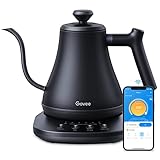
Styling a modern minimalist tea station design centers on precision brewing tools like variable temperature electric kettles and sleek opaque matte tins.
For the true tea connoisseur, an uncluttered space dedicated to the technical art of brewing is paramount. This setup strips away decorative excess, focusing entirely on clean lines, metallic finishes, and the high-performance equipment necessary for perfect extraction.
Materials Needed
- A variable temperature electric kettle (preferably gooseneck for precision pouring)
- Opaque, matte-finish tin storage containers (to block all light)
- A digital steeping scale or steeping timers
- Double-walled glass tea mugs
- A sleek stainless steel loose leaf + strainer
Step-by-Step Directions
- Clear a specific zone on your countertop, removing absolutely all non-essential items to establish a true minimalist aesthetic.
- Transfer teas from bulky store packaging into uniform, opaque matte tins.
- Categorize your tins by oxidation levels (e.g., white, green, oolong, black, herbal) for a logical workflow.
- Position the variable temperature kettle as the centerpiece of the station.
- Store your scale, timers, and strainers neatly in a single shallow bamboo drawer insert beneath or adjacent to the setup.
Pro-Tip: For the ultimate modern setup, a variable temperature kettle is non-negotiable. Different botanicals require specific steeping temperatures—delicate green teas burn at boiling, while hardy herbal roots require a full 212°F rolling boil to extract maximum bioactive compounds.
5. Assemble A Bohemian Style Tea Corner

Add some earthy vibes to your morning routine—pin this boho tea corner idea!
Assembling bohemian style tea corner essentials involves blending a fresh herb tea garden indoor setup with mismatching artisan ceramics for an earthy, botanical display.
If you prefer an organic, relaxed atmosphere, a bohemian approach effortlessly combines indoor gardening with beverage preparation. It allows you to transition from relying entirely on dried goods to actively harvesting live plants for your daily infusions.
Materials Needed
- An indoor hanging planter or windowsill herb garden kit
- Live culinary herbs (mint, lemon balm, chamomile, holy basil)
- Mismatched artisan or hand-thrown ceramic mugs
- A bamboo or rattan tea tray
- A glass teapot (to watch the fresh herbs infuse)
Step-by-Step Directions
- Install your hanging planters near a sunny window adjacent to your designated tea space.
- Plant your fresh herbs, ensuring they have proper drainage to prevent root rot.
- Assemble your tea cup collection by hanging the artisan mugs on a vintage accordion wood rack on the wall.
- Harvest fresh leaves right before brewing by gently pinching them off at the stem.
- Muddle the fresh herbs slightly in your glass teapot before pouring hot water over them to release their essential oils.
Pro-Tip: When using fresh herbs instead of dried, you generally need three times the volume of plant material. Familiarize yourself with basic botanical nomenclature and culinary herb pairing—for example, pairing Mentha spicata (spearmint) with fresh ginger creates a highly potent, digestion-soothing fresh brew.


6. Create A Dual Functional Tea and Coffee Bar Combo

Keep the whole house happy with this brilliant half-coffee, half-tea station setup. Save it now!
Creating a functional tea and coffee bar combo requires designating specific zones for each beverage while sharing central accessories like mugs + hooks to streamline the beverage bar setup.
In a divided household where both coffee drinkers and tea lovers coexist, sharing countertop real estate is essential. A dual-purpose station keeps everyone happy, but it requires strategic spatial planning to prevent flavor cross-contamination.
Materials Needed
- A wide countertop space or dedicated buffet table
- A shared wall-mounted coffee mug rack with shelf
- Airtight, opaque canisters for coffee beans
- Airtight glass jars for tea (stored on the opposite side)
- A dual-purpose water boiler or separate kettles
- Shared organizers for honey + sticks, sugar, and stirrers
Step-by-Step Directions
- Divide your station into two distinct zones: left side for coffee equipment, right side for tea essentials.
- Mount the shared mug rack squarely in the center above the station to visually bridge the two sides.
- Place shared sweeteners (like sugar bowls and agave) in a central bamboo organizer directly below the mugs.
- Store highly aromatic coffee beans in completely sealed, opaque containers to prevent scent transfer.
- Display your tea storage jars as far away from the coffee grinder as possible to maintain their delicate flavor profiles.
Pro-Tip: Tea leaves are highly porous and will rapidly absorb surrounding odors. If creating a tea and coffee combo, never store your loose leaf tea in the same drawer as your coffee beans, as this will destroy the tea’s sensory profile mapping and alter its intended flavor.

7. Set Up A Winter Hot Tea Bar Cart For Entertaining

Be the ultimate host! Pin this mobile tea cart setup for your next winter gathering.
Setting up winter hot tea bar ideas on mobile bar carts maximizes guest accessibility during party + hosting events while creating a stunning visual showcase.
When cold weather sets in, a static kitchen counter setup might not be enough for entertaining. Transitioning your beverage service to a rolling utility cart allows you to bring the warmth and hospitality directly into the living room or dining area where your guests are congregating.
Materials Needed
- A 3-tier rolling bar cart with locking wheels
- A large insulated thermal carafe for hot water
- Small decorative bowls for add-ins (cinnamon sticks, star anise, lemon wedges)
- A beautiful tea cup collection with matching saucer sets
- Linen cocktail napkins and a small vase with seasonal greenery
Step-by-Step Directions
- Clean and polish your bar cart, ensuring the wheels move smoothly and lock securely.
- Organize the bottom tier with extra tea chests, backup cups, and folded linens.
- Arrange the middle tier with your sweeteners, honey dippers, and botanical add-ins in small, easily accessible bowls.
- Showcase your primary herbal tea blends and the insulated hot water carafe on the top tier for maximum guest accessibility.
- Decorate the cart with fresh pine sprigs or a small winter garland to tie the aesthetic together.
Pro-Tip: When hosting a tea party setup, avoid leaving tea leaves steeping continuously in a large pot, which causes them to become bitter and destroys polyphenol retention. Instead, provide an insulated carafe of hot water and individual strainers so guests can steep their own fresh cups on demand.

Key Takeaways: Your Quick Guide to Herbal Tea Bar Setup Ideas
Reviewing this herbal tea bar ideas overview helps you master essential tea station organization principles and effectively build your new DIY tea bar.
Before you start purchasing jars and installing shelves, it is vital to remember that a successful botanical space requires more than just good looks. The core insights below synthesize the most important storage and design rules you need to guarantee your teas remain fresh, potent, and beautifully organized all year long.
- Aesthetics Must Meet Functionality: A successful home tea station setup balances interior design (like rustic shelves or modern carts) with highly accessible, daily-use brewing tools.
- Airtight Storage is Non-Negotiable: Always use containers with moisture-proof seals (like Mason jars or apothecary bottles) to prevent your herbs from absorbing ambient kitchen humidity and degrading.
- Location Dictates Longevity: Solve cluttered counters by utilizing floating shelves or bar carts, but never install your tea bar directly in the path of heavy direct sunlight or right above a steaming stove.
- Fresh vs Dried Herbs Require Different Care: When using a fresh herb tea garden indoor setup, remember that fresh botanicals require roughly three times the volume per cup compared to highly concentrated dried leaves.
- Invest in Precision Equipment: Elevate your setup from basic to expert by incorporating a variable temperature electric kettle and dedicated steeping timers to avoid burning delicate blends.
- Beware of Aromatic Cross-Contamination: If creating a dual coffee and tea space, you must strictly separate your highly porous tea leaves from strong coffee beans to preserve their intended flavor profiles.
- UV Light is the Enemy of Potency: To ensure maximum terpene preservation and longevity of your medicinal botanicals, always opt for amber glass, violet glass, or opaque matte tins.
People Also Ask About Herbal Tea Bar Setup Ideas
Addressing common questions about how to set up a tea bar at home ensures you fully understand proper storage materials, spatial planning, and expert-level hosting setups.
Even with great visual inspiration, you likely still have practical questions about executing these designs. Whether you are curious about the best organizational methods or debating the merits of glass versus tin storage, these detailed answers provide the exact botanical accuracy you need to build a flawless beverage center.
How to set up a tea bar at home?
To set up a tea bar at home, choose a dedicated, easily accessible space like a clear countertop corner, a bar cart, or floating shelves. Gather your essentials: airtight storage jars for your loose leaf tea, a reliable electric kettle, tea strainers or infusers, and a collection of your favorite mugs.
Once you have your location and essentials, focus on tea station organization. Group items by workflow: place your raw materials (teas) on one side, your brewing apparatus (kettle and strainers) in the middle, and your finishing touches (mugs, honey dippers, and sugar) on the other. This ensures a smooth, mindful daily ritual.
What do I need for a herbal tea station?
The essential items needed for a complete herbal tea station include airtight glass or tin storage containers, a temperature-controlled gooseneck kettle, high-quality stainless steel infusers, a steeping timer, raw honey or agave, and an assortment of ceramic or double-walled glass mugs.
Beyond the hardware, you will want a curated selection of botanicals. Popular choices include peppermint leaves, chamomile flowers, and hibiscus. By ensuring you have proper food-grade storage for these ingredients, you guarantee your beverage center remains both beautiful and highly functional.
What are the best jars for tea storage?
The best jars for tea storage are opaque tins or dark amber/violet glass jars with airtight, moisture-proof silicone seals. These materials block harmful UV light and prevent moisture and oxygen from degrading the essential oils and bioactive compounds within the tea leaves.
When deciding on materials, a common dilemma is glass vs tin storage. Here is a quick breakdown to help you choose the best option for your tea pantry organization:
| Feature | Amber/Violet Glass Jars | Matte Opaque Tins | Clear Glass (Mason Jars) |
|---|---|---|---|
| Light Protection | Excellent (Blocks UV rays) | Maximum (Blocks all light) | Poor (Requires dark cabinet) |
| Airtight Seal | Excellent (Usually silicone rings) | Good (Look for double lids) | Excellent (Standard canning lids) |
| Aesthetic Vibe | Apothecary, Vintage, Moody | Modern, Minimalist, Sleek | Rustic, Farmhouse, Cottagecore |
| Durability | Fragile (Prone to thermal shock) | Highly Durable | Fragile |
How to organize loose leaf tea?
To properly organize loose leaf tea, transfer all teas from their original cardboard packaging into uniform, airtight containers. Categorize and arrange them systematically—either alphabetically by botanical name, or grouped by oxidation level (white, green, oolong, black, herbal).
Be sure to clearly label each container. Using uniform jars not only solves the problem of a cluttered counter, but it also allows you to easily monitor your inventory so you know exactly when to replenish your favorite blends.
Where to put a tea bar in a small kitchen?
In a small kitchen, the best place to put a tea bar is utilizing vertical space via floating shelves mounted directly under upper cabinets, or by converting a narrow rolling utility cart that can be tucked away into a pantry or closet when not in use.
If wall space is unavailable, consider claiming a single deep drawer. You can create a hidden tea nook by organizing your tins and infusers inside the drawer, leaving only your sleek kettle on the countertop above, maximizing your limited kitchen space.
How to label herbal tea blends?
To effectively label herbal tea blends, use matte waterproof stickers or reusable chalkboard tape applied to the front of your storage jars. Each label should clearly state the blend’s name, the primary ingredients, the date it was stored, and the optimal steeping time.
Including the steeping time directly on the label prevents you from having to look up instructions every morning. For an elevated apothecary-style aesthetic, consider using vintage-style typewriter fonts or practicing your hand-lettering with a white liquid chalk marker.
What herbs are best for a fresh tea bar?
The best live herbs to grow for an indoor fresh tea bar include peppermint, lemon balm, sweet chamomile, holy basil (tulsi), and lemongrass. These botanicals thrive in sunny windowsill planters and produce highly aromatic leaves perfect for immediate hot water infusion.
When utilizing a fresh herb tea garden indoor setup, ensure your pots have excellent drainage. Remember to harvest the herbs right before you brew, gently crushing the leaves in your cup to release their natural oils before pouring the water.
How to host a tea bar party?
To host a tea bar party, set up a centralized, mobile bar cart equipped with an insulated carafe of hot water, 4-6 distinct loose leaf tea options, individual strainers for each guest, and a wide array of mix-ins like cinnamon sticks, fresh citrus, and local honey.
This DIY approach provides excellent guest accessibility and allows everyone to customize their own cup. Make sure to provide plenty of saucer sets and teaspoons, and consider creating small recipe cards suggesting popular flavor combinations.
How to keep tea fresh in a bar?
Keep tea fresh in your home bar by adhering to the four rules of tea storage: keep it away from direct light, away from strong odors (like coffee or spices), away from moisture, and away from heat sources like stoves or direct sunlight.
Loose leaf tea is highly hygroscopic, meaning it readily absorbs moisture and odors from the air. By utilizing moisture-proof seals and storing your collection away from the main cooking zones of your kitchen, you ensure long-lasting freshness and optimal flavor.
What is a tea bar vs coffee bar?
A tea bar is a specialized station designed specifically for steeping botanicals, featuring precise temperature-controlled kettles, infusers, and airtight storage for delicate leaves. A coffee bar focuses on extraction, requiring heavy machinery like espresso makers, grinders, and robust bean storage.
While they can absolutely share a space to create a functional tea and coffee bar combo, they require different tools. Tea making is generally quieter, requires less countertop machinery, and leans more heavily into a serene, wellness station aesthetic compared to the high-energy, appliance-heavy nature of coffee bars.
Final Thoughts on Herbal Tea Bar Setup Ideas
Implementing your own herbal tea bar setup ideas is about much more than just clearing off a cluttered kitchen counter—it is about carving out a dedicated physical space for your daily wellness rituals. Whether you lean toward the moody, glass-filled shelves of an apothecary tea station, or the sleek, precision-focused lines of a modern minimalist tea station, the most important factor is that the space serves your unique lifestyle and brewing habits.
Remember, the true success of your home tea bar lies at the intersection of beautiful interior design and strict botanical care. By investing in airtight, light-blocking storage, protecting your delicate blends from heat and moisture, and keeping your tea brewing station thoughtfully organized, you guarantee that every cup you pour is as potent and flavorful as the last.
Take the time to assess your available space, choose the aesthetic that brings you the most joy, and start gathering your essentials. A perfectly curated tea bar design is a small daily luxury that pays massive dividends in relaxation and home enjoyment. Which of these 7 cozy DIY setups are you planning to build in your home this weekend? Let me know in the comments below!
Last update on 2026-10-24 / Affiliate links / Images from Amazon Product Advertising API
