

As an Amazon Associate CoffeeXplore.com earns from qualifying purchases.
Mango Boba Tea: 7 Tips for the Perfect Homemade Recipe
Tired of spending over $7 on watery, inconsistent bubble tea from your local cafe? You crave that perfect, refreshing Mango Boba Tea, but the homemade versions never quite capture the magic, leaving you with a disappointing drink. It’s frustrating when you can’t replicate that authentic, rich flavor and perfectly chewy texture at home.
Mango Boba Tea is a refreshing, tropical beverage made by combining brewed Jasmine Green Tea, creamy milk, and sweet mango puree, poured over chewy tapioca pearls. To make it at home, you simply boil the boba until soft, blend your mango base, and shake with ice for an authentic home cafe experience. This guide makes the process foolproof.
Drawing from professional boba shop secrets and thoroughly tested instructions, this post breaks down the entire process. You’ll discover 7 essential tips to master the perfect Mango Bubble Tea, from achieving the ideal boba texture to balancing sweetness like a pro. Prepare to transform your kitchen into a high-end home cafe.
Contents
show
How To Make The Best Homemade Mango Boba Tea?
Before diving into the specific steps, it’s crucial to understand what makes a truly exceptional Mango Milk Tea. The secret lies in a harmonious balance of its core components: the sweet, vibrant mango puree; the chewy, satisfying tapioca pearls; a fragrant, correctly brewed tea base like Jasmine Green Tea; and a creamy element that ties it all together. Many guides overlook a key distinction: the difference between a rich, opaque Mango Milk Tea and its lighter, translucent cousin, the Mango Fruit Tea. The first is a dessert-like treat, often made with coconut or condensed milk, while the latter is a thirst-quenching refresher. Mastering both versions allows you to customize your drink for any craving or dietary need, ensuring your homemade creation is always better than store-bought.
Mango Boba Tea: 7 Tips for the Perfect Homemade Recipe
This section is your step-by-step masterclass, transforming you from a boba enthusiast into a confident home barista. We’ve broken down the entire process into seven distinct, actionable tips that cover every critical stage—from selecting and preparing the freshest fruit to achieving the perfect chewy texture in your boba. We’ll even cover troubleshooting common issues like bitter tea or soggy pearls. By following this step by step mango boba tea tutorial, you’ll learn how to make mango boba at home that rivals, and often surpasses, what you’d find in a professional shop.
1. Puree and Blend the Perfect Fresh Mango Base

Pin this fresh mango puree hack to your ‘Home Cafe Recipes’ board!
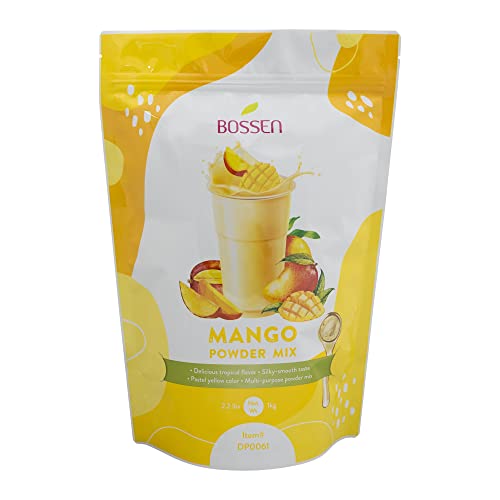
The foundation of any amazing Mango Boba Tea recipe is the fruit itself. While powders and syrups are convenient, they can’t replicate the vibrant, authentic flavor of real fruit. Using fresh mangos or high-quality frozen mango chunks creates a mango puree that is both intensely flavorful and naturally sweet. For the best results, choose a ripe, non-fibrous mango variety like Ataulfo or Honey mangos, as their creamy flesh blends into a perfectly smooth and velvety consistency. This natural base provides a superior taste and allows you to control the sugar content.
Ingredients
- 1 cup fresh Ataulfo mangos (or thawed frozen mango chunks)
- 2 tablespoons organic cane sugar (or honey)
- 1 tablespoon filtered water (if using fresh fruit)
- Premium store-bought mango nectar (optional, to enhance color)
Directions
- Peel and dice the fresh mangos into small, uniform 1-inch cubes.
- Transfer the diced fruit, cane sugar, and water into a high-speed blender.
- Blend on high for 45-60 seconds until the mixture reaches a smooth, velvety consistency with no chunks remaining.
- Strain the puree through a fine-mesh sieve if you prefer a completely silky texture without fibrous strands.
- Chill the puree in an airtight container for at least 30 minutes before assembling your drink.
Pro-Tip: Pay attention to the viscosity of fruit puree. In my experience testing dozens of shop recipes, using Honey mangos provides the perfect thick consistency that layers beautifully at the bottom of your cup without instantly mixing into the milk.
2. Boil and Simmer Tapioca Pearls for Chewy Texture

Save this foolproof boba boiling method to avoid soggy pearls forever!
The signature element of bubble tea is the delightfully chewy texture of the tapioca pearls. Achieving this perfect “Q-texture”—soft on the outside with a satisfying bite all the way to the center—is an art, but one that’s easy to master with the right technique. The most common mistake is undercooking the pearls, which leaves a hard, starchy center, or overcooking them until they become a soggy mush. Using quick-cooking boba and following a precise boiling and simmering process is key. The final, crucial step is an ice bath, which instantly halts the cooking and firms up the pearls, locking in that perfect chew.
Ingredients
- 1/2 cup quick-cooking black tapioca pearls (starch pearls)
- 4 cups filtered water
- 3 tablespoons dark brown sugar
- 1 tablespoon hot water (for the sugar glaze)
Directions
- Boil the 4 cups of filtered water in a medium saucepan over high heat (never add boba to cold water).
- Pour the tapioca pearls carefully into the rolling boil and stir gently so they don’t stick to the bottom.
- Simmer uncovered for 5-7 minutes once the pearls float to the top of the water.
- Strain the cooked pearls and immediately submerge them in an ice-water bath for 30 seconds to stop the cooking process and lock in that chewy texture.
- Whisk the brown sugar and hot water in a separate small bowl, then toss the drained pearls in this glaze to sweeten them.
Pro-Tip: The secret to perfect boba is tapioca starch gelatinization. If your boba gets hard when added to cold iced tea, it means you didn’t simmer them long enough. Always let them steep in their warm sugar syrup for 10 minutes before adding ice!

3. Brew and Steep the Ideal Jasmine Green Tea Base

Don’t let bitter tea ruin your drink—pin this brewing guide!
The tea base is the soul of your boba, providing a complex backdrop that either complements or clashes with the mango flavor. While a robust black tea base can work, the delicate floral notes of Jasmine Green Tea are the perfect partner for tropical mango. The single most important factor when you brew green tea is water temperature. Using boiling water (212°F / 100°C) will scorch the delicate leaves, releasing bitter-tasting tannins that will overpower your entire drink. To steep the perfect base, you must use water that is hot but not boiling. This gentle heat extracts the fragrant, sweet notes while leaving the bitterness behind.
Ingredients
- 2 premium Jasmine Green Tea bags (or 1 tbsp loose leaf)
- 1.5 cups hot water (heated to exactly 175°F / 80°C)
- 1 cup ice cubes (for flash chilling)
Directions
- Heat your filtered water to 175°F—avoiding a full rolling boil, which will burn delicate green tea leaves and cause severe bitterness.
- Steep the tea bags in the hot water for exactly 4 to 5 minutes to extract maximum floral notes.
- Remove the tea bags without squeezing them (squeezing releases bitter tannins).
- Pour the hot, concentrated tea directly over a pitcher filled with ice cubes to flash-chill it.
- Stir rapidly until the ice melts, leaving you with cold-brewed tasting tea ready for your boba cup.
Pro-Tip: When dealing with tea polyphenol extraction, temperature is everything. If your mango boba tea tastes excessively bitter, you likely steeped the green tea in boiling water (212°F). Invest in a temperature-controlled kettle for home cafe perfection.
4. Whisk in the Creamiest Dairy-Free or Milk Option

Love a creamy aesthetic? Save this dairy-free milk mixing step!
To achieve that rich, velvety texture of a classic Mango Milk Tea, you need the right creamy element. While whole milk or half-and-half are common, a fantastic dairy-free alternative is full-fat coconut milk, which enhances the drink’s tropical profile. For an even more decadent and authentic taste, a touch of sweetened condensed milk can be added. The key is to whisk your milk choice thoroughly to aerate it slightly before adding it to the tea. This helps create that smooth, luscious mouthfeel that defines a high-quality milk tea and prevents the ingredients from separating in the glass.
Ingredients
- 1/2 cup whole milk, half-and-half, or coconut milk (for a vegan boba recipe)
- 1 tablespoon sweetened condensed milk (optional, for extra richness)
- 1/4 teaspoon vanilla extract
- Pinch of sea salt (enhances the mango flavor)
Directions
- Combine your chosen milk base (coconut milk pairs incredibly well with tropical mango) with the condensed milk in a small frothing pitcher.
- Whisk vigorously for 30 seconds until the milks are fully combined and slightly aerated.
- Stir in the vanilla extract and tiny pinch of sea salt.
- Chill the milk mixture in the refrigerator if your tea and mango puree are still warm.
- Layer the creamy milk mixture gently over your mango base and tea to create that beautiful, Instagram-worthy gradient effect before stirring.
Pro-Tip: To master the emulsification of milk tea, you must ensure your mango puree is fully chilled before adding dairy. Acidic, warm mango puree will instantly curdle cold cow’s milk. Using a high-fat plant milk like coconut or oat milk naturally resists this curdling!

5. Adjust Sweetness to Fix Bitter Tea or Soggy Boba

Pin this sweetness guide to completely customize your next boba order!
One of the biggest advantages of making boba at home is adjusting sweetness to your exact preference. Shops use liquid sweeteners because granulated sugar doesn’t dissolve well in cold drinks. Creating a quick simple syrup at home is the professional way to sweeten your tea. This allows you to replicate shop-standard levels like “half sugar” or “less sugar” with precision. You can also experiment with fructose alternatives like honey or agave, which add their own unique flavor notes that pair beautifully with mango. Having a batch of simple syrup ready makes flavor balancing quick and easy.
Ingredients
- 1/4 cup organic cane sugar (or monk fruit sweetener)
- 1/4 cup water
- 1 tablespoon honey or agave (for alternative flavor profiles)
- Fresh ice (for shaking)
Directions
- Simmer equal parts water and sugar in a small saucepan over medium heat to create a classic simple syrup.
- Dissolve the sugar completely by stirring gently for 3-4 minutes, then remove from heat.
- Cool the syrup to room temperature (never add hot syrup directly to your iced boba).
- Measure your syrup to replicate shop sweetness levels: 2 tbsp for 100% (Standard), 1.5 tbsp for 75% (Less Sugar), or 1 tbsp for 50% (Half Sugar).
- Shake the syrup vigorously with your brewed tea and ice in a cocktail shaker to rapidly integrate the sweetness before adding the milk or mango base.
Pro-Tip: The key to balancing a drink’s flavor relies on understanding osmotic pressure in pearls. Always let your cooked boba soak in a bit of simple syrup. If you don’t, the plain tapioca pearls will actually absorb the sweetness out of your drink, making the tea taste bland over time!

6. Assemble a Low-Calorie Mango Fruit Tea Alternative

Counting calories? Pin this exact low-calorie mango fruit tea assembly!
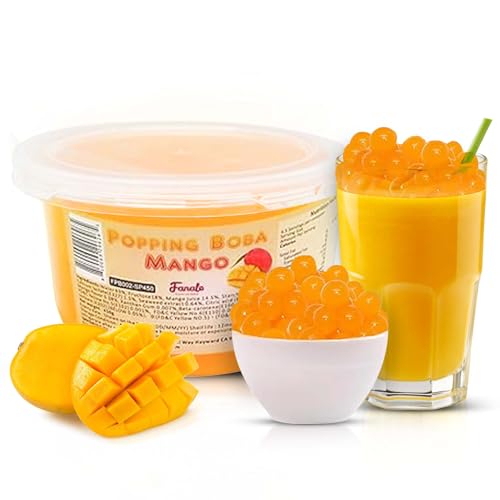
For those seeking a lighter, more refreshing option, the Mango Fruit Tea is the perfect choice. This version skips the creamy milk and heavy tapioca, making it a fantastic low calorie mango green tea with boba alternative. The key is to assemble the drink with clear mango nectar instead of thick puree and to swap the starchy pearls for fun toppings like juice-filled popping boba or chewy fruit jelly. This creates a beautiful, translucent beverage that’s incredibly thirst-quenching and significantly lower in calories—around 150 calories compared to the 350+ of a standard milk tea.
Ingredients
- 1 cup chilled Jasmine Green Tea
- 1/4 cup clear Mango Nectar (instead of thick puree)
- 2 tablespoons Mango Popping Boba or Lychee Jelly
- 1 cup crushed ice
- Liquid stevia or monk fruit drops (to taste)
Directions
- Scoop 2 tablespoons of popping boba or fruit jelly into the bottom of a tall, clear 16oz glass.
- Fill the glass to the brim with crushed ice (crushed ice chills the drink faster than cubed).
- Pour the chilled green tea over the ice, filling the glass about 3/4 of the way full.
- Layer the clear mango nectar on top of the tea for a beautiful, translucent sunset effect.
- Stir gently with a wide boba straw just before drinking to mix the tart tea and sweet nectar.
Pro-Tip: If you are trying to cut calories, utilize alginate spherification products—commonly known as popping boba! Unlike tapioca pearls which are pure dense starch, popping boba are made of seaweed extract and real fruit juice, cutting your topping calories by nearly 70%.
7. Unlock the Dreamlight Valley and Roblox Mango Boba Recipes

Gamers! Pin this quick guide to craft your virtual Mango Boba Tea!
The love for mango boba has extended beyond cafes and into the virtual world. For players of Disney Dreamlight Valley and Roblox, crafting this specific drink is a popular in-game activity. Knowing how to assemble the virtual boba is key to completing quests and boosting energy. The process involves gathering specific in-game ingredients and using a cooking station to combine them. This unique intersection of culinary culture and gaming provides another fun way to engage with your favorite beverage.
Virtual Ingredients Needed (Dreamlight Valley)
- 1x Sugarcane (Purchased or grown from seeds at Goofy’s Stall on Dazzle Beach)
- 1x Milk (Purchased from Chez Remy’s pantry)
- 1x Mango (Foraged from trees in the Wild Tangle biome, requires A Rift in Time DLC)
Virtual Crafting Directions
- Travel to any cooking station or stove in your Valley.
- Open your cooking menu and select the pot.
- Drop the Sugarcane, Milk, and Mango into the cooking pot slots.
- Consume one coal ore to initiate the cooking sequence.
- Collect your 3-star Mango Boba Tea to restore energy or gift to villagers! (Note: For Roblox cafe games, the standard sequence is Cup -> Ice -> Mango Syrup -> Milk -> Boba -> Shaker).
Pro-Tip: Whether you are measuring the Brix level measurement of real mangos in your kitchen or foraging them in a video game, the flavor profile remains a three-part harmony: Fruit, Dairy, and Sweetener. Try gifting this virtual tea to Moana or Stitch for maximum friendship points!

Key Takeaways: Your Quick Guide to Mango Boba Tea
- Fresh Puree Outperforms Powders: Using a blender to puree fresh Ataulfo mangos creates a richer, more vibrant Mango Boba Tea than artificial powders, drastically improving the tropical flavor profile.
- Master Tapioca Texture with Heat: To prevent soggy boba or hard centers, you must boil pearls in rolling water, simmer for 5-7 minutes, and immediately shock them in an ice bath to lock in chewiness.
- Temperature Control Prevents Bitterness: Never brew your Jasmine Green Tea in boiling water; steep at exactly 175°F to extract floral notes without releasing bitter tannins.
- Dairy-Free Milk Prevents Curdling: High-acid fruits like mango can curdle regular dairy; using high-fat plant milks like coconut milk or oat milk ensures a perfectly smooth Mango Milk Tea.
- Liquid Sweeteners Blend Better: Always use a simple syrup or honey rather than granulated sugar for cold drinks, allowing you to easily adjust sweetness levels just like a professional boba shop.
- Swap Pearls for Lower Calories: If you want a healthier option, substitute dense starch pearls with fruit-juice filled popping boba to cut significant calories from your drink.
- Soak Boba in Syrup: To master advanced tapioca starch gelatinization, always let your cooked pearls rest in a warm sugar glaze so they absorb sweetness rather than pulling it out of your tea.
People Also Ask About Mango Boba Tea
How to make mango boba tea?
To make mango boba tea, blend fresh mangos into a puree, brew a strong base of Jasmine Green Tea, and combine them with milk and cooked tapioca pearls over ice. Start by boiling quick-cooking boba until chewy, then steep them in brown sugar syrup. Layer your cup with the sweetened pearls, crushed ice, cold green tea, mango puree, and top it off with a splash of milk or coconut cream.
What is mango boba tea made of?
Authentic mango boba tea is made of four core components: a fruit base (mango puree or nectar), brewed tea (usually green or black), milk or creamer, and a chewy topping (tapioca pearls or popping boba). Depending on the shop, it may also contain added sweeteners like simple syrup, honey, or fructose to balance the tartness of the tropical fruit and the bitterness of the tea.
Does mango boba tea have caffeine?
Yes, most mango boba tea contains caffeine because it is traditionally brewed with a base of Jasmine Green Tea or Black Tea. A standard 16oz cup typically contains between 25mg to 45mg of caffeine. If you want a caffeine-free mango tea, simply ask your barista to substitute the tea base with filtered water or extra milk, effectively turning it into a mango smoothie or mango milk.
Is mango bubble tea healthy?
Mango bubble tea can be healthy if customized, but standard shop versions are often high in calories and added sugars. While the green tea provides beneficial antioxidants and fresh mango offers Vitamin C, the tapioca pearls and heavy syrups add significant empty calories. To make a healthier sugar-free mango fruit tea boba, use fresh fruit, a natural sweetener like monk fruit, and swap heavy starch pearls for lighter fruit jelly.
How many calories in mango boba tea?
A standard 16oz Mango Milk Tea with tapioca pearls contains approximately 350 to 450 calories, depending on the sugar level and milk type used. The tapioca pearls alone account for about 150 calories per serving. If you order a clear Mango Fruit Tea without milk and swap the tapioca for popping boba, you can reduce the drink to roughly 150 to 200 calories.
What does mango milk tea taste like?
Mango milk tea tastes like a creamy, tropical escape; it is sweet, tangy, and rich, featuring the bright, fruity notes of mango perfectly balanced by earthy tea and velvety milk. The texture is incredibly dynamic, offering a smooth, milkshake-like consistency interrupted by the fun, chewy bite of the sweet brown sugar tapioca pearls at the bottom of the cup.
Can I make mango boba with fresh fruit?
Absolutely, making mango boba with fresh fruit produces a vastly superior, authentic flavor compared to using artificial store-bought powders. Simply dice fresh, ripe mangos (Ataulfo or Honey mangos work best) and blend them with a splash of water and cane sugar until you achieve a smooth mango puree. You can also use thawed frozen mango chunks if fresh fruit isn’t in season.
Is mango milk tea vegan?
Traditional mango milk tea is not vegan as it typically uses cow’s milk or condensed milk, but it can easily be made vegan by substituting a dairy-free alternative. For a completely vegan boba recipe, ask the shop to use coconut milk, oat milk, or almond milk. Also, ensure the sweetener used is simple syrup or agave rather than honey. The tapioca pearls themselves are naturally vegan, made from cassava root starch.
What is the difference between mango milk tea and fruit tea?
Mango Milk Tea includes dairy or non-dairy creamer, resulting in a thick, opaque, milkshake-like beverage, while Mango Fruit Tea omits the milk entirely for a clear, refreshing, juice-like drink. Milk teas are heavier, creamier, and more dessert-like, traditionally paired with dark tapioca pearls. Fruit teas are lighter, more thirst-quenching, and are frequently paired with translucent fruit jellies or popping boba.
How to store leftover mango boba?
You should store the tea, milk, and mango mixture in an airtight pitcher in the refrigerator for up to 3 days, but you must discard leftover cooked boba pearls. Cooked tapioca pearls undergo tapioca starch gelatinization and will turn rock-hard and inedible if placed in the refrigerator. It is best to cook only the exact amount of boba you plan to eat immediately, while the liquid tea base can be saved for later.
Final Thoughts on Mango Boba Tea
Mastering the perfect Mango Boba Tea at home is entirely within your reach. By understanding the core mechanics behind a great boba drink—from extracting the perfect floral notes out of your green tea to ensuring your tapioca pearls achieve that coveted chewy texture—you are no longer reliant on expensive, sugar-laden cafe chains. This recipe empowers you to take control of your ingredients, allowing you to prioritize fresh tropical fruit over artificial powders and customize your sweetness levels exactly to your dietary needs.
The true beauty of building your own home cafe is the endless flexibility it provides. Whether you are craving a rich, creamy, dairy-free treat made with thick coconut milk, or a light, refreshing tropical infusion featuring popping boba for a hot summer day, these 7 actionable tips serve as your foundational blueprint. You now possess the professional tested instructions required to troubleshoot any boba disaster, preventing bitter teas and soggy pearls before they happen.
Gather your fresh mangos, brew your favorite tea, and start experimenting with these authentic ingredients. The transition from a boba enthusiast to a home-barista is a delicious journey. What variation of this recipe are you going to try first: the creamy coconut milk tea or the refreshing fruit tea? Let us know in the comments below
Last update on 2026-08-17 / Affiliate links / Images from Amazon Product Advertising API
