
As an Amazon Associate CoffeeXplore.com earns from qualifying purchases.
Taro Boba Tea: How to Make The Perfect Creamy Drink
Have you ever craved that perfect, pastel purple drink but felt disappointed by chalky homemade attempts? Mastering Taro Boba Tea at home often feels frustrating when you cannot replicate that smooth cafe texture.
Taro boba tea is a popular Taiwanese bubble tea made by blending sweet taro powder or mashed taro root with jasmine green tea or black tea, milk creamer, and chewy tapioca pearls. Known for its distinctive pastel purple color, it features a rich, creamy, and sweet vanilla-nut flavor profile.
Drawing from comprehensive analysis of tested culinary data and proven mixology methodologies, we understand how to perfect this popular root beverage. You will discover exactly how to balance ingredients for a flawless cafe-quality drink. Let’s explore seven foolproof ways to satisfy your sweetest boba cravings right now.
Contents
show
Taro Boba Tea: What Is This Perfect Creamy Drink?
Taro bubble tea is a sweet, creamy Taiwanese beverage combining an earthy root vegetable base with chewy tapioca pearls and milk. Understanding exactly what is taro boba requires looking at its foundational ingredient: the starchy root vegetable known as Taro root. When you order this famous purple drink at a cafe, you are experiencing a unique culinary phenomenon. The flavor profile is extraordinary, offering a sweet, nutty, vanilla-like essence that resembles buttered popcorn more than a savory vegetable.
While many assume the vivid purple color is completely natural, commercial shops typically rely on a pre-mixed powder containing taro extract and coloring. If you want the most authentic taro tea, traditional Taiwanese preparation methods sometimes involve boiling raw taro into a thick paste. However, the commercial powder provides that consistently smooth, taro milk tea texture everyone loves.
By understanding these ingredients, you can control the sugar content and avoid the chalky textures common in poor DIY attempts. Whether you are ordering from a local cafe or browsing for ingredients in October 2026, knowing the difference between fresh paste and commercial powders guarantees you always get the perfect cup.
7 Ways To Make The Perfect Creamy Taro Boba Tea At Home
Creating the perfect creamy taro drink at home requires balancing flavor powders, liquid ratios, and the precise rheology of tapioca pearls. Mastering a bubble tea recipe in your own kitchen is entirely achievable when you follow tested, chef-approved methods. Whether you want to make taro boba tea using traditional techniques or explore dietary variations, creating at home boba gives you total control over the ingredients.
Understanding the science behind the drink, from starch gelatinization to emulsification, ensures your DIY taro bubble tea will rival any premium cafe. If you are wondering how to make taro boba milk tea at home without ending up with a lumpy, watery mess, these seven variations will guide you. Let’s explore everything from classic preparations to low-calorie and vegan alternatives.
1. Mix the Classic Authentic Taro Milk Tea Recipe

Pin this authentic recipe to your “Dream Drinks” board for your next boba craving!
Creating an authentic Taiwanese taro bubble tea recipe starts with mastering the foundational liquid-to-powder ratio. For this classic approach, we utilize traditional taro preparation methods that guarantee a velvety texture. By dissolving the powder in hot tea before adding any ice, you prevent the frustrating clumps that ruin many homemade attempts at creating premium taro milk tea.
Ingredients
- 3 tablespoons fragrant taro powder mix (premium cafe grade)
- 1 cup freshly brewed black tea base (hot)
- 1/4 cup half-and-half or milk creamer
- 1/2 cup quick-cook tapioca pearls boba
- 1-2 tablespoons simple syrup (adjust for natural taro sweetness)
- 1 cup ice cubes
Directions
- Cook tapioca pearls according to the package directions, then drain and toss in 1 tablespoon of simple syrup to prevent sticking.
- Infuse tea base by steeping your black tea for 3-5 minutes, removing the tea bag while the liquid is still steaming hot.
- Mix taro powder directly into the hot black tea, whisking vigorously until the powder is completely dissolved with no lumps.
- Stir taro boba mix alongside the half-and-half and the remaining simple syrup until beautifully combined into a velvety taro milk tea.
- Serve taro boba by scooping the sweetened pearls into the bottom of a tall glass, filling the glass with ice, and pouring the purple tea over the top.
What most guides miss: To achieve perfect starch gelatinization tapioca and the ultimate “QQ” chewiness, always let your cooked boba rest in a sweet syrup for at least 10 minutes. The sugar alters the brix levels in boba tea, preserving the pearls’ structural integrity and keeping them soft inside while retaining a firm exterior.

2. Blend a Frosty Taro Boba Smoothie

Save this icy summer treat to your favorite recipe board!
When the weather gets hot, you might prefer a colder, thicker dessert variation over the classic liquid tea. Comparing taro milk tea vs smoothie textures reveals that the smoothie provides an intensely frosty, satisfyingly thick experience. To blend taro smoothie properly without ending up with watery slush, you must understand the mechanics of emulsification in taro creamer when pulverized with ice.
Ingredients
- 4 tablespoons rich taro flavor powder
- 1/2 cup whole milk (or rich milk alternative)
- 1.5 cups crushed ice
- 2 tablespoons sweetened condensed milk (for a sweet creamy taro finish)
- 1/2 cup prepared tapioca pearls boba
Directions
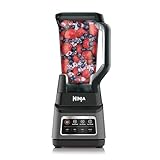
- Blend taro smoothie base by combining the taro powder, whole milk, sweetened condensed milk, and crushed ice in a heavy-duty blender.
- Mix on high speed for 45-60 seconds until the ice is completely pulverized and the mixture reaches a thick, frosty consistency.
- Add tapioca to taro tea glass by spooning the prepared pearls into the very bottom of your serving cup.
- Pour taro milk tea slush directly over the boba.
- Serve immediately with an extra-wide boba straw to ensure you can drink the thick slush and pearls together.
Expert insight: When blending ice, the hydrocolloids in bubble tea powders act as thickening agents. If your refreshing taro drink separates quickly, add a tiny pinch of xanthan gum for boba texture before blending to keep it perfectly emulsified for hours without separating into water and foam.

3. Brew a Dairy-Free Vegan Taro Boba Tea

Don’t let dairy hold you back—pin this vegan boba recipe for later!
If you are wondering is taro boba tea vegan friendly, the unfortunate truth is that most commercial varieties are not. Providing a genuine vegan taro boba solution requires addressing the taro boba tea allergies directly. Most standard “non-dairy” powders contain sodium caseinate, a milk derivative. Creating a safe dairy-free taro boba means sourcing specifically formulated organic ingredients and utilizing high-fat plant milks.
Ingredients
- 3 tablespoons certified organic taro powder (must verify it is 100% dairy-free without sodium caseinate)
- 1 cup barista-blend oat milk or coconut milk (for a creamy taro boba texture)
- 1/2 cup brewed green tea base
- 1/2 cup vegan-friendly tapioca pearls
- 1 tablespoon agave nectar or maple syrup
Directions
- Source taro ingredients carefully by checking the label of your powder to ensure it lacks dairy derivatives.
- Prepare taro milk tea base by whisking the vegan powder into the hot green tea base until fully dissolved.
- Sweeten taro boba by stirring in the agave nectar to taste.
- Froth the barista-blend oat milk lightly in a separate container to replicate the mouthfeel of standard milk creamer.
- Pour the concentrated taro tea over cooked pearls and ice, then top with the frothed oat milk for a stunning visual cascade.
An often-overlooked strategy: When using an alternative to dairy in taro boba, the pH balance of milk tea can cause certain plant milks to curdle instantly upon contact with the tea. Always use “barista blend” oat or soy milks, as they contain neutralizers that maintain a smooth texture taro drink regardless of the tea’s acidity.

4. Prepare a Fresh Taro Root Bubble Tea From Scratch

Want the real deal? Pin this fresh taro root recipe to try this weekend!
When people ask, “does taro boba tea contain real taro root?”, the answer is usually no. However, making taro boba tea from scratch fresh taro elevates the beverage to an artisanal farm-to-table experience. Finding fresh taro root requires visiting a specialty Asian grocer. Real taro yields an incredibly thick, grainy, and authentic texture that commercial powders simply cannot replicate.
Ingredients
- 1 cup fresh taro root (peeled and cubed)
- 2-3 small cubes of purple sweet potato or ube (purely for the distinctive purple hue)
- 3 tablespoons granulated sugar or simple syrup
- 1.5 cups whole milk or heavy creamer
- 1/2 cup boba + pearls
Directions
- Grind taro root and sweet potato by peeling and cutting them into 1-inch cubes. Use gloves, as raw taro can irritate the skin.
- Cook the cubes in boiling water for 15-20 minutes until they are fork-tender and completely soft.
- Drain the water and transfer the hot, starchy root vegetable taro cubes into a bowl. Add the sugar and mash vigorously until you achieve a thick, sticky paste.
- Smear 2-3 tablespoons of this fresh taro paste around the inside walls of your serving glass for an authentic Taiwanese boba presentation.
- Add your cooked pearls and ice to the glass, then pour the milk over the top. Stir thoroughly before drinking to integrate the fresh paste into the milk.
Expert insight: Raw Colocasia esculenta in beverages can cause severe itchiness in your throat due to calcium oxalate crystals. Always boil fresh taro completely until extremely tender to neutralize these compounds before consuming. Furthermore, because real taro lacks the anthocyanin in purple taro powders, adding a small piece of ube is essential to achieve that famous purple visual.

5. Brew a Low-Calorie Keto-Friendly Taro Drink

Cutting carbs? Pin this keto-friendly boba hack to your wellness board!
Addressing the taro boba tea calories concern is crucial for health-conscious individuals who still crave this sweet treat. Standard beverages can easily exceed 400 calories, but utilizing a low calorie taro boba tea recipe changes the game. By reducing sugar in taro milk tea and swapping traditional tapioca for konjac pearls, you can create a completely keto friendly taro boba tea recipe that won’t ruin your macros.
Ingredients
- 1 teaspoon sugar-free taro flavor extract OR 2 tablespoons unsweetened pure taro root powder
- 1 cup unsweetened almond milk
- 1/2 cup brewed black or oolong tea
- 2 tablespoons monk fruit sweetener or stevia blend
- 1/2 cup keto friendly konjac boba pearls (crystal boba)
Directions
- Prepare your tea base and stir the monk fruit sweetener into the hot tea until completely dissolved.
- Mix the unsweetened taro powder or extract into the tea. If using pure powder, whisk aggressively to prevent lumps.
- Drain your pre-packaged konjac pearls (which do not require boiling and are practically zero calories) and place them in your serving cup.
- Chill taro boba tea mixture by adding ice to a cocktail shaker, pouring in the tea and almond milk, and shaking vigorously.
- Strain the shaken, low-calorie liquid over the konjac pearls and enjoy a completely guilt-free treat.
What most guides miss: To maximize the health benefits of taro without the sugar spike, utilizing pure unsweetened taro powder retains the natural polyphenols in taro and dietary fiber. Pair it with konjac pearls to drop the carbohydrate count by up to 80% compared to traditional tapioca, offering one of the best healthier taro boba alternatives available.

6. Craft a Decadent Brown Sugar Taro Milk Tea

Combine two boba shop favorites into one! Pin this Tiger Sugar hack!
If you find yourself searching for what does taro milk tea with brown sugar boba taste like, prepare for an incredibly indulgent, caramelized vanilla-nut cookie experience. When comparing taro boba vs brown sugar drinks, combining them creates a visually stunning and rich decadent drink. The thick, molasses-like syrup running down the cup perfectly complements the earthy vanilla notes of the taro.
Ingredients
- 1/4 cup thick brown sugar boba syrup (specifically made for glazing cups)
- 3 tablespoons taro powder mix
- 1 cup whole milk
- 1/2 cup freshly brewed black tea
- 1/2 cup warm, freshly cooked tapioca pearls
Directions
- Prepare your boba pearls and keep them hot. Toss them in 1 tablespoon of brown sugar syrup so they absorb the deep caramel flavor.
- Glaze your serving cup by pouring the thick brown sugar syrup down the inside edges of the glass, slowly rotating it to create “tiger stripes.”
- Scoop the warm, sticky pearls into the bottom of the glazed cup.
- Mix taro powder with the hot black tea in a separate container until entirely smooth, then stir in the cold whole milk.
- Add ice to the glazed cup carefully to preserve the stripes, then gently pour taro milk tea over the ice to create a stunning visual contrast between the caramel and the purple tea.
Expert insight: The secret to keeping the brown sugar stripes intact relies on temperature contrast and understanding flavor synergy taro pairings. Place your glazed cup in the freezer for 3 minutes before adding the warm boba and ice; this hardens the syrup, preventing it from immediately washing away and diluting the mouthfeel perception taro creates when mixed with dark molasses notes.

7. Assemble a Complete DIY Taro Bubble Tea Kit at Home

New to boba? Pin this easy beginner’s kit guide to get started!
For those wondering what is a taro boba tea kit, it is the perfect solution for absolute beginners wanting to avoid purchasing massive quantities of raw ingredients. Reading through homemade taro bubble tea kit instructions empowers anyone to brew a quick cup in under 5 minutes. If you need to know where to buy taro boba tea ingredients online, starting with a consolidated boba tea kit is highly recommended.
Supplies Needed
- 1 premium boba tea kit (must contain taro powder, instant pearls, and tea bags)
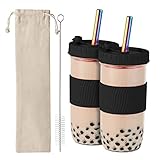
- A dedicated boba cup (preferably glass)
- A wide boba straw (essential for drinking pearls)
- Hot water
- Milk or creamer of choice
- Ice
Directions
- Unbox your bubble tea supply kit and separate the instant boba packets from the powder and tea.
- Reconstitute taro powder by following the exact liquid-to-powder ratios printed on the kit instructions—each brand utilizes different stabilizers in taro powder that require specific water temperatures.
- Cook the instant tapioca pearls. Most kits feature microwaveable pearls; simply snip the corner of the packet and heat for 20-30 seconds.
- Assemble boba kit beverage by placing the hot pearls into your reusable glass boba cup, adding ice, and pouring the mixed taro tea over top.
- Stir well with your wide boba straw to ensure the instant pearls cool down and achieve their chewy texture.
Expert nutritionist review tip: If your kit uses instant microwaveable pearls, never leave them sitting out at room temperature for more than 20 minutes after heating. Unlike traditional boiled pearls, the starch gelatinization tapioca process in instant boba reverses rapidly, turning them hard and crunchy. Always double-check the food safety guidelines boba printed on pre-packaged kits for preservative warnings.
Key Takeaways: Your Quick Guide to Taro Boba Tea
Synthesizing the complex nutritional data and culinary techniques ensures you can execute any homemade taro recipe flawlessly. Reviewing a taro bubble tea overview prevents common beginner mistakes, from accidental dairy consumption to ruined tapioca textures.
Key Takeaways:
- Flavor Profile: The authentic taro taste is distinctly sweet, creamy, and nutty, frequently compared to vanilla or buttered popcorn, rather than a savory vegetable.
- Ingredient Reality: While making taro boba tea from scratch fresh taro is possible, 90% of bubble tea shops use a pre-mixed powder to achieve that signature distinctive purple hue and concentrated flavor.
- Hidden Dairy Alerts: If you suffer from taro boba tea allergies, be aware that most commercial “non-dairy creamers” inside taro powders actually contain sodium caseinate, a milk derivative. Always source dairy-free taro boba powder explicitly if vegan.
- Caloric Impact: Addressing the taro boba tea calories concern, a standard cafe drink can easily exceed 400 calories. Utilizing monk fruit and konjac pearls drops the sugar content taro drastically.
- Preparation Mastery: To prevent chalky, lumpy drinks, always reconstitute taro powder in hot tea or hot water before adding cold milk or ice.
- Textural Science: Do not store cooked tapioca pearls in the fridge. Cold temperatures alter the starch gelatinization tapioca, turning soft boba instantly hard.
People Also Ask About Taro Boba Tea
When exploring the world of root-vegetable milk teas, several common queries emerge regarding nutrition, flavor profiles, and proper ingredient sourcing. We’ve compiled data-backed answers to the most frequent questions about taro bubble tea to clear up any lingering confusion.
What does taro bubble tea taste like?
Taro bubble tea tastes like a sweet, creamy, and nutty dessert, with a flavor profile most closely resembling a blend of vanilla, sweet potato, and caramelized sugar.
Because it is a starchy root vegetable taro, the natural flavor is earthy, but the powders used in most boba shops enhance the natural sugars. This creates a rich, velvety taro milk tea experience that is much closer to a vanilla milkshake than a vegetable drink.
Is taro bubble tea caffeinated?
Yes, traditional taro bubble tea is caffeinated because it is typically blended with a black tea or green tea base.
A standard 16oz cup contains roughly 25-50mg of caffeine. However, if you are looking for caffeine-free taro, you can easily order or make it using only milk and taro powder without the tea base, as the taro root itself naturally contains zero caffeine.
How many calories are in a taro boba tea?
A standard 16-ounce taro boba tea from a cafe contains between 350 to 450 calories, primarily due to the sugar-heavy taro powder, milk creamer, and carbohydrate-dense tapioca pearls.
If you are concerned about the taro boba tea calories, you can significantly reduce this number by making taro boba tea at home using unsweetened pure taro root powder, zero-calorie sweeteners, and konjac pearls, bringing the total under 100 calories.
What is taro bubble tea made of?
Taro bubble tea is made of four core ingredients: taro flavoring (either fresh mashed taro root or sweet taro powder), a tea base (usually black or jasmine green tea), milk or non-dairy creamer, and chewy tapioca pearls.
Most commercial shops rely on the taro powder mix because it dissolves easily, provides a consistent authentic taro taste, and includes the signature purple food coloring consumers expect.
Why is taro bubble tea purple?
Taro bubble tea is famously purple because commercial taro powders include purple food coloring (often derived from ube or purple sweet potato) to make the drink visually appealing.
In reality, fresh taro root is light gray or white with tiny purple specks. If you order a drink made entirely from raw taro root without added coloring, the beverage will be an off-white, grayish color rather than a vibrant pastel purple.
Is taro bubble tea safe during pregnancy?
Generally, taro bubble tea is considered safe during pregnancy in moderation, provided it is made with pasteurized milk and you monitor your daily caffeine and sugar intake.
Medical guidelines suggest limiting caffeine to 200mg a day. A pregnancy safe taro boba can be requested by asking for a caffeine-free milk base, ensuring the food safety guidelines boba are met, and opting for half-sugar to avoid excessive glucose spikes.
Does taro bubble tea have dairy?
Yes, the vast majority of taro bubble tea contains dairy. Even if you request plant-based milk, the commercial taro powder used in most shops contains sodium caseinate, a dairy derivative.
For a truly dairy-free taro boba, you must confirm with the barista that their specific powder is vegan, or purchase a certified organic taro powder without casein to brew at home using oat or almond milk.
What’s the difference between taro boba and ube boba?
The main difference is that taro is a pale, starchy root with a nutty, vanilla-like flavor, while ube is a vibrant purple yam with a sweeter, mellower, almost coconut-like taste.
When comparing taro boba tea vs ube, people often confuse them because taro powders are artificially colored purple to look like ube. However, their raw forms, origins, and exact flavor profiles are distinct within Asian desserts.
Is taro bubble tea healthy?
Taro bubble tea is generally considered a dessert beverage rather than a healthy drink due to its high sugar content and empty carbohydrates from tapioca pearls.
While the raw taro root contains fiber, potassium, and vitamins, the heavily processed powders strip away these benefits of health. To make a healthy taro boba, use real root, eliminate refined sugars, and substitute dairy for antioxidant-rich green tea.
Does taro boba tea contain real taro root?
Most commercial taro boba tea does not contain fresh taro root; instead, it utilizes a pre-mixed powder made from taro extract, sugar, non-dairy creamer, and food coloring.
To answer does taro boba tea contain real taro root, you have to look at premium, artisanal tea houses. Some high-end shops do mash real root into a paste, which yields a thicker, grainier, and far more earthy texture than the smooth commercial powders.
Final Thoughts on Taro Boba Tea
Mastering an expert taro boba recipe empowers you to take full control of your culinary experience, eliminating common cafe problems like excessive sweetness or unwanted dairy.
Mastering the art of taro boba tea at home is one of the most rewarding culinary projects for any bubble tea enthusiast. Whether you fell in love with its distinctively sweet, vanilla-nut flavor at a local cafe or you’re curious to try this visually stunning purple beverage for the first time, taking control of the ingredients elevates the experience entirely.
By utilizing a proven taro milk tea method, you bypass the common pitfalls of commercial boba shops. You no longer have to worry about excessive sugar, hidden dairy proteins, or questionable artificial additives. From mixing a classic taro boba with premium powder to boiling down fresh Colocasia esculenta root for an incredibly authentic paste, your kitchen is now equipped to handle every craving and dietary requirement you might encounter in 2026.
Remember that the secret to the perfect cup lies in the details: always dissolve your powder in hot liquid first, never refrigerate your cooked pearls, and don’t be afraid to experiment with different teas and milks to find your personal golden ratio.
Which of these 7 variations are you going to brew first? Are you sticking to the classic Taiwanese cafe style, or are you brave enough to tackle fresh root from scratch? Let us know in the comments below!
Last update on 2026-10-16 / Affiliate links / Images from Amazon Product Advertising API
