
As an Amazon Associate CoffeeXplore.com earns from qualifying purchases.
Yakult Boba Tea: 7 Refreshing Boba Recipes for 2026
Tired of incredibly heavy milk teas weighing down your afternoons? You likely crave a lighter, guilt-free refreshment to sip on instead. Navigating sugary cafe menus for a perfectly balanced Yakult Boba Tea often leaves you frustrated and bloated.
Yakult Boba Tea is a tangy, refreshing Taiwanese-inspired beverage that combines sweetened probiotic milk (Yakult) with freshly brewed tea—typically jasmine green tea—and chewy tapioca pearls. It offers a creamy, citrusy alternative to traditional heavy milk teas, delivering a vibrant flavor profile while seamlessly integrating gut-friendly probiotics into your favorite homemade boba tea.
Drawing from comprehensive analysis of beverage mixology basics and proven nutritional data, this guide delivers absolute perfection. You will discover exactly how to craft these vibrant, cafe-quality yogurt series favorites directly at home. Master these seven foolproof DIY recipes to instantly elevate your refreshing summer drink rotation!
Contents
show
What Is Yakult Boba Tea? The Ultimate Guide To Probiotic Milk Tea
Yakult boba tea is an innovative hybrid beverage that perfectly marries Taiwanese street food culture with the Japanese dairy industry. At its core, this probiotic milk tea replaces the heavy creams and non-dairy powders of traditional bubble tea with Yakult, a unique fermented milk drink developed by Yakult Honsha. This creates a remarkably tangy, refreshing, and highly aromatic drink that feels significantly lighter on the palate.
Unlike a standard milk tea that relies on robust black tea bases, a proper fermented milk boba typically features delicate floral notes. Authentic tea shop menus almost exclusively use jasmine green tea or a light oolong to ensure the delicate tea polyphenols do not clash with the lactic acid in the dairy. The resulting yakult beverage boasts a naturally sweet, distinctly citrus-like zing that completely transforms the traditional bubble tea experience.
From a nutritional and wellness standpoint, this combination introduces interesting dynamics. While traditional milk teas offer little functional value, incorporating this specific probiotic dairy drink introduces the renowned Lactobacillus casei Shirota strain into your diet. However, health-conscious drinkers must balance these probiotic benefits against the naturally high sugar content found in store-bought variations and starch-heavy tapioca balls.
Did you know? The concept of mixing fermented dairy with tea originated as a clever way to make heavily roasted teas more palatable during hot Asian summers. This cross-cultural blend of the Japanese dairy industry and Taiwanese bubble tea culture eventually exploded into the global phenomenon now universally recognized as the beloved “Yogurt Series” at modern cafes!
By mastering this authentic taiwanese yakult milk tea guide, you take complete control of your ingredients. You can actively manage calories, experiment with fresh fruit infusions, and skip the artificially flavored syrups entirely.
7 Refreshing Boba Recipes for 2026
Making DIY bubble tea at home is the absolute best way to customize your sugar intake while exploring vibrant new flavor profiles. Instead of spending premium prices at established chains like Koi or Kung Fu Tea, you can recreate their famous “Yogurt Series” right in your own kitchen using easily accessible ingredients.
The secret to a perfect Yakult bubble tea lies in understanding the foundational processes: proper steeping, rapid chilling, and vigorous shaking. Because Yakult is highly acidic, simply stirring it into warm tea will cause unappetizing separation. By mastering the delicate balance between fresh fruit tea components, ice-cold bases, and varied textural toppings like popping boba and aloe vera jelly, you guarantee a perfect, cafe-quality sip every single time.
Below, we have curated the seven best homemade boba tea recipes dominating social media in October 2026. From classic floral profiles to spectacular low-calorie aesthetic gradients, there is a perfect probiotic cooler here for every palate.
1. Classic Yakult Jasmine Green Tea with Tapioca Pearls

Pin this classic green tea boba recipe to your “Summer Drinks” board!
The best yakult green tea boba recipe relies on the elegant simplicity of its three core components. Jasmine green tea offers a translucent, floral base that cuts through the rich, milky sweetness of the probiotic drink, while perfectly cooked tapioca pearls provide that signature chewy satisfaction.
This is the foundational recipe for any authentic taiwanese yakult milk tea guide. The key to success is exact temperature control during the steeping phase.
Ingredients
- 2 bottles (approx 100ml total) of original Yakult probiotic-rich fermented milk
- 1 cup of filtered water for brewing
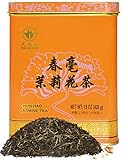
- 1 tablespoon of premium loose-leaf jasmine green tea
- 1/4 cup of quick-cook tapioca pearls (honey boba flavor)
- 1 tablespoon of liquid sweetener (simple syrup or honey)
- 1 cup of ice cubes
Directions
- Steeping: Heat your filtered water to exactly 175°F. Pour over the loose-leaf jasmine green tea and steep for exactly 3 minutes.
- Straining: Remove the tea leaves promptly using a fine mesh strainer to prevent bitterness. Chill the tea in the refrigerator until completely cold.
- Boiling: Prepare the tapioca pearls according to the package directions, simmering them until they achieve a chewy, tender texture. Rinse under cold water to stop the cooking process and prevent clumping tapioca.
- Sweetening: Toss the cooked pearls in your liquid sweetener to coat them.
- Assembling: Spoon the sweetened pearls into the bottom of a tall glass. Add the ice cubes.
- Pouring: Pour the chilled jasmine green tea over the ice, then gracefully pour the 2 bottles of Yakult on top.
- Stirring: Use a wide boba straw to mix the layers thoroughly before enjoying your zesty beverage!
Pro-Tip: Proper organic jasmine sourcing and maintaining correct water temperature ensures the delicate tea polyphenols don’t become overly astringent, which can severely clash with the dairy fermentation profile.
2. Vibrant Mango Yakult Boba Tea

Save this vibrant mango boba recipe for your next sunny weekend treat!
Learning how to make mango yakult boba is essential for any home barista, as it is arguably the most popular fruit variation in the yogurt series. The mango puree offers a sweet, vibrant, and tropical profile that blends seamlessly with the zesty, acidic nature of the fermented dairy.
Achieving the correct consistency is critical here. If your fresh fruit base is too dense, it will refuse to mix with the thinner liquids, creating an unbalanced drinking experience.
Ingredients
- 2 bottles of Yakult probiotic drink
- 1/2 cup of chilled jasmine green tea
- 3 tablespoons of premium mango puree or fresh mashed mango
- 1/4 cup of cooked honey boba
- 1/2 tablespoon of simple syrup (adjust based on puree sweetness)
- 1 cup of crushed ice
Directions
- Mashing: If using fresh fruit, mash your mango thoroughly until it reaches a smooth, viscous, puree-like consistency.
- Layering: Place the cooked honey boba at the bottom of your serving cup.
- Pouring: Spoon the mango puree directly over the boba pearls to create a distinct, vibrant bottom layer.
- Diluting: In a separate cocktail shaker, combine the chilled jasmine green tea, simple syrup, and Yakult.
- Shaking: Add a handful of ice to the shaker and shake vigorously for 10 seconds to fully integrate the liquids and create a frothy top.
- Assembling: Fill your serving glass with crushed ice, being careful not to disturb the mango layer.
- Straining: Strain the shaken green tea and Yakult mixture over the ice. Stir gently with a straw before drinking to blend the tropical flavors.
Pro-Tip: Effective viscosity management is crucial here. If your fresh mango puree is too thick, thin it out with a splash of filtered water before layering to ensure it easily flows up a standard boba straw without clogging.
$0 offBestseller No. 2

3. Refreshing Peach Yakult Tea with Popping Boba

Love popping boba? Pin this incredible peach Yakult recipe to try later!
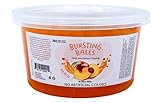
A refreshing peach yakult tea with popping boba elevates the standard beverage into a highly sensory, texture-heavy experience. The intensely fragrant, sweet notes of the peach yakult tea pair beautifully with the translucent, juice-filled bursting pearls.
When comparing popping boba vs tapioca pearls, the juice-filled spheres are significantly better suited for heavily iced, summer-ready aesthetic fruit drinks.
Ingredients
- 2 bottles of Yakult or Calpico
- 3/4 cup of brewed and chilled green tea
- 2 tablespoons of peach syrup or fresh peach puree
- 1/4 cup of peach-flavored popping boba
- 1 cup of ice cubes
- Fresh peach slices for garnish
Directions
- Pureeing: If using fresh fruit, blend fresh, skinless peaches in a food processor until entirely smooth.
- Assembling: Scoop the vibrant, translucent popping boba into the bottom of your favorite glass.
- Mixing: In a cocktail shaker, combine the chilled green tea, peach syrup (or puree), and Yakult.
- Shaking: Shake the mixture well to ensure the sweetened dairy fully integrates with the fruit syrup, preventing separation.
- Pouring: Add ice cubes directly over the popping boba in your glass, then carefully pour the shaken peach-milk tea over the top.
- Garnishing: Adorn the rim of your glass with a fresh peach slice for a tea shop-quality presentation.
- Stirring: Insert a wide straw and stir gently to distribute the sweet peach flavors before sipping!
Pro-Tip: Unlike starch-based tapioca, the sodium alginate casing of popping boba does not harden in cold liquids. This makes them the superior choice for intensely iced, low-fat summer fruit teas where you want to maintain a perfect texture from the first sip to the last.
4. Homemade Strawberry Yakult Bubble Tea

Muddled strawberries make this DIY bubble tea absolutely irresistible—pin it now!
Crafting a homemade strawberry yakult bubble tea step by step is the ultimate flex for fresh fruit tea lovers. The highly acidic, naturally sweet juices from the muddled strawberries create a stunning pink marble effect when combined with the milky dairy base.
Because strawberry + boba is such a classic pairing, using fresh, widely available berries allows you to skip artificial syrups entirely.
Ingredients
- 2 bottles of Yakult
- 1/2 cup of steeped and chilled green or black tea
- 4-5 fresh, ripe strawberries (hulled and diced)
- 1 tablespoon of sugar or honey
- 1/4 cup of cooked brown sugar boba
- 1 cup of ice
Directions
- Mashing: Place the diced strawberries and sugar into a sturdy glass or cocktail shaker. Use a wooden muddler to crush them until they release their juices and become a jam-like consistency.
- Layering: Scoop your prepared brown sugar boba into your serving glass.
- Pouring: Spoon the muddled strawberry mixture directly over the boba.
- Shaking: Add the chilled tea, Yakult, and a handful of ice to a shaker. Shake vigorously for 10-15 seconds. Rapid chilling is key here!
- Assembling: Fill your serving glass with ice cubes, resting them on the strawberry layer.
- Straining: Pour the cold, creamy Yakult tea mixture over the ice to create a stunning marbled effect.
- Stirring: Use your boba straw to blend the muddled fruit with the milky tea just before drinking.
Pro-Tip: To master curdling prevention, always ensure your tea is ice-cold before mixing it with the dairy and acidic strawberries. Warm temperatures accelerate the reaction between fruit acids and fermentation bi-products, leading to an unappetizing separated texture.

5. Zesty Mandarin Orange Yakult Green Tea

Brighten up your day with this zesty, citrusy Yakult tea inspired by TikTok trends!
A mandarin orange yakult green tea tiffy cooks style recipe embraces the “smash and shake” method popularized on social media. The fresh mandarin provides an intensely citrusy and zesty flavor profile that feels lighter than traditional tapioca drinks.
Because citrus is so highly acidic, this recipe introduces aloe vera jelly as a brilliant textural alternative that complements the tartness far better than heavy starch pearls.
Ingredients
- 2 bottles of Yakult
- 1 cup of strongly brewed green tea (chilled)
- 1 fresh mandarin orange (peeled and segmented)
- 1 tablespoon of honey or simple syrup
- 1/4 cup of sweetened aloe vera jelly
- 1 cup of ice
Directions
- Mashing: Drop the mandarin orange segments into a cocktail shaker. Use a muddler to smash them thoroughly, extracting all the zesty, citrusy juices.
- Sweetening: Add the honey or simple syrup to the shaker to help balance the citrus acidity.
- Mixing: Pour in the cold green tea and the 2 bottles of Yakult.
- Shaking: Add a generous scoop of ice to the shaker. Seal tightly and shake vigorously for 15 seconds to emulsify the citrus oils with the fermented milk.
- Layering: Scoop the translucent aloe vera jelly into the bottom of a tall serving glass.
- Pouring: Fill the glass with fresh ice.
- Straining: Strain the shaken mandarin-Yakult mixture over the ice and jelly, leaving the mashed pulp behind for a smooth, refreshing drink.
Pro-Tip: Maintaining pH balance in dairy tea is critical here. Using a liquid sweetener like honey not only enhances the flavor but acts as a buffer, preventing the high acidity of the mandarin oranges from aggressively curdling the lactobacillus beverage.

6. Tart Passion Fruit Yakult Oolong Tea

Upgrade your boba game with this roasted, tart passion fruit Yakult recipe. Pin for later!
For tea connoisseurs, combining passion fruit syrup with roasted oolong tea creates a sophisticated, highly complex flavor profile. The earthy depth of the roasted leaves beautifully anchors the intense tartness of the tropical fruit and the sweetness of the dairy base.
When debating green tea vs oolong for yakult, oolong provides a much more robust counterbalance, easily cutting through heavy, commercial fruit syrups.
Ingredients
- 2 bottles of Yakult
- 3/4 cup of strongly brewed roasted Oolong tea (completely chilled)
- 2 tablespoons of premium passion fruit syrup (with seeds)
- 1/4 cup of cooked tapioca balls
- 1 cup of ice
Directions
- Brewing: Steep high-quality loose-leaf Oolong tea at 190°F for 4 minutes. Remove leaves and chill the tea in the fridge.
- Layering: Place the cooked tapioca balls at the bottom of your serving glass.
- Pouring: Drizzle the tart passion fruit syrup directly over the pearls. The seeds add an authentic, crunchy texture.
- Diluting: In a shaker cup, combine the chilled, roasted Oolong tea with the Yakult.
- Shaking: Add ice and shake vigorously for 10 seconds to create a perfectly emulsified, frothy liquid.
- Assembling: Add ice to your serving glass, pouring it carefully over the syrup layer.
- Straining: Pour the shaken Oolong-Yakult mixture into the glass, creating a beautiful gradient from golden-amber to milky white. Stir well before drinking.
Pro-Tip: When exploring beverage mixology basics, understanding the difference between bases is key. In the green tea vs oolong for yakult debate, roasted Oolong contains slightly different tea polyphenols that beautifully cut through the intense, cloying sweetness of commercial passion fruit syrups, resulting in a much more balanced drink.

7. Low-Calorie Butterfly Pea Yakult Light Drink

Watching your sugar? Pin this stunning, low-calorie butterfly pea boba drink!
If you are hunting for low calorie yakult boba tea options, look no further than this mesmerizing butterfly pea tea infusion. It mixes the vibrant, earthy blue floral tea with lychee jelly to create a striking, health-conscious alternative to heavy milk teas.
When comparing yakult light vs original calories, the Light version (blue foil) cuts the sugar drastically, allowing you to enjoy the aesthetic and probiotic benefits of the yogurt series without the guilt.
Ingredients
- 2 bottles of Yakult Light (Blue foil tops)
- 1 cup of hot filtered water
- 1 tablespoon of dried butterfly pea flowers
- 1/4 cup of lychee jelly (drained of excess syrup)
- 1 cup of ice
- 1/2 tablespoon of stevia or monk fruit sweetener (optional)
Directions
- Steeping: Pour hot water over the dried butterfly pea flowers and steep for 5 minutes until the water turns a deep, vibrant indigo blue.
- Straining: Remove the flowers, stir in your low-calorie sweetener until dissolved, and chill the blue tea thoroughly in the refrigerator.
- Assembling: Spoon the translucent lychee jelly into the bottom of a tall, clear glass. (Jelly is significantly lower in calories than starch-heavy tapioca).
- Pouring: Pour the 2 bottles of Yakult Light directly over the lychee jelly.
- Layering: Carefully fill the glass to the brim with ice cubes.
- Infusing: Very slowly, pour the chilled blue butterfly pea tea directly over an ice cube to diffuse the liquid. This prevents it from instantly mixing with the Yakult, creating a stunning, two-toned aesthetic gradient.
- Stirring: Admire the beautiful layers, then stir vigorously before drinking to blend the earthy tea with the sweet, low-fat probiotic cooler.
Pro-Tip: Understanding the glycemic index of boba is essential for health-conscious drinkers. By swapping traditional tapioca balls (which are dense, high-glycemic carbs) for lychee jelly, and analyzing yakult light vs original calories (30 calories vs 50 calories per bottle), you drastically reduce the sugar load while still benefiting from the prebiotic fiber integration and probiotics.

Key Takeaways: Your Quick Guide to Yakult Boba Tea
If you need a quick Yakult boba tea overview, navigating the food science of these diy bubble tea takeaways ensures your drinks never separate, curdle, or fall flat. By remembering these yogurt series boba key points, you can confidently bypass the local cafe and master any flavor combination in your kitchen.
Key Takeaways:
- The Ultimate Tea Base Pairing – Because Yakult is a sweet, fermented milk drink, it pairs exceptionally well with floral, lighter teas like jasmine green tea rather than heavy black teas, which can overwhelm the palate.
- Temperature Control is Critical – Always ensure your brewed tea is completely ice-cold before mixing. Introducing hot liquid to Yakult will instantly kill the beneficial probiotics and cause the dairy proteins to separate or curdle.
- Emulsifying Fruit Purees – When creating variations like mango yakult boba, rigorous shaking (not just stirring) is required to properly blend thick fruit purees with the thin, watery consistency of the probiotic drink.
- Textural Alternatives – While traditional tapioca pearls are classic, popping boba and aloe vera jelly offer superior, refreshing textures that won’t harden in intensely chilled summer beverages.
- Buffering High Acidity – When using highly acidic citrus fruits (like mandarin oranges), always incorporate a liquid sweetener first. This acts as a buffer to maintain proper pH balance and prevents the lactic acid in the Yakult from clashing with the fruit.
- Caloric Management Strategies – You can easily craft a low-fat or health-conscious option by substituting original Yakult for Yakult Light and swapping calorie-dense starch pearls for lighter, fruit-based jellies.
People Also Ask About Yakult Boba Tea
Navigating questions about yakult boba tea often requires a deep dive into beverage chemistry and nutritional facts. To help you master these recipes, we have compiled the most common yakult bubble tea queries and essential yakult boba FAQs directly below.
What is Yakult boba tea?
Yakult boba tea is a popular Taiwanese-inspired hybrid beverage that combines freshly brewed iced tea, chewy tapioca pearls, and Yakult—a sweetened, Japanese probiotic milk drink.
Instead of using heavy creamers or standard milk, this drink relies on the fermented dairy product to create a uniquely tangy, zesty, and fruity flavor profile. It is commonly found on tea shop menus under titles like the “Yogurt Series” and is frequently blended with fruit syrups like mango, peach, or strawberry.
Is Yakult boba tea healthy?
While Yakult boba tea does provide gut-healthy probiotics (Lactobacillus casei Shirota), it is generally considered a sugary treat rather than a health drink.
According to nutritional facts, a standard store-bought version contains high amounts of added sugars from the fruit syrups, the sweetened dairy base, and the brown sugar used to cook the tapioca pearls. To make it healthier at home, use Yakult Light, substitute sugar with stevia, and use lower-calorie toppings like aloe vera jelly.
How many calories in Yakult bubble tea?
A standard 16oz Yakult bubble tea from a shop typically contains between 250 to 350 calories, depending on the sugar level and toppings chosen.
Two bottles of original Yakult contribute exactly 100 calories. A standard 1/4 cup serving of tapioca pearls adds roughly 130 calories, while added fruit syrups and honey account for the rest. Opting for a low sugar option and switching to popping boba can reduce the total count closer to 180 calories.
Why is my Yakult tea curdling?
Your Yakult tea is curdling because the dairy proteins in the fermented milk are reacting negatively to either heat or high fruit acidity.
Curdling prevention requires strict temperature control; you must ensure your brewed tea is ice-cold before mixing it with the dairy base. Additionally, if you are adding highly acidic fruits like lemon or orange, you must buffer the acid with a liquid sweetener (like simple syrup) and shake vigorously to emulsify the liquids before they separate.
What does Yakult tea taste like?
Yakult tea tastes exceptionally creamy, tart, and fruity, offering a much lighter and more acidic flavor profile than traditional milk tea.
Because it is a fermented milk beverage, it has a distinct citrus-like zing similar to a thinned-out, sweetened drinkable yogurt. When paired with jasmine green tea, the floral notes of the tea perfectly complement the sweet, lactic tang of the probiotic base.
What is the yogurt series at boba shops?
The “Yogurt Series” at popular boba shops like Kung Fu Tea and Koi refers to a line of specialty drinks that use a Yakult or yogurt-flavored syrup as the primary creamy base.
These drinks skip traditional dairy or non-dairy creamers entirely. Instead, they pair the yogurt syrup with green tea and fresh fruit juices—such as grapefruit, orange, or mango—to create a brightly colored, refreshing, and distinctly tart beverage option.
How to get the perfect boba texture for iced drinks?
To get the perfect boba texture for heavily iced drinks, you must simmer the pearls until they are completely tender all the way through, then immediately shock them in an ice bath.
This stops the cooking process and prevents mushy pearls. Finally, coat them generously in a liquid sweetener like honey or brown sugar syrup. If your iced drink is going to sit for a long time, consider switching from starch-based tapioca to popping boba, which will not harden when exposed to cold temperatures.
What is the difference between Yakult and Calpis (Calpico)?
The main difference is that Yakult is a live-cultured probiotic dairy drink containing active bacteria, whereas Calpis (sold as Calpico in the US) is a non-carbonated soft drink made from lactic acid fermentation that does not contain live cultures.
While both originate from Japan and offer a similar sweet, milky, and acidic flavor profile perfectly suited for bubble tea recipes, only Yakult provides active gut-health benefits.
Is Yakult boba gluten-free?
Yes, homemade Yakult boba tea is naturally gluten-free.
Traditional tapioca pearls are made from cassava root starch, which contains no gluten. Furthermore, both the tea bases and the probiotic dairy drink itself are gluten-free according to food safety standards. However, if you are ordering from a commercial tea shop, always check allergen information to ensure there is no cross-contamination with other additives or specialized toppings.
What is the best tea base for Yakult?
Jasmine green tea is universally considered the best tea base for Yakult because its delicate, floral astringency perfectly balances the heavy sweetness and tartness of the fermented milk.
While oolong tea can offer a complex, roasted alternative for more sophisticated palates, heavy black teas are generally avoided as their robust, malty flavors clash awkwardly with the light, citrusy notes of the probiotic dairy drink.
Final Thoughts on Yakult Boba Tea
Mastering Yakult Boba Tea at home opens up an entirely new world of refreshing, vibrant beverage possibilities. By stepping away from the standard, heavy milk teas and embracing the zesty, tangy profile of this probiotic yogurt boba drink, you can easily recreate the iconic flavors of your favorite tea shop’s yogurt series right in your own kitchen. Gathering a diy yakult boba tea kit is the perfect way to embrace this incredibly satisfying yakult boba tea conclusion.
Whether you are shaking up a classic jasmine green tea, pureeing fresh summer mangoes, or experimenting with low-calorie butterfly pea aesthetics, the secret lies in understanding exactly how your ingredients interact. By controlling your steeping temperatures, carefully managing the acidity of your fruit syrups, and choosing the perfect textural toppings—from chewy tapioca to bursting popping boba—you guarantee a perfect, cafe-quality result every single time without paying the premium price tag.
Armed with these seven delicious recipes and expert barista tips, you are fully equipped to start brewing, shaking, and sipping your way to the absolute perfect summer drink in October 2026. Which of these refreshing flavor combinations are you going to mix up first? Drop a comment below and let us know your favorite Yakult pairing!
Last update on 2026-10-16 / Affiliate links / Images from Amazon Product Advertising API
