
As an Amazon Associate CoffeeXplore.com earns from qualifying purchases.
Best Herbal Tea: 7 Healing Blends for Sleep in 2026
Are you exhausted from staring at the ceiling during another sleepless night? Late-night tossing and turning is incredibly frustrating, but a warm cup of herbal tea offers an evidence-based, natural solution.
Herbal tea, technically known as a tisane, is a caffeine-free beverage made by infusing hot water with dried leaves, flowers, seeds, or roots of botanical plants. The best herbal teas for sleep contain natural sedatives like chamomile, valerian root, and lavender, which have been proven to naturally lower cortisol and promote deep relaxation.
Drawing from comprehensive clinical studies and expert reviewed methodologies, we have identified the most effective botanical infusions. Discover how specific phytochemicals target insomnia at its root, so you can finally achieve deep, restorative rest.
Contents
show
What Is The Best Herbal Tea For Insomnia Relief?
The best herbal tea for insomnia relief is a pure, caffeine-free botanical blend containing natural nervines and sedatives, such as chamomile and valerian root, which actively calm the central nervous system.
When evaluating these natural tonics, it is crucial to understand that true teas (like green or black tea) are derived from the Camellia sinensis plant and inherently contain caffeine. To achieve authentic sleep support, you must seek out a botanical tea, formally classified as a tisane. These plant-based infusions rely on carefully selected roots, flowers, and spices to deliver powerful therapeutic benefits without disrupting your natural circadian rhythm.
Before introducing a calming herbal beverage into your evening, it is essential to build a foundation of proper sleep hygiene. Consider this quick interactive checklist: Is your bedroom temperature optimized? Have you disconnected from blue-light emitting screens? Are your thoughts racing? Addressing these habits alongside the consumption of a targeted medicinal brew creates a comprehensive problem-solution framework for insomnia. By analyzing the active compounds and flavonoids present in expert recommended botanicals, you can transition from restless nights to deep, restorative slumber.
7 Healing Herbal Tea Blends for Sleep in 2026
The 7 best healing herbal tea blends for sleep include Chamomile and Lemon Balm, Valerian Root and Passionflower, Lavender and Peppermint, Rooibos and Cinnamon, Mullein Leaf and Ginger, Ashwagandha and Tulsi, and Turmeric and Tart Cherry.
Unlike generic grocery store brands that merely offer pleasant flavors, these seven therapeutic tisanes are specifically engineered to function as a nightly solution finder. Each herbal brew targets underlying issues that often masquerade as insomnia, connecting specific relaxation botanicals to secondary physical problems like late-night bloating, sinus congestion, or elevated stress hormones.
To maximize the effectiveness of these blends, always prioritize certified organic, lab tested, and ethically sourced ingredients that guarantee purity. Furthermore, understanding the precise brewing science—including exact steeping temperature curves and extraction times—will transform your standard cup into a highly bioavailable medicinal tonic.
1. Brewing Organic Chamomile and Lemon Balm for Deep Rest

- Pin this soothing nighttime brew to your “Wellness Habits” board!
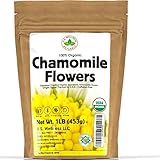
Brewing organic chamomile and lemon balm creates a gentle, traditional remedy proven to rapidly calm an anxious mind and physically prepare the body for deep rest.
This classic botanical pairing represents the ultimate beginner-friendly nighttime tisane. Chamomile contains high levels of apigenin, an antioxidant that binds to specific GABA receptors in your brain, actively decreasing anxiety and initiating sleep. When blended with aromatic lemon balm, this caffeine free combination alleviates the daily stress that often prevents you from winding down. Clinical studies consistently validate these botanicals as effective tools for anxiety management and profound stress reduction.
Ingredients
- 1 tablespoon of organic, loose leaf chamomile flowers (look for whole, bright yellow heads)
- 1 teaspoon of dried organic lemon balm
- 10 ounces of filtered water
- Optional: 1 teaspoon of raw honey for natural sweetness
Steeping Instructions
- Bring fresh, filtered water to a rolling boil using a tea kettle, then let it sit for one minute to reach exactly 205°F.
- Place the loose leaf botanical blend into a stainless steel tea infuser and submerge it in your favorite mug.
- Pour the hot water over the herbs, cover the mug with a small plate to trap the volatile oils, and begin steeping.
- Let the mixture steep for exactly 5 to 7 minutes to extract maximum therapeutic benefits without turning bitter.
- Remove the infuser, stir in honey if desired, and sip slowly 30 minutes before bed.
What most guides miss: To maximize the flavonoids and apigenin content, always cover your cup while it steeps. The condensation that forms on the lid contains the highest concentration of sleep-inducing essential oils—make sure to drip it back into your cup!
2. Steeping Valerian Root and Passionflower for Heavy Insomnia Relief

- Save this powerful natural sleep remedy for nights when you just can’t switch off!
Steeping valerian root alongside passionflower provides a heavy-duty, natural alternative to over-the-counter sleep aids, specifically designed to treat severe, stubborn sleeplessness.
Positioned as the heavy hitter of natural tonics, pure valerian root contains valerenic acid, which interacts robustly with the brain’s GABA receptors to initiate sedation. While highly effective for insomnia relief, its notorious earthy scent can be off-putting. Blending it with passionflower expertly balances the flavor profile while compounding the medicinal efficacy, ensuring a potent remedy that aligns with evidence-based pharmacopoeia standards.
Ingredients
- 1 teaspoon of dried, organic valerian root
- 1 teaspoon of dried passionflower aerial parts
- 10 ounces of boiling water
- A slice of fresh lemon or a dash of maple syrup (to mask the earthy scent)
Steeping Instructions
- Add the dried valerian root and passionflower into a fine-mesh tea infuser to prevent root sediment from escaping.
- Bring your water to a full, rolling boil (212°F) as dense roots require higher temperatures for proper extraction.
- Pour the boiling water over the botanicals and cover tightly.
- Allow the roots to undergo a long steep time of 10 to 12 minutes to ensure the heavy compounds dissolve fully.
- Discard the herbs, add your lemon or syrup, and drink 45 minutes before your desired sleep time.
Expert insight: Because valerian is a dense root, it requires a longer steeping temperature curve than delicate flowers. For maximum bioavailability, you can turn this into a decoction by gently simmering the roots in a pot on the stove for 15 minutes instead of just steeping.


3. Infusing Lavender and Peppermint for Digestion and Relaxation

- Pin this digestion-soothing blend for nights after a heavy dinner!
Infusing aromatic lavender and sugar free peppermint together offers an immediate solution for individuals struggling with both an anxious mind and late-night digestive upset.
Late-night heartburn or bloating is frequently an overlooked cause of insomnia. This recipe serves as the perfect after-dinner wellness elixir, merging the antispasmodic properties of peppermint with the soothing nervines found in lavender. Rooted in traditional medicine and ayurvedic practices, this digestive aid seamlessly alleviates stomach upset and nausea while simultaneously promoting pristine sleep hygiene.
Ingredients
- 1 teaspoon of organic culinary-grade lavender buds
- 1 tablespoon of organic loose leaf peppermint (or fresh mint leaves if available)
- 8-10 ounces of water
- Optional: A splash of oat milk for creaminess
Steeping Instructions
- Heat fresh water to just below boiling, around 200°F, to protect the delicate essential oils of the mint.
- Add the lavender buds and peppermint leaves into your tea infuser.
- Pour the hot water over the herbs and cover immediately to trap the highly volatile aromatics.
- Allow infusing for exactly 3 to 5 minutes. (Do not over-steep lavender, or it will taste soapy and bitter).
- Remove the strainer and sip slowly while engaging in quiet mindfulness activities.
An often-overlooked strategy: The primary terpenes in this blend—linalool from the lavender and menthol from the peppermint—are highly sensitive to heat. Using boiling water will burn the volatile oils, destroying both the flavor and the therapeutic benefits. Always let the water cool slightly!

4. Blending Rooibos with Cinnamon for a Decadent Nightcap

- Add this zero-calorie, caffeine-free nightcap to your “Healthy Habits” board!
Blending premium rooibos with warming cinnamon creates a zero calorie, naturally caffeine free nightcap that satisfies late-night cravings without disrupting your sleep cycle.
When evaluating herbal tea vs black tea, rooibos emerges as the ultimate replacement for English Breakfast or Earl Grey. Unlike traditional true teas, this non-caffeinated infusion boasts a complete lack of tannin content. From a nutritionist’s perspective, this means it will not trigger acid reflux or interfere with essential iron absorption at night. By adding cinnamon, you create a decadent, comforting ritual loaded with antioxidants.
Ingredients
- 1 tablespoon of premium organic red rooibos tea
- 1 crushed cinnamon stick
- A pinch of freshly grated nutmeg
- 8 ounces of boiling water
- Warm milk or dairy alternative (highly recommended)
Steeping Instructions
- Mix the loose rooibos, crushed cinnamon, and nutmeg inside your tea kettle or a large infuser.
- Bring your water to a full boil (212°F); rooibos requires intense heat to release its rich flavors.
- Pour the boiling water over the botanical blend.
- Allow blending and steeping for a minimum of 7 to 10 minutes (unlike true tea, rooibos will never become bitter, no matter how long it steeps).
- Strain into your mug, top with warm milk, and enjoy your comforting, sugar free evening treat.
What most guides miss: The red color of traditional rooibos comes from high oxidation levels. Because of its incredibly high antioxidant capacity and zero tannin content, you can safely leave the leaves in your mug while you drink without ruining the flavor profile!

5. Preparing Mullein Leaf and Ginger for Nighttime Congestion

- Save this powerful respiratory support remedy for cold and flu season!
Preparing medicinal mullein leaf alongside all-natural ginger produces a targeted herbal brew that actively supports the respiratory system and clears the nighttime congestion preventing restful sleep.
For those asking what herbal tea is good for a sore throat, this combination is an essential home remedy during cold and flu season. Herbalist recommended practices highlight mullein leaf’s profound role as an expectorant and demulcent, offering research-backed congestion relief. When an abrasive cough or painful sinus pressure keeps you awake, this powerful infusion alleviates respiratory distress, allowing your body to rest and heal.
Ingredients
- 1 tablespoon of pure organic mullein leaf (or 1 premium tea bag)
- 3-4 thin slices of fresh, raw ginger root
- 1 teaspoon of raw Manuka honey (crucial for a sore throat soother)
- 10 ounces of hot water
Steeping Instructions
- Place the ginger slices and mullein leaves into a pot or large mug.
- Boil the water and pour it over the mixture.
- Cover the mug and allow preparing and infusing for 10 to 15 minutes to extract the deep medicinal properties of the ginger.
- CRITICAL STEP: Strain the tea through a paper coffee filter or ultra-fine muslin cloth. Mullein leaves have microscopic hairs that can irritate the throat if swallowed!
- Stir in the Manuka honey once the tea has cooled slightly (boiling water destroys honey’s antibacterial enzymes) and drink while breathing in the steam.
Expert insight: The botanical classification of mullein reveals it is packed with mucilage and saponins. To get the maximum immune booster effect during cold season, inhale the steam deeply through your nose as the ginger and mullein steep together!

6. Mixing Ashwagandha and Tulsi for Cortisol Regulation

- Pin this stress-busting adaptogenic tea blend for your evening wind-down routine!
Mixing pure ashwagandha roots with holy basil (tulsi) forms a potent adaptogenic brew that lowers nighttime cortisol, specifically targeting the root cause of ‘tired but wired’ insomnia.
High-level wellness enthusiasts understand that true stress reduction requires more than just basic relaxation; it requires regulating the adrenal system. These evidence-based Ayurvedic traditions leverage specific adaptogens to biochemically alter the body’s stress response. By lowering cortisol levels, this earthy tea ensures that physical exhaustion seamlessly translates into mental tranquility and uninterrupted sleep.
Ingredients
- 1 organic tea bag containing a blend of Tulsi (Holy Basil) and Ashwagandha root
- 8 ounces of hot water
- Optional: A tiny pinch of black pepper and a splash of coconut milk (fat increases absorption)
Steeping Instructions
- Heat water to about 200°F (just off the boil).
- Submerge the tea bag or loose leaf mixture into your cup.
- Add a microscopic pinch of black pepper and your splash of healthy fat (coconut milk).
- Allow infusing for 5 to 8 minutes to draw out the deep earthy notes of the ashwagandha.
- Squeeze the tea bag gently before removing to extract all the medicinal phytochemicals, and drink 1 hour before bed.
What most guides miss: Ashwagandha is an incredibly powerful adaptogen, but its active compounds are fat-soluble. To dramatically increase the bioavailability of this herbal tea to lower cortisol levels, always mix in a small amount of healthy fat like coconut milk or ghee!

7. Simmering Turmeric and Tart Cherry for Natural Melatonin

- Share this incredible inflammation-fighting sleep hack with a friend!
Simmering medicinal turmeric alongside all-natural tart cherry juice crafts a powerful fruit tea that simultaneously prevents inflammation and provides a robust dose of highly bioavailable melatonin.
Physical discomfort, particularly joint ache and inflammation, is a primary barrier to restful sleep. This innovative concoction blends the therapeutic principles of “Golden Milk” with functional fruit infusions. Clinical research highlights tart cherry juice as one of the few natural sources of bioavailable melatonin. Paired with nutritionist approved turmeric, this combination serves as the ultimate natural alternative to synthetic sleep pills.
Ingredients
- 1 organic turmeric and ginger tea bag (or 1 tsp grated fresh turmeric)
- 2 ounces of 100% pure, unsweetened tart cherry juice
- 6 ounces of hot water
- A pinch of black pepper (required for turmeric absorption)
Steeping Instructions
- Bring 6 ounces of water to a gentle boil.
- Pour the hot water over your turmeric tea bag in a large mug, adding the necessary pinch of black pepper.
- Allow simmering and steeping for 5 to 7 minutes.
- Remove the tea bag and stir in the 2 ounces of room-temperature tart cherry juice.
- Drink this anti-inflammatory potion 90 minutes before bed to allow the natural melatonin to take effect.
Expert insight: The curcumin found in turmeric exhibits incredible herbal synergy when combined with piperine (black pepper), increasing absorption by up to 2,000%. Combining this with the phytochemicals in tart cherry creates the ultimate natural alternative to synthetic sleep aids!

Key Takeaways: Your Quick Guide to Herbal Tea
Mastering herbal tea benefits requires matching the right botanical varieties to your specific ailments while following precise brewing techniques for maximum extraction.
If you want to immediately implement these sleep solutions without reviewing the entire chemistry behind each blend, these core action items will ensure you steep your evening tisanes perfectly every time.
Key Takeaways:
- Herbal Tea is Technically a Tisane: Unlike green or black tea, herbal tea contains no actual tea leaves. It is a botanical blend of flowers, roots, and spices, making it naturally caffeine-free and perfect for evening consumption.
- Match the Herb to the Ailment: Don’t just drink randomly; use specific botanicals to target problems. Chamomile is best for general anxiety, Valerian Root for heavy insomnia, and Peppermint for indigestion.
- Temperature Matters: Delicate flowers (like lavender and chamomile) should be steeped at lower temperatures (200°F) to preserve volatile oils, while dense roots (valerian, ashwagandha) require a rolling boil (212°F) for proper extraction.
- Cover Your Cup While Steeping: Always place a lid or saucer over your mug while infusing. This traps the therapeutic essential oils and terpenes that evaporate with the steam, ensuring maximum health benefits.
- Fat and Pepper Increase Absorption: For adaptogens like Ashwagandha or anti-inflammatories like Turmeric, adding a small amount of healthy fat (coconut milk) or a pinch of black pepper drastically improves bioavailability.
- Quality is Crucial: For daily health rituals, always choose certified organic, non-GMO loose leaf teas or premium unbleached tea bags to avoid pesticides and microplastics.
People Also Ask About Herbal Tea
When incorporating these botanical infusions into your daily routine, you might have lingering questions about hydration, digestion, side effects, or safety. Understanding the broader applications and limitations of your tea collection ensures you maximize its health benefits safely.
What is herbal tea?
Herbal tea, accurately known as a tisane, is a caffeine-free beverage created by infusing hot water with dried botanicals, including flowers, leaves, seeds, roots, and spices.
Unlike true teas (black, green, oolong) which all derive from the Camellia sinensis plant, herbal mixtures do not contain actual tea leaves. This makes plant infusions highly versatile wellness elixirs, offering diverse flavor profiles and specific medicinal benefits depending on the botanic blends used.
Does herbal tea have caffeine?
No, traditional herbal tea is naturally caffeine-free because it does not contain leaves from the caffeinated Camellia sinensis plant.
Beverages made from chamomile, peppermint, ginger, and rooibos are completely non-caffeinated, making them ideal for evening routines and sleep hygiene. However, always check the label of commercial blends, as some brands mix herbal ingredients with green or black tea bases, which will introduce caffeine into the cup.
What herbal tea is good for sleep?
The best herbal tea for sleep includes chamomile, valerian root, passionflower, and lavender, as these botanicals contain natural compounds that relax the nervous system.
Chamomile provides a gentle calming effect via the antioxidant apigenin, making it great for everyday stress reduction. For more severe insomnia relief, valerian root acts as a mild natural sedative. Blending these with lemon balm or holy basil creates a powerful nighttime routine to combat sleeplessness.
How long to steep herbal tea?
You should steep floral and leafy herbal teas for 5 to 7 minutes, while dense roots and barks require 10 to 15 minutes of steeping time.
Because herbal infusions do not contain tannins like traditional black tea, they generally will not turn bitter if left in the water too long. In fact, longer brewing times often extract more medicinal phytochemicals and antioxidants. Always use boiling or near-boiling water to properly extract the botanical compounds.
Can you drink herbal tea while pregnant?
While many herbal teas are safe, pregnant women should exercise caution and consult their doctor, as some botanicals can stimulate the uterus or affect hormones.
Generally, mild teas like ginger (excellent for morning sickness), peppermint, and fruit-infused water are considered safe in moderation. However, pregnant women should strictly avoid teas containing licorice root, heavy chamomile consumption, pennyroyal, and certain adaptogens unless specifically approved by an obstetrician or certified herbalist.
Will herbal tea break a fast?
Pure herbal tea will not break a fast or interrupt autophagy, as it contains zero calories and no macronutrients.
Drinking unsweetened plain infusions like peppermint, ginger, or hibiscus is highly recommended during intermittent fasting to maintain hydration and manage appetite. However, adding honey, sugar, milk, or heavy fruit syrups to your cup will introduce calories and trigger an insulin response, which will immediately break your fast.
Can herbal tea cause diarrhea?
Yes, certain types of herbal tea can cause diarrhea if consumed in excessive quantities or if they contain specific natural laxative botanicals.
Teas containing senna leaf, dandelion root, or high doses of ginger are known digestive stimulants intended to relieve constipation. If you experience unexpected stomach upset, check your tea’s ingredient list for natural laxatives, reduce your daily consumption, and switch to a soothing digestive aid like pure chamomile or peppermint.
Is herbal tea hydrating?
Yes, herbal tea is incredibly hydrating and counts directly toward your daily water intake goals.
Because it is 99% water and naturally caffeine free, it does not possess the diuretic effects associated with heavy coffee consumption. Drinking warm or cold-brewed fruit and flower tea is an excellent, flavorful strategy for hydration tracking, especially for individuals who struggle to drink enough plain water throughout the day.
What is the best herbal tea for weight loss?
The best herbal teas for weight loss support include ginger, peppermint, and rooibos, as they aid digestion, regulate blood sugar, and act as natural appetite suppressants.
While no tea acts as a magic fat burner, replacing high-calorie sodas or sugary lattes with zero calorie botanical decoctions creates a caloric deficit. Furthermore, ginger tea improves metabolic rate and digestion, while the sweetness of rooibos can satisfy sugar cravings without spiking insulin levels.
Why does herbal tea make you pee?
Herbal tea makes you pee because you are consuming a large volume of liquid, and certain herbs possess natural diuretic properties that flush the kidneys.
Botanicals like dandelion root, hibiscus, and nettle are known traditional medicines for reducing water retention and bloating. They actively signal your body to expel excess sodium and water. If frequent urination disrupts your sleep, ensure you drink your nighttime teas at least 60 to 90 minutes before going to bed.
Final Thoughts on Herbal Tea
Finding the best herbal tea isn’t just about picking a flavor you enjoy; it’s about intentionally selecting botanicals that work in harmony with your body’s natural rhythms. Whether you are steeping a delicate cup of chamomile and lavender to ease daily anxiety, or simmering a robust valerian root concoction for heavy insomnia relief, these caffeine-free tisanes offer an incredible, evidence-based bridge to better health and deeper sleep.
By prioritizing high-quality, organic ingredients and mastering the simple science of steeping temperatures and times, you can transform a basic beverage into a powerful daily wellness habit. Remember that natural medicine works best with consistency. Building a mindful evening routine around your tea kettle—disconnecting from screens, breathing in the aromatic steam, and allowing the phytochemicals to naturally lower your cortisol—is just as healing as the tea itself.
It is time to ditch the synthetic sleep aids and embrace the proven benefits of nature’s apothecary. Which of these 7 healing herbal tea blends are you going to brew tonight to finally get the rest you deserve? Let us know your favorite nighttime ritual in the comments below!
Last update on 2026-10-26 / Affiliate links / Images from Amazon Product Advertising API
