
As an Amazon Associate CoffeeXplore.com earns from qualifying purchases.
Chamomile Tea: 7 Proven Uses for Sleep and Anxiety Relief
Struggling with racing thoughts when your head hits the pillow? You’re not alone in seeking a natural escape from the grip of anxiety and sleepless nights. The search for a safe, effective remedy often feels exhausting in itself.
Chamomile tea is a powerful natural remedy that significantly improves sleep quality and reduces anxiety. It contains apigenin, an antioxidant that binds to specific receptors in your brain, acting as a mild tranquilizer to decrease nervous tension, initiate sleep, and soothe digestive discomfort without the grogginess of traditional sleep aids.
Drawing from comprehensive analysis of current data and proven methodologies, this guide moves beyond folklore. We will explore seven scientifically-backed uses for chamomile tea, providing actionable steps to harness its full therapeutic potential. Get ready to transform your approach to relaxation and well-being.
Contents
show
Why Is Chamomile Tea the Ultimate Natural Remedy for Sleep and Anxiety?
For centuries, a warm cup of chamomile tea has been a go-to folk remedy for calming frayed nerves and inviting sleep. But what transforms this simple flower into such a potent tool for holistic well-being? The answer lies in its rich phytochemical profile, which has been rigorously examined in clinical studies. The secret ingredient is a flavonoid called apigenin in chamomile, an antioxidant that has remarkable anxiolytic effects. According to scientific research on chamomile, apigenin works by binding to the same GABA receptors in the central nervous system that prescription anti-anxiety medications target. This interaction produces a mild tranquilizing and sedative qualities, effectively quieting the mental chatter that fuels anxiety and prevents restful sleep. By understanding this mechanism, we can see that organic chamomile tea isn’t just a comforting beverage; it’s a legitimate, evidence-based intervention for managing stress and improving sleep hygiene, backed by modern science and NCCIH guidelines.
Chamomile Tea: 7 Proven Uses for Sleep and Anxiety Relief
Beyond its well-documented ability to promote relaxation, the health benefits of chamomile tea extend to a wide range of everyday ailments. This versatile herbal infusion serves as a gentle yet effective solution for everything from digestive discomfort to skin irritation. The following sections provide a comprehensive guide to the top seven proven applications of chamomile. We’ll move beyond just listing the benefits and provide you with specific, actionable recipes and routines. Each use case is designed to help you integrate this powerful plant-based remedy into your daily life, offering a step-by-step approach to harnessing its therapeutic benefits for both internal and external health challenges, making it a true staple in any natural wellness toolkit.
1. Brew a Potent Cup for Deep Insomnia Relief

Save this bedtime tea routine to your Sleep Hygiene Pinterest board for those restless nights!
This isn’t just about drinking a warm liquid before bed; it’s a mindful ritual designed to signal to your body that it’s time to unwind. The key to unlocking chamomile’s full potential for insomnia relief is in the preparation. Proper brewing ensures you extract the maximum amount of sleep-inducing compounds, turning a simple calming beverage into a powerful natural sleep aid. This routine focuses on creating a potent infusion that delivers the highest concentration of apigenin to help you fall asleep faster and stay asleep longer.
Ingredients
- 1 tablespoon of organic loose leaf chamomile tea (look for whole, bright yellow flower heads)
- 8 ounces of filtered water
- 1 teaspoon of raw honey (optional, to enhance the herbaceous flavor)
- A high-quality stainless steel tea infuser
Instructions
- Boil water for tea and let it sit for one minute so it drops just below boiling (around 200°F).
- Measure chamomile flowers into your infuser and place it in your favorite mug.
- Pour the hot water over the flowers, cover the mug with a small plate, and steep chamomile tea for exactly 5 to 7 minutes to release the essential oils.
- Strain the flowers and stir in honey if using.
- Sip chamomile tea slowly 45 minutes before your intended bedtime as part of a quiet night routine.
Pro-Tip: According to pharmacological properties research, covering your mug while it steeps is critical. It prevents the volatile essential oils—including the sleep-inducing terpene lactones in chamomile—from evaporating with the steam.
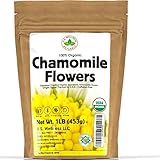
2. Mix a Calming Blend for Daytime Anxiety Reduction

Pin this anxiety-busting tea recipe to your Wellness and Self-Care board!
Harnessing chamomile for anxiety reduction during the day requires a different approach than the nighttime sleep ritual. The goal is to achieve stress alleviation and calm nervous tension without inducing drowsiness. By adjusting the brewing time and combining it with another powerful anxiolytic herb, you can create a blend that supports mental clarity and focus while keeping anxiety at bay. This recipe is perfect for a mindful break during a hectic workday.
Ingredients
- 1 organic chamomile tea bag (or 1 tsp loose leaf)
- 1 teaspoon of dried lemon balm (a powerful anxiolytic herb)
- 8 ounces of hot water
- 1 slice of fresh lemon
Instructions
- Combine chamomile and lemon balm in your mug or French press.
- Infuse chamomile for a shorter duration—only 3 to 4 minutes—to extract the calming antioxidants without overwhelming sedative properties.
- Remove the tea bag or strain the loose herbs.
- Cool chamomile tea for a few minutes and add a slice of fresh lemon for flavor and added vitamin C.
- Drink chamomile tea slowly during your mid-morning or mid-afternoon work slump to combat nervous tension.
Pro-Tip: The anxiolytic effects of apigenin are cumulative. Scientific research on chamomile suggests that drinking 1-2 cups daily over an 8-week period provides much more substantial anxiety reduction than treating it as a one-off quick fix.


3. Infuse an After-Dinner Cup as an Upset Stomach Remedy

Don’t let bloating ruin your evening—save this digestive tea recipe to your Natural Health board!
Chamomile’s benefits extend deep into the digestive system, where it acts as a powerful indigestion aid. Its carminative properties help relieve gas and bloating, while its antispasmodic nature soothes stomach cramps. This recipe enhances chamomile’s gastroprotective effects by combining it with ginger and peppermint, creating a potent digestif tea to calm an upset stomach after a heavy meal and provide relief from general digestive discomfort.
Ingredients
- 1 tablespoon of premium chamomile tea flowers
- 3 thin slices of fresh, peeled ginger root
- 1/2 teaspoon of dried peppermint leaves (do not use if you suffer from severe acid reflux)
- 10 ounces of boiling water
Instructions
- Place the chamomile, ginger, and peppermint into a teapot.
- Pour boiling water over the blend and let the mixture steep for a full 10 minutes to extract the deep anti-inflammatory properties.
- Strain the liquid carefully into your favorite mug.
- Consume chamomile blend about 30 minutes after eating a heavy meal to maximize its function as an indigestion aid.
- Enjoy the muscle-relaxing benefits as it goes to work on your digestive tract.
Pro-Tip: The bisabolol properties found in German chamomile are highly celebrated by herbalists for their anti-inflammatory mechanisms in the gut lining. This is why chamomile tea helps with relaxing the smooth muscles of the intestines, effectively stopping spasms and cramping.

4. Steep a Soothing Elixir for Menstrual Pain Relief

Save this comforting cramp-relief remedy to your Women’s Health and Wellness board!
For those seeking natural menstrual pain relief, chamomile offers a scientifically-backed alternative to over-the-counter painkillers. Clinical studies chamomile has shown its ability to reduce the production of prostaglandins, the compounds responsible for uterine muscle contractions and pain. To get the most effective relief from period cramps natural remedies, the key is to be proactive. This double-strength brew is designed to be a potent, pain-alleviating elixir to ease muscle spasms natural remedy.
Ingredients
- 2 bags of certified organic chamomile tea (for a stronger, double-strength brew)
- 10 ounces of freshly boiled water
- 1 teaspoon of magnesium powder (optional, to boost the muscle-relaxing effects)
- A squeeze of fresh lemon
Instructions
- Double-brew by placing both tea bags into your mug to ensure a high concentration of the active pain-alleviating compounds.
- Steep chamomile tea for a full 10 minutes, covering the top to trap the essential oils.
- Remove the bags, squeezing them gently against the side of the mug to extract all the liquid.
- Mix in a squeeze of lemon and magnesium powder (if using).
- Drink chamomile tea 2 to 3 times a day, starting exactly one week before your period begins, to proactively combat menstrual pain.
Pro-Tip: For the most effective period cramps natural relief, don’t wait until the pain starts. Scientific research on chamomile demonstrates that drinking it in the days leading up to your cycle increases urinary levels of glycine, an amino acid that acts as a powerful nerve relaxant and relieves muscle spasms.

5. Prepare a Steam Bowl for Common Cold Symptoms

Banish congestion fast—pin this chamomile steam inhalation hack to your Home Remedies board!
When you’re suffering from common cold symptoms, the benefits of chamomile can be inhaled as well as ingested. A chamomile steam inhalation is one of the most effective home remedies for colds, as the warm vapor helps to loosen congestion while the herb’s anti-inflammatory compounds soothe irritated nasal passages and provide a cough remedy. This method offers direct relief and leverages the plant’s immunomodulatory actions to support your body’s fight against illness.
Tools & Ingredients
- 1/4 cup of high-quality dried chamomile flowers
- 4 cups of boiling water
- A large, heat-proof glass or ceramic bowl
- A large, clean bath towel
- 2 drops of eucalyptus essential oil (optional, for intense congestion)
Instructions
- Place the loose leaf chamomile flowers into the bottom of your heat-proof bowl.
- Carefully pour the boiling water over the flowers to activate the essential oils. Add eucalyptus oil if using.
- Set the bowl on a sturdy table where you can comfortably sit.
- Drape the heavy towel completely over your head and the bowl, creating a closed “tent” to trap the therapeutic steam.
- Close your eyes, keep your face 10-12 inches away from the water to prevent burns, and breathe deeply through your nose for 5 to 10 minutes to soothe common cold symptoms.
Pro-Tip: The anti-inflammatory mechanisms in the vaporized chamazulene (the compound that gives German chamomile its blue hue in essential oil form) act directly on inflamed mucous membranes in the nasal passages, providing rapid relief from stuffiness and a scratchy throat.

6. Apply a Cooling Poultice for Skin Irritation Soothing

Struggling with eczema or redness? Save this soothing skin poultice to your DIY Skincare board!
The benefits of chamomile tea for skin are profound, thanks to its powerful anti-inflammatory properties and antioxidant-rich profile. When applied topically, chamomile can calm redness, soothe eczema, and accelerate healing. Creating a simple cold compress or poultice is an excellent way of using chamomile tea externally for skin benefits. This method delivers the healing compounds directly to the source of inflammation for fast and effective skin irritation soothing.
Supplies Needed
- 2 organic chamomile tea bags (or 2 tablespoons loose leaf)
- 1/2 cup of hot water
- A small bowl
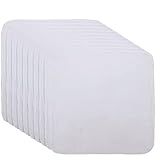
- Unbleached organic cotton muslin cloths or sterile gauze pads
- Medical tape (optional)
Instructions
- Brew a highly concentrated liquid by steeping the tea bags in just 1/2 cup of hot water for 15 minutes.
- Remove the tea bags and place the liquid in the refrigerator until it is completely cooled.
- Submerge your clean muslin cloth or gauze pad into the cooled, dark golden natural chamomile infusion.
- Wring out the excess liquid so the cloth is damp, not dripping.
- Apply the cold compress directly to the affected area (eczema patch, sunburn, or inflamed acne) and leave it on for 15-20 minutes to achieve intense skin irritation soothing.
Pro-Tip: The powerhouse antioxidant apigenin in chamomile penetrates beneath the skin surface. According to peer-reviewed evidence, topically applied chamomile is nearly as effective as a 0.25% hydrocortisone cream for managing mild contact dermatitis, without the risk of skin thinning.
7. Administer Gentle Drops for Colic in Babies Treatment

Moms, pin this incredibly helpful colic remedy to your Natural Parenting board for those fussy nights!
For parents seeking a gentle solution for colic in babies treatment, chamomile has been a trusted remedy for generations. Its antispasmodic and carminative effects can help soothe an infant’s digestive system and relieve the gas and cramping that cause colic. Safety is paramount when preparing chamomile tea for babies and toddlers, so this method uses a highly diluted, carefully administered dose. Always consult your pediatrician before giving any herbal remedy to an infant.
Supplies Needed
- 1 bag of 100% pure USDA certified organic chamomile tea (ensure it is not a blend to avoid allergic reactions)
- 8 ounces of boiling water
- A sterile glass medicine dropper or small infant spoon
- Breastmilk or formula (optional, for mixing)
Instructions
- Brew chamomile tea using the standard method: 1 tea bag steeped in 8 ounces of boiling water for 4 minutes.
- Remove the tea bag and allow the tea to cool completely to room temperature. Do NOT add honey (honey is dangerous for babies under one year old).
- Dilute the tea further by mixing 1 part of the cooled tea with 1 part warm water, breastmilk, or formula.
- Draw up just 1-2 milliliters (about a quarter to half a teaspoon) of the heavily diluted mixture into the sterile dropper.
- Administer slowly into the baby’s cheek (never squirt directly down the throat) during a colic episode to utilize its carminative properties.
Pro-Tip: Always consult your pediatrician before introducing any plant-based remedy to an infant. However, according to a prominent medical news today review, the gentle muscle-relaxing properties of purely diluted chamomile have been safely used in traditional medicine uses for centuries to successfully calm the gastrointestinal spasms that cause colic.

Key Takeaways: Your Quick Guide to Chamomile Tea
To help you easily recall and apply what you’ve learned, here are the most critical takeaways about harnessing the power of chamomile tea for your health. This quick guide summarizes the essential points, from its role in promoting sleep to its surprising effectiveness as a topical healer. Think of this as your scannable cheat sheet for getting the most out of every cup.
- Unmatched Natural Sleep Aid: Organic chamomile tea is highly effective for insomnia relief because it contains apigenin, an antioxidant that binds to GABA receptors in the brain to initiate sleep naturally.
- Daytime Anxiety Management: When steeped for shorter durations, a calming beverage of chamomile and lemon balm acts as an incredible anxiolytic herb to reduce nervous tension without causing daytime drowsiness.
- Powerful Digestive Support: The bisabolol properties in chamomile make it a phenomenal antispasmodic tea, effectively relaxing intestinal muscles to act as a fast-acting indigestion aid and bloating remedy.
- Effective Topical Healer: You can harness the cellular protection from chamomile by creating a cold compress to achieve immediate skin irritation soothing for eczema, burns, and redness.
- Maximize Essential Oils: To get the most therapeutic benefits and retain the crucial terpene lactones in chamomile, always cover your mug with a small plate while your tea is steeping.
- Safety and Quality Matter: Always look for a USDA certified organic seal to avoid pesticide residue, and consult a pediatrician before using diluted traditional chamomile tea for colic in babies treatment.
People Also Ask About Chamomile Tea
Even with all this information, you might have a few more specific questions. This section is dedicated to answering the most common queries about chamomile tea, from its caffeine content and safety during pregnancy to its potential interactions with medications. We’ve gathered the most frequently asked questions to provide clear, concise, and authoritative answers to help you use chamomile safely and effectively.
Does chamomile tea have caffeine?
No, traditional chamomile tea is naturally 100% caffeine-free because it is a herbal infusion (a tisane) made from the flowers of the chamomile plant, not from the caffeinated Camellia sinensis tea leaf. Because it contains zero caffeine, it is the perfect night drink and caffeine-free alternative to green or black tea. You can safely drink it right before bed to utilize its sleep-inducing properties without worrying about it keeping you awake.
Can you drink chamomile tea while pregnant?
According to medical guidelines, pregnant women should exercise caution and consult their doctor before drinking chamomile tea, as excessive amounts can act as a uterine stimulant. While a single, weak cup is occasionally considered safe by some practitioners, scientific research on chamomile suggests that consuming it in large, therapeutic doses could potentially lead to premature contractions. It is best to stick to known safe alternatives or get explicit physician insights before adding it to your pregnancy diet.
When is the best time to drink chamomile tea?
The absolute best time to drink chamomile tea for sleep is 45 minutes before your intended bedtime, allowing the antioxidants time to bind to your brain’s GABA receptors. If you are drinking it as an indigestion aid, the optimal time is 30 minutes after consuming a heavy meal. For stress management techniques during the day, a lightly steeped cup can be enjoyed mid-afternoon to reduce workplace anxiety without causing severe drowsiness.
Can chamomile tea interact with medications?
Yes, chamomile tea contains compounds that can interact with blood thinners (like Warfarin), sedatives, and certain blood pressure medications due to its effect on the cytochrome P450 enzymes in the liver. Because it possesses natural central nervous system depressant qualities, combining it with prescription anti-anxiety meds or sleeping pills can cause excessive grogginess. Always check a safety data sheet or consult your pharmacist regarding contraindications explained for your specific prescriptions.
What is the difference between German and Roman chamomile?
German chamomile (Matricaria chamomilla) is most commonly used for teas and internal digestive health, while Roman chamomile (Chamaemelum nobile) is slightly more bitter and frequently used in topical essential oils. German chamomile boasts higher levels of chamazulene benefits, a powerful anti-inflammatory compound that is highly effective for upset stomach remedy needs and soothing internal mucosal linings. Both provide excellent relaxation tea benefits, but German is preferred for drinking.
How long to steep chamomile tea?
For the best flavor and maximum health benefits, you should steep chamomile tea in hot (not boiling) water for exactly 5 to 7 minutes while keeping the mug covered. Steeping for less than 5 minutes will result in a weak, watery floral aroma without the full extraction of apigenin. Steeping for longer than 10 minutes can bring out bitter tannins. Covering the mug traps the essential oils, ensuring you receive the full therapeutic efficacy.
What does chamomile tea taste like?
High-quality chamomile tea has a mild, herbaceous flavor with distinct, sweet floral notes that are often compared to crisp green apples or gentle honey. Unlike bitter medicinal herbs, a pure chamomile tea is naturally sweet, light, and incredibly gentle on stomach. If your tea tastes overwhelmingly bitter, you have either steeped it for too long or the dried chamomile flowers are past their prime expiration date.
Can dogs have chamomile tea?
Yes, small amounts of cooled, heavily diluted chamomile tea are generally safe for dogs and can be used to treat canine anxiety, mild stomach upset, or minor skin irritations. However, you must ensure the tea is a pure herbal beverage with absolutely no added sweeteners, caffeine, or blended herbs. When considering how much chamomile tea for dogs, a good rule of thumb is just 1 teaspoon of cooled tea per 10 pounds of body weight.
Which chamomile tea is best for anxiety, tea bags or loose leaf?
Organic loose leaf chamomile tea is significantly better for anxiety because whole flowers retain higher concentrations of the volatile essential oils and anxiolytic flavonoids compared to the crushed dust often found in commercial tea bags. When you choose a premium chamomile tea in loose form, you are getting the entire flower head intact. This ensures maximum extraction of the compounds needed for true stress alleviation, resulting in a much more potent and effective remedy.
Does chamomile tea help with bloating?
Yes, chamomile tea is an excellent natural remedy for bloating because its powerful carminative properties help dissipate gas in the digestive tract while relaxing the intestinal muscles. By halting gastrointestinal muscle spasms, a strong cup of botanical tea prevents the painful trapping of gas. When combined with ginger or peppermint, it creates an unparalleled, evidence-based solution for severe post-meal bloating and cramping.
Final Thoughts on Chamomile Tea
The journey to better sleep and a calmer mind doesn’t always require a trip to the pharmacy. As we’ve explored, the health benefits of a simple cup of organic chamomile tea extend far beyond old wives’ tales. By acting directly on your brain’s GABA receptors and soothing internal inflammation, this ancient botanical stands as a cornerstone of traditional herbalism and modern natural health solutions alike.
Whether you are seeking a reliable sleep aid natural enough to use every night, a gentle daytime anxiety reducer, or a quick-fix indigestion aid, incorporating chamomile into your daily routine offers unparalleled support for your holistic well-being. The key to unlocking its full therapeutic efficacy lies in how you use it: choosing high-quality, whole flowers, steeping them covered, and tailoring your brew time to your specific health goal.
You now have 7 proven, actionable methods to harness the power of this remarkable flower. The next time stress hits or sleep evades you, skip the synthetic solutions and brew chamomile tea instead.
Which of these 7 chamomile tea remedies are you going to try first? Let us know in the comments below if you’re planning to tackle insomnia, soothe your digestion, or create a calming skincare poultice!
Last update on 2026-10-22 / Affiliate links / Images from Amazon Product Advertising API
