
As an Amazon Associate CoffeeXplore.com earns from qualifying purchases.
Herbal Tea Healing Properties: 7 Proven Blends for 2026
Are you tired of relying on synthetic fixes for chronic inflammation, persistent bloating, and daily immune deficiency struggles? When your body feels constantly out of balance, finding a natural, effective solution is critical for restoring your well-being. Unlocking authentic herbal tea healing properties provides a profound, plant-based remedy to resolve these physical ailments and soothe your system safely.
Herbal tea healing properties are driven by plant-based bioactive compounds like polyphenols, flavonoids, and terpenes. These medicinal herbal infusions fight off inflammation, boost the immune system, and regulate cellular homeostasis by neutralizing free radicals and supporting natural bodily functions without pharmaceutical side effects.
Drawing from comprehensive ethnobotany analysis and peer-reviewed pharmacological clinical trials, this guide validates traditional remedies with modern science. By exploring specific phytochemistry and bio-individuality, you will discover precisely how to formulate and brew potent botanical infusions. Prepare to master seven evidence-based blends that will naturally transform your daily health regimen.
Contents
show
How Do Herbal Tea Healing Properties Boost Immunity and Fight Inflammation?
To truly harness the health properties of tea, we must first establish a critical botanical distinction: what we commonly call “herbal tea” is technically a tisane. True tea originates exclusively from the Camellia sinensis plant (yielding green, black, and oolong teas). Tisanes, conversely, are potent medicinal herbal infusions crafted from the roots, flowers, leaves, and barks of various therapeutic plants. These natural tea remedies operate fundamentally differently within the human body. Instead of delivering caffeine-driven stimulation, they deploy complex active compounds that interact directly with our biological systems to regulate cellular homeostasis and restore internal equilibrium.
Medical Disclaimer: The ethnobotanical information provided here is for educational purposes based on pharmacological consensus. Always consult your healthcare provider before integrating potent medicinal herbs into your routine, especially if you are pregnant, nursing, or taking prescription medications, as specific herbs can cause drug interactions.
The therapeutic power of these botanical infusions relies heavily on their remarkable phytochemistry. When properly extracted, these plants release high levels of polyphenolic compounds into the water. Once consumed, these antioxidants circulate through your bloodstream, actively neutralizing the reactive oxygen species (free radicals) that cause systemic inflammation and oxidative damage. Simultaneously, specific plant-based bioactive compounds—like flavonoids and terpenes—protect against cellular degradation while stimulating the production of white blood cells for robust immune defense.
Information Gain: What Most Guides Miss
Many lifestyle blogs treat herbal tea purely as a comforting, flavored beverage, completely missing the advanced pharmacological activity occurring in the cup. The scientific mechanisms behind these brews involve precise chemical interactions. For example, certain herbal flavonoids engage in GABAergic signaling to soothe the central nervous system, while others actively perform cytokine regulation to inhibit the growth of inflammation at a cellular level. Treating these tisanes as genuine “liquid medicine” requires respecting their chemistry through precise water temperatures, specialized extraction methods, and strategic botanical combinations.
To help you map specific symptoms to their scientifically-backed natural remedies, consult this Master Matrix of functional herbal beverages:
| Botanical Entity | Primary Active Compound | Primary Healing Property | Biological System Targeted |
|---|---|---|---|
| Ginger Root | Gingerol & Shogaol | Nausea relief & anti-inflammatory | Digestive System |
| Chamomile | Apigenin (Flavonoid) | Sedative & insomnia cure | Central Nervous System |
| Peppermint | Menthol (Terpenoid) | Antispasmodic bloating relief | Gastrointestinal Tract |
| Hibiscus | Anthocyanins | Antihypertensive (lowers BP) | Cardiovascular System |
| Turmeric | Curcumin | Systemic inflammation reduction | Whole Body / Joints |
| Echinacea | Secondary Metabolites | Immune-boosting & cold defense | Immune System |
| Lemon Balm | Rosmarinic Acid | Anxiety relief (GABA mimic) | Central Nervous System |
Herbal Tea Healing Properties: 7 Proven Blends for 2026
Moving from theoretical science to practical application requires mastering the exact extraction methods necessary to unlock these therapeutic benefits. Preparing the best tea for healing is not as simple as tossing a generic, mass-produced tea bag into a mug of lukewarm water. To formulate potent herbal tea recipes for natural healing, you must adapt your preparation method to the specific anatomy of the plant material.
Delicate aerial parts (flowers and leaves) demand a gentle steep to preserve their fragile terpenoid constituents, while dense, woody materials (roots and barks) require a vigorous boiling process called a decoction to forcefully break down the plant cell walls. By applying these advanced herbalist principles, you can transform simple kitchen ingredients into highly effective, pharmacologically active remedies. Let’s explore the seven most powerful blends for 2026.
1. Decoct Ginger Root Tea for Nausea Relief and Digestive Support

Pin this powerful digestion hack to your “Natural Remedies” board for later!
When treating an upset stomach or severe digestive discomfort, ginger root functions as an unparalleled natural healing solution. Ginger root contains high levels of Gingerol and Shogaol, volatile oils that demonstrate incredible pharmacological activity. Clinical trials prove that these compounds accelerate gastric emptying and act as a powerful antiemetic, efficiently providing fast nausea relief. However, properly extracting these compounds requires a specific culinary technique known as decocting.
Ingredients
- 1 tablespoon of organic dried ginger root (cut and sifted for maximum surface area)
- 2 cups of filtered water
- 1 teaspoon of raw, unpasteurized honey (demulcent to soothe the throat)
- 1 slice of fresh lemon (optional, for antioxidant-rich vitamin C)
Instructions
- Combine the dried ginger root and cold filtered water in a small stainless steel saucepan.
- Bring the water to a rolling boil over medium-high heat.
- Reduce the heat to low, cover the saucepan, and actively decoct (simmer) for 10-15 minutes to fully extract the Gingerol and Shogaol compounds.
- Remove from heat and pour the liquid through a fine-mesh strainer into your favorite mug.
- Stir in the raw honey once the tea has cooled slightly (to preserve the honey’s antimicrobial enzymes) and drink slowly for optimal nausea relief.
Pro-Tip: In herbal medicine research, tough, woody botanicals like ginger root require a decoction (active simmering) rather than a simple infusion. Steeping ginger in hot water leaves up to 40% of its bioactive Gingerol trapped inside the plant fibers!

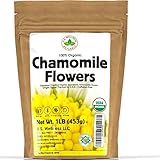
2. Infuse Chamomile Flowers to Naturally Cure Insomnia

Save this gentle sleep-inducing brew to your “Nighttime Routines” board!
Chamomile serves as one of the most effective alternatives to pharmaceutical sleep aids due to its unique chemical profile. The true sedative power of this delicate flower lies in its rich Apigenin content. This specific flavonoid interacts with the central nervous system by actively binding to GABA receptors in the brain—the exact same neuro-receptors targeted by prescription anti-anxiety medications. By carefully infusing these blooms, you can safely promote the healing of sleep disorders without the grogginess associated with synthetic pills.
Ingredients
- 2 tablespoons of organic, whole dried Chamomile flowers (avoid heavily processed tea dust)
- 1 cup of near-boiling water (around 200°F)
- A specialized glass teapot or fine-mesh infuser
- 1 sprig of fresh lavender (optional, for synergistic phytochemistry)
Instructions
- Place the whole chamomile flowers into your glass teapot or fine-mesh infuser.
- Pour the near-boiling water directly over the flowers, ensuring they are completely submerged.
- Cover the vessel immediately to prevent the volatile, aromatic essential oils from evaporating into the air.
- Steep the infusion for exactly 5-7 minutes; steeping longer can extract tannins that make the tea taste bitter.
- Strain the flowers, inhale the soothing aroma deeply to begin central nervous system relaxation, and consume 45 minutes before your desired bedtime.
Pro-Tip: Maximizing the sedative properties of Chamomile relies on its Apigenin content. Always cover your mug while steeping—if you can smell the chamomile strongly across the room, your therapeutic volatile oils are escaping the cup!
3. Brew Peppermint Leaves for Digestive System Empowerment

Pin this powerful bloat-busting remedy to your “Gut Health” board!
When you need immediate bloating relief, brewing peppermint leaves provides rapid digestive system empowerment. Peppermint synergizes with your gut microbiome, while its high Menthol concentration acts as a powerful antispasmodic upon the digestive muscles. Clinical trials consistently support the use of peppermint oil compounds for managing Irritable Bowel Syndrome (IBS) symptoms, as the menthol aggressively relaxes the gastrointestinal tract and stimulates the flow of bile to break down heavy fats.
Ingredients
- 1 heaping tablespoon of high-grade organic loose leaf Peppermint
- 1 cup of boiling water (212°F)
- A spacious tea strainer to allow leaf expansion
- Optional: Pinch of fennel seeds (enhances bloating relief)
Instructions
- Add the loose peppermint leaves and fennel seeds (if using) to your tea strainer, ensuring there is room for the leaves to expand up to three times their dried size.
- Pour actively boiling water over the leaves to forcefully extract the menthol concentration.
- Cover the mug with a small plate to trap the medicinally potent menthol vapors.
- Brew for 7-10 minutes for maximum extraction of the digestive enzymes.
- Remove the strainer and sip slowly after a heavy meal to stimulate bile flow and relax gastrointestinal spasms.
Pro-Tip: While highly effective for bloating, Peppermint tea relaxes the esophageal sphincter. Medical Disclaimer: If you suffer from GERD or severe acid reflux, peppermint can actually worsen heartburn symptoms. Opt for ginger instead.

4. Steep Hibiscus Petals to Promote Cardiovascular Health

Save this heart-healthy elixir to your “Wellness Drinks” board!
Hibiscus stands out as a premier botanical to naturally promote cardiovascular health. The deep ruby-red pigmentation of hibiscus calyces indicates that it contains high levels of anthocyanins, a specialized class of antioxidants. Peer-reviewed research confirms its potent antihypertensive properties, demonstrating that steeping hibiscus tea daily effectively neutralizes free radicals, acts as a cholesterol-lowering agent, and directly protects against high blood pressure in prehypertensive individuals.
Ingredients
- 1.5 tablespoons of organic dried Hibiscus calyces (flowers)
- 2 cups of filtered water
- 1 cinnamon stick (for added metabolic health support)
- 1 teaspoon of stevia leaf or agave nectar (to balance natural tartness)
Instructions
- Place the dried hibiscus flowers and cinnamon stick into a heat-proof pitcher or large mug.
- Pour boiling water over the botanicals to activate the extraction of deep-red anthocyanins.
- Steep the infusion for 5-10 minutes. The longer it steeps, the more tart and medicinal it becomes.
- Strain the deep magenta liquid thoroughly.
- Stir in your sweetener of choice while hot. This tea can be consumed warm to relax blood vessels, or chilled over ice as a refreshing, antihypertensive daily tonic.
Pro-Tip: To maximize the cholesterol-lowering and antihypertensive benefits, consistency is key. Clinical trials suggest consuming 2-3 cups of properly steeped hibiscus tea daily for at least 6 weeks to see measurable cardiovascular improvements.

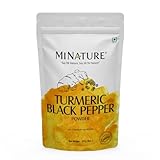
5. Extract Turmeric Root to Reduce Systemic Inflammation

Pin this powerful anti-inflammatory recipe to your “Holistic Healing” board!
For joint pain, arthritis, and general oxidative stress, extracting turmeric root creates the ultimate anti-inflammatory beverage. Turmeric contains high levels of Curcumin, an intensely powerful compound that inhibits the growth of systemic inflammation at the molecular level. However, advanced botanical chemistry reveals a massive hurdle: curcumin has notoriously poor Bioavailability. To effectively reduce oxidative stress, you must pair turmeric with a fat source and black pepper to guarantee cellular absorption.
Ingredients
- 1 teaspoon of high-curcumin organic Turmeric root powder (or 1 tbsp freshly grated root)
- 1.5 cups of hot water or heated plant milk (almond or coconut)
- 1/4 teaspoon of freshly ground black pepper (crucial for piperine)
- 1/2 teaspoon of cold-pressed coconut oil or ghee (lipid for absorption)
Instructions
- In a small saucepan, gently warm your liquid base (water or plant milk) over medium heat—do not bring to a rolling boil.
- Whisk in the turmeric powder, ensuring it dissolves completely without clumping.
- Add the ground black pepper and your chosen healthy fat (coconut oil or ghee) directly into the saucepan.
- Extract the compounds by simmering gently for 5 minutes, allowing the heat to fully activate the curcuminoids.
- Pour into a mug, stir vigorously, and consume while warm to flood your body with free radical protection.
Pro-Tip: Curcumin, the master anti-inflammatory compound in turmeric, is deeply lipophilic (fat-soluble) and has notoriously poor bioavailability. Without adding the black pepper and coconut oil, your body will pass almost 90% of the healing properties straight through your digestive tract unabsorbed!
6. Formulate Echinacea Blend for Cold and Flu Defense

Save this powerful immune-boosting recipe to your “Winter Wellness” board!
When you feel a scratchy throat or the sudden onset of immune deficiency, formulating an Echinacea blend acts as your first line of cold and flu defense. Echinacea actively stimulates the production of white blood cells and modulates cytokine regulation, equipping your body to protect against bacterial infection and viruses. Because it targets complex Secondary metabolites, this immune-boosting powerhouse functions as a highly active functional stimulant rather than just a soothing evening beverage.
Ingredients
- 1 heaping tablespoon of organic Echinacea blend (look for a mix of Echinacea purpurea root and aerial parts)
- 1.5 cups of filtered water
- 1 teaspoon of raw local honey
- Optional: A squeeze of fresh lemon juice
Instructions
- Place the Echinacea root and leaf blend into a sturdy tea infuser.
- Bring your filtered water to a full, rolling boil (212°F) to ensure you can break down the tough plant cell walls.
- Pour the boiling water over the herbs and cover your mug tightly to trap the immune-boosting secondary metabolites.
- Formulate the brew by steeping for an extended 10-15 minutes—this herb requires patience for full medicinal extraction.
- Remove the infuser, stir in honey to soothe a sore throat, and drink 2-3 times daily at the very first sign of immune deficiency or a tickle in the throat.
Pro-Tip: Herbalist recommended protocols suggest pulsing Echinacea rather than taking it continuously. It stimulates your immune system actively; drinking it every single day for months can actually cause immune fatigue. Use it strictly for 7-10 day periods during acute cold defense!

7. Blend Lemon Balm to Alleviate Mental Stress and Anxiety

Pin this ultimate stress-melting herbal remedy to your “Self-Care” board!
When navigating high-pressure work days or unexpected panic, blending Lemon Balm creates an exceptional stress relief tea capable of quickly alleviating mental stress. Known botanically as Melissa officinalis, Lemon Balm operates as a supreme daytime “nervine.” Botanical research details its remarkable ability to inhibit the enzyme GABA transaminase, which effectively mimics the effect of GABA in the brain. This adaptogenic action safely soothes the central nervous system and grounds the mind without causing the heavy drowsiness associated with Valerian root.
Ingredients
- 1.5 tablespoons of organic dried Lemon Balm leaves (Melissa officinalis)
- 1 cup of hot water (just below boiling, around 190°F)
- A standard tea strainer
- Optional: 1/2 teaspoon of Holy basil (Tulsi) for enhanced adaptogenic effects
Instructions
- Combine the dried Lemon Balm leaves (and Tulsi, if using) in your tea strainer.
- Pour hot, but not violently boiling, water over the delicate leaves. Boiling water can destroy the fragile volatile oils responsible for the mood-lifting citrus scent.
- Cover the cup and blend the flavors by steeping for 5-8 minutes.
- Remove the strainer. Notice the mild, pleasant lemon-mint aroma which provides immediate olfactory aromatherapy.
- Sip slowly during high-stress work days, before stressful events, or when experiencing racing thoughts, as it acts upon the central nervous system without causing drowsiness.
Pro-Tip: Lemon Balm is an incredibly safe, evidence-based nervine, but it has mild antithyroid properties. Medical Disclaimer: If you have clinical hypothyroidism, consult your endocrinologist before consuming massive doses of Lemon Balm tea daily.

Key Takeaways: Your Quick Guide to Herbal Tea Healing Properties
If you are a busy, health-conscious individual who needs to quickly review and implement these scientific methodologies, it helps to distill this complex phytochemistry down to its core action items. To safely benefit from medicinal herbal infusions, mastering the intersection of precise brewing techniques and strict safety protocols is non-negotiable. Whether you are aiming to reduce oxidative damage or optimize your daily hydration with functional herbs, the efficacy of your herbal tea healing properties relies entirely on proper execution.
Review this highly scannable summary to ensure you are maximizing the pharmacological activity of your botanicals while adhering to essential YMYL (Your Money Your Life) safety standards:
- Extraction Methods Dictate Potency: Steeping delicate leaves (Peppermint, Lemon Balm) requires hot water and a cover, while tough roots (Ginger, Turmeric) must be vigorously decocted (simmered) to release their herbal tea healing properties.
- Bioavailability is Critical for Inflammation: Drinking turmeric alone is largely ineffective. You must formulate it with black pepper (piperine) and a lipid to unlock its anti-inflammatory and oxidative stress reducing capabilities.
- Protect the Volatile Oils: Never steep aromatic herbs like Chamomile without covering your mug. If the aroma fills the room, those physiologically active sleep-inducing compounds are evaporating before you can drink them.
- Target Specific Systems: Use Peppermint for digestive system empowerment, Lemon Balm to soothe the central nervous system, and Hibiscus to naturally promote cardiovascular health.
- Pulse Your Immune Stimulants: Echinacea is incredibly powerful for cold and flu defense, but should be used actively for 7-10 days during illness, rather than as a year-round daily preventative.
- Quality Over Tea Bags: Standard grocery store tea bags often contain low-grade “tea dust” devoid of essential oils. Prioritize whole, certified organic dried botanicals for true pharmacological activity.
- Medical Disclaimer & Safety Profile: Natural does not mean harmless. Evidence-based benefits show that potent herbs have real drug interactions. Always consult your physician before integrating medicinal teas if you are pregnant, nursing, or on prescription medications.
People Also Ask About Herbal Tea Healing Properties
Navigating the world of ethnobotany can raise valid questions regarding safety, biological efficacy, and proper preparation. Even when you understand the foundational chemistry, applying it daily requires specific nuance. Below, we address the most common knowledge gaps surrounding natural tea remedies, providing concise, factual answers sourced from established pharmacological consensus and peer-reviewed clinical trials.
What herbal teas are good for what?
Specific herbal teas target distinct biological systems: Ginger soothes the stomach, Chamomile calms the nervous system, and Hibiscus lowers blood pressure.
To maximize the benefits of tisanes, you must match the herb to the ailment. For instance, peppermint oil compounds directly relax gastrointestinal muscles for bloating relief, while the immune-boosting properties of Echinacea stimulate white blood cell production during a cold. Choosing the right botanical ensures you are treating the root cause effectively.
What tea is best for healing?
The “best” tea for healing depends entirely on the condition, but Turmeric root and Ginger root are widely considered the most potent overall healers due to their massive systemic anti-inflammatory properties.
Both of these powerful roots neutralize free radicals and protect against cellular damage. If you are looking for a daily preventative medicine brew, a synergistic phytochemistry blend combining green tea antioxidants with anti-inflammatory turmeric provides unparalleled holistic health benefits.
Does herbal tea have healing properties?
Yes, herbal tea has scientifically proven healing properties driven by active plant-based bioactive compounds like polyphenols, flavonoids, and terpenes.
According to peer-reviewed research, these are not just comforting flavored waters. The pharmacological activity in medicinal herbal infusions can actively regulate cellular homeostasis, fight off bacterial infections, and modulate the central nervous system. They are classified as functional herbal beverages capable of causing real physiological changes in the body.
What are the benefits of drinking herbal tea daily?
Drinking herbal tea daily provides compounding benefits including chronic disease prevention, sustained hydration, reduced systemic inflammation, and improved metabolic health.
Consistent consumption allows plant-derived antioxidants to continuously neutralize free radicals before they cause cellular damage. Furthermore, integrating a daily tea ritual supports the gut microbiome and promotes a healthy lifestyle through mindful drinking, effectively functioning as long-term preventative medicine.
Can herbal tea have side effects?
Yes, because herbal teas contain potent active compounds, they can cause side effects and dangerous drug interactions if consumed improperly or in massive dosages.
While generally safe, a strict safety profile must be observed. For example, licorice root can cause glycyrrhizin toxicity leading to high blood pressure, and chamomile may interact with blood thinners. Always review contraindications and consult a healthcare provider before treating serious ailments with botanical infusions.
What is the difference between green and herbal tea?
Green tea is made from the leaves of the Camellia sinensis plant and contains caffeine, whereas herbal tea (properly called a tisane) is caffeine-free and made from the roots, flowers, and leaves of other plants.
While both offer tremendous health and wellness benefits, they operate differently. Green tea is superior for metabolism and energy due to its specific polyphenolic compounds, while herbal decoctions are better utilized for targeted problem-solution remedies like insomnia or nausea relief.
How long should healing tea steep?
Delicate healing teas (flowers and leaves) should steep for 5-10 minutes covered, while tough roots and barks require active simmering (decocting) for 15-20 minutes.
Steeping time is critical for proper formulation. If you under-steep, you fail to extract the vital secondary metabolites. If you over-steep delicate herbs like peppermint or chamomile, the brew will release bitter tannins. Always match your water temperature and steeping time to the specific plant material.
What is the most powerful healing herb for tea?
Echinacea and Turmeric are widely considered two of the most powerful healing herbs for tea due to their profound impact on the immune system and systemic inflammation, respectively.
However, “power” in herbalism is about bio-individuality. For someone suffering from severe chronic fatigue or stress, an adaptogenic herb like Holy Basil (Tulsi) might be the most powerful therapeutic herbal tea for restoring their specific neuro-chemical balance.
How does herbal tea affect cellular homeostasis?
Herbal tea regulates cellular homeostasis by supplying high levels of antioxidants that neutralize reactive oxygen species, preventing oxidative stress from destroying cellular membranes.
When cells are protected from oxidative damage by the flavonoid glycosides found in medicinal tea blends, they can maintain their internal equilibrium. This biological activity prevents premature aging, supports metabolic health, and creates an environment where chronic diseases cannot easily thrive.
What are the active compounds in herbal tea?
The primary active compounds in herbal tea include polyphenols, flavonoids (like apigenin in chamomile), terpenoids (like menthol in peppermint), and specialized alkaloids.
These phytochemicals are the actual “medicine” inside the plant. When you extract these compounds using hot water, they enter your bloodstream and interact with your biological systems—such as binding to GABA receptors for anxiety relief or inhibiting inflammatory cytokine regulation to reduce pain.
Final Thoughts on Herbal Tea Healing Properties
Harnessing herbal tea healing properties is one of the most accessible, scientifically validated ways to take control of your holistic health. By moving past generic tea bags and embracing the specific botanical infusions outlined above, you can actively manage inflammation, support your digestive system, and regulate your central nervous system naturally.
The true power of these medicinal tea blends lies in proper integration. Remember that the extraction method matters just as much as the herb itself—decoct your tough roots, cover your steeping flowers to protect the volatile oils, and always prioritize certified organic botanicals to ensure you are drinking pure phyto-nutrients rather than concentrated agricultural pesticides. While these natural tea remedies offer profound evidence-based benefits, it is crucial to respect their pharmacological activity by consulting your doctor before combining them with prescription medications.
Nature’s pharmacy is resting right in your kitchen pantry, waiting to be brewed. Which of these seven healing infusions are you going to formulate first to support your wellness journey in 2026? Let us know your favorite restorative blend in the comments below!
Last update on 2026-10-25 / Affiliate links / Images from Amazon Product Advertising API
