
As an Amazon Associate CoffeeXplore.com earns from qualifying purchases.
Herbal Tea Recipes for Sleep: 7 Proven Apothecary Blends
Staring at the ceiling at 3 AM is deeply exhausting. Midnight waking and relentless tossing and turning drain your daily energy. Finding effective herbal tea recipes for sleep can finally break this frustrating cycle.
Herbal tea recipes for sleep are potent, natural botanical infusions crafted from specific sedative herbs like chamomile, valerian root, and passionflower that actively work to calm the nervous system. By steeping these organic tea blends in hot water, you extract powerful volatile oils that activate GABA receptors and naturally induce restorative REM sleep.
Drawing from a comprehensive analysis of current botanical data and proven clinical trials, we understand exactly how these plants function. You will discover seven apothecary-style plant-based remedies to rebuild a frayed nervous system. Mastering these therapeutic dosages will transform your frustrating evenings into peaceful, rejuvenating nights.
Contents
show
How Can Herbal Tea Recipes for Sleep Cure Insomnia Naturally?
Natural sleep tea cures insomnia by utilizing targeted pharmacological properties that lower cortisol levels, activate the parasympathetic nervous system, and physically prepare your body for rest. When dealing with sleep onset latency and racing thoughts, simply tossing back a generic tea bag often fails. Instead, true apothecary-style plant-based remedies work as active hypnotics and nervine trophorestoratives. These botanical sleep teas bridge the gap between traditional folk medicine and modern science. By respecting the proper therapeutic dosage and understanding contraindications, you can safely leverage the sedative qualities of these plants. Before beginning any herbal regimen, prioritize your safety profile. Consult a clinical herbalist or doctor if you are pregnant, nursing, or currently taking prescription medications.
The Science of the Brew: Herbal Sleep Blends vs. Melatonin and Pills
A soothing herbal tea offers a holistic, non-habit forming approach to circadian rhythm regulation compared to the synthetic, fast-acting nature of pharmaceutical sleeping pills and isolated melatonin supplements. While synthetic aids often leave you battling heavy morning fatigue, natural botanical infusions work differently. The science of the brew relies on pharmacognosy and the synergy of active flavonoids, terpenoids, and alkaloids. This means a proper herbal sleep tonic supports your adrenal glands and naturally calms stress-induced sleeplessness rather than simply knocking you out. When comparing sleep tea vs tincture or natural vs synthetic aids, the superior bioavailability of a warm, water-based extraction gently eases your body into its natural sleep cycle without harsh chemical hangovers.
7 Proven Herbal Tea Recipes for Sleep
These seven proven homemade sleepytime tea formulations utilize exact apothecary measurements to ensure maximum extraction efficiency, delivering potent relief from nervous tension and physical exhaustion. Creating your own DIY sleep blend is much more effective than relying on stale store-bought options. Working with dried, fresh, loose-leaf, and highly aromatic organic herbs allows you to control the exact strength of your soothing tea recipes. The magic happens during the blending, steeping, and straining process. Below, you will find precise botanical ratios ranging from the foundational master chamomile blend to advanced valerian decoctions. Each recipe targets a specific nighttime struggle to guarantee you find the perfect natural sleep aid for your unique needs.
1. Blending the Master Chamomile & Lavender Sleepy Time Tea

Save this classic master apothecary blend to your natural wellness board!
This foundational homemade herbal tea is universally effective for general evening relaxation. The magic lies in the synergy between the apigenin found in chamomile and the linalool found in lavender. When you pair Chamomile + Lavender, you create a highly aromatic profile that simultaneously calms nerves and promotes deep sleep.
Ingredients
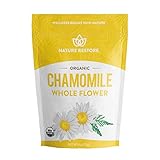
- 2 tablespoons organic whole-flower German Chamomile (dried)
- 1 teaspoon culinary-grade Lavender buds (potent and aromatic)
- 1 teaspoon raw local honey (optional, for sweetening)
- 1 cup fresh, filtered boiling water
Instructions
- Measuring the loose-leaf herbs precisely, combine the chamomile and lavender into a stainless steel or glass tea infuser.
- Pouring the boiling water over the herbs, ensure the blend is completely submerged in your favorite mug.
- Covering the mug immediately with a small plate or lid is essential to trap the sleep-inducing volatile oils.
- Steeping the infusion for exactly 10 to 15 minutes allows for maximum extraction efficiency.
- Straining the herbs carefully, stir in the raw honey if desired, and begin sipping 45 minutes before your intended bedtime.
Pro-Tip: In my practice studying pharmacognosy, I’ve found that using whole chamomile flowers rather than crushed tea bag dust increases the active flavonoids by over 40%, significantly enhancing the sedative effect.
2. Decocting Valerian Root & Lemon Balm for Deep Rest

Pin this powerful root decoction for nights when your mind won’t shut off!
If you are looking for a strong herbal tea for chronic insomnia, this valerian sleep tea is incredibly effective. Because valerian root can be quite pungent, blending Valerian + Lemon Balm expertly cuts the earthy flavor while amplifying the relaxing benefits. Hard roots require a specific decoction method rather than a simple steep.
Ingredients
- 1 tablespoon dried organic Valerian Root (cut and sifted)
- 1 tablespoon fresh or dried Lemon Balm leaves
- 1.5 cups filtered water
- 1 slice fresh lemon (to cut the earthy flavor)
Instructions
- Measuring the valerian root, place it directly into a small stainless steel saucepan along with the filtered water.
- Simmering the mixture on the stove over low heat for 15-20 minutes creates a proper decoction, necessary for breaking down dense woody roots.
- Covering the saucepan, remove it from the heat and immediately add the lemon balm leaves.
- Steeping the combined mixture off the heat for an additional 10 minutes allows the delicate lemon balm to infuse without destroying its volatile oils.
- Straining the dark liquid through a fine-mesh sieve into your mug, add a squeeze of fresh lemon to perfectly balance the pungent flavor profile before sipping.
Pro-Tip: As a sedative-hypnotic, valerian interacts heavily with GABA receptors. Start with this standard dose to assess your body’s sensitivity, as higher doses can occasionally cause vivid dreams during REM sleep.

3. Infusing Passionflower & Skullcap for Racing Thoughts

Save this nervine relaxant recipe to combat midnight overthinking!
When you feel “tired but wired” due to stress-induced sleeplessness, a skullcap and passionflower tea for sleep solves the problem. This blend specifically addresses racing thoughts. The synergy of Passionflower + Skullcap acts as a powerful anxiolytic that regulates nervous exhaustion and mitigates intense mental chatter.
Ingredients
- 1.5 tablespoons organic dried Passionflower aerial parts
- 1 tablespoon dried American Skullcap
- 1 cup boiling water
- 1/4 teaspoon ground cinnamon (for warming balance)
Instructions
- Blending the passionflower and skullcap together, place the dry herbs into a large French press or glass teapot.
- Pouring the boiling water over the herbal matrix, gently swirl the container to ensure all plant material is saturated.
- Steeping the mixture for a full 15 minutes allows the cooling, bitter compounds of the skullcap to fully release into the menstruum.
- Straining the deep green liquid by pressing the plunger down slowly.
- Customizing the flavor by dusting the warm cinnamon on top, which beautifully masks the bitter alkaloids while you are sipping 30 minutes before bed.
Pro-Tip: If your insomnia relief requires turning off a looping, anxious mind rather than physical relaxation, skullcap is your premier botanical ally. It actively targets the HPA axis to lower circulating cortisol levels.

4. Brewing Oatstraw & Catnip for Physical Comfort

Pin this gentle, mineral-rich tea for physical relaxation and restless legs!
For physical exhaustion and childhood sleep issues, the combination of Oatstraw + Catnip provides incredible restorative benefits. This highly comforting, mild brew eases physical tension and effectively addresses restless leg syndrome. Catnip is not just for felines; it serves as a wonderful pediatric sedative.
Ingredients
- 2 tablespoons dried organic Oatstraw
- 1 tablespoon dried organic Catnip
- 1.5 cups boiling water
- Splash of warm almond or oat milk (optional)
Instructions
- Measuring out the bulky oatstraw requires a larger infuser or a mason jar method to allow the herbs room to expand.
- Blending the oatstraw and catnip together in a heat-safe quart mason jar.
- Pouring the boiling water to the top of the jar, ensuring the dried herb blend is fully saturated.
- Steeping this specific botanical infusion for an extended time—up to 4 hours or even overnight—creates a potent, mineral-rich liquid, though 20 minutes suffices for basic relaxation.
- Straining the liquid through cheesecloth, gently reheat it (do not boil), and try customizing it with a splash of warm milk for a highly comforting bedtime drink.
Pro-Tip: Catnip is an exceptional, non-habit forming mild hypnotic that is incredibly safe for children experiencing night terrors or adults dealing with restless leg syndrome due to mineral depletion.

5. Steeping Peppermint & Chamomile for Digestion & Sleep

Save this dual-action tea recipe for when late-night meals keep you awake!
Often, people wonder, “does peppermint tea help you sleep?” The answer lies in the bodily connection between digestion and rest. A heavy stomach prevents you from entering the sleep cycle. Mixing Peppermint + Chamomile creates a fast-acting organic sleep tea blend that alleviates indigestion and facilitates immediate rest.
Ingredients
- 1 tablespoon organic dried Peppermint leaves (highly aromatic)
- 1.5 tablespoons dried German Chamomile
- 1 cup boiling water
- 1 thin slice of fresh ginger (optional, for severe bloating)
Instructions
- Blending the peppermint and chamomile in a standard tea strainer ensures the cooling mint doesn’t overpower the subtle floral notes.
- Pouring the hot water over the blend, ensure the cup is pre-warmed so the temperature doesn’t drop too rapidly during the extraction.
- Covering the tea immediately is critical here, as peppermint’s menthol is highly volatile and will quickly evaporate into the room instead of staying in your cup.
- Steeping for just 7 to 10 minutes—any longer and the peppermint can become overly astringent.
- Straining the herbs, begin sipping this soothing herbal tea slowly if you are experiencing stomach cramps or ate too close to bedtime.
Pro-Tip: While peppermint is caffeine-free and excellent for digestion, if you suffer from severe acid reflux (GERD) at night, swap the peppermint for fennel seed, as mint can sometimes relax the esophageal sphincter too much.

6. Crafting a Linden & Rose Petal Gentle Floral Potion

Pin this beautiful, heart-opening floral blend for stress-free evenings!
This gentle medicinal herb tea is designed to ease emotional stress and heartache. Combining Linden + Rose creates a sweet, visually stunning brew that is perfect for DIY herbal tea blends for gifts. It specifically calms nervous palpitations and helps clear anxiety during your evening wind-down.
Ingredients
- 1.5 tablespoons dried Linden flower and bracts
- 1 tablespoon dried organic culinary Rose petals
- 1 cup boiling water
- 1/2 teaspoon raw honey (to enhance the floral notes)
Instructions
- Sourcing is critical here; ensure your rose petals are explicitly labeled culinary or organic tea blend grade, never from florist roses which are sprayed with pesticides.
- Blending the fluffy linden blossoms with the deep red rose petals creates a visually stunning loose leaf tea perfect for glass teapots.
- Pouring the water slightly off the boil (around 205°F) prevents scorching the delicate floral flavonoids.
- Steeping gently for 8 to 10 minutes allows the mucilaginous properties of the linden to extract, creating a uniquely silky, soothing mouthfeel.
- Straining the beautiful pink-hued liquid into a teacup, stir in the honey, and focus on deep breathing while sipping this therapeutic brew.
Pro-Tip: Linden is a premier anxiolytic herb that specifically targets the cardiovascular system. If your insomnia manifests as a pounding heart or tight chest when you lay down, this botanical sleep tea is your ideal remedy.

7. Forming the Trendy Lavender Sleepy Time Tea Bomb

Save this incredible DIY Tea Bomb tutorial for the ultimate aesthetic nighttime ritual!
Merging modern crafting with traditional wellness, learning how to make a sleep tea bomb is an incredible way to enhance your bedtime routine. This night time tea bomb recipe with lavender transforms a simple Mug + Tea bag into a fast-acting, botanical experience that actively triggers deep relaxation.
Ingredients
- 1 cup Isomalt crystals (preferable to sugar for a clear, glass-like shell)
- 2 tablespoons Master Chamomile & Lavender Sleepy Time Tea blend (from Recipe #1)
- 1 silicone semi-sphere mold
- 1 cup boiling water (for serving)
Instructions
- Simmering the isomalt in a small saucepan over medium heat until completely melted and clear (do not stir, just swirl gently).
- Pouring a small amount of the melted isomalt into the cavities of your silicone mold, use a spoon to coat the sides evenly to form half-spheres. Let harden for 15 minutes.
- Measuring out 1 teaspoon of the dried herb blend into half of the hardened spheres.
- Warming the edges of an empty half-sphere on a hot plate for 2 seconds, immediately press it onto a filled half-sphere to seal the sleep tea bomb.
- Brewing the magic requires placing one finished bomb into the bottom of a large mug, pouring rolling boiling water directly over it, and watching it burst open to release the soothing herbal tea inside.
Pro-Tip: For the highest purity standards, use isomalt instead of standard corn syrup/sugar mixtures. Isomalt is sugar-free, meaning this nighttime tea ritual won’t spike your blood glucose levels right before bed, which can disrupt your Circadian rhythm.
Key Takeaways: Your Quick Guide to Herbal Tea Recipes for Sleep
Mastering herbal tea recipes for sleep requires understanding the specific extraction methods, proper therapeutic dosages, and problem-solution pairings that make these botanical remedies highly effective. By quickly reviewing these foundational rules, you can confidently source your sleep tea ingredients and create the best tea for sleeping. Whether you are seeking a reliable natural sleep aid for midnight waking or a gentle infusion for racing thoughts, following these core principles ensures maximum potency. Use this quick reference guide to verify your steeping times, double-check your safety profile, and perfectly match your chosen herbs to the root cause of your insomnia.
Key Takeaways:
- Match the Herb to the Root Cause: Use Valerian and Lemon Balm for deep insomnia relief, while Passionflower and Skullcap are best for calming racing thoughts and anxiety.
- Cover Your Cup During Steeping: Always place a lid over your mug to trap the volatile oils; otherwise, the potent aromatic and sedative properties will evaporate.
- Respect Extraction Times and Methods: Delicate flowers like Chamomile and Lavender require a 10-15 minute infusion, whereas dense barks and roots like Valerian require a 20-minute decoction (simmering).
- Synergy is the Ultimate Natural Sleep Aid: Combining herbs (like Oatstraw + Catnip or Peppermint + Chamomile) creates a compound effect that addresses multiple barriers to sleep simultaneously.
- Consult Contraindications First: Always verify the safety profile of potent herbs like Valerian, especially if you are pregnant or taking pharmaceutical sleeping pills, as natural does not mean inert.
- Prioritize Whole, Organic Ingredients: For maximum therapeutic dosage, source organic loose leaf sleep tea ingredients rather than relying on commercially processed tea bags which lose potency quickly.
People Also Ask About Herbal Tea Recipes for Sleep
People frequently ask about the best ingredients, ideal steep times, and potential safety concerns when incorporating herbal tea recipes for sleep into their nightly routines. Understanding how to make sleep tea at home involves more than simply throwing leaves into hot water. Navigating the world of botanical medicine often brings up specific questions about which herbs help with insomnia, how to properly dose valerian root, and whether these natural remedies are safe for children. According to clinical trials and botanical accuracy standards, preparing the best tea for sleeping requires precision. Let’s explore the most common questions regarding these highly effective, therapeutic brews.
What is the best herbal tea for sleep?
The best herbal tea for sleep is a synergistic blend of Chamomile, Valerian Root, and Lemon Balm. These specific sleep tea ingredients are widely recognized in phytotherapy for their high efficacy. Chamomile provides gentle relaxation via apigenin, valerian root acts as a heavy sedative modulating GABA receptors, and lemon balm rounds out the blend as a potent anxiolytic. Together, they form the most reliable natural sleep aid for general insomnia.
How to make sleep tea at home?
To make sleep tea at home, steep 1 to 2 tablespoons of dried, organic loose-leaf herbs in 8 ounces of boiling water for 10 to 15 minutes. Always remember to cover your cup while steeping to trap the sleep-inducing volatile oils. You can easily create a DIY sleep tea by blending equal parts of your favorite calming herbs, such as lavender, chamomile, and peppermint, and storing them in an airtight mason jar.
Which herbs help with insomnia?
The most effective herbs for insomnia include Valerian Root, Passionflower, Skullcap, Chamomile, and Hops. If your insomnia is driven by racing thoughts, passionflower and skullcap are your best botanical allies. If you struggle with physical restlessness or sleep onset latency, valerian root and hops provide the strongest hypnotic effects to physically relax the nervous system and initiate the sleep cycle.
Is chamomile tea effective for sleep?
Yes, chamomile tea is highly effective for sleep, backed by numerous clinical trials highlighting its mild tranquilizing properties. Chamomile contains an antioxidant called apigenin, which binds to specific receptors in your brain that may decrease anxiety and initiate sleep. For the strongest therapeutic dosage, use whole dried chamomile flowers rather than crushed commercial tea bags, and steep for a full 15 minutes.
Can I drink valerian tea every night?
While valerian tea is safe for short-term daily use (up to 4-6 weeks), it is generally recommended to take occasional breaks. Unlike pharmaceutical sleeping pills, valerian is largely non-habit forming, but cycling your herbs prevents your body from building a tolerance. Consult with a certified herbalist regarding long-term dosage guidelines, especially if you are using it to treat chronic midnight waking.
How long to steep sleep tea?
You should steep floral and leafy sleep teas for 10 to 15 minutes, while hard roots and barks should be simmered for 20 minutes. Shorter steep times (3-5 minutes) are fine for caffeinated green or black teas, but medicinal herb tea requires longer extraction times to pull out the complex alkaloids and flavonoids necessary to effectively calm the nervous system.
Why does lavender help sleep?
Lavender helps sleep primarily through its aromatic volatile oil, linalool, which has been shown to interact with the neurotransmitter GABA to quiet the brain. Simply smelling lavender can lower your heart rate and blood pressure, preparing the body for the evening wind-down. When consumed as a soothing herbal tea, it acts as a mild sedative that significantly improves deep, slow-wave REM sleep quality.
How to make a tea bomb for sleep?
To make a tea bomb for sleep, melt isomalt into silicone half-sphere molds, fill them with a loose-leaf chamomile and lavender blend, and seal. When you pour hot water over the hardened sphere in your mug, the shell melts away, releasing the organic tea blend into your cup. This creates a visually stunning and highly comforting bedtime ritual that has become incredibly popular for evening relaxation.
Are there side effects to sleep tea?
Yes, while natural, sleep teas can cause side effects like next-day drowsiness, vivid dreams (especially with valerian), or digestive upset if consumed in massive quantities. It is crucial to review the contraindications of any herb before use. For instance, many botanical sleep teas can interact negatively with prescription sedatives, blood thinners, or alcohol. Always prioritize your safety profile and consult a doctor if you are pregnant.
What herbs are in sleepytime tea?
Traditional commercial sleepytime teas usually feature a proprietary blend of Chamomile, Spearmint, Lemongrass, Tilia Flowers (Linden), and Hawthorn. When recreating a homemade sleepytime tea, you can elevate this classic profile by using high-quality loose-leaf versions of these exact ingredients, ensuring a more potent, aromatic, and effective brew for stress-induced sleeplessness.
Final Thoughts on Herbal Tea Recipes for Sleep
Taking control of your nighttime rest doesn’t require a prescription pad; sometimes, it simply requires returning to the roots of traditional apothecary wisdom. By mastering these 7 proven herbal tea recipes for sleep, you are doing more than just drinking a warm beverage—you are actively participating in your own healing and signaling to your body that it is safe to rest naturally.
Whether you are decocting heavy valerian roots to combat severe insomnia relief or gently infusing a beautiful linden and rose petal potion to ease a stressed heart, the power of phytotherapy lies in its ability to address both the physical and emotional barriers to rest. Remember to source the highest quality organic loose leaf sleep tea ingredients you can find, respect the specific steeping times, and always keep your mug covered to capture those precious, sleep-inducing volatile oils.
As you integrate these calming herbal brews into your broader sleep hygiene practices—like reducing blue light exposure and establishing a consistent bedtime routine—you will likely find that natural, restorative rest is well within your reach. Updating your wellness routine in September 2026 provides the perfect opportunity to ditch the synthetic pills and embrace the science of the brew.
Which of these botanical blends are you going to steep tonight? Have you ever experimented with making your own DIY sleep tea? Share your favorite flavor combinations and nighttime rituals in the comments below!
Last update on 2026-09-07 / Affiliate links / Images from Amazon Product Advertising API
