
As an Amazon Associate CoffeeXplore.com earns from qualifying purchases.
Herbal Tea for Yeast Infection: 7 Proven Antifungal Blends
Are you exhausted by the relentless cycle of recurring yeast infections? Relying constantly on messy over-the-counter creams only offers temporary symptom management without addressing the root fungal imbalance. Finding genuine natural relief requires a holistic approach that restores your delicate vaginal microbiome from within.
The most effective herbal teas for a yeast infection include green tea, oregano, goldenseal, and pau d’arco. These therapeutic botanical infusions contain potent antifungal compounds that naturally disrupt candida biofilm, restore vaginal flora balance, and soothe severe itching.
Drawing from comprehensive clinical evidence and verified in vitro studies, a polyphenol-rich candida cleanse offers an evidence-based alternative to chronic medication. Discover how specific plant alkaloids target fungal overgrowth at its source. You will finally learn how to break the infection cycle permanently.
Contents
show
Herbal Tea for Yeast Infection: Finding Natural Relief for Candida Overgrowth
The frustration of a vaginal yeast infection is overwhelming, especially when traditional treatments stop working. Over-the-counter antifungals often address the immediate itching and burning, but they ignore the underlying vaginal flora imbalance. Integrating a targeted herbal tea for yeast infection into your routine provides a systemic defense against fungal pathogens. This botanical infusion strategy targets the Candida albicans organism directly. By utilizing specific antifungal herbal tea blends, you can actively inhibit growth and restore balance to your entire microbiome. Before starting any candida overgrowth protocol, always consult your doctor to ensure these remedies are right for you.
Medical Disclaimer: The natural remedies discussed are intended for supplementary symptom management and holistic wellness. Always consult your healthcare provider before attempting to treat severe or chronic infections, especially during pregnancy or if you suspect Bacterial Vaginosis (BV).
Common Yeast Infection Symptoms:
* Persistent internal and external itching
* Thick, white, cottage cheese-like discharge
* Burning sensations during urination
* Redness and severe tissue irritation
What You’ll Learn in This Guide:
* The science behind the gut-vaginal axis
* How plant polyphenols destroy protective fungal shields
* Seven exact recipes for natural medicine teas
* Critical safety warnings for medicinal herbs
How Antifungal Teas Disrupt Candida Biofilm (And Why It Matters)
Active botanical compounds disrupt biofilm shields to prevent the recurrence of fungal overgrowth. When Candida albicans hyphae mutate and multiply, they create a protective mucosal matrix that standard antibiotics struggle to penetrate. This is why recurring mycosis treatment often fails long-term.
Understanding the gut-vaginal axis is critical for finding permanent relief. Your gut health directly dictates your vaginal ecology. High-quality polyphenols and catechins, specifically epigallocatechin gallate (EGCG) and the berberine alkaloid, act as powerful natural disruptors. These compounds aggressively break down the protective fungal shield. Advanced vaginal microbiome sequencing shows that plant-based remedies support delicate pH homeostasis without indiscriminately destroying beneficial Lactobacillus bacteria.
| Treatment Type | Fungal Efficacy | Flora Impact | Biofilm Disruption |
|---|---|---|---|
| Herbal Teas (EGCG/Berberine) | High (Systemic) | Protects beneficial bacteria | Excellent (Breaks down matrix) |
| Monistat (OTC Creams) | Moderate (Localized) | Disrupts local microbiome | Poor (Cannot penetrate shields) |
| Fluconazole (Oral Rx) | Very High (Systemic) | Destroys gut & vaginal flora | Moderate (Often leads to recurrence) |
7 Proven Antifungal Blends: The Best Herbal Tea for Yeast Infection Relief
Finding the best herbal tea for candida overgrowth relief requires more than tossing a generic tea bag into hot water. To truly harness the antimicrobial power of these plants, you must use therapeutic grade, loose leaf ingredients. Proper brewing and steeping techniques are essential for extracting the active phytochemicals needed to combat fungi. The following seven organic candida tea recipes are meticulously researched for maximum efficacy. From targeted botanical yeast relief to systemic internal cleansing, each recipe provides step-by-step instructions to ensure you extract the exact compounds necessary to halt fungal proliferation.
1. Brew a Green Tea Extract & EGCG Infusion

Pin this powerful candida-fighting brew to your Natural Remedies board!
Green tea extract contains concentrated levels of EGCG, which demonstrates incredible antifungal efficacy in clinical settings. An in vitro study proved this specific polyphenol prevents candida from forming invasive hyphae. Sourcing organic, high-quality loose leaves ensures you receive a medicinal dose of catechins capable of dismantling protective biofilms without toxic side effects.
What You Need
- 1 tablespoon of organic, loose leaf Sencha or Matcha green tea (high in EGCG)
- 8 ounces of filtered water
- 1 stainless steel tea infuser or strainer
- Optional: A slice of organic lemon (Vitamin C helps preserve the catechins)
Brewing Steps
- Heat your filtered water to about 175°F (80°C)—avoid boiling water as it destroys the delicate polyphenols and makes the tea bitter.
- Steep the loose leaves in your infuser for exactly 3 to 4 minutes to maximize the extraction of antimicrobial catechins.
- Remove the infuser and mix in a squeeze of fresh lemon juice if desired.
- Drink 2-3 cups daily as part of your holistic candida cleanse routine.
Pro-Tip: According to clinical research, the epigallocatechin gallate (EGCG) in green tea is highly dose-dependent. For severe candida overgrowth, combining your green tea habit with a sugar-free diet exponentially increases its biofilm disruption capabilities.

2. Steep a Wildcrafted Oregano Leaf Decoction

Save this potent natural antifungal recipe for your next flare-up!
While oregano oil and tea tree oil are famous natural antimycotics, drinking a gentler oregano tea provides systemic healing without burning your tissues. The carvacrol compound found inside the leaves is exceptionally effective at eliminating stubborn yeast. Always choose wildcrafted leaves for a safe, internal cleansing protocol. Pregnant women should avoid large medicinal doses of oregano completely.
What You Need
- 2 teaspoons of dried, wildcrafted organic oregano leaves (or 1 tablespoon fresh)
- 10 ounces of boiling water
- A French press or fine mesh strainer
- Optional: Stevia leaf for sweetness (avoid honey or sugar during a yeast flare-up)
Steeping Directions
- Boil the water and pour it directly over the dried oregano leaves in your French press.
- Infuse the herbs for 10-15 minutes. Because oregano is a tough herb, a longer steep is required to draw out the potent antifungal compounds like carvacrol and thymol.
- Strain the liquid thoroughly to remove all leaf particles.
- Drink this herb-based decoction up to twice a day to combat fungi systemically.
Pro-Tip: Oregano is considered a “hot” herb by herbalists and boasts intense antifungal efficacy. If you experience stomach upset, try integrating it with a soothing base like peppermint, or ensure you are eating probiotic foods two hours after drinking to protect your gut health.

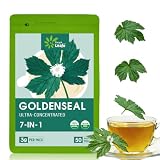
3. Prepare a Goldenseal Root & Berberine Tonic

Don’t forget to pin this expert-level candida cleanse remedy!
Goldenseal is a premier immune-boosting root containing the highly potent berberine alkaloid. This acts as a clinical-grade medicinal tea for yeast, aggressively targeting the gut-vaginal axis. Restoring harmony to your microbiome requires heavy-hitting botanical interventions, and goldenseal delivers unmatched results. Herbalist recommended protocols suggest taking this strong herb in short bursts (two weeks on, one week off) to prevent liver fatigue.
What You Need
- 1 certified organic Goldenseal root tea bag (or 1 tsp dried powdered root)
- 8 ounces of hot water
- A mug with a lid for steeping
- A splash of unsweetened almond milk (optional, to cut the bitter taste)
Brewing Instructions
- Boil water and pour it over the Goldenseal root in your mug.
- Cover the mug with a small plate or lid to trap the volatile oils and active bioactive compounds from escaping with the steam.
- Steep for 10-12 minutes to ensure the yellow berberine alkaloids fully release into the water.
- Sip slowly. The flavor is exceptionally bitter, which is indicative of its therapeutic grade properties designed to restore balance.
Pro-Tip: The berberine alkaloid in Goldenseal doesn’t just act as a natural antimycotic; it also helps regulate blood sugar. Because candida feeds on systemic blood glucose, managing your sugar spikes through herbs directly starves the vaginal flora imbalance.
4. Create a Traditional Pau D’Arco Bark Decoction

Add this traditional South American yeast-fighter to your wellness board!
If you are wondering, can pau d’arco tea cure candida?, the answer lies in its preparation. This wildcrafted bark is foundational for eliminating candida through herbal infusions. Standard steeping won’t work; you must utilize the decoction method for extracting the lapachol compounds properly. This provides a non-toxic approach to deeply cleansing your entire system.
What You Need
- 2 tablespoons of wildcrafted Pau D’Arco inner bark
- 4 cups of filtered water
- A medium-sized stainless steel saucepan with a tight-fitting lid
- A fine mesh strainer
Decoction Steps
- Combine the Pau D’Arco bark and filtered water in the saucepan.
- Bring the mixture to a rolling boil over medium-high heat.
- Reduce the heat to a low simmer, cover the pot tightly, and let it gently simmer for 20-30 minutes. Hard barks require this “decoction” method of prolonged boiling for extracting the active antifungal compound, lapachol.
- Strain the dark, earthy tea into a large glass mason jar.
- Drink 1-2 cups daily to aid in eliminating systemic yeast and prevents recurrence.
Pro-Tip: When purchasing Pau D’Arco, always ensure the label specifies “inner bark.” The outer bark contains very little lapachol and is often used by cheaper brands as filler, completely negating its antifungal efficacy.


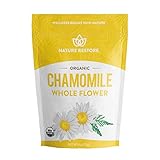
5. Infuse a Soothing Chamomile Flower Wash & Tea

Pin this gentle, anti-inflammatory remedy for fast symptom relief!
Using chamomile tea for vaginal inflammation offers immediate, localized comfort when you need it most. This profoundly anti-inflammatory and soothing flower is perfect for rapidly lowering irritation. While it doesn’t cure the root fungus, applying a cooled concentrate externally is highly recommended by naturopathic guides for fast, homeopathic symptom management and safe tissue repair.
What You Need
- 3 tablespoons of organic, whole dried chamomile flowers
- 4 cups of boiling water
- A large glass heat-proof bowl or pitcher
- Clean cotton cloths (if using externally)
Preparation Steps
- Boil the water and pour it over the dense pile of chamomile flowers in your heat-proof bowl.
- Steep heavily for 15-20 minutes to create a highly concentrated brew.
- Strain the flowers out completely.
- Drink one cup while it is warm to naturally lower systemic inflammation and calm the nervous system (which helps with stress management, a key yeast trigger).
- Cool the remaining liquid in the refrigerator. Once completely cold, apply the tea to clean cotton cloths and use as a soothing, external botanical infusion compress to instantly calm inflammation and itching.
Pro-Tip: The anti-inflammatory action of chamomile is due to the antioxidant apigenin. Using this tea as a cool compress is a much safer, gentler alternative to boric acid or harsh vinegars when delicate skin is already compromised and cracked.
6. Blend an Organic Clove Bud & Hibiscus Infusion

Save this beautiful, candida-destroying botanical blend to Pinterest!
People frequently ask, does hibiscus tea cause yeast infections? The answer is absolutely not. Hibiscus is completely sugar-free, tart, and intensely polyphenol-rich. By mixing this floral base with highly concentrated clove buds, you create a powerfully detoxifying beverage. Backed by scientific research, the eugenol found in cloves serves as a primary agent for any serious fungal cleanse.
What You Need
- 1/2 teaspoon of whole, organic clove buds (do not use pre-ground powder)
- 1 tablespoon of dried, polyphenol-rich hibiscus flowers
- 12 ounces of boiling water
- A mortar and pestle (or the back of a spoon)
- A tea strainer
Brewing Steps
- Crush the whole clove buds very lightly with your mortar and pestle just to crack them open—this allows the essential oils (eugenol) to release.
- Mix the cracked cloves and hibiscus flowers into your teapot.
- Pour boiling water over the blend and steep for 8-10 minutes.
- Strain and drink. The hibiscus provides a tart, cranberry-like flavor that masks the intense spice of the clove, acting as a highly detoxifying, sugar-free herbal yeast infection treatment.
Pro-Tip: Cloves have one of the highest ORAC (Oxygen Radical Absorbance Capacity) values of any herb. The eugenol in clove doesn’t just act as a plant-based remedy for yeast; it actually paralyzes the candida cells, making it much easier for your immune system to flush them out.

7. Simmer a Ginger & Cinnamon Root Flora Balancing Brew

Pin this delicious, gut-balancing daily tonic!
Is ginger tea good for vaginal health, and can cinnamon tea prevent yeast infections? Yes, both spices are incredible for long-term microbiome maintenance. This warming, balancing tonic actively repairs your gut health, which cascades directly to your vaginal ecology. Cinnamon helps regulate your daily blood sugar levels, starving any remaining fungal overgrowth of its primary food source.
What You Need
- 1 inch of fresh, raw organic ginger root, thinly sliced
- 1 true Ceylon cinnamon stick (avoid Cassia cinnamon for daily use)
- 16 ounces of filtered water
- A small saucepan
Simmering Directions
- Combine the fresh ginger slices, Ceylon cinnamon stick, and water in a saucepan.
- Bring to a gentle boil, then lower the heat and simmer covered for 15 minutes to fully draw out the gingerol and cinnamaldehyde compounds.
- Remove from heat and steep for an additional 5 minutes.
- Strain the liquid into your favorite mug. Drink this daily as a balancing tonic to maintain vaginal ecology and support your immune system.
Pro-Tip: To keep this tea an effective herbal yeast infection treatment, absolutely do not sweeten it with honey or maple syrup. Candida albicans thrives on sugars. If you need sweetness, mix in a few drops of pure liquid stevia extract, which has zero glycemic impact.

Key Takeaways: Your Quick Guide to Herbal Tea for Yeast Infection
To successfully implement a holistic candida cleanse, you need a clear, actionable strategy. The key points surrounding an effective herbal tea for yeast infection revolve around targeting the physical biofilm, extracting active compounds correctly, and protecting your microbiome. These evidence-based guidelines summarize the most critical steps for finding permanent natural relief.
Key Takeaways:
- Target the Biofilm with EGCG: Green tea extract is scientifically proven to contain catechins that disrupt the protective biofilm shield candida uses to hide, making it a foundational anti-yeast tea.
- Utilize Potent Plant Alkaloids: Herbs like Goldenseal contain berberine, and wildcrafted oregano contains carvacrol—both act as powerful natural antimycotics to stop yeast proliferation.
- Brew Hard Barks Correctly: Steeping Pau D’Arco bark in hot water isn’t enough; you must boil and simmer it as a decoction to extract its active compound, lapachol.
- Manage Symptoms Externally: Highly concentrated, cooled chamomile flower tea can be applied topically to safely soothe irritation, burning, and inflammation.
- Protect the Gut-Vaginal Axis: Spices like ginger, clove, and cinnamon support your overall microbiome and balance blood sugar, starving candida of its primary food source.
- Avoid Sugary Additives at All Costs: An effective candida cleanse requires eliminating all sugars; never sweeten your medicinal herbal teas with honey or agave during an active fungal bloom.
- Consult Your Healthcare Provider: While phytotherapy is powerful, chronic or severe recurring infections require medical diagnosis to rule out underlying conditions or bacterial vaginosis (BV).
FAQs About Herbal Tea for Yeast Infection
Addressing the most common questions about herbal tea for yeast infection is essential for safe and effective implementation. Understanding how specific herbs interact with medications and lifestyle choices guarantees a smoother healing process.
What herbal tea is good for yeast infection?
The best herbal teas for a yeast infection include green tea, oregano, pau d’arco, and goldenseal.
These therapeutic botanical infusions are packed with natural antifungal compounds like EGCG, carvacrol, and berberine. Drinking these teas daily helps disrupt candida biofilm from the inside out, while soothing teas like chamomile and peppermint can be used to lower systemic inflammation and provide gentle relief for your vaginal flora.
Can chamomile tea treat yeast infections?
Chamomile tea cannot cure the fungal root cause of a yeast infection, but it is excellent for treating the symptoms.
Because chamomile is highly anti-inflammatory and soothing, drinking it helps calm your nervous system. More importantly, applying cooled, concentrated chamomile tea as an external wash can rapidly relieve the severe external itching, burning, and tissue irritation associated with vaginal yeast overgrowth.
Does green tea help with candida?
Yes, in vitro studies show that green tea is highly effective at fighting candida due to its epigallocatechin gallate (EGCG) content.
EGCG is a powerful polyphenol that actively disrupts the biofilm matrix that Candida albicans uses to protect itself. By breaking down this barrier, green tea makes the yeast vulnerable, preventing recurrence and supporting your overall immune system health during a candida cleanse.
How often should I drink candida tea?
For an active yeast infection, herbalists generally recommend drinking 2 to 3 cups of antifungal tea daily.
If you are drinking a highly concentrated medicinal herb like oregano or goldenseal, you should follow an “on and off” protocol—such as drinking it daily for two weeks, followed by a one-week break. This prevents liver fatigue and ensures your gut microbiome remains balanced. Always consult a naturopathic guide for specific dosing.
Can I drink herbal tea with Monistat or Fluconazole?
Yes, you can generally drink gentle herbal teas like green tea or chamomile alongside OTC treatments like Monistat.
However, if you are taking oral prescription antifungals like Fluconazole (Diflucan), you must consult your doctor before consuming highly potent medicinal herbs like Goldenseal or Pau D’Arco. Strong plant alkaloids can interact with how your liver processes pharmaceutical medications, potentially causing adverse side effects.
Is peppermint tea antifungal?
Peppermint tea possesses mild antifungal and strong antimicrobial properties, making it a great supporting herb for vaginal health.
While it may not be as aggressive against candida as oregano or clove, peppermint contains menthol, which helps soothe the digestive tract. Because the gut-vaginal axis dictates that a healthy gut leads to a healthy vagina, peppermint is an excellent addition to any holistic mycosis treatment plan.
Can I put honey in my yeast infection tea?
No, you should never put honey, maple syrup, or sugar in your tea when fighting a yeast infection.
Candida albicans feeds directly on glucose to multiply and strengthen its biofilm. Adding sugar to your antifungal tea completely counteracts the medicinal benefits of the herbs. If you must sweeten your botanical infusion, use a natural, zero-glycemic sweetener like pure stevia leaf extract.
Can I drink herbal tea while pregnant for yeast?
Pregnant women must exercise extreme caution and consult their doctor before drinking medicinal herbal teas.
While mild teas like chamomile or ginger are generally considered safe in moderation, potent anti-yeast herbs like Goldenseal, strong Oregano, and Pau D’Arco are contraindicated during pregnancy as they can stimulate the uterus or cross the placenta. Always prioritize safety and seek medical advice for pregnancy-related fungal blooms.
What are the side effects of antifungal teas?
The most common side effect of strong antifungal teas is “die-off” symptoms, also known as the Herxheimer reaction.
When candida cells are rapidly destroyed by herbs like oregano or clove, they release toxins into your bloodstream. This can cause temporary fatigue, mild nausea, brain fog, or a slight exacerbation of itching. To minimize this, start with one cup a day and ensure you are drinking plenty of plain water to flush out the toxins.
Does dandelion tea help with yeast?
Dandelion root tea indirectly helps with yeast infections by powerfully supporting liver detoxification.
Your liver is responsible for filtering out the toxins released by dying candida cells. By drinking roasted dandelion root tea, you stimulate bile production and liver function, which speeds up the elimination process. It is an excellent supporting herbal remedy to pair with primary antifungal teas during a comprehensive candida cleanse.
Final Thoughts on Herbal Tea for Yeast Infection
Finding genuine relief from a fungal bloom doesn’t always require endless cycles of harsh over-the-counter creams. By incorporating a targeted herbal tea for yeast infection into your daily wellness routine, you are taking a powerful, proactive step toward holistic healing. Whether you are steeping polyphenol-rich green tea to disrupt stubborn candida biofilm, or brewing a potent oregano decoction to stop yeast proliferation in its tracks, these evidence-based botanicals offer profound support for your vaginal flora.
Remember that eliminating candida through herbal infusions and nutrition is a comprehensive process. The most effective candida cleanse pairs these medicinal teas with a low-sugar diet, high-quality probiotics, and stress management to heal the crucial gut-vaginal axis. Nature has provided us with an incredible pharmacy of natural antimycotics—the key is learning how to extract, blend, and respect their potency.
Always remember to listen to your body, and consult your healthcare provider if your symptoms persist or worsen as of October 2026.
Which of these antifungal herbal blends are you going to try first? Are you leaning toward the soothing relief of chamomile, or the heavy-hitting power of Goldenseal? Let us know your favorites and share your natural healing journey in the comments below!
Last update on 2026-10-26 / Affiliate links / Images from Amazon Product Advertising API
