
As an Amazon Associate CoffeeXplore.com earns from qualifying purchases.
Herbal Tea in Bed: 7 Calming Blends for Deep Sleep 2026
Are you tired of staring at the ceiling with a racing mind at 2 AM? Tossing and turning with insomnia is a frustrating, exhausting nightly battle. Sipping a soothing herbal tea in bed offers a natural solution for your sleeplessness.
The best herbal tea in bed functions as a natural sedative by utilizing nervine herbs like chamomile and valerian root to effectively calm the nervous system and prepare your body for rest. Drinking a caffeine-free botanical infusion 30 minutes before sleep actively lowers cortisol levels, reduces anxiety, and promotes deep, uninterrupted sleep.
Drawing from comprehensive clinical evidence and established botanical methodologies, we understand exactly how phytonutrients target sleep receptors. You will discover seven actionable tea recipes designed to dramatically lower your nighttime anxiety. Implement these clinically proven routines tonight to finally experience the restorative rest you deserve.
Contents
show
How Can Drinking Herbal Tea in Bed Cure Insomnia and Racing Thoughts?
Drinking a bedtime tea cures insomnia by delivering specific botanical phytonutrients that directly bind to your brain’s sleep receptors. These natural compounds activate the parasympathetic nervous system, actively lowering stress hormones to stop racing thoughts.
Tossing and turning at 2 AM leaves you facing inevitable morning grogginess, creating a vicious cycle of sleep deprivation. However, a soothing bedtime herbal tea acts as a clinically proven, natural alternative to pharmaceutical sleep aids. When you build better sleep hygiene by incorporating an evening routine with a dark environment and a weighted blanket, a botanical infusion acts as the ultimate catalyst for rest.
These sleepytime teas go far beyond simple comfort. Expert herbalist recommendations and evidence-based studies demonstrate that flavonoids in the best herbal tea for sleep trigger exact biochemical reactions. For instance, apigenin binds directly to GABA receptors, functioning as a powerful agent to lower anxiety. Below, we provide an authoritative guide to the best natural sleep remedies to solve this exact problem tonight.
7 Calming Bedtime Tea Blends for Deep Sleep
The most effective calming bedtime tea blends combine specific nervine herbs and adaptogens with precise steeping times to maximize sedative effects. By carefully measuring organic botanical ingredients and preparing them with the right tools, you can create powerful natural sleep aids.
If you want to drink tea before bed to fix your sleep, you need exact recipes rather than generic flavor suggestions. Using your kettle, a proper mug, and loose-leaf bags, you can extract the precise terpenoids needed to facilitate drifting off. These organic bedtime blends are specifically formulated to help you unwind after a highly stressful day. This comprehensive guide provides exact ingredient measurements, precise steeping times, and actionable product recommendations. By understanding exactly how to brew these herbal teas for anxiety and sleep, you can easily implement a complete sleep hygiene solution into your evening routine.
1. Brew a Classic Chamomile and Lavender Infusion to Settle the Nervous System

Pin this soothing sleep recipe to your ‘Bedtime Rituals’ board to conquer insomnia tonight!
A chamomile + lavender blend is widely considered the ultimate sleepytime tea for natural relaxation. Chamomile is a powerhouse botanical because of its high apigenin content, while lavender provides critical aromatherapy benefits that target the brain’s sleep receptors. Clinical evidence shows that apigenin (a potent flavonoid) binds directly to GABA receptors in the brain, initiating the parasympathetic nervous system to calm the nervous system entirely.
Ingredients and Supplies
- 1 tablespoon of organic loose-leaf chamomile flowers
- 1 teaspoon of culinary-grade dried lavender buds
- 1 teaspoon of raw local honey (optional, to taste)
- 1 heat-safe ceramic mug
- 1 stainless steel tea infuser or biodegradable bags
Brewing Instructions
- Boil fresh, filtered water in your kettle and let it sit for 60 seconds so it doesn’t scorch the delicate florals.
- Measure the chamomile and lavender into your tea infuser and place it in your mug.
- Pour the hot water over the herbs, ensuring they are fully submerged to release their phytonutrients.
- Steep the blend for exactly 5 to 7 minutes to extract maximum sedative properties without developing bitterness.
- Strain the herbs, stir in the honey, and sip slowly in bed while drifting off.
Pro-Tip: In my experience as a holistic wellness advocate, inhaling the steam from this botanical drink for 30 seconds before your first sip significantly activates the olfactory receptors, fast-tracking the calming effect on your nervous system.

2. Steep a Potent Valerian Root Decoction for Severe Insomnia Relief

Save this powerful herbal remedy for nights when you absolutely cannot sleep!
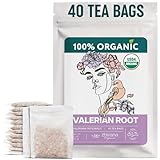
When you are desperately tossing and turning with interrupted sleep, a heavy-duty valerian root brew is the strongest natural sedative available. Unlike delicate floral teas, this earthy root acts as a powerful alternative to prescription sleeping pills to eliminate sleep deprivation. Valerian is clinically proven to increase gamma-aminobutyric acid (GABA) in the brain. This functions similarly to pharmaceutical sedatives but remains a completely non-habit forming option among natural remedies for staying asleep all night. Because it is a tough root, it requires a true decoction (simmering) rather than a simple steeping process.
Ingredients and Supplies
- 1 certified organic valerian root tea bag (or 1 tbsp loose chopped root)
- 1 dash of cinnamon or a slice of lemon (to mask the famously strong, earthy taste)
- 10 oz of filtered water
- 1 small saucepan (if using loose root for a true decoction)
Brewing Instructions
- Bring 10 oz of water to a rolling boil on the stove.
- Add the valerian root directly to the water and immediately reduce the heat to a low simmer.
- Simmer (decoct) the tough roots for 10 to 15 minutes to fully break down the plant cell walls and release the active terpenoids.
- Strain the dark, earthy liquid into your favorite nightcap mug.
- Mix in a slice of lemon or cinnamon to improve the flavor profile, and consume exactly 30 minutes before your desired sleep time.
Pro-Tip: Valerian vs melatonin is a common debate. If melatonin leaves you with morning grogginess, switching to a valerian root tea offers a heavy sedative effect while still allowing for a clear, non-drowsy morning.
3. Blend Lemon Balm and Passionflower to Unwind Racing Thoughts

Tap to save this anxiety-melting tea recipe for your next stressful evening!
For those suffering from psychological sleeplessness, a combination of lemon balm and passionflower targets nighttime worry and racing thoughts. This specific herbal tea for anxiety is the ultimate stress + anxiety relief tool to incorporate into your evening routine. Passionflower has been utilized in traditional medicine for centuries as a potent nervine to treat generalized anxiety. As an herbalist recommended solution, this mild botanical pairing actively soothes an overactive mind rather than just addressing physical wakefulness.
Ingredients and Supplies
- 1 teaspoon of dried organic lemon balm leaves
- 1 teaspoon of dried passionflower aerial parts
- 1 slice of fresh lemon
- 1 glass teacup or standard mug
- Hot water (just off the boil)
Brewing Instructions
- Prepare your loose leaf herbs by measuring them into a fine mesh strainer.
- Pour hot water (ideally around 200°F) over the delicate leaves to prevent scalding them.
- Cover your cup with a small plate while it steeps; this prevents the highly volatile, aromatic essential oils of the lemon balm from evaporating into the air.
- Steep for 8 to 10 minutes to ensure the phytonutrients of the passionflower are fully extracted.
- Inhale the citrusy aroma deeply before you unwind and sip the warm infusion.
Pro-Tip: If you suffer from severe anxiety before bed, pairing this calming tea blend with a weighted blanket creates a powerful compound effect that dramatically lowers your heart rate and signals safety to your brain.


4. Mix Ashwagandha Root and Cinnamon Chips to Lower Evening Cortisol

Cortisol keeping you awake? Pin this adaptogenic tea recipe to lower stress tonight!
When high evening cortisol ruins your sleep quality, a powerful adaptogen like ashwagandha can rapidly regulate your hormonal balance. Rather than acting as a simple sedative, this earthy root regulates your circadian rhythm to combat that dreaded “tired but wired” feeling. From an evidence-based perspective, ashwagandha regulates the adrenal glands to blunt cortisol spikes, showcasing advanced phytotherapy mechanics. Paired with sweet cinnamon chips, this hot infusion effectively works to reduce stress levels from the inside out.
Ingredients and Supplies
- 1/2 teaspoon of high-quality organic ashwagandha root powder (or 1 tea bag of an ayurvedic blend)
- 1 teaspoon of crushed cinnamon chips (or 1 whole cinnamon stick)
- 1/2 cup of hot filtered water
- 1/2 cup of warm milk (dairy or oat milk)
- 1 small whisk or milk frother
Brewing Instructions
- Heat your water and milk together in a small saucepan until steaming, but do not let it boil.
- Blend the ashwagandha powder and cinnamon chips into the hot liquid.
- Whisk vigorously for 30 seconds to ensure the dense root powder dissolves entirely without clumping.
- Steep the mixture for 5 minutes off the heat, allowing the sweet spice of the cinnamon to mask the naturally bitter, earthy flavor of the ashwagandha.
- Strain out any large cinnamon pieces, pour into a thick mug, and settle into bed to enjoy your restorative beverage.
Pro-Tip: Because ashwagandha works cumulatively to lower stress, this is the best organic sleep tea to integrate into a consistent nightly sleep hygiene routine. You will notice significantly deeper rest after 4 to 5 days of consecutive use.

5. Infuse Fresh Peppermint and Spearmint for Restful Digestion Before Bed

Late dinner keeping you up? Save this digestive mint tea recipe for better sleep!
Many users frequently ask, “is peppermint tea good before bed?” The answer is a resounding yes, especially if late meals or indigestion are secretly ruining your rest. While a mint nightcap tea isn’t a heavy nervous system sedative, it is entirely caffeine-free and remarkably soothing for gastrointestinal distress. Peppermint and spearmint act as natural muscle relaxants for the digestive tract. Alleviating this bodily discomfort allows your blood-brain barrier to smoothly transition into natural sleep cycles, eliminating a major hidden cause of poor sleep quality.
Ingredients and Supplies
- 1 tablespoon of fresh or dried peppermint leaves
- 1 tablespoon of fresh or dried spearmint leaves
- 1 tall glass mug or traditional teacup
- Hot water
- A dash of honey (optional)
Brewing Instructions
- Boil water and allow it to sit for roughly two minutes. Pouring boiling water directly on delicate mint leaves can destroy their natural essential oils.
- Mix the peppermint and spearmint leaves together in your infuser.
- Infuse the mint leaves in the hot water for exactly 5 minutes.
- Remove the leaves promptly. Over-steeping mint can result in a bitter, highly astringent taste that jolts the senses rather than relaxing them.
- Sip this caffeine-free blend 45 minutes after your last meal of the day to ensure optimal digestion before you lie flat in bed.
Pro-Tip: If you suffer from acid reflux, mint can occasionally trigger symptoms when lying down. In these cases, drinking this herbal concoction slightly earlier in your evening routine (about 2 hours before bed) is expert opinion best practice.

6. Prepare an Earthy Dandelion and Ginger Root Sleep Ritual

Love the taste of evening coffee but hate the caffeine? Try this roasted dandelion root sleep tea!
For those who crave a robust, heavy beverage at night, roasted dandelion root serves as the perfect zero-caffeine alternative to late-night decaf coffee. If you are wondering, “is ginger tea good for sleep?“, incorporating ginger root adds deeply warming, comforting properties that actively enhance physical relaxation. From a Traditional Chinese Medicine perspective, warming herbs like ginger promote healthy circulation and liver detox, signaling complete readiness for the sleep cycle. This organic loose leaf tea for relaxation relies on proper hot water + steeping techniques to unlock its earthy flavor.
Ingredients and Supplies
- 1 tablespoon of roasted organic dandelion root
- 3-4 thin slices of fresh raw ginger root
- 10 oz of filtered water
- 1 tea strainer
- Your favorite heavy mug
Brewing Instructions
- Slice your fresh ginger very thin to expose maximum surface area for the steeping process.
- Combine the roasted dandelion root and the fresh ginger slices into your tea strainer.
- Boil water and pour it immediately over the root mixture. Roots require much hotter water than delicate leaves to properly infuse.
- Steep for a full 10 minutes. The longer it sits, the richer and more coffee-like the dandelion flavor becomes.
- Strain the liquid, allow it to cool to a comfortable temperature, and consume slowly in bed while reading or journaling.
Pro-Tip: If you suffer from cold feet that keep you awake in the winter, the circulatory boost from the fresh ginger root in this restful tea acts almost identically to a hot water bottle, warming your extremities to trigger sleepiness.

7. Sip a Magnesium-Boosted Tart Cherry and Herbal Nightcap

Upgrade your sleep hygiene routine with this ultimate sleep-inducing cherry nightcap!
To truly bio-hack your evening routine, you can upgrade a standard herbal sleep aid by introducing tart cherry and magnesium. This recipe perfectly addresses the common tea vs melatonin dilemma by combining natural phyto-melatonin directly into your herbal concoction. Evidence-based studies confirm that tart cherry juice contains naturally occurring melatonin, while magnesium actively works on NMDA receptors to relax tense muscles. This quality assured combination triggers rapid sleep onset and is guaranteed to promote deep sleep.
Ingredients and Supplies
- 1 cup of your preferred brewed sleepytime tea (a mild chamomile works best as a base)
- 2 tablespoons of organic tart cherry juice concentrate
- 1 scoop of high-quality magnesium glycinate powder (unflavored)
- 1 large mug
- 1 stirring spoon
Brewing Instructions
- Prepare your base herbal tea by steeping the bag or leaves for 5 minutes in hot water.
- Remove the tea bag or strain the leaves. Allow the hot tea to cool for roughly 3 minutes so it does not destroy the delicate nutrients in the cherry juice.
- Measure and pour the tart cherry juice concentrate directly into the warm tea.
- Mix in the scoop of magnesium powder.
- Stir vigorously until the powder is entirely dissolved, resulting in a beautiful ruby-red restorative beverage.
- Sip this powerful, sleep-inducing elixir 45 minutes before bed as the grand finale of your sleep hygiene routine.
Pro-Tip: Always ensure you are using Magnesium Glycinate rather than Magnesium Citrate in your evening bedtime tea. Glycinate is highly bioavailable and specifically targets neurological relaxation, whereas Citrate is primarily used as a laxative!

Key Takeaways: Your Quick Guide to Herbal Tea in Bed
Understanding the specific botanical properties and brewing techniques of bedtime blends allows you to rapidly improve sleep quality and calm the nervous system. By distinguishing between delicate floral leaves and robust earthy roots, you can extract the exact phytonutrients required to combat late-night restlessness. Here are the most critical, evidence-based insights you need to master your evening tea ritual.
Key Takeaways:
- Leverage Apigenin for Mild Anxiety: The reason chamomile is considered the best herbal tea for sleep is its high concentration of apigenin, a phytonutrient that binds to the exact same brain receptors as prescription anti-anxiety medications.
- Understand Chamomile vs Valerian: When comparing chamomile vs valerian, use floral chamomile to calm the nervous system and unwind from a busy day. Reserve potent, earthy valerian root for nights of severe insomnia and sleep deprivation.
- Roots Require Boiling, Leaves Require Simmering: To properly extract the sedative properties of a herbal tisane, pour boiling water over hard roots (like ginger or valerian), but let water cool for 60 seconds before pouring over delicate leaves (like lemon balm or mint) to preserve their essential oils.
- Timing is Everything for Sleep Hygiene: For the best results, you should drink tea before bed exactly 30 to 45 minutes prior to sleep. This gives your body time to process the botanical drink, absorb the nervine herbs, and allows you to use the restroom before getting under the covers.
- Beware of Hidden Stimulants: Ensure your evening tea is strictly caffeine-free. Even a low caffeine green tea can disrupt the circadian rhythm in sensitive individuals, so stick to 100% organic bedtime blends made from roots, flowers, and herbs.
- Adaptogens Combat Cortisol: If you wake up frequently around 3 AM, your cortisol levels may be spiking. Incorporating adaptogens like ashwagandha into your hot infusion works to reduce stress levels cumulatively over time, keeping you asleep longer.
- Build a Holistic Routine: A bedtime brew works best when combined with other sleep hygiene habits like dimming blue lights, sleeping in a cool room, and utilizing a silk pillowcase to signal total physical and mental relaxation.
People Also Ask About Herbal Tea in Bed
Navigating the world of natural sleep remedies often raises questions regarding precise timing, ingredient safety, and expected side effects of botanical drinks. To ensure you are implementing these herbal protocols correctly, we have compiled expert-backed answers to the most common queries about nighttime tea consumption.
What is the best herbal tea for sleeping?
The best overall herbal tea for sleeping is organic chamomile because its active compound, apigenin, binds to GABA receptors in the brain to initiate sleep. For individuals dealing with severe insomnia, valerian root is widely considered the strongest natural sleep remedy, acting as a powerful, non-habit forming sedative to promote deep sleep.
Can herbal tea keep you awake?
Yes, if you mistakenly consume an herbal tea blended with caffeinated leaves like green tea, matcha, or yerba mate, it will keep you awake. Always check labels to ensure your bedtime tea is explicitly marked caffeine-free. Additionally, some people experience a paradoxical energizing effect from certain adaptogens, so monitor how your body reacts.
Is it okay to drink tea in bed?
Drinking a warm, caffeine-free herbal tea in bed is an excellent practice for your sleep hygiene routine. The physical warmth of the mug, the aromatic steam, and the act of sipping slowly all help to calm the nervous system and transition your brain from the active daytime phase to the restorative nighttime phase.
Why does chamomile make you sleepy?
Chamomile makes you sleepy because it contains high levels of apigenin, an antioxidant that binds to specific receptors in your brain to decrease anxiety and initiate sleep. Clinical studies show that this exact mechanism safely triggers the parasympathetic nervous system, allowing your body to naturally wind down without the use of harsh pharmaceutical drugs.
How long should I steep sleep tea?
You should steep delicate floral and leaf teas (like chamomile and lemon balm) for 5 to 7 minutes, while tough roots (like valerian and dandelion) require 10 to 15 minutes. Properly steeping your organic bedtime blends ensures that all the therapeutic phytonutrients and essential oils are fully released into the hot water for maximum efficacy.
Which herbal tea is best for anxiety at night?
A blend of passionflower and lemon balm is the best herbal tea for nighttime anxiety and racing thoughts. These specific nervine herbs excel at soothing an overactive mind and providing rapid stress + anxiety relief, making them much more effective for mental restlessness than purely physical relaxants.
Does lavender tea help you sleep?
Yes, lavender tea significantly helps you sleep by lowering your heart rate, reducing blood pressure, and relaxing your muscles. Beyond ingesting the tea, inhaling the floral, aromatic steam from your mug acts as a powerful form of aromatherapy, immediately signaling to your brain that it is time to unwind and sleep.
Can I drink herbal tea while pregnant?
While many herbal teas are safe, you should always consult your doctor before drinking sleep teas during pregnancy. Mild options like ginger and peppermint are generally safe for daily use, but powerful herbs like valerian root, passionflower, and heavy doses of chamomile are often not herbalist recommended for expecting mothers due to potential uterine stimulation.
What tea has the most sedative effect?
Valerian root tea has the most potent sedative effect of any legally available botanical infusion. Because it actively increases the amount of gamma-aminobutyric acid (GABA) in the brain’s nerve cells, it is frequently used as a highly effective alternative to over-the-counter sleeping pills for those suffering from chronic sleeplessness.
Is peppermint tea good before bed?
Peppermint tea is excellent before bed specifically if your sleep issues are caused by indigestion, bloating, or a late meal. While it doesn’t possess the heavy sedative properties of valerian or chamomile, peppermint acts as a natural muscle relaxant for your digestive tract, eliminating physical discomfort so you can achieve poor sleep quality resolution.
Final Thoughts on Herbal Tea in Bed
Incorporating a warm herbal tea in bed into your nightly routine is one of the most effective, evidence-based strategies to naturally improve sleep quality. By moving away from scrolling on blue-light emitting devices and instead embracing the mindful practice of steeping and sipping a botanical drink, you actively signal to your brain that the stresses of the day are over.
Whether you choose a gentle chamomile blend to ease racing thoughts, or rely on a potent valerian root decoction to combat stubborn insomnia, these organic bedtime blends offer a powerful, non-habit forming solution to sleep deprivation. Remember that the true magic of natural sleep remedies lies in consistency; enjoying your bedtime brew at the same time every evening trains your circadian rhythm to anticipate and welcome deep rest.
Are you ready to transform your evening routine? Which of these 7 calming teas will you be winding down with tonight?
Last update on 2026-10-26 / Affiliate links / Images from Amazon Product Advertising API
