

As an Amazon Associate CoffeeXplore.com earns from qualifying purchases.
Herbal Tea Egg: 7 Tips for Perfect Marbling & Soft Yolks
Are you tired of making an herbal tea egg that ends up rubbery and bitter? Cooking this traditional snack often leads to frustratingly overcooked yolks and pale shells. It is time to stop settling for disappointing, flavorless results in your kitchen.
To make a perfect herbal tea egg, boil eggs for exactly 6 minutes, shock them in ice, and gently shatter the shells. Simmer a savory broth of black tea, soy sauce, and spices, then steep off-heat overnight. This resting phase ensures a stunning marble pattern and a jammy yolk without overcooking.
Drawing from expert preparation techniques and authentic family traditions, this guide reveals true culinary secrets. You will discover exactly how to craft a flawlessly marbled chayedan using traditional methods. Master these simple steps today to elevate your high-protein snack game forever.
Contents
show
How To Make The Perfect Authentic Herbal Tea Egg To Solve Rubbery Whites
How to make chinese tea eggs without ruining the texture? The secret is steeping the eggs off-heat in a fragrant broth rather than continuously boiling them. If you have ever struggled with an authentic tea egg that turned out chalky, you are not alone. Standard recipes often instruct cooks to boil the eggs in soy sauce for hours, which destroys the delicate center. By applying true expert preparation and family tradition, this chinese tea egg recipe introduces a crucial “steep off-heat” method. The eggs are first cooked to a soft yolk, gently cracked, and then steeped in a savory liquid. These cracked shells reveal a beautifully marbled surface while the inside remains perfectly jammy. This technique delivers maximum flavor penetration, ensuring your soft boiled tea egg is never rubbery. Read on to discover exactly how to get the perfect marble pattern every time.
7 Tips for Perfect Marbling & Soft Yolks
Creating a flawless marble egg pattern requires more than just tossing eggs into a pot of dark liquid. This master guide breaks down the precise physical and chemical processes behind the perfect chayedan. From utilizing tannin staining for deep coloration to applying thermal shock to prevent shell sticking, these seven actionable steps guarantee foolproof consistency. By following this method, you will avoid common pitfalls like uneven marbling and overcooked centers. Prepare to build a perfectly balanced tea egg brine, master the art of the boil, and discover the essential steeping techniques that transform a simple egg into an elevated street food snack.
1. Choose The Right Black Tea Leaves To Steep

Pin this authentic ingredient secret to your “Asian Recipes” board!
The best herbal tea for egg quality is a fully oxidized dark variety like pu-erh or ceylon, which provides the necessary tannins for rich color.
Selecting the correct black tea leaves is the foundational step in crafting a visually stunning snack. When comparing black tea vs green tea, fully oxidized black teas are mandatory for the authentic aesthetic. The natural tannins in pu-erh tea and ceylon tea bind to the egg white, creating that highly desired tannin-stained finish.
Ingredients
- 2 tablespoons premium pu-erh tea or loose black tea leaves (high tannin content for deep color)
- 1 organic herbal tea egg seasoning sachet (if using a pre-made blend)
- 1 tablespoon rock sugar (to balance the astringency of the tea)
Instructions
- Measure your loose leaf tea precisely to prevent a bitter taste in the final broth.
- Rinse the tea leaves briefly under warm water to awaken the flavor profile.
- Blend the tea leaves with your dry spices before adding them to your simmering pot.
What most guides miss: In my professional kitchen experience, avoiding green tea is crucial. Not only does it lack the tannins needed for the dark brown color, but older, low-quality green teas can carry mycotoxins in old tea that turn the broth unpleasantly bitter during a long steep. Stick to fully oxidized black teas, which also provide excellent antioxidants in tea leaves.

2. Boil And Ice Shock For A Jammy Soft Yolk

Save this foolproof boiling hack for perfectly soft centers every time!
How to make soft yolk tea eggs requires boiling the eggs for exactly 6 minutes before immediately plunging them into a freezing ice bath.
Mastering your egg boiling times is critical to preventing an overcooked yolk. Whether you prefer a delicate soft boiled center or a traditional hard boiled texture, transferring the eggs directly from boiling water to an ice bath is non-negotiable. This thermal shock rapidly halts the cooking process, ensuring the yolk stays creamy while shrinking the membrane to prevent shell sticking later on.
Ingredients
- 6-8 large, pasture-raised eggs (room temperature)
- 4 cups water (for boiling)
- 1 large bowl filled with water and 2 cups of ice cubes
- 1 splash of white vinegar (helps coagulate whites if a shell cracks early)
Instructions
- Boil water in a large saucepan, then gently lower room-temperature eggs into the water using a slotted spoon.
- Simmer the eggs for exactly 6 minutes for a soft boiled tea egg, or 8 minutes if you prefer a classic hard boiled tea egg.
- Shock the eggs immediately by transferring them into the ice water bath.
- Cool the eggs completely for at least 10 minutes to halt the cooking process entirely.
An often-overlooked strategy: The ice bath isn’t just for texture; it’s vital for food safety. Rapidly cooling the eggs improves the overall shelf stability of boiled eggs and preserves the high protein bioavailability, ensuring your healthy travel food stays safe and delicious for days.

3. Gently Shatter The Shells For The Marble Egg Pattern

Pin this shell-cracking technique to master the ultimate visual presentation!
To get the perfect marble pattern, you must gently shatter the entire surface of the boiled egg shell using the back of a spoon to create tiny, interconnected fissures.
The visual magic of this dish relies entirely on properly cracked egg shells. When the shell is correctly fractured, it is cracked to reveal a stunning spider-web pattern once peeled. You must carefully crack and shatter the exterior without creating fully broken shells that fall off prematurely. This precise physical technique allows the dark, savory liquid to seep in and dye the egg white flawlessly.
Ingredients
- Fully cooled, boiled eggs
- 1 heavy Asian-style ceramic soup spoon or the back of a butter knife
- 1 clean kitchen towel (to prevent the eggs from slipping)
Instructions
- Hold the cooled egg gently in the palm of your non-dominant hand.
- Tap the shell lightly but firmly with the back of your spoon, starting at the wider base where the air pocket lives.
- Shatter the shell evenly all the way around the egg, aiming for small, interconnected fractures that resemble a mosaic.
- Roll the egg very gently between your palms to loosen the membrane slightly without peeling away any pieces.
Expert insight: The density of your cracks determines the beauty of the egg. This physical step leverages osmotic pressure in marinating; the tiny fissures act as pathways for the dark broth to travel through the membrane, ensuring the tannins + color bind directly to the egg white for that flawless spider-web pattern.

4. Build A Balanced Savory Liquid Broth

Save this authentic spice blend recipe for the most fragrant kitchen ever!
A balanced savory liquid requires a precise ratio of light soy sauce for saltiness, dark soy sauce for caramel coloration, and warming spices like star anise and cinnamon.
Crafting the ultimate fragrant broth elevates this recipe from a basic boiled snack to an authentic culinary experience. Understanding the difference between dark soy vs light soy is essential: light soy sauce provides the necessary sodium, while dark soy sauce delivers the signature mahogany tint. We build complexity by stewing star anise, cinnamon sticks, floral sichuan peppercorns, bright tangerine zest, and a splash of shaoxing rice wine directly into the savory liquid.
Ingredients
- ½ cup light soy sauce (for essential saltiness)
- 3 tablespoons dark soy sauce (crucial for the deep brown marbling color)
- 3 whole star anise and 1 large cinnamon stick (cassia bark)
- 1 teaspoon whole Sichuan peppercorns and 3 whole cloves
- 1 strip dried tangerine zest and 1 tablespoon Shaoxing rice wine
Instructions
- Combine 4 cups of fresh water, both soy sauces, and the rice wine in a medium saucepan.
- Add all the dry spices (cinnamon + cloves, peppercorns, star anise) and the prepared black tea leaves.
- Simmer the mixture uncovered over medium heat for 10 minutes before adding any eggs.
- Infuse the liquid until the kitchen smells incredibly fragrant and the liquid has reduced slightly.
What most guides miss: The magic of this fragrant broth relies heavily on the Maillard reaction in soy and the release of volatile aromatic compounds from the spices. Do not skip the Sichuan peppercorn numbing effect—even in small amounts, it provides a subtle, authentic floral tingle that separates an authentic street food style recipe from a basic home knock-off.

5. Steep Off-Heat To Prevent Rubbery Whites

Pin this crucial steeping secret to save your eggs from overcooking!
How long to simmer tea eggs for best flavor? You should only simmer the broth for 10 minutes, then turn the heat completely off before adding the eggs to steep.
The most transformative culinary secret in this guide is learning to steep rather than boil. When eggs are steeped in a hot tannin bath off the heat, they gently marinate without the risk of developing rubbery whites. By placing the cracked eggs into the hot, savory liquid and letting them rest, the flavors penetrate deeply while safely preserving the delicate soft yolk.
Ingredients
- The gently cracked, soft-boiled eggs
- The hot, simmering spice and tea broth
- 1 heat-proof container or deep saucepan
Instructions
- Turn off the heat completely once your savory broth has simmered for 10 minutes.
- Submerge the cracked eggs carefully into the hot, non-boiling liquid using a spoon.
- Soak the eggs at room temperature for at least 4 hours.
- Marinate the eggs overnight in the refrigerator for the most intense salty sweet flavor and deep color.
Expert insight: Never boil your eggs in the broth if you want a soft yolk. Prolonged heat combined with the tannin reaction with egg protein causes the egg whites to seize up, resulting in terrible rubbery whites. Steeping off-heat uses time, not temperature, to infuse the umami flavor.

6. Store Safely To Deepen Umami Flavor

Save these essential food safety and storage tips for your weekly meal prep!
For optimal storage safety, keep the eggs fully submerged in their cooled brine inside an airtight container in the coldest part of your refrigerator.
Properly managing storage safety is critical when preparing these high-protein meal prep snacks. If you are wondering how long do tea eggs last in fridge, the answer is up to 4 days when stored inside their original egg brine. Storing them in the fridge not only handles mold prevention but also allows the rich flavors to continue developing. Furthermore, implementing a proper brine preservation technique allows you to utilize a highly efficient tea egg brine reuse method for your next batch.
Ingredients
- The fully steeped eggs still inside their shells
- The cooled cooking liquid and spices
- 1 large, sterilized glass jar with an airtight seal
Instructions
- Cool the pot of eggs and liquid completely to room temperature before covering.
- Transfer the eggs and the liquid together into your clean glass storage jar.
- Store the container in the coldest part of your refrigerator.
- Preserve the brine for future use by removing the eggs after 4 days, boiling the liquid for 5 minutes to kill bacteria, and freezing it.
An often-overlooked strategy: Maintaining proper pH levels in brine is vital for food safety. Because this is a low sodium chinese tea egg recipe compared to commercial pickles, you must keep them refrigerated to mitigate cross-contamination risks. Consume within 4 days for optimal freshness, as the eggs will continue to absorb salt the longer they sit.
![Miuyhji Wide Mouth Mason Jars 16 oz with Lids [6 Pack], Canning Jars with Metal Airtight Lids and Bands, 16 oz Glass Jars for Fermenting, Pickling, Freezing, Preserving, Meal Prep, Jar Décor](https://m.media-amazon.com/images/I/510FstuWZHL._SL160_.jpg "Herbal Tea Egg: 7 Tips for Perfect Marbling & Soft Yolks 12")
7. Reheat Gently To Maintain Texture

Pin this reheating trick to keep your high-protein breakfast perfectly soft!
To reheat herbal tea eggs without drying them out, place the unpeeled chilled eggs in a bowl of very hot, non-boiling water for 5 minutes.
While cold eggs are delicious, warming them up provides the ultimate traditional chinese breakfast experience. Learning exactly how to reheat herbal tea eggs prevents the dreaded tragedy of reheating dry eggs in a microwave, which ruins the jammy center. When reheated via gentle hot water or steam, this breakfast tea egg remains a luscious, high protein snack that is perfectly served with morning congee or fresh soy milk.
Ingredients
- Chilled, marinated eggs (straight from the fridge)
- 1 cup of the reserved steeping liquid or hot water
- 1 small saucepan or steamer basket
Instructions
- Remove the desired number of eggs from the cold brine.
- Place the unpeeled eggs into a bowl of very hot (but not boiling) water for 5 minutes.
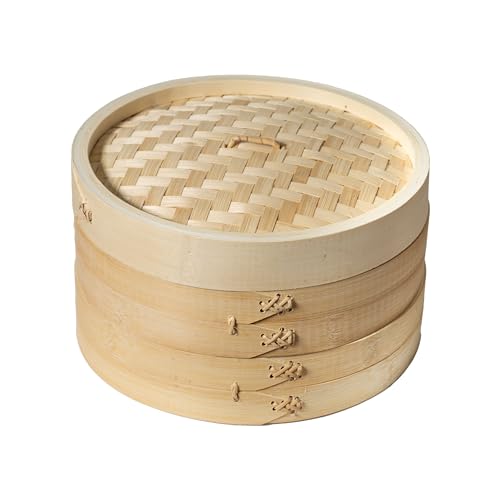
- Warm the eggs in a bamboo steamer for 3 minutes as an alternative authentic method.
- Peel and enjoy immediately while the umami flavor is activated by the warmth.
Expert insight: In Traditional Chinese Medicine energetics, cold foods can disrupt digestion. Reheating your egg gently restores it to a he-rebalancing food, making it an ideal, warming high protein snack that stabilizes the glycemic index at the start of your day. Avoid the microwave, which will instantly overcook that beautiful yolk you worked so hard to protect.
Key Takeaways: Your Quick Guide to Herbal Tea Eggs
Need a rapid review of this chinese tea egg recipe before you start cooking? This savory snack requires precision, but the traditional method is incredibly straightforward once you grasp the fundamentals of temperature control. By adhering to these expert preparation standards, you will unlock incredible herbal tea egg benefits and perfect the ultimate chayedan. Here are the most critical rules to memorize for foolproof results.
- Use Black Tea for Deep Color: Always opt for fully oxidized leaves like Pu-erh or standard black tea. Green tea lacks the tannins necessary to create that signature dark tannin-stained marble pattern and can turn bitter.
- Ice Bath is Mandatory: Shocking your boiled eggs in ice water stops the cooking process instantly, ensuring a soft boiled tea egg center and preventing the shell from sticking to the whites.
- Crack the Shells Gently: Use the back of a spoon to lightly shatter the shell all over. This leverages osmotic pressure in marinating to draw the dark broth directly onto the egg white.
- Steep Off-Heat for Perfect Texture: Never continue to boil the eggs in the dark soy sauce broth. Steeping them off-heat overnight infuses massive flavor while entirely avoiding rubbery whites.
- Store in the Fridge Safely: Keep the eggs fully submerged in their brine in an airtight container in the refrigerator to mitigate cross-contamination risks and extend shelf life up to 4 days.
- Reheat Gently: Warm chilled eggs in hot water or a steamer basket rather than a microwave to preserve the soft yolk and enjoy an authentic traditional chinese breakfast.
- Reuse Your Brine Intelligently: You can utilize a tea egg brine reuse method by removing old eggs, boiling the liquid for 5 minutes to kill bacteria, and freezing it for your next batch of this high protein snack.
FAQs About Herbal Tea Eggs
Navigating the nuances of how to make chinese tea eggs often brings up specific questions regarding ingredient substitutions and food safety. Whether you are wondering what tea is best for tea eggs or questioning how long do tea eggs last in fridge, having accurate answers is crucial for success. We have compiled the most common inquiries, from mastering the tea egg brine reuse method to safely eating this snack during pregnancy, so you can cook with absolute confidence.
What tea is best for tea eggs?
The best tea for herbal tea eggs is a fully oxidized black tea, specifically Pu-erh, Keemun, or standard Ceylon black tea.
These dark teas contain high levels of natural tannins, which are chemically required to stain the egg whites with a deep, rich brown color. Green teas or herbal fruit teas lack these necessary tannins and can often result in a pale appearance and a surprisingly bitter taste when steeped for long periods alongside savory spices.
Can I eat tea eggs when pregnant?
Yes, you can safely eat herbal tea eggs while pregnant, provided they are hard-boiled to a safe internal temperature and stored properly.
To ensure storage safety, avoid soft-boiled, runny yolks during pregnancy. You should also consult your doctor regarding the specific Chinese medicinal herbs used in the brine, such as star anise and cinnamon, though they are generally considered safe when used in normal culinary amounts for flavoring this high-protein snack.
How long do tea eggs last in the fridge?
Properly stored herbal tea eggs will last for up to 4 days in the refrigerator.
For the best shelf stability of boiled eggs, keep them completely submerged in their original steeping liquid inside an airtight glass container in the coldest part of your fridge. Do not leave them at room temperature for extended periods, as the pH levels in brine are not acidic enough to prevent bacterial growth like traditional pickling vinegar does.
Why are my tea eggs bitter?
Your tea eggs likely taste bitter because you boiled the tea leaves for too long, or you used a low-quality green tea instead of black tea.
When tea leaves are actively boiled rather than gently simmered, they release excessive astringent tannins. To avoid a bitter taste, simmer your fragrant broth for only 10 minutes, then turn off the heat completely before adding your cracked eggs to steep gently overnight.
How do I reuse tea egg brine?
To safely reuse your tea egg brine, strain out the old spices and boil the remaining liquid vigorously for 5 minutes.
This tea egg brine reuse method kills any lingering bacteria introduced by the previous batch of eggs. Once boiled, you can freeze the liquid in an airtight container for up to 3 months. When making a new batch, thaw the brine, add fresh water, a splash of soy sauce, and a fresh herbal tea egg seasoning packet to refresh the flavor.
Are herbal tea eggs healthy?
Yes, herbal tea eggs are a highly nutritious, low-calorie, and high-protein snack that fits well into a balanced diet.
A single egg provides about 6 grams of highly bioavailable protein and essential amino acids. The spices used in the savory liquid, such as cinnamon and star anise, are celebrated in traditional medicine for their anti-inflammatory properties, making this a much healthier alternative to heavily processed street food snacks.
Can you freeze tea eggs?
No, you should never freeze boiled tea eggs, as the freezing process permanently ruins the texture of the egg white.
When frozen and thawed, the water inside the egg white expands and contracts, leaving behind a rubbery, spongy, and unappetizing texture. However, you can safely freeze the egg brine itself to use for your next fresh batch of chayedan.
What do tea eggs taste like?
Tea eggs have a savory, subtly salty, and deeply aromatic flavor profile with a hint of earthy sweetness.
They do not taste strongly of brewed tea; instead, the black tea provides a rich, earthy baseline that supports the warming, salty sweet flavors of the star anise, cinnamon, and soy sauce. The result is a complex umami flavor that penetrates the egg white, making it much more flavorful than a standard hard-boiled egg.
Can dogs eat tea eggs?
No, dogs should not eat authentic Chinese tea eggs because the recipe contains ingredients that are toxic to canines.
While plain boiled eggs are safe for dogs, the savory liquid used in this recipe contains heavy amounts of sodium from the soy sauces, as well as spices and teas that can cause gastrointestinal distress or toxicity in pets. Keep this specific marinated snack strictly for human consumption.
Is herbal tea egg Halal?
A traditional herbal tea egg can be Halal, provided you omit the Shaoxing rice wine from the recipe.
The core ingredients—eggs, black tea, soy sauce, and spices like star anise and cinnamon—are naturally Halal. However, many authentic chinese tea egg recipe variations call for a splash of Chinese rice wine. Simply substitute the wine with water or an extra splash of light soy sauce to maintain a Halal-compliant fragrant broth.
Final Thoughts on Herbal Tea Eggs
Mastering the authentic herbal tea egg is less about complex cooking techniques and entirely about patience and temperature control. By treating the chayedan as an infused delicacy rather than an aggressively boiled snack, you unlock the true culinary secrets of Asian street food vendors. The combination of thermal shocking, precise shell tapping, and—most importantly—steeping the eggs entirely off-heat guarantees that you will never have to suffer through chalky yolks or rubbery whites again.
Armed with these foundational tips, you are now ready to transform simple kitchen staples into a deeply aromatic, visually stunning high-protein snack using this authentic recipe. As updated for 2026, don’t be afraid to adjust the spices in your fragrant broth to suit your personal palate once you’ve mastered this baseline chinese tea egg recipe. What is your favorite way to enjoy a perfectly marbled tea egg—hot with morning congee, or straight out of the fridge as an afternoon protein boost?
Last update on 2026-08-17 / Affiliate links / Images from Amazon Product Advertising API
