
As an Amazon Associate CoffeeXplore.com earns from qualifying purchases.
Cà Phê Trứng Recipe: Master Safe, Creamy Hanoi Egg Coffee
Intimidated by the thought of whisking raw eggs into your morning brew? You aren’t alone in fearing the dreaded fishy taste. Finding a safe, authentic Cà Phê Trứng recipe often feels like a daunting culinary challenge.
Cà Phê Trứng is a traditional Vietnamese egg coffee made by brewing 4 ounces of strong dark roast Robusta coffee through a Phin filter, then topping it with a thick, meringue-like foam created by vigorously whisking two pasteurized egg yolks and 3 tablespoons of sweetened condensed milk. This technique ensures a perfectly safe, dessert-like beverage.
Drawing from comprehensive analysis of current data and proven methodologies, we’ve perfected this Hanoi classic. You will discover a foolproof pasteurization technique that completely eliminates salmonella risks. Let’s master this incredibly creamy, perfectly balanced caffeinated dessert together.
Contents
show
How Do You Make A Safe, Creamy Cà Phê Trứng (Hanoi Egg Coffee) At Home?
To make a safe, creamy Cà Phê Trứng at home, you must brew a dark roast robusta base and pasteurize your egg yolks over a hot water bath before whipping them with sweetened condensed milk. This ensures maximum flavor and culinary safety.
The rich history of this beverage originates in Hanoi, specifically at the legendary Cafe Giang. During historical milk shortages in 1946, locals ingeniously whisked egg yolks to replicate frothed milk. Today, authentic egg coffee remains a beloved staple, but many home brewers hesitate due to culinary safety standards regarding raw eggs.
By applying traditional recipe testing alongside modern food safety practices, you can easily achieve that signature sweet meringue texture without the risks. The secret lies in perfectly balancing the intensely bitter Robusta coffee beans with the thick, airy foam. Let’s explore the exact methods needed to recreate this masterpiece while completely avoiding any unpleasant odors or textures.
7 Essential Steps & Methods to Master Authentic Cà Phê Trứng
Mastering this traditional Hanoi style beverage requires breaking the process down into distinct, manageable phases: brewing the robusta, safely pasteurizing the yolks, and whipping the foam.
Creating a safe egg coffee pasteurized to perfection is much easier than you might think. This easy cà phê trứng recipe focuses heavily on strict temperature control and proper aeration. You will use a hot water bath to gently warm the yolks and an electric whisk to build massive volume. By separating these steps, even absolute beginners can construct the perfect layered egg foam coffee without feeling overwhelmed. Below is your comprehensive guide to brewing the dark base, troubleshooting the fluffy topping, and assembling both hot and iced variations.
1. Brew the Traditional Robusta Coffee Base (Using a Phin Filter)

Pin this traditional brewing method to your ‘Coffee Recipes’ board!
Brewing a robusta coffee base requires a traditional Phin filter to achieve the intense strength needed for this recipe. Standard American drip coffee is simply too weak to stand up to the heavy, sweetened foam.
The Phin filter is a perforated metal device designed for a very slow, highly concentrated extraction. This methodical dripping process maximizes the robusta extraction yield, delivering a punchy, low-acidity brew packed with caffeine. You must also include a blooming phase to let trapped gases escape, which ensures an perfectly even water flow through the grounds. Strong Vietnamese coffee forms the absolute flavor foundation of this drink, so precise measurements matter.
Ingredients
- 2 to 3 tablespoons of finely ground dark roast Robusta coffee (Cafe Du Monde or Trung Nguyen are excellent)
- 4 to 6 ounces of hot water (heated to roughly 200°F/93°C)
- 1 traditional stainless steel Phin filter (4 oz to 6 oz size)
- 1 clear, heat-safe coffee glass
Instructions
- Remove the top metal screen from your Phin filter and add the ground robusta coffee into the chamber.
- Gently drop the metal screen back over the grounds and press down lightly to tamp the coffee (do not press too hard or the water won’t flow).
- Place the entire Phin filter assembly over your clear coffee glass.
- Pour just 1 tablespoon of hot water over the metal screen to initiate the blooming phase, letting the grounds expand for 30 seconds.
- Fill the remainder of the Phin filter with hot water, place the lid on top, and let the strong coffee slowly drip for 4 to 5 minutes.
What most guides miss: In our testing of various roasts, attempting to use light-roast Arabica beans will result in a drink that tastes entirely like sweet milk. You absolutely need the high-caffeine, bitter punch of Robusta to cut through the rich egg yolk foam.

2. Safely Pasteurize the Egg Yolks (The Water Bath Method)

Save this vital food-safety step for all your raw-egg recipes!
Safely pasteurizing egg yolks involves gently heating them over a hot water bath to exactly 160°F to eliminate salmonella risks. This temperature control ensures complete safety without cooking the eggs into solid pieces.
This is the most crucial step for health-conscious readers or expecting mothers looking for safe raw egg alternatives. Using a digital kitchen thermometer guarantees absolute precision. The gentle, indirect steam tempers the pasteurized egg yolks without scrambling them, retaining their vital role as a liquid emulsifier. We are aiming for total temperature control to ensure your finished coffee remains highly authentic and completely worry-free to consume.
Ingredients
- 2 large, very fresh egg yolks (carefully separated from the whites)
- 1 small splash of water (about 1/2 teaspoon)
- A small saucepan
- A heat-proof glass or metal mixing bowl (that fits over the saucepan without touching the water)
- 1 digital instant-read kitchen thermometer
Instructions
- Fill the saucepan with about 1 inch of water and bring it to a very gentle simmer over medium-low heat.
- Separate your eggs, placing only the two yolks into your heat-proof mixing bowl. Add the tiny splash of water to loosen them.
- Place the mixing bowl securely over the simmering saucepan (creating a double-boiler).
- Constantly whisk the yolks using a manual whisk or fork while they warm over the gentle steam.
- Check the temperature frequently with your digital thermometer; once the yolks reach exactly 160°F (71°C), immediately remove the bowl from the heat to prevent scrambling.
Expert insight: If you accidentally overcook the eggs and see small scrambled pieces forming, you must start over. The constant whisking and gentle, indirect steam are the secrets to pasteurizing the yolks while keeping them liquid enough to foam later.

3. Whisk the Creamy, Meringue-Like Egg Foam

Pin this whisking technique to perfect your egg foam every time!
To create a creamy meringue texture, you must whisk the pasteurized yolks and sweetened condensed milk with an electric frother until thick and foamy. This airy egg foam is the defining characteristic of the entire beverage.
The sweetened condensed milk provides the essential sugar structure and high viscosity that stabilizes the whipped yolks. You must exercise patience here; it often takes up to seven minutes of high-speed beating to achieve the right volume. Watch carefully for the culinary “ribbon stage,” where the pale yellow mixture falls from the beaters in thick, glossy ribbons that rest briefly on the surface before dissolving.
Ingredients
- The 2 prepared, pasteurized egg yolks (from Step 2)
- 3 to 4 tablespoons of sweetened condensed milk (adjust based on your sweet tooth)
- 1/2 teaspoon of pure vanilla extract
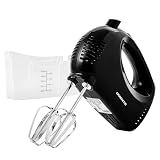
- 1 handheld electric whisk or high-powered milk frother
Instructions
- Add the sweetened condensed milk and vanilla extract directly into the bowl with your tempered egg yolks.
- Insert your electric hand mixer and begin beating the mixture on a medium-low speed to incorporate the ingredients.
- Gradually increase the mixer speed to high and whip the mixture continuously for 5 to 7 minutes.
- Watch for the color to change from a dark orange to a very pale, creamy yellow.
- Stop beating when the mixture achieves an airy egg foam consistency; lifting the beaters should leave a thick trail (the “ribbon stage”) that sits on top of the cream for a few seconds.
An often-overlooked strategy: Do not try to whisk this by hand with a manual whisk unless you want a serious arm workout. To get that truly authentic, thick and creamy meringue texture found in Hanoi cafes, an electric mixer is non-negotiable for forcing enough air into the fat of the yolks.

4. Assemble the Classic Hot Cà Phê Trứng (Hanoi Style)

Save this authentic Hanoi plating technique to keep your coffee piping hot!
Assembling authentic egg coffee involves layering the thick foam over hot robusta in a clear glass, then resting it in a hot water bath bowl. This serving method keeps the drink at the perfect temperature while you sip.
This specific presentation style originates in Hanoi and serves a brilliant functional purpose. The hot water bath prevents the incredibly thick, cool egg cream from rapidly dropping the temperature of your freshly brewed coffee. Using a clear glass beautifully displays the distinct, contrasting visual layers. When drinking, gently fold the foam into the dark liquid rather than stirring it aggressively. This creates a masterpiece of balancing flavors, merging extreme coffee bitterness with rich, custardy sweetness in every single sip.
Ingredients
- The brewed hot Robusta coffee (from Step 1)
- The thick, whipped egg cream (from Step 3)
- 1 clear, heat-proof glass or mug
- 1 small, shallow ceramic bowl
- Boiling water (for the serving bowl)
Instructions
- Ensure your brewed Robusta coffee is piping hot, resting in your clear glass. If it cooled during the whisking process, microwave it for 15 seconds.
- Carefully spoon the thick egg meringue over the top of the hot coffee. Because of the aeration, it will naturally float, creating a beautiful, distinct layered effect.
- Pour an inch of boiling water into your shallow ceramic bowl.
- Gently place the clear coffee glass into the bowl of hot water. This traditional Hanoi technique keeps the drink hot while you sip.
- Serve immediately with a small spoon. Instruct your guests to gently fold the foam into the dark coffee as they sip, balancing flavors between the bitter brew and sweet cream.
Expert insight: Never aggressively stir the drink until it becomes one uniform color. The joy of authentic egg coffee is experiencing the contrast of hot, bitter liquid passing through the cool, sweet, custardy foam with every sip.

5. Create Cà Phê Trứng Đá (The Refreshing Iced Version)

Pin this refreshing summer twist on the classic Vietnamese recipe!
To make iced cà phê trứng, brew a double-strength robusta base and pour it over large ice cubes before adding the sweet yolk espresso foam. This creates a chilled, liquid tiramisu perfect for warm weather.
This popular Vietnam cafe drink easily adapts to warm weather, becoming a beloved part of a summer morning routine. Because melting ice cubes naturally dilute the beverage, you must double your coffee brewing strength to maintain the robusta’s punch. The cold temperature transforms the heavy winter dessert into an incredibly refreshing treat. Unlike the hot version, you should stir the iced variation vigorously so the textures meld together over the ice.
Ingredients
- 6 ounces of double-strength brewed Robusta coffee (chilled)
- The prepared, whipped egg cream
- 1 tall, clear glass
- 1 cup of large, clear ice cubes
- Long stirring spoon
Instructions
- Brew your coffee exactly as outlined in Step 1, but use twice the amount of coffee grounds to create a double-strength concentrate. Allow it to cool to room temperature.
- Fill a tall, clear glass entirely to the brim with large ice cubes (large cubes melt slower, preventing rapid dilution).
- Pour the cooled, strong Robusta coffee over the ice, leaving about two inches of space at the top of the glass.
- Generously spoon the whipped egg foam over the iced coffee until it reaches the rim.
- Serve with a long stirring spoon, allowing the drinker to vigorously mix the foam into the iced coffee, creating a drink that tastes similar to a rich, liquid tiramisu.
What most guides miss: If the egg foam sits on the cold ice for too long without being stirred, the fats in the yolk and condensed milk can begin to seize and harden. Serve immediately and instruct guests to stir well!

6. The Quick Espresso Machine Shortcut Method

No Phin filter? Pin this genius espresso-machine shortcut!
You can make Vietnamese egg coffee with espresso by pulling a double shot of dark roast beans to substitute the slow Phin filter drip. This provides a fast, intense coffee base using modern equipment.
When weighing espresso vs phin, modern machines offer incredible speed and convenience for your daily coffee culture fix. The high-pressure extraction creates a rich crema packed with coffee oils that beautifully supports the heavy foam topping. While this quick recipe yields a slightly more acidic flavor profile than traditional slow-drip methods, it delivers exceptional, cafe-quality results for those lacking specialized Vietnamese brewing filters.
Ingredients
- 18 to 20 grams of dark roast espresso beans (preferably a blend containing some Robusta)
- The prepared whipped egg cream
- Espresso machine and portafilter
- 1 standard cappuccino mug (approx 6 oz)
Instructions
- Grind your dark roast beans finely and tamp them into your espresso machine’s portafilter.
- Pull a standard double shot (approx 2 ounces) of espresso directly into your cappuccino mug.
- If desired, add 2 ounces of hot water to the espresso to create an Americano base, which mimics the volume of a traditional Phin drip.
- While the espresso crema is still intact, gently fold 3 to 4 tablespoons of your whipped egg cream over the top.
- Serve immediately. The intense pressure of the espresso extraction provides a bolder, slightly more acidic bite that contrasts beautifully with the custard-like topping.
Expert insight: If you are using 100% Arabica espresso beans, consider reducing the amount of sweetened condensed milk in your egg foam by 1 tablespoon. Arabica lacks the intense bitterness of Robusta, so the drink can easily become overly sweet.

7. Fix the “Fishy Smell” (Flavor Enhancers & Variations)

Pin these secret ingredients to eliminate that fishy egg smell forever!
To prevent fishy egg smell in your coffee, add volatile aromatic neutralizers like pure vanilla extract or dark rum during the whisking phase. These completely mask any lingering sulfurous notes naturally found in raw yolks.
If you want to perfectly cut the bitterness while enhancing the final presentation, gently dust the thick foam with cocoa powder or ground cinnamon. These culinary flavor enhancers provide an immediate aromatic barrier that hits your nose before the coffee does. If you ever need to fix flat egg foam, ensure you are using incredibly fresh eggs and a perfectly clean bowl without a single drop of egg white contamination.
Ingredients
- 1/2 teaspoon of vanilla extract (do not use imitation)
- Optional: 1 teaspoon of dark rum (highly traditional in Hanoi)
- High-quality cocoa powder or ground cinnamon
- 1 small fine-mesh sieve or shaker
Instructions
- During the foam whisking process (Step 3), ensure you add a high-quality, pure vanilla extract. The alcohol in the extract neutralizes any lingering sulfurous egg odors.
- For an ultra-authentic Hanoi café experience, fold exactly 1 teaspoon of dark spiced rum into the egg cream during the final 30 seconds of whisking.
- Once the hot coffee is assembled and layered, place a pinch of cocoa powder or cinnamon into a fine-mesh sieve.
- Lightly tap the sieve over the glass to dust the top of the egg meringue with the powder.
- This powder not only creates a beautiful, café-quality presentation but also provides an immediate aromatic barrier that hits your nose before the coffee, completely masking any “fishy” scent.
Expert insight: If your egg foam keeps falling flat no matter how long you whisk, your eggs might be too old, or a drop of egg white may have contaminated the bowl. Always use the freshest eggs possible and separate them meticulously!

Key Takeaways: Your Quick Guide to Cà Phê Trứng
This Cà Phê Trứng overview highlights the most critical key points needed to successfully brew authentic egg coffee at home. Before you head to the kitchen, review these non-negotiable rules. Keeping these expert principles in mind will guarantee a perfectly balanced, safe, and visually stunning beverage every single time.
- Robusta is Non-Negotiable: – Always use a dark roast Robusta bean; its intense bitterness is required to cut through the heavy sweetness of the meringue, whereas Arabica will taste overly sweet.
- Prioritize Egg Safety First: – Use the double-boiler water bath method to gently heat your egg yolks to 160°F (71°C) to eliminate salmonella risks before whisking.
- The 10-Minute Whisk Rule: – Achieving the signature airy, thick foam requires patience; use an electric hand mixer for 5-7 minutes until the mixture reaches the “ribbon stage.”
- Neutralize Unwanted Odors: – Adding pure vanilla extract or a splash of dark rum during the whisking phase perfectly masks any residual “fishy” or raw egg smells.
- Master the Hot Water Bath Serve: – Serve your finished glass inside a shallow bowl of hot water to prevent the egg cream from cooling the hot coffee base too quickly.
- Don’t Over-Stir the Layers: – Fold the foam gently into the coffee as you sip to maintain the delightful contrast between the hot, bitter brew and the cool, sweet custard.
- Equipment Matters: – You cannot achieve the authentic texture without two tools: a traditional stainless steel Phin filter for the coffee, and an electric frother for the eggs.
People Also Ask About Cà Phê Trứng
These common questions about Cà Phê Trứng address important concerns regarding food safety, authentic flavor profiles, and crucial ingredient substitutions. Review these expert troubleshooting tips to perfect your technique and understand exactly what makes this beverage so unique.
Is Vietnamese egg coffee safe to drink?
Yes, Vietnamese egg coffee is safe to drink when the egg yolks are properly pasteurized prior to consumption.
While traditional street vendors in Hanoi may use raw yolks whisked directly with sugar, making it at home allows you to use a double-boiler method. By gently heating the egg yolks to 160°F (71°C), you effectively kill any potential salmonella bacteria while keeping the yolk liquid enough to whip into a thick, safe foam.
What does Cà Phê Trứng taste like?
Cà Phê Trứng tastes like a rich, liquid tiramisu or a warm coffee-flavored custard.
The drink relies on the extreme contrast between the intensely bitter, dark roast Robusta coffee at the bottom of the glass and the incredibly sweet, airy, marshmallow-like egg and condensed milk foam on top. When sipped together, the bitter and sweet flavors balance perfectly into a decadent dessert beverage.
Does egg coffee smell or taste like raw eggs?
When prepared correctly with fresh eggs and flavor enhancers, egg coffee does not smell or taste “fishy” or like raw eggs.
The high concentration of sweetened condensed milk completely masks the savory egg flavor. Furthermore, authentic recipes call for adding a splash of pure vanilla extract or dark rum to the foam, which neutralizes any lingering sulfurous odors naturally present in the yolks.
Can I make Cà Phê Trứng without a Phin filter?
Yes, you can substitute a Phin filter by using an espresso machine or a French press to brew a highly concentrated coffee base.
The goal is to create a very strong, low-water volume brew. Pulling a double shot of dark roast espresso or brewing a double-strength batch in a French press will provide the necessary bitter punch to balance the sweet egg meringue if you don’t own a traditional Phin.
Why is my egg foam flat and runny?
Egg foam usually falls flat because the eggs were not whisked long enough with an electric mixer, or the eggs were not fresh.
Achieving the proper meringue texture requires high-speed aeration for at least 5 to 7 minutes using an electric whisk. Additionally, if even a single drop of egg white or water contaminates the bowl, the fats in the yolk will refuse to whip into a stiff structure.
Can I use Arabica coffee beans instead of Robusta?
You can use Arabica beans, but it is highly discouraged because Arabica’s mild, acidic flavor gets completely lost under the sweet egg foam.
Vietnamese coffee culture relies on Robusta beans, which contain nearly twice the caffeine and possess a much darker, bitter, chocolatey profile. If you must use Arabica, drastically reduce the amount of sweetened condensed milk in your foam to prevent the drink from becoming cloyingly sweet.
Can I store leftover egg coffee foam in the fridge?
No, it is highly recommended to consume the whipped egg foam immediately, as it will lose its airy texture and separate if stored.
Within a few hours in the refrigerator, the air bubbles will collapse, and the heavy condensed milk will separate from the egg yolks, resulting in a dense, unappetizing liquid. Always prepare the foam fresh for each serving.
Can I make a dairy-free or vegan version of Cà Phê Trứng?
While you cannot easily replicate the exact egg yolk texture, you can make a vegan alternative using aquafaba (chickpea water) and coconut condensed milk.
By whipping the aquafaba with an electric mixer until stiff peaks form, and gently folding in sweetened coconut condensed milk, you can create a similarly sweet and airy foam to layer over your hot robusta coffee without using any animal products.
How many calories are in a cup of Vietnamese egg coffee?
A standard serving of Cà Phê Trứng contains approximately 250 to 300 calories, depending on the exact amount of condensed milk used.
Because the recipe relies heavily on calorie-dense ingredients—specifically two large egg yolks (approx. 110 calories) and 3 tablespoons of sweetened condensed milk (approx. 180 calories)—this beverage is best enjoyed as a rich dessert or occasional morning treat rather than a daily staple.
Where did Cà Phê Trứng originate?
Cà Phê Trứng was invented in Hanoi, Vietnam, in 1946 by Nguyen Van Giang, a bartender at the Sofitel Legend Metropole Hotel.
During the First Indochina War, fresh milk was incredibly scarce in Vietnam. Giang ingeniously whisked readily available egg yolks with sugar and condensed milk as a substitute for frothed milk, eventually opening the famous Cafe Giang, which still serves the authentic recipe today.
Final Thoughts on Mastering Cà Phê Trứng
Mastering the authentic Hanoi style Vietnamese egg coffee is a highly rewarding culinary project that bridges the gap between your morning caffeine routine and a decadent dessert. While the idea of incorporating egg yolks into coffee can initially seem intimidating—both from a flavor and a safety perspective—our proven pasteurization techniques guarantee a foolproof, entirely delicious result.
The true secret to perfecting the recipe lies in respecting the extreme balance of ingredients. You must trust the dark, intense bitterness of the Robusta to slice right through the heavy, sugary richness of the whipped condensed milk. Whether you choose to serve it in a traditional hot water bath just like they do at Cafe Giang, or pour it over ice for a refreshing summer treat, the result is a velvety, tiramisu-in-a-glass experience.
Now it’s time to pull out your electric whisk and start brewing. Don’t be afraid to experiment with adding a drop of vanilla or rum to tailor the aromatic profile to your exact liking. Have you tried making this Cà Phê Trứng conclusion recipe yet? Let me know in the comments below if you achieved the perfect glossy “ribbon stage” foam, or if you discovered a new favorite garnish to sprinkle on top!
Last update on 2026-10-12 / Affiliate links / Images from Amazon Product Advertising API
