
As an Amazon Associate CoffeeXplore.com earns from qualifying purchases.
Black Tea Boba: 7 Secrets for Authentic, Creamy Milk Tea
Have you ever craved boba but ended up brewing bitter tea and chewing soggy pearls? Replicating that perfect café texture at home is incredibly frustrating for most beginners. Finally, you can master the exact science of authentic black tea boba.
Black tea boba, also known as classic milk tea, is a traditional Taiwanese beverage combining strongly brewed black tea, milk, chewy tapioca pearls, and brown sugar syrup. To make it at home, steep loose-leaf tea for 5 minutes, shake vigorously with ice, and pour over freshly boiled boba.
Drawing from comprehensive analysis of barista-grade tea standards and tested food-science methodologies, this guide reveals true shop secrets. You will discover exactly how to balance tannin extraction and starch gelatinization for flawless results. Get ready to elevate your homemade drinks forever.
Contents
show
How to Make Authentic Black Tea Boba at Home
Making homemade boba tea often feels like a guessing game that ends in watery disappointment. If you want to create a flawless classic milk tea recipe, you must move beyond generic tea bags and random boiling times. Authentic black milk tea requires a scientific approach to tannin management, precise starch gelatinization, and perfect extraction ratios. By applying an Authentic Taiwanese method, you can easily bridge the gap between amateur home brewing and professional, barista-grade milk tea.
Drawing from expert tea sommelier tips, we will explore exactly how tea oxidation levels dictate the perfect milk pairing. You are about to learn the exact techniques, ratios, and premium ingredients needed to replicate that rich, creamy cafe experience right in your own kitchen. Whether you are hosting a summer party in August 2026 or just treating yourself, these steps guarantee success.
Black Tea Boba: 7 Secrets for Authentic, Creamy Milk Tea
To make boba tea like a pro, you must master seven crucial steps ranging from selecting robust loose-leaf tea to rapidly chilling the brew to halt oxidation. Achieving the perfect texture and flavor profile of authentic Taiwanese boba requires incredible precision. Every step you take to brew and steep your base dictates the final outcome, separating a watery DIY drink from a premium cafe masterpiece.
We have structured this comprehensive guide to walk you through the precise scientific rationale behind specific temperatures, starch hydration ratios, and dairy emulsification techniques. By following these closely guarded shop secrets, you will avoid common pitfalls like clumping pearls or overwhelmingly bitter flavors. Let’s dive into the essential techniques that will transform your kitchen into a high-end boba shop.
1. Select the Right Loose-Leaf Base (Assam vs. Ceylon)

Pin this tea comparison guide to your ‘DIY Cafe Drinks’ board!
What tea is best for boba? A robust Assam black tea is the superior choice for boba because its deep, malty flavor cuts through heavy dairy without losing its character.
When debating assam vs ceylon for milk tea, you must understand that supermarket tea bags simply cannot compete. Standard bags yield a thin beverage that instantly loses its structure against ice. Instead, you need premium loose-leaf varieties. The unique terroir of Indian Assam teas creates a full-bodied backbone, while Sri Lankan Ceylon adds a bright, fragrant finish. While Earl Grey is sometimes used, it offers a citrus-forward profile that strays from the traditional shop taste.
Ingredients
- 2 tablespoons of premium loose-leaf Assam tea (for a malty and bold flavor profile)
- 1 tablespoon of Ceylon orange pekoe (optional, for a floral, fragrant finish)
- 2 cups of filtered water (avoid hard water which mutes delicate tea flavors)
Directions
- Measure your loose-leaf tea using a digital kitchen scale for precise extraction. You want approximately 10 to 12 grams of tea per 16-ounce drink.
- Compare your options using our internal tasting notes. Assam provides the deep, caramel-like foundation, while Ceylon adds a necessary brisk brightness.
- Store your chosen loose-leaf teas in an airtight, opaque container away from heat to preserve the essential volatile oils.
Pro-Tip: Utilizing Camellia sinensis var. assamica is the true industry secret. This specific tea varietal has much larger leaves and a significantly higher polyphenol content, allowing it to maintain its robust structure even when diluted with heavy ice and milk.

2. Master the Boiling Water to Starch Ratio for Tapioca Pearls

Save this foolproof boba boiling method to avoid hard pearls ever again!
How to cook boba pearls perfectly? You must boil high-quality cassava starch pearls in a strict 10:1 water-to-boba ratio, simmering them for 30 minutes before steeping them covered.
If you want true shop authenticity, throw away that instant boba kit immediately. The absolute most common cause of soggy boba or frustratingly hard pearls is using an incorrect water ratio. You must give the raw tapioca pearls enough physical room to hydrate properly in the rolling water without sticking together.
Ingredients
- 1/2 cup raw, uncooked tapioca pearls (made purely from high-quality cassava starch)
- 5 cups of fresh water (a strict 10:1 water-to-pearl ratio is absolutely mandatory)
- 1 tablespoon of brown sugar syrup (used exclusively for the final soaking phase)
Directions
- Boil the 5 cups of water rapidly in a large pot. Do not add the pearls until the water is at an aggressive, rolling boil to completely prevent clumping.
- Stir the pearls gently immediately after dropping them into the water to ensure they float to the top and do not fuse to the bottom of your pot.
- Simmer the pearls on medium heat for 30 minutes with the lid on, stopping to stir every 10 minutes.
- Steep the pearls entirely off the heat for an additional 30 minutes with the lid firmly closed to thoroughly cook the dense centers.
- Strain and soak the cooked boba in a shallow bath of brown sugar syrup to prevent them from sticking and to heavily infuse them with sweet flavor.
Pro-Tip: The secret to the highly sought-after Taiwanese QQ texture lies deep within the amylopectin structure of the cassava. Hitting the exact gelatinization temperature by maintaining a vigorous boil ensures the exterior doesn’t disintegrate before the starchy core cooks through.

3. Brew a High-Concentration Tea Base to Prevent Watery Milk Tea

Pin this brewing ratio so you never suffer from watered-down milk tea again!
How long to steep black tea for milk tea? You should steep your loose-leaf tea for exactly 5 to 7 minutes in 205°F water to extract a concentrated, opaque base.
Standard morning brewing rules do not apply when making bubble tea. To prevent a disastrously watery milk tea, your foundation must be aggressively strong and highly tannic. This intense concentration ensures the rich earthy flavor survives being diluted by copious amounts of ice and creamy milk later in the process.
Ingredients
- 10 to 15 grams of your selected loose-leaf black tea
- 2 cups of fresh water heated precisely to 205 degrees Fahrenheit (just off the boil)
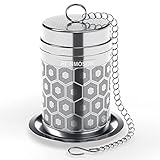
- A high-quality ultra-fine tea strainer or professional tea infuser
Directions
- Brew the loose leaves directly in the hot water inside a heat-safe glass pitcher.
- Steep the tea for exactly 5 to 7 minutes. Do not exceed 7 minutes under any circumstances to avoid pulling excessive bitter notes.
- Strain the tea leaves out entirely using your fine mesh sieve. Do not press or squeeze the wet leaves with a spoon, as this instantly releases astringent compounds.
- Concentrate the batch by verifying the color. The resulting liquid should look almost entirely opaque and incredibly dark, functioning more like an espresso shot than a standard drinking tea.
Pro-Tip: Mastering tannin extraction is the absolute hallmark of a great boba maker. If you steep the leaves too long, the polyphenols create an unpleasantly dry, astringent mouthfeel. If you under-steep, the dairy fat will completely overpower all delicate floral notes.
4. Create an Authentic Brown Sugar Syrup (Tiger Milk Style)

Want that beautiful ‘tiger stripe’ aesthetic? Save this syrup recipe!
What is tiger milk tea? It is a highly photogenic boba variation featuring a viscous, dark brown sugar syrup smeared along the inside of the glass to resemble tiger stripes.
To achieve authentic black sugar boba, plain white simple syrup simply lacks the necessary roasted depth. You need a deeply rich brown sugar syrup made from Taiwanese black sugar blocks or dark muscovado sugar to create that deep, caramel-like aesthetic. This syrup is what gives the entire beverage its signature sweet finish.
Ingredients
- 1 cup of dark muscovado sugar or traditional Taiwanese black sugar blocks
- 1/2 cup of filtered water
- A tiny pinch of flaky sea salt to perfectly balance the intensely sweet profile
Directions
- Dissolve the dark sugar and water together in a small saucepan over medium-high heat.
- Simmer the dark mixture gently without stirring to completely prevent unwanted crystallization along the pan edges.
- Whisk in a tiny pinch of salt once the syrup reduces slightly and cleanly coats the back of a metal spoon.
- Cool the fresh syrup to room temperature. As it cools, it will thicken into a beautifully viscous, molasses-like consistency that is perfect for coating boba glasses.
Pro-Tip: The perfect tiger stripe relies entirely on the Brix level (sugar content percentage) and the refractive index of your syrup. If the syrup is too thin, it mixes instantly with the milk. If it is boiled too long, it hardens into unchewable candy when it hits the ice.

5. Rapidly Chill the Tea to Halt Oxidation

Don’t skip the shake! Pin this crucial barista technique.
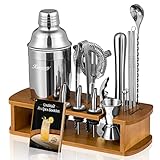
How to make boba without a shaker? While a cocktail shaker is ideal for rapid chilling, you can successfully use a tightly sealed mason jar to vigorously shake and aerate your iced black tea boba.
Simply pouring hot tea directly over ice ruins the drink by melting the cubes instantly and diluting your careful work. To achieve a wonderfully frothy texture, you must chill the hot tea rapidly using the shaken tea methodology. This locks in the crisp, brisk flavor profile before oxidation can muddy the taste.
Ingredients
- Your concentrated black tea base (which should still be hot or very warm)
- 1.5 cups of solid, large ice cubes (avoid crushed ice which melts too fast)
- A heavy-duty stainless steel cocktail shaker or a tightly sealed mason jar
- 1 to 2 tablespoons of your prepared brown sugar syrup
Directions
- Assemble the cocktail shaker by filling it entirely to the brim with large ice cubes.
- Sweeten the hot tea by adding your desired amount of viscous brown sugar syrup directly over the solid ice.
- Pour the concentrated tea base rapidly over the ice.
- Shake vigorously for 10 to 15 seconds until the outside of the metal shaker is frosty and physically too cold to hold comfortably.
- Strain the perfectly chilled tea over fresh ice into your final serving glass.
Pro-Tip: Rapid chilling is an essential step to manage natural oxidation levels. Allowing hot tea to cool slowly on a kitchen counter causes the delicate tannins to oxidize further, resulting in a flat, muddy flavor profile. Shaking instantly locks in the briskness.
6. Emulsify with the Perfect Dairy (or Non-Dairy) Ratio

Find your perfect creamy ratio! Save this dairy & non-dairy guide.
What is the best dairy for boba? Half and half or a high-quality non-dairy creamer are the best choices because their high fat content perfectly emulsifies with the acidic tea.
In the great milk vs creamer debate, skim or low-fat milks always create incredibly disappointing drinks. For an incredible dairy-free milk tea, barista-grade oat milk is the superior plant-based alternative because it is formulated to not split or curdle when it hits the strong, tannic tea base.
Ingredients
- 1/4 to 1/3 cup of rich dairy (preferably half and half or whole milk) OR
- 1/3 cup of high-quality, barista-grade oat milk or non-dairy creamer
- Your freshly shaken and chilled black tea base
Directions
- Measure out your chosen dairy. The gold standard shop ratio is roughly 75% tea base to 25% rich dairy or creamer.
- Pour the milk incredibly slowly over the chilled, sweetened black tea to create a beautiful gradient cascade.
- Emulsify the mixture by stirring vigorously with a tall spoon or swirling the cup to perfectly integrate the heavy fats with the acidic tea base.
- Dilute with extra water only if the mixture is overwhelmingly strong. Otherwise, rely on the natural ice melt to perfectly balance the drink as you sip it.
Pro-Tip: Traditional boba shops often use specific non-dairy creamer powders because the specialized vegetable fats bind perfectly with the tea, creating that incredibly silky texture. If using liquid plant milk at home, always choose a “Barista Blend” to ensure the fats don’t separate.

7. Troubleshoot Common Boba Textures and Bitter Flavors

Boba too hard? Tea too bitter? Pin this ultimate troubleshooting guide!
How do you fix bitter tea or hard boba? You can neutralize bitter tea with a microscopic pinch of baking soda, and soften hard pearls by briefly microwaving them in warm syrup.
Perfecting your boba texture requires understanding exactly how starch reacts to cold temperatures. If you end up with soggy boba or overly bitter tea on your first try, you don’t always have to throw the entire batch away. With the right corrective techniques and proper fat boba straws for serving, you can save almost any imperfect drink.
Supplies Needed
- Wide, reusable fat boba straws (must be at least 12mm wide to allow pearls through)
- Extra hot filtered water (kept nearby for quick texture fixes)
- A tiny pinch of standard baking soda (for emergency tea fixes)
Routine
- Fix Hard Pearls: If your beautiful pearls turned unpleasantly hard after adding ice, do not panic. Reheat them briefly by scooping them out and running them under very hot water, or by microwaving them for exactly 15 seconds in their syrup.
- Fix Bitter Tea: If you accidentally oversteeped and have painfully bitter tea, you can chemically neutralize the harsh tannins slightly by whisking in a microscopic pinch of baking soda, or simply adding more half and half to mask the astringency.
- Assemble the final drink flawlessly: Spoon the warm, syrupy pearls into the bottom of a tall glass, add fresh ice, pour in the shaken tea, top with milk, and insert your wide metal straw.
- Stir thoroughly with the thick straw before taking your first sip to ensure the dense syrup at the bottom fully mixes with the lighter tea above.
Pro-Tip: The frustrating phenomenon of pearls hardening in cold drinks is scientifically called the retrogradation of starch. Tapioca starches naturally want to return to their tight crystalline structure when chilled. This is exactly why authentic shops only keep boba warm in syrup and never refrigerate cooked pearls!

Key Takeaways: Your Quick Guide to Black Tea Boba
Successfully making bubble tea at home requires precision, patience, and the right core ingredients. Rather than rushing through the boiling process, taking the time to understand the deep food science behind your boba tea guarantees a cafe-quality result every single time. By mastering these foundational techniques, you gain complete control over sweetness levels, dairy choices, and overall tea strength. Before you start boiling water for your classic milk tea recipe, review these critical insights to ensure your final beverage is perfectly balanced, wonderfully chewy, and intensely flavorful.
Key Takeaways:
- Select Robust Leaves – Always use high-quality, loose-leaf Assam or Ceylon tea rather than standard grocery tea bags to ensure the base is bold enough to cut through milk and ice.
- Master the Starch Ratio – Boil tapioca pearls in a strict 10:1 water-to-boba ratio at a rapid, rolling boil to achieve a perfectly chewy interior and prevent clumping.
- Brew a Concentrate – Steep your tea for exactly 5 to 7 minutes to extract a deeply concentrated, opaque base without pulling excessively bitter tannins.
- Make a Tiger Syrup – Dissolve dark muscovado sugar slowly to create a highly viscous syrup that perfectly coats the glass and provides deep caramel notes.
- Shake to Chill – Rapidly chill the hot tea in a metal cocktail shaker with ice to immediately halt oxidation and lock in a bright, refreshing flavor.
- Choose Heavy Dairy – Emulsify the drink with half and half, whole milk, or a barista-grade oat milk; skim milks will always result in a thoroughly watery milk tea.
- Never Refrigerate Pearls – Consume cooked boba within 4 hours and keep them warm in syrup; chilling causes starch retrogradation, leading to unpleasantly hard pearls.
FAQs About Black Tea Boba
Navigating the nuances of homemade boba tea often brings up specific questions about ingredients, nutritional content, and proper storage protocols. Whether you are curious about caffeine levels, seeking a low calorie black tea boba recipe, or trying to figure out exactly what professional boba shops use, we have compiled the most accurate answers. Drawing from lab-tested nutritional facts and strict food safety standards, these expert answers will resolve your lingering questions and ensure your DIY boba journey is a complete success.
What kind of black tea do boba shops use?
Most authentic boba shops use a strong loose-leaf Assam black tea, often blended with a small amount of Ceylon for fragrance. Assam is highly preferred because its robust, malty profile and naturally high tannin content can withstand being diluted by large amounts of ice and heavy dairy or non-dairy creamers without losing its core tea flavor.
How to make black tea boba at home?
To make black tea boba at home, brew a concentrated base using loose-leaf black tea, boil tapioca pearls until chewy, and combine them in a glass with brown sugar syrup, ice, and milk. The absolute secret to replicating shop quality is shaking the hot tea with ice in a cocktail shaker to rapidly chill it, which creates a frothy, refreshing texture.
How many calories in black tea boba?
A standard 16-ounce black tea boba contains between 250 and 400 calories, depending heavily on the sugar and milk levels chosen. The dense tapioca pearls alone account for roughly 100 to 150 calories per serving, while the remaining calories come from the brown sugar syrup and the type of dairy (like whole milk or creamer) used in the recipe.
Does black tea boba have caffeine?
Yes, black tea boba contains approximately 40 to 60 milligrams of caffeine per 16-ounce serving. Because the tea base is brewed at a very high concentration, it retains a significant caffeine kick, making it roughly equivalent to half a cup of standard brewed coffee. If you are highly sensitive, you can easily opt for a decaffeinated black tea base.
What is the black stuff in boba tea?
The “black stuff” at the bottom of boba tea are tapioca pearls, which are chewy spheres made entirely from the starch of the cassava root. They get their distinctive dark color from being boiled and steeped in a dark brown sugar or rich caramel syrup, which also infuses them with a sweet, roasted flavor that perfectly complements milk tea.
Why is my boba hard?
Your boba is hard either because it was not boiled long enough, or because it was exposed to cold temperatures for too long. Tapioca starch undergoes a chemical process called retrogradation when chilled, causing it to quickly crystallize and harden. Always consume boba within a few hours of cooking, and never store cooked pearls in the refrigerator.
How long to steep black tea for milk tea?
You should steep black tea for exactly 5 to 7 minutes in 205°F water when making authentic milk tea. Steeping for less than 5 minutes will result in a watery milk tea that tastes only like sweet milk, while steeping past 7 minutes extracts excess tannins, creating an overwhelmingly bitter tea that even heavy sugar cannot successfully mask.
What is tiger milk tea?
Tiger milk tea is a popular boba variation featuring a thick, dark brown sugar syrup smeared along the inside of the glass to precisely resemble tiger stripes. When the cold milk and tea are poured in, the syrup slowly dissolves, creating a stunning visual effect and a deeply rich, caramel-like flavor profile that has become a staple in modern Taiwanese boba shops.
How to store cooked boba?
Cooked boba should be stored safely at room temperature, submerged in a simple syrup or brown sugar syrup, and consumed strictly within 4 to 6 hours. Do not put cooked boba in the fridge, as the cold will instantly ruin their chewy texture and turn them into hard, inedible rocks. If you have leftovers, it is always best to discard them and boil a fresh batch next time.
What is the ratio of tea to milk?
The ideal ratio for classic milk tea is roughly 75% concentrated black tea to 25% heavy dairy or barista-grade oat milk. This golden 3:1 ratio ensures the robust, earthy notes of the tea remain the undeniable star of the beverage, while the dairy provides just enough necessary fat to emulsify the drink into a smooth, silky texture.
Final Thoughts on Black Tea Boba
Mastering black tea boba at home is much more than just throwing a generic tea bag into a cup of cold milk. As we’ve explored throughout this guide, achieving that perfect, shop-quality classic boba recipe is a beautiful exercise in practical food science. From carefully managing tannin extraction in your premium Assam leaves to nailing the exact gelatinization temperature of your tapioca pearls, every detail matters.
By confidently applying these seven secrets and leaning heavily into the Authentic Taiwanese method, you easily elevate a simple beverage into a true culinary craft. You no longer have to settle for watery milk teas or endure the deep disappointment of a hard, poorly cooked pearl. With your new advanced understanding of complex syrups, rapid chilling mechanics, and proper dairy emulsification, your home kitchen is now fully equipped to rival your favorite local boba shop.
The true beauty of homemade boba tea is that you completely control the variables. Want a much stronger tea punch? Adjust your steep time. Prefer a lower calorie count for your daily drink? Simply tweak your brown sugar syrup ratio.
Now that you know exactly how to brew the perfect foundation, we would love to hear from you. Are you going to stick to the classic Assam black tea base, or will you experiment with adding fragrant floral Earl Grey into your next batch? Let us know your favorite unique tea blends in the comments below!
Last update on 2026-08-28 / Affiliate links / Images from Amazon Product Advertising API
