
As an Amazon Associate CoffeeXplore.com earns from qualifying purchases.
Herbal Tea Infusion Recipes: 7 Nourishing Blends for 2026
Are you constantly battling afternoon fatigue, chronic stress, or struggling to stay properly hydrated throughout your busy day? Many people reach for quick caffeine fixes or artificial drinks that ultimately leave them feeling depleted. Discovering genuine herbal tea infusion recipes provides a gentle, deeply restorative solution to these everyday struggles.
An herbal tea infusion is a concentrated brew made by steeping leaves, flowers, or roots in boiling water for an extended period, typically 15 minutes to overnight. This process extracts beneficial vitamins, minerals, and volatile oils, resulting in a deeply therapeutic and nourishing botanical drink. This holistic approach naturally supports your bodily systems.
Drawing from comprehensive clinical analysis and proven herbalist methodologies, we understand exactly how proper extraction methods maximize these botanical benefits. You will discover how to craft these potent remedies directly in your own kitchen. Elevate your self-care ritual and transform simple hydration into restorative health today.
Contents
show
How Do Nourishing Herbal Tea Infusion Recipes Transform Your Daily Wellness Routine?
When the 3:00 PM caffeine slump hits, what does your hydration habit look like? If you are relying on heavily processed energy drinks or a standard, mass-produced tea bag dipped in lukewarm water, you are missing out on the profound therapeutic benefits of true botanical medicine. Crafting homemade herbal tea is an empowering self-care ritual that shifts your beverage choices from simple thirst-quenching to intentional, holistic healing. By understanding the distinction between a quick dunk of a commercial tea bag and a properly steeped nourishing infusion blend, you unlock a world of natural vitality.
In traditional herbalism, a simple tea provides flavor, but a deeply steeped nourishing infusion extracts the critical vitamins, minerals, and volatile oils needed for physical restoration. When you steep high-quality dried herbs or fresh botanicals in boiling water over an extended period—often in a large glass mason jar overnight—you are performing a clinical extraction technique. This careful management of volatile oils extraction and optimal steeping times ensures that restorative macro-minerals from herbs like oatstraw and nettle become bioavailable. This method provides immediate information gain over standard brewing, offering you a therapeutic drink that genuinely transforms your daily wellness routine.
7 Nourishing Herbal Tea Infusion Recipes to Elevate Your Daily Ritual
Mastering the art of botanical brews means knowing precisely how to pair ingredients for synergistic effects while applying the correct extraction methods. Not all medicinal teas are created equal. A delicate flower requires a vastly different approach than a dense, woody root. By learning these specific combinations, you can target varying health preferences—from calming the nervous system to boosting immune function.
The following seven recipes go far beyond basic flavor combinations. They are strategically formulated to include specific therapeutic dosages and professional pairings, such as combining a carminative like fennel with an antispasmodic like mint for optimal digestion. Whether you are using fresh herbal tea ingredients or high-quality dried loose leaf tea, these step-by-step methods will teach you exactly how to pour boiling water over your chosen botanicals and precisely how long to steep them for maximum nutrient extraction.
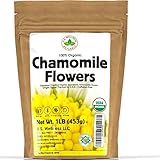
1. Brew a Calming Chamomile & Lavender Sleep Infusion

Save this relaxing bedtime ritual to your Natural Wellness Pinterest board!
When the mind refuses to quiet down after a long day, a calming chamomile herbal tea recipe for sleep is one of the most effective natural interventions available. Chamomile contains apigenin, an antioxidant that binds to specific receptors in your brain to promote sleepiness, while lavender acts as a potent nervine that reduces anxiety. Together, these synergistic nervine herbs deeply relax the nervous system and prepare your body for restorative rest.
The most critical step in preparing this infusion is trapping the steam. Covering your mug is essential because the essential oils in chamomile and lavender, which provide the calming effect, are highly volatile and will evaporate in the steam if left uncovered.
Ingredients
- 1 tablespoon organic dried whole chamomile flowers (look for vibrant yellow centers, avoiding dusty, crushed varieties)
- 1/2 teaspoon culinary-grade dried lavender buds
- 10 ounces filtered water
- Optional: 1 teaspoon raw local honey
- Required Tool: A fine-mesh stainless steel tea infuser or a covered glass teapot
Instructions
- Bring your freshly drawn, filtered water to a rolling boil.
- Measure the chamomile flowers and lavender buds into your fine-mesh tea infuser and place it inside your favorite mug.
- Pour the boiling water over the botanical blend, ensuring all the dried herbs are fully submerged.
- Cover the mug immediately with a small saucer or lid to trap the therapeutic volatile oils.
- Steep for 5 to 10 minutes, depending on your flavor preference.
- Strain the herbs by removing the infuser, stir in raw honey if desired, and sip slowly 30 minutes before bed.
Pro-Tip: In traditional herbalism, chamomile can become overly bitter if steeped too long due to its tannin content. Stick to a maximum 10-minute steep for a perfectly sweet, floral cup.
2. Craft an Energizing Peppermint & Rosemary Focus Blend

Pin this caffeine-free energy booster to your Afternoon Pick-Me-Up board!
Replacing your afternoon coffee with a targeted loose leaf tea blend can provide sustained mental clarity without the inevitable caffeine crash. Peppermint contains menthol, which acts as a mild vasodilator to increase oxygen and stimulate circulation, while rosemary is rich in rosmarinic acid, renowned for supporting cognitive function. Known traditionally as the “herb of remembrance,” rosemary stimulates blood flow to the brain, offering a powerful, caffeine-free cognitive boost.
This recipe perfectly illustrates the ratio differences required when utilizing fresh mint versus dried leaves when formulating herbal tea infusion recipes.
Ingredients
- 1 tablespoon dried organic peppermint leaves (or 2 tablespoons freshly bruised mint leaves)
- 1 small sprig of fresh rosemary (or 1/2 teaspoon dried rosemary needles)
- 1 slice of fresh lemon
- 10 ounces of good quality water
- Required Tool: A glass mug with a built-in infuser basket
Instructions
- Heat your water to just under a rolling boil (around 205°F) to prevent scorching the delicate mint leaves.
- Bruise the fresh rosemary sprig gently between your fingers to release the aromatic oils before placing it into your tea strainer.
- Add the peppermint leaves to the strainer alongside the rosemary.
- Pour the hot water over the herbs, ensuring the lemon slice is added directly to the water.
- Cover and steep for 5 to 7 minutes. Rosemary can quickly become overpowering, so a shorter steep time is ideal.
- Remove the strainer and inhale the invigorating steam deeply before your first sip to awaken your senses.
Pro-Tip: When substituting fresh herbs for dried herbs in any botanical recipe, the golden rule is to use twice as much fresh plant material, as dried herbs are significantly more concentrated.

3. Simmer an Immune-Boosting Lemon, Ginger & Turmeric Decoction

Save this powerful immune-supporting brew for cold and flu season!
Understanding the difference between an infusion vs decoction is vital when working with dense, woody materials like fresh ginger root and turmeric. While an infusion involves steeping soft leaves, a decoction requires actively simmering hard roots to extract their profound medicinal compounds. Turmeric is packed with anti-inflammatory curcumin, and ginger offers warming, digestive gingerol.
A common mistake is simply pouring hot water over turmeric powder, which fails to extract its full potential. Furthermore, including a pinch of black pepper is a pharmacological necessity; the piperine in black pepper enhances curcumin’s bioavailability exponentially, demonstrating the advanced power of a properly formulated DIY immune boosting herbal tea blend.
Ingredients
- 1 tablespoon freshly grated ginger root (or 1 tsp dried)
- 1 teaspoon freshly grated turmeric root (or 1/2 tsp dried organic turmeric powder)
- 1 pinch of freshly cracked black pepper (essential for absorption)
- 1 thick slice of fresh lemon
- 12 ounces of cups good quality water
- Required Tool: A small stainless steel saucepan and a fine mesh strainer
Instructions
- Combine the grated ginger, turmeric, cracked black pepper, and water in a small saucepan.
- Bring the mixture to a gentle boil on your stovetop.
- Reduce the heat to low, cover the saucepan tightly with a lid, and let it simmer (decoct) for 15 to 20 minutes.
- Remove from heat and carefully strain the golden liquid through a fine-mesh strainer into your mug.
- Squeeze the fresh lemon slice into the hot tea.
- Stir in honey if desired, but only after the tea has cooled slightly so the heat doesn’t destroy the honey’s beneficial enzymes.
Pro-Tip: Hard botanical materials like roots, barks, and dried berries require a decoction (active simmering) rather than a simple infusion (passive steeping) because hot water alone isn’t strong enough to break down their tough cellular walls.

4. Create a Deeply Nourishing Oatstraw & Holy Basil (Tulsi) Overnight Infusion

Pin this overnight mineral-rich tonic to your Holistic Health board!
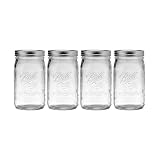
To combat burnout and nervous system depletion, clinical herbalists rely heavily on overnight nourishing infusions. This advanced technique shifts the paradigm from a small 8-ounce teacup to a massive, 32-ounce glass mason jar made in large batches. By pairing highly mineralized oatstraw (Avena sativa) with the stress-resilient adaptogen tulsi holy basil, you create a deeply restorative tonic.
The physiological difference between a quick 5-minute steep for flavor and an 8-hour overnight steep is profound. A long steeping time is strictly required to pull dense macro-minerals, specifically calcium and magnesium, out of the oatstraw’s structural matrix, transforming water into a highly nutritious liquid food.
Ingredients
- 1/2 cup loose organic dried oatstraw
- 1/4 cup loose organic dried Tulsi (Holy Basil) leaves
- 32 ounces (1 quart) of boiling water
- Required Tool: A 32-ounce wide-mouth heat-proof glass mason jar and a tight-fitting lid
Instructions
- Measure the large quantities of oatstraw and holy basil directly into your clean, dry 32-ounce glass mason jar. (It will look like a lot of herb—this is correct for a nourishing infusion!)
- Pour the boiling water over the herbs, filling the jar entirely to the top rim to minimize the amount of oxygen in the jar.
- Stir with a wooden spoon to ensure all the dry plant material is thoroughly saturated.
- Cap the jar tightly with its lid.
- Steep the mixture on your kitchen counter overnight (or for a minimum of 4 to 8 hours).
- Strain the dark, mineral-rich liquid through a fine sieve or cheesecloth the next morning, squeezing the herbs to extract every last drop of medicine.
- Store in the refrigerator and drink over ice throughout the day.
Pro-Tip: Nourishing herbal infusions spoil quickly because they are basically highly nutritious food! Once strained, you must store your infusion in the refrigerator and consume it within 36 to 48 hours.
5. Refresh with a Tart Hibiscus & Rosehip Cold Brew Infusion

Save this vibrant, Vitamin-C packed iced tea recipe for summer hydration!
When seeking easy herbal iced tea recipes, cold-brewing your botanical waters is an incredibly effective technique for extracting specific phytochemicals. Hibiscus is famous for its cooling properties, tart flavor, and high antioxidant load, while rosehips boast an extremely high Vitamin C content.
However, Vitamin C (ascorbic acid) is highly thermolabile, meaning it is exceptionally sensitive to heat and degrades quickly in boiling water. By utilizing cold maceration, you preserve these delicate vitamins. Combining this dried herbs/tea blend with lime thinly sliced creates a visually stunning, deeply hydrating iced beverage without added sugars.
Ingredients
- 2 tablespoons organic dried hibiscus flowers
- 1 tablespoon dried, seedless rosehips (cut and sifted)
- 1 lime, thinly sliced
- 32 ounces of cool, filtered water
- Required Tool: A glass pitcher with a lid
Instructions
- Place the dried hibiscus flowers and rosehips directly into the bottom of your glass pitcher.
- Pour the cool, filtered water over the botanicals.
- Add the thinly sliced lime wheels into the water.
- Stir gently, then cover the pitcher to keep out refrigerator odors.
- Steep in the refrigerator for 12 to 24 hours. The cold water will slowly extract a magnificent ruby red color and tart, fruity flavor.
- Strain the liquid through a mesh sieve to catch the flowers and hips.
- Serve over fresh ice, sweetening with a splash of maple syrup or agave if the tartness is too astringent for your palate.
Pro-Tip: Cold brewing isn’t just for coffee! Cold maceration of herbs like hibiscus and rosehips preserves their delicate Vitamin C content, which is largely destroyed when subjected to boiling water.

6. Settle Digestion with a Fennel Seed & Mint After-Dinner Brew

Pin this gentle, tummy-soothing tea recipe for your next heavy meal!
To quickly relieve bloating, gas, or fullness after a heavy meal, establishing a post-dinner ritual with targeted botanicals is highly effective. If you suffer from digestion issues/soothe them naturally by combining fennel seeds with peppermint leaves. Peppermint acts as an antispasmodic that relaxes stomach muscles, while fennel is classified as a “carminative”—a specific botanical term for herbs that expel gas and soothe the digestive tract.
To successfully brew this mixture, you must learn the culinary technique of bruising. Combining a seed, which requires crushing to break the seed coat, with a leaf, which requires gentle steeping, creates a potent digestive aid. You must properly measure and strain these elements for the best results.
Ingredients
- 1 teaspoon organic whole fennel seeds
- 1 tablespoon dried peppermint leaves
- 10 ounces of boiling water
- Required Tool: A small mortar and pestle (or the back of a heavy spoon)
Instructions
- Crush the whole fennel seeds gently using a mortar and pestle just until they crack open. You should immediately smell a sweet, licorice-like aroma.
- Transfer the crushed seeds and the dried peppermint leaves into your tea infuser.
- Pour the boiling water over the herbal mixture.
- Cover the cup with a lid to trap the peppermint’s soothing menthol vapors.
- Steep for exactly 10 minutes.
- Strain and sip slowly while still hot, ideally 20 to 30 minutes after finishing a large meal to prevent bloating and discomfort.
Pro-Tip: Fennel seeds are classified as “carminative” herbs. To get the medicinal benefits from seeds in a quick infusion, you must crush them first. Whole seeds will simply float in hot water without releasing their therapeutic oils.

7. Nourish with a Heart-Centric Hawthorn Berry & Cinnamon Infusion

Save this warming, heart-healthy botanical brew to your Recipe board!
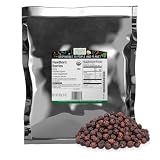
Moving beyond standard grocery store teas opens the door to specialized botanical ingredients like hawthorn berries (Crataegus). With a long-standing history of traditional medicinal use, hawthorn is revered in apothecary systems as a premier cardiovascular trophorestorative—a tonic that deeply nourishes and restores a specific organ system.
When preparing medicinal teas, pairing hawthorn with a warming circulatory stimulant like cinnamon creates an exceptional blend. These herbs work synergistically to support blood flow while providing a naturally sweet, comforting flavor profile perfect for colder months.
Ingredients
- 1 tablespoon dried whole hawthorn berries
- 1 small stick of true Ceylon cinnamon (broken in half)
- 12 ounces of water
- Optional: A slice of fresh ginger for extra warmth
- Required Tool: A small saucepan with a lid
Instructions
- Place the dried hawthorn berries and the broken cinnamon stick into your saucepan.
- Pour the 12 ounces of water over the botanicals.
- Bring to a gentle boil, then immediately reduce the heat to a very low simmer.
- Cover the pot and let the berries and bark decoct (simmer) for 20 full minutes. Because berries are dense, they need sustained heat to break down.
- Remove from the heat and let the mixture sit covered for an additional 10 minutes to finish infusing.
- Strain the deep red, fragrant liquid into your mug. The cinnamon provides a natural sweetness, so no honey is typically needed!
Pro-Tip: Always try to source “Ceylon” cinnamon (often labeled “true cinnamon”) rather than the more common “Cassia” cinnamon. Ceylon is much sweeter, more delicate, and safer for the liver when consumed in large, therapeutic quantities.
$3.72 offBestseller No. 7
Key Takeaways: Your Quick Guide to Herbal Tea Infusion Recipes
Before you start experimenting with your own herbal tea infusion recipes, it is crucial to understand that how to make herbal tea correctly dictates its therapeutic value. The rules surrounding infusion vs decoction methods, optimal steeping time, and proper ingredient handling form the foundation of clinical herbalism. Whether you are dealing with delicate flowers or dense roots, following these core methodologies ensures you extract the maximum medicinal value without ruining your expensive botanicals.
- Cover Your Cup During Steeping: Always place a lid or saucer over your mug while infusing herbs like mint and chamomile to prevent therapeutic volatile oils from escaping in the steam.
- Match the Method to the Plant Part: Use a simple hot water infusion for soft leaves and delicate flowers, but use a simmering decoction for hard roots, barks, and dried berries.
- Master the Fresh vs. Dried Ratio: When substituting fresh botanicals for dried herbs in your recipes, always double the amount of fresh plant material to match the concentration.
- Utilize Overnight Steeping for Minerals: Deeply nourishing herbs like oatstraw and nettle require an 8-hour overnight steep in a glass mason jar to fully extract heavy macro-minerals like calcium and magnesium.
- Cold Brew for Heat-Sensitive Vitamins: Botanicals exceptionally high in Vitamin C, such as rosehips and hibiscus, retain their nutritional profile best when cold-brewed in the refrigerator for 12-24 hours.
- Store Liquid Infusions Safely: Because highly concentrated botanical infusions are packed with nutrients, they can spoil quickly. Always store strained liquid infusions in the refrigerator and consume within 48 hours.
People Also Ask About Herbal Tea Infusion Recipes
Navigating the nuances of medicinal teas can bring up several practical questions regarding the proper ratio of herbs to water, exact brewing timelines, and storage best practices. Whether you are wondering exactly how to steep for 5 to 10 minutes or how to properly switch between fresh and dried ingredients, resolving these common misunderstandings is key to mastering how to make herbal tea effectively.
How long do you steep herbal tea infusions?
For a standard cup of herbal tea using soft leaves or flowers, steep the herbs in boiling water for 5 to 10 minutes. However, if you are creating a deeply nourishing infusion to extract vitamins and minerals from dense herbs like oatstraw, you should steep the herbs in a sealed jar overnight, or for a minimum of 4 to 8 hours.
What is the difference between an herbal infusion and a decoction?
An herbal infusion is made by pouring boiling water over soft plant parts (leaves and flowers) and letting them steep passively, while a decoction involves actively simmering hard plant parts (roots, barks, and berries) in water on the stove. Decoctions are necessary because hot water alone isn’t powerful enough to break down the tough cellular walls of roots like ginger or berries like hawthorn.
What is the standard ratio of dried herbs to water for tea?
The standard ratio for a medicinal herbal infusion is one tablespoon of dried herbs for every 8 to 10 ounces of boiling water. If you prefer a stronger flavor or are making a larger batch in a 32-ounce mason jar, you will typically use 4 to 5 tablespoons (or roughly a quarter cup) of dried botanical material.
Can I use fresh herbs instead of dried herbs for tea infusions?
Yes, you can absolutely use fresh herbs, but you must double the quantity because fresh herbs contain significantly more water volume than dried herbs. For example, if a recipe calls for one tablespoon of dried peppermint leaves, you should substitute it with two tablespoons of freshly bruised peppermint leaves to achieve the same therapeutic strength and flavor profile.
Is it safe to leave an herbal tea infusing overnight?
Yes, it is perfectly safe to leave herbal teas infusing overnight, and it is actually the preferred method for extracting heavy minerals from specific nutritive herbs. When steeping overnight, ensure you use a sterile glass mason jar, fill the boiling water completely to the top to minimize oxygen exposure, and seal it with a tight lid.
Do herbal teas really need to be steeped covered?
Yes, covering your herbal tea while it steeps is crucial to retain the plant’s essential oils. Many of the therapeutic and flavor-giving compounds in herbs (like the menthol in peppermint or the apigenin in chamomile) are highly volatile. If you leave your mug uncovered, these healing oils will simply evaporate into the air via the steam.
How long do homemade herbal tea blends last?
Dry, unbrewed homemade herbal tea blends will last for 6 to 12 months if stored properly in an airtight container away from heat, light, and moisture. However, once you have added water and brewed the liquid infusion, the strained tea must be kept in the refrigerator and consumed within 36 to 48 hours before it begins to ferment and spoil.
What are the best herbs to infuse for sleep and relaxation?
The most effective herbs for a relaxing sleep infusion include chamomile flowers, lavender buds, lemon balm, passionflower, and valerian root. These botanicals are classified as “nervines,” meaning they actively soothe and tonify the nervous system. A simple blend of chamomile and lavender steeped for 10 minutes is a classic, gentle remedy for sleeplessness.
Can I reheat a cold herbal infusion?
You can gently reheat a cold herbal infusion on the stovetop over low heat, but you should never bring it back to a rolling boil. Boiling an already-brewed tea will destroy delicate vitamins and degrade the flavor, making the tea taste flat or overly bitter. Microwaving is also discouraged as it heats unevenly and can damage the botanical compounds.
How do I make herbal iced tea without it getting bitter?
To prevent bitterness in herbal iced tea, use the cold-brew method by steeping the botanicals in cold water in the refrigerator for 12 to 24 hours. Hot water extracts tannins rapidly, which causes astringency and bitterness. Cold water steeps extract the sweeter, fruitier flavor profiles of herbs like hibiscus and rosehips while leaving the bitter tannins behind.
Final Thoughts on Herbal Tea Infusion Recipes
Crafting your own herbal tea infusion recipes at home is one of the most empowering, simple, and deeply rewarding self-care practices you can adopt to support your daily wellness routine. By stepping away from pre-packaged, dusty tea bags and embracing the vibrant world of botanical brews, you open the door to a completely customizable path toward holistic health. Whether you are simmering a spicy ginger decoction to ward off a winter chill or cold-brewing a jewel-toned hibiscus tea for summer hydration, you now possess the exact techniques needed to extract maximum flavor and medicinal value from every single nourishing infusion blend.
Remember that working with plant medicine is as much an intuitive art as it is a science. While respecting the foundational rules—like covering your mug to trap precious volatile oils or steeping oatstraw overnight to draw out heavy minerals—do not be afraid to trust your palate. Adjust the steeping times, play with the ratios of fresh mint to dry chamomile, and intuitively adjust the flavors that your body craves in the moment. Nature has provided an incredibly diverse apothecary right at our fingertips; we simply need to know how to brew it.
The journey into natural remedies doesn’t require complex clinical equipment—just a good quality glass jar, some boiling water, and a willingness to slow down and sip with intention. Which of these nourishing infusion blends are you going to brew first? Let us know your favorite herbal flavor combinations in the comments below!
Last update on 2026-09-10 / Affiliate links / Images from Amazon Product Advertising API
