
As an Amazon Associate CoffeeXplore.com earns from qualifying purchases.
Herbal Tea Latte Aesthetic: 7 Beautiful Recipes for 2026
Have you ever scrolled through Pinterest and saved a dozen photos of stunning, pastel-colored lattes, only to have your own attempt turn into a flat, bitter disappointment? You’re not alone; achieving the perfect herbal tea latte aesthetic is a delicate balance of art and science that most guides completely overlook.
To master the herbal tea latte aesthetic, steep high-quality botanical ingredients like butterfly pea or hibiscus in hot water for 5-7 minutes. Fill a glass with ice, pour the concentrated tea, and slowly layer freshly frothed plant-based milk over the back of a spoon to create distinct, pastel-colored layers. Finish with dried flower garnishes.
Drawing from established barista techniques and the principles of traditional herbalism, this guide provides more than just recipes. You’ll discover the secrets to creating vibrant, naturally-colored, and perfectly textured lattes that taste as incredible as they look. Get ready to transform your morning routine into a mindful, beautiful ritual.
Contents
show
How To Master The Herbal Tea Latte Aesthetic At Home
Achieving that coveted botanical drink aesthetic is a two-part process that bridges the gap between culinary science and visual artistry. It’s not enough to just steep some herbs in milk; you must understand the fundamentals of flavor extraction and milk texturing to create a beverage that is both delicious and visually stunning. This involves learning proper steeping guide protocols to avoid a bitter tea flavor and mastering the techniques for creating stable, velvety foam that doesn’t collapse the moment you pour it. We’ll cover the core principles of temperature control, ingredient selection, and styling, providing you with the foundational skills to prevent common failures like curdled milk or weak flavor. By blending the precision of a barista with the gentle wisdom of an herbalist, you can consistently create beautiful and satisfying aesthetic tea drinks right in your own kitchen.
| Common Problem | Why It Happens | The Solution (The Flat Foam Fix) |
|---|---|---|
| Flat, Bubbly Foam | Your milk has low fat/protein content, or it was overheated, denaturing the proteins needed to hold foam structure. | Use a barista-grade milk (oat or whole dairy work best). Heat milk to a maximum of 150°F and use an electric whisk for a silky microfoam. |
| Bitter, “Soapy” Taste | The herbs were steeped for too long or in water that was too hot, extracting harsh tannins along with the delicate flavors. | Use a timer. Steep delicate flowers like lavender or chamomile for no more than 4-5 minutes in water that is hot, not boiling (around 190°F). |
| Curdled, Separated Milk | Highly acidic teas (like hibiscus) will instantly curdle the proteins in dairy or soy milk, creating an unappealing texture. | When using acidic botanicals, always pair them with high-fat plant-based drink options like oat or coconut milk, whose hydrocolloids help prevent curdling. |
| Dull, Muddy Color | Boiling water was used on sensitive ingredients like matcha or butterfly pea flower, “burning” the powder and destroying the vibrant pigments. | For powdered teas, use water no hotter than 175°F. Sifting the powder before whisking also ensures a smooth, brightly colored infusion. |
Herbal Tea Latte Aesthetic: 7 Beautiful Recipes for 2026
Now that you understand the core techniques behind a flawless homemade tea latte, it’s time to put that knowledge into practice. This collection of 7 distinct aesthetic drink recipes is designed to engage all your senses, focusing on vibrant natural colors, complex aromas, and satisfying textures. Each recipe is a complete tutorial, pairing the science of botanical brewing with the art of visual presentation and photography styling. From the magical color-changing properties of Butterfly Pea Flower to the cozy, cottagecore warmth of a Dandelion Chai, these recipes provide the exact steps to create stunning, share-worthy beverages. Get ready to transform your kitchen into an artisan cafe and your daily brew into a moment of pure, aesthetic delight.
1. Iced Butterfly Pea Flower Latte (Blue Botanical Magic)

Pin this stunning blue botanical recipe to your ‘Aesthetic Drinks’ board!
This ethereal blue latte is the epitome of the butterfly pea flower latte recipe aesthetic. The true magic of this drink lies not in artificial coloring, but in the science of its ingredients. The key is to master the layering technique by understanding how temperature and density differences between the sweetened tea and the cold, frothed milk create those sharp, Instagram-worthy lines.
Ingredients
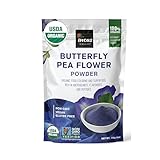
- 1 tsp organic Butterfly Pea Flower powder or 1 tbsp whole dried flowers
- 2 oz hot water (not boiling, roughly 190°F)
- 6 oz barista-grade milk (Oat milk or Coconut milk work best for a creamy texture)
- 1 tbsp maple syrup or Agave for sugar-free sweetening
- 1 cup standard ice cubes
- Pinch of edible dried cornflower petals (for garnishing)
Instructions
- Steeping the tea: Whisk the butterfly pea powder and hot water together in a small pitcher until fully dissolved and vibrantly blue.
- Sweetening: Stir in the maple syrup or agave until smoothly combined with the hot tea.
- Preparing the glass: Fill a tall, aesthetic ribbed glass to the brim with ice cubes.
- Pouring: Pour your sweetened blue tea over the ice, filling about one-third of the glass.
- Frothing: Using an electric whisk, cold-froth your oat milk in a separate vessel until it forms a thick, velvety microfoam.
- Layering: Slowly and gently pour the frothed milk over the back of a spoon directly onto the ice to create a stunning, distinct two-toned aesthetic.
- Garnishing: Sprinkle a delicate pinch of dried petals over the foamy top layer before serving.
Pro-Tip: Understanding the anthocyanins in butterfly pea is the secret to this drink. If you want to change your latte from pastel blue to a vibrant, whimsical purple, squeeze three drops of fresh lemon juice into the tea base before adding your milk. The acidity naturally alters the pH, triggering the color shift!
2. Pink Hibiscus Rose Latte (Ethereal Floral Elixir)

Save this stunning pink floral elixir to your ‘Morning Routine’ Pinterest board!
This fragrant and vibrant pink latte is a true floral elixir. The primary challenge when working with Hibiscus is its high acidity, which can instantly curdle dairy milk. This recipe tackles that pain point head-on, teaching you how to balance flavors and use the right type of plant-based milk to achieve a perfectly smooth, beautifully pastel-colored beverage every time.
Ingredients
- 1 tbsp organic dried Hibiscus flowers (cut and sifted)
- 1 tsp Dried rose petals (food grade)
- 3 oz boiling water (212°F)
- 5 oz Almond milk or Coconut milk (avoid soy or dairy to prevent curdling)
- 1 tbsp Honey or agave to balance the tartness
- 1/4 tsp pure vanilla extract
Instructions
- Infusing: Combine the dried hibiscus and rose petals in a mug and pour the boiling water over them.
- Steeping: Let the botanicals steep for exactly 5 minutes to achieve a vibrant magenta color without extracting bitter tannins.
- Straining: Remove the flowers using a fine mesh sieve, leaving only the concentrated pink tisane.
- Mixing: Stir the honey and vanilla extract into the hot tea until completely dissolved.
- Heating & Frothing: Warm your almond milk to 150°F. Use a milk frother to whip it until a thick, creamy foam develops.
- Pouring: Gently pour the frothed milk into the pink tea base, stirring slightly at the bottom to combine, letting the foam rise to the top for a pastel-colored finish.
- Styling: Garnish by carefully placing three whole dried rose petals in the center of the foam.
Pro-Tip: Because hibiscus is naturally highly acidic, pouring hot dairy milk into it will instantly cause the proteins to curdle. Relying on the hydrocolloids in plant milk (specifically coconut or heavy oat milk) ensures a perfectly smooth texture every single time.

3. Calming Lavender Chamomile Moon Milk (Pastel Sleep Ritual)

Save this calming sleep ritual recipe to your ‘Wellness & Self Care’ board!
This lavender chamomile moon milk aesthetic is the ultimate self-care ritual in a cup. It’s a soothing and aromatic wellness drink designed to promote relaxation as part of a caffeine-free + sleep routine. The focus here is on a gentle simmering process and careful steeping to extract the calming properties of the herbs without creating a bitter or soapy flavor.
Ingredients
- 1 chamomile tea bag or 1 tbsp loose Chamomile flowers
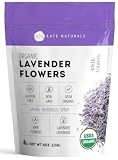
- 1/2 tsp culinary-grade Lavender buds (do not use aromatherapy lavender)
- 1/2 cup boiling water
- 1/2 cup Oat milk (or preferred plant-based drink)
- 1 tsp raw Honey
- Optional: 1/4 tsp organic butterfly pea powder to enhance the purple/blue hue naturally
- Optional: A pinch of Ashwagandha root powder (for added adaptogens)
Instructions
- Steeping: Place the chamomile and lavender buds in a mug and cover with boiling water. Steep for 4 minutes (steeping lavender too long causes a soapy, bitter tea flavor).
- Straining: Remove the tea bag or strain out the loose herbs completely.
- Simmering: In a small saucepan, gently warm the oat milk, honey, butterfly pea powder, and ashwagandha until steaming but not boiling.
- Whisking: Use an electric whisk directly in the saucepan to whip the milk until it becomes beautifully foamy and light purple.
- Blending: Pour the frothy botanical milk over your steeped tea base.
- Garnishing: Sprinkle exactly three loose lavender buds in the center of the foam to complete the minimalist aesthetic tea background look.
Pro-Tip: The secret to avoiding that infamous “soapy” lavender taste lies in understanding the terpene profile of lavender. Linalool extracts quickly in hot water; steeping lavender for any longer than 4-5 minutes will extract harsh, bitter tannins. Always set a timer!
4. Earthy Dandelion Chai Latte (Cozy Cottagecore Brew)

Pin this cozy cottagecore alternative to coffee to your ‘Fall Recipes’ board!
For those seeking a robust, earthy, and caffeine-free alternative to coffee, this dandelion chai latte is the perfect solution. Roasted Dandelion Root remarkably mimics coffee in its rich, deep flavor profile. This recipe focuses on an active simmering process with whole spices like Cinnamon sticks and Star anise to achieve a full-bodied brew that stands up beautifully to thick, cafe-style foam.
Ingredients
- 2 bags roasted dandelion root tea (or 1.5 tbsp loose roasted root)
- 1 whole Cinnamon stick
- 2 whole Star anise pods
- 3 whole cloves
- 4 oz boiling water
- 6 oz whole milk or extra-creamy Oat milk
- 1 tbsp maple syrup
Instructions
- Simmering: In a small pot, combine the water, dandelion root, cinnamon sticks, star anise, and cloves.
- Steeping: Bring to a rolling boil, then reduce heat and let it simmer aggressively for 8-10 minutes. Hard roots require more time and heat than delicate flowers for proper extraction.
- Straining: Pour the dark, robust infusion through a fine sieve into your favorite rustic, handcrafted mug.
- Sweetening: Stir the maple syrup into the hot, coffee-like base.
- Frothing: Heat your milk to 155°F and use a French press (pumping the plunger rapidly for 30 seconds) to create a thick, dense cafe-style foam.
- Pouring: Pour the milk over the dandelion base, holding back the foam with a spoon until the end, then spooning a thick layer of foam onto the top.
- Styling: Dust half of the foam with ground cinnamon to create a two-toned minimalist look, and rest a star anise pod on the foam.
Pro-Tip: Roasted dandelion root is the ultimate healthy alternative to espresso. Because roots are dense, maximizing your extraction yield requires an active rolling boil, not just pouring hot water over a tea bag. This draws out the deep, rich, coffee-like notes required for a true wellness latte.

5. Layered Matcha & Vanilla Oat Milk (Vibrant Clean Girl Aesthetic)

Save this vibrant layered matcha tutorial to your ‘Clean Girl Routine’ board!
This recipe is dedicated to perfecting the notoriously difficult layered iced Matcha latte. The focus is entirely on the technical execution needed to create those crisp, separate layers of vibrant green and stark white. We will tackle the most common issue of fixing grainy matcha by using a traditional sifting and whisking method, ensuring a smooth, clump-free morning brew.
Ingredients
- 1.5 tsp ceremonial grade Matcha powder (must be ceremonial grade for that vibrant neon green aesthetic)
- 2 oz warm water (175°F – never boiling)
- 6 oz Oat milk
- 1 tbsp vanilla syrup
- 1 cup large, clear ice cubes
- A bamboo whisk (chasen)
Instructions
- Sifting: Sift the matcha powder through a fine mesh strainer into a shallow bowl. This is the ultimate secret to fixing grainy matcha.
- Whisking: Pour the 175°F water over the powder. Using your bamboo whisk, whisk vigorously in a “W” or “M” motion for 30 seconds until a thick, bright green frothy layer of bubbles forms on top.
- Preparing: Fill your aesthetic glass completely to the top with ice.
- Mixing: Pour the oat milk and vanilla syrup over the ice, stirring gently to combine.
- Layering: To achieve the signature aesthetic drink recipes separation, slowly pour the whisked matcha directly over a single ice cube floating near the top. The temperature difference and density will keep the green layer suspended above the white milk.
- Serving: Serve immediately before the layers naturally begin to bleed into a pastel-colored light green.
Pro-Tip: The key to water temperature precision with matcha is never exceeding 175°F. Using boiling water instantly oxidizes the delicate tea powder, turning your beautifully vibrant green aesthetic into a dull, swampy yellow, while drawing out incredibly harsh, bitter flavors.

6. Spiced Rooibos Golden Milk (Warm Golden Hour Glow)

Pin this vibrant golden hour wellness drink to your ‘Healthy Habits’ board!
This recipe merges the wellness-focused herbal latte ideas of golden milk with the naturally sweet, earthy notes of Rooibos tea. The result is a deeply nourishing, brilliantly colored latte that glows like liquid gold. Beyond its visual appeal, this drink is designed for function, teaching you how to properly combine ingredients to maximize their health benefits.
Ingredients
- 1 tbsp loose-leaf Rooibos tea
- 1/2 tsp ground turmeric
- 1/4 tsp ground ginger
- A tiny pinch of black pepper (essential for absorption)
- 4 oz boiling water
- 6 oz Coconut milk (the fat is necessary for this wellness latte)
- 1 tbsp Honey
Instructions
- Steeping: Combine the Rooibos leaves, turmeric, ginger, and black pepper in a teapot or French press.
- Infusing: Pour the boiling water over the mixture and steep for 6-8 minutes. Rooibos has zero tannins, so you cannot over-steep it—longer steeping just means deeper flavor.
- Straining: Press or strain the dark red-gold liquid into your mug.
- Sweetening: Mix the honey into the hot tea base until fully dissolved to create a smooth liquid gold syrup.
- Heating & Frothing: Heat your coconut milk. Use a milk frother to whip it until a fine, glossy microfoam appears.
- Pouring: Pour the frothed milk into the spiced tea. The red tea and yellow spices will naturally blend with the white milk to create a stunning, vibrant sunflower-yellow aesthetic.
- Garnishing: Add a tiny sprinkle of turmeric powder and one star anise to the foam.
Pro-Tip: To maximize the bioavailability of herbs in this recipe, you must include the pinch of black pepper and use a high-fat milk like coconut. The piperine in the pepper and the lipids in the milk increase your body’s absorption of the turmeric’s curcumin by up to 2,000%, transforming this from just an aesthetic tea drink into a true powerhouse wellness drink.

7. Classic London Fog with a Botanical Twist (Dark Academia Vibe)

Pin this moody, dark academia tea latte to your ‘Fall Aesthetics’ board!
This recipe deconstructs the iconic cafe classic to answer the question, “what is a london fog drink?” and elevates it with a simple botanical twist. The focus here is on mastering the froth, explaining the microfoam chemistry required to create that signature thick, foggy cloud of steamed milk. Styled with a moody, dark academia vibe, this specialty tea latte is timelessly elegant.
Ingredients
- 1 high-quality Earl Grey tea bag (or 1 tbsp loose leaf)
- 1/2 tsp dried blue cornflowers (the botanical twist for visual appeal)
- 4 oz boiling water
- 6 oz whole milk or barista-grade Oat milk
- 1 tbsp vanilla syrup
Instructions
- Steeping: Combine the Earl Grey tea and dried cornflowers in a teapot. Pour boiling water over the leaves and steep for exactly 4 minutes.
- Straining: Remove the tea leaves promptly to avoid bitter tea flavors from over-extracted tannins.
- Sweetening: Pour the concentrated, dark amber tea into a vintage teacup and stir in the vanilla syrup.
- Heating: Warm your milk to exactly 140°F-150°F. If the milk gets too hot, the proteins denature, and it will not hold a foam.
- Frothing: Using a premium electric whisk or wand, froth the milk by keeping the whisk just below the surface to inject air, then plunging it deeper to create a whirlpool. This creates silky, tight steamed milk.
- Pouring: Hold back the foam with a spoon while pouring the liquid milk into the tea, then gently scoop a thick “cloud” of foam to rest elegantly on top of the dark liquid.
- Garnishing: Sprinkle a pinch of blue cornflowers over the stark white foam for a breathtaking, moody aesthetic.
Pro-Tip: The secret to the London Fog “cloud” aesthetic relies entirely on microfoam chemistry. If your foam looks like bubbly dish soap, you’ve incorporated too much air too quickly. You want a glossy, “wet-paint” texture, which is achieved by gently swirling the milk after frothing to pop large bubbles and integrate the foam with the liquid milk.

Key Takeaways: Your Quick Guide to the Herbal Tea Latte Aesthetic
- Steep Botanicals, Don’t Boil Them – Boiling delicate flowers destroys their aroma compounds and vibrant colors; steep them in hot (190°F) water to maintain a true botanical drink aesthetic.
- Use Barista-Grade Plant Milks for Foam – Standard almond or oat milk contains too much water; you need “barista edition” milks with added fats for proper emulsification of fats and stable, velvety latte art.
- Control Acidity to Prevent Curdling – Highly acidic teas like hibiscus will instantly curdle dairy; rely on the hydrocolloids in plant milk (like coconut or oat) for a flawlessly smooth texture.
- Sift Your Powders Before Whisking – The fastest way to ruin a visual aesthetic is with clumps; always sift powders (like matcha or butterfly pea) through a mesh strainer for fixing grainy matcha issues.
- Master the Density Pour for Layering – To create stunning, pastel-colored layers, always pour your lighter, frothed milk slowly over the back of a spoon onto ice, resting it atop the denser, sweetened tea base.
- Balance Visuals with Functional Wellness – Elevate your plant-based latte from just an internet trend to a functional wellness drink by pairing ingredients intelligently, like adding black pepper to turmeric to increase the bioavailability of herbs.
People Also Ask About Herbal Tea Lattes
How do you froth milk for tea?
To froth milk for a tea latte at home, heat your milk to exactly 140°F-150°F, then use an electric handheld whisk or a French press to rapidly incorporate air. If you use an electric whisk, keep the wand just beneath the surface for 5 seconds to create bubbles, then plunge it deeper to swirl the milk and break large bubbles into a glossy microfoam. For a French press, pour warm milk into the carafe and pump the plunger vigorously up and down for 30 seconds until the volume doubles into a thick, creamy foam.
What milk is best for tea lattes?
The best milks for tea lattes are barista-grade oat milk and whole dairy milk, as both contain the high fat and protein content required to create a stable, velvety microfoam. When making an aesthetic tea drink with acidic botanicals like hibiscus or fruit teas, oat or coconut milk are strictly preferred over dairy or soy to prevent curdling. Standard almond milk is often too watery and will result in a flat foam fix issue, dissolving quickly once poured into the hot tea.
Can you make a latte with chamomile tea?
Yes, you can make a highly soothing latte using chamomile tea, often referred to as a “Moon Milk” or sleepy tea latte. Because chamomile is a delicate tisane, you should steep 2 tea bags or a tablespoon of loose flowers in half a cup of water for 5 minutes to create a concentrated base. Mixing this strong, calming infusion with steamed oat milk and a touch of honey creates a caffeine-free latte that beautifully supports digestion and sleep routines.
How to make a tea latte colorful naturally?
To make a beautifully colored tea latte without artificial dyes, utilize highly pigmented botanical ingredients like butterfly pea flower (blue), hibiscus (pink), matcha (green), or turmeric (yellow). The secret to a vibrant aesthetic is brewing these botanicals with a small amount of water to create a hyper-concentrated “tea shot.” When this highly pigmented base is combined with bright white textured milk, it dilutes into stunning, pastel-colored floral elixirs perfect for photography.
Why is my tea latte bitter?
Your tea latte is likely bitter because the tea leaves or botanicals were steeped for too long, steeped in water that was too hot, or the tea-to-water ratio was incorrect. Barista techniques dictate that green teas and delicate herbs (like lavender) should never be steeped in boiling water or left for more than 3-4 minutes, as this burns the leaves and extracts harsh tannins. To avoid bitter tea, always use a timer, observe precise water temperatures, and remove the herbs promptly before adding your sweetened milk.
Is an herbal tea latte caffeine free?
Yes, a true herbal tea latte (made from tisanes like chamomile, rooibos, peppermint, or hibiscus) is naturally 100% caffeine-free. However, if you order a “tea latte” at a cafe without specifying “herbal,” you may receive a drink made with a true tea base from the Camellia sinensis plant, such as Matcha, Earl Grey, or traditional Chai, all of which contain significant caffeine. Always verify that the drink is a botanical latte made strictly from herbs if you are seeking a true caffeine-free aesthetic.
Can I use a French press for milk foam?
Yes, a French press is actually one of the most effective manual tools for creating thick, cafe-quality milk foam at home. Simply heat your milk on the stove or in the microwave until warm, pour it into the clean glass carafe of your French press, and aggressively pump the metal plunger up and down for 30 to 45 seconds. The fine mesh forces air into the fats of the milk, yielding a dense, foamy texture that rivals professional steam wands for homemade tea lattes.
How to get thick foam on tea?
Getting thick foam on tea requires using a milk with high fat and protein content, heating it to the correct temperature (150°F), and avoiding highly acidic tea bases. If you are struggling with a flat foam fix, ensure you are not using watery, low-fat plant milks. Furthermore, when you pour your frothed milk into the tea base, hold the thickest foam back with a spoon, pour the liquid milk first, and then deliberately scoop the heavy foam onto the top to ensure it sits beautifully on the surface.
What tools do I need for tea lattes?
To create cafe-quality aesthetic tea lattes at home, you need a fine mesh strainer, an electric handheld milk frother, a temperature-control kettle, and a clear glass or ceramic mug. While you can make a basic cuppa with just a mug and a spoon, achieving the visual appeal and distinct layered aesthetic of Pinterest-worthy drinks requires a tool to create microfoam chemistry (like the frother) and precise temperature control to maximize the extraction of your botanicals without burning them.
How to layer a tea latte?
To perfectly layer a tea latte, you must manipulate temperature and liquid density by pouring cold, frothed milk slowly over ice into a warm, sweetened tea base. The sugar in the tea base makes it heavier, while the microscopic air bubbles in the frothed milk make it lighter. By pouring the lighter milk gently over the back of a spoon directly onto an ice cube (which breaks the fall of the liquid), the milk will float perfectly on top of the tea, resulting in a distinct, two-toned drinkable art aesthetic.
Final Thoughts on the Herbal Tea Latte Aesthetic
Mastering the herbal tea latte aesthetic is about so much more than just making a pretty drink for social media; it is the perfect intersection of culinary science, botanical safety, and mindful beverage styling. By understanding how to properly extract delicate floral notes without drawing out bitter tannins, and learning the precise mechanics of texturing plant-based milks, you have elevated your morning routine from a rushed habit into a true artisan craft.
Whether you are whisking up a vibrant, layered iced matcha to start a busy workday, or slowly simmering a calming lavender moon milk as a grounding evening ritual, these aesthetic tea drinks offer a moment of intentional, creative joy in your kitchen. You now possess the foundational barista techniques required to troubleshoot flat foam, prevent curdling, and naturally color your beverages using nothing but the brilliant chemistry of nature.
The beauty of this homemade latte guide is that it serves as a foundation. Once you understand the rules of temperature and milk texturing, you can begin to experiment with your own botanical blends, syrups, and garnishes to create entirely new, signature visual masterpieces.
Which of these 7 beautiful recipes are you planning to brew and photograph first? Let me know your favorite aesthetic in the comments below, and happy brewing
Last update on 2026-08-27 / Affiliate links / Images from Amazon Product Advertising API
