

As an Amazon Associate CoffeeXplore.com earns from qualifying purchases.
Herbal Tea Journal Page: 7 Stunning Printables for 2026
Have you ever crafted the perfect blend, only to completely forget the ratio? Facing inconsistent brew quality and lost recipes is incredibly frustrating for home herbalists. A dedicated herbal tea journal page is the ultimate organizational solution for this exact chaos.
Herbal tea journal page: A structured printable PDF or physical notebook containing dedicated fields for botanical names, brew times, temperatures, and flavor profile wheels. By consistently logging these tea tasting notes, you easily track herbal infusion benefits, refine your complex recipes, and permanently eliminate inconsistent brew quality.
Drawing from professional botanical safety standards and proven traditional use, this guide provides structured methodologies for logging your sensory experiences. You will discover functional templates designed to elevate your daily tea ritual. Shift from chaotic notebooks to evidence-based apothecary tracking today.
Contents
show
How to Start a Herbal Tea Journal Page to Track Your Infusions
Moving away from a disorganized notebook requires a clear, actionable approach to herbal documentation. To start your tea tasting journal, you must understand the core variables that transform a simple cup of tea into a structured botanical study. A high-quality tea session log does more than just record flavors; it tracks the vital connections between your brewing methods and the resulting therapeutic benefits.
Whether you are working with delicate loose leaf tea (like dried green tea leaves) or robust medicinal tisanes, using a printable herb journal ensures you capture every critical detail. By establishing a foundational herbal tea documentation habit, you align your home practice with the precise standards used by a certified tea sommelier. Documenting the botanical name identifies medicinal plants accurately, preventing dangerous mix-ups while enhancing your overall aesthetic experience. Let’s explore how to implement this structured system immediately and build your own minimalist botanical tea journal.
7 Stunning Herbal Tea Journal Page Printables To Organize Your Recipes 2026
Finding the right aesthetic and functional layout is the secret to maintaining a consistent daily tea ritual. These carefully selected printable herbal tea recipe pages for binders bridge the gap between creative expression and scientific tracking. Instead of relying on memory, utilizing an aesthetic tea tasting notes PDF download empowers you to neatly catalog your evolving palate.
As a dedicated home herbalist, a structured home herbalist tea recipe logbook template allows you to accurately record and organize everything from simple morning tisanes to complex therapeutic blends. Choosing a printable PDF over a physical bound notebook gives you the incredible flexibility of a DIY Materia Medica journal, letting you add unlimited herb profiles and tea recipe cards over time. Here are seven exceptional formats to elevate your apothecary this year.
1. Record Daily Tea Tasting Notes with a Minimalist Log

Pin this minimalist journaling hack to your ‘Mindful Morning Routine’ board!
Embracing a minimalist layout is the perfect way to establish a consistent tea tasting journal for beginner herbalists. A clean, ink-friendly design utilizing grid style notes prevents the overwhelming feeling that often accompanies complex logging. When you conduct a sensory evaluation, the focus should remain entirely on the shifting aromas and the physical appearance of tea leaves.
By using specific tea tasting notes, you can easily record and evaluate the subtle nuances of each brew. A flavor profile wheel acts as a visual anchor, allowing you to plot tasting sheets with precise notes and ratings.
Supplies Needed
- A4 size template printed on heavyweight, ink-friendly design paper
- Premium refillable leather A4 binder to store your printable PDF downloads
- Loose leaf tea of your choice (e.g., high-grade oolong or fresh peppermint)
- A reliable steeping timer for consistency
- Quality fountain pen or fine-liner for smudge-free writing
Tasting Routine Steps
- Brew your chosen infusion using precise water temperatures.
- Evaluate the dry leaf + liquor appearance before the first sip.
- Record initial aromas on your tea tasting notes using the flavor profile wheel.
- Track the shifting flavors across multiple steeps.
- Categorize the tea with a final rating and note the date + location of the session.
What most guides miss: True organoleptic testing involves noting the astringency and tannins present on your palate. A minimalist tea log allows you to focus strictly on these sensory details without the distraction of cluttered graphics, helping you rapidly develop the palate of a tea sommelier.

2. Document Materia Medica Pages for Home Herbalists

Save this Materia Medica layout idea for your ‘DIY Herbalism’ board!
Expanding your practice beyond basic recipes requires a dedicated DIY Materia Medica journal for tea enthusiasts. Unlike standard recipe cards, a Materia medica tea page focuses on the pure botanical profile of the plant itself. Documenting the exact botanical name of herb and the specific parts of plant used is crucial for anyone studying to become a home apothecary.
You will use these botanical notepads to rigorously document and illustrate the plants you harvest. This methodical approach to identifying herbs ensures that you avoid dangerous misidentifications when working with medicinal plants or potent tinctures.
Supplies Needed
- Herbalist study notes templates with dedicated botanical fields
- High-quality glass apothecary herb storage jars with airtight bamboo lids
- Dried herbs sourced from reputable, organic suppliers
- Fine-tipped drawing pens for botanical + drawing sketches
- Reference books for verifying the botanical name of herb
Study Routine Steps
- Identify your selected herb using its exact Latin binomials to avoid dangerous mix-ups.
- Document the specific parts of plant used (e.g., roots, leaves, aerial parts).
- Illustrate the visual characteristics of the plant in your herb profile space.
- Record the herb’s native origins and your specific harvesting date.
- Store your thoroughly logged botanicals in glass jars away from direct sunlight.
Expert insight: A true home herbalist journal must include a section for botanical safety and contraindications. Even common herbs can interact with medications. Logging these safety precautions transforms your aesthetic tea log into a reliable, evidence-based apothecary reference.
3. Track Herbal Infusion Benefits and Wellness Goals

Pin this holistic health tracking method to your ‘Wellness Goals’ board!
Connecting your daily cup to your overarching wellness journey requires dedicated herbal tea health benefit tracking sheets. Many enthusiasts consume therapeutic infusions to improve sleep, digestion, or stress resilience, but fail to track or monitor the actual long-term outcomes of their habits.
By integrating a structured health progress log into your herbal remedy journal, you can meticulously chart how different plants impact your body. A well-maintained wellness log captures the intricate relationship between the dose + frequency of your tea and its resulting health + wellness effects, confirming the actual therapeutic properties of the essential oils within the leaf.
Supplies Needed
- Herbal tea health benefit tracking sheets printed in landscape orientation
- High-quality glass teapot with a removable stainless steel infuser for precise brewing
- Therapeutic infusions (e.g., chamomile, valerian, or ashwagandha)
- Digital scale for accurate dose calculation
- A dedicated wellness log section in your binder
Tracking Routine Steps
- Measure your exact herb quantities to establish a standardized dosage.
- Infuse your herbs and note the specific time of day you consume the tea.
- Record your baseline physical state (e.g., stress levels, digestion) prior to drinking.
- Track your physical and mental reactions over the next 2 to 4 hours.
- Compare entries over a week to evaluate long-term health + wellness improvements.
An often-overlooked strategy: When logging your wellness outcomes, categorize your herbs by their systemic actions. Note whether you are drinking nervines (to calm the nervous system), adaptogens (to build stress resilience), or carminatives (to aid digestion). This clinical observations approach turns a simple tea log into a powerful health tool.
4. Organize DIY Herbal Tea Blend Recipes & Ratios

Save this brilliant tea blending organization tip for your ‘DIY Tea Recipes’ board!
Perfecting a custom brew is deeply satisfying, making a herbal tea blend development journal an essential tool for any kitchen apothecary. Using blank tea recipe cards helps you document the exact tea blend composition so you can seamlessly recreate your favorite flavors without forgetting recipes entirely.
When you blend and sift your raw ingredients, having a dedicated tea recipe template ensures your hard work is safely documented in a robust recipe organizer. This structure helps you permanently log the delicate balance between bitter tisanes and sweet honey and sweeteners, optimizing your craft over time.
Tools Required
- Blank tea recipe cards or a structured tea recipe page layout
- Mini wooden measuring scoops specifically sized for loose herbs
- Precision digital kitchen scale for accurate weight ratios
- Stainless steel mixing bowl for blending ingredients
- Aesthetic tea log binder for recipe storage
Blending Steps
- Measure your base, supportive, and catalyst herbs using exact parts or gram weights.
- Sift the dried herbs gently in your bowl to ensure an even distribution of heavy roots and light petals.
- Blend the ingredients mindfully, noting the visual tea blend composition.
- Document the exact ratios, honey and sweeteners pairings, and sourcing information on your printable template.
- Store the finished blend in an airtight container, copying the recipe name onto the label.
What most guides miss: Always record your recipes in “parts” rather than exact cup measurements on your tea recipe template. This allows you to scale a successful single-cup recipe into a massive bulk batch seamlessly while protecting the delicate volatile oils from over-handling.

5. Create a Vintage Botanical Herb Journal Binder

Pin this stunning vintage binder DIY to your ‘Journaling Aesthetics’ board!
For those who deeply value artistry alongside their herbal studies, utilizing vintage botanical herb journal printable pages provides an incredibly satisfying sensory experience. Combining watercolor herb art with an aesthetic tea log transforms a simple notebook into a treasured family heirloom that makes documentation feel like a reward rather than a chore.
This visual approach allows you to creatively organize and label your records with nostalgic charm. When considering a physical notebook vs printable, utilizing a journal binding DIY approach with refillable binder pages ensures that your beautiful vintage botanical style log can expand indefinitely as you acquire more knowledge.
Materials Needed
- Vintage botanical herb journal printable pages downloaded in PDF format
- Premium vintage botanical scrapbook stickers to decorate page borders
- Heavyweight textured paper or cardstock for a premium feel
- Standard hole punch and a vintage-style ring binder
- Watercolor herb art prints to act as section dividers
Assembly Steps
- Print your digital download pages using the highest quality setting on your printer.
- Organize your printables by category (e.g., green teas, herbal infusions, Materia medica).
- Punch holes carefully to ensure your refillable binder pages align perfectly.
- Decorate the blank spaces or margins with your vintage botanical stickers.
- Label your dividers using elegant calligraphy or printed vintage tags.
Pro-Tip: When choosing between a physical notebook vs printable system, printables always win for long-term herbalists. As your herb stash log grows, a ring-bound system allows you to effortlessly insert new alphabetical vintage botanical style entries without running out of sequential pages.
6. Log Brew Time and Temperature for Loose Leaf Perfection

Pin this exact brewing record method to your ‘Perfect Cup of Tea’ board!
Mastering the extraction process relies heavily on meticulously tracking your precise brew time and temperature. The relationship between a specific steep + temperature variable and the resulting flavor profile in your glass teapot is profoundly scientific.
Writing down your exact steeping instructions allows you to continuously measure and refine how you steep each delicate leaf. Utilizing a dedicated steeping timer paired with a detailed brew record entirely solves the common problem of over-steeping herbs, ensuring you never ruin a premium batch of loose leaf tea again.
What You Need
- US Letter size printable steep log with dedicated metric fields
- Precision electric gooseneck kettle with variable temperature control
- Dedicated steeping timer (digital or sandglass)
- Loose leaf tea varieties with different oxidation levels
- Digital thermometer (if your kettle lacks temperature control)
Brewing Instructions
- Measure exactly 2 to 3 grams of tea leaves per 8 ounces of water.
- Heat your water to the exact temperature required (e.g., 175°F for delicate greens, 212°F for robust herbal tisanes).
- Steep the leaves while running your steeping timer meticulously.
- Record the exact brew time and temperature pairing on your brew record.
- Compare subsequent steeps, adjusting the time up by 30 seconds per infusion, and log the resulting changes in bitterness.
Expert insight: The reason tracking steep + temperature is so vital is due to polyphenols and tannins. Water that is too hot pulls these bitter compounds out rapidly, ruining a delicate tea. A meticulously kept brew record prevents you from making the same brewing mistakes twice.
7. Evaluate Therapeutic Infusions and Decoctions Safety

Save this vital herbal safety tracking method to your ‘Holistic Health’ board!
Advancing to potent root and bark preparations requires a meticulous herbal safety record. Understanding the profound difference in a decoction vs infusion is exactly what separates casual tea drinkers from certified, professional grade herbalists.
You must rigorously adhere to established safety precautions to properly evaluate and refine these highly concentrated liquids. Because decoctions alter the release of phytochemicals found in dense medicinal plants, tracking any adverse reactions or contraindications in your clinical observations is absolutely mandatory for your health and safety.
Supplies Needed
- Herbalist study notes focusing on a dedicated herbal safety record
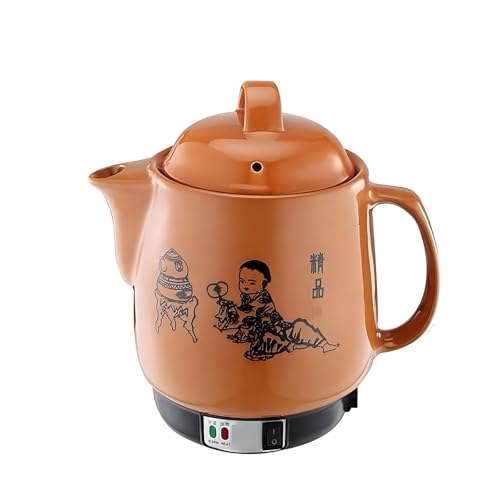
- High-quality ceramic herb simmering pot specifically designed for decoctions
- Dense medicinal plants (e.g., dried burdock root, ashwagandha, or medicinal mushrooms)
- A fine mesh stainless steel strainer
- Reference texts covering contraindications and botanical safety
Evaluation Steps
- Document any known contraindications or drug interactions on your printable PDF before beginning.
- Measure your hard roots or barks, noting the exact weight on your log.
- Decoct (simmer slowly) the dense materials in your ceramic pot for 20 to 45 minutes, unlike a standard quick infusion.
- Evaluate the highly concentrated liquid, noting changes in color, viscosity (presence of mucilage), and aroma.
- Refine your standardized dosage notes, recording how the powerful decoction made you feel compared to a standard steep.
Expert insight: Understanding decoction vs infusion is critical for a certified herbalist. While delicate leaves require a gentle water steep to preserve volatile oils, hard roots require prolonged simmering in a solvent (the menstruum) to break down cellular walls and release trapped phytochemicals and terpenes.
Key Takeaways: Your Quick Guide to Herbal Tea Journal Pages
Review these essential methodologies before you download and set up your new botanical tea journal. By mastering these core organizational concepts, you ensure your herbalist study notes remain a functional, accurate asset for years to come.
- Utilize Structured Templates for Consistency: Upgrading from a blank notebook to a dedicated printable herb journal ensures you never forget to log crucial variables like brew time and temperature and exact ingredient ratios.
-
Track the Botanical Name of Herbs: Always record exact Latin binomials on your Materia medica tea page to ensure botanical safety and prevent dangerous plant misidentifications.
-
Record Sensory Data with a Flavor Profile Wheel: Elevate your daily routine by conducting organoleptic testing; logging the aroma, astringency, and tannins of every steep creates a vivid flavor memory.
-
Monitor Long-Term Health + Wellness: Use a wellness log to track your body’s response to nervines and adaptogens, transforming a casual hobby into an evidence-based herbal infusion benefits tracker.
-
Protect Volatile Oils with Proper Ratios: Document your tea blend composition in “parts” rather than strict volumes to easily scale up successful recipes while preventing inconsistent brew quality.
-
Master Decoction vs Infusion Methods: Use your tea session record to note the difference between gently steeping delicate leaves and aggressively simmering hard roots to extract maximum phytochemicals.
-
Create an Aesthetic, Expandable System: Utilizing refillable binder pages with watercolor herb art creates an organized aesthetic tea log that can grow infinitely as your herb stash log expands.
People Also Ask About Herbal Tea Journal Pages
Before committing to a specific layout or digital download, you likely have specific questions about formatting and botanical terminology. This section directly addresses the most common uncertainties regarding tea journaling mechanics, ensuring you select the perfect system to confidently organize your holistic journey.
How do I start a tea journal?
To start a tea journal, download a structured printable PDF template, place it in a refillable ring binder, and begin logging the name, brew time, and flavor notes of the very next tea you drink.
Don’t overcomplicate the process by trying to backdate old recipes. Start fresh with a basic tea session log. As your confidence grows, you can expand your binder to include complex herbal tea recipes and a dedicated Materia medica tea page. The key is consistent tea tasting notes.
What should be included in a tea tasting log?
A professional tea tasting log should always include the tea’s name, botanical origins, exact brew time and temperature, water-to-leaf ratio, and a dedicated space for a sensory evaluation.
Additionally, tracking the harvesting date and sourcing information helps identify why certain batches taste better than others. Many enthusiasts also include a flavor profile wheel to accurately chart the appearance of tea leaves, aroma, and the evolving taste across multiple infusions.
What is a Materia Medica journal page?
A Materia Medica journal page is a specialized botanical record used by herbalists to document the scientific properties, safety precautions, and therapeutic uses of specific medicinal plants.
Unlike a standard tea recipe card, this page focuses purely on the herb itself. It requires you to log the botanical name of herb, the parts of plant used, active phytochemicals, and crucial contraindications. It is the foundation of any safe, evidence-based apothecary practice.
How to describe the flavor of herbal tea?
To describe the flavor of herbal tea accurately, use a flavor profile wheel to categorize the taste into primary notes like earthy, floral, herbaceous, sweet, or astringent.
Move beyond “good” or “bad” by utilizing specific tea tasting descriptors. Note the astringency (the dry mouthfeel caused by tannins), the body (light or heavy), and the finish (how long the flavor lingers). Pairing these notes with your steeping instructions helps refine your palate over time.
Where can I find printable tea journal pages?
You can find high-quality printable tea journal pages as digital downloads on platforms like Etsy, specialized tea blogs, or digital stationery shops that offer A4 and US Letter size templates.
When searching, use terms like “aesthetic tea tasting notes PDF download” or “vintage botanical herb journal printable pages” to find designs that match your aesthetic. Ensure the files are high resolution (300dpi) so that hand-drawn illustrations print clearly for your aesthetic tea log.
How to organize herbal tea recipes?
The best way to organize herbal tea recipes is by categorizing them into sections based on their therapeutic purpose (e.g., sleep, digestion, energy) within a physical ring binder.
Using refillable binder pages solves the problem of organizing loose leaf recipes. Always write your recipes in “parts” rather than measurements to ensure easy scaling. Keep a master index at the front of your recipe organizer to prevent forgetting recipes you’ve perfected.
Can I use a bullet journal for tea tasting?
Yes, you can use a bullet journal for tea tasting by drawing grid-style notes and customized layouts, though it requires significantly more setup time than using a pre-made printable template.
While a bullet journal tea layout offers ultimate creative freedom, drawing a new tea recipe page layout for every tasting session can lead to burnout. Many enthusiasts prefer a hybrid approach: using a bullet journal for daily tasks but relying on printable PDF sheets for consistent herbal tea documentation.
What is the difference between a tea log and a tea journal?
A tea log is a strict, metric-based record of brewing variables like time, temperature, and ratings, while a tea journal is a broader, more reflective space that includes mindfulness thoughts, deep tasting notes, and Materia Medica studies.
Think of a steep log as the raw data you collect to prevent inconsistent brew quality. The botanical tea journal is the overarching ecosystem where that data lives alongside your watercolor herb art, herbal tea recipes, and overarching health + wellness tracking.
How do you track caffeine sensitivity in a journal?
Track caffeine sensitivity by logging the exact time of consumption, the type of tea (e.g., green, black, or herbal), the steeping duration, and your physical reactions over the following 6 hours.
Use your wellness log to note symptoms like jitters, heart rate changes, or sleep disruptions. Remember that heavily oxidized teas generally extract caffeine faster. Documenting these reactions is a vital part of your herbal safety record and helps you establish a personalized standardized dosage.
How to store tea journal pages?
Store your tea journal pages in a high-quality, physical ring binder kept in a cool, dry place away from direct sunlight, preferably near your tea brewing station for easy access.
Because ink-friendly design printables and watercolor herb art can fade, keeping them closed in a binder protects the archival quality. A binder also solves the recipe storage issue by allowing you to easily add, remove, or reorganize your infusion tracking page entries without destroying a bound spine.
Final Thoughts on Crafting Your Herbal Tea Journal
Creating a dedicated herbal tea journal page system is about much more than just putting pen to paper; it is a profound commitment to mindful living and botanical safety. By shifting from disorganized scribbles to a beautifully structured botanical tea journal, you empower yourself to evaluate your ingredients critically, track health outcomes accurately, and organize your recipes permanently.
A meticulously maintained tea session record acts as your personal apothecary timeline. It captures your progression from a beginner struggling with inconsistent brew quality into a confident practitioner who fully understands the art and science of extraction. Are you ready to stop guessing and start recording? Download a printable template, steep your favorite blend, and log your very first professional entry today.
Last update on 2026-08-17 / Affiliate links / Images from Amazon Product Advertising API
