
As an Amazon Associate CoffeeXplore.com earns from qualifying purchases.
Herbal Tea Product Photography: 7 Stunning Ideas for 2026
Capturing the sensory experience of a hot botanical infusion is incredibly challenging. Flat lighting easily destroys the warmth of the brew, leaving you with dull colors. Unwanted reflections can completely ruin your herbal tea product photography efforts.
To master herbal tea product photography, combine cinematic backlighting to highlight liquid transparency, use macro lenses to showcase organic botanical textures, and capture authentic steam to evoke warmth. Start by stabilizing your camera and using a polarizing filter to remove reflections.
Drawing from commercial experience, this guide breaks down verified industry standards for beverage styling. You will discover exactly how to professionally style and shoot your products. Learn advanced visual storytelling techniques that elevate brand identity and drive massive e-commerce sales.
Contents
show
7 Stunning Herbal Tea Product Photography Ideas To Capture This 2026
Transitioning your imagery from basic flat lays to compelling commercial art requires mastering both technical camera settings and creative styling nuances. Whether you are photographing a commercial tea shoot setup, exploring unique teaware like ceramic mugs and wooden tea trays, or highlighting raw botanicals such as dried lavender and chamomile flowers, every element serves a specific purpose. Your chosen props define the brand’s aesthetic, your focal point highlights the core product, and your overall composition guides the viewer’s eye exactly where you want it to land.
By applying these seven targeted tea product shoot ideas, you will learn how to overcome common pain points like flat lighting and unwanted reflections. This comprehensive tea photography guide provides actionable tea styling tips to help you understand exactly how to photograph tea like a professional. From moody apothecary styling to capturing pristine ecommerce tea photos, these setups are designed to establish visual authority and elevate your entire wellness portfolio in October 2026.
1. Capture Authentic Steam Using Cinematic Rim Lighting

Pin this steam photography hack to your ‘Studio Lighting Ideas’ board for your next shoot!
Capturing authentic steam requires backlighting the hot water vapor against a dark background in a cold room environment. Front lighting destroys steam visibility entirely, while placing a continuous strobe behind the glass mug perfectly emphasizes the delicate texture and transparency of the rising vapor.
Learning how to capture steam in tea photography is one of the most vital skills for a beverage photographer because visible heat immediately communicates freshness and aroma. If you struggle with steaming hot tea disappearing the moment you press the shutter, you must evaluate your light placement. By utilizing rim lighting for steam, you not only highlight the water vapor but also beautifully trace the edges of the glassware. To successfully fix lighting issues and capture that perfect, comforting plume, you need precision control over your studio environment.
Equipment & Props Needed
- High-quality glass mugs with excellent clarity to showcase the botanical infusion
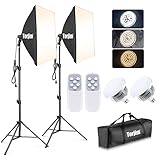
- Continuous LED video light or strobe with a snoot attachment
- Black foam core boards for negative fill to reduce noise and deepen shadows
- A dark backdrop (slate or dark wood) to provide contrast against the white steam
- Boiling water and a staging kettle for precise pouring
Step-by-Step Directions
- Set up your dark backdrop and position your glass mug slightly forward to create depth.
- Position your continuous light source directly behind and slightly above the mug, pointing toward the camera lens to create a strong rim light.
- Diffuse the light slightly so it doesn’t blow out the highlights on the glass rim.
- Block any ambient front light using black foam core boards so the background remains dark.
- Brew your tea to a rolling boil—the hotter the water, the more vigorous the steam.
- Capture rapidly using a high shutter speed (at least 1/200th of a second) to freeze the intricate swirls of the steam as it rises.
Pro-Tip: In my experience as a commercial beverage photographer, utilizing rim lighting for steam is only half the battle. To maximize the effect, drop the ambient temperature of your studio as low as possible before shooting; the extreme temperature difference between the boiling tea and the cold air creates a dramatically thicker, more photogenic plume.
2. Style Macro Shots of Loose Leaf Botanical Textures

Save this macro styling inspiration to your ‘Product Photography Textures’ board!
To style stunning macro shots of loose leaf botanical textures, utilize a dedicated macro lens and implement focus stacking techniques during editing. This process guarantees that every single petal, bud, and dried leaf remains perfectly sharp, highlighting premium quality without the severe blurring caused by a naturally shallow depth of field.
Transitioning from full scene setups to intimate macro tea photography allows you to showcase the raw ingredients that make the product special. When styling loose leaf tea styling setups, the goal is to arrange the small botanical elements appealingly without looking messy or chaotic. By isolating these organic tea textures, you reveal the crisp tea details that reassure customers of the blend’s high quality. Implementing advanced techniques like focus stacking for macro ensures your resulting images look incredibly sharp and professionally executed.
Equipment & Props Needed
- A dedicated 90mm or 100mm macro lens (or macro extension tubes for your current lens)
- Precision styling tweezers for arranging dried lavender and chamomile flowers
- A sturdy, heavy-duty tripod to completely stabilize camera shake
- Reflector cards to bounce light into the tiny crevices of the loose leaf blend
- Natural slate or matte ceramic plates to prevent glare beneath the herbs
Step-by-Step Directions
- Arrange a small mound of your herbal blend on a non-reflective surface, using tweezers to pull the most colorful, intact flowers and leaves to the top.
- Position your camera perfectly parallel to the surface if doing a flat lay, or at a dramatic 45-degree angle.
- Light the scene from the side using a diffused strobe to emphasize the tiny shadows and organic tea textures.
- Focus on the closest edge of the tea blend using manual focus.
- Capture a sequence of images, slowly shifting your focal point backward by a millimeter for each shot.
- Edit and blend these images together in Photoshop using a focus stacking algorithm to achieve impossible edge-to-edge crisp tea details.
Pro-Tip: Utilizing focus stacking for macro shots is non-negotiable for high-end tea packaging design photography. A single macro shot at f/2.8 will leave 90% of your beautiful botanical blend blurred, but blending 10-15 shots ensures every single petal and leaf communicates premium quality to the consumer.

3. Create Transparent Glass Teapot Pours

Pin this gorgeous glass pouring technique to remember these lighting tips!
Creating transparent glass teapot pours requires bouncing light directly through the liquid using sub-surface scattering while actively managing glare with a polarizing filter. This technical setup highlights the vibrant color of the infusion while eliminating the distracting bright spots that normally reflect off curved glassware.
Knowing how to avoid reflections in glass teapots is often what separates amateur portfolios from commercial-grade imagery. When comparing glass vs ceramic teaware photos, glass presents a unique challenge because it acts like a curved mirror for every light source in your studio. By mastering sub-surface scattering in liquids, you can push illumination through the back of the vessel to make those vibrant herbal colors glow from within. You must take the time to meticulously clean up glass before shooting, as high-resolution cameras will capture every tiny smudge.
Equipment & Props Needed
- Glass teapots and double-walled glass cups to showcase the vibrant herbal colors
- A circular polarizing filter attached to your camera lens
- Large white diffusion panels or sheer white curtains
- White bounce cards to push light through the liquid
- Microfiber cloths to meticulously clean up glass smudges before shooting
Step-by-Step Directions
- Prepare your glass props by polishing them with a microfiber cloth—the camera will pick up every single fingerprint.
- Position your main light source behind a large diffusion panel to the side of the teapot. You want a massive, soft light source to create smooth, elegant reflection gradients rather than harsh, jagged hot spots.
- Place a white bounce card directly behind the teapot, out of frame. This bounces light forward through the tea, making it glow from within.
- Attach your polarizing filter and slowly rotate it while looking through the viewfinder to selectively dial down distracting surface glare.
- Pour the hot water over the herbs in the teapot, maintaining a steady, elegant stream.
- Capture the moment the color begins to bleed into the water, using a fast shutter speed to freeze the motion of the pour.
Pro-Tip: Mastering polarizing filters for glass is essential, but the real secret to beverage photography is sub-surface scattering in liquids. By placing a hidden silver or white reflector directly behind your liquid subject, the light bounces back through the tea, dramatically enhancing its saturation and making it look incredibly appetizing.

4. Design Moody Apothecary Flat Lays

Love this dark and moody aesthetic? Save it to your ‘Creative Flat Lays’ board!
Designing moody apothecary flat lays involves pairing rustic textural props with deep, directional shadows to establish a compelling visual hierarchy. Rather than flooding the scene with light, restricting your illumination to one side creates a cozy, traditional wellness atmosphere that draws the eye directly to the main product.
Capitalizing on the wellness trend often means producing moody tea photos that suggest ancient remedies and earthy comfort. Through careful rustic tea styling, you can arrange elements like herbal medicine books and scattered ingredients to curate a scene rather than clutter it. When choosing between dark vs light tea styling, the apothecary aesthetic relies heavily on those long, dramatic shadows to provide depth to an otherwise two-dimensional top-down photograph.
Equipment & Props Needed
- A deeply textured background (like distressed wood or dark slate)
- Vintage props: cast iron kettles, brass spoons, and small apothecary jars
- Textural elements: wooden tea trays, slightly wrinkled linen napkins, and open herbal medicine books
- Raw ingredients: star anise, cinnamon sticks, and dried citrus slices
- A C-stand with an extension arm to safely suspend your camera overhead
Step-by-Step Directions
- Set up your dark, textured background directly under your overhead camera rig, ensuring the camera is perfectly level to prevent perspective distortion.
- Arrange your primary subject (the finished cup of tea or the main packaging) along one of the intersecting lines of the rule of thirds.
- Organize your supporting props—like honey dippers and scattered herbs—so they create leading lines that point the viewer’s eye back to the main subject.
- Light the flat lay strictly from one side (a 9-o’clock or 3-o’clock position) using a heavily gridded softbox. This creates long, dramatic directional shadows that provide incredible depth.
- Balance the dark shadows slightly by bringing in a black reflector card on the opposite side to deepen the mood without losing complete detail.
- Capture the image, ensuring you use a smaller aperture (f/8 or higher) so both the tall props and flat background remain in sharp focus.
Pro-Tip: The secret to an apothecary aesthetic flat lay isn’t just throwing herbs on a table; it requires a strict visual hierarchy in product shots. Let your main product command 40% of the visual weight, use medium props (like the teapot) for 30%, and sprinkle tiny, textural elements (like loose chamomile) for the remaining 30% to avoid chaotic clutter.

5. Showcase E-Commerce Packaging Alongside Raw Ingredients

Pin this brilliant packaging layout for your next commercial brand shoot!
Showcasing luxurious tea packaging requires strict color calibration testing and incredibly even, diffused lighting to accurately represent the brand visuals. By elegantly pairing the exterior bags with a stylistic arrangement of the internal raw botanicals, you bridge the gap between plain e-commerce catalog work and high-end commercial art.
Understanding how to photograph tea packaging correctly is vital for driving online sales. Customers need to trust the tea brand visuals they see on a screen. Photographing luxurious tea packaging—or even matte eco-friendly packaging—often results in unwanted glare on glossy labels. Utilizing proper color calibration tools ensures that the product arriving at the customer’s door perfectly matches the vibrance they saw on your website.
Equipment & Props Needed
- The luxurious tea packaging (ensure you have empty, perfectly pristine dummy boxes/bags with no dents)
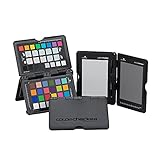
- A color calibration checker passport for exact color calibration
- Acrylic styling blocks to elevate the packaging and create dynamic levels
- Fresh, unblemished raw ingredients that match the tea blend perfectly
- Blue tack or double-sided tape to force bags to stand up straight
Step-by-Step Directions
- Prepare your product by stuffing flexible pouches with cotton balls or paper to give them a plump, flawless shape without the lumps of actual tea bags.
- Position your packaging on an acrylic block, and artfully arrange the corresponding raw ingredients (like a swoop of matcha or a pile of dried berries) at the base.
- Light the scene evenly using two large softboxes at 45-degree angles to completely fix lighting hot spots on glossy tea labels.
- Place your color checker in the frame for a test shot to ensure exact brand color replication in post-production.
- Frame the shot straight-on, maintaining perfect vertical lines so the packaging doesn’t look distorted or warped.
- Edit the final images using a strict raw processing workflow, correcting the white balance based on your test shot and using spot-healing tools to remove any dust on the packaging.
Pro-Tip: When shooting for e-commerce marketing, brand color accuracy is vital. Always utilize a raw processing workflow paired with a physical color calibration chart in your first test shot. Furthermore, master frequency separation in retouching to smooth out minor dents or wrinkles in the packaging without destroying the underlying paper texture.
6. Highlight Splash and Liquid Motion

Save this high-speed splash technique for your next energetic brand campaign!
Highlighting dynamic splash and liquid motion requires utilizing high-speed sync strobes with incredibly short flash durations to perfectly freeze flying droplets. This technical setup ensures that every bead of water remains razor-sharp, creating high-energy, thirst-quenching imagery perfect for advertising campaigns.
Executing a flawless commercial beverage shoot that features action requires precision timing. When learning how to photograph iced herbal tea, beginners often assume camera shutter speed alone will freeze the action. However, mastering the correct shutter speed for liquid splashes alongside strobe output is essential to prevent motion blur. This highly dynamic approach frequently incorporates a high dynamic range for white cups and bright backgrounds to communicate an immediate sense of refreshing coolness.
Equipment & Props Needed
- Ceramic mugs or heavy glass tumblers that won’t tip over upon impact
- High-speed sync (HSS) capable strobe lights
- A waterproof surface and plenty of towels
- A heavy duty tripod with a remote shutter release cable
- Acrylic “ice cubes” (fake ice won’t melt or cloud the tea during a long shoot)
- Fresh lemon slices and mint for garnish
Step-by-Step Directions
- Set up your cup on a waterproof surface, pre-focus the camera exactly on the rim of the cup, and switch your lens to manual focus to lock it in.
- Adjust your strobe settings. You are relying on flash duration, not just shutter speed, to freeze the motion. Aim for a flash duration of at least 1/4000th of a second.
- Dial in your camera settings. Use your camera’s maximum sync speed (usually 1/200s or 1/250s) with an aperture around f/8 to ensure the entire splash stays in focus.
- Prepare your dropping object (a lemon slice or an acrylic ice cube).
- Coordinate the drop. Release the object and hit the remote shutter simultaneously. This requires practice and timing.
- Composite the final image. You will likely need to merge the best splash from one photo with the best hero cup from another to create the perfect commercial beverage shoot image.
Pro-Tip: When calculating the shutter speed for liquid splashes, remember that your strobe’s t.1 flash duration is what actually freezes the water. If you only use natural light, you will need an incredibly bright environment to achieve a 1/2000s shutter speed without cranking your ISO and ruining the image with grain.

7. Build a Bright and Airy Lifestyle Morning Ritual

Create the ultimate cozy morning vibe—pin this lifestyle setup for inspiration!
Building a bright and airy lifestyle morning ritual setup involves diffusing natural window light to wrap softly around textural props like linen napkins and porcelain cups. This aspirational approach creates highly shareable social media imagery that connects the tea product to a desirable, calming consumer lifestyle.
To master bright and airy tea photography, you must shift your focus from studio technicalities to lifestyle storytelling. Successful lifestyle tea photography dictates how to style tea for instagram by prioritizing the environment and human connection. When evaluating natural light vs studio light for tea, daylight modified correctly produces an authentic softness that perfectly captures the daily tea ritual aesthetic.
Equipment & Props Needed
- Porcelain tea cups or modern ceramic mugs in neutral colors
- Soft, textural lifestyle props: linen napkins, open books, or chunky knit blankets
- A large 5-in-1 photography reflector/diffuser disc
- A sturdy step-stool or C-stand to hold the diffuser over the window
- A human element (a hand holding the cup or reading the book) to complete the tea ritual
Step-by-Step Directions
- Set up your scene right next to a large window during the morning or late afternoon when the light is brightest but indirect.
- Style your scene to look naturally “undone.” Drape the linen napkin casually rather than folding it perfectly; leave a spoon resting on the saucer.
- Diffuse the window light. Hang the translucent core of your 5-in-1 reflector over the window to turn harsh sunlight into a giant, soft bright and airy light source.
- Balance the shadows by placing the white reflective side of your disc on the opposite side of the tea setup, bouncing soft light back into the darker side of the cup.
- Frame the shot wider than you normally would for product photography. You are selling the wellness environment just as much as the tea itself.
- Capture the moment with a slightly wider aperture (f/2.8 or f/4) to blur the background slightly, drawing the eye to the tea while keeping the lifestyle context soft and dreamy.
Pro-Tip: When choosing between natural light vs studio light for tea, lifestyle imagery almost always benefits from natural sunlight. However, to maintain a professional look, you must control the softbox diffusion ratios. Never let raw sunlight hit the teacup directly; always place a 1-stop or 2-stop diffusion silk between the window and your set to achieve that luxurious, creamy aesthetic.

Key Takeaways: Your Quick Guide to Herbal Tea Product Photography
Whether you are shooting for a global campaign or building a local portfolio, applying these technical standards guarantees elevated results. Professional commercial tea photography goes far beyond pointing a camera at a mug; it requires a deep understanding of lighting physics, beverage styling, and meticulous post-production editing. By keeping these core principles in mind, you can consistently produce professional tea photos that align perfectly with top-tier tea brand photography standards.
Key Takeaways:
- Master Backlighting for Steam and Liquids: – Never front-light a hot beverage. Utilize continuous rim lighting from behind to illuminate steam vapor and push light through the liquid via sub-surface scattering in liquids to enhance vibrancy.
-
Eradicate Glare with Polarizing Filters: – Eliminate unwanted reflections on glass teapots and glossy packaging by shooting with a circular polarizing filter and heavily diffusing your light sources.
-
Utilize Focus Stacking for Botanicals: – When shooting macro textures of loose leaf tea, shoot multiple frames at varying focal points and blend them in post to achieve impossible edge-to-edge sharpness.
-
Establish Visual Hierarchy in Flat Lays: – Prevent your aesthetic herbal tea setups from looking cluttered by ensuring the primary product holds 40% of the visual weight, supported by carefully placed leading lines of props.
-
Demand Color Accuracy for E-commerce: – Always use a physical color checker in your first test frame to ensure your raw processing workflow yields 100% accurate brand colors for online packaging catalogs.
-
Calculate Flash Duration for Splashes: – When capturing high-speed liquid motion, rely on your strobe’s flash duration (t.1 time) rather than just your camera’s shutter speed to freeze droplets without blur.
-
Control Natural Light for Lifestyle: – To achieve the coveted bright and airy tea photography look, never use direct sunlight. Always place a diffusion silk between the window and your setup to wrap the scene in soft, even light.
FAQs About Herbal Tea Product Photography
Addressing lingering technical questions is crucial for mastering beverage styling. From capturing elusive steam to managing difficult glass surfaces, these industry-standard answers resolve the most common challenges faced during botanical product shoots.
How to photograph herbal tea to make it look appealing?
To make herbal tea look appealing in photos, you must highlight its three main sensory elements: warmth, color, and organic texture. Use backlighting to illuminate the rising steam, place a hidden silver reflector behind the cup to make the liquid glow, and surround the beverage with fresh, high-quality raw ingredients that communicate its flavor profile.
Professional food styling dictates that the environment must match the blend. A soothing chamomile tea benefits from a bright, soft, airy aesthetic with linen napkins, while a spicy chai or dark berry tisane looks richer when surrounded by dark woods and moody, cinematic lighting.
What is the best lighting for tea photography?
The absolute best lighting for tea photography is diffused, directional backlighting or side-backlighting. Front lighting flattens the image, ruins the transparency of the liquid, and completely hides any rising steam. By placing your light source behind the teacup at a 10 o’clock or 2 o’clock angle, you highlight the rim of the cup and illuminate the water vapor.
Whether you are comparing natural light vs studio light for tea, the angle matters most. If using a window, position your table so the window is behind the set. If using strobes, ensure you use a large softbox to soften the specular highlights on glossy ceramics.
How do you capture steam in tea photography?
To capture vivid steam in tea photography, you need three elements: boiling water, a cold room environment, and a strong, snooted backlight pointing directly at the vapor. The steam will only show up clearly if it is lit from behind and set against a relatively dark, contrasting background.
Many beginners struggle with no steam appearing in their shots because their studio is too warm or their background is pure white. If the natural steam dissipates too quickly, professionals often use handheld clothing steamers hidden just out of frame to pump continuous, thick vapor into the scene during the exposure.
What props are best for herbal tea photography?
The best props for herbal tea photography include items that communicate the brand’s aesthetic while hinting at the flavor profile. Essential props include clear glass or matte ceramic teapots, wooden honey dippers, vintage brass spoons, scattered raw botanicals, linen napkins, and rustic serving trays.
When selecting props, ensure they do not overpower the main subject. A highly reflective, brightly colored spoon will draw the eye away from the tea. Instead, stick to matte finishes, natural earth tones, and textures that complement the botanical infusion rather than competing with it.
How to avoid reflections in glass teapots during a shoot?
To avoid unwanted reflections in glass teapots, you must use a circular polarizing filter on your camera lens and eliminate all ambient light in your studio. Instead of pointing lights directly at the glass, bounce your light off large white panels so the glass reflects a smooth, pleasing gradient rather than harsh light bulbs.
You can also use black foam core boards strategically placed around the camera to block reflections of the room (or the photographer) from appearing on the rounded glass surface. Clean up glass meticulously with a microfiber cloth before shooting, as glare will highlight every single fingerprint.
How to show tea ingredients in a product photo effectively?
To effectively show tea ingredients, utilize a macro lens to capture extreme close-ups of the dried herbs, or style a dynamic “spill” of the loose leaf blend leading toward the finished cup. This visual connection tells the consumer exactly what is inside the liquid infusion.
For an elevated look, consider suspending the ingredients. You can shoot raw ingredients falling into the cup using a high shutter speed, or use acrylic styling blocks to levitate the ingredients next to the packaging, creating a modern, high-end commercial aesthetic.
What camera settings are best for macro tea photography?
For crisp macro tea photography, set your camera to manual mode, use an aperture of f/8 to f/11 for maximum depth of field, set your ISO as low as possible (100 or 200) to prevent grain, and use a tripod to completely eliminate camera shake.
Because you are working so close to the subject, the depth of field becomes incredibly shallow. If an aperture of f/11 still leaves parts of your loose leaf tea blurry, you must utilize the advanced technique of focus stacking—taking multiple shots at different focal points and blending them in post-production.
How to create a moody tea aesthetic?
To create a moody tea aesthetic, use dark, textured backgrounds like slate or distressed wood, and employ “low-key” lighting by using a single, heavily gridded light source. This restricts the light from spilling everywhere, creating deep, dramatic shadows that evoke a cozy, rustic apothecary vibe.
Block ambient light using black “negative fill” boards around your setup. The contrast between the dark, heavy shadows and the glowing, backlit amber liquid of the tea will create incredibly striking moody lifestyle tea photography for wellness brands.
Is natural light better for tea photography than studio lighting?
Natural light is excellent for bright, relatable lifestyle tea photography, but studio lighting is far superior for commercial e-commerce packaging and high-speed splash photography. Studio strobes provide the ultimate control over color consistency, flash duration, and exact light placement.
Natural light changes constantly, causing shifts in white balance that can ruin a catalog shoot where the tea brand visuals must perfectly match across 50 different products. However, for a social media influencer capturing a morning wellness routine, diffused window light provides the most authentic aesthetic.
How to photograph tea bags professionally?
To photograph tea bags professionally, never shoot them flat and limp. Plump the tea bags slightly to give them dimension, ensure the string and branded tag are elegantly draped, and use side-lighting to highlight the texture of the mesh or paper material against a clean background.
If you are shooting for a clean e-commerce look, stand the tea bag up using a hidden piece of blue tack behind it, and place a subtle dusting of the raw ingredients next to it to add visual interest to the otherwise simple product.
Final Thoughts on Herbal Tea Product Photography
Mastering herbal tea product photography is ultimately an exercise in translating a deeply sensory, aromatic experience into a two-dimensional visual medium. By implementing the advanced techniques detailed in this guide—from harnessing the power of backlighting to capture authentic steam, to utilizing polarizing filters to eliminate frustrating glass glare—you are now equipped to produce imagery that truly sells the warmth and wellness of your botanical blends.
Remember that professional food styling and commercial beverage photography require meticulous patience. The difference between an amateur snapshot and high-end tea brand visuals often comes down to the smallest details: an adjusted reflector card to create sub-surface scattering, a carefully arranged swoop of raw ingredients, or the implementation of a strict color calibration workflow for your ecommerce tea photos.
As you step into your studio to apply these strategies, focus on the visual storytelling of your specific brand. Are you an earthy, moody apothecary brand, or a bright, energizing morning wellness company? Let your lighting and prop choices be driven by that identity. Take your time, experiment with your diffusion ratios, and don’t be afraid to make a mess while practicing those high-speed splashes.
Which of these 7 styling setups are you most excited to try for your next photoshoot? Are you going to brave the dark and moody aesthetic, or tackle the technical challenge of focus stacking your loose leaf botanicals? Let me know in the comments below!
Last update on 2026-10-24 / Affiliate links / Images from Amazon Product Advertising API
