

As an Amazon Associate CoffeeXplore.com earns from qualifying purchases.
Herbal Tea Sticker Design: 11 Stunning Pouch Ideas 2026
Are you struggling to create a budget-friendly design that looks retail-ready? Paper labels often smudge and look cheap on handmade wellness products. Achieving a professional look for DIY herbal tea sticker design projects shouldn’t cause this much frustration.
To design herbal tea labels, you must create a high-resolution, 300 DPI vectorized graphic that includes FDA-compliant information like a net weight statement and an ingredient panel. Combine botanical illustrations with a clear visual hierarchy, then print on smudge-proof, heat-resistant waterproof vinyl to ensure the label withstands kitchen environments.
Drawing from established industry standards and verified packaging regulations, we provide the ultimate guide to custom tea labels. You will discover eleven stunning stand-up pouch ideas that elevate your artisan wellness brand. Master commercial-grade printing techniques to guarantee beautifully consistent branding across your entire product line.
Contents
show
How To Design Herbal Tea Labels That Sell: Your Ultimate Pouch Packaging Guide
To transition from DIY inspiration to commercial-ready products, your tea label design must look spectacular and meet strict legal requirements. Countless artisan sellers struggle with non-compliant, easily damaged labels that peel or smudge when exposed to moisture. True wellness brand design requires moving beyond generic Canva templates to master professional substrate selection and printing techniques.
Whether you are packaging organic tea stickers on stand-up pouches or applying a custom herbal label to glass jars, the label must protect the dried herbs while clearly communicating your brand guide to the consumer. You must utilize 300 DPI vectorized files for crisp physical printing, ensure FDA compliant elements like a net weight statement, and choose durable materials over cheap paper. Assess your brand readiness: do your current tea packaging ideas include an accurate ingredient panel and waterproof resilience? Let us explore eleven stunning aesthetic directions that transform basic loose leaf tea into a premium artisan experience.
11 Stunning Herbal Tea Sticker Design Ideas To Elevate Your Stand-Up Pouches 2026
Exploring diverse tea pouch design concepts allows you to find the exact visual language for your herbal tea branding. This curated gallery moves beyond flat digital templates, providing actionable steps to apply botanical sticker design directly to physical ecommerce packaging. We break down precise material pairings, comparing matte vs glossy finish substrates, and help you decide between roll labels vs sheet stickers for your production volume.
You will also learn advanced printing preparations, including pantone matching for accurate colors and setting up the bleed and slug to ensure your herbal product labels look flawless. From minimalist aesthetics to intricate watercolor botanicals, these 11 deep-dive tutorials provide the exact materials and software settings required to bring your editable pouch stickers to life.
1. Designing Minimalist Matte Pouch Labels for Modern Wellness

Pin this clean, modern aesthetic to your “Wellness Brand Packaging” board!
Minimalist herbal tea pouch stickers prioritize clean, modern elegance over cluttered illustrations. By utilizing a matte finish on your labels, you eliminate cheap glare and create a sophisticated, smudge-proof surface ideal for modern wellness consumers.
Supplies Needed
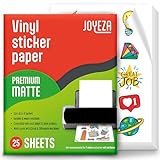
- Matte waterproof printable vinyl sticker paper
- Graphic design software (Adobe Illustrator or Canva Pro)
- A dedicated inkjet printer with high-quality pigment ink
- Precision paper trimmer or craft knife
- Blank black or white stand-up pouches with a ziplock seal
Design & Printing Steps
- Begin designing your canvas by setting your document to the exact dimensions of your pouch face.
- Utilize vectorized graphics for your logo design to ensure the edges remain razor-sharp.
- Establish a clear visual hierarchy by formatting your brand name in a bold sans-serif font.
- Position your net weight statement at the bottom center, maintaining generous negative space around it.
- Print using the “High Quality” and “Matte Photo Paper” settings to ensure the ink bonds deeply with the waterproof vinyl.
- Apply the label smoothly by sealing one edge first and rolling it flat to prevent air bubbles.
Pro-Tip: When dealing with minimalist designs, any printing misalignment is obvious. Master vector pathing for your brand icon and ensure your document is set to a CMYK color profile before exporting to guarantee the black tones print rich and true, rather than washed-out gray.
2. Crafting Vintage Apothecary Labels for Kraft Paper Bags

Pin these stunning vintage apothecary vibes for your next packaging project!
A vintage apothecary tea label design evokes the trustworthy, old-world charm of traditional herbalism basics. Pairing these rustic aesthetics with kraft paper bags or dark amber bottles creates a deeply nostalgic consumer experience that highlights your botanical expertise.
Supplies Needed
- Premium printable kraft paper sticker sheets
- High-quality amber bottles or brown paper pouches
- Adobe Illustrator or design software with robust text manipulation
- Hand-drawn botanical vectors or vintage etching graphics
- A bone folder for crisp label application
Design & Printing Steps
- Start by sketching or selecting intricate, vintage-style border graphics to frame the edges of your sticker.
- Select an old-world serif typeface for your primary tea brand identity and a classic typewriter font for the ingredient transparency list.
- Spend time customizing the font kerning—tightening or loosening the space between letters to mimic authentic letterpress printing.
- Begin layering your botanical illustration subtly behind the text, dropping the opacity to 30% so it resembles an old watermark.
- After downloading your final design as a high-resolution PDF, load your kraft sticker paper into the rear-feed tray.
- Print and trim, then meticulously applying the label to the center of your packaging.
Pro-Tip: To truly elevate a vintage apothecary aesthetic, focus heavily on your font kerning and consider adding a dieline that cuts the label into an arched or scalloped shape. This mimics historical medicinal seals and dramatically increases perceived value.

3. Watercolor Botanical Stickers for Clear Window Pouches

Save these stunning watercolor ideas to your “Packaging Inspiration” board!
Utilizing watercolor botanical tea sticker templates transforms your packaging into an artistic canvas. When comparing clear labels vs white labels, transparent substrates beautifully showcase the vibrant loose leaf tea inside the window pouch, making the blend itself part of your floral presentation.
Supplies Needed
- Clear labels or printable transparent vinyl sticker sheets
- Premium white stand-up pouches with a transparent viewing window
- High-resolution scanned watercolor elements (minimum 300 DPI)
- Squeegee tool for bubble-free application
- Spray fixative (optional, if not using waterproof vinyl)
Design & Printing Steps
- Begin by illustrating or licensing high-quality botanical watercolor graphics that match your specific wellness blends.
- Arrange your floral elements around the perimeter of your digital canvas, leaving the center open for your brand identity text.
- Choose a deep, vibrant color from the watercolor art for your typography to ensure the text pops against the clear label.
- When printing, select the highest photo quality setting. Remember that home printers do not print white ink; anywhere white is in your design will be transparent.
- Allow the ink to dry completely for at least 15 minutes before handling.
- Carefully apply the sticker over the pouch window, using your squeegee tool to push out air bubbles.
Pro-Tip: The biggest mistake with transparent watercolor designs is losing visibility when applied over dark tea leaves. If you are outsourcing to professional printing services, request a white ink underbase behind your text and artwork so the colors remain fully opaque.

4. Eco-Friendly Earthy Labels for Sustainable Brands

Save this sustainable packaging idea to inspire your eco-conscious brand!
Creating sustainable packaging for herbal tea brands requires selecting materials that ethically align with an eco-friendly, organic consumer base. By using earthy recycled paper and low-ink designs, you effectively represent your certified organic ethos without compromising quality.
Supplies Needed
- 100% recycled, uncoated printable sticker paper
- Compostable or biodegradable stand-up pouches
- Soy-based or eco-friendly printer inks
- Vector graphics of an organic product emblem or leaf motif
- Canva templates optimized for minimal ink usage
Design & Printing Steps
- Start customizing your template by adopting a minimalist, “low-ink” design philosophy, crucial for sustainable packaging.
- Select earthy color tones like sage green, terracotta, or muted mustard that look natural on uncoated recycled paper.
- Integrate your certified organic or fair-trade emblems prominently, but ensure they don’t crowd the nutrition facts panel.
- When formatting text, use thinner font weights to further reduce ink consumption.
- Print on the draft or normal setting, as heavy ink saturation can cause recycled paper fibers to bleed.
- Once printed, labeling should be done carefully, as eco-friendly adhesives are sometimes less forgiving.
Pro-Tip: True sustainable packaging goes beyond the paper. Ensure the adhesive backing on your labels is vegan and compostable. Furthermore, using substrate selection knowledge, matching an uncoated recycled sticker with a matte compostable pouch creates an ultra-premium organic aesthetic.
5. Luxury Gold Foil Stamped Decals for Premium Blends

Pin this luxurious gold foil aesthetic to elevate your high-end product line!
Luxury gold foil tea label ideas command higher price points through premium, brilliantly reflective aesthetic elements. Whether you are using a DIY thermal transfer method or comparing screen print vs digital label foiling commercially, metallic accents dramatically enhance your brand identity.
Supplies Needed
- A monochrome laser printer (inkjet will NOT work for DIY foiling)
- Heat-reactive gold foil transfer sheets
- A basic thermal laminator or specialized foiling machine
- Smooth, high-quality uncoated white or black sticker paper
- Premium matte pouches or tea canisters
Design & Printing Steps
- Begin designing your luxury labels using solid black vector shapes for any element you want to turn gold.
- Ensure your typography is thick enough; very thin lines may not catch the foil perfectly during the thermal transfer process.
- Print your design onto your sticker paper using the darkest, highest-density toner setting on your laser printer.
- Cut a piece of heat-reactive foil slightly larger than your printed design and place it shiny-side up over the toner.
- Place the sheet inside a carrier folder and run it slowly through a fully heated laminator.
- Once cooled, gently peel back the foil to reveal your premium metallic visuals.
Pro-Tip: If outsourcing to professional printers, you must provide a separate vector layer (a foil mask) set to a specific spot color, not a standard CMYK color profile. Label this layer clearly as “Foil Area” so the printer knows exactly where to apply the metallic die.

6. Hand-Drawn Artisan Labels for Rustic Window Pouches

Love that small-batch artisan look? Save this idea for your tea shop!
A hand-drawn herbal tea logo and sticker set authentically communicates small-batch craftsmanship. By combining rustic sketching techniques with accurate botanical nomenclature, you build immediate trust and authority with artisan market shoppers looking for authentic artisan tea labels.
Supplies Needed
- Textured “linen” or “laid” finish printable sticker paper
- High-quality fine-liner pens for initial sketching
- A flatbed scanner or high-quality scanning app
- Vector tracing software (Adobe Illustrator or Inkscape)
- Stand-up pouches with frosted or clear windows
Design & Printing Steps
- Begin by sketching your botanical elements using dark, crisp black ink on smooth white paper.
- Scan your drawing at a minimum of 600 DPI to capture every authentic, rustic pen stroke.
- Import the scan into your design software and use the “Image Trace” tool to convert your hand-drawn raster image into a scalable vector graphic.
- Arrange your newly vectorized art into your template.
- Below your primary blend name, add the scientific botanical nomenclature (e.g., Matricaria chamomilla) in a delicate script to boost your artisan credibility.
- Print onto textured sticker paper to give the physical packaging an incredible tactile feel.
Pro-Tip: If your artisan tea labels feel too “digital” after tracing, avoid perfectly centering your text. A slight, deliberate asymmetry enhances the handmade, small-batch brand archetypes that Etsy shoppers absolutely adore.

7. Geometric Modern Flat Pouches for Vibrant Wellness Brands

Bold and modern! Pin these geometric wellness packaging ideas.
A striking wellness brand design often utilizes sharp geometric graphics and vibrant colors to differentiate itself from traditional, vintage tea aesthetics. Understanding color psychology and ensuring accurate pantone matching guarantees your modern products will stand out brilliantly on crowded retail shelves.
Supplies Needed
- Glossy printable vinyl sticker sheets
- Flat, three-sided seal pouches or brightly colored stand-up bags
- Vector design software for crisp geometric shapes
- A high-quality inkjet or commercial printer
- Brand guide detailing your specific color hex codes
Design & Printing Steps
- Instead of standard rectangles, begin by designing your sticker as a geometric shape—like an arch or hexagon—using your software’s shape tools.
- Apply principles of color psychology; use vibrant oranges for energizing morning blends, or cool blues for sleep teas.
- Layer your brand identity text using a clean, heavy sans-serif font over the color-blocked background.
- If printing commercially, convert your vibrant RGB digital colors to their closest pantone matching system equivalents.
- Print onto glossy vinyl; the shiny surface naturally enhances color saturation and contrast.
- Cut out the unique shapes using a digital cutting machine and apply firmly to your flat pouches.
Pro-Tip: Highly vibrant solid backgrounds are prone to “banding” (faint lines) when printed on standard home inkjet printers. To achieve a flawless professional look for DIY, set your printer quality to “Best” and select “Photo Paper Glossy” in the print dialogue box, even if using vinyl.

8. Typographic Bold Labels for Loose Leaf Tea Tins

Master the art of clean typography! Pin these tin packaging ideas.
Bold typography on tea canister labels clearly identifies loose leaf tea blends with striking efficiency. By mastering text layout, grid systems, and visual hierarchy, you can maintain flawlessly consistent branding across dozens of distinct tea flavors without ever relying on complex illustrations.
Supplies Needed
- Weatherproof blockout label paper (prevents tin color from showing through)
- Metal tea canisters or tins
- Design software with advanced text formatting (Illustrator, InDesign)
- A highly legible font family with multiple weights
- A flexible measuring tape
Design & Printing Steps
- Measure the exact height and circumference of your tin to create a precise digital artboard.
- Avoid illustrations entirely; rely solely on typography by selecting one robust font family.
- Establish visual hierarchy: Make the tea name massive, the origin medium, and the brewing instructions small but legible.
- Align all text to a strict invisible grid to ensure a high-end, professional look.
- Create visual separation for your ingredient transparency panel using thin, crisp divider lines.
- Print on blockout paper and apply by lining up the bottom edge with the base of the tin.
Pro-Tip: The secret to incredible typographic loose leaf tea labels is mastering “leading” and “tracking” (the vertical and horizontal space between letters). Ensure your tracking is slightly wider on your smallest fonts to prevent the ink from bleeding and compromising legibility.

9. Custom Die-Cut Shaped Leaf Stickers

Stand out on the shelf with unique die-cut shapes! Pin this idea.
Elevate your pouch label design by utilizing custom die-cut technology to shape your label directly around a unique leaf + emblem. Mastering technical setup requirements like dielines ensures these complex custom shapes print and cut flawlessly without losing critical border details.
Supplies Needed
- Printable vinyl sticker paper
- A digital cutting machine (Cricut Maker or Silhouette Cameo)
- Vector design software to create your custom shapes
- Standard stand-up pouches
- Transfer tape (optional)
Design & Printing Steps
- In your design software, draw the outline of your unique shape (e.g., a large tea leaf). This outline is your dieline.
- Crucial step: Extend your background colors or graphics at least 1/8th of an inch past the dieline. This is the “bleed.”
- Keep all essential, FDA compliant text well inside the dieline within the “safe zone.”
- Export your design and print it with your cutting machine’s registration marks enabled.
- Load the printed sheet into your cutting machine, setting the blade depth for a “kiss cut.”
- Peel your perfectly shaped leaf sticker and apply it to the center of your pouch.
Pro-Tip: When sending custom shapes to professional printing services, you must submit your file with the bleed and slug properly configured. Your dieline should be on a separate, non-printing vector layer, usually stroked with a 100% Magenta spot color so the printer’s software recognizes it as a cut path.

10. Rustic Wrap-Around Seal Stickers for Freshness

Keep it fresh! Pin these wrap-around seal ideas for your loose leaf bags.
High quality tea wrap designs pull double duty: they visually brand the product while practically sealing folded gussets. By creating air-tight seals and choosing the right permanent vs removable adhesive, these wraps protect the delicate tea from oxygen and provide essential tamper evidence.
Supplies Needed
- Long rectangular printable labels (e.g., 2″ x 8″)
- Paper block-bottom bags or folded pouches
- High-tack permanent vs removable adhesive labels
- A digital design template for long-format wraps
- A bone folder for crisp edge creasing
Design & Printing Steps
- In your Canva templates or design software, split your long rectangular artboard into three visual zones: Front face, Top fold, and Back face.
- Place your primary brand identity and logo in the Front face zone.
- Design the Top fold zone with a repeating pattern or a simple “Freshly Sealed” message.
- Place your nutrition facts panel, barcode, and brewing instructions in the Back face zone.
- Print your labels on a high-tack paper that resists the natural tension of being folded around an edge.
- Roll down the top of your tea bag tightly to create air-tight seals, then apply the sticker over the top lip, sealing the front and back simultaneously.
Pro-Tip: Standard sticker adhesive will eventually lift when folded over the thick gusset of a pouch due to “memory” in the paper. For professional high quality tea wrap designs, you must source labels specifically coated with aggressive “hot melt” or permanent rubber-based adhesives.
11. Playful Kawaii Labels for Tea Sampler Packs

Planning a tea tasting? Pin these adorable sampler pack label ideas!
Many artisans struggle with how to design a tea sampler pack? without blowing their budget. Applying kawaii tea stickers for packaging to miniature pouches allows you to efficiently organize a tasting collection. By standardizing sizes and mastering small batch printing, you dramatically reduce your overhead production costs.
Supplies Needed
- 2-inch round printable labels (multi-up on a single sheet)
- Mini 1oz or 2oz sample pouches
- Colorful, playful vector graphics or Canva templates
- A standard color inkjet or laser printer
- A master spreadsheet for organizing your blend data
Design & Printing Steps
- To tackle the sampler pack challenge, start by selecting a single, universal die-cut shape (like a 2-inch circle) to use across all your blends.
- Create a master digital template where the layout remains identical, but the background colors and text change per flavor.
- Incorporate kawaii tea stickers for packaging aesthetics by using bright pastel backgrounds and friendly, rounded typography.
- Because the label is small, move the lengthy ingredient transparency panel to a separate, generic rectangular sticker applied to the back of the pouch.
- Utilize small batch printing by gang-running different flavors onto a single sheet of labels to save money.
- Apply the bright circular decals to the front center of your mini pouches for a cohesive look.
Pro-Tip: Standardizing sizes is the secret to profitable sampler packs. By designing all your front graphics to fit a standard 2-inch circle, you only ever need to purchase one type of label stock, drastically reducing your overhead costs and simplifying your inventory management.

Key Takeaways: Your Quick Guide to Herbal Tea Sticker Design
Before executing your chosen visual aesthetic, it is essential to review this herbal tea sticker design overview. These custom herbal label key points synthesize the most critical pre-press knowledge required to turn digital files into flawless physical tea label stickers that scale alongside your business.
- Prioritize High-Resolution Vectors: Always begin your herbal tea sticker design using vector-based software, exporting your final artwork at a minimum of 300 DPI to ensure text and botanical illustrations print with razor-sharp clarity.
- Match Substrates to Usage: Assess your packaging environment carefully; select waterproof vinyl for high-humidity kitchens or eco-certified recycled paper if your brand ethos heavily emphasizes sustainable packaging for herbal tea brands.
- Strict Legal Compliance is Non-Negotiable: Before sending any pouch label design to print, ensure it is fully FDA compliant, prominently featuring a clear net weight statement on the bottom 30% of the principal display panel and a comprehensive ingredient transparency list.
- Master Print-Ready File Setup: Prevent costly printing errors by converting all digital RGB colors to a CMYK color profile, ensuring accurate pantone matching, and including a proper bleed and slug allowance for full-bleed designs.
- Standardize to Scale: To maintain consistent branding and keep costs low during small batch printing, standardizing your label sizes and using a unified visual hierarchy across all your wellness blends is highly recommended.
FAQs About Herbal Tea Sticker Design
Addressing logistical queries is a natural next step in mastering your product packaging workflow. Below, we answer the most pressing questions regarding software, sizing, waterproofing, and the physical application of your labels to ensure your execution is just as flawless as your design inspiration.
How to design herbal tea labels?
To design herbal tea labels, start by establishing your brand’s visual identity, including a cohesive color palette and legible typography. Use vector graphic software like Adobe Illustrator or Canva Pro to layout your design, ensuring you include a clear brand name, tea blend title, brewing instructions, and an FDA-compliant net weight statement.
Once the layout is complete, export the file as a high-resolution PDF in the CMYK color space. Whether you are aiming for a minimalist look or a vintage apothecary style, always test print your design on standard paper at 100% scale to check font legibility before committing to expensive sticker stock.
Where to buy tea pouch stickers?
You can buy premium tea pouch stickers from dedicated commercial printing services like Sticker Mule or Avery, or purchase blank printable label sheets from Amazon to print at home. For ready-made designs, platforms like Etsy offer thousands of editable templates.
If you are just starting with small batch printing, buying blank, pre-cut sheet labels is the most budget-friendly route. As your volume increases, upgrading to professional roll labels from a commercial printer will drastically speed up your labeling process.
What size should tea labels be?
The ideal size for tea labels depends entirely on your pouch size, but a standard 4oz stand-up pouch typically accommodates a 3″ x 4″ or 3″ x 5″ rectangular label perfectly. For smaller 1oz sampler pouches, a 2-inch or 2.5-inch round sticker is the industry standard.
Always measure your physical packaging before designing. A good rule of thumb is to leave at least a 0.5-inch margin between the edge of your label and the seams of the pouch to prevent wrinkling and ensure a professional look.
How to make waterproof tea stickers?
To make waterproof tea stickers at home, you must print your designs on specialized waterproof printable vinyl sticker paper, ideally using a printer with pigment-based inks. Alternatively, you can apply a clear, UV-resistant laminating sheet over standard paper stickers before cutting them out.
Standard inkjet dye inks will run and smudge if exposed to water or steam in a kitchen. For true smudge-proof durability without the hassle of manual lamination, outsourcing to a professional printer who uses thermal transfer is highly recommended.
What information goes on a tea label?
According to FDA guidelines, a commercial tea label must include the statement of identity (the product name), the net quantity of contents (weight in ounces/grams) on the front panel, the manufacturer’s name and address, and a complete, descending ingredient list.
Beyond the legal requirements, an effective brand identity should also include clear brewing instructions (temperature, steeping time, and tea-to-water ratio), a brief description of the flavor profile, and any relevant certified organic badges to build consumer trust.
Can I use Canva for tea stickers?
Yes, you can absolutely use Canva to design tea stickers. Canva offers hundreds of customizable templates and allows you to easily export your designs as high-quality ‘PDF Print’ files, which are perfect for both home printing and sending to commercial printing services.
However, if you require advanced features like precise font kerning, custom dielines for unique shapes, or exact pantone matching for professional roll-printing, upgrading to vector software like Adobe Illustrator is eventually necessary.
Should tea labels be matte or glossy?
Choosing between matte or glossy tea labels depends on your brand aesthetic. Matte finishes provide a high-end, organic, and elegant look perfect for botanical or vintage blends, while glossy finishes enhance color saturation, making vibrant, modern geometric designs pop.
Consider the substrate of your pouch as well. Applying a glossy label to a matte kraft bag can look disjointed. For consistent branding, try to match the finish of your label to the finish of your ecommerce packaging.
How to print tea labels at home?
To print tea labels at home successfully, load high-quality printable sticker paper into your printer’s rear feed tray to prevent jamming. Set your printer dialogue to ‘High Quality’ or ‘Photo’, select the correct paper type (e.g., Matte Photo Paper), and ensure the design prints at 100% scale.
Always run a test print on standard copy paper first to verify your alignment and visual hierarchy. If your design uses heavy, edge-to-edge ink, allow the sheets to dry for 10-15 minutes before touching to ensure the ink is completely smudge-proof.
What is the best software for sticker design?
Adobe Illustrator is universally considered the best software for sticker design because it creates scalable vector graphics, ensures crisp text, manages CMYK color profiles accurately, and allows for the easy creation of professional dielines and bleeds.
For beginners or those seeking budget-friendly design options, Canva Pro and Inkscape are excellent alternatives. Procreate (on the iPad) is also highly popular for creating hand-drawn botanical illustrations, though the artwork must eventually be formatted for print.
How to apply stickers to tea pouches?
To apply stickers to tea pouches flawlessly, lay the empty pouch completely flat on a hard surface. Peel back just the top edge of the sticker backing, align it carefully, stick the top edge down, and use a bone folder or squeegee to smoothly press the label downward, pushing out air bubbles.
Never apply labels to pouches that are already filled with loose tea, as the uneven, lumpy surface will cause the label to wrinkle and adhere poorly. Applying the label while the bag is flat guarantees a pristine, retail-ready finish.
Final Thoughts
Mastering herbal tea sticker design is about far more than just making a bag look pretty; it is the ultimate intersection of your brand’s storytelling, marketing, and vital consumer communication. Whether you are scaling a vibrant retail line and setting up complex dielines, or tracing hand-drawn botanicals for a farmers market debut, your packaging is often the first and only chance you have to communicate the profound quality of the herbs inside.
By moving beyond basic templates and applying the advanced designing and printing techniques outlined in these 11 pouch ideas, you elevate your product from a simple DIY craft to a premium, retail-ready commodity. Remember that meticulous attention to detail is what ultimately builds lasting consumer trust.
- Always verify that your layout remains fully FDA compliant.
- Match your printing substrates to survive the realities of kitchen environments.
- Standardize your label sizing early to ensure manageable, profitable growth.
Equipped with the right materials, a bold tea brand identity, and an understanding of print logistics, you are now ready to bring your custom tea labels to life. Which of these 11 packaging aesthetics aligns best with your unique blends? Let us know in the comments below, and happy designing!
Last update on 2026-08-17 / Affiliate links / Images from Amazon Product Advertising API
