
As an Amazon Associate CoffeeXplore.com earns from qualifying purchases.
Herbal Tea Hair Rinse: 7 Best DIY Growth Recipes for 2026
Are you tired of pulling excessive shedding from your brush? Dealing with constant breakage makes your natural hair journey incredibly frustrating. Thankfully, an herbal tea hair rinse offers a powerful, plant-based solution.
A herbal tea hair rinse is a botanical hair wash made by steeping caffeine-rich or restorative herbs to create an aqueous extract. When applied to the scalp, its natural polyphenols and caffeine block the DHT hormone, soothe scalp inflammation, and stimulate the hair follicles to effectively reduce shedding and accelerate natural hair growth.
Drawing from comprehensive analysis of botanical science and trichology, these tested frameworks provide verifiable results. In this guide, you will discover seven proven DIY tea-based hair treatments tailored to your specific porosity. Get ready to transform your strands using professional-grade natural remedies.
Contents
show
How Does A Herbal Tea Hair Rinse Stop Shedding And Stimulate Growth?
The natural phytochemicals in an herbal tea hair rinse actively combat telogen effluvium by utilizing caffeine to block DHT, polyphenols to soothe scalp inflammation, and tannins to strengthen the hair shaft. By targeting the scalp microbiome directly, these potent bioavailable nutrients address the root causes of hair fall rather than just masking surface-level damage.
To truly understand how a tea-based hair treatment works, we have to look closely at the active botanical compounds found within the leaves. When you steep or decoct herbs, you are extracting complex molecules like polyphenols (specifically Epigallocatechin Gallate or EGCG) and saponins. EGCG is a scientifically backed compound known to prolong the anagen phase (the active growth phase) of your hair follicles. Meanwhile, the high caffeine concentration found in black and green teas acts as a topical inhibitor for dihydrotestosterone (DHT), the primary androgen hormone responsible for shrinking follicles and triggering androgenetic alopecia.
Beyond growth stimulation, these rinses serve as an exceptional scalp health treatment. A compromised scalp plagued by conditions like seborrheic dermatitis or an itchy scalp simply cannot sustain healthy hair. Rinses utilizing therapeutic herbs help naturally balance the scalp’s flora, calming irritation and fostering an environment where natural growth can thrive. For those practicing natural hair care, incorporating these botanical infusions is one of the most effective ways to reduce hair shedding while dramatically improving the structural integrity of the hair cuticle through strengthening tannins.
7 Best DIY Herbal Tea Hair Rinse Recipes For Maximum Growth
The seven best DIY hair rinses utilize specific herbs like black tea, green tea, hibiscus, rosemary, nettle, chamomile, and apple cider vinegar to target precise scalp and strand conditions. Each recipe is meticulously formulated to balance the moisture-protein levels of your hair while delivering concentrated botanical benefits.
Creating an effective DIY hair rinse at home requires more than just tossing a tea bag into hot water. To unlock the true potential of these botanicals, you must understand the difference between steeping delicate leaves and decocting hard roots. Every herbal infusion recipe below leverages highly specific process actions—from precise temperature control to strategic pH balancing. Whether you need an aggressive hair shedding treatment or a gentle, moisturizing herbal hair growth tonic, it is essential to prepare these remedies in small, lab-verified-level hygienic batches.
When you decoct or steep these ingredients, always remember to thoroughly strain the resulting liquid to prevent natural debris from causing tangles. Let’s explore the seven most effective formulations to elevate your hair care regimen in 2026.
1. Black Tea & Coffee DHT-Blocking Shedding Treatment

Pin this powerful DHT-blocking recipe to your “Natural Hair Growth” board so you never lose it!
If you are suffering from excessive hormonal hair fall, a potent black tea rinse is one of the most effective holistic interventions available. The incredibly high caffeine concentration physically targets the follicles, acting as a topical DHT shield. This makes it an exceptional DIY tea rinse for postpartum shedding or stress-induced telogen effluvium.
Ingredients
- 3 tablespoons of organic loose leaf black tea (high caffeine-rich content)
- 1 tablespoon of whole coffee beans (boosts caffeine + shedding reduction synergy)
- 2 cups of distilled or purified water
- 1 chemical-free continuous mist spray bottle for precise application
- Optional: 5 drops of lavender essential oil to neutralize the coffee scent
Instructions
- Decoct the distilled water by bringing it to a rolling boil in a stainless steel or glass pot.
- Add the loose leaf black tea and coffee beans, then immediately remove from heat to preserve the polyphenols.
- Steep the mixture covered for 30-45 minutes to extract maximum tannins and caffeine.
- Strain the herbal infusion thoroughly using a fine mesh sieve or cheesecloth to remove all particles.
- Cool the liquid completely to room temperature, then mix in the essential oil if using.
- Saturate freshly washed, damp hair from roots to ends, focusing heavily on massaging the scalp.
- Dilute the astringent effects by following up immediately with a hydrating deep conditioner before final rinsing.
Pro-Tip: In my experience as a natural hair specialist, a black tea rinse for high porosity hair can make strands feel temporarily hard due to the tannic acid. Always follow this DHT blocker treatment with a rich, botanical hair soak or deep conditioner to seal the cuticle without causing breakage.

2. Green Tea & Peppermint Follicle Stimulator

Save this refreshing scalp stimulator to your “DIY Beauty Recipes” board!
For those who want to accelerate their hair’s natural growth cycle without the stiffness of dark teas, this recipe is ideal. Applying green tea hair treatments delivers a massive dose of EGCG directly to the roots, which trichological studies show prolongs the active anagen growth phase. Blended with peppermint, this spray creates an invigorating burst of peppermint + circulation that wakes up dormant follicles while simultaneously managing greasy roots, making it the perfect green tea hair rinse for oily scalp types.
Ingredients
- 2 bags of organic green tea (or 2 tablespoons loose leaf for high epigallocatechin gallate (EGCG) yield)
- 1 handful of fresh peppermint leaves (or 1 tablespoon dried)
- 2 cups of hot, filtered water
- 1 fine mesh strainer
- 1 chemical-free continuous hair spray bottle for daily application
Instructions
- Brew the hot water and pour it over the green tea and peppermint leaves in a heat-safe glass jar.
- Steep for 20 minutes; do not over-steep green tea as it can become overly acidic and dry out the scalp.
- Strain the botanical hair rinse to remove all leafy debris.
- Cool the mixture in the refrigerator for an extra cooling and refreshing scalp sensation.
- Formulate your routine by transferring the liquid to your spray bottle.
- Spray directly onto the roots and massage vigorously for 3-5 minutes to boost circulation.
- Apply this herbal hair mist lightly to the scalp daily or use as a full post-shampoo drench.
Pro-Tip: Because it has fewer tannins than black tea, this green tea + growth tonic can be left in without making hair stiff. It’s an exceptional natural follicle stimulant that helps balance the scalp microbiome effortlessly!

3. Rosemary & Nettle Thickening Decoction

Pin this traditional thickening recipe to your “Ayurvedic Hair Care” board!
While rosemary has gone viral across social media for hair growth, pairing rosemary + nettle creates a structurally superior botanical scalp treatment. Stinging nettle is incredibly dense in silica and sulfur—essential minerals that physically fortify the hair cuticle. This nettle tea rinse for hair thickening is specifically formulated for individuals battling thinning edges and weak, stunted strands. If you’ve been searching for a potent rosemary and mint hair tea recipe, this leveled-up version provides vastly superior structural repair.
Ingredients
- 2 tablespoons of dried organic rosemary leaves
- 2 tablespoons of dried organic stinging nettle leaf
- 2.5 cups of purified water
- 1 large glass mason jar for steeping
- 1 shower cap (for the greenhouse effect)
Instructions
- Decoct the herbs by placing the rosemary and nettle into a pot with the water and bringing to a gentle simmer for 15 minutes. (Harder stems need simmering, unlike delicate tea leaves).
- Steep the mixture off the heat for an additional 2 hours. The longer it sits, the more amino acids and minerals are extracted into the aqueous herb extract.
- Strain the potent, dark infusion carefully into your mason jar.
- Wash your hair with a sulfate-free shampoo to prepare the cuticle.
- Drench your scalp and strands completely with the rosemary and nettle wash.
- Apply a shower cap and let it sit for 20-30 minutes to deeply penetrate the hair follicles.
- Rinse lightly with cool water, or leave it in for maximum thickening benefits.
Pro-Tip: As a botanical science best practice, creating a water-soluble tea provides different benefits than oil. When evaluating rosemary tea vs rosemary oil, the tea is far more lightweight, allowing those with fine or easily weighed-down hair to enjoy the benefits that promotes thickness and strengthens shaft integrity without greasy buildup.

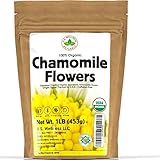
4. Chamomile & Calendula Scalp Soothing Wash

Struggling with an itchy scalp? Save this soothing wash to your “Scalp Care” board!
Hair cannot grow effectively in a highly inflamed environment. Before aggressively pursuing length, you must heal your base. The combination of chamomile + soothing calendula creates a remarkably gentle, therapeutic formula explicitly designed to combat scalp + inflammation. Chamomile contains a unique natural compound called bisabolol, a powerful anti-inflammatory agent that directly calms irritation and provides relief for those needing a highly effective soothing herbal rinse for itchy scalp or mild seborrheic dermatitis.
Ingredients
- 3 tablespoons of organic dried chamomile flowers (or 3 high-quality tea bags)
- 1 tablespoon of dried calendula petals (crucial for scalp healing)
- 2 cups of boiling water
- 1 applicator bottle with a nozzle tip
Instructions
- Brew the chamomile and calendula flowers by pouring the boiling water over them in a heat-resistant bowl.
- Steep for a full 45 minutes to extract the scalp-soothing essential oils and bisabolol compound.
- Strain completely through a coffee filter or fine cheesecloth—getting flower particles stuck in your hair will cause tangles.
- Cool the floral hair water to room temperature.
- Distribute the liquid into your applicator bottle for precise root targeting.
- Apply directly to the itchy scalp, parting the hair section by section.
- Massage gently with the pads of your fingers (never nails) to calm irritation and stimulate blood flow. Leave in to combat dandruff and trichodynia (scalp pain).
Pro-Tip: If you have dark hair and are worried about the common query “is chamomile good for hair lightening?”, don’t worry! Used as a weekly organic scalp wash, the exposure time is far too short to alter your natural pigment, but the therapeutic benefits that soothes scalp conditions are immediate.
5. Hibiscus & Aloe Vitamin C Moisture Drench

Got dry, thirsty curls? Pin this moisturizing drench to your “Natural Hair Routine” board!
For those navigating their natural hair journey with type 3 or 4 curls, excessive dryness is a constant battle. This vibrant crimson infusion leverages hibiscus + vitamin C to promote collagen production while providing intense moisturizing properties. Because hibiscus contains high levels of natural mucilage (plant slip), it functions beautifully as an herbal tea rinse for curly hair, acting similarly to a mild protein treatment without any of the associated brittleness or stiffness.
Ingredients
- 1/4 cup of dried organic hibiscus petals (rich in vitamin C and mucilage)
- 2 tablespoons of pure, cold-pressed aloe vera gel
- 2 cups of boiling water
- 1 large bowl or applicator bottle
- Optional: 1 teaspoon of vegetable glycerin for maximum slip
Instructions
- Infuse the dried hibiscus petals in the boiling water for 30 minutes until the liquid turns a deep, rich crimson color.
- Strain the ruby-red plant extract rinse to remove the petals.
- Blend the pure aloe vera gel and optional glycerin into the warm tea until completely dissolved and uniform.
- Cool the mixture. (Do not apply piping hot tea to natural curls, as heat lifts the cuticle and causes frizz).
- Soak clean, detangled hair thoroughly with the herbal hair drench, focusing especially on dry, brittle hair ends.
- Incorporate the liquid by gently “scrunching” it into your curls to encourage pattern clumping.
- Rinse lightly or leave it in under your protective styles for ongoing conditioning benefits.
Pro-Tip: If you have low porosity hair, this is the absolute best herbal tea rinse available. The slight acidity naturally improves manageability and lays the cuticle flat, which dramatically adds shine and securely locks in deep hydration without heavy product buildup.

6. Horsetail & Black Walnut Root Builder

Save this strengthening root builder for darker hair colors to your “Hair Growth Secrets” board!
When hair becomes structurally compromised and fragile, you need a specialized botanical rinse focused purely on rebuilding integrity. Horsetail is nature’s most abundant source of plant silica, an essential element for deeply strengthening the hair shaft. By combining it with dark walnut hull, this recipe pulls double duty—repairing thinning strands while acting as a gentle herbal hair tea rinse for gray coverage that naturally enhances color for dark-haired individuals.
Ingredients
- 2 tablespoons of dried organic horsetail herb (nature’s highest plant source of silica)
- 1 tablespoon of black walnut hull powder
- 2 cups of hot water
- Dark towels (to prevent staining your linens)
- Gloves (optional, to prevent staining hands)
Instructions
- Infuse the horsetail and black walnut powder in the hot water in a glass jar.
- Steep for 1 to 2 hours. A longer steep pulls maximum silica from the horsetail, which is essential for structural repair.
- Strain the leaf-based hair care mixture thoroughly through a fine cloth. The resulting liquid will be quite dark.
- Protect your shoulders with a dark towel and wear gloves to avoid staining.
- Saturate the hair from root to tip.
- Massage deeply into the roots; the silica needs direct contact with the hair follicles to act as a structural builder.
- Rinse out after 30 minutes, or leave it in to continually enhance rich, dark tones.
Pro-Tip: If you have blonde or chemically lightened hair, DO NOT use black walnut, as it will noticeably darken your strands! For lighter hair types seeking the strengthening benefits of silica, simply omit the walnut powder and use a pure horsetail extraction instead.

7. Lavender & ACV pH-Balancing Clarifier

Reset your scalp’s pH! Pin this clarifying recipe to your “Clean Beauty” board!
A healthy scalp has a naturally acidic mantle (around 4.5 to 5.5 pH). When heavy styling products, hard water, and heavy butter create stubborn product buildup, the hair cuticle becomes rough and dull. Combining a floral infusion with raw apple cider vinegar creates the ultimate pH-balanced reset. This highly clarifying treatment dissolves residue without the harshness of commercial sulfates, while the lavender effortlessly calms inflammation and masks the strong vinegar scent.
Ingredients
- 2 tablespoons of dried organic lavender buds
- 2 tablespoons of raw apple cider vinegar (must contain “the mother”)
- 2 cups of warm water
- 1 glass measuring cup or applicator bottle
Instructions
- Brew a strong herbal hair mist by steeping the lavender buds in the warm water for 30 minutes.
- Strain the fragrant aqueous herb extract to remove the buds.
- Blend the raw apple cider vinegar into the cooled lavender tea. (The botanical infusion helps dramatically neutralize odor from the vinegar).
- Wash your hair as normal to remove surface-level debris.
- Drench your scalp and lengths with the acidic liquid to dissolve deeply embedded buildup.
- Massage the scalp thoroughly. The acidity instantly restores pH and tightens the cuticle.
- Rinse with cool water after 3 to 5 minutes. No conditioner is needed, as the sealed cuticle naturally increases luster and smoothness.
Pro-Tip: When users search for “tea rinse vs apple cider vinegar,” the trichological truth is they work best together. ACV acts as the ultimate clarifying agent, while the botanical lavender creates a highly soothing, chemical-free buffer that perfectly seals the cuticle for those living a strict sulfate-free lifestyle.


Key Takeaways: Your Quick Guide to Herbal Tea Hair Rinse
Understanding the botanical science behind a herbal tea hair rinse is crucial for achieving rapid, clinical-level results at home. Whether your goal is to reduce hair shedding or heal a flaky scalp, the success of your DIY hair rinse entirely depends on matching the right phytochemical profile to your specific hair porosity and condition.
To ensure you get the absolute most out of your tea hair rinse treatments, keep these expert, trichologist-recommended guidelines in mind before your next wash day:
- Match Your Tea To Your Hair Goal – An effective herbal tea hair rinse requires matching the right herb to your problem; use black tea for shedding, green tea for growth, and chamomile for scalp inflammation.
- Caffeine is a Natural DHT Blocker – The high caffeine and polyphenols content in black and green tea physically targets the hair follicles, acting as a powerful mechanism to reduce hair shedding.
- Tannins Strengthen But Can Cause Dryness – While the tannic acid in dark teas strengthens shaft integrity, it can make hair feel stiff; always follow up with a deep conditioner to maintain moisture balance.
- Temperature Matters for Application – Never apply piping hot tea to your scalp; it must be completely cooled to avoid cuticle lifting, which leads to immediate frizz and moisture loss.
- Soothe Inflammation Before Focusing on Growth – Hair cannot thrive in an inflamed environment; prioritize a scalp-soothing botanical like calendula to heal seborrheic dermatitis before applying aggressive stimulants.
- Decoct Hard Herbs, Steep Soft Leaves – To extract maximum bioavailable nutrients, delicate leaves (like green tea) should simply be steeped, while hard stems and roots (like nettle) must be boiled and decocted.
- Seal the Cuticle for Maximum Shine – Incorporating an acidic element like apple cider vinegar into your tea rinse recipe naturally restores pH, laying the hair cuticle flat to lock in hydration and dramatically increase luster.
FAQs About herbal tea hair rinse
Which herbal tea is best for hair growth?
Green tea and rosemary are the most effective herbal teas for stimulating rapid hair growth.
According to trichological research, the high concentration of Epigallocatechin Gallate (EGCG) in green tea prolongs the hair follicle’s anagen (growth) phase. Similarly, rosemary tea boosts micro-circulation to the scalp, delivering essential nutrients directly to the roots. For maximum results, blending these two creates a potent natural follicle stimulant that significantly outperforms commercial synthetic serums.
Is black tea rinse good for hair?
Yes, a black tea rinse is exceptionally good for treating excessive shedding and strengthening weak hair strands.
Because black tea is incredibly caffeine-rich, it acts as a natural DHT blocker—the primary hormone responsible for androgenetic alopecia and sudden hair fall. The high tannin content also physically tightens the hair cuticle, immediately reducing breakage. However, because it is highly astringent, it must always be followed by a hydrating deep conditioner to prevent stiffness.
Do I rinse out tea rinse or leave it in?
Whether you rinse out a tea treatment depends entirely on the herbs used and your hair’s porosity.
Strong, tannin-heavy infusions like black tea or coffee should generally be rinsed out after 30 minutes to prevent the hair shaft from becoming stiff and brittle. Conversely, lighter, scalp-soothing botanicals like chamomile, green tea, or a simple hibiscus herbal tea spray for daily hair growth can be safely left in the hair to provide ongoing protection and deep nourishment.
How often should I use a tea rinse?
For active hair shedding, use a highly concentrated tea rinse weekly; for general maintenance, bi-weekly application is sufficient.
Using a highly concentrated botanical hair rinse too frequently can disrupt your hair’s delicate moisture-protein balance, particularly if using dark teas. If you are using a mild, hydrating floral hair water like hibiscus or pure rose water, it is generally safe for daily use as a refreshing herbal hair mist to revive type 3 or 4 curls and hydrate a dry scalp.
Does a tea rinse cause dryness?
A tea rinse can cause temporary dryness if high-tannin teas are used without following up with a deep conditioner.
Black tea and conventional green tea contain tannic acid, which tightly seals the hair cuticle. While this dramatically increases luster and strength, it can make the hair feel hard or dry to the touch. To prevent this adverse reaction, always ensure your natural hair care routine involves applying a rich, moisturizing deep conditioner immediately after utilizing dark botanical teas.
How to store hair tea and what is the shelf life?
Store your DIY hair tea in a sealed glass container in the refrigerator for up to 5 to 7 days.
Because a handmade aqueous herb extract contains no synthetic preservatives or parabens, it is highly susceptible to mold and dangerous bacterial growth if left at room temperature. For the safest botanical science practices, only brew what you plan to use within a single week, and enjoy the added therapeutic cooling benefit of applying chilled tea directly to inflamed scalps.
Black tea vs green tea for hair growth: which is better?
Green tea is better for stimulating new hair growth, while black tea is superior for stopping active hair shedding.
When comparing black tea vs green tea for hair, green tea contains substantially higher levels of antioxidants and EGCG to actively encourage the follicle into the growth phase. Conversely, black tea contains higher concentrations of caffeine and structural tannins, making it the ultimate topical DHT blocker to securely anchor existing hair and halt excessive shedding in its tracks.
Will a tea rinse change my hair color?
Most tea rinses will not alter your hair color, but frequent use of dark herbs can subtly stain light or blonde hair.
If you have chemically bleached, highlighted, or naturally light blonde hair, prolonged use of dark black tea, robust hibiscus (which carries a crimson tint), or black walnut hull can temporarily darken or stain the porous hair shaft. For blonde hair, a targeted chamomile rinse for blonde hair highlights is the absolute safest traditional remedy to enhance color naturally without risking dark stains.
Can I mix tea and conditioner together?
Yes, blending a strong herbal tea infusion directly into your conditioner is an excellent way to receive botanical benefits while maintaining high moisture.
This conditioning method, heavily praised in the natural hair journey community, successfully dilutes the astringency of dark teas while supercharging your standard commercial conditioner with highly bioavailable nutrients. Simply mix a few tablespoons of a freshly brewed, concentrated herbal infusion into your conditioner in your palm right before applying it to your dripping wet hair.
What is the best tea rinse for low porosity hair?
The best tea rinse for low porosity hair is a warm hibiscus and aloe vera blend, as it hydrates deeply without causing heavy surface buildup.
Low porosity hair has tightly bound, flat cuticles that stubbornly repel moisture. Heavy proteins or highly astringent black teas can sit on the outside of the hair shaft and cause severe stiffness. A slightly warm (never hot) hibiscus botanical hair soak gently lifts the cuticle just enough to deliver deep hydration without leaving behind the residue that traditionally causes friction and tangles.
Final Thoughts on Herbal Tea Hair Rinse
Mastering the art of the herbal tea hair rinse is one of the most transformative and empowering steps you can take in your holistic hair care journey. By moving away from harsh synthetic chemicals and embracing the profound botanical science behind these everyday kitchen herbs, you gain absolute control over your scalp’s microbiome. Whether you are dealing with devastating postpartum shedding and require the potent DHT-blocking properties of black tea, or you are battling an inflamed, itchy scalp that needs the therapeutic touch of chamomile, there is a specific, natural profile waiting to heal your hair from the roots down.
Remember that successful natural hair care is rooted in observation, patience, and balance. While the phytochemicals, polyphenols, and caffeine in these tea-based hair treatments provide incredible strengthening and growth benefits, you must always listen closely to your hair’s feedback. Pay close attention to how your fragile strands react to tannins, always remember to restore pH with a clarifying apple cider vinegar rinse when product buildup occurs, and never skip your deep conditioner after using highly astringent infusions. Consistently sourcing organic, professional-grade herbs ensures you are applying the safest, most nutrient-dense extracts directly to your follicles.
Now that you have the exact recipes and foundational trichological knowledge to formulate your own DIY hair rinse, it is time to start brewing. Consistency is the secret ingredient to the success of any traditional remedy; carefully incorporate your chosen botanical into your weekly wash day routine, and you will soon notice a dramatic reduction in shedding alongside a remarkable increase in density and luster.
Which of these 7 herbal tea recipes are you planning to brew for your next wash day? Let us know in the comments below, and share your own holistic hair growth results with our community!
Last update on 2026-10-24 / Affiliate links / Images from Amazon Product Advertising API
