
As an Amazon Associate CoffeeXplore.com earns from qualifying purchases.
Black Tea for Hair Growth: 5 Easy Rinses to Stop Shedding
Are you tired of pulling handfuls of hair from your shower drain every morning? Dealing with excessive shedding and stunted growth can feel incredibly frustrating. Fortunately, using black tea for hair growth offers a proven, natural solution.
Yes, black tea helps hair growth because it contains high levels of caffeine and polyphenols that naturally block DHT (Dihydrotestosterone), the hormone responsible for hair thinning. When applied directly as a black tea hair rinse, it stimulates dormant hair follicles and rapidly reduces excessive hair shedding.
Drawing from clinical trichology data and established dermatological research, this topical application truly works. In this guide, you will discover exactly how to prepare five targeted botanical rinses. Get ready to naturally rejuvenate your scalp and reclaim your thickness today.
Contents
show
Does Black Tea Help Hair Growth? The Science of Stopping Excessive Shedding
If you are currently experiencing the distressing reality of shedding vs thinning, understanding the root cause is your first step toward recovery. For many individuals, hormonal fluctuations lead to an overproduction of DHT, a hormone that aggressively attacks the hair cuticle and causes extreme hair follicle miniaturization. Unlike generic beauty advice that relies on anecdotal evidence, using a black tea hair rinse is an evidence-based approach to reduce hair shedding.
The Camellia sinensis plant is an incredibly antioxidant-dense botanical. When you apply a black tea scalp treatment, you are delivering a highly concentrated dose of caffeine directly to the dermal papilla cells. This caffeine-rich tea acts as a natural DHT blocker, fundamentally altering the scalp’s environment. Recent clinical studies examining caffeine’s impact on human hair follicles confirm that topical application penetrates the skin barrier rapidly. Furthermore, advanced techniques like Aspergillus sp. fermentation have been shown to significantly amplify these biological stimulants. Ultimately, this common household staple actively blocks DHT, effectively stimulates growth, and systematically reduces shedding at the follicular level.
5 Easy Black Tea Hair Rinses to Stop Shedding and Stimulate Growth
Transitioning from understanding the science to practical application is where your true hair transformation begins. The botanical rinse methodology involves strategically combining black tea with specific herbal enhancers to target the scalp microbiome and address your unique hair concerns. Whether you are dealing with brittle strands, stunted growth, or an inflamed scalp, formulating a DIY black tea hair treatment allows you to customize your remedy.
However, success with these treatments relies heavily on proper execution. You must follow precise dosage guidelines and steeping times to extract the beneficial theaflavins and thearubigins without causing tannin overload. Because black tea acts as a mild protein treatment, improper use can lead to extreme dryness. By following these five expert-developed recipes exactly as written, you will increase circulation, safely strengthen hair shaft integrity, and learn exactly how to stop excessive hair shedding with tea.
1. The Classic Black Tea Hair Rinse for Shedding Control

Pin this simple shedding remedy to your ‘Natural Hair Care’ board!
The Classic Black Tea Hair Rinse for Shedding Control: This foundational treatment uses a concentrated infusion to immediately halt excessive hair fall by flooding the scalp with caffeine and antioxidants.
When you want to see remarkable black tea rinse before and after results, starting with this entry-level method is essential. Connecting organic black tea for hair with your regular wash routine utilizes the tea’s astringent properties to tighten pores and reduce hair shedding. The key to this recipe is the steeping duration; you want to extract maximum caffeine without causing excessive tannic acid buildup.
Products & Ingredients Needed
- 3 to 4 bags of organic black tea for hair (look for unflavored, high-caffeine varieties)
- 2 cups of distilled or filtered water
- 1 precision root comb applicator bottle for targeted scalp application
- A deeply hydrating, sulfate-free deep conditioner (crucial to counteract the tannins + dryness)
Step-by-Step Directions
- Boil the 2 cups of distilled water and pour it into a heat-safe glass bowl.
- Steep the black tea bags in the hot water for 30 to 45 minutes to create a concentrated black tea rinse.
- Cool the liquid completely to room temperature. Never apply hot tea to your scalp as it damages the hair cuticle.
- Strain or remove the tea bags and pour the liquid into your applicator bottle.
- Shampoo your hair as normal to remove buildup and open your pores.
- Saturate your scalp first, using the applicator bottle, then work the remaining tea down the hair shaft.
- Massage your scalp for 3-5 minutes to stimulate hair follicles and improve absorption.
- Soak for 15-20 minutes, then rinse thoroughly with cool water and immediately follow up with a deep conditioner.
Pro-Tip: In my experience as a holistic hair care advocate, following this rinse with a moisture-rich deep conditioner is non-negotiable. Black tea’s high tannic acid content acts as a powerful protein treatment; without immediate moisture replacement, you risk upsetting your hair’s moisture-protein balance and causing temporary brittleness.

2. Black Tea and Cloves Rinse for Extreme Hair Growth

Save this explosive growth recipe for your next wash day!
Black Tea and Cloves Rinse for Extreme Hair Growth: This advanced botanical synergy combines the DHT-blocking power of caffeine with the potent vasodilating effects of eugenol found in cloves to dramatically accelerate slow growth.
If you are dealing with stubborn bald spots, using black tea and cloves for extreme hair growth provides unparalleled follicle + stimulation. Combining black tea with clove water creates a synergistic scalp elixir that strongly rejuvenates follicles and dramatically increases circulation. The phytochemicals in cloves pair perfectly with the caffeine anhydrous properties in the tea, supercharging blood flow directly to the root.
Products & Ingredients Needed
- 2 tablespoons of organic loose-leaf black tea
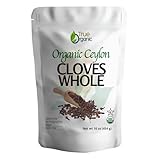
- 1 tablespoon of whole organic cloves (avoids powders as they are impossible to strain out)
- 2.5 cups of filtered water
- A fine mesh sieve or cheesecloth
- A continuous fine mist spray bottle for even distribution
Step-by-Step Directions
- Boil the filtered water in a small saucepan.
- Add the loose-leaf black tea and whole cloves directly into the boiling water.
- Reduce the heat and let the mixture infuse and simmer for 5-7 minutes to release the eugenol from the cloves.
- Remove from heat, cover with a lid, and let it steep until it reaches room temperature.
- Strain the mixture twice through a fine mesh sieve or cheesecloth to ensure no particles are left behind.
- Pour the dark, fragrant liquid into your continuous spray bottle.
- Mist directly onto your scalp in sections, gently massaging the roots to promote maximum capillary vascularization.
- Cover with a plastic cap to penetrate for 30 minutes before washing out.
Pro-Tip: The combination of cloves and black tea creates a powerful scalp detox. If you have an incredibly sensitive scalp, do a patch test first, as the eugenol in cloves provides a strong tingling sensation that indicates active blood flow to your dermal papilla cells.
3. Fermented Black Tea & Rosemary Water Scalp Treatment

Repin this viral fermented tea hack for thicker hair!
Fermented Black Tea & Rosemary Water Scalp Treatment: By allowing tea and rosemary to ferment, this treatment multiplies its bioactive compounds, actively neutralizing free radicals and prolonging the hair’s active growth phase.
The trend of using fermented black tea hair treatments is deeply rooted in clinical science. Creating black tea water for hair alongside fresh rosemary highly enhances the scalp microbiome. This tea + rosemary method utilizes Aspergillus sp. fermentation to neutralize free radicals. Clinical data indicates that Chinese black tea extract (CBTE) fermented properly significantly promotes density when applied topically.
Products & Ingredients Needed
- 3 bags of strong black tea
- 3 to 4 sprigs of fresh, organic rosemary (or 10 drops of high-quality rosemary oil)
- 2 cups of warm water
- 1 airtight glass mason jar
- A dark amber glass dropper bottle for storage
Step-by-Step Directions
- Brew the black tea in warm (not boiling) water to preserve the natural bacteria needed for fermentation.
- Place the fresh rosemary sprigs into the airtight glass mason jar.
- Pour the warm tea over the rosemary, ensuring the herbs are completely submerged.
- Seal the jar tightly and leave it in a dark, room-temperature cabinet to ferment for 24 to 48 hours.
- Strain the fermented herbal hair stimulant thoroughly, discarding the used tea bags and rosemary sprigs.
- Transfer the liquid into your dark amber dropper bottle to protect the bioactive compounds from light degradation.
- Apply directly to thinning areas and bald spots daily, gently massaging it in.
- Leave this treatment in—no need to rinse out daily, just wash on your normal wash day.
Pro-Tip: Fermentation lowers the pH of the tea while increasing the bioavailability of its antioxidants. Studies on Chinese black tea extract (CBTE) show that fermented tea actively prolongs the anagen phase (growth phase) of the hair cycle far better than unfermented tea.

4. Black Tea and Apple Cider Vinegar pH-Balancing Rinse

Pin this ultimate clarifying shine rinse!
Black Tea and Apple Cider Vinegar pH-Balancing Rinse: This dual-action clarifying rinse forcibly flattens damaged cuticles by restoring the hair to its ideal acidic pH, instantly stopping mechanical breakage while boosting shine.
When comparing a black tea rinse vs apple cider vinegar, combining them creates the ultimate powerhouse for dull, shedding hair. This mixture functions as a superior ph-balancing rinse that rapidly seals the hair cuticle. Human hair thrives at an acidic pH (4.5 – 5.5). This recipe achieves that precise balance, which prevents breakage and vastly improves shine for those suffering from high porosity hair and damaged cuticles.
Products & Ingredients Needed
- 2 cups of brewed and cooled black tea
- 2 tablespoons of raw, unfiltered apple cider vinegar (with “the mother”)
- 1 cup of distilled water (to properly dilute the mixture)
- A large pouring bowl or jug
Step-by-Step Directions
- Brew your black tea as normal and allow it to cool completely.
- In your pouring jug, combine the cooled tea with 1 cup of distilled water to dilute the strength.
- Stir in the 2 tablespoons of raw apple cider vinegar.
- After you finish your normal shampoo routine, pour the mixture slowly over your head, ensuring it coats the entire hair shaft.
- Let it absorb for 3 to 5 minutes. The ACV will work to close your damaged cuticles while the tea blocks DHT.
- Rinse thoroughly with cold water to lock in the thickness + shine.
- Condition your hair lightly, focusing only on the ends.
Pro-Tip: If you have high porosity hair, this is your holy grail. The astringent properties of the tea combined with the acidity of the ACV forcefully flatten the cuticle layer, instantly stopping mechanical breakage while the caffeine handles hormonal shedding at the root.


5. Caffeine-Infused Black Tea Leave-In Spray for Thinning Edges

Save this daily leave-in spray recipe to regrow your edges!
Caffeine-Infused Black Tea Leave-In Spray for Thinning Edges: A lightweight, daily micro-dosing spray designed specifically to combat traction alopecia and stimulate sluggish hairlines without leaving a heavy, crunchy residue.
Using a black tea scalp treatment for thinning edges offers a low-maintenance, daily solution. This DIY caffeine hair growth spray recipe acts as a gentle caffeine wash that visibly supports scalp health and rejuvenates follicles. Because hair follicle miniaturization along the hairline is often chronic, daily micro-dosed topical stimulation is much more effective than a heavy weekly soak.
Products & Ingredients Needed
- 1 bag of organic black tea
- 1 cup of hot distilled water
- 5 drops of organic peppermint essential oil (a proven follicular booster)
- 1 continuous fine mist spray bottle
Step-by-Step Directions
- Steep the tea bag in the hot distilled water for 15 minutes to create a mild black tea hair tonic.
- Cool the mixture completely.
- Pour the cooled tea into your fine mist spray bottle.
- Add the 5 drops of peppermint essential oil to stimulate blood flow and provide a fresh scent.
- Shake the bottle well to infuse and mix the oils.
- Mist directly onto your thinning edges or bald spots every morning or night.
- Gently massage the area with your fingertips for 2 minutes to ensure it can penetrate the skin deeply.
Pro-Tip: Because this is a leave-in black tea hair spray, making it too strong can result in sticky, stiff hair. Sticking to a mild, 15-minute steep ensures you get the caffeine hair stimulation without the heavy tannic acid residue leaving your edges crunchy.

The Science Behind the Tea: How It Blocks DHT and Stimulates Follicles
To truly appreciate the power of these remedies, you must look beneath the surface of the scalp. Hair shedding is intimately tied to the biological hair growth cycle—specifically the transition from the active anagen phase to the shedding telogen phase. When hormonal imbalances occur, the body produces excess Dihydrotestosterone. This hormone binds to the receptors in your sebaceous glands and dermal papilla cells, choking off the blood supply and causing severe hair follicle miniaturization.
This is where black tea intervenes. The polyphenolic compounds and caffeine anhydrous present in a steeped aqueous extract provide targeted dihydrotestosterone inhibition. By applying it topically, you bypass the digestive system and deliver the active ingredients directly to the source. The caffeine aggressively promotes capillary vascularization, forcing microscopic blood vessels to dilate and deliver vital oxygen and nutrients to the follicle. Simultaneously, the rich theaflavins and thearubigins fight local oxidative stress, effectively stopping premature shedding and actively inhibiting hair loss at a cellular level.
Understanding the Black Tea Dryness Warning
While black tea is highly effective for stopping hair loss, its high tannin content can cause severe hair dryness and stiffness if not balanced with intense hydration.
Using black tea for hair loss comes with this incredibly important caveat. Black tea is exceptionally rich in tannins—these are the exact same astringent properties that give the beverage its bitter, dry taste. When applied to your strands, tannic acid acts almost identically to a mild protein treatment.
For hair suffering from damaged cuticles, this temporary patching effect is beneficial. However, overusing it aggressively strips the hair shaft of its natural moisture, leading to brittle strands that snap under tension. To safely implement a topical black tea application, you must perfectly balance the protein-like effects with profound hydration. Always follow a concentrated rinse with a high-quality, sulfate-free deep conditioner to maintain your hair’s elasticity and prevent mechanical breakage.
Black Tea vs. Green Tea vs. Rosemary Water: Which is Best?
Choosing the right botanical remedy depends entirely on your specific hair loss problem; black tea excels at stopping shedding, green tea reduces inflammation, and rosemary drives massive vascularization.
If you are currently exploring an alternative to minoxidil or other holistic natural remedies for balding, evaluating your options through a scientific lens is helpful.
| Remedy | Best For | Primary Active Compound | How it Works |
|---|---|---|---|
| Black Tea Rinse | Stopping excessive shedding, covering gray hair, blocking DHT. | Caffeine, Theaflavins, Tannins | Delivers potent dihydrotestosterone inhibition and acts as a natural hair dye. |
| Green Tea Rinse | Promoting new growth, soothing scalp inflammation. | EGCG (Epigallocatechin gallate), Antioxidants | Protects dermal papilla cells from oxidative stress and lengthens the anagen phase. |
| Rosemary Water | Increasing overall hair thickness and volume, stimulating dormant follicles. | Ursolic Acid, Carnosic Acid | Triggers massive capillary vascularization (blood flow) to the scalp. |
What most guides miss: You don’t have to choose just one. Many trichologist recommended natural regimens involve rotating a black tea vs green tea rinse bi-weekly. This strategic cycling allows your scalp to receive both the DHT-blocking power of caffeine and the soothing EGCG antioxidant benefits without overwhelming your moisture-protein balance.
Key Takeaways: Your Quick Guide to Black Tea for Hair Growth
Before we dive into your specific questions, here is a highly scannable black tea overview summarizing exactly how this remedy transforms your hair.
Key Takeaways:
- Black Tea is a Natural DHT Blocker: The exceptionally high levels of caffeine in a concentrated black tea rinse naturally block Dihydrotestosterone (DHT), the hormone responsible for androgenetic alopecia and excessive shedding.
- It Stimulates Capillary Vascularization: Massaging the aqueous extract into your scalp significantly increases blood flow to your hair follicles, pushing them out of the resting phase and into the active anagen phase of growth.
- Moisture Balance is Non-Negotiable: Because black tea contains high levels of astringent tannic acid, it mimics a protein treatment. You must follow up with a hydrating deep conditioner to prevent brittle strands and extreme dryness.
- Fermentation Amplifies Results: Allowing your tea to ferment (especially alongside rosemary) increases its bioavailability, dramatically boosting its ability to combat oxidative stress on the scalp.
- It Temporarily Darkens Gray Hair: The rich darkening pigments (thearubigins) in black tea act as a gentle, natural hair dye, temporarily staining gray strands and adding rich depth to dark hair colors.
People Also Ask About Black Tea for Hair Growth
Does black tea help hair growth?
Yes, black tea significantly helps hair growth by utilizing its high caffeine content to block DHT, the hormone responsible for hair thinning.
When applied topically to the scalp, it stimulates blood circulation directly to the dermal papilla cells. This increased capillary vascularization forces dormant follicles back into the active growth phase, resulting in reduced shedding and improved overall hair density over consistent use.
How long should I leave black tea in my hair?
You should leave a black tea rinse in your hair for 15 to 30 minutes for maximum benefit.
Leaving it on any longer—or leaving a strong brew in overnight—can lead to extreme hair dryness and stiffness due to the tea’s high concentration of astringent tannins. If you are using a very diluted daily spray, you can leave it in without washing, but strong concentrated treatments require thorough rinsing.
Can black tea block DHT?
Yes, black tea is highly effective at blocking DHT topically because it is packed with caffeine and powerful antioxidants like theaflavins.
Scientific research shows that caffeine penetrates the hair follicle and actively suppresses the miniaturization effects of Dihydrotestosterone. This makes a black tea scalp treatment a potent, natural alternative to chemical DHT blockers for individuals dealing with hormonal hair thinning.
Does black tea darken hair permanently?
No, black tea does not darken hair permanently; it acts as a temporary natural hair stain.
The thearubigins and tannins in the tea deposit rich, dark pigments onto the outside of the hair cuticle, which helps blend away grays and adds depth to dark brown or black hair. However, because it does not lift the cuticle with developers like chemical dyes, the color will gradually wash out after a few shampoos.
Is black tea or green tea better for hair growth?
Both teas are excellent, but black tea is better for stopping active shedding, while green tea is better for soothing inflammation and promoting new growth.
Black tea contains more caffeine, making it a stronger DHT blocker for immediate shedding relief. Green tea contains higher levels of EGCG, a powerful antioxidant that protects the scalp microbiome from oxidative stress. Many experts recommend alternating between the two.
How often can I use black tea rinse?
You should use a concentrated black tea rinse no more than once a week or every other week.
Because the tannic acid acts similarly to a protein treatment, using it too frequently will disrupt your hair’s moisture-protein balance, leading to dry, brittle strands that are prone to breakage. Always listen to your hair and reduce frequency if you notice excessive stiffness.
Does black tea cause hair dryness?
Yes, black tea can cause severe hair dryness if not properly balanced with hydration.
The high tannin content is incredibly astringent, which tightens the cuticles and can strip natural oils. To prevent this side effect, you must always follow a black tea treatment with a high-quality, moisture-rich deep conditioner to restore elasticity to the hair shaft.
Can I mix black tea and rice water?
Yes, you can mix black tea and rice water to create a dual-action treatment that stops shedding and strengthens the hair simultaneously.
However, use extreme caution: both black tea and rice water act as strong protein treatments. Mixing them creates a highly potent, heavy treatment that should only be used by individuals with severe breakage or high porosity hair, and must be followed by intense hydration.
How to use black tea for gray hair coverage?
To cover gray hair naturally, brew a highly concentrated black tea infusion using 5-6 tea bags, let it steep for an hour, and apply it to clean hair.
Let the dark liquid sit on your gray strands for at least 45 minutes under a plastic cap to allow the darkening pigments to penetrate. Repeating this process weekly will gradually build up the stain, blending the grays into a natural, dark brunette hue.
What are the side effects of black tea on hair?
The primary side effects of black tea on hair are dryness, stiffness, and temporary staining of light-colored hair.
If you have blonde or heavily bleached hair, using a dark tea treatment can leave unwanted brassy or muddy stains. Additionally, ignoring the need for post-treatment deep conditioning will result in brittle hair that breaks easily due to tannin overload.
Final Thoughts on Black Tea for Hair Growth
Mastering black tea for hair growth is one of the most effective, affordable, and scientifically backed ways to transform your natural hair care routine. By understanding how the caffeine works to naturally block DHT and how the antioxidants stimulate your follicles, you can finally take control of excessive shedding and thinning edges.
The secret to a successful black tea hair therapy regimen lies entirely in how you balance it. Whether you choose the extreme growth power of the clove infusion or the pH-balancing brilliance of the apple cider vinegar mix, remember the golden rule of botanical rinses: always follow up with profound, restorative moisture. The astringent tannins are incredible for your roots, but your ends need hydration to maintain their elasticity.
As you incorporate this natural hair growth remedy into your routine this October 2026, be patient. It takes consistent application over a few hair cycles to see radical density changes, but the reduction in wash-day shedding is often noticeable almost immediately.
Which of these 5 easy black tea rinses are you going to try on your next wash day to optimize your scalp health and growth? Let us know your favorite recipe—and your results—in the comments below!
Last update on 2026-10-25 / Affiliate links / Images from Amazon Product Advertising API
