
As an Amazon Associate CoffeeXplore.com earns from qualifying purchases.
Herbal Tea for Cold and Cough: 7 Proven Recipes for 2026
Are you exhausted by a raw, scratchy throat and endless winter congestion? Fighting a persistent cough leaves you feeling utterly drained and physically miserable. Discovering the right herbal tea for cold and cough provides immediate, soothing relief.
The best herbal tea for cold and cough depends on your specific symptoms: ginger tea soothes nausea and sore throats, thyme tea acts as an expectorant for wet coughs, and peppermint tea clears nasal congestion. Steeping these antiviral herbs with raw honey provides fast-acting natural relief for upper respiratory infections.
Drawing from comprehensive analysis of current botanical safety data and proven pharmacological properties, this guide reveals highly effective phytotherapeutic approaches. You will discover exactly how to match specific plant medicine to your unique respiratory symptoms. Embrace these proven botanical remedies to heal faster and breathe easier today.
Contents
show
How Can You Naturally Relieve Symptoms with the Best Herbal Tea for Cold and Cough?
Winter illnesses bring intense misery, but you do not have to rely solely on over-the-counter pharmaceuticals for comfort. Medicinal herbal tea, known traditionally as a tisane, acts as a powerful therapeutic delivery system for proven botanical ingredients. By utilizing targeted natural cold remedy tea, you can actively soothe your irritated airways and clear heavy congestion safely at home. Have you noticed whether you have a dry, scratchy throat or a wet, chesty cough? This crucial symptom-matching self-assessment ensures you select the exact best tea for a cough to match your unique needs.
Based on peer-reviewed research regarding botanical safety and pharmacological properties, these phytotherapeutic approaches offer fast-acting relief while deeply hydrating your body. Medical Disclaimer: These remedies support targeted symptom management; please consult a doctor for severe or prolonged cases. Let’s explore this complete, evidence-based mega-guide framework designed to clear your persistent cough and heal clogged sinuses naturally.
7 Proven Recipes: The Best Herbal Tea for Cold and Cough Relief in 2026
Creating an effective drink for cold and cough requires more than just dunking a generic tea bag into hot water. Specific botanical blends demand precise preparation methods, like decocting hard roots or simmering delicate flowers, to properly extract their therapeutic compounds. Proper steeping ensures a high bioavailability of herbs, allowing beneficial terpenoids and polyphenols to actively target your inflamed respiratory tract and soothe irritated tissues.
Unlike generic store-bought blends, these seven medicinal-grade herbal tea recipes function as a true apothecary guide for your home. By combining strategic ingredients, such as pairing ginger with lemon or honey with peppermint, you create powerful synergistic effects. These natural remedies for flu and cold symptoms provide targeted, immediate comfort while helping your body fight off pathogens naturally.
1. Brew a Ginger & Lemon Root Decoction for Sore Throats

Pin this soothing ginger remedy to your ‘Natural Wellness’ board for cold season!
How to make ginger and honey tea for cold: Boiling dense ginger root creates a powerful rhizome tea packed with potent active compounds. The combination of Ginger + Lemon provides intense anti-inflammatory benefits that quickly soothe a raw, scratchy throat. Understanding the difference between boiling and steeping is critical for success with hard botanical roots.
Ingredients
- 1 inch of fresh ginger root, thinly sliced (do not peel, the skin contains potent phytonutrients)
- 2 cups of filtered water
- 1 tablespoon of organic raw Manuka honey (wait until tea cools slightly to preserve antibacterial properties)
- 1 tablespoon of freshly squeezed lemon juice
- 1 pinch of cayenne pepper (optional, for intense warming)
Instructions
- Simmer the sliced ginger and filtered water in a small saucepan over medium heat for 10-15 minutes (this prolonged boiling is called a decoction, essential for dense roots).
- Remove from heat and let it cool for 3 minutes so you don’t destroy the honey’s delicate enzymes.
- Strain the liquid into your favorite mug, removing the ginger slices.
- Mix in the fresh lemon juice and raw honey, stirring until completely dissolved.
- Sip slowly while hot, making sure to inhale the aromatic steam to help clear nasal drip.
Pro-Tip: Boiling ginger rather than just pouring hot water over it extracts significantly more gingerols and shogaols, the specific therapeutic compounds responsible for the root’s intense anti-inflammatory and pain-relieving effects.


2. Steep a Thyme & Honey Infusion for Chest Congestion

Save this powerful lung-clearing recipe for your next winter cold!
Natural herbal tea recipes for chest congestion: Thyme sprigs contain rich essential oils that act as a natural expectorant to help expel stubborn, loose phlegm. If you suffer from a wet, persistent cough, the earthy blend of Thyme + Honey effectively breaks up heavy chest congestion.
Ingredients
- 2 teaspoons of organic dried thyme leaves (or 3-4 fresh thyme sprigs)
- 1.5 cups of boiling water
- 1 generous tablespoon of raw and unfiltered honey
- Optional: A squeeze of fresh lemon to balance the earthy flavor
Instructions
- Place the thyme leaves directly into a tea infuser or French press.
- Pour the boiling water over the herbs and immediately cover the vessel with a lid or saucer.
- Steep for a full 10 to 15 minutes to allow the essential oils to release properly.
- Strain the fragrant, earthy liquid into your cup.
- Sweeten heavily with honey to coat the throat, and drink up to three times a day to manage chest tightness.
Pro-Tip: You must cover your cup while this tea steeps! Thyme’s medicinal magic comes from thymol and carvacrol—highly volatile essential oil constituents that will evaporate into the air if not trapped by a lid during the steeping process.

3. Mix a Peppermint & Eucalyptus Steam Brew for Sinuses

Pin this sinus-clearing steam trick to breathe easier tonight!
Herbal tea for sinus infection and headache: Peppermint leaves contain active menthol, which functions beautifully as a natural decongestant. This Menthol + Decongestant approach provides a therapeutic liquid to drink while offering an ambient steam inhalation treatment to open severely clogged sinuses fast.
Ingredients
- 1 heaping tablespoon of dried peppermint leaves
- 2 cups of near-boiling water
- A large heat-proof bowl (for the steam portion)
- A thick towel
- Optional (For external steam only): 2 drops of eucalyptus oil
Instructions
- Measure the peppermint leaves into a large heat-proof bowl. (If you are extremely congested, add the 2 drops of eucalyptus oil to the bowl now—but remember, this makes the liquid strictly for steaming, not drinking).
- Pour the boiling water over the leaves.
- Drape the towel over your head and the bowl to create a steam tent, keeping your face 10-12 inches away from the water.
- Inhale deeply through your nose for 5 minutes, allowing the menthol to act as a herbal decongestant.
- Strain the liquid into a cup (ONLY if you did not add eucalyptus oil) and sip the warm, aromatic infusion to soothe your throat.
Pro-Tip: The intense cooling sensation of peppermint isn’t actually lowering your temperature; it is physically binding to the TRPM8 receptors in your nasal cavity, creating an adaptogenic response that tricks your brain into feeling like your airways are wide open.

4. Infuse Echinacea & Elderberry for Viral Immune Defense

Boost your immune system fast—pin this antiviral tea recipe!
Antiviral herbs for flu season remedies: Blending Echinacea purpurea with elderberries creates an antioxidant rich infusion that strongly modulates your immune system support. When combining Echinacea + Elderberry, peer-reviewed studies indicate you create an essential early-intervention immune defense against seasonal bugs.
Ingredients
- 1 tablespoon of dried Echinacea purpurea (roots and aerial parts)
- 1 tablespoon of dried, organic elderberries
- 2 cups of filtered water
- 1 teaspoon of fresh lemon juice
- Honey to taste
Instructions
- Combine the elderberries, echinacea, and water in a small pot.
- Bring to a gentle boil, then reduce the heat and let it simmer for 15 minutes. (Elderberries must be cooked to neutralize natural digestive irritants).
- Remove from heat and steep for an additional 5 minutes to extract maximum phytonutrients.
- Strain the dark, ruby-red liquid through a fine-mesh sieve, pressing the berries with a spoon to release all their juices.
- Drink this immune-boosting blend up to three times daily at the very first sign of feverish feelings or body aches.
Pro-Tip: To maximize your body’s cytokine regulation (immune response), you must start drinking echinacea at the absolute first sign of a scratchy throat. Clinical trials show its efficacy drops significantly if you wait until day 3 or 4 of a cold.
5. Simmer Licorice & Marshmallow Root for Dry, Hacking Coughs

Stop that dry tickle in your throat—save this demulcent tea recipe!
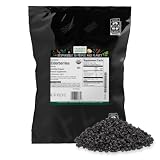
Chinese herbal tea for persistent dry cough: Marshmallow root and licorice root possess unique healing properties that physically coat the throat, easing dry cough and chest tightness. This powerful Licorice + Marshmallow Root combination produces strong demulcent effects, forming a slippery barrier over irritated airways.
Ingredients
- 1 tablespoon of dried marshmallow root (cut and sifted)
- 1 teaspoon of dried licorice root
- 2 cups of cold water (cold extraction pulls out more mucilage)
Instructions
- Place the marshmallow and licorice roots in a glass jar.
- Pour the cold water over the herbs, seal the jar, and leave it in the fridge for at least 4 hours (or overnight). Cold infusing is the secret to extracting the slippery, throat-coating properties.
- Strain the thick, slightly viscous liquid into a saucepan.
- Warm the liquid very gently over low heat. Do not boil it, or you will destroy the delicate mucilage.
- Sip this non-drowsy remedy slowly to physically coat and soothe irritated airways.
Pro-Tip: The scientific secret to this blend is mucilaginous polysaccharides—gel-like substances in marshmallow root that swell in water to create a protective barrier over inflamed throat tissue. Safety Warning: High doses of glycyrrhizic acid in licorice root can elevate blood pressure; consult your doctor if you have hypertension before drinking this blend.

6. Steep Chamomile & Lavender Restorative Night Tea

Can’t sleep because of a cold? Pin this natural nighttime remedy!
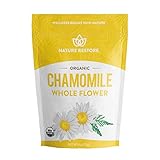
Medicinal tea for nocturnal cough relief: Chamomile flowers act as a gentle relaxant that reduces muscular tension and naturally enhances Sleep + Recovery. Quality rest remains absolutely critical for immune health, and this delicate Chamomile + Lavender floral blend safely helps you drift off.
Ingredients
- 1 heaping tablespoon of organic whole chamomile flowers
- 1/2 teaspoon of culinary-grade lavender buds
- 1.5 cups of boiling water
- 1 teaspoon of raw honey (honey before bed helps suppress nighttime coughing)
Instructions
- Combine the chamomile and lavender in a large mug.
- Pour boiling water over the delicate floral tea blend.
- Cover the mug with a saucer to keep the calming essential oils from escaping.
- Steep for a full 10 minutes to extract the potent, relaxing flavonoids.
- Strain, sweeten with a touch of honey, and sip 30 minutes before bed to promote restorative sleep.
Pro-Tip: Chamomile isn’t just for sleep—it is a mild diaphoretic. When drank hot, it gently raises the body’s temperature to induce a light sweat, which is a traditional phytotherapeutic approach to naturally breaking a mild winter fever.
7. Whisk a Turmeric & Black Pepper Golden Brew for Aches

Banish cold-related body aches naturally—pin this Golden Brew recipe!
Herbal tea for flu symptoms and body aches: Turmeric powder contains powerful anti-inflammatory compounds that quickly alleviate severe chills and aches, while black pepper dramatically enhances its absorption. This essential Turmeric + Black Pepper synergy targets systemic inflammation relief, easing the deep muscle soreness that makes winter illness miserable.
Ingredients
- 1 teaspoon of organic turmeric powder (or freshly grated root)
- A pinch of freshly cracked black pepper
- 1/4 teaspoon of cinnamon
- 1.5 cups of hot water (or warm plant-based milk for a soothing broth)
- 1 teaspoon of virgin coconut oil
Instructions
- Whisk the turmeric, black pepper, and cinnamon together in the bottom of your mug.
- Pour the hot water over the spices, stirring vigorously to prevent clumping.
- Mix in the coconut oil until it melts completely into the wellness tonic.
- Sweeten with a natural sweetener like maple syrup or honey if desired.
- Drink this warm, earthy brew to combat systemic inflammation relief and soothe heavy body aches.
Pro-Tip: Turmeric is largely useless for symptom management unless you prepare it correctly. Curcumin (the active anti-inflammatory compound) is fat-soluble and incredibly hard for the body to absorb. Adding black pepper (piperine) and a fat source (coconut oil) is necessary to ensure the bioavailability of herbs.

Key Takeaways: Your Quick Guide to Herbal Tea for Cold and Cough
When battling a stubborn winter illness, you need fast, evidence-based answers. This quick guide condenses the most critical phytotherapy concepts into actionable, safety-first rules. By properly preparing your medicinal tea for colds, you maximize the therapeutic compounds needed to soothe your best tea for chest cold and suppress your cough. Review these essential takeaways to ensure you match the right botanical remedy to your exact respiratory symptoms effectively and safely.
Key Takeaways:
- Match The Herb to the Symptom: – Not all herbal tea for cold and cough is created equal; use Thyme for a wet, phlegmy cough, and Marshmallow root for a dry, scratchy throat.
- Respect the Extraction Process: – Hard roots (like ginger root) require simmering (decoction) to extract medicine, while delicate flowers (like Chamomile) only need gentle steeping.
- Trap the Volatile Oils: – Always cover your mug with a saucer while your medicinal tea for colds steeps to prevent the healing essential oils from evaporating into the air.
- Preserve Your Honey’s Enzymes: – Never add raw honey to boiling water; wait until the botanical brew cools to a drinkable temperature to preserve its potent antibacterial properties.
- Honor Botanical Safety Guidelines: – Remember that potent herbs can interact with pharmaceuticals; for instance, high doses of licorice root can affect blood pressure, so always heed contraindications.
- Embrace Synergistic Herbalism: – Pair ingredients strategically—like adding black pepper to turmeric or lemon to ginger—to maximize the bioavailability of herbs in your body.
People Also Ask About Herbal Tea for Cold and Cough
Navigating the world of botanical medicine often brings up important questions regarding proper preparation, specific symptom matching, and overall herbal safety. Whether you are wondering about correct dosage guidelines or evaluating specific contraindications, finding factual, evidence-based answers is vital. Below, we address the most common questions about treating respiratory illnesses with targeted plant-based remedies to ensure your holistic healing journey remains perfectly safe.
What tea is best for a dry cough?
The most effective tea for a dry cough contains demulcent herbs like marshmallow root, licorice root, or slippery elm bark, which physically coat the irritated throat.
Unlike expectorants which break up mucus, demulcent herbs contain high levels of mucilage that form a soothing, gel-like barrier over raw, inflamed tissue. Drinking these as a cold-infused therapeutic liquid rather than a hot tea often yields the best symptom management for an unproductive, scratchy cough.
How do you make herbal tea for a cold?
To make a highly effective herbal tea for a cold, you must match the preparation method to the plant part: boil tough roots for 15 minutes, but steep delicate leaves in hot water for 10 minutes.
The biggest mistake people make is simply pouring hot water over hard ginger or turmeric, which fails to extract the deep phytonutrients. Furthermore, always keep your mug covered while infusing to ensure the healing aromatic oils don’t evaporate into your kitchen.
Can peppermint tea help with congestion?
Yes, peppermint tea is an excellent natural remedy for congestion because it contains high levels of menthol, a compound that acts as a natural decongestant.
Menthol binds to cold-sensitive receptors in the nasal cavity, creating a cooling sensation that relieves the feeling of clogged sinuses and shortness of breath. For maximum mucus clearing benefits, inhale the steam heavily from your mug for a few minutes before you begin sipping.
Is ginger tea good for a sore throat?
Ginger tea is incredibly effective for a sore throat due to its potent anti-inflammatory compounds, specifically gingerols and shogaols, which naturally reduce swelling and pain.
It also stimulates blood circulation, which helps flush toxins from the inflamed area faster. For the best fast-acting relief, combine fresh boiled ginger with raw honey, which adds an extra layer of antibacterial properties to help soothe raw, scratchy throat tissue.
Which herbal tea is best for flu symptoms?
Echinacea, elderberry, and yarrow are widely considered the best herbal teas for flu symptoms due to their clinically studied antiviral and immune-stimulating properties.
When consumed at the very first sign of chills and aches, these herbs can help support your body’s natural cytokine regulation. Additionally, a hot ginger and turmeric blend can provide massive inflammation relief to help soothe the severe body and muscle aches associated with influenza.
Does honey and lemon tea really work for coughs?
Yes, clinical studies have shown that a simple honey and lemon tea can be just as effective as over-the-counter cough syrups for soothing nighttime coughs.
Raw honey acts as a natural demulcent, coating the throat to suppress the cough reflex, while the acidic lemon juice helps to thin out loose phlegm and provides a small dose of Vitamin C. Always ensure you use raw and unfiltered honey for the best therapeutic effect.
What are the best teas for chest congestion?
The best teas for breaking up heavy chest congestion are expectorant herbs like thyme, mullein leaf, and elecampane root.
These specific botanicals contain potent volatile oils that work internally to thin out thick, stubborn mucus, making it much easier for your body to expel it from the lungs. A hot botanical brew of thyme heavily sweetened with honey is a time-tested holistic relief method for a wet, heavy chest cough.
Is elderberry tea safe for children?
Elderberry tea is generally considered very safe and highly effective for children, provided the berries are fully cooked or dried before brewing.
Raw elderberries contain compounds that can cause stomach upset, but boiling them completely neutralizes this issue. Many pediatric herbalists recommend a mild elderberry and chamomile wellness tonic as a side-effect free way to support a child’s immune system during the winter months, though you should always consult your pediatrician first.
Does licorice root tea help a sore throat?
Licorice root is one of the most powerful natural remedies for a sore throat because it possesses intense anti-inflammatory and tissue-coating properties.
It effectively soothes irritated airways and provides almost immediate comfort. However, due to its pharmacological properties, licorice root should not be consumed in massive quantities or over extended periods by individuals with high blood pressure, as it can cause potassium depletion and sodium retention.
Are there side effects to drinking too much herbal tea?
Yes, drinking excessive amounts of medicinal herbal tea can lead to side effects like upset stomach, changes in blood pressure, or interactions with prescription medications.
Because therapeutic teas contain highly active plant compounds, they should be treated with the same respect as medicine. Always follow proper dosage guidelines, be aware of specific contraindications (especially if pregnant or nursing), and rely on herbalist recommended quantities rather than drinking potent medicinal brews like plain water.
Final Thoughts on Herbal Tea for Cold and Cough
Finding genuine relief during flu season doesn’t always require a trip to the pharmacy. By understanding the specific medicinal properties of the herbal tea for cold and cough, you can transform your kitchen pantry into a highly effective natural apothecary. Whether you are simmering a spicy ginger decoction to banish the chills, or steeping a delicate chamomile floral tea to encourage restorative sleep, these time-tested botanicals offer profound, evidence-based support for your body’s immune system.
The true secret to holistic recovery lies in matching the right herb to your specific symptom. Remember to utilize demulcents like marshmallow root for a dry, scratchy throat, and lean on expectorants like thyme to clear heavy chest congestion. However, even the most potent natural cold remedy tea cannot replace the foundational pillars of healing: profound rest and hydration. Pair these soothing brews with a holistic lifestyle, prioritize your sleep quality, and always consult your doctor if a severe illness lingers.
Which of these herbal remedies are you going to brew first to conquer cold season? Let us know your favorite natural healing combinations in the comments below!
Last update on 2026-10-25 / Affiliate links / Images from Amazon Product Advertising API
