
As an Amazon Associate CoffeeXplore.com earns from qualifying purchases.
Home Coffee Bar Setups: 7 Stunning DIY Ideas in 2026
Tired of cluttered kitchen counters and expensive daily coffee shop runs? Setting up your morning brew shouldn’t feel like navigating a chaotic obstacle course. Dedicated home coffee bar setups solve limited counter space while completely transforming your daily caffeine routine.
The essential components of home coffee bar setups include a sturdy surface like a cabinet or hutch, a high-quality espresso machine or brewer, a dedicated burr grinder, airtight coffee bean canisters, and organized vertical storage for mugs and accessories. Proper cable management and easy water access are critical for a functional workflow.
Drawing from comprehensive analysis of interior design standards and proven barista methodologies, this guide reveals how to create a highly functional domestic coffee environment. You will discover exactly how to assemble stunning, budget-friendly layouts tailored to your unique space and aesthetic. Say goodbye to cord clutter and embrace a streamlined, empowering morning routine today.
Contents
show
How To Build The Ultimate Home Coffee Bar Setups
Building the ultimate at-home coffee station requires balancing beautiful interior design with practical ergonomic workflow, ensuring your heavy equipment and daily accessories integrate seamlessly without overwhelming your kitchen.
Whether you are working with a small kitchen suffering from limited counter space or planning a luxury built-in during a remodel, creating a dedicated caffeine station is the ultimate upgrade for coffee lovers. A well-planned residential coffee bar completely removes your brewing process from the main cooking area. This simple separation instantly solves major household bottlenecks and drastically minimizes kitchen clutter.
To achieve a truly functional space, you must consider the physical infrastructure beneath the aesthetics. The best home coffee equipment requires dedicated power outlets, intelligent cord management to hide unsightly wires, and durable cabinetry that can withstand heat and moisture. By applying barista-approved setups and professional interior design standards, you can build a customized beverage center that delivers commercial-quality performance right in your own home.
7 Stunning DIY Home Coffee Bar Setups To Build in 2026
Designing your perfect coffee corner involves selecting the right furniture framework and applying process-driven action steps to customize it. By reviewing these seven highly specific DIY design plans, you can find the exact match for both your personal aesthetic—ranging from modern farmhouse to industrial—and your unique spatial constraints.
Each of these setups transforms unused corners into highly productive brewing hubs. Whether you are assembling a massive IKEA Besta hack, styling a portable cart, or organizing a hidden appliance garage, the focus remains on blending visual appeal with everyday utility. By utilizing proper coffee bar furniture ideas and maximizing vertical space, these step-by-step builds will guide you in creating an inspiring and deeply functional coffee station for your kitchen or living space.
1. Assemble an IKEA Besta Coffee Station Hack

Pin this brilliant IKEA hack to your “Dream Kitchen” board!
Creating a custom-looking, affordable modern farmhouse coffee bar decor setup is incredibly easy using accessible Swedish furniture. Transforming a basic cabinet base into a high-end barista corner minimizes kitchen clutter while providing ample internal storage for backup beans and filters.
Supplies Needed
- IKEA Besta frame with doors and interior shelving
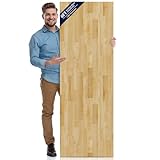
- Custom-cut butcher block or rustic wood finish panel for the countertop
- Furniture mounting brackets and heavy-duty drywall anchors
- Espresso machine and grinder pairing of your choice
- Airtight coffee bean canisters (matte black or glass)
- Polyurethane clear coat (for moisture protection)
- Cable management box and zip ties
Step-by-Step Directions
- Assemble the Besta cabinet frame according to the manufacturer instructions, leaving the back panel off if you need direct access to wall outlets.
- Mount the cabinet securely to the wall studs using heavy-duty brackets; a prosumer coffee setup can weigh over 50 pounds, so stability is non-negotiable.
- Configure your custom wood top by sanding it smooth and applying three coats of polyurethane to prevent moisture damage from steam and spills.
- Install the wood top onto the cabinet using construction adhesive and screws from the inside up.
- Organize your appliances on the right side near the outlet, using a cable management box to hide cord clutter behind the burr grinder.
- Style the station with floating shelves above for your mugs and glassware.
Pro-Tip: As an interior design standard, ensure your coffee bar height sits between 36 and 38 inches (standard kitchen counter height). If your Besta cabinet sits lower, install customized 4-inch metal or wooden legs to achieve proper ergonomic workflow when tamping your espresso.
2. Maximize Space With a Floating Shelf Coffee Station

Save this genius small-space hack to your favorite home organization board!
When floor space is non-existent, utilizing vertical wall space becomes the ultimate limited counter space solution. A minimalist beverage center using heavy-duty shelving perfectly transforms unused corners into a highly functional brewing hub.
Supplies Needed
- 2-3 solid wood floating shelves (minimum 10 inches deep)
- Heavy-duty concealed shelf brackets (rated for 50+ lbs)
- Electric drill and drywall anchors (or stud finder)
- Pour over stand and electric gooseneck kettle
- Under-cabinet LED puck lights (battery operated or plug-in)
- Wall-mounted mug hooks or rack
- Compact coffee pod holder or small airtight jars
Step-by-Step Directions
- Measure the vertical wall space above your designated small kitchen counter, ensuring at least 18-20 inches of clearance between the counter and the first shelf for your kettle or brewer.
- Locate your wall studs using a stud finder; mounting coffee equipment directly into drywall without hitting studs or using toggle bolts is a major safety risk.
- Install the heavy-duty brackets and slide your floating shelves into place, ensuring they are perfectly level.
- Attach small, adhesive LED puck lights to the underside of the bottom shelf to solve dark corner lighting issues and instantly add ambiance.
- Organize your daily items—like the pour over stand, kettle, and everyday mugs—on the lowest, most accessible shelf.
- Style the upper shelves with decorative items, backup coffee beans, and trailing plants to complete the minimalist coffee setup.
Pro-Tip: If comparing open shelving vs cabinets, remember that open shelves expose your beans to light. Always store your premium beans in opaque, airtight containers or UV-blocking glass to preserve coffee freshness data and essential oils.

3. Style an Industrial Pipe Coffee Bar Cart

Love the industrial loft look? Pin this rolling cart setup for later!
Building a flexible, affordable, and mobile brew station fits perfectly into a renter-friendly lifestyle. An industrial pipe coffee bar DIY project accommodates various brewers and easily moves out of the way when hosting guests.
Supplies Needed
- Pre-cut black iron plumbing pipes, flanges, and elbow joints
- 3 thick rustic wood planks (stained to match your interior design palettes)
- 4 heavy-duty locking caster wheels
- Screws and a power drill
- Syrup dispensers with gold or black pumps
- Non-slip rubber shelf liners or a silicone coffee bar mat
- Wire baskets for organizing loose items
Step-by-Step Directions
- Clean the black iron pipes thoroughly with a degreaser; hardware store pipes come coated in a greasy residue to prevent rusting.
- Assemble the iron pipe framework by threading the joints together tightly, ensuring the structure is perfectly square and level to avoid an unstable cart fix later.
- Mount the flanges to the underside of the wood planks using your drill, securing the three tiers together.
- Install the four locking caster wheels to the bottom flanges to make your portable coffee cart fully mobile.
- Organize your heavy equipment (like the brewer or grinder) exclusively on the top tier to maintain a safe center of gravity.
- Style the middle shelf with syrups and dispensers alongside mugs, while using the bottom shelf to store bulk items like extra beans in wire baskets.
Pro-Tip: When dealing with a mobile apartment coffee bar, vibration from a powerful grinder can cause the cart to rattle. Place a thick commercial-grade tamping mat beneath your equipment; this acts as a noise reduction mat and prevents the cart from vibrating across hardwood floors.

4. Design a Hidden Coffee Cabinet with Cord Management

Hate countertop clutter? Pin this hidden appliance garage idea!
Achieving a high-end, minimalist kitchen design often requires concealing your morning ritual area behind closed doors. Retrofitting an existing pantry into a hidden coffee cabinet solves the visual cord clutter management issue completely.
Supplies Needed
- Existing kitchen cabinet or pantry (minimum 24 inches wide)
- Pocket door hardware kit (allows doors to slide back into the cabinet)
- Grommet hole saw bit and drill
- Cable management raceway channels
- Pull-out sliding drawer tracks (heavy-duty)
- Motion-sensor LED puck lights
- Barista tools organizer tray
Step-by-Step Directions
- Repurpose a standard cabinet by removing the hinges and installing pocket door hardware, allowing the doors to slide out of the way when the java bar is in use.
- Measure and drill a 2-inch grommet hole in the back corner of the cabinet to route power cables seamlessly.
- Install cable management raceways along the back wall to cleanly guide all appliance cords down to the wall outlet, completely eliminating cord clutter.
- Upgrade the base shelf by installing heavy-duty sliding drawer tracks, allowing you to pull the espresso machine out forward when you need to refill the water tank.
- Mount motion-sensor LED lights to the ceiling of the cabinet so the coffee pantry automatically illuminates when you open the doors.
- Organize your tamping mat, knock box, and tampers in a shallow drawer right beneath the main machine surface.
Pro-Tip: When operating heat-producing appliances inside a hidden coffee bar in a kitchen cabinet, steam from the machine’s boiler can warp wooden cabinetry over time. Always leave the pocket doors open for at least 15 minutes after brewing to allow for proper heat management and ventilation, as dictated by interior design standards.

5. Build a Built-In Espresso Bar for Prosumers

Building your dream home? Pin this luxury plumbed-in espresso bar!
Planning a permanent, high-budget residential coffee bar during a new construction remodel mirrors a commercial cafe experience. By focusing on advanced water chemistry for coffee and high-end gear layout, prosumers can create a true masterpiece.
Supplies Needed
- Custom base cabinetry with reinforced stone countertops (quartz or granite)
- Small undermount bar sink and gooseneck faucet
- Plumbed-in espresso machine (rotary pump preferred)
- Zero-retention grinder with dosing cup compatibility
- In-line water filtration system (BWT or similar scale-prevention system)
- Knock box built into the countertop (flush mount)
- Bottomless portafilters and WDT tool storage block
Step-by-Step Directions
- Design the layout during your kitchen remodel, ensuring the contractor runs dedicated GFCI electrical lines and cold-water plumbing to the specific alcove.
- Plumb the water line from the wall directly into an in-line water filtration system before it reaches the espresso machine; scale buildup prevention is critical for expensive dual-boiler machines.
- Install a small sink and faucet adjacent to the machine to handle drip tray emptying, rinsing pitchers, and keeping the coffee puck preparation area spotless.
- Integrate a flush-mount knock box directly into the stone countertop by having your fabricator cut a specific rectangular drop-in hole.
- Configure your PID temperature control settings and flow control devices once the machine is hooked up to the filtered water line.
- Organize your advanced accessories like RDT spray bottles, tampers, and levellers on a dedicated ergonomic tamping station.
Pro-Tip: If upgrading to a luxury coffee station with a plumbed-in machine, always specify a machine with a rotary pump rather than a vibratory pump. Rotary pump noise is drastically lower, providing a whisper-quiet brewing experience that won’t wake the whole house during your early morning routine.

6. Repurpose a Vintage Hutch into a Rustic Coffee Bar

Upcycling furniture? Pin this beautiful vintage hutch coffee station!
Engaging in furniture upcycling is a fantastic way to create an affordable, character-rich coffee station decor setup. A painted hutch and buffet combo complements traditional home decor while beautifully housing all your equipment.
Supplies Needed
- Thrifted solid wood vintage hutch or dining buffet
- Orbital sander and 120/220 grit sandpaper
- Chalk paint (e.g., sage green or antique white) and wax sealer
- Heavy-duty waterproof polyurethane clear coat (for the top surface)
- Antique brass or matte black cabinet hardware trends
- Under-shelf mug hooks (screw-in)
- Decorative tray and organization bins for the lower cabinets
Step-by-Step Directions
- Clean the vintage piece thoroughly with a TSP substitute to remove decades of furniture polish and oils.
- Sand the top surface down to the bare wood to create a beautiful rustic wood finish, while lightly scuffing the painted areas for better paint adhesion.
- Repurpose the piece by painting the body with two coats of high-quality chalk paint, finishing with a protective wax buff.
- Seal the bare wood countertop with three thick coats of waterproof polyurethane to guarantee a stain resistant surface against inevitable coffee drips.
- Install new, updated cabinet hardware to bridge the gap between vintage charm and modern coffee station aesthetics.
- Mount screw-in brass hooks to the underside of the hutch’s upper shelving to dramatically display your favorite mugs and glassware.
Pro-Tip: If you are transforming an old vintage coffee hutch, the original back panel will likely block your wall outlets. Use a 2-inch hole saw to cut a clean circle behind where your appliance will sit, allowing you to feed cables through invisibly without destroying the antique backing.

7. Configure a Minimalist Home Office Coffee Corner

Working from home? Pin this sleek office coffee station idea!
Integrating a fast, low-mess caffeine corner directly into your workspace is the ultimate hack for boosting morning productivity. An intelligent home office coffee corner setup enhances your routine without ever requiring a disruptive trip to the kitchen.
Supplies Needed
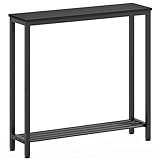
- Narrow profile console table (under 12 inches deep)
- Slimline single-serve machine or Nespresso unit
- Electric kettle with temperature control
- Sleek acrylic or bamboo coffee pod holder
- Small decorative tray for corralling items
- Silicone tamping mat or spill-proof mat
- Small lidded trash bin for used pods or tea bags
Step-by-Step Directions
- Measure the space beside your desk; a true office coffee bar ideas setup should utilize narrow console tables (10-12 inches deep) so it doesn’t obstruct office chair movement.
- Assemble the narrow console table and position it near an outlet that isn’t already overloaded by computer equipment.
- Configure your low-mess brewing equipment. When weighing pod vs grounds in a carpeted home office, pod machines or simple French presses prevent messy grounds from spilling onto the floor.
- Organize your pods or tea bags into an acrylic organizer, keeping the visual footprint incredibly light and minimalist.
- Maximize the surface by placing everything onto a singular decorative tray; this visually boundaries the caffeine station from your work documents.
- Maintain the space easily by keeping a small, stylish lidded bin right beneath the table to discard used pods immediately, ensuring your office never smells like stale coffee.
Pro-Tip: Water source logistics are the hardest part of an office coffee bar. Keep a beautiful 32oz glass carafe of filtered water on your minimalist white coffee station. It acts as high-end decor while saving you multiple trips to the kitchen to refill your machine’s water tank.
Key Takeaways: Your Quick Guide to Home Coffee Bar Setups
Before you finalize your blueprints and start purchasing furniture for your customized build, reviewing these essential structural rules will save you time and money. Whether you are focusing on high-end luxury or budget-friendly coffee bar organization, adhering to interior design best practices guarantees your setup functions seamlessly.
By understanding how heavy appliances interact with cabinetry and water sources, you can ensure your final project looks beautiful while standing up to the daily rigors of brewing.
Key Takeaways:
- Anchor Your Furniture Securely – Always mount base cabinets like the IKEA Besta or narrow console tables to wall studs; heavy espresso machines can easily cause unanchored furniture to tip.
- Prioritize Cord Management Early – Plan your power source before building. Use raceways and grommet holes to hide cables, instantly elevating a DIY coffee bar from amateur to professional.
- Waterproof Your Surfaces Aggressively – Steam, heat, and spills will destroy standard MDF or bare wood. Seal wooden countertops with three coats of polyurethane to ensure a permanent stain resistant surface.
- Match Equipment to Workflow – For small spaces, maximize vertical storage with floating shelves; for high-end residential coffee bars, consider plumbed-in espresso machines and hidden sink basins.
- Control Your Lighting – Don’t let your caffeine station sit in a dark corner. Utilize battery-operated LED puck lights under shelves or cabinetry to create ambient lighting and ambiance without needing an electrician.
People Also Ask About Home Coffee Bar Setups
Even after selecting a beautiful DIY design, practical questions regarding budget, spatial dimensions, and organizational techniques often arise. Addressing these lingering concerns is crucial for executing a flawless installation that prevents common moisture and electrical hazards.
Below, we answer the most common questions about spatial planning, equipment layout, and essential coffee bar styling to ensure your new morning ritual area functions effortlessly.
How to build a coffee bar at home?
To build a coffee bar at home, select a dedicated surface (like a cabinet, cart, or hutch), place it near a power outlet, and organize your brewing equipment alongside vertical storage for mugs and beans. Start by measuring your available space, choosing furniture that fits your aesthetic, sealing the surface against moisture, and utilizing floating shelves or trays to keep the area completely decluttered.
What are the essentials for a home coffee bar?
The essential components include a brewing device (espresso machine or drip maker), a quality burr grinder, airtight coffee bean canisters, and a designated space for mugs. Secondary essentials that elevate the experience include a knock box, a commercial-grade tamping mat, proper water filtration, and organized syrup dispensers.
How deep should a coffee bar be?
According to interior design standards, a functional coffee bar should be at least 18 to 22 inches deep. This depth perfectly accommodates the footprint of most standard espresso machines and grinders while leaving enough front clearance for a tamping mat and for you to comfortably prepare your coffee puck.
What is the best height for a coffee bar?
The ideal height for a coffee bar is standard kitchen counter height, which is 36 to 38 inches from the floor. This provides the most ergonomic workflow, allowing you to exert downward pressure when tamping espresso without straining your shoulders or lower back.
Where is the best place for a coffee station?
The best place for a coffee station is near a water source and an uncrowded power outlet, typically at the edge of the kitchen, in a walk-in pantry, or adjacent to a dining area. Keeping it on the periphery of the kitchen prevents traffic jams during busy morning cooking routines.
How to hide coffee bar cords?
You can hide coffee bar cords by drilling a grommet hole directly through your cabinet top and feeding the wires down into a concealed cable management raceway. Alternatively, use a decorative cable management box placed directly behind your largest appliance (like the grinder) to bundle and conceal excess wire length.
How much does a home coffee bar cost?
A basic DIY home coffee bar using repurposed furniture or an IKEA cabinet typically costs between $150 and $400 for the furniture and shelving alone. If you are installing a luxury, built-in prosumer coffee setup with custom cabinetry, plumbing, and a high-end dual boiler espresso machine, costs can easily exceed $3,000 to $5,000.
Can you put a coffee bar in a closet?
Yes, converting a shallow closet into a “cloffice” or hidden coffee station is highly popular, provided you address power and ventilation. You will need to hire an electrician to install a GFCI outlet inside the closet, and you must leave the doors open while brewing to prevent trapped steam from causing mold or peeling paint.
How to organize coffee syrups on a bar?
Organize coffee syrups by transferring them into matching glass syrup dispensers with pump tops, and corral them together on a small decorative tray or a lazy Susan. This instantly removes unsightly commercial branding, contains sticky drips, and gives your home cafe setup a cohesive, high-end visual look.
How to store coffee beans on a bar?
Always store coffee beans in opaque, airtight vacuum canisters kept away from direct sunlight and heat sources. While clear glass jars look beautiful on floating shelves, exposure to light and oxygen rapidly degrades coffee freshness data and turns the delicate oils rancid.
Final Thoughts on Home Coffee Bar Setups
Creating dedicated home coffee bar setups is about much more than just clever kitchen organization; it is about intentionally designing a personalized space that brings absolute joy and efficiency to your daily morning routine. Whether you are upcycling a vintage hutch on a tight budget or plumbing a custom espresso nook in a new home build, the secret to a successful caffeine station lies in the perfect balance of beautiful aesthetics and practical barista workflow.
By prioritizing durable, waterproof surfaces, implementing smart cord clutter management, and selecting barista-approved storage for your premium beans and gear, you can completely transform an unused corner into the most welcoming spot in the house. Remember to measure your space carefully, anchor your furniture safely, and thoughtfully choose a layout that accommodates your specific brewing style.
Now that you have the blueprints for seven distinct, stunning designs, it’s time to gather your tools, declutter your kitchen, and start building your own personalized coffee station. Which style are you planning to integrate into your home—a sleek, modern hidden cabinet, or a mobile, rustic farmhouse cart? Let us know which approach you will try first in the comments below!
Last update on 2026-10-25 / Affiliate links / Images from Amazon Product Advertising API
