
As an Amazon Associate CoffeeXplore.com earns from qualifying purchases.
Fruit Tea Recipes: 7 Refreshing Homemade Blends for 2026
Ever wonder why your homemade Fruit Tea Recipes end up bitter or cloudy? You follow the steps, but the result is a disappointing, astringent drink that’s nothing like the refreshing beverage you craved. This frustration is a common roadblock for home brewers everywhere.
To make the perfect homemade fruit tea, start by brewing a strong tea concentrate using black or jasmine green tea, dissolve your sweetener while the tea is still hot, and once cooled, mix the tea base with equal parts fruit juices or muddled fresh fruit before diluting with cold water and garnishing. This simple method prevents the most common brewing mistakes.
Based on tested culinary methods and barista-grade techniques, this guide solves the bitter tea dilemma for good. You will discover seven refreshing blends, covering everything from classic Southern sweet tea punch to trendy Taiwanese boba-style infusions. Get ready to master the art of fruit tea.
Contents
show
How To Make Fruit Tea Recipes: Solving The Bitter & Cloudy Tea Dilemma
Making delicious homemade fruit tea is far simpler than you think, but it hinges on understanding a few key principles. The primary reason many attempts fail is due to the mishandling of tea leaves, which leads to excessive tannin extraction and the dreaded bitterness. This guide demystifies the process, ensuring your next pitcher of fruit infused iced tea is perfectly balanced and refreshing. We’ll explore two dominant styles: the classic Southern fruit tea punch, known for its sweet, crowd-pleasing nature, and the modern Taiwanese-style tea, which focuses on fresh, muddled fruit and delicate green teas. By mastering the correct steeping temperatures and times, you can avoid the common pitfalls of over-steeping and excess sugar, unlocking the secret to consistently delicious easy fruit tea punch every time. These are tested recipes that respect traditional methods while incorporating expert tips to balance tea’s natural astringency with fruit’s bright acidity.
Fruit Tea Recipes: 7 Refreshing Homemade Blends for 2026
Now that you understand the basic science, you’re ready to dive into the fun part: making the tea. Below you will find 7 distinct fruit tea recipes, each designed to showcase a different style and flavor profile. From a massive batch of Southern style sweet fruit tea recipe for parties to a single-serving fresh fruit jasmine tea recipe, this list has something for every occasion. We’ll guide you through the specific process for each, whether it involves a slow cold brew tea infusion, a vigorous muddle in a cocktail shaker, or the simple act to steep and chill. Pay close attention to the expert tips, which reveal the secrets to maximizing antioxidant density, achieving perfect flavor profiles, and even creating a healthy fruit tea recipe no sugar.
1. Brew the Ultimate Traditional Southern Fruit Tea Punch

Pin this ultimate Southern summer party drink to your recipe boards!
Ingredients
- 6 family-size black tea bags (Lipton or Luzianne)
- 1 cup granulated cane sugar
- 12 oz frozen orange juice concentrate (thawed)
- 46 oz canned pineapple juice
- 1/2 cup fresh lemon juice
- Fresh orange and lemon slices for garnish
Instructions
- Boil 4 cups of filtered water in a large saucepan, then remove from heat.
- Steep the black tea bags in the hot water for exactly 5 minutes, then discard the bags.
- Dissolve the cane sugar completely into the hot tea base.
- Mix in the thawed orange juice concentrate, pineapple juice, and fresh lemon juice.
- Dilute with 8 cups of cold water, transfer to a large glass pitcher, and chill in the refrigerator for at least 2 hours before serving over ice.
Pro-Tip: Pay strict attention to your steeping temperature and time. Steeping black tea longer than 5 minutes extracts excess tannins, leading to extreme astringency and bitterness that no amount of sugar can mask.

2. Muddle a Fresh Taiwanese Style Jasmine Fruit Tea

Save this cafe-quality boba shop recipe for your next craving!
Ingredients
- 2 bags high-quality jasmine tea
- 3 fresh strawberries, hulled
- 2 tablespoons fresh passion fruit pulp
- 1/4 cup cooked tapioca boba pearls
- 1 tablespoon agave syrup (or to taste)
- 1 cup crushed ice
Instructions
- Brew the jasmine tea in 6 ounces of hot water (not boiling) for 3 minutes, then remove bags and let the tea cool completely.
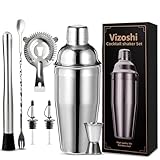
- Muddle the fresh strawberries and passion fruit pulp vigorously in the bottom of a cocktail shaker to release their natural juices.
- Pour the cooled jasmine tea, agave syrup, and crushed ice into the shaker.
- Shake vigorously for 15 seconds to chill the tea and create a frothy top.
- Strain or pour directly over the cooked boba pearls in a tall serving glass.
Pro-Tip: When preparing your boba pearls, aim for the perfect boba texture (Q-bounce) by boiling them rapidly, then immediately shocking them in an ice bath before soaking them in a light homemade tea syrup.
3. Steep a Sugar-Free Cold-Brewed Strawberry Basil Infusion

Pin this healthy, sugar-free cold brew method for your meal prep Sunday!
Ingredients
- 3 tablespoons loose leaf white tea (or green tea)
- 1 cup fresh organic strawberries, thinly sliced
- 1/4 cup fresh basil leaves, gently torn
- 4 cups cold, filtered water
Instructions
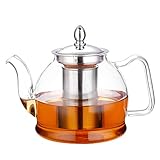
- Combine the loose leaf tea, sliced strawberries, and torn basil leaves in a large glass pitcher or specialized cold-brew jar.
- Pour the cold filtered water over the ingredients, ensuring everything is fully submerged.
- Refrigerate the pitcher immediately and let the mixture infuse slowly for 8 to 12 hours.
- Strain the tea carefully through a fine-mesh sieve or remove the built-in filter basket to prevent over-extraction.
- Serve chilled over ice for a completely pulp-free, ultra-smooth liquid refreshment.
Pro-Tip: Cold-press extraction relies on slow osmosis in infusion rather than heat. Because hot water is never introduced, the tea leaves release fewer harsh polyphenols, completely eliminating the need for added sugar to mask bitterness.

4. Mix a Classic Passion Fruit Black Tea with Boba

Want to make bubble tea at home? Pin this easy recipe to save it!
Ingredients
- 1 cup strongly brewed Assam or Ceylon black tea (chilled)
- 3 tablespoons premium passion fruit tea concentrate or syrup
- 1/3 cup cooked tapioca boba pearls
- 1 tablespoon honey (to coat the boba)
- Ice cubes
Instructions
- Brew your black tea double-strength to ensure the flavor isn’t lost when diluted by ice and syrup, then chill.
- Stir the warm, freshly cooked boba pearls with the honey in a small bowl to prevent them from sticking together.
- Spoon the honey-coated boba into the bottom of a tall serving glass.
- Mix the passion fruit concentrate thoroughly into the chilled black tea.
- Pour the flavored tea mixture gently over the ice and boba pearls, then add a wide straw to serve.
Pro-Tip: Commercial boba shops rely on syrup viscosity and precise citric acid balance to make their drinks pop. Using a high-quality fruit concentrate rather than just fresh juice ensures your iced tea doesn’t suffer from diluted flavor once the ice melts.

5. Chill a Sparkling Citrus Hibiscus Tea Cooler

Swap your afternoon soda for this stunning sparkling hibiscus tea! Pin for later!
Ingredients
- 1/4 cup dried hibiscus flowers (loose leaf)
- 1 cup boiling water
- 2 tablespoons agave syrup
- 1 fresh lemon, thickly sliced
- 1/2 fresh orange, thickly sliced
- 2 cups unflavored sparkling water or club soda
Instructions
- Steep the dried hibiscus flowers in boiling water for exactly 10 minutes to extract a deep crimson color and tart flavor.
- Strain the flowers and immediately dissolve the agave syrup into the hot liquid, then let it cool completely.
- Slice the lemon and orange into thick wheels and press them gently into the bottom of two large glasses.
- Fill the glasses with ice and divide the concentrated hibiscus syrup evenly between them.
- Pour the cold sparkling water over the top to mix, and garnish with an extra citrus wheel.
Pro-Tip: Hibiscus is a botanical classification known as a tisane (herbal tea) rather than a true tea. Because it is naturally high in Vitamin C, mastering rebalancing acidity with the right ratio of agave and sparkling water is key to preventing a sour finish.

6. Infuse a Light and Sweet Peach Oolong Tea

Love Oolong? Save this fresh peach infusion to your favorite tea board!
Ingredients
- 2 teaspoons premium oolong tea leaves (Tieguanyin or similar light roast)
- 1 ripe fresh peach, pitted and diced
- 1 tablespoon honey or simple syrup
- 8 oz hot water (around 185°F)
- Ice
Instructions
- Brew the oolong tea leaves in the 185°F water for 3 to 4 minutes, then strain and set aside to cool.
- Mash the diced fresh peaches thoroughly in the bottom of a cocktail shaker to release their natural sweetness.
- Stir the honey directly into the mashed peaches.
- Add the cooled oolong tea and a scoop of ice to the shaker, then shake vigorously to aerate the tea.
- Pour the entire mixture, including the smashed peach bits, into a serving glass.
Pro-Tip: Oolong is a semi-oxidized tea. Lighter oxidation levels (like a green, floral Tieguanyin) boast a terroir of tea that naturally mimics the flavor of stone fruits. Using fresh peaches instead of frozen prevents excess water from dulling these delicate, complex flavor profiles.

7. Boil a Comforting Hot Apple Cinnamon Winter Fruit Tea

Need a cozy drink for chilly nights? Pin this hot apple fruit tea recipe!
Ingredients
- 2 bags robust black tea (like English Breakfast)
- 1/2 sweet red apple, diced (core removed)
- 2 whole cinnamon sticks
- 1 whole star anise (optional)
- 2 tablespoons raw honey
- 3 cups boiling water
Instructions
- Combine the diced apples, cinnamon sticks, and star anise in a small saucepan with 3 cups of water and bring to a rolling boil.
- Reduce the heat and let the fruit and spices simmer gently for 5 minutes to create a highly fragrant botanical brew.
- Remove the pot from the heat and immediately add the black tea bags.
- Steep for exactly 4 minutes, then strain out the tea bags and solid spices.
- Stir in the raw honey while the tea is still piping hot, and pour into heavy glass mugs to serve.
Pro-Tip: Boiling the fruit and spices before adding the tea bags is critical. If you boil the tea leaves alongside the fruit, you will destroy the delicate catechins and release massive amounts of bitter tannins. Add the tea only after removing the pot from the heat.
Key Takeaways: Your Quick Guide to Fruit Tea Recipes
- Temperature is Everything: Steeping black or green tea in actively boiling water scorches the leaves. Always use water just off the boil (around 200°F for black, 185°F for green) to prevent extreme bitterness.
- Respect Steeping Times: Never leave tea bags in the pitcher indefinitely. Remove black tea after 5 minutes and green tea after 3 minutes to halt tannin extraction.
- Sweeten While Hot: To avoid a grainy texture, always dissolve your cane sugar or honey into the tea concentrate while it is hot, before diluting with cold water or ice.
- Southern vs. Asian Styles: Southern style punch relies heavily on robust black tea mixed with frozen orange juice concentrate and pineapple juice, while Taiwanese boba-style focuses on delicate green teas, muddled fresh fruit, and specialized syrups.
- The Cold Brew Solution: If you constantly struggle with cloudy or bitter tea, try cold brewing. The slow osmosis in infusion extracts a completely smooth, naturally sweet flavor profile.
- Managing Fruit Spoilage: Fresh fruit left in iced tea will begin to break down and ferment after 24 hours. Always strain the fruit out if you plan to store the tea in the fridge for several days.
- Baking with Tea: Don’t throw away highly concentrated leftover tea! It makes an incredible liquid base for a classic Mary Berry style fruit tea loaf—a perfect companion to your afternoon tea snacks.
FAQs About Fruit Tea Recipes
How to make fruit tea?
To make a basic fruit tea, brew a strong tea concentrate, dissolve your sweetener while hot, and then mix with your choice of fruit juices or muddled fresh fruit before chilling. The key is treating the tea and the fruit as two separate components that are merged at the end. For a batch-friendly Southern style, mix brewed black tea with pineapple and citrus juices. For Asian styles, muddle fresh fruit in a shaker and vigorously shake with cooled jasmine tea and ice.
What tea is best for fruit tea?
Robust black teas (like Assam, Ceylon, or standard Lipton) are best for citrus-heavy Southern punches, while Jasmine or light Oolong teas are best for delicate fresh fruit infusions. Your choice depends entirely on the fruit you are using. The heavy malty notes of black tea stand up perfectly to aggressive flavors like passion fruit and pineapple. Conversely, lighter green and white teas pair beautifully with subtle fruits like strawberries, peaches, and melons, allowing their natural sweetness to shine.
Why is my fruit tea bitter?
Your fruit tea is bitter because the tea leaves were steeped for too long or in water that was too hot, releasing excessive, harsh tannins. Over-steeping is the number one mistake in homemade tea making. Always set a timer—3 minutes for green tea and 5 minutes for black tea. Once the time is up, immediately remove the tea bags or strain the loose leaves. If you squeeze the tea bags, you will force even more bitter compounds into your botanical brew.
How to sweeten fruit tea naturally?
You can sweeten fruit tea naturally by using raw honey, agave syrup, pure maple syrup, or by relying on the concentrated sugars found in overripe, muddled fruit. If you want a completely sugar-free option, use the cold-brew method and incorporate naturally sweet additions like fresh stevia leaves, licorice root, or heavily bruised mint. Keep in mind that replacing white sugar with liquid sweeteners like honey may slightly alter the flavor profiles and add floral or earthy undertones.
How long do you steep fruit tea?
For hot brewed fruit tea, steep black tea for 4-5 minutes and green/white tea for 3 minutes; for cold brewed fruit tea, steep in the refrigerator for 8-12 hours. If you are using a pure herbal tisane (like dried hibiscus or a berry medley with no actual tea leaves), you can safely steep it for 10-15 minutes in hot water, as herbal infusions do not contain the tannins that cause bitterness in traditional tea.
Can you eat the fruit in fruit tea?
Yes, you can absolutely eat the fruit in your fruit tea, and doing so is a delicious way to enjoy tea-infused, hydrated fruit. However, be aware that the fruit has given up most of its natural sugars and flavors to the liquid, meaning the fruit itself may taste slightly diluted or take on the astringent notes of the tea. Citrus rinds left in tea for too long will impart a bitter essential oil flavor, so eat them promptly!
How to make cold brew fruit tea?
To make cold brew fruit tea, combine loose leaf tea and sliced fresh fruit in a large glass pitcher, cover with cold filtered water, and refrigerate for 8 to 12 hours before straining. Because this method relies on slow osmosis in infusion rather than heat, the resulting tea is exceptionally smooth, naturally sweeter, and entirely free of bitterness. It is the best tea alternative for those looking to dramatically lower their sugar intake.
What fruit goes best with jasmine tea?
Fruits that go best with jasmine tea are tropical and stone fruits like passion fruit, lychee, mango, strawberries, and peaches. Because jasmine tea has highly aromatic, floral notes, it pairs best with fruits that offer a bright, sweet-tart profile without being overwhelmingly heavy. Avoid dark berries like blackberries or heavy citrus like grapefruit, which can completely overpower the delicate, vibrant floral characteristics of the green tea base.
How long does fruit tea last in the fridge?
Homemade fruit tea will last for 3 to 4 days in the refrigerator if you remove the solid fruit pieces after the first 24 hours. If you leave fresh fruit (especially citrus with the rind on) sitting in the tea, the beverage will quickly turn bitter, cloudy, and may begin to ferment. For the best longevity and to prevent fruit spoilage, strain your tea into a clean, airtight pitcher for storage.
What is the difference between fruit tea and tisane?
Fruit tea is made by combining actual tea leaves (Camellia sinensis) with fruit flavorings, while a tisane is an herbal infusion made entirely from dried fruits, flowers, and herbs with zero tea leaves. Many commercial products labeled as “fruit tea” are actually tisanes (like a pure dried berry medley). Tisanes are naturally caffeine-free and cannot become bitter from tannin extraction, making them incredibly forgiving to brew. True fruit tea always contains caffeine unless specifically decaffeinated.
Final Thoughts on Fruit Tea Recipes
Mastering these fruit tea recipes comes down to understanding one fundamental rule: respect the tea leaf. Whether you are boiling up a massive batch of Southern style punch for your next backyard barbecue or gently muddling fresh berries for a delicate, Taiwanese-inspired jasmine boba, controlling your steeping time and temperature is the secret to a flawless, authentic beverage.
By avoiding the common pitfalls of over-extraction and learning when to sweeten your brew, you elevate a simple homemade fruit tea into a truly barista-grade experience. Remember that these seven recipes are just the foundation. Once you understand the mechanics of balancing the rich, tannic notes of tea with the bright, acidic punch of citrus and fruit syrups, your options for summer party planning and daily hydration are virtually limitless.
Which of these variations are you going to steep first? Are you sticking to the nostalgic comfort of a sweet Southern punch, or are you ready to try your hand at a fresh, cold-brewed strawberry basil infusion? Let us know your favorite fruit combinations in the comments below
Last update on 2026-10-10 / Affiliate links / Images from Amazon Product Advertising API
