
As an Amazon Associate CoffeeXplore.com earns from qualifying purchases.
Tea-Based Cocktails: 7 Proven Infusion Recipes for 2026
Have you ever ruined expensive liquor with an over-steeped, intensely bitter tea infusion? Balancing tea-based cocktails at home often feels frustrating. You want a sophisticated drink, but harsh tannins constantly overpower your delicate spirits.
What is a tea cocktail? A tea cocktail is a mixed drink that combines steeped Camellia sinensis tea leaves or herbal tisanes with distilled spirits, sweeteners, and modifiers. The best recipes perfectly balance natural botanical aromatics with complementary liquors like gin, bourbon, or vodka.
Drawing from comprehensive mixology standards and proven tea brewing temperature guides for 2026, this masterclass reveals molecular flavor science. You will discover exact tannin extraction levels and foolproof infusion ratios. Master these seven proven recipes to transform your home bar setup into a craft botanical experience.
Contents
show
How To Make Tea-Based Cocktails Without The Bitterness
How do you make tea based cocktails without extracting bitterness? You must actively manage tannin extraction by controlling steep times, monitoring water temperatures, and understanding spirit-tea solubility.
When you mix tea with alcohol, the liquid’s proof alters how fast compounds extract. Alcohol serves as a highly efficient solvent. Steeping Camellia sinensis leaves directly in high-proof spirits pulls out catechins rapidly. If left unchecked, these polyphenols create an unpalatable, chalky astringency that ruins your tea infused alcoholic drinks.
To avoid ruining your cocktails, you need foundational molecular mixology context. Always use 175°F water for delicate green teas to prevent scorching the leaves. Robust black teas require 212°F water to release their full aromatic profile. When working with cold-brew techniques or direct spirit infusions, the rules change entirely.
Here is a quick-reference guide to safely balancing those tannic properties:
| Extraction Method | Ideal Temperature | Recommended Steep Time | Best Application |
|---|---|---|---|
| Hot Water Brew (Black) | 212°F (100°C) | 4-5 minutes | Syrups, Hot Toddies |
| Hot Water Brew (Green) | 175°F (80°C) | 3 minutes | Delicate Floral Syrups |
| Cold Water Brew | 35°F – 40°F | 8-12 hours | Clear Iced Tea Spritzes |
| Direct Spirit Infusion | Room Temp | 2-3 hours | Spirit-forward cocktails |
Understanding this culinary safety prevents the harsh, astringent flavors that destroy amateur botanical concoctions. Proper tannin management separates a muddy, bitter drink from a vibrant, artisanal masterpiece. Now, let’s apply these professional bartending techniques to specific flavor pairings.
7 Proven Tea-Based Cocktail Recipes to Mix at Home
What are the best tea cocktails for home bartenders? The most reliable recipes pair gin, bourbon, vodka, and rum with distinct botanicals like Earl Grey, jasmine, matcha, and chamomile to create balanced, complex drinks.
These seven curated recipes move beyond vague measurements. Whether you need refreshing iced tea cocktails for summer hosting or hot tea cocktails for cozy winter evenings, precision is everything. You will learn exact ratios, precise steep times, and certified mixologist techniques for each specific pairing.
By following these step-by-step methods, you will easily execute balanced and fragrant flavor profiles. Tea based batch cocktails also require specific structural rules to avoid over-dilution. Let’s dive into these actionable recipe cards to elevate your next gathering.
1. Shake a Refreshing Earl Grey MarTEAni with Gin

Pin this refreshing earl grey marteani recipe to your favorite cocktail board!
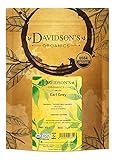
How to make tea-infused gin: To create the perfect gin and Earl Grey base, you must infuse the spirit directly with the loose leaves, highlighting the citrusy bergamot notes that perfectly complement the botanicals of a dry gin.
Ingredients
- 1 ½ oz Dry Gin (infused with Earl Grey tea)
- 1 oz Simple syrup
- ¾ oz Fresh lemon juice
- 1 Egg white (or aquafaba for a vegan option)
- 1 tbsp Organic loose leaf Earl Grey tea (for the initial gin infusion)
- Lemon twist (for garnishing)
Instructions
- Infuse the gin by combining 1 tablespoon of loose leaf Earl Grey with 1 cup of gin in a glass jar. Let it sit at room temperature for exactly 2 hours, then strain through a fine mesh sieve.
- Measure 1 ½ oz of your newly infused tea gin into a cocktail shaker.
- Pour in the fresh lemon juice, simple syrup, and egg white.
- Shake vigorously without ice (dry shake) for 15 seconds to emulsify the egg white and build a thick foam.
- Add a generous scoop of ice and shake again for 10 seconds to chill and dilute the cocktail.
- Strain double through a fine mesh strainer into a chilled coupe glass, then garnish with a fresh lemon twist.
Pro-Tip: What most guides miss about alcohol extraction
When dealing with high-proof alcohol, spirit-tea solubility happens rapidly. Never leave black tea leaves steeping in gin for more than 2-3 hours. If you leave it overnight, excessive tannin extraction levels will render your MarTEAni unpalatable and chalky. Always strain promptly.
2. Muddle a Botanical Jasmine Tea Gimlet

Save this floral cocktail hack for your next spring garden party!
How to make a jasmine tea gimlet: Instead of a direct alcohol infusion, you build this bright and fragrant drink by muddling a highly concentrated jasmine tea syrup with vodka to preserve the delicate floral notes.
Ingredients
- 2 oz Vodka or London Dry Gin
- ¾ oz Fresh lime juice
- ¾ oz Jasmine tea simple syrup
- 1 tsp Premium jasmine green tea pearls (for brewing the syrup base)
- Edible flowers or a lime wheel for garnishing
Instructions
- Brew a strong batch of jasmine tea by steeping 1 teaspoon of pearls in 4 oz of hot water (175°F/80°C—do not use boiling water) for 3 minutes.
- Sweeten the hot tea by stirring in 4 oz of white sugar until completely dissolved, then let the syrup cool.
- Measure the vodka, lime juice, and your cooled jasmine tea syrup into a shaker.
- Fill the shaker with high-quality ice cubes.
- Shake briskly for 10-12 seconds to ensure proper chilling and balancing of the acidity.
- Strain the cocktail into a chilled coupe or Nick and Nora glass and gently place an edible flower on top.
Pro-Tip: Expert insight on green tea temperature
To maximize the l-theanine interaction with alcohol while preserving aromatics, always use temperature-controlled water (around 175°F) for green teas. Boiling water scorches the delicate jasmine leaves, instantly releasing harsh bitterant compounds into your cocktail syrup.

3. Steep a Warming Chai Spiced Bourbon Toddy

Tap to save this incredibly cozy winter cocktail recipe!
How to build a chai spiced bourbon drink: This hot bourbon tea toddy recipe layers robust black tea and warming spices with honey, enhancing the earthy warmth of the spirit for cold weather sipping.
Ingredients
- 1 ½ oz Bourbon or Rye Whiskey
- 4 oz Hot filtered water
- 1 tbsp Authentic loose leaf Masala Chai
- ½ oz Fresh lemon juice
- ½ oz Honey syrup (2 parts honey mixed with 1 part warm water)
- 1 Cinnamon stick and 1 star anise for garnish
Instructions
- Simmer the filtered water in a kettle until it reaches a rolling boil (212°F/100°C), ideal for robust black teas.
- Steep the loose leaf chai directly in your serving mug using a tea infuser basket for exactly 4 minutes, then remove the leaves.
- Stir the honey syrup into the hot tea until fully dissolved.
- Pour in the bourbon and fresh lemon juice.
- Stir gently to combine all the ingredients without cooling the drink too rapidly.
- Garnish by dropping in a star anise pod and a cinnamon stick (which you can lightly toast with a lighter for extra aromatics).
Pro-Tip: An often-overlooked hot cocktail strategy
Never boil the bourbon alongside the water in a saucepan. Applying direct culinary heat to the spirit causes the alcohol to evaporate prematurely and destroys the delicate barrel-aged flavor notes of the whiskey. Always add the liquor to the mug last.

4. Brew a Chilled Sweet Tea Prosecco Spritz

Pin this bubbly sweet tea spritz for your weekend brunch!
How to make sweet tea prosecco cocktails for brunch: You must cold-brew your Luzianne black tea base first, sweeten it with simple syrup, and top it with Prosecco for an effervescent, low-ABV finish.
Ingredients
- 2 oz Cold-brewed black tea (like Luzianne tea or English Breakfast)
- 3 oz Chilled Prosecco
- ½ oz Peach liqueur or peach syrup
- ¼ oz Fresh lemon juice
- Fresh peach slices and mint sprigs for garnish
- Crushed ice
Instructions
- Brew your black tea using the cold-brew method: steep 2 tablespoons of loose leaf tea in 2 cups of cold water in the fridge for 8 hours, then strain.
- Fill a large wine glass or spritz glass halfway with crushed or cubed ice.
- Pour the cold-brewed black tea, peach liqueur, and lemon juice over the ice.
- Stir gently with a bar spoon to integrate the juices and tea.
- Top the mixture slowly with the chilled Prosecco to maintain maximum carbonation.
- Garnish the rim with a fresh peach slice and tuck a fragrant mint sprig directly into the ice near the straw.
Pro-Tip: The ultimate fix for cloudy iced tea
Making cold-brew tea prevents the dreaded “cloudy iced tea” syndrome. Hot-brewing black tea and immediately icing it causes the polyphenols and caffeine to bind together, creating a muddy, cloudy appearance. Cold-brewing ensures crystal-clear, stunning cocktails.

5. Blend an Earthy Matcha Green Tea Cocktail

Save this gorgeous emerald matcha cocktail for later!
Can you use matcha powder in cocktails? Yes, but you must vigorously whisk the shade-grown matcha into a warm water paste first, providing an earthy and bittersweet base that suspends perfectly in gin.
Ingredients
- 1 ½ oz Roku Gin or another botanical-forward Gin
- 1 tsp Culinary grade Matcha powder
- 1 oz Pineapple juice
- ½ oz Coco Lopez (cream of coconut)
- ½ oz Fresh lime juice
- 1 oz Warm water (for whisking the matcha)
Instructions
- Sift one teaspoon of matcha powder into a small ceramic bowl to remove any clumps.
- Pour 1 oz of warm water over the powder and use a bamboo whisk to vigorously whip it into a smooth, frothy paste.
- Transfer the prepared matcha paste into a cocktail shaker.
- Add the gin, pineapple juice, cream of coconut, and fresh lime juice into the shaker along with a handful of ice.
- Shake aggressively for 15 seconds to fully integrate the heavy coconut cream and the matcha suspension.
- Strain the vibrant green mixture over a single large, clear ice cube in a double rocks glass.
Pro-Tip: Understanding Kyoto matcha grading
Always use high-quality culinary grade Kyoto matcha for green tea based cocktails. While ceremonial grade is excellent for pure water tea ceremonies, its delicate nuances are completely lost against strong alcohol and citrus, making culinary grade the smarter, more robust choice for mixology.

6. Infuse a Floral Chamomile Elderflower Liqueur Smash

Pin this relaxing herbal cocktail for your next self-care night!
Is chamomile tea good with vodka? Chamomile is exceptional with white spirits because this herbal tisane pairs perfectly with Elderflower liqueur, gently mellowing the bite of the vodka with honey-sweetened floral aromatics.
Ingredients
- 1 ½ oz Vodka or Light White Rum
- ¾ oz St-Germain or similar Elderflower liqueur
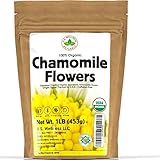
- 2 oz Strongly brewed Chamomile tea (chilled)
- ½ oz Fresh lemon juice
- ¼ oz Honey
- Dried food-grade chamomile flowers for garnish
Instructions
- Steep 2 tablespoons of dried chamomile flowers in 4 oz of hot water for 8 minutes. (Herbal teas don’t get bitter, so longer is better for flavor extraction).
- Stir the honey into the hot chamomile tea to dissolve it, then place the liquid in the freezer for 10 minutes to rapidly chill it.
- Combine the chilled chamomile-honey mixture, vodka, elderflower liqueur, and lemon juice in a cocktail shaker.
- Fill the shaker with ice and shake for 10 seconds until the tin is frosty.
- Strain the liquid into a highball glass filled with fresh crushed ice.
- Garnish elegantly by scattering a pinch of dried, food-safe chamomile blossoms across the top of the crushed ice.
Pro-Tip: The secret to herbal tea infusions
Because chamomile is a botanical tisane and not a true tea leaf, it contains virtually zero tannins. This means you can’t over-steep it! For an intensely flavored syrup, professional bartenders use a cold-vacuum infusion method, letting chamomile sit directly in elderflower liqueur overnight.
7. Batch a Smoky Lapsang Souchong Rum Punch

Save this incredible large-batch tea punch for your next party!
How do you make a batch of tea punch? You use Lapsang Souchong black tea as a high-volume base for aged rum, creating a deeply smoky and complex flavor profile that scales up effortlessly for crowds.
Ingredients
(Note: This recipe serves 8-10 people)
– 1 ½ cups Aged Dark Rum
– 3 cups Hot water
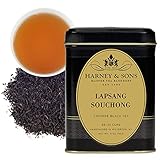
– 3 tbsp Lapsang Souchong loose leaf black tea
– 1 cup Fresh orange juice
– ½ cup Fresh lime juice
– ¾ cup Demerara syrup (or brown sugar syrup)
– 4 dashes Angostura bitters
– Dehydrated citrus wheels for garnish
Instructions
- Brew the tea base by steeping the Lapsang Souchong leaves in 3 cups of hot water (212°F) for exactly 4 minutes. Strain immediately to stop the brewing process.
- Cool the smoked tea completely by placing it in the refrigerator for 1 hour.
- Pour the cooled tea, dark rum, fresh orange juice, lime juice, and Demerara syrup into a large serving pitcher or crystal punch bowl.
- Dash the Angostura bitters directly into the bowl to add depth.
- Stir the batch vigorously with a long ladle or bar spoon until all ingredients are perfectly uniform.
- Chill the punch block by adding one massive block of ice (which melts slower than small cubes, preventing dilution). Ladle into individual ice-filled glasses when guests arrive.
Pro-Tip: Historical context of the tea punch
In the history of punch making, tea was originally used as the traditional water/spice element in 18th-century mixology. Lapsang Souchong is traditionally dried over pine wood fires, giving it an intensely smoky profile. It is the bartender’s secret weapon for adding deep, savory smoke to cocktails without relying on expensive Mezcal or Scotch whisky.
Key Takeaways: Your Quick Guide to Tea-Based Cocktails
What are the most critical rules for tea based beverages? Mastering the balance between delicate leaves and potent alcohol requires a strict adherence to temperature control and extraction times.
If you want to quickly review the most important rules of tea mixology before your next gathering, keep these core principles in mind. These actionable insights synthesize complex chemical reactions into foolproof guidelines:
- Master Tannin Management: The secret to flawless tea-based cocktails overview is controlling extraction; over-steeping black or green tea releases harsh, bitter tannins that ruin the balance of your drink.
- Control Your Temperatures: Never use boiling water on delicate botanicals. Use 175°F for green/white teas and 212°F for robust black/herbal teas to ensure smooth flavor profiles.
- Cold Brew to Prevent Cloudiness: If you want crystal-clear iced tea cocktails, utilize the cold brew method rather than hot brewing and pouring over ice, which causes polyphenols to bind and turn cloudy.
- Matcha Requires Agitation: When mixing cocktails with tea key points using powdered matcha, you must actively whisk or vigorously dry-shake the ingredients to properly suspend the powder and avoid a chalky texture.
- Respect Alcohol Extraction Speeds: Steeping tea directly in high-proof spirits (like gin or vodka) extracts flavor exponentially faster than water. Limit alcohol infusions to 2-3 hours maximum.
- Use Tisanes for Forgiving Infusions: Herbal teas like chamomile and peppermint contain zero true tannins, making them perfect for overnight, slow-steeping batch cocktails without the risk of bitterness.
- Balance Earthy with Citrusy: Always pair the dark, tannic notes of black tea with bright acid boosters like fresh lemon or lime juice to create a well-rounded, vibrant palate.
People Also Ask About Tea-Based Cocktails
Mastering how to make tea based cocktails often brings up specific technical questions. From selecting the perfect leaves to troubleshooting cloudy batches, understanding the science behind the steep is crucial. Here are detailed answers to the most common questions about infusing spirits with tea at home.
What is the best tea for cocktails?
The best tea for cocktails depends entirely on the spirit you are mixing, but Earl Grey, Jasmine green tea, and robust black teas are the most versatile. Earl Grey’s bergamot oil pairs beautifully with the botanicals in gin, while Jasmine’s floral notes complement light spirits like vodka. For aged spirits like bourbon or dark rum, choose robust, earthy options like Masala Chai or smoky Lapsang Souchong to hold up against the liquor’s heavy barrel notes.
Can you mix tea with alcohol directly?
Yes, you can mix tea with alcohol directly by infusing loose leaf tea straight into the spirit at room temperature. However, because alcohol acts as a highly efficient solvent, it extracts flavors—and bitter tannins—much faster than water. When creating tea-infused alcoholic drinks, you should generally limit the steeping time to 2 to 3 hours, tasting frequently, and strain the leaves out promptly to prevent the liquor from becoming overly astringent.
How do you make tea syrup for drinks?
To make a tea syrup for drinks, steep your chosen tea in hot water, then dissolve an equal volume of sugar into the liquid. For example, steep 2 tablespoons of loose leaf tea in 1 cup of hot water for 4 minutes. Remove the leaves, then stir in 1 cup of white cane sugar until completely dissolved. This method preserves delicate botanical aromas and adds both sweetener and tea flavor to your cocktails simultaneously.
Is green tea good in cocktails?
Green tea is exceptionally good in cocktails, offering a bright, grassy, and refreshing flavor profile that pairs perfectly with gin, vodka, and white rum. Because green tea has delicate, complex aromatics, it is best utilized as a chilled syrup or a cold brew. Avoid mixing hot green tea with strong alcohol, as the heat can destroy its subtle vegetal notes and highlight unwanted bitterness.
How long should you steep tea for cocktails?
When steeping tea in hot water for cocktail syrups, follow standard times: 3 minutes for green/white tea, and 4-5 minutes for black/chai teas. However, if you are infusing tea directly into room-temperature alcohol (like gin or vodka), you should steep it for no more than 2 to 3 hours. Herbal teas (tisanes) are the exception; lacking tannins, they can be steeped in water or alcohol for up to 24 hours without turning bitter.
Can I use tea bags for cocktails?
While you can use commercial tea bags for cocktails, high-quality loose leaf tea is vastly superior for mixology. Tea bags often contain dust and fannings—the broken, lower-grade remnants of tea leaves that release bitter tannins rapidly and lack complex aromatic oils. Using whole loose leaf tea ensures a cleaner, more controlled flavor extraction, which is critical when balancing delicate cocktail recipes.
What alcohol goes best with Earl Grey tea?
London Dry Gin is undeniably the best alcohol to pair with Earl Grey tea. Gin is distilled with botanical aromatics like juniper and citrus peel, which harmonizes perfectly with the distinctive, zesty bergamot orange oil used to flavor Earl Grey. This classic flavor combination is the foundation of the famous Earl Grey MarTEAni, though it also works brilliantly in simple gin and tonics.
How to balance tea tannins in drinks?
To balance harsh tea tannins in drinks, you must introduce a contrasting element: sweetness, acidity, or fat. If a tea-based batch cocktail tastes too astringent or mouth-drying, adding simple syrup, honey, or a splash of fresh lemon juice will instantly mellow the bite. For advanced mixology, techniques like milk washing (clarifying the cocktail with milk) use dairy proteins to strip the bitter tannins away entirely, leaving a silky texture.
Why use cold brew tea for cocktails?
Using cold brew tea for cocktails prevents the liquid from becoming cloudy and yields a smoother, sweeter flavor profile. When hot-brewed tea is rapidly chilled over ice, its polyphenols and caffeine bind together, creating a muddy, opaque appearance. Cold brewing extracts flavor slowly without pulling out the bitter compounds, resulting in a crystal-clear, refreshing base ideal for a sweet tea spritz or iced tea punch.
What is the difference between tea cocktails and mocktails?
The primary difference is that tea cocktails contain distilled spirits like vodka or bourbon, while tea mocktails are entirely non-alcoholic. In mocktails, strongly brewed tea is often used to replicate the complex, astringent bite and mouthfeel that alcohol usually provides. A well-crafted zero-proof tea mocktail relies heavily on the tannins in black tea or the spice in chai to elevate the drink beyond standard fruit juice.
Final Thoughts on Tea-Based Cocktails
Mastering the art of tea cocktails conclusion opens up an entirely new, sophisticated dimension to your home mixology repertoire. By treating tea not just as a simple mixer, but as a complex botanical ingredient requiring precise temperature control and thoughtful tannin management, you elevate your drinks from basic party punches to artisanal, bar-quality experiences. The intersection of tea culture and craft botanical concoctions is built entirely on balance.
Whether you are shaking up a citrusy Earl Grey MarTEAni, muddling a delicate Jasmine Gimlet, or serving a massive, smoky batch of Lapsang Souchong Rum Punch for a crowd, the foundational rules remain the same. Respect your extraction times, never scorch your green teas, and remember that high-proof spirits pull flavors from tea leaves at an astonishing rate. Armed with these professional bartending techniques, you can avoid the dreaded bitterness that plagues amateur drinks and consistently pour perfectly balanced, highly aromatic libations.
Now that you have the knowledge to confidently combine the world’s oldest brewed beverage with your favorite spirits, it’s time to start experimenting with your home bar setup. Which of these seven proven infusion recipes are you going to mix up first this weekend? Let us know your favorite tea and spirit pairings in the comments below!
Last update on 2026-08-25 / Affiliate links / Images from Amazon Product Advertising API
