

As an Amazon Associate CoffeeXplore.com earns from qualifying purchases.
Almond Tea Recipe: 3 Authentic Refreshing Blends in 2026
Are you tired of brewing cloudy pitchers with a sharp, bitter aftertaste? Crafting the perfect almond tea recipe at home often frustrates well-meaning hosts. You deserve a homemade beverage that is consistently golden, refreshing, and perfectly balanced.
An authentic almond tea recipe involves steeping high-quality black tea bags in boiling water, dissolving granulated sugar while hot, and blending in pure almond extract, vanilla extract, and frozen lemonade concentrate before chilling. This highly refreshing Southern party punch is best served cold over fresh ice.
Drawing from extensive kitchen-tested methodologies and authentic culinary history, this guide guarantees exceptional results. You will discover three distinct cultural variations of this beloved beverage. Master these verified techniques to confidently serve a flawless, highly aromatic drink at your next gathering.
Contents
show
3 Authentic Refreshing Blends in 2026
To make the three best almond tea blends at home: 1. Classic Southern Almond Tea Punch with lemonade. 2. Creamy Almond Milk Tea with boba pearls. 3. Traditional Chinese Sweet Almond Soup with rice.
The culinary world actually recognizes three completely distinct branches of this popular beverage. Depending on your specific event and dietary needs, you might require a sweet, citrus-infused southern almond sweet tea for a summer wedding, a modern dairy-free milk tea with chewy boba, or a comforting traditional Chinese dessert soup designed for sore throat relief. Each authentic almond tea blend requires completely different preparation techniques, flavor profile analysis, and base ingredients. By understanding these variations, you can confidently recreate a perfectly tailored beverage experience. These drinks also beautifully complement homemade tea cake recipes for an elegant afternoon spread. Let us explore the exact, high-yield steps needed to master each unique variation.
1. Classic Southern Almond Tea Punch

Pin this refreshing Southern party punch to your ‘Summer Drinks’ board for your next gathering!
Preparing a bulk almond tea punch recipe requires precision to ensure the perfect balance of sweetness and acidity. When hosting baby showers or large parties, relying on family sized tea bags streamlines your bulk beverage storage process. However, you must carefully monitor your steeping time in boiling water to prevent extracting excess tannins, which causes a cloudy pitcher and a harsh, bitter aftertaste. By properly mixing your vanilla and almond extract with frozen lemonade concentrate, you create an incredibly vibrant, highly aromatic centerpiece for any social event that feels like a true family favorite.
Ingredients
- 4 family sized tea bags (or 10-12 standard black tea bags)
- 2 cups boiling water (for steeping)
- 1 cup granulated sugar (adjust to preference)
- 1 can (12 oz) frozen lemonade concentrate, thawed
- 1 tablespoon pure almond extract
- 1 teaspoon pure vanilla extract
- 14 cups cold filtered water (divided)
- Fresh lemon slices and mint for garnish
Instructions
- Steep the tea bags in the 2 cups of boiling water for exactly 5 minutes (do not over-steep to avoid bitterness).
- Remove the tea bags gently without squeezing them.
- Pour the hot, concentrated tea into a large, heat-safe 2-gallon pitcher.
- Whisk the granulated sugar into the hot tea immediately, stirring continuously until completely dissolved.
- Blend in the thawed frozen lemonade concentrate, almond extract, and vanilla extract.
- Combine by pouring in the remaining 14 cups of cold water and stirring vigorously.
- Chill the tea in the refrigerator for at least 2 hours to allow the extracts to meld.
- Serve over ample ice, garnished with fresh lemon wheels.
Pro-Tip: For optimal flavor stability, always add your extracts after the hot tea has cooled slightly. Exposing pure almond extract to boiling temperatures can evaporate its volatile aroma compounds, leaving you with a weaker flavor profile in the final batch.

2. Creamy Almond Milk Tea Boba

Save this creamy, dairy-free boba recipe to your ‘Cafe Drinks At Home’ board!
Crafting a creamy almond milk tea boba at home offers a delicious, healthier alternative to heavy, artificially sweetened coffee shop beverages. Creating a perfect homemade almond milk tea relies on establishing a robust black tea base that can stand up to the rich, nutty profile of the milk. Choosing between almond syrup vs extract depends on your desired sweetness level, but a touch of pure extract beautifully enhances the natural almond flavor without adding extra sugar. The real secret to a stunning cafe-style experience lies in properly preparing your boba pearls, ensuring they remain exceptionally chewy, perfectly sweetened, and texturally sound when chilled in the iced beverage.
Ingredients
- 2 bags robust black tea (like Assam or Ceylon)
- 1 cup hot water
- 1/2 cup quick-cooking black tapioca balls (boba)
- 2 tablespoons dark brown sugar (for syrup)
- 1 tablespoon hot water (for syrup)
- 1 cup unsweetened, creamy almond milk
- 1/2 teaspoon almond extract (optional, for boosted nutty flavor)
- Ice cubes
Instructions
- Brew the black tea bags in 1 cup of hot water for 5-7 minutes for a strong concentrate. Chill in the refrigerator.
- Boil a small pot of water, add the boba pearls, and cook according to the package directions (usually 3-5 minutes until they float and become soft).
- Strain the boba and immediately rinse under cold water to stop the cooking process and retain chewiness.
- Mix the dark brown sugar with 1 tablespoon of hot water in your serving glass until completely dissolved to create a quick syrup.
- Soak the cooked boba pearls in the brown sugar syrup at the bottom of the glass for 10 minutes.
- Add ice cubes over the boba.
- Pour the chilled black tea over the ice, filling the glass about halfway.
- Blend the almond extract into the almond milk (if using), then pour the milk over the tea.
- Stir well with a wide boba straw and enjoy your decadent milk tea immediately.
Pro-Tip: Achieving the perfect chewy texture in boba requires understanding osmotic balance. Soaking the warm, cooked pearls in a highly concentrated brown sugar syrup draws the sweetness into the starch matrix of the pearl, preventing them from becoming bloated and flavorless in your milk tea.

3. Traditional Chinese Almond Tea (Sweet Almond Soup)

Pin this authentic, soothing Chinese dessert soup for your next cozy night in!
The traditional chinese almond tea with rice, historically known as xingren cha, is profoundly different from Western iced preparations. This ancient culinary recipe utilizes raw apricot kernels rather than standard almonds to achieve its signature deeply nutty, fragrant profile. Revered as a comforting remedy for sore throat relief, this opaque, milky soup requires soaking and grinding the kernels alongside glutinous rice. The rice acts as a natural thickener, providing a remarkably silky texture once sweetened with traditional yellow rock sugar. When preparing this, understanding the amygdalin content in bitter northern kernels is crucial for safe handling, which is why sweet southern kernels form the base of this expert advice.
Ingredients
- 1 cup Chinese sweet apricot kernels (Southern almonds / Nan Xing Ren)
- 1 tablespoon Chinese bitter apricot kernels (Northern almonds / Bei Xing Ren) – optional for deeper flavor
- 1/4 cup washed glutinous rice (sticky rice)
- 3 1/2 cups filtered water (divided)
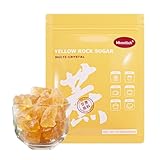
- 1/3 cup yellow rock sugar (or adjust to taste)
- Pinch of salt
Instructions
- Soak the sweet apricot kernels, bitter apricot kernels (if using), and glutinous rice together in a bowl of water overnight, or for at least 4 hours.
- Drain and thoroughly rinse the soaked kernels and rice.
- Blend the soaked mixture in a high-speed blender with 2 cups of fresh filtered water until it forms a very fine, milky puree (about 2-3 minutes).
- Strain the mixture through a nut milk bag or very fine cheesecloth into a pot, squeezing out as much liquid as possible. Discard or compost the remaining pulp.
- Whisk the remaining 1 1/2 cups of water into the strained almond liquid in the pot.
- Simmer the liquid over medium-low heat. You must stir continuously to prevent the rice starches from clumping and burning at the bottom of the pot.
- Dissolve the rock sugar and pinch of salt into the pot as it gently boils and thickens into a silky, creamy soup (about 10 minutes).
- Serve hot in small bowls as a traditional dessert or a soothing drink for a cough.
Pro-Tip: True Chinese almond tea relies on the viscosity of rice milk for its signature silky texture, rather than heavy dairy creams. Be sure to use short-grain glutinous rice, as the high amylopectin content provides the necessary gelatinization to thicken the soup perfectly without it becoming gloopy.
Common Mistakes & Storage: Mastering Your Almond Tea Recipe
Proper preparation temperature and exact timing are crucial to preventing a bitter aftertaste and extending the shelf life of your beverage.
Even the most experienced home cooks can encounter frustrating setbacks when scaling up beverage recipes. A common issue is a cloudy tea appearance, which typically results from tannin extraction issues when black tea is steeped for too long or refrigerated while still boiling hot. To guarantee crystal-clear results, never steep your family-sized tea bags for more than five minutes, and allow the concentrate to reach room temperature before transferring it to the fridge.
If you are planning to serve an almond tea punch for 50 people, you must master bulk beverage storage. Mix your tea, sugar, and lemonade concentrate a day in advance, storing it in large, airtight containers in the refrigerator. Wait to add ice until immediately before serving to prevent severe dilution. For those using instant iced tea powder instead of brewed bags, always whisk the powder into slightly warm water first to prevent clumping tea powder at the bottom of your serving pitcher. When handled safely and kept chilled without ice, your homemade concentrate maintains its optimal extract potency and a shelf life of up to a week.
Key Takeaways: Your Quick Guide to Almond Tea Recipe
Reviewing these core culinary principles ensures you can confidently recreate the perfect almond tea blend for any occasion.
Understanding the nuances between a traditional Southern sweet tea and an authentic Chinese apricot kernel soup prevents common kitchen failures. Below are the most critical insights drawn from expert advice and kitchen-tested methodologies to guarantee your success.
Key Takeaways:
- There is no single almond tea recipe – The term encompasses three distinct cultural beverages: Southern party punch, modern milk tea boba, and traditional Chinese sweet almond soup, each requiring totally different ingredients.
- Extracts require precise timing – When making the Southern almond tea punch, always stir in your pure almond and vanilla extracts after the boiling water has cooled slightly to prevent the volatile aroma compounds from evaporating.
- Steeping times dictate smoothness – Never boil black tea bags for longer than 5 minutes. Over-steeping extracts excess tannins, resulting in a bitter aftertaste and a cloudy pitcher.
- Authentic Chinese almond tea uses kernels, not nuts – The traditional dessert soup (Xingren Cha) is made by soaking and blending apricot kernels (Southern almonds) with glutinous rice, not standard Western almonds.
- Boba requires osmotic balance – For the best almond milk tea boba, soak your cooked tapioca pearls in hot brown sugar syrup immediately to ensure they remain chewy and sweet inside the cold drink.
- Scaling for crowds is easy but requires chilling – When preparing the Southern punch for large gatherings, mix the concentrate a day in advance and let it chill overnight to allow the extracts and lemonade to properly meld.
- Serve over fresh ice, not in the pitcher – To prevent dilution, never add ice directly to your bulk beverage storage pitcher; always pour the concentrated tea over ice in individual glasses.
People Also Ask About Almond Tea Recipe
Addressing common uncertainties regarding ingredients, dietary considerations, and proper safe handling ensures perfect recipe execution every time.
After exploring the three main variations of this popular beverage, you might still have specific questions about tweaking flavor profiles, managing bulk preparation, or utilizing this drink for natural cold remedies. Here are the most frequently asked questions and expertly verified answers.
How to make almond tea with extract?
To make almond tea with extract, brew a strong batch of black tea, dissolve granulated sugar while hot, and stir in 1 tablespoon of pure almond extract per gallon of tea once it cools slightly.
Using pure extract rather than imitation flavoring ensures a robust, authentic nutty aroma. For the best flavor balance, it is often paired with equal parts vanilla extract and a splash of citrus, like frozen lemonade concentrate, before chilling.
Is almond tea good for a sore throat?
Yes, traditional Chinese almond tea is excellent for a sore throat because sweet apricot kernels possess natural demulcent properties that coat and soothe irritated mucous membranes.
Served hot, this silky, thick soup provides immediate relief. Additionally, warm Southern-style almond tea brewed with black tea and sweetened with honey rather than refined sugar can help reduce throat inflammation and provide comforting hydration during a cold.
What is in almond tea punch?
A classic Southern almond tea punch contains brewed black tea, granulated sugar, frozen lemonade concentrate, pure vanilla extract, pure almond extract, and cold water.
It is known for its sweet, tangy, and deeply aromatic flavor profile. It is traditionally served chilled over ice and garnished with fresh lemon wheels and mint sprigs, making it a vintage staple for baby showers, weddings, and summer garden parties.
Can I use almond milk in tea?
Yes, almond milk is a fantastic, creamy dairy-free alternative to use in robust black teas, chais, and matcha.
Because almond milk has a lighter texture and nutty flavor, it complements earthy and spiced teas perfectly. When making an almond milk tea boba at home, simply swap out whole milk for unsweetened barista-blend almond milk to achieve a creamy, frothy texture that won’t curdle when mixed with strong tea.
What is the difference between almond tea and almond milk tea?
Almond tea usually refers to a clear, iced black tea flavored with almond extract or a hot Chinese soup made from ground apricot kernels, while almond milk tea refers to a modern cafe beverage made by mixing brewed tea with almond milk.
The former relies on extracts or pureed kernels for flavor, whereas the latter uses processed nut milk to provide a creamy, dairy-free base for popular drinks like boba.
Why does my almond tea taste bitter?
Your almond tea tastes bitter because the black tea bags were steeped for too long, or the water was too hot, which over-extracts astringent tannins from the tea leaves.
To avoid a bitter aftertaste, steep your family-sized tea bags for no more than 5 minutes in water just off the boil. Additionally, using too much pure almond extract or low-quality imitation flavoring can impart an unpleasantly sharp, bitter chemical taste.
How to store almond tea?
Store almond tea in an airtight glass or BPA-free plastic pitcher in the refrigerator without ice, where it will remain fresh for 5 to 7 days.
Do not add ice directly to the storage pitcher, as it will melt and cause severe dilution, ruining your careful flavor balance. For long-term storage, you can freeze the tea concentrate in ice cube trays or freezer-safe bags for up to three months.
How much almond extract for tea?
For a standard one-gallon batch of Southern sweet tea, use exactly 1 tablespoon (3 teaspoons) of high-quality pure almond extract.
Extracts are highly concentrated; using too much will overpower the delicate notes of the tea and lemonade, resulting in a medicinal taste. It is highly recommended to start with a smaller amount, taste your chilled beverage, and adjust upward only if necessary.
How to make almond tea for a crowd?
To make almond tea for a crowd of 50 people, multiply the standard recipe by four, creating 4 gallons of punch stored in bulk beverage dispensers.
You will need 16 family-sized tea bags, 4 cups of sugar, 4 cans of lemonade concentrate, and 1/4 cup each of vanilla and almond extracts. Prepare the concentrate a day ahead to streamline your party planning and allow the complex flavors to marry in the refrigerator overnight.
Does almond tea have nuts?
It depends on the variation: traditional Chinese almond tea is made with apricot kernels (seeds, not true tree nuts), while Southern punch uses extract which may or may not be derived from bitter almonds or stone fruit pits.
However, commercial almond milk tea contains actual tree nuts. If you are preparing this for guests with severe nut allergies, it is crucial to use a verified nut-free artificial almond flavoring instead of pure extract or natural kernels to ensure safe dietary handling.
Final Thoughts on Almond Tea Recipe
Mastering the perfect almond tea recipe doesn’t mean memorizing just one set of instructions; it means understanding the rich, diverse culinary traditions that share this name. Whether you are steeping a massive, citrus-laced batch of Southern punch for a summer wedding, carefully balancing the chewiness of homemade boba for a dairy-free afternoon treat, or grinding authentic apricot kernels for a soothing, traditional Chinese dessert soup, the key to success lies in respecting the specific techniques required for each.
By applying the expert advice shared in this guide—from managing tannin extraction to ensure a perfectly smooth brew, to timing your extracts for maximum aromatic impact—you can confidently skip the store-bought versions. You now have the foundational knowledge and precise ratios to craft an authentic almond tea recipe with real almonds or extracts that will impress your guests and comfort your family.
The beauty of these three distinct variations is their versatility. You can lean into vintage Southern hospitality, embrace modern cafe trends, or explore ancient culinary traditions, all from the comfort of your own kitchen. Which of these three refreshing blends are you planning to serve first? Let us know in the comments below how your homemade almond tea turned out!
Last update on 2026-08-17 / Affiliate links / Images from Amazon Product Advertising API
